Lombok Lembar Cruise Port: Gili Mas, Beaches & Drives
Lombok rewards cruise passengers who resist the urge to race across the whole island. The most satisfying port day usually combines one cultural thread, one landscape, and enough breathing room to notice the rice fields, mosques, palms, and mountain silhouettes between stops.
The first planning challenge is the port name. Cruise lines may describe the call as Lombok, Lembar, or Gili Mas, but those labels do not always identify the exact arrival point or whether the ship will berth.
Quick Facts
- Port label: Lombok, Lembar, or Gili Mas may appear on the itinerary, so confirm the exact facility in the ship’s daily program.
- Usual arrival: Many cruise calls use a berth at Gili Mas, while a Lembar berth or ship tender remains possible.
- Nearest major city: Mataram, about 21 kilometers from Lembar according to Indonesia’s Ministry of Tourism.
- Currency: Indonesian rupiah, abbreviated IDR.
- Language: Bahasa Indonesia is the national language, and Sasak is widely spoken locally.
- Time zone: Central Indonesia Time, UTC+8.
- Road rule: Traffic drives on the left.
- Best strategy: Choose one geographic direction, hire a vetted driver, and protect a generous return buffer.
Lembar and Gili Mas Are Not the Same Place
Lembar is the long-established port on Lombok’s southwest coast, serving ferries, cargo traffic, and cruise operations. Indonesia’s Ministry of Tourism identifies it as roughly 21 kilometers south of Mataram and notes that ships may berth or tender depending on their size and the day’s operation.
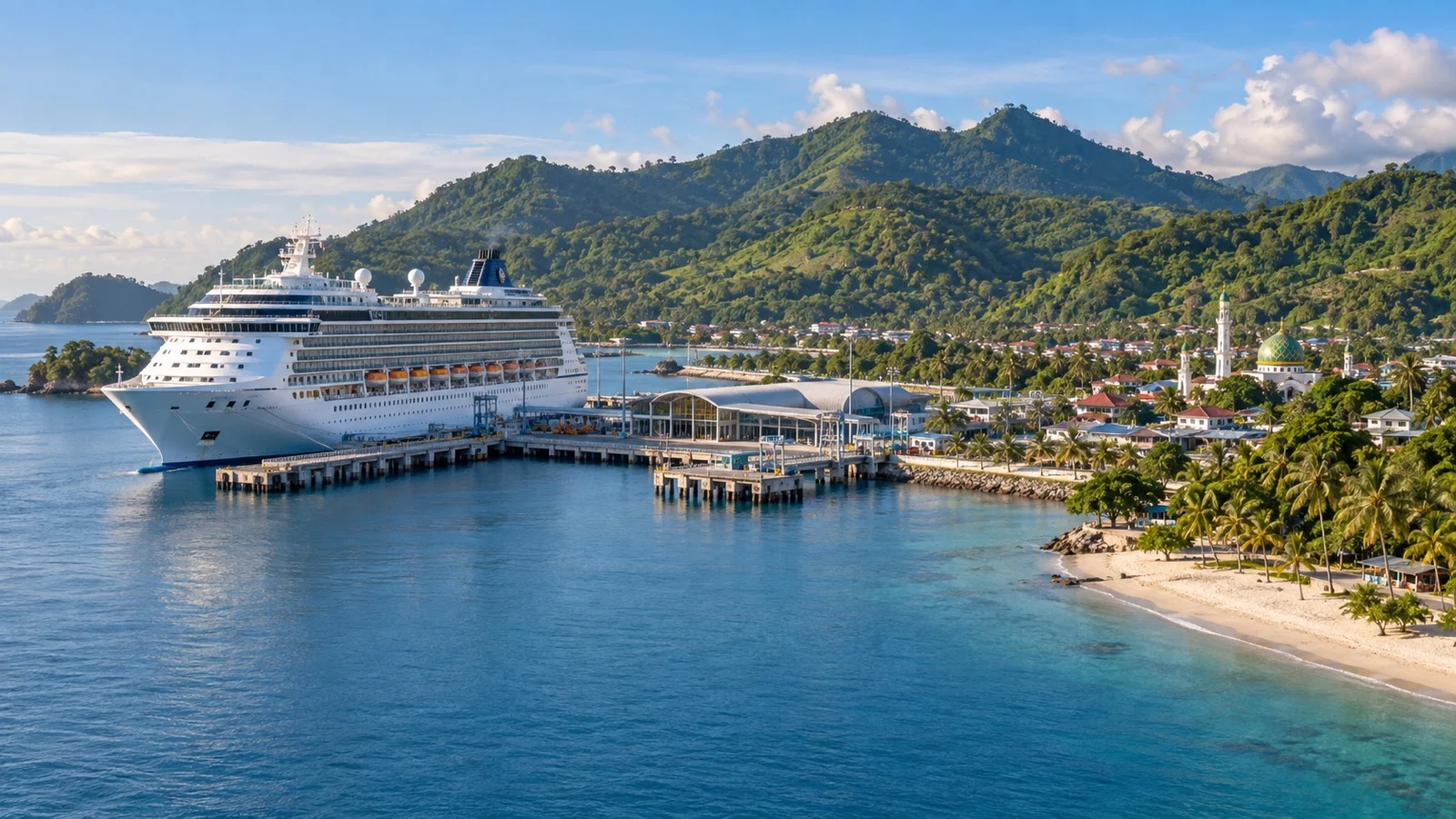
Gili Mas is a newer cruise and commercial terminal in the same broad southwest port area. Many larger cruise ships now use its dedicated berth, yet an itinerary that simply says Lembar does not guarantee Gili Mas or a walk-off arrival.
I would treat the ship’s daily program as the final authority. It should identify the gangway location, shuttle arrangements, last tender if applicable, and the exact all-aboard time.
This distinction matters because a docked day begins more efficiently than a tender day. It also changes where a private driver can wait, how long it takes to clear the port, and how much schedule margin you need at the end.
What Arrival Day Actually Feels Like
A berth at Gili Mas can make Lombok look deceptively easy on a map. You still emerge into a controlled port zone rather than a compact waterfront town with attractions lined up outside the gate.
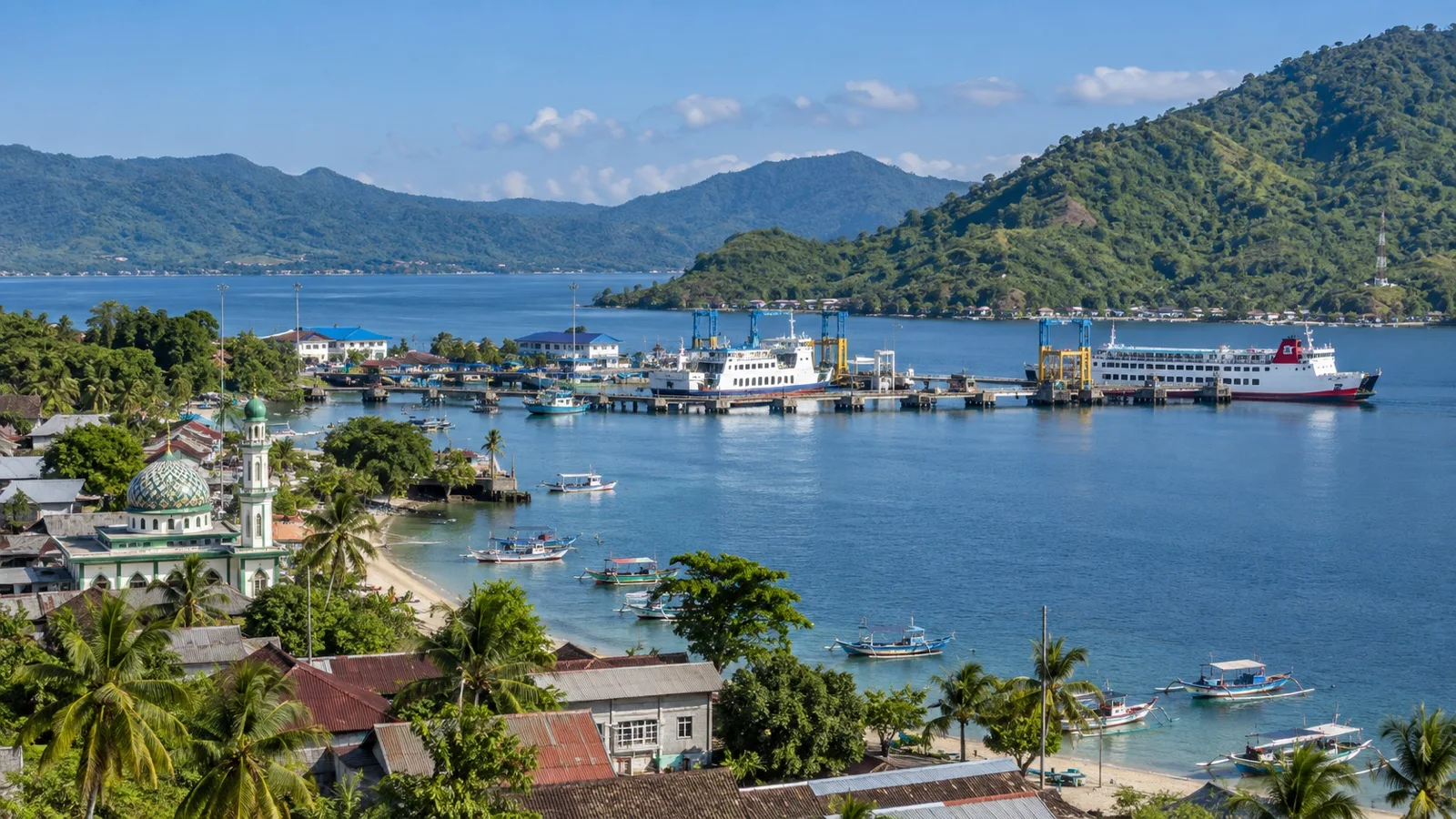
The terminal area may have basic visitor services, local sellers, or transportation desks when a ship is in, but offerings can vary by call. Do not build a full day around finding an unscheduled taxi after you disembark.
At Lembar, ferry and commercial movements can add another layer of traffic. Follow crew directions, use any provided shuttle, and never wander through an operational quay looking for a shortcut.
Tender calls add weather, sea state, and loading time to the equation. Passengers with independent plans should allow for a later-than-hoped arrival ashore and join the return tender line well before the published last boat.
Choose One Lombok Direction
Lombok is a substantial island, and the roads are slower than their distance suggests. Motorbikes, villages, ceremonies, market traffic, construction, and sudden rain can all turn a tidy map estimate into a longer drive.
My favorite planning rule here is to choose west and north, central culture, or south coast. Combining distant highlights from all three produces more windshield time and less Lombok.
Option One: Mataram and the Cultural Heart
Mataram is the practical urban choice for a first Lombok call. It can be paired with nearby temples, markets, craft communities, or a relaxed meal without committing to the long south-coast run.
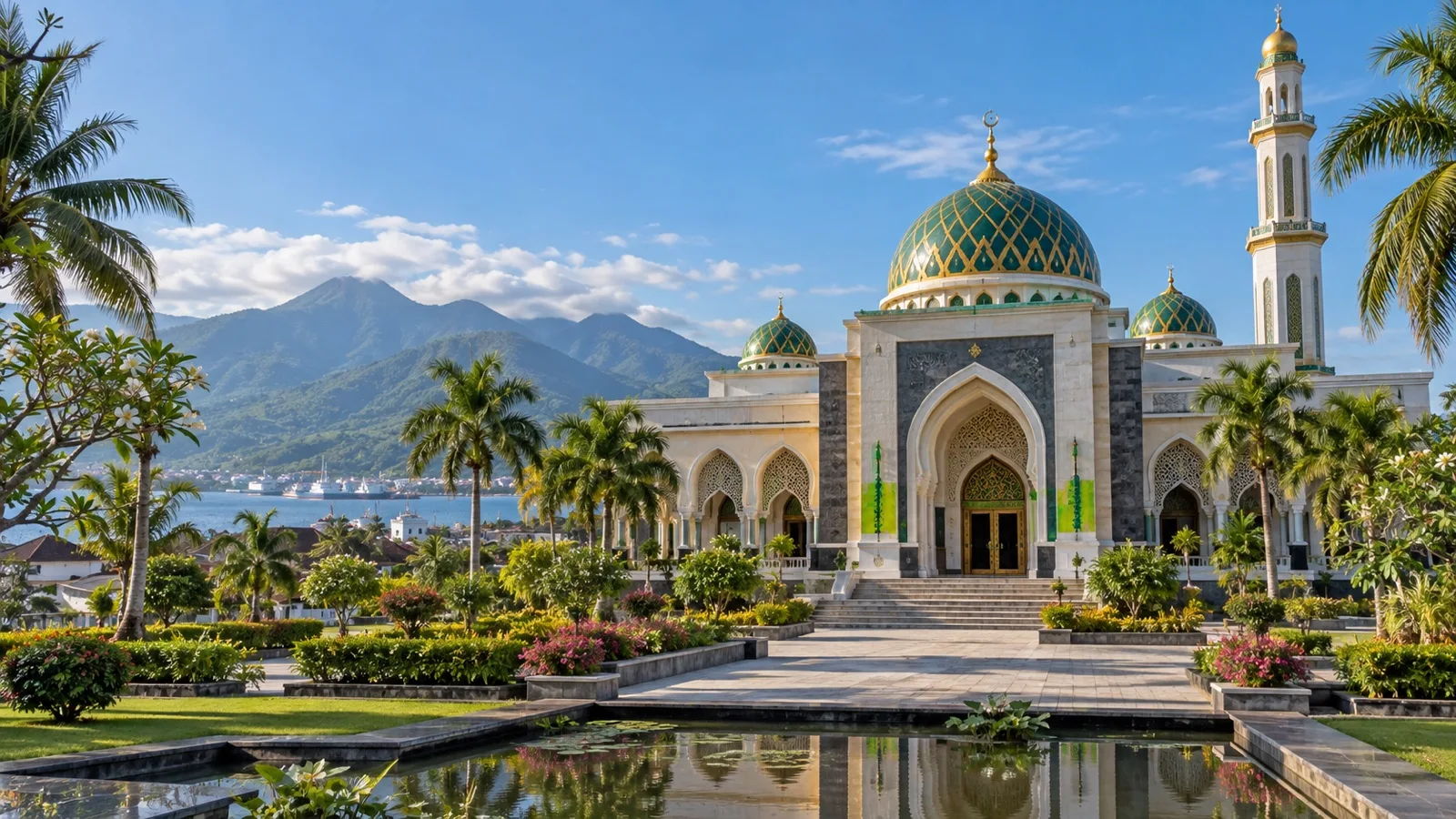
Mayura Water Palace and Pura Meru are often linked on city itineraries, while Lingsar Temple lies beyond the center. Opening conditions, ceremonies, restoration work, and visitor access can change, so a local driver should confirm the day’s situation before setting out.
Lingsar is especially meaningful because the complex reflects Lombok’s layered religious history. Visit quietly, accept a sash if required, and let a knowledgeable local explain the spaces rather than reducing the stop to photographs.
Banyumulek is known for pottery, and weaving communities such as Sukarara offer a closer look at textile traditions. A good visit centers the makers, explains how pieces are produced, and leaves buying as a choice rather than an obligation.
Markets can be lively and deeply local, but they are not polished cruise attractions. Carry small rupiah notes, ask before photographing people, and keep valuables secure in busy lanes.
Option Two: Senggigi and the West Coast
Senggigi is a sensible choice when the beach matters more than a checklist of monuments. The west-coast drive can deliver sea views, resort facilities, lunch, and an easier pace than the farther trip to Kuta Lombok.
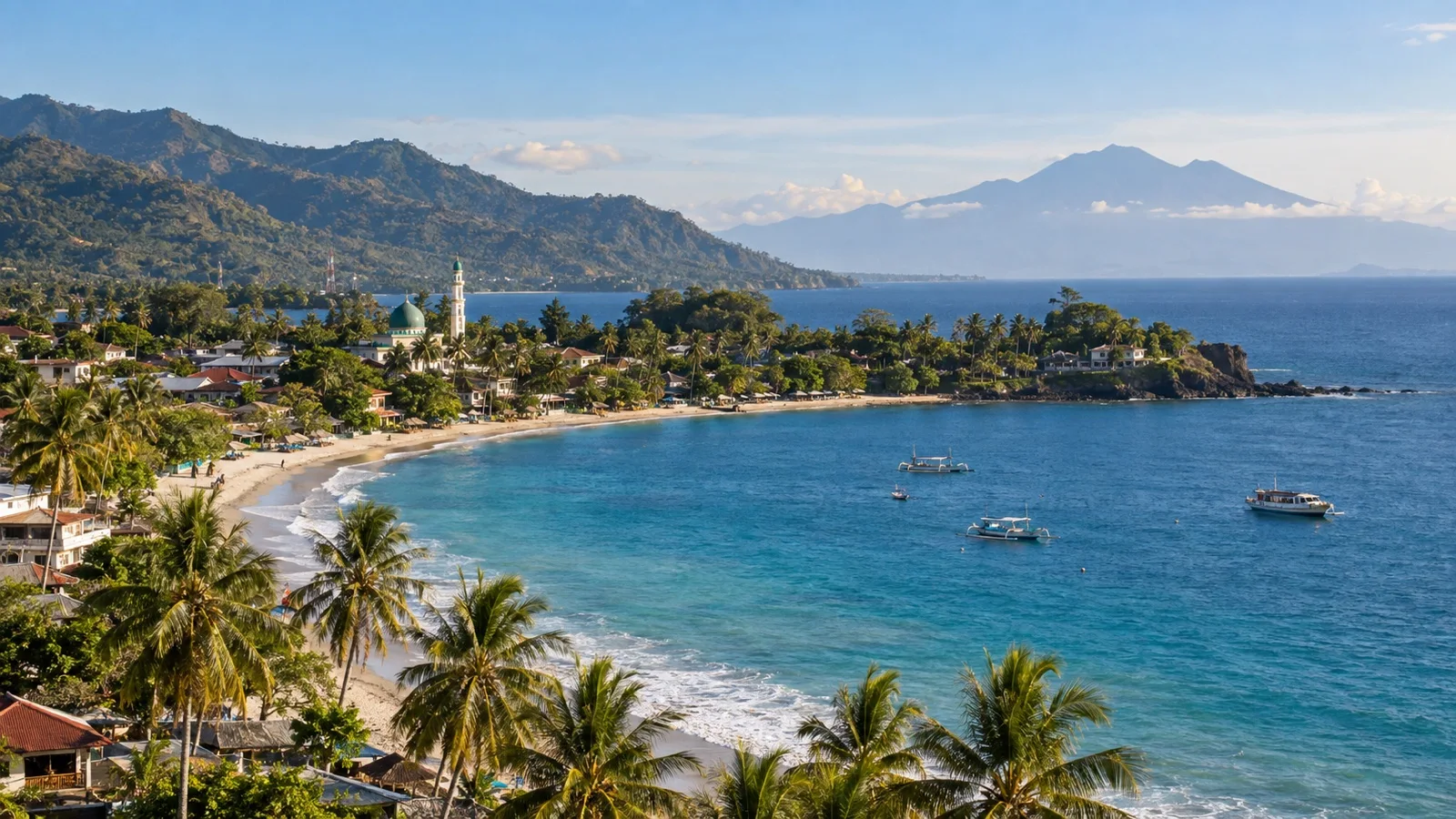
Beach conditions vary with tide, season, swell, and recent weather. Ask your driver where swimming is appropriate that day, and never assume a pretty strip of sand has lifeguards, shade, changing rooms, or safe water entry.
A Senggigi day can still include a cultural stop in or near Mataram. That pairing usually works better than bolting Senggigi onto an ambitious southern circuit.
Option Three: Kuta Lombok and Mandalika
Kuta on Lombok’s south coast is completely different from Kuta in Bali. The surrounding Mandalika area has broad bays, dramatic headlands, resort development, and the international racing circuit, but reaching it requires a meaningful cross-island drive.
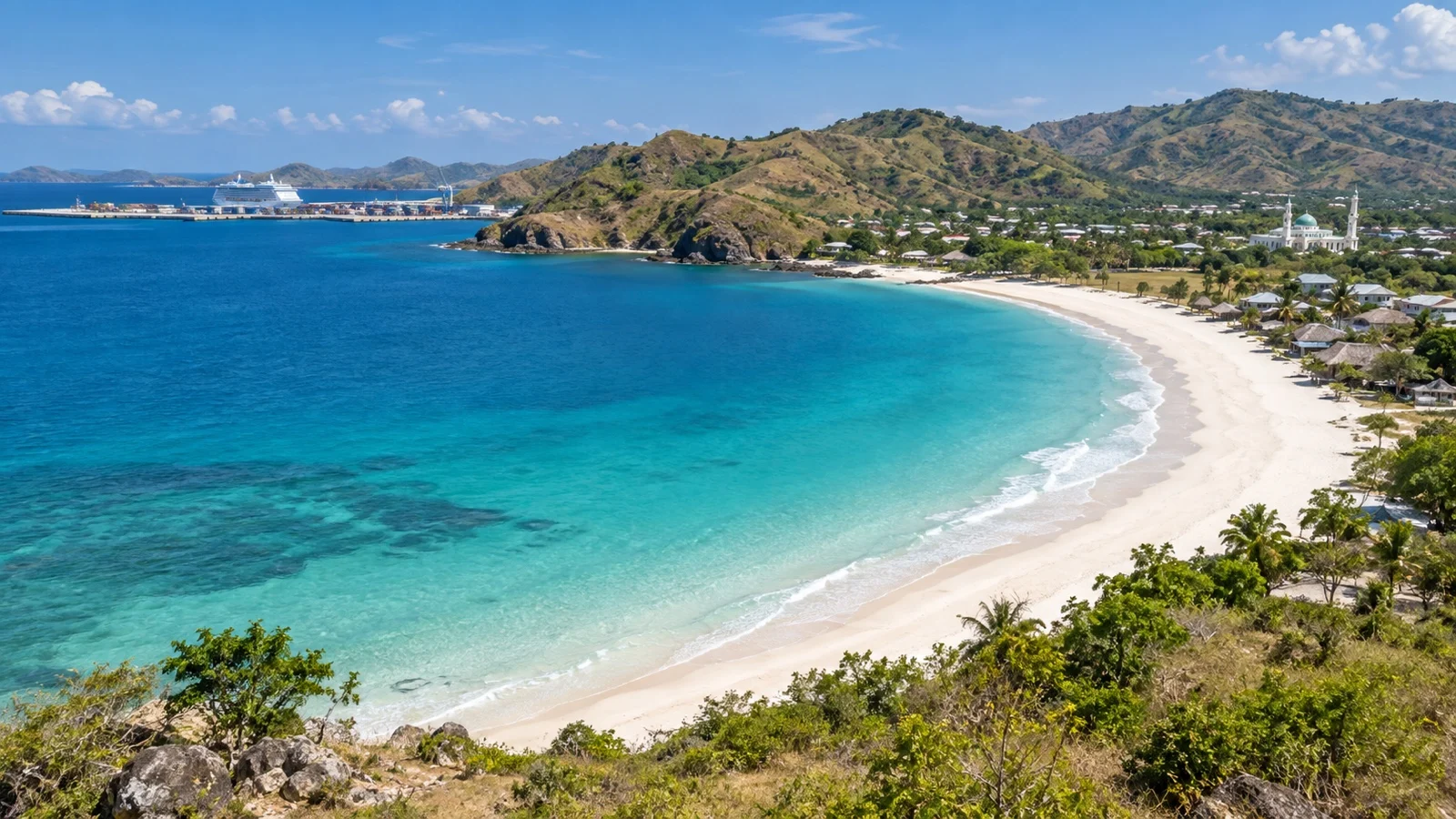
The south works best on a long port call with a prompt departure, a dependable car, and a deliberately short list of stops. On a shorter call, the return journey can dominate the afternoon and erase the pleasure of being there.
Tanjung Aan and other south-coast beaches can be beautiful, yet access, facilities, surf, and road conditions differ. Pick one beach after discussing the day’s weather and avoid chasing every viewpoint shown on a driver’s phone.
Sade or another Sasak village may fit naturally into a southern route, while Sukarara can add a weaving stop. Choose a visit that is community-led and respectful, then allow enough time to engage instead of treating residents as scenery.
The Gili Question
The word gili simply means small island, so not every Lombok gili is the famous Gili Trawangan. This causes a surprising amount of port-day confusion.
Gili Trawangan, Gili Air, and Gili Meno sit off northwest Lombok and require a long road transfer from the southwest port plus a boat connection. That chain is risky on a cruise schedule, particularly when sea conditions or traffic can delay the return.
Southwest Lombok has nearer islands, including Gili Nanggu and neighboring islets reached from the Sekotong area. A private boat day can be feasible, but only when arranged through a reputable operator who understands the ship’s deadline and can provide suitable safety equipment.
Snorkeling should never be treated as guaranteed. Visibility, current, wind, boat quality, coral conditions, and a passenger’s own ability all matter more than a brochure photograph.
If an island outing is the priority, I would book through the cruise line or a well-reviewed local operator with a clear cancellation and fallback plan. A land-based beach alternative should be agreed before departure in case boats cannot operate.
Drivers, Taxis, and Tours
A private car with driver is the most flexible way to use a Lombok port day. The best arrangement includes an agreed itinerary, total price, vehicle type, air conditioning, meeting point, payment method, and return time in writing.
Ask whether the driver will personally stay with you or hand the trip to someone else. Confirm that the vehicle has working seat belts and enough space for every passenger before paying a deposit.
Ride-hailing apps may function in parts of Lombok, but port pickup rules, driver availability, and return coverage are not consistent enough for a time-critical day. They are better treated as a backup within populated areas than as the backbone of the entire excursion.
Motorbike taxis are common but carry obvious risk, especially for visitors unfamiliar with left-side traffic and local road behavior. I would not use one for a long cruise excursion or while carrying beach gear.
Ship excursions cost more but protect the logistics in a way independent tours cannot. They are particularly attractive for southern routes, boat connections, mobility needs, or any day with tender uncertainty.
Realistic Road Timing
Mataram is the closest major city, but even that journey can vary substantially with the gate used and traffic. A planning range of roughly 40 to 60 minutes is more useful than a driver’s optimistic best case.
Senggigi commonly needs about an hour or more each way from the southwest port area. Kuta Lombok and Mandalika can require around 90 minutes each way, with longer times entirely possible.
These are planning ranges, not promises. Your driver and ship’s excursion team have the best call-specific information once the berth, weather, roadwork, and local events are known.
I aim to be back at the port gate at least 60 to 90 minutes before all aboard on an independent trip. For a tender call, a long southern drive, or a boat excursion, I build in even more room.
Indonesia Entry Rules for Cruise Passengers
Indonesia’s visa and arrival requirements depend on nationality, passport type, itinerary, and the way the cruise line processes the call. Some passengers may qualify for visa-free entry or a visa on arrival, while others need approval in advance.
Use the Indonesian Directorate General of Immigration’s official eVisa portal and the cruise line’s predeparture instructions, not a search advertisement or a private visa reseller. The cruise line may collect documents or fees on board when clearance is handled as a group.
Indonesia has also introduced the All Indonesia digital arrival system for immigration, customs, health, and quarantine declarations, with phased implementation across entry points. Complete it only if your cruise line or official government guidance says it applies to your voyage.
Rules can change between booking and sailing. Check again shortly before departure, ensure the name and passport details match exactly, and keep screenshots or printed confirmations available offline.
Weather and the Best Season
Lombok is tropical, warm, and humid through the year. A broadly drier season often runs from around May into October, while wetter months bring heavier showers and more variable sea conditions.
That pattern is not a guarantee, and rain can arrive quickly even on a bright morning. A compact umbrella, breathable clothing, reef-conscious sun protection, and a water-resistant pouch make the day easier.
Heat changes what is realistic. Slow the pace at midday, carry safe drinking water, and do not stack outdoor stops without shade or a proper break.
Weather matters most for tendering, snorkeling, and small-boat trips. The captain or port team may alter operations even when conditions look manageable from a cabin balcony.
Culture, Dress, and Religious Etiquette
Lombok is predominantly Muslim, with a Hindu Balinese community and local Sasak traditions shaping daily life. Calls to prayer, mosque traffic, temple ceremonies, and community events are part of the island rather than interruptions to a sightseeing schedule.
Dress with covered shoulders and knees for villages and religious sites, and carry a light wrap. Remove shoes when instructed, avoid stepping over offerings, and never enter a worship area that is closed to visitors.
During Ramadan, some businesses may adjust hours and daytime food service can be quieter outside tourist areas. Eat and drink discreetly around people who are fasting, especially near mosques and community spaces.
Photography deserves the same care. Ask before taking close portraits, do not photograph worshippers without permission, and accept that a ceremony may make a site unavailable.
Money, Shopping, and Connectivity
Indonesian rupiah is the working currency for drivers, markets, small restaurants, and tips. Cards are useful at larger hotels and established businesses, but cash remains essential outside resort settings.
Use bank-affiliated ATMs in secure locations and decline dynamic currency conversion when your own card offers the better rate. Tell your bank about the trip, carry a second payment method, and keep only the day’s cash accessible.
Bargaining may be expected in informal markets, but it should stay friendly. Once you agree on a price, honor it, and remember that a tiny savings for a visitor can mean more to the seller.
Mobile coverage is generally useful around Mataram and developed coastal areas, yet it can weaken on remote roads and islands. Download the ship’s contact information, map, meeting point, and driver details before leaving the terminal.
Food, Water, and Health
Lombok’s food can be boldly spiced, with ayam taliwang and plecing kangkung among the island’s best-known dishes. Ask about heat level, allergies, and preparation if you are not used to chili or have dietary restrictions.
Choose busy, clean establishments with food cooked fresh and served hot. Drink sealed bottled or properly treated water, and be cautious with ice when you cannot confirm the water source.
Mosquito-borne illness is a practical concern in tropical Indonesia. Use repellent, cover exposed skin when appropriate, and follow current advice from your own national health authority before travel.
Travel insurance should cover medical care, evacuation, and any higher-risk activity you plan to try. Carry essential medicine with you rather than leaving it on the ship, but keep prescription drugs in original packaging.
Safety Without Losing the Fun
Lombok is welcoming, but normal travel judgment still applies. Protect phones and wallets in crowds, avoid isolated beaches alone, and do not leave valuables visible in a parked car.
Road safety is the biggest everyday concern for many visitors. Traffic can be fluid, helmets and seat belts are not always standard, and night driving should be avoided on a cruise call.
At the beach, watch for currents, coral, boat traffic, and sudden drop-offs. If no one locally is swimming, pause and ask why before entering the water.
Natural hazards are part of Indonesian travel, including earthquakes, volcanic activity, and severe weather. Follow the captain, local authorities, and port instructions immediately if an advisory is issued.
Accessibility and Reduced Mobility
A berth is usually easier than a tender, but it does not make the day step-free. Gangway angle, terminal distance, shuttle steps, uneven temple surfaces, heat, and vehicle access can all create barriers.
Ask the cruise line whether the call is expected to berth and whether the shuttle can take a folding wheelchair or mobility scooter. Tender eligibility is decided by the ship and can change with sea conditions.
Accessible vehicles are limited and should be reserved well ahead. Give the operator the exact dimensions and weight of any device, describe transfer ability honestly, and ask for photographs of the actual vehicle.
A comfortable accessible day may focus on a scenic drive, an accessible hotel lunch, and one carefully chosen stop. That can be far more enjoyable than attempting a route built around steps, sand, and long walks.
A Balanced Lombok Port Day
For a straightforward first visit, I would leave promptly with a prearranged driver, spend the morning at Lingsar or central Mataram, add a pottery or weaving visit, and finish with lunch or a coastal stop. This plan feels varied without sending you to the far end of the island.
For a beach-focused day, choose Senggigi and keep the rest flexible. If traffic is light, add one cultural site on the way, but drop it without regret if the road begins to slow.
For the south coast, commit to an early start and no more than two major stops. A Sasak community visit plus one Mandalika beach is enough, and the return drive should begin earlier than instinct suggests.
For nearby-island snorkeling, use a cruise excursion or a port-aware operator and accept the operator’s weather decision. The smartest day is the one that still works when the boat portion is canceled.
What I Would Skip on a Cruise Call
Mount Rinjani is not a realistic port-day excursion from Lembar or Gili Mas. Proper mountain experiences require far more time, preparation, permits, and distance than a cruise schedule allows.
The northern Gili Islands are also a poor independent gamble for most calls because road and boat delays compound. Save them for a land stay when a missed connection does not mean a missed ship.
I would also skip any tour that promises the whole island in a few hours. Lombok’s appeal is in its people, scenery, and unhurried details, none of which survive a frantic loop.
Final Planning Checklist
Read the ship’s program as soon as it arrives, confirm Gili Mas versus Lembar and berth versus tender, and note the correct return point. Then message the driver if the plan or arrival time differs from what you booked.
Carry your ship card, photo identification required by the line, rupiah, water, sun protection, repellent, modest clothing, and offline contact details. Keep the port agent’s emergency number with you.
Before the car leaves the gate, agree on the route and the time you will turn back. That five-minute conversation is the best protection against a rushed, anxious afternoon.
Lombok can be one of those port days that stays vivid long after the sailing, especially when you choose depth over distance. Plan around the actual terminal, protect the ship’s clock, and give the island room to surprise you.
Planning more Indonesian calls? Explore our other CruisePorts.co guides for practical port-day ideas, and always confirm current details with your cruise line before sailing.