Rangiroa Cruise Port Guide: Tenders, Diving, and Lagoon Day Trips
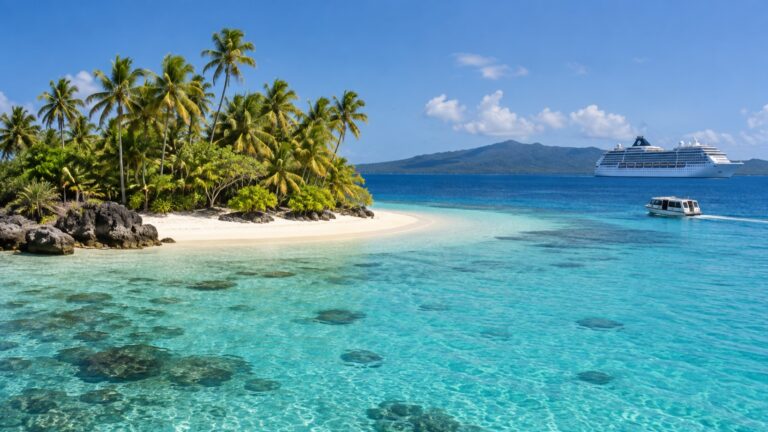
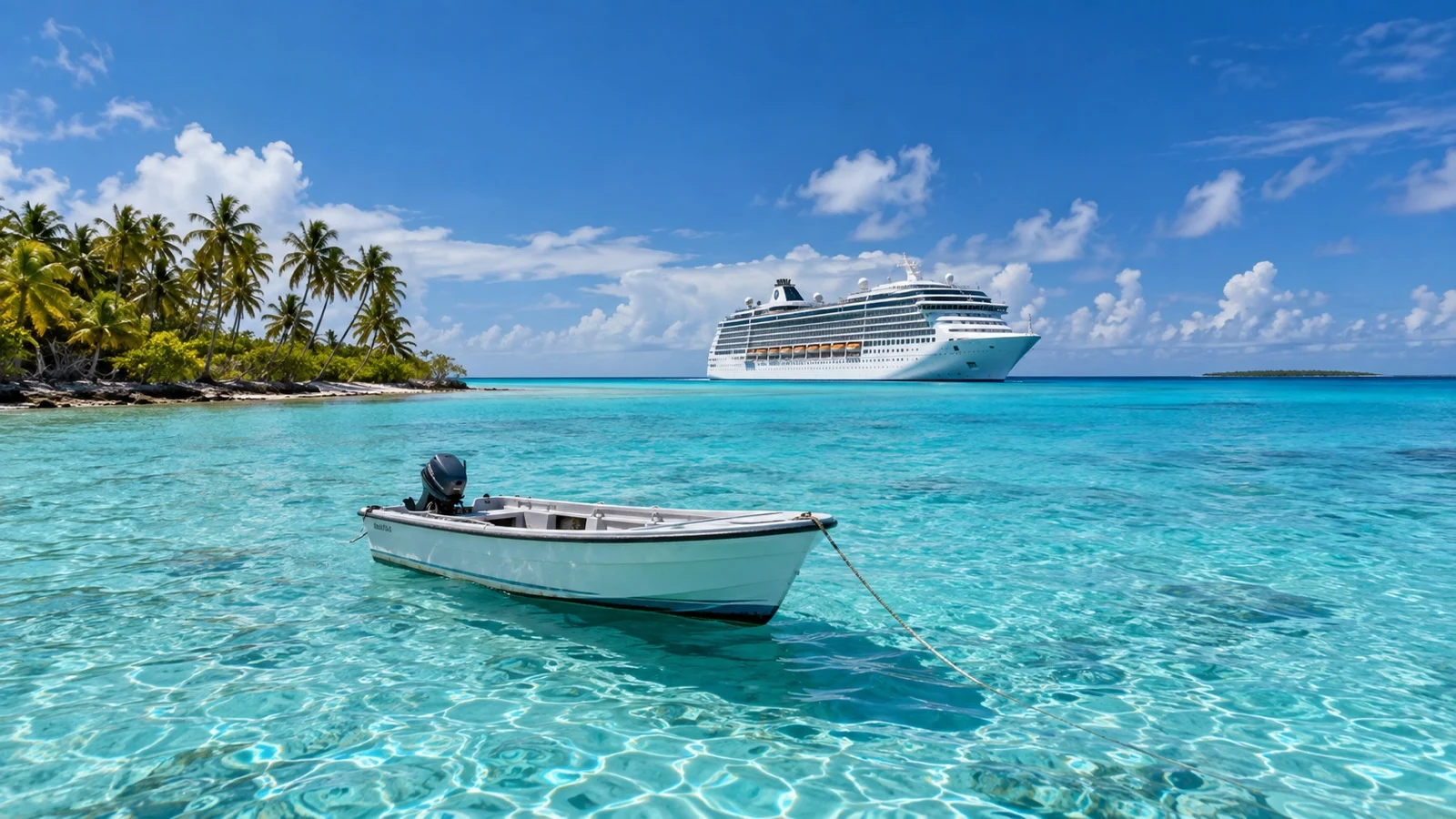
Rangiroa is the kind of cruise stop that makes the ship feel very far away, even when its tenders are still running behind you. The atoll is built around an immense lagoon, with a narrow ribbon of road, two main villages, and most of the day’s best experiences reached by boat.
This is not a port for racing through a long checklist. Choose one water excursion, leave a generous return buffer, and let the scale of the lagoon do the rest.
My quick take
Rangiroa is one of the strongest cruise calls in French Polynesia for divers, confident snorkelers, and travelers who enjoy small places without a polished waterfront district. It is also rewarding for non-divers, provided they book a lagoon trip or enjoy a quiet day around Avatoru.
The main planning decision is simple: decide whether Tiputa Pass, the Blue Lagoon, Reef Island, or a low-key land day matters most. Trying to combine distant boat excursions can turn a beautiful call into a stressful race.
If you are comparing stops across the region, start with our French Polynesia cruise ports guide. Rangiroa offers less shopping and sightseeing infrastructure than Tahiti, but its lagoon experiences are the point.
Rangiroa quick facts
- Port type: Cruise calls normally use ship tenders, so the ship’s daily program is the final word on landing place and timing.
- Main area: Avatoru and the inhabited road toward Tiputa contain most visitor services, shops, dive operators, and places to eat.
- Best for: Tiputa Pass diving, drift snorkeling, Blue Lagoon and Reef Island boat trips, pearl shopping, cycling, and a relaxed waterfront day.
- Currency: The CFP franc, code XPF, is the local currency. Carry some cash because small operators and snack stands may not accept cards.
- Time: Rangiroa uses Tahiti time, UTC-10, without seasonal clock changes.
- Planning: Confirm the last tender aboard, allow extra time after independent boat trips, and never rely on a map estimate for a lagoon crossing.
How the Rangiroa cruise call works
Rangiroa does not offer the conventional cruise-terminal experience found in larger ports. Expect the ship to provide its own instructions for tender boarding, the shore landing, and the last boat back.
Tender operations depend on wind, swell, currents, ship position, and the captain’s assessment on the day. That is why exact transfer times and landing details should never be treated as universal facts across every sailing.
Collect any tender ticket your cruise line requires, then arrive at the meeting point with water gear already organized. A late start matters here because many excursions operate around specific currents or require a substantial lagoon crossing.
There is no large terminal full of services once you step ashore. Use the restroom aboard, bring sun protection, and carry the ship’s contact information before leaving the tender area.
What is near the tender landing
Most visitor activity is concentrated on the inhabited stretch associated with Avatoru and Tiputa. You will find a modest collection of shops, pensions, dive centers, pearl outlets, snack stands, and rental businesses rather than a dense town center.
The landscape is very flat, but distances can be deceptive in tropical heat. A bicycle, scooter, taxi, or prearranged transfer is more comfortable than a long midday walk.
Tahiti Tourisme lists taxis plus car, scooter, and bicycle rentals in Avatoru. Supply is limited compared with Tahiti, so reserve anything essential before your ship arrives.
Avatoru and Tiputa sit on opposite sides of Tiputa Pass, and there is no road bridge across the water. Do not assume that an operator based near one village can collect you instantly from the other.
Tiputa Pass diving and snorkeling
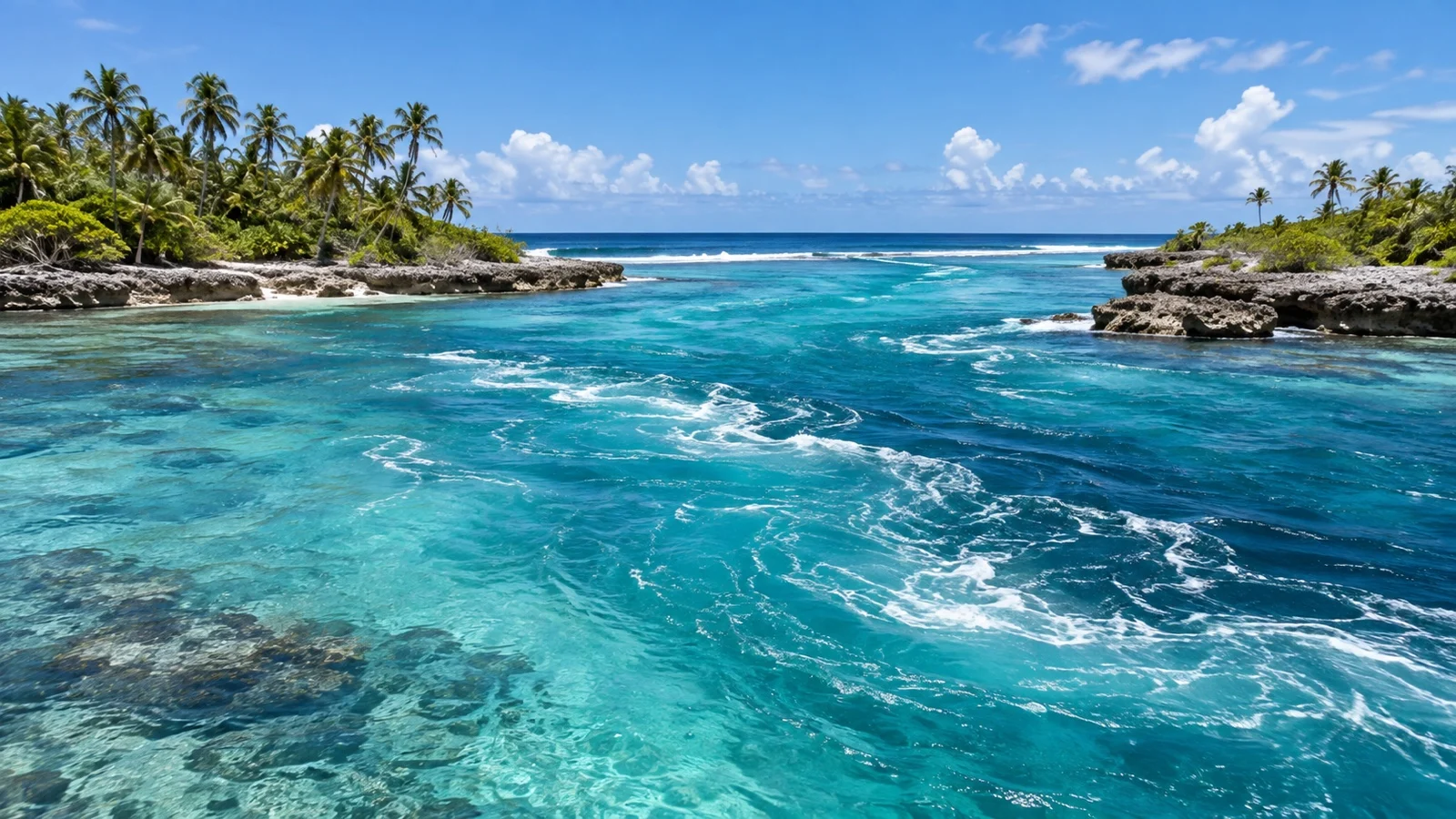
Tiputa Pass is Rangiroa’s signature underwater experience. Tahiti Tourisme highlights dolphins, manta rays, sharks, turtles, barracudas, and abundant reef fish in the passes, but wildlife sightings are never guaranteed.
The currents that create exciting drift dives also make operator judgment important. Certified divers should tell the shop their certification level, recent experience, and comfort with current before accepting a particular departure.
Snorkel trips vary in difficulty, entry method, and current exposure. Ask whether the excursion is a drift snorkel, whether a guide stays in the water, and whether flotation equipment is available.
A ship-sponsored trip is attractive on a short call because the operator coordinates directly with the cruise schedule. An independent dive center can be an excellent choice on a longer visit, but confirm pickup location, equipment requirements, cancellation terms, and return time in writing.
Blue Lagoon, Reef Island, and pink sand
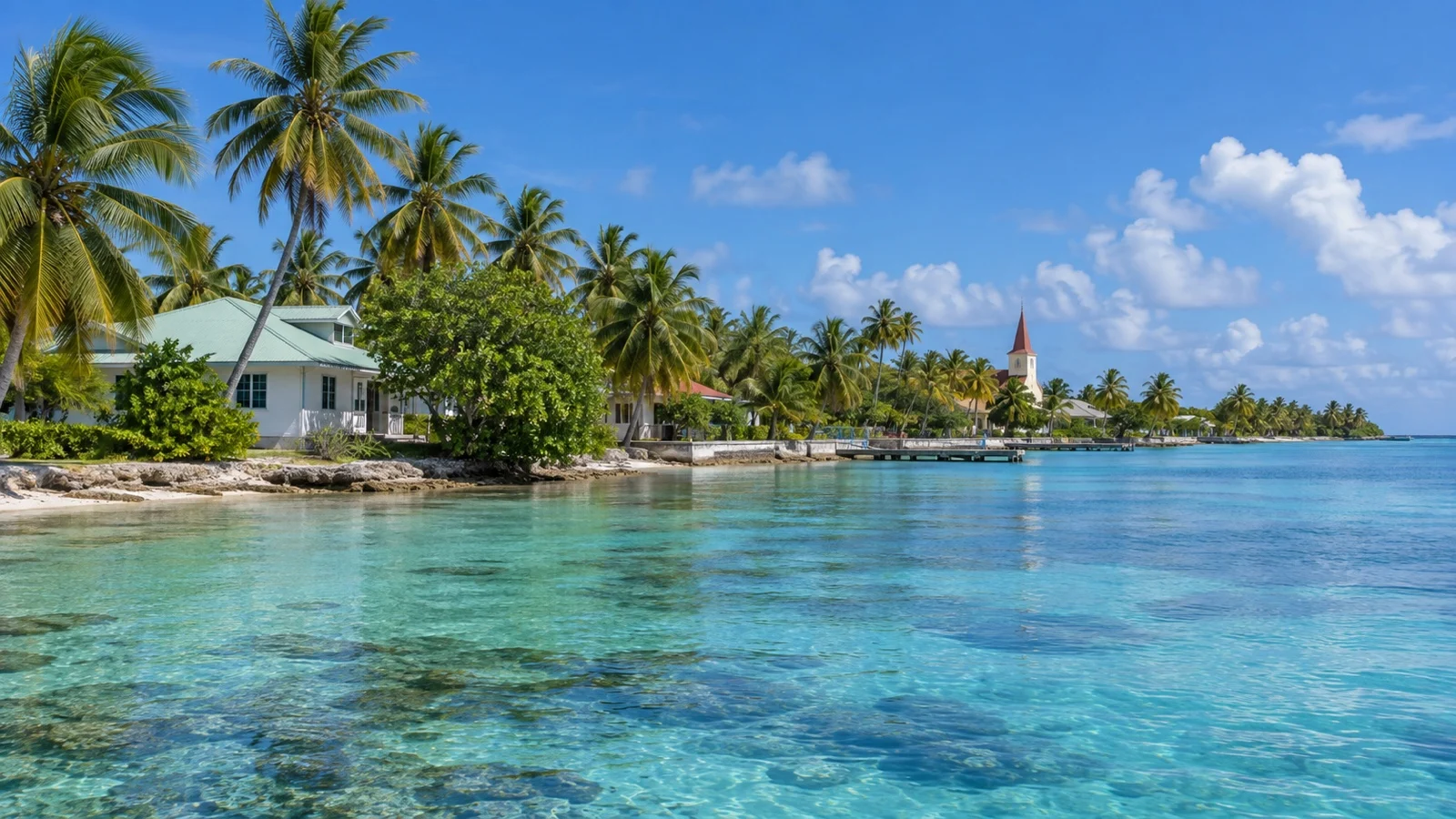
The Blue Lagoon is a lagoon within Rangiroa’s larger lagoon, and Tahiti Tourisme describes it as a day-long boat excursion from Avatoru. It is not a quick beach transfer, so check the full duration against the ship’s last tender.
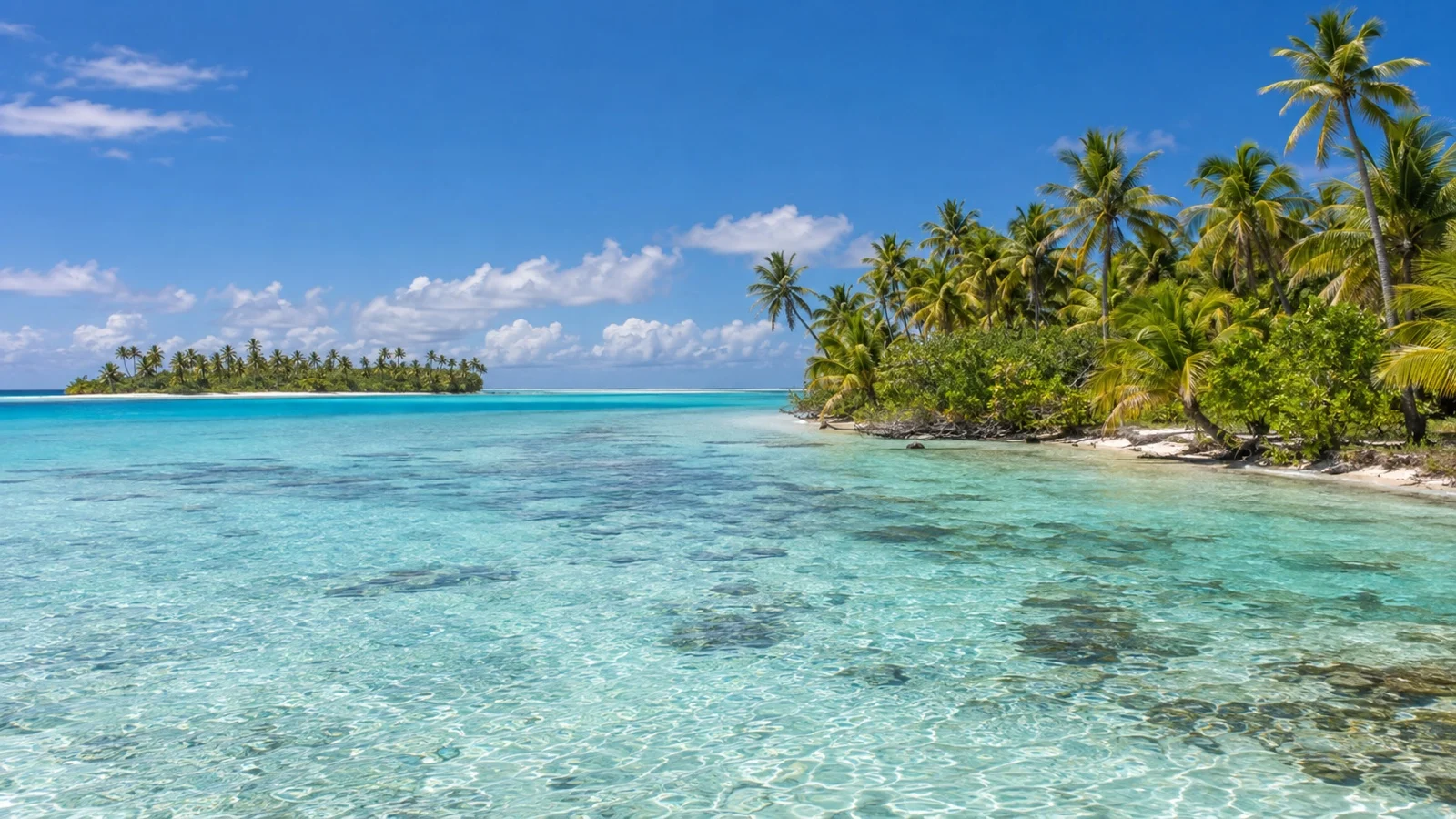
Reef Island is known for shallow pools and unusual coral formations. Like the Blue Lagoon, it involves a meaningful boat ride and should be booked with an operator that understands your ship’s schedule.
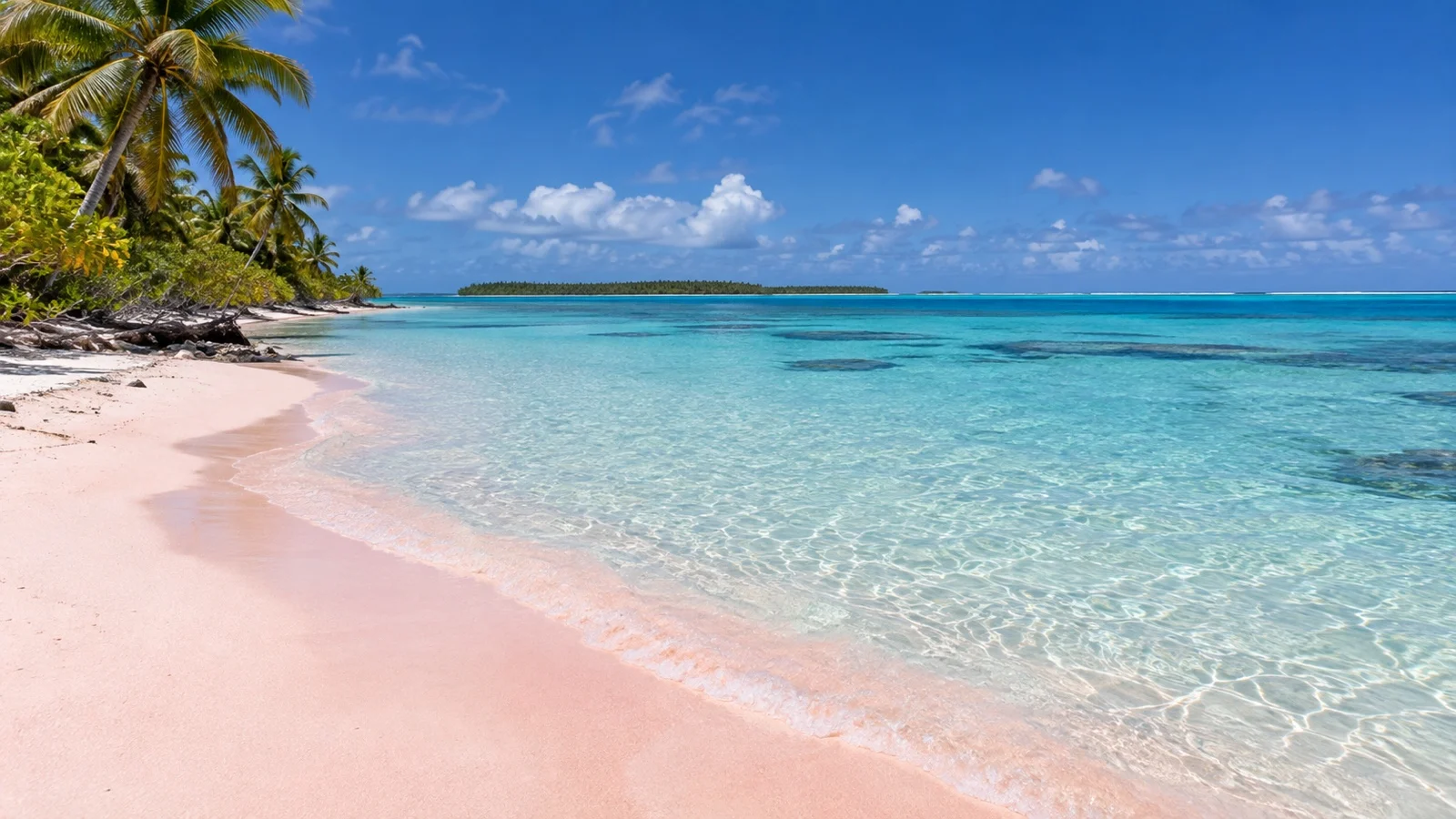
Rangiroa’s pink sand is also reached by excursion rather than by a simple walk from the landing. When comparing tours, ask exactly which site is included because names and itineraries can be used loosely in marketing.
Bring a dry bag, reef-safe sun protection, water shoes if the operator recommends them, and more drinking water than you think you need. Shade can be limited, and saltwater glare adds to sun exposure even on a breezy day.
A relaxed land day in Rangiroa
You do not need to dive to enjoy this port. A gentle plan can combine a bicycle or taxi ride, a pearl stop, lunch by the lagoon, and time to watch the water near Tiputa Pass.
Tahiti Tourisme specifically recommends cycling through the villages and coconut groves. Start early, carry water, and avoid committing to more distance than you want to cover in full sun.
Pearl farming is an important local industry, and some businesses explain how Tahitian cultured pearls are produced. If you buy jewelry, ask for a receipt and written details about the pearl rather than relying only on a verbal description.
French Polynesia’s only winery is on Rangiroa, with vines grown on a motu in the lagoon. A tasting or visit requires planning, so confirm current visitor arrangements instead of assuming walk-in access.
Ship excursion or independent operator
Book through the ship when the excursion runs far across the lagoon, your port time is short, or you want the simplest coordination with tender operations. The higher price can be worth it when a delayed return would otherwise be your responsibility.
Independent operators can offer smaller groups and more specialized diving or snorkeling. Give them the ship name, call date, expected landing place, and last tender time, then ask for a conservative return plan.
Do not judge an excursion only by its advertised duration. Transfer time, equipment fitting, weather pauses, lunch, multiple hotel pickups, and tender queues can all expand the day.
For a simple land day, exploring independently is reasonable once you know where the tender has landed. For a long lagoon excursion, advance booking is the safer choice because boat capacity can be limited.
Accessibility and mobility
The tender transfer is the main accessibility barrier. Boarding may require steps, a moving platform, or the ability to transfer between the ship and a small boat, and conditions can change during the call.
Ask the cruise line for the exact tender policy for your ship because crew decisions depend on equipment and sea conditions. A mobility device that works ashore may still be unsuitable for the transfer.
Land is generally flat, but surfaces can include coral gravel, sand, uneven edges, and limited shade. Prearranged vehicle transport is more practical than relying on an accessible taxi being available after arrival.
Lagoon boats commonly involve another step or assisted transfer and may lack accessible restrooms. Speak directly with the operator about boarding, seating, shade, and help at each stop before paying.
Money, connectivity, and practical supplies
The local currency is the CFP franc, abbreviated XPF. Cards may work at larger businesses, but cash is useful for small purchases, and it is better to obtain it before a remote port day.
Do not assume every shop will accept euros or US dollars, and do not depend on finding a working ATM at the exact moment you need one. Confirm the price and currency before entering a taxi or committing to a rental.
Mobile service may be adequate in inhabited areas but weaker across the lagoon. Save booking details offline and take a screenshot of the tender instructions before leaving the ship.
Bring any essential medication from the ship and treat pharmacy access as limited. A small waterproof pouch for cash, phone, ship card, and identification is especially useful on boat excursions.
Weather, water, and sun safety
French Polynesia is warm year-round, with a generally drier season around May through October and a warmer, wetter period around November through April. Weather patterns are not guarantees, and a calm forecast does not replace the ship’s operational decision.
Check the official Météo-France Polynésie vigilance page near your call for wind, heavy rain, and wave alerts. Cruise staff and local operators may cancel even when the sky over the landing looks clear because conditions elsewhere on the route matter.
Use high-SPF, reef-conscious sunscreen, a hat with a secure strap, and a sun shirt. Reapply protection after snorkeling and remember that wind can hide how quickly your skin is burning.
For drinking water, follow your cruise line and operator’s current advice rather than assuming every tap or refill point is suitable. Carry sealed or ship-provided water on longer outings and avoid creating unnecessary plastic waste when a verified refill is available.
How to protect your return to the ship
Photograph the posted last-tender time and confirm whether it is ship time or local time. Set your phone manually if there is any chance it will change zones or pull an incorrect network setting.
Build a larger buffer after Blue Lagoon, Reef Island, or pink-sand trips than you would after a village walk. Boats can slow for chop, changing visibility, passenger needs, or safe navigation through the lagoon.
If an independent operator suggests a return close to all-aboard, ask for an earlier option. The best excursion is not worth creating an avoidable missed-ship risk.
Once back near the landing, stay aware that a line may form for the final tenders. Keep your ship card and any required identification ready so boarding is quick.
How Rangiroa fits a French Polynesia itinerary
Rangiroa often appears alongside Society Islands calls, giving an itinerary a distinctly Tuamotu day. Its flat coral landscape feels very different from the volcanic peaks around Moorea and Bora Bora.
Papeete is the practical urban contrast, with more transportation, shopping, and independent sightseeing. Rangiroa is where you plan around water, currents, and the pace of a small atoll community.
Air Tahiti confirms that Rangiroa is about a one-hour flight from Tahiti-Faa’a and also has inter-island connections. That information is useful for a longer French Polynesia trip, but a cruise passenger should never treat a flight as a realistic backup for missing the ship.
Quick answers
Do cruise ships dock in Rangiroa?
Plan for a tender call rather than a walk-off cruise terminal. Follow your ship’s daily program for the actual anchorage, landing place, ticket process, and final tender.
What is the best excursion?
Tiputa Pass is the standout for qualified divers and capable snorkelers, while the Blue Lagoon or Reef Island suits travelers who want a longer scenic boat day. A pearl stop, cycling, and lunch form an easy non-diving alternative.
Can I see pink sand from the tender landing?
No, the well-known pink-sand experience requires a boat excursion. Confirm the exact destination, duration, and return plan with the operator.
Is Rangiroa walkable?
The immediate inhabited area is flat, but attractions and services are spread along the road. Walking works for a quiet local outing, while a bicycle or arranged ride covers more ground comfortably.
Is Rangiroa good for non-divers?
Yes. Lagoon scenery, boat trips, pearl shopping, cycling, local food, and the atoll’s winery provide plenty to do without scuba equipment.
Should I book before arrival?
Reserve diving and long lagoon trips in advance because boats and guides have limited capacity. A casual village day can remain flexible once the ship confirms the tender landing.
The last word
Rangiroa works best when you plan one memorable experience and protect plenty of time around it. For many visitors, that means the movement and wildlife of Tiputa Pass or the wide-open beauty of a lagoon boat day.
Keep the logistics conservative, listen to local safety calls, and return early enough to enjoy the final tender instead of worrying about it. The reward is a port day that feels wonderfully removed from the usual cruise routine.
How this guide was researched: This guide uses current information from Tahiti Tourisme, Air Tahiti, official weather guidance, cruise-line logistics, and local operator information where available. Logistics and time-sensitive details were reviewed in September 2026. See our Editorial Policy.