Madang Cruise Port: Expedition Landing and Cultural Guide
Madang is a small-ship port where the day’s landing can matter as much as the destination. Expedition boats, hosted village visits, coral-rich water, tropical weather, and local permissions create an experience that is rewarding precisely because it is not a generic walk-off cruise call.
Listen closely to the onboard briefing and let the confirmed plan lead. A beach, wharf, or community landing may replace the pin you saw on a map, and the sea can rewrite the schedule after breakfast.
Quick facts about Madang cruise port
- Typical arrival: Expedition ships often anchor and use small boats
- Landing: Sailing-specific beach, wharf, or village site
- Best plan: Join the hosted ship or expedition program
- Currency: Papua New Guinea kina
- Languages: Tok Pisin and English are widely relevant, with many local languages
- Time zone: UTC+10
- Main risks: Boat transfer, heat, rain, limited medical care, and changing security conditions
- Accessibility: Often difficult where a small boat and uneven landing are required
- Return rule: Stay with the assigned group and boat time
Your landing is sailing-specific
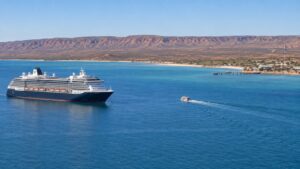
Madang has a working commercial port, but that does not mean every cruise ship uses the same berth. Current expedition itineraries can anchor in the sheltered waters and take guests ashore by rubber boat for a locally arranged visit.
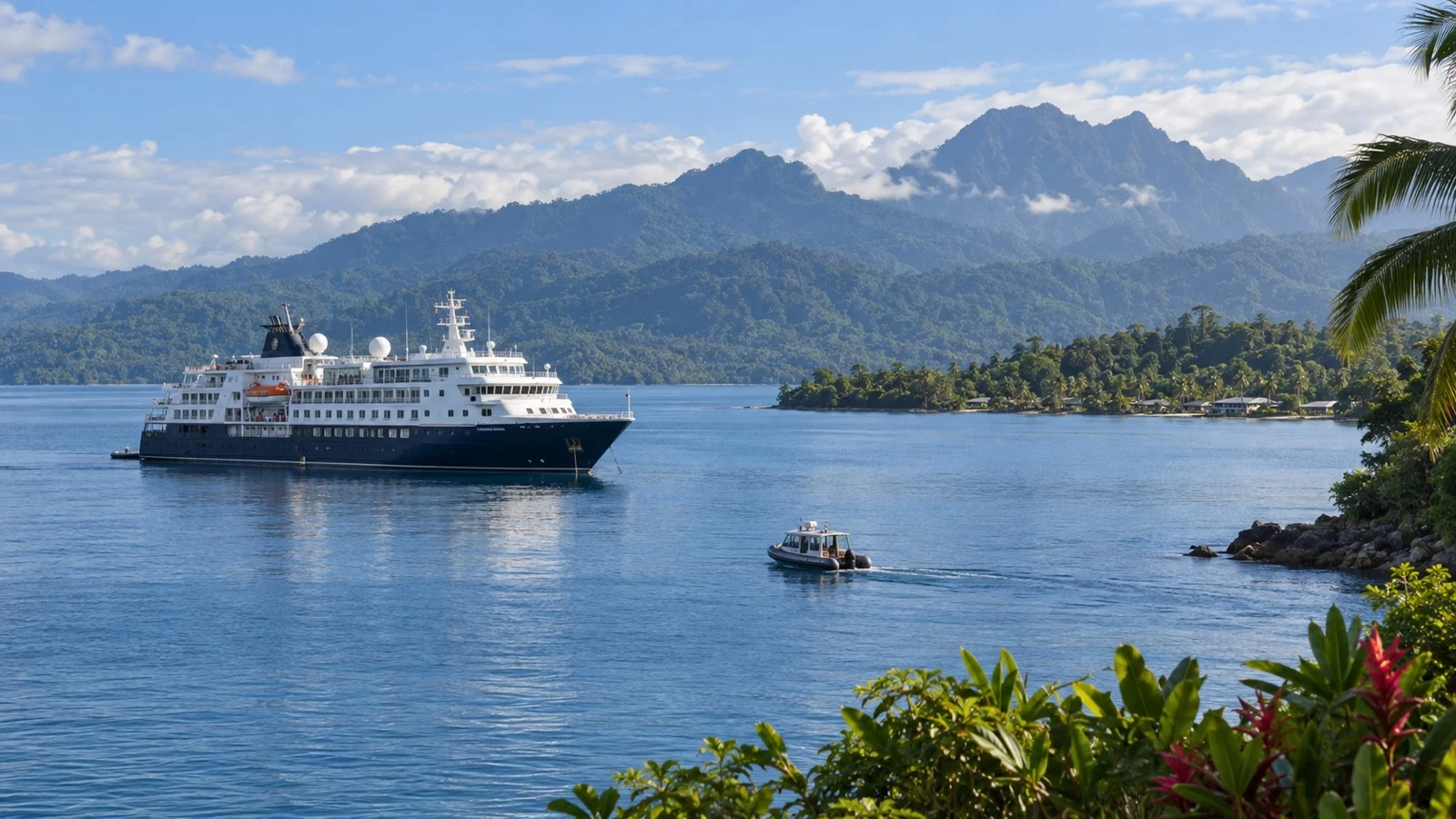
The expedition team evaluates wind, swell, rain, access permission, and the condition of the landing. A planned village or beach can change without warning when another site offers a safer operation.
Wear the footwear specified by the crew and keep both hands available during transfers. Place medication, identification, and electronics in a splash-resistant pouch, then leave bulky bags aboard.
Madang town and Madang Province are different experiences
Madang town is the provincial center on Papua New Guinea’s north coast, with waterfront areas, markets, gardens, and the Kalibobo Coastwatchers Lighthouse. The wider province spreads through coastal plains, rainforest, volcanic islands, reefs, rivers, and culturally distinct communities.
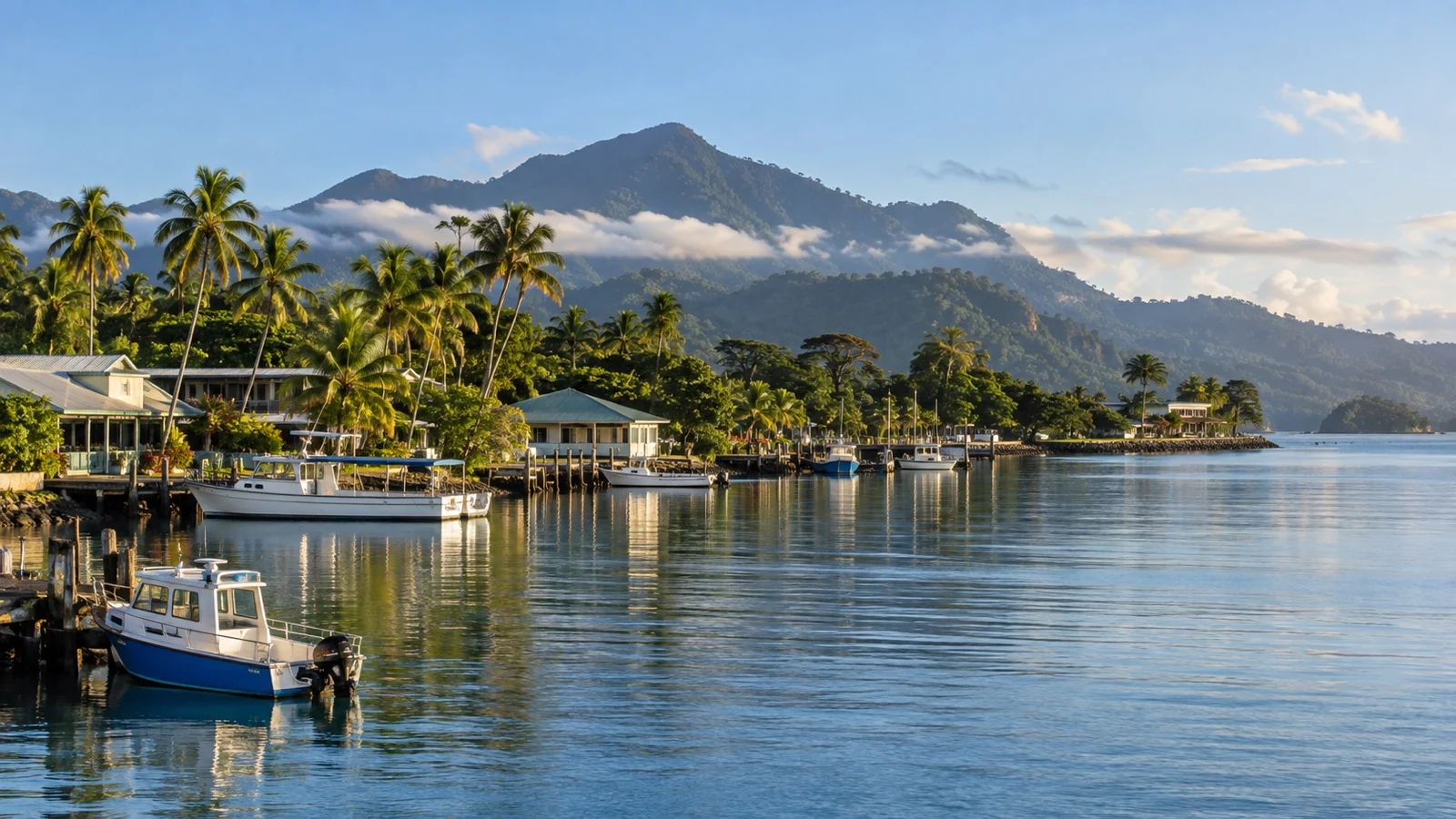
A cruise itinerary labeled Madang may therefore deliver a hosted village encounter rather than independent downtown time. Read the line’s call description and briefing carefully before making assumptions about shops, roads, or a particular attraction.
If the line permits time in town, stay inside the recommended area and use only authorized transportation. Current government travel advice emphasizes serious crime and transport risks in Papua New Guinea, so a casual private drive is not a sensible experiment.
A cultural welcome deserves care
Current cruise programs describe performances that introduce guests to regional dance, dress, music, and tradition. Treat a welcome as an exchange hosted by real people rather than a stage set created solely for visitors.
Wait for guidance about photography, seating, and movement before raising a camera. Ask before recording individuals, avoid blocking residents’ view, and never handle bilas, masks, instruments, or ceremonial objects unless invited.
Dress lightly but respectfully, particularly when entering a community space. Do not wander into homes, distribute gifts directly to children, or create a private giveaway system outside the arrangements made by local hosts.
Small kina make markets easier
Bring clean, small-denomination Papua New Guinea kina if the ship expects a community market. Card terminals, phone payments, and a convenient ATM should never be assumed at a remote landing.
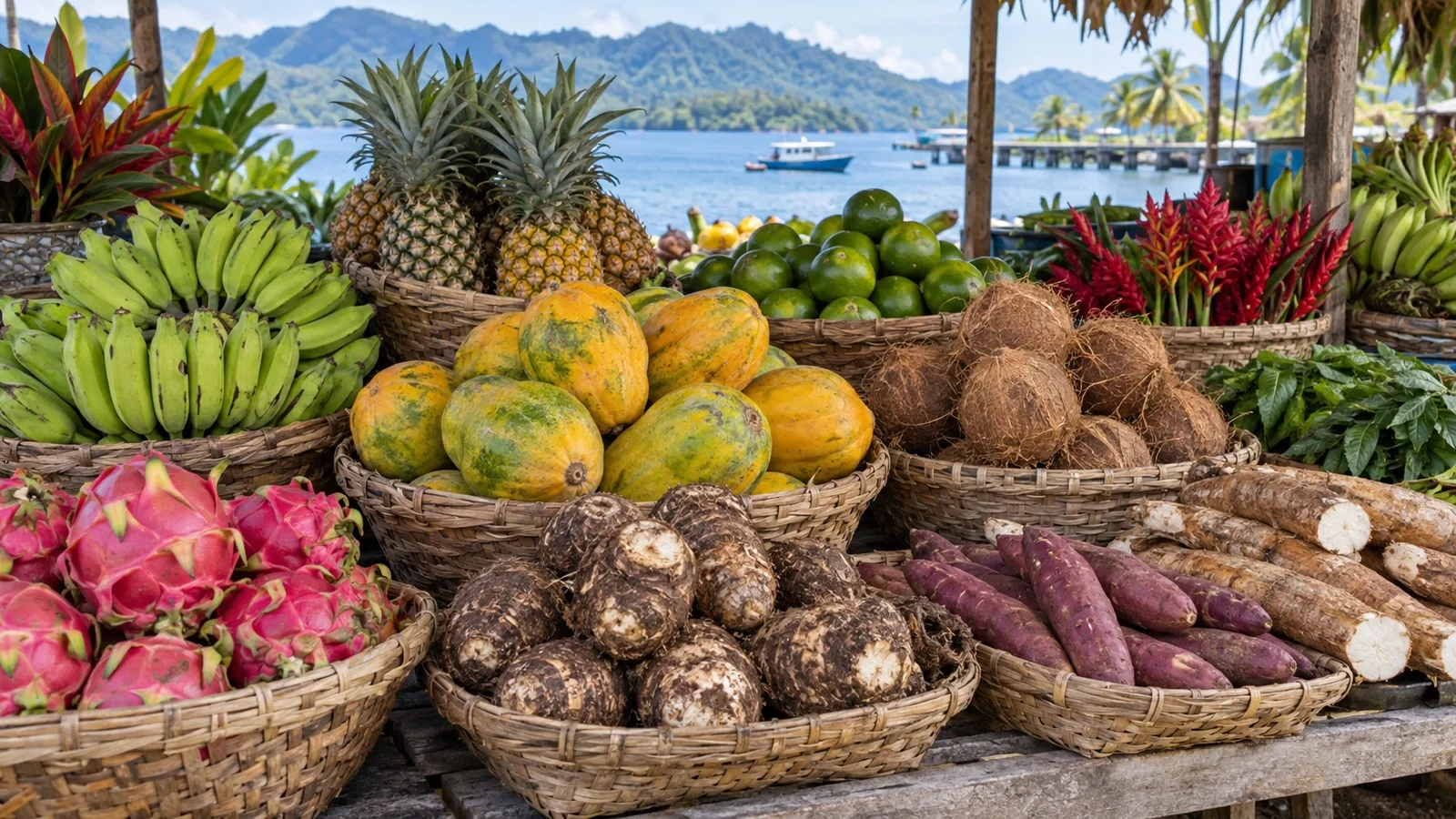
Bilum bags, carvings, and woven work represent time and skill, so pay fairly and bargain only when your host says it is customary. Avoid wildlife products, feathers, shells, seeds, or untreated plant materials that may violate conservation or quarantine rules.
Keep a receipt when one is available and declare controlled goods at the next border. A souvenir does not become exempt from biosecurity simply because it was purchased during a cruise excursion.
Reefs, islands, and marine activities
Madang Province is known for coral-rich water, offshore islands, diving, snorkeling, and Second World War wrecks. Whether any marine activity operates on your call depends on the authorized site, weather, current, equipment, and the expedition team’s assessment.
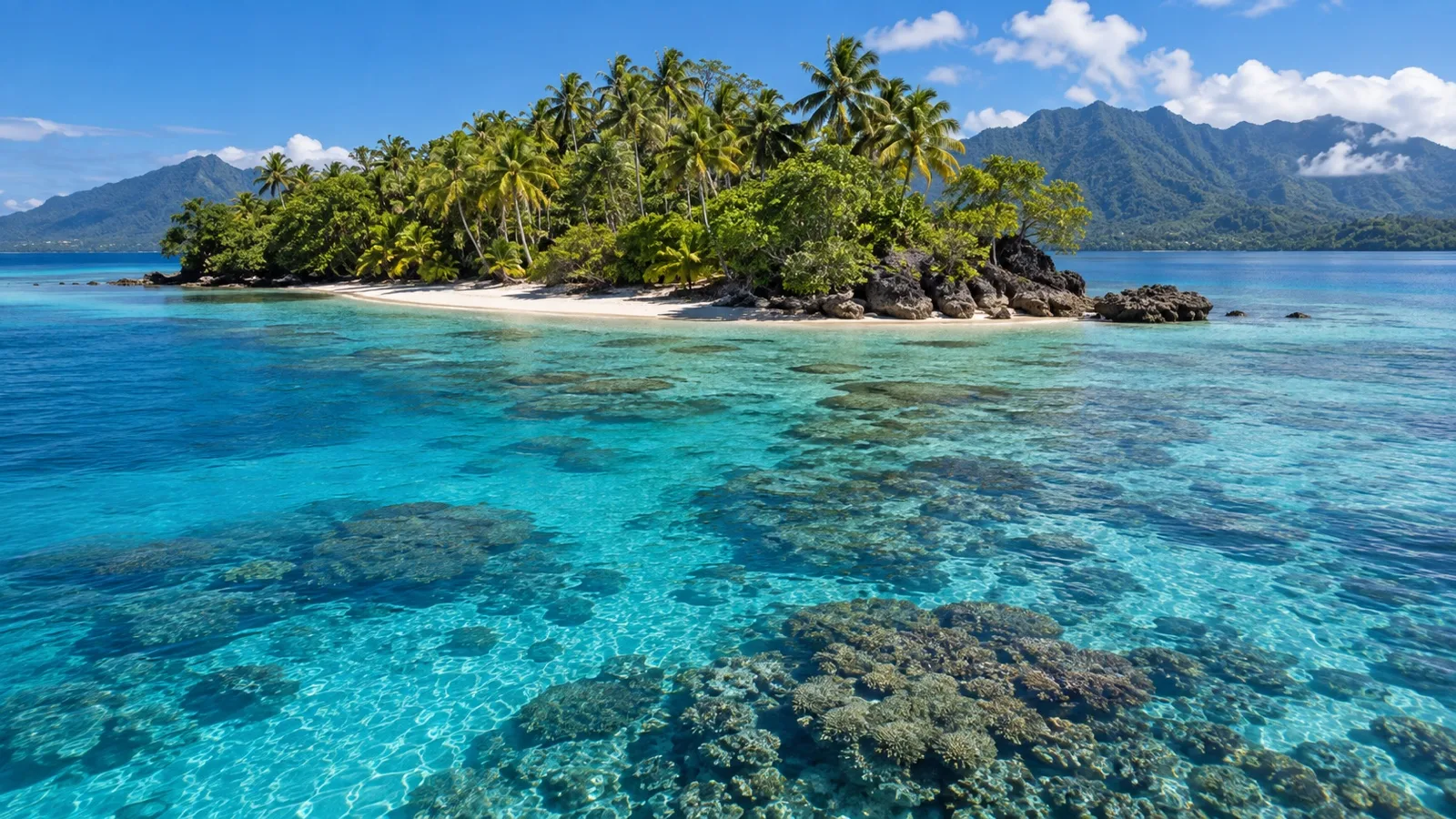
Use the ship’s activity or a vetted local operator rather than entering unfamiliar water from an inviting shore. Ask about life jackets, rescue cover, entry method, coral depth, current, shade, and the experience level required.
Never stand on coral, chase wildlife, feed fish, or take shells from the water. A long-sleeved rash guard adds sun protection while reducing the need to keep applying products beside a sensitive reef.
History requires an authorized route
The region contains wrecks and sites connected with the Second World War, including coastwatcher history. Visit only through a current authorized program because deteriorating structures and unexploded ordnance remain real hazards in parts of Papua New Guinea.
Do not enter tunnels, touch ammunition, or remove fragments. A good guide also explains how conflict affected local communities rather than presenting military hardware without its human context.
Heat, rain, and health planning
Madang is tropical, humid, and capable of intense rain. Drink regularly, wear breathable coverage and a hat, use sunscreen, and follow the mosquito precautions recommended by a qualified medical professional.
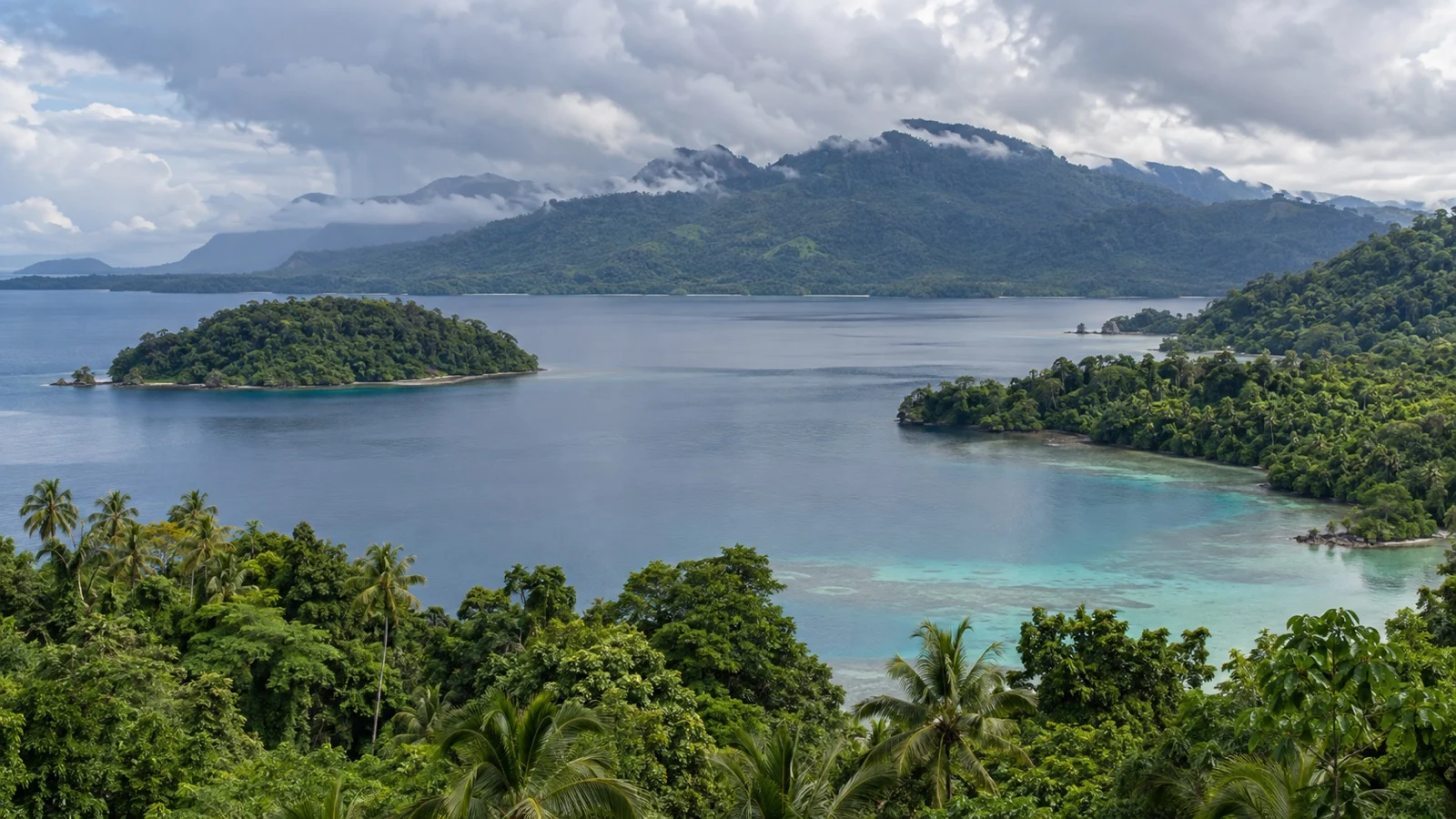
A short shower may barely alter the day, while sustained rain can make paths slick and small-boat boarding harder. Protect medication and electronics, and wear shoes that retain grip when wet.
Medical capability ashore can be limited, so tell expedition staff promptly about chest pain, breathing trouble, severe dizziness, a fall, or an allergic reaction. Carry your essential medication in its original labeled packaging and keep it with you during the landing.
Accessibility involves the complete transfer chain
Assess the route from cabin to embarkation area, ship to boat, boat to shore, landing to activity, and then every stage in reverse. A traveler who can manage one gangway may still face a moving rubber boat, high step, wet sand, uneven path, or no accessible restroom.
Ask the cruise line for the actual transfer method and manual-assistance policy before sailing. Only the ship can decide whether a guest and mobility device can safely use that day’s boat and landing.
A shipboard day is a valid choice when a safe transfer cannot be guaranteed. Watching Madang’s harbor from deck is better than accepting a carry that risks the traveler, crew, or local helpers.
Entry, customs, and biosecurity
Entry requirements depend on nationality and itinerary, while the cruise line may coordinate group clearance. Check Papua New Guinea’s immigration guidance before sailing and follow the ship’s instructions about whether any original identification must go ashore.
Customs and quarantine controls can cover food, plants, seeds, wood, soil, animal products, wildlife items, cultural property, and currency. Leave ship food aboard, declare controlled goods, and clean mud from footwear at the station provided.
Local permission also governs access to a beach, village, building, and community path. Stay on the hosted route and do not use an informal boat or vehicle to expand the visit beyond the approved program.
Three realistic Madang plans
Hosted cultural landing
Join the assigned expedition boat, follow the welcome program, browse the authorized market, and return with your group. This is the strongest default because permissions, local coordination, and timing remain connected.
Marine activity
Choose a guided snorkeling, diving, or island outing if the ship offers one and you meet the stated requirements. Keep dry clothing, water, sun protection, and enough time to return equipment before the final boat.
Short town visit
Explore only if the line permits independent time at an established landing and identifies a safe recommended area. Stay close, use authorized transport, and confirm whether the return boats leave from the same place.
Protect the last boat
Use ship time and report to the assigned meeting point before the stated boat departure. Loading may pause for swell, and the expedition team can bring everyone back earlier if conditions begin to deteriorate.
Remain with your group on any remote visit and resist adding a private ride or extra village after the organized program. The last transfer is the day’s only hard appointment, and missing it can create a serious operational problem.
What to confirm before sailing
Current expedition listings show that Madang remains an active stop, but a published destination page is not a promise of one fixed landing. Check your voyage documents for the activity level, boat-transfer method, footwear rule, and any medical declaration needed for water activities.
Ask whether local cash can be obtained aboard and whether a hosted market is expected. Also confirm the luggage limit for the expedition boat, since a small dry bag is usually easier and safer than a full shore-day backpack.
Review the latest government health, security, immigration, and customs guidance close to departure rather than relying on an old saved copy. Download essential information before the call because dependable mobile data should not be part of the plan.
Finally, prepare an appealing shipboard alternative in case the sea prevents a safe landing. A canceled call is disappointing, but the crew’s decision protects passengers, local hosts, and the small-boat team working between them.
Final thoughts
Madang is at its best when you let one carefully hosted experience reveal the region. Follow the landing briefing, respect local permissions, prepare for tropical conditions, and return with the assigned group.
CruisePorts.co provides practical, independent planning guidance for cruise travelers. Landing sites, security conditions, weather, entry rules, and local programs can change, so verify critical details with official sources and your cruise line before travel.