Moreton Island Cruise Port: Tangalooma Wrecks & Dolphins
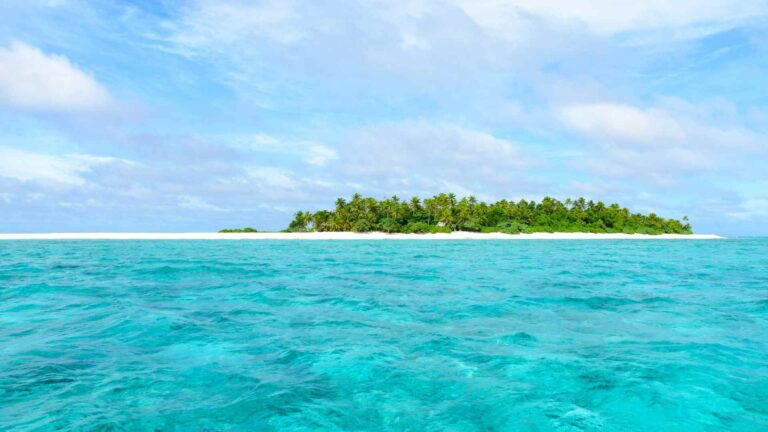
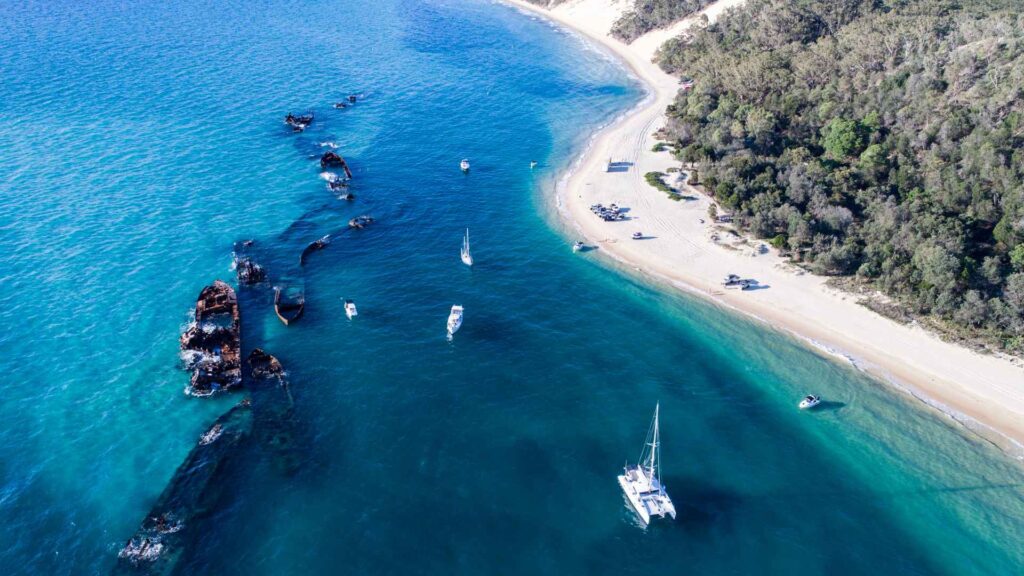
I love a port with a twist, and Moreton Island is all twist. There is no cruise terminal or island town, just a sand island where your ship anchors off Tangalooma and tenders passengers to the resort area.
My quick take
Moreton Island is a beach day dressed up as a port call, and I mean that as a compliment. You tender across Moreton Bay, choose a guided wreck snorkel or island activity, and may see wild dolphins only if the ship’s schedule extends into the evening.
There is no cathedral here, no old town, no walking tour. What you get instead is a genuinely wild sand island that most day-trippers only ever see the edge of.
It only works if the sea cooperates, though. There is no harbor to duck into, so tender operations are entirely weather-dependent and can run late or get canceled outright.
If you are pairing this call with the mainland, my Brisbane cruise port guide covers the city side of the same itinerary. My broader Australia cruise ports guide has the rest of the coast.
Moreton Island Cruise Port Quick Facts
- Where you land: ships anchor off Tangalooma, on the calmer Moreton Bay side of the island, across the bay from Brisbane. There is no cruise pier anywhere on the island, and Tangalooma is a resort and former whaling station rather than a town.
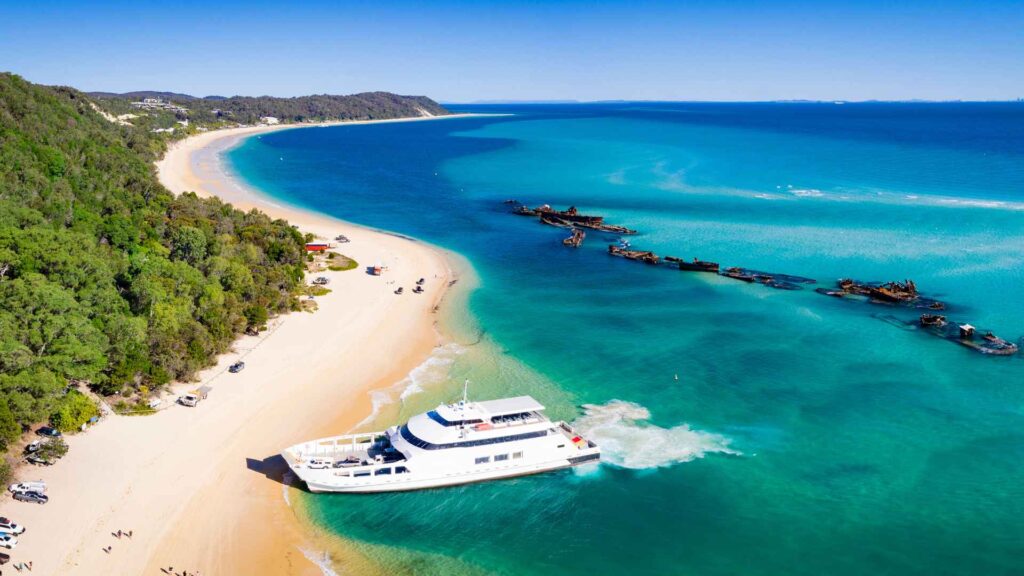
- Dock or tender: Tender only, with boats running you straight onto the beach or onto Tangalooma’s jetty.
- Into town: The landing puts you at the Tangalooma resort area rather than a conventional town.
- Currency and language: The Australian dollar (AUD), with English spoken.
- Time zone: Australian Eastern Standard Time (AEST, UTC+10).
- Weather watch: Wind, swell, and visibility can slow tendering or cancel the beach call, so keep independent plans flexible.
How I would plan the crossing
Moreton Bay is sheltered by the mainland and North Stradbroke Island, so conditions off Tangalooma are usually manageable. Even so, a tender landing takes longer than strolling off a gangway, so give yourself a buffer on both ends of the day rather than booking anything tight.
Do not confuse a scheduled cruise-ship call with Tangalooma’s separate day cruises from Brisbane’s Holt Street Wharf. The transport, inclusions, and activity-booking rules are different.
Tangalooma’s own arrivals schedule lists which dates are cruise ship visits versus resort day trips. Check your line’s daily program so you know which kind of arrival you are getting.
A quick word on where you are actually standing
Here is something the shore-excursion desk probably will not mention. The island’s traditional name is Mulgumpin, on the Country of the Quandamooka people, including the Ngugi people, whose continuing connection Tangalooma acknowledges.
Tangalooma itself started out as a whaling station, operating from 1952 until 1962 and processing thousands of humpbacks. These days those same waters are a whale-watching route, and that turnaround is something I always find worth pausing on.
Getting around
There are no sealed roads on Moreton Island, only sand tracks, and most of the island is protected within Gheebulum Kunungai National Park. Beyond Tangalooma’s grounds a 4WD is the only practical way to move around, so most visitors join a guided tour rather than trying to explore solo.
If you would rather stay on foot, the Tangalooma Wrecks are about a 15 to 20 minute walk up the beach from the resort. That alone can fill a couple of hours with snorkeling.
For the dunes or the lighthouse, book a 4WD excursion through the cruise line because Tangalooma requires ship passengers to use the line’s activity system on cruise days. The tracks are soft and slow, so a purpose-built vehicle with a local driver is genuinely the sane option.
The stops I would actually spend time on
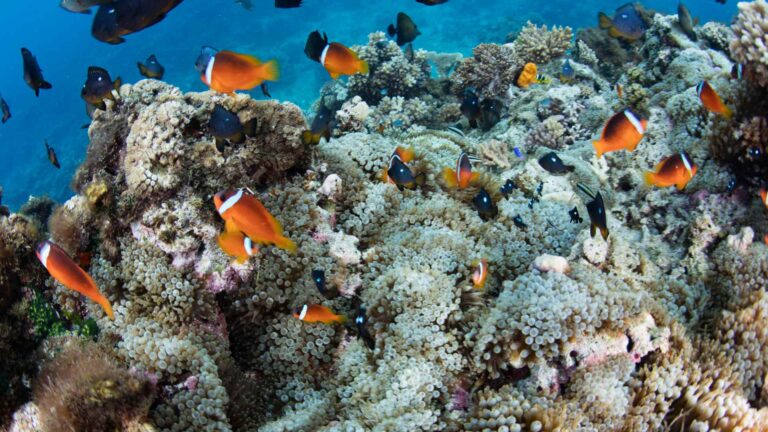
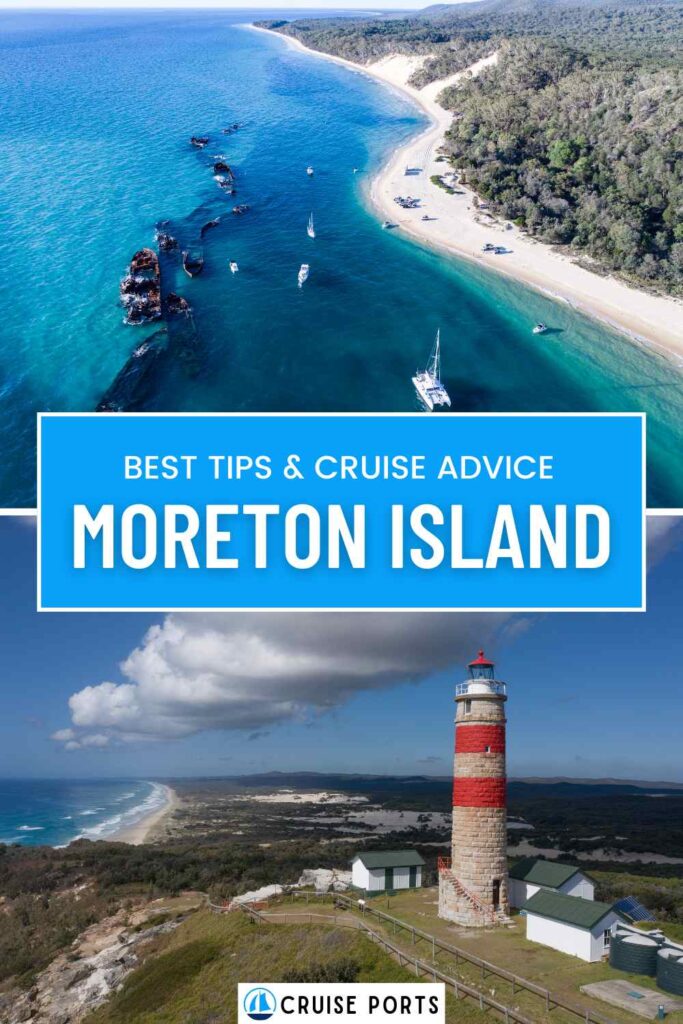
Tangalooma Wrecks: Fifteen vessels scuttled just offshore to form a sheltered anchorage, now an artificial reef thick with fish. Fun fact: they were sunk in three batches between 1963 and the 1980s, and coral now grows in and around them.
Wild dolphin feeding: Wild bottlenose dolphins may visit the shallows around dusk, but attendance and timing are controlled by the animals. Cruise passengers should count on feeding or close viewing only when their cruise line offers a compatible activity.
Sand tobogganing at The Desert: A stark patch of bare dune near Mount Tempest where you slide down on a board. The experience depends on a guided transfer across sandy tracks, so it is an excursion rather than a walk from the tender.
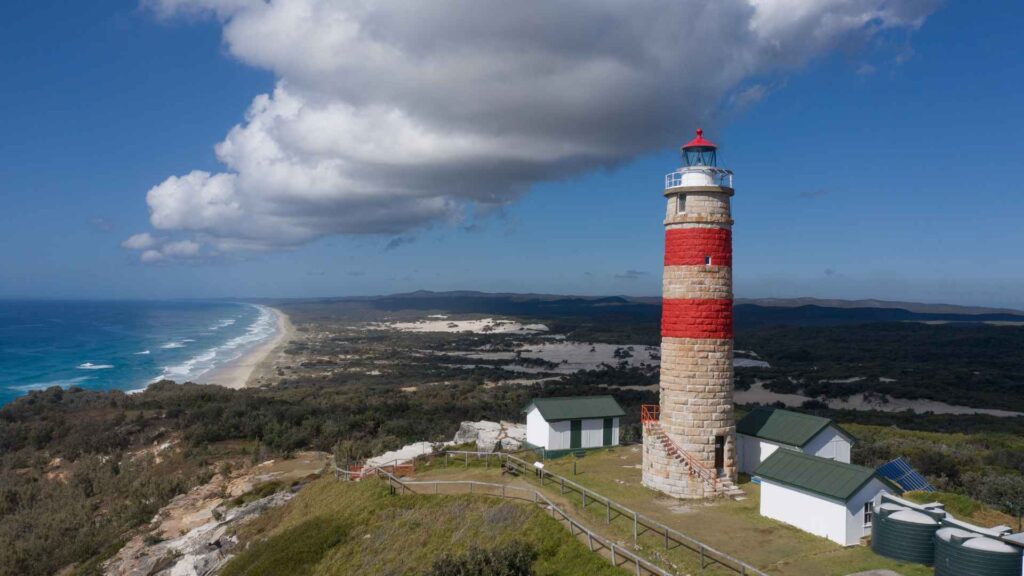
Cape Moreton Lighthouse: Queensland’s oldest lighthouse, first lit in 1857 on the island’s northeastern headland, and a genuine whale-watching lookout during the humpback migration.
Blue Lagoon: A freshwater lagoon inland from the coast, good for a quiet swim and, in spring, for wildflowers and birdlife around its edges.
How I would plan the day
A short call (about 3 hours): Tender in, walk the beach toward the Tangalooma Wrecks, and view them from shore or join a prebooked guided activity. Do not wade into the wreck channels without checking current and boat traffic.
A full beach day (about 5 to 6 hours): Snorkel the wrecks, then join a resort activity like sand tobogganing at The Desert, and settle in on the beach for the rest of the afternoon.
The big excursion (about 7 to 8 hours): Book a guided 4WD tour out to Cape Moreton Lighthouse for the views and, in season, the whales, combined with a wrecks snorkel earlier or later in the day.
One useful habit: note the exact last-tender time the moment you step ashore, not when you start thinking about heading back. On a beach call there is no taxi to bail you out if you lose track of time.
Whatever you choose, build in real slack. Tender lines on a beach landing move slower than a gangway, and the last tender back is not one you want to miss.
A realistic word on accessibility
I will be honest here: this is one of the harder calls for anyone with limited mobility. Getting ashore means a tender ride followed by a landing on sand or a jetty, and there is no way around that first step.
Once you are at Tangalooma itself, the resort has made real progress, with paved paths, ramp access, accessible restrooms, and a submersible all-terrain wheelchair for the shallows, plus limited beach wheelchairs for rent.
Anything beyond the resort core, including the wrecks walk and every 4WD excursion, crosses soft sand or unsealed track. If you use a wheelchair or have limited mobility, contact your cruise line and Tangalooma well ahead of time to confirm what is realistic for your call.
When to go, and the weather
Moreton Island sits in Queensland’s subtropics, so summer, from December to February, is hot, humid, and carries a real chance of afternoon storms. Winter, from June to August, is drier, milder, and generally the most comfortable for a day on the sand, even if the water runs a touch cooler.
If whale watching from Cape Moreton is part of your plan, aim for the humpback migration between roughly June and November. Whatever the season, pack reef-safe sunscreen, a hat, and reef shoes for the wrecks, because there is very little shade once you are off the tender.
My honest pick is a clear winter’s day. The visibility on the wrecks tends to be better, the walk up the beach is not punishing in the heat, and you get the whales as a bonus.
Book the resort day as a cruise passenger
On scheduled cruise-ship days, Tangalooma says ship passengers must reserve activities through their cruise line’s booking system. The resort does not take direct activity bookings from cruise passengers on those dates, and some regular resort activities may not run.
The wrecks sit close to shore, but channels between the hulls can carry current and boats also use the area. A guided snorkel with flotation is the sensible choice for most visitors; anyone swimming independently should first check conditions, stay out of marked boating lanes, and turn back before fatigue becomes a problem.
Wild dolphins usually approach around dusk on their own schedule, so a daytime ship call may finish before the program starts. Do not count on feeding or even viewing unless the cruise line specifically sells a compatible activity and explains the return timing.
A 4WD tour is the right way to reach the dunes or Cape Moreton because the island roads are sand tracks and conditions change. Choose one headline activity, confirm its return to the tender area, and keep at least 60 to 90 minutes before the final tender when queues or weather are possible.
Quick answers
Is Moreton Island a tender port?
Yes. Ships anchor off Tangalooma and passengers are tendered ashore, and there is no dock for cruise ships anywhere on the island.
Can cruise passengers do the wild dolphin feeding?
Only when the cruise line specifically offers a dolphin activity and the call runs late enough. The dolphins are wild, arrival is not guaranteed, and ship passengers cannot book resort activities directly on cruise days.
Do I need a 4WD to see the island?
For anything beyond the beach walk to the Tangalooma Wrecks, yes. There are no sealed roads, so the dunes, the lighthouse, and the inland lagoons all need a 4WD tour.
How do I get to Moreton Island if I am not on a cruise?
Most independent visitors take the Tangalooma day-cruise launch from Brisbane’s Holt Street Wharf, while drivers use the MICAT vehicle ferry from Lytton at the Port of Brisbane. Neither is your concern on a ship call, but it helps to know the island has no bridge and no airport of any size.
Is there anything to buy or eat ashore?
The resort has cafes, a bar, a small shop, and gear rental, so you will not go hungry or thirsty for a day. Prices are resort-island prices, though, so bringing your own water bottle and reef shoes can save money.
Can the call be canceled once I have booked it?
Because it is a beach tender with no backup harbor, a rough forecast can delay or scrap the landing entirely. It does not happen often in sheltered Moreton Bay, but avoid non-refundable island tours that assume the tender will run.
Is this a good first cruise port to explore independently?
Not really, at least not compared with a walkable city port, because it rewards booking a tour or ship excursion rather than winging it. For ports where you can happily wander off on your own, see my first-timer cruise ports guide.
If Moreton Island is one leg of a Queensland itinerary, it is worth comparing against the very different pace of Brisbane, where you dock right in the city. Another good contrast is Airlie Beach, a tender call further up the coast with its own beach and reef character.
How this guide was researched: Unless a first-hand visit is explicitly identified above, this guide is based on independent research using official port, tourism, transit, government, and attraction sources where available. Logistics and time-sensitive details were reviewed on September 11, 2026; see our Editorial Policy.