South Korea Cruise Ports: A Planner’s Guide to Every Stop
South Korea’s cruise ports feel gloriously different from one another. Busan is a huge coastal city with temples and beaches, Jeju adds volcanic landscapes, Incheon opens the door to Seoul, and Sokcho places mountain scenery within reach of the East Sea.
The challenge is that the city name rarely identifies the complete passenger route. A terminal can be far from the attraction on the brochure, and Jeju or Busan may use different facilities depending on the ship and day.
Quick Facts About South Korea Cruise Ports
- Main ports in this guide: Jeju, Busan, Incheon, and Sokcho
- Currency: South Korean won
- Best first city port: Busan
- Best nature port: Jeju
- Gateway to Seoul: Incheon
- Gateway to Seoraksan: Sokcho
- Rail strength: Excellent between major mainland cities, but not a substitute for berth-specific transfers
- Entry rule: Check current visa, K-ETA, and arrival-card requirements for your nationality and itinerary
Start With the Exact Terminal
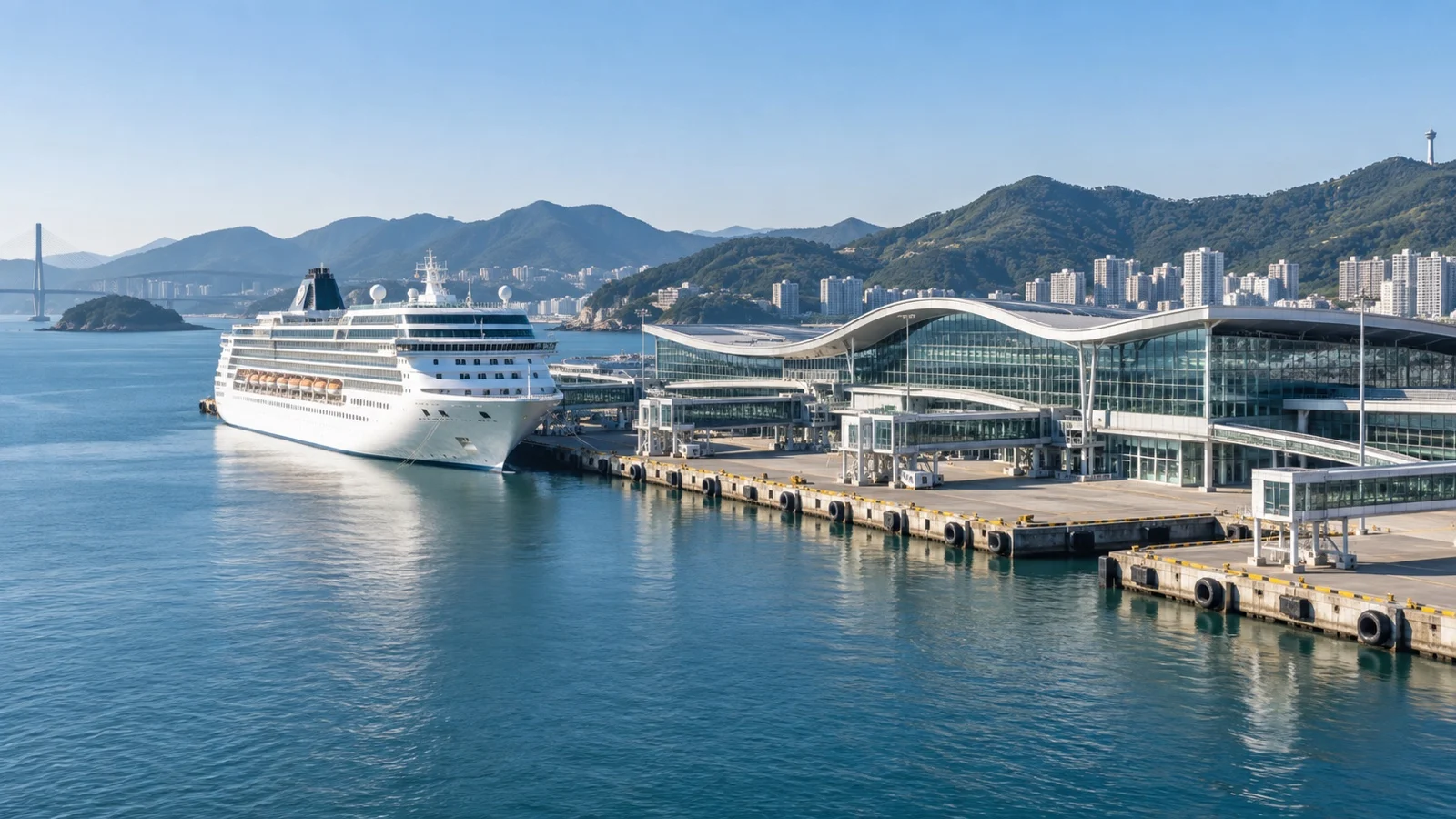
South Korean ports combine cruise berths, international ferry terminals, cargo zones, and new passenger facilities. Follow the cruise line’s final address and shuttle instructions rather than selecting the first map pin containing the port name.
Large terminals can involve long walks from gangway to immigration, then another transfer to the city. Keep your ship card, required identification, and any immigration documents accessible until the full arrival process is complete.
Entry rules can differ by nationality, arrival method, and government policy, while temporary exemptions can expire. Use Korea’s official immigration and K-ETA channels close to sailing, and do not rely on a social-media post from a previous season.
Every South Korea Cruise Port
Jeju Island
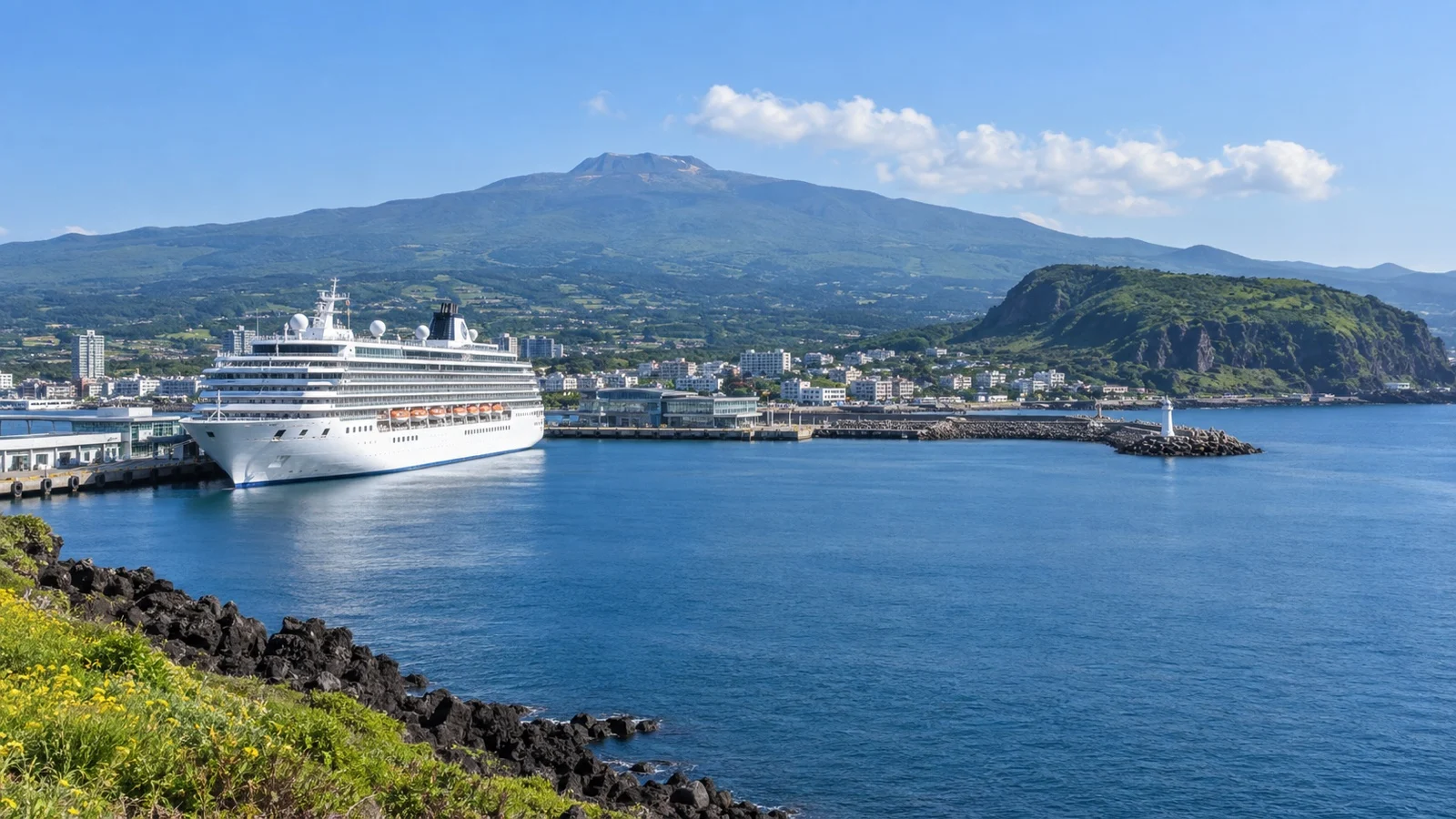
Best for: Volcanic landscapes, waterfalls, tea, coastal scenery, and local food
Arrival pattern: Jeju City or Gangjeong-area facilities depending on the ship
Planning style: Choose one side of the island instead of trying to circle it
Jeju is the port that most punishes an overstuffed plan because attractions scatter across a surprisingly large island. The winning day chooses one region and leaves room for traffic, walking, and weather.
A Jeju City arrival supports northern sights, markets, and urban access, while Gangjeong on the southern coast changes the logic toward Seogwipo, waterfalls, and southern attractions. Never book a tour until the operator confirms the exact passenger terminal.
Hallasan, lava formations, coastal trails, and waterfalls all involve different physical demands. Check trail access, weather, footwear, and the time needed from the port before committing to a hike.
Jeju’s weather can change rapidly, and wind can affect outdoor attractions even when the ship docks. Build a cafe, market, museum, or shorter coastal alternative into the day.
Busan
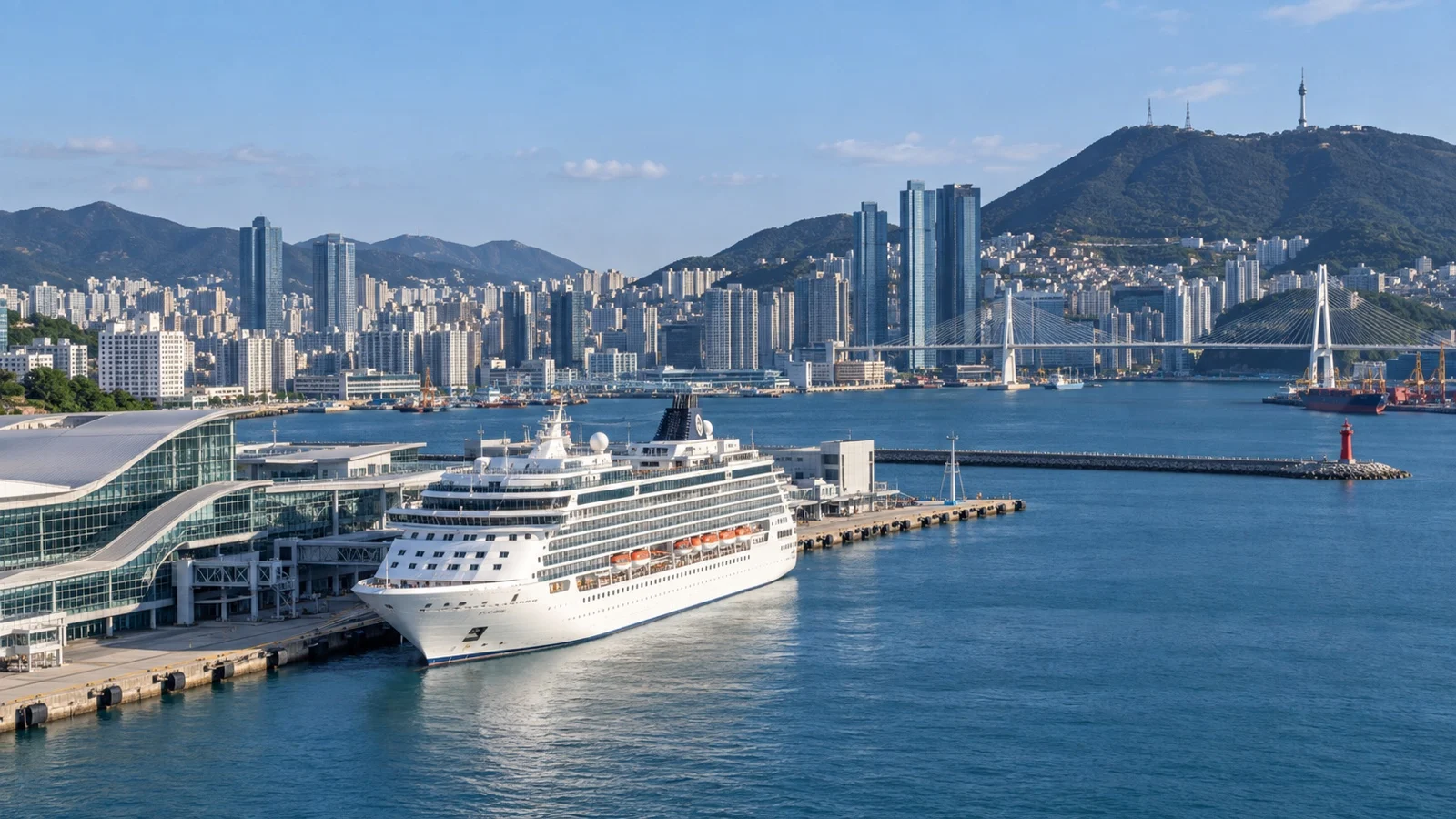
Best for: Temples, markets, beaches, skyline views, and a complete Korean city day
Arrival pattern: Terminal or berth varies across the port complex
Planning style: Pick one geographic cluster and use metro plus taxi strategically
Busan is my best all-around first port because it combines serious city energy with a dramatic coastline. Jagalchi Market, Nampo-dong, Gamcheon, Haeundae, Gwangalli, and Haedong Yonggungsa all tempt you, but they do not sit neatly beside one another.
Passenger operations may use facilities near the North Port area or another assigned berth, and the international ferry terminal is not automatically your cruise entrance. Check the Busan Port Authority schedule and follow the ship’s shuttle details.
The Nampo and Jagalchi cluster works for markets, food, Yongdusan, and older-city atmosphere. Haeundae and Gwangalli work for beaches and modern skyline views, while Haedong Yonggungsa requires a longer journey east.
Gamcheon Culture Village is photogenic but steep, with stairs and narrow lanes. A taxi can reduce the uphill effort, though walking within the village still matters.
Haedong Yonggungsa is spectacular because the temple meets the rocky coast, but distance and crowds make it a focused half-day rather than a casual add-on. Use a ship excursion or a carefully timed taxi plan if the call is short.
Busan’s metro is clean and useful, yet transfers between distant attractions consume more time than the map suggests. Combining one taxi ride with public transit can save energy without turning the entire day into an expensive private tour.
Incheon for Seoul
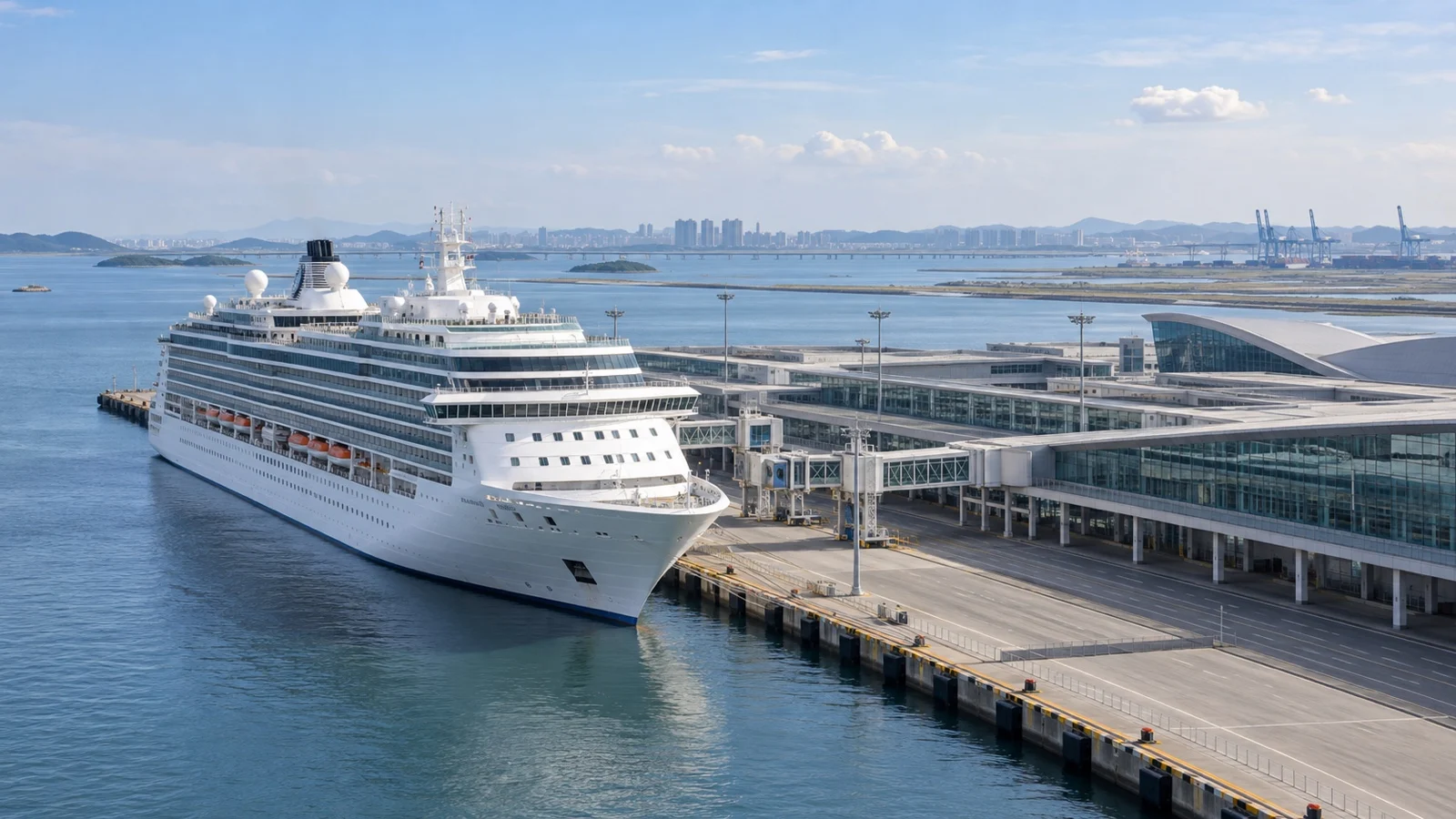
Best for: Seoul highlights, Incheon history, or a pre-cruise city stay
Arrival pattern: Modern Incheon cruise facilities with berth-specific transfers
Planning style: Treat Seoul as a long excursion, not the immediate port neighborhood
Incheon is marketed as the gateway to Seoul, which is accurate and potentially misleading. Seoul offers palaces, markets, museums, and neighborhoods of enormous interest, but the transfer from the cruise terminal can consume a substantial part of the day.
Traffic, port shuttle arrangements, and the distance to the first useful rail station all affect the plan. A ship excursion provides schedule protection, while independent travelers need a conservative route with backup options.
For a first Seoul visit, choose one palace-and-market cluster rather than crossing the metropolis repeatedly. Gyeongbokgung, nearby historic neighborhoods, and a single market can create a rich day without adding distant districts.
Staying in Incheon can be rewarding when the call is shorter or Seoul feels too ambitious. Chinatown, the open port area, Songdo, and local food provide a distinct port-city experience with less transport risk.
Sokcho
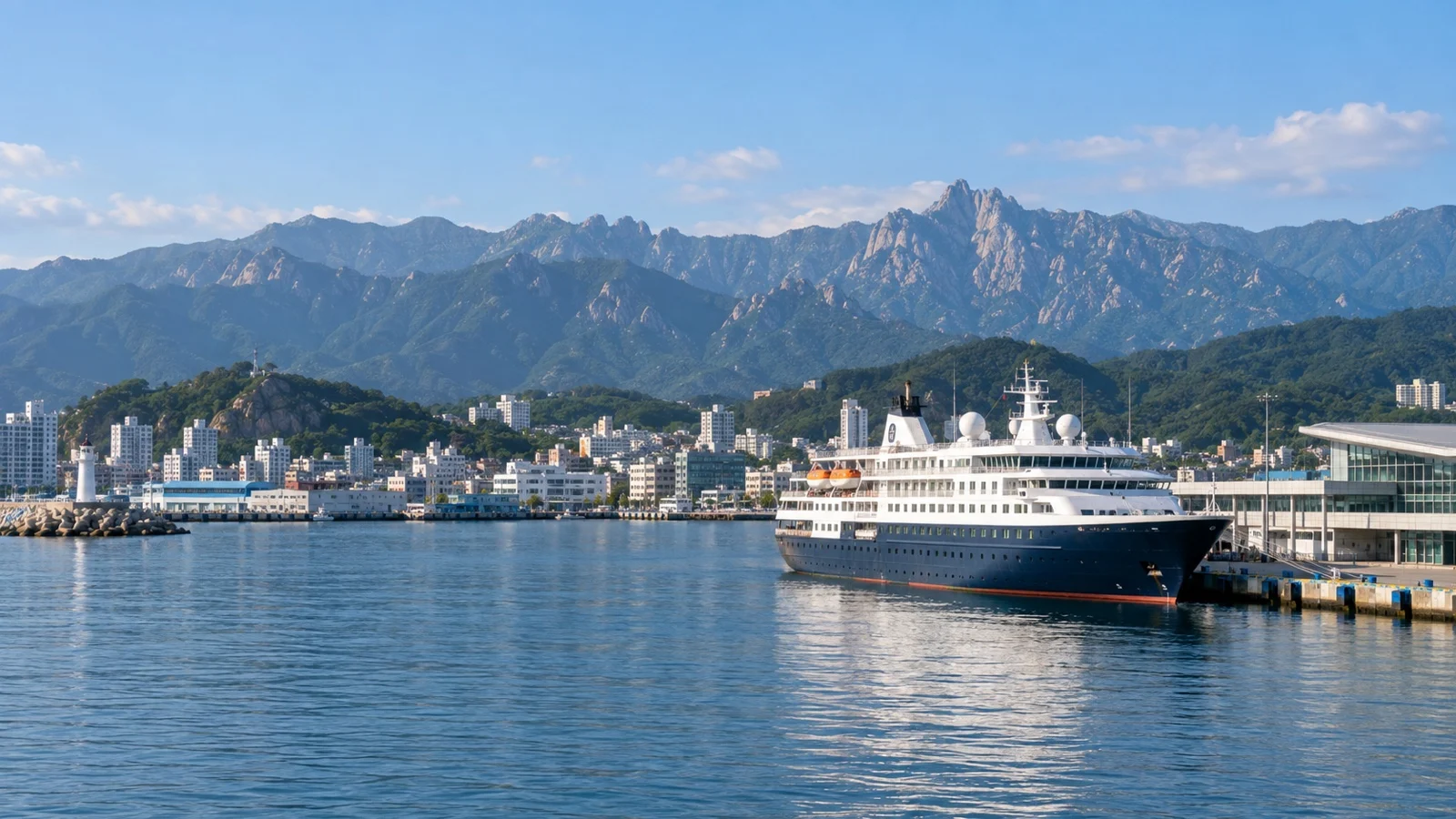
Best for: Seoraksan National Park, East Sea scenery, markets, and a quieter city
Arrival pattern: Docking and shuttle arrangements depend on the call
Planning style: Choose Seoraksan or Sokcho rather than squeezing both into a rushed loop
Sokcho is the nature gateway, and Seoraksan gives the port its strongest reason to be on an itinerary. Mountain views, temples, trails, and seasonal color can be extraordinary, but access and crowding change with weather and time of year.
A ship excursion is the easiest option for the national park because it controls the road transfer and return. Independent travelers should verify park notices, trail closures, cable-car operations, and terminal transportation on the day.
Sokcho itself offers a market, harbor atmosphere, coastal views, and regional food. It makes a satisfying lower-risk alternative when the mountains are clouded, trails are unsuitable, or the ship’s call is short.
Autumn weekends can bring heavy park traffic, while winter creates ice and cold-weather concerns. Never promise a cable-car view or trail access before official operations confirm it.
How I Would Choose an Itinerary
Choose Busan plus Jeju for the strongest first cruise pairing because the city-and-island contrast is immediate. Busan supplies markets, temples, and transit, while Jeju offers landscapes and a slower rhythm.
Add Incheon when Seoul is a priority and the port call is long enough to support the transfer. Add Sokcho for mountains and regional character, especially on an itinerary that otherwise leans heavily urban.
A route with all four ports can be superb, but only if you resist treating each one as a race. One memorable district, temple, or landscape per day beats a bus window full of missed details.
Transport Without Unnecessary Drama
Korean public transportation is generally excellent, with metro systems, buses, taxis, and intercity rail supporting independent travel. The cruise terminal is the weak link in many plans because it may sit beyond the most convenient passenger station.
Use official transit apps, the port shuttle, or a taxi to bridge that gap. Confirm whether your foreign card works for tickets and whether you need a rechargeable transit card or local payment method.
Taxis can save enormous time for two or more travelers, but language and terminal access can cause confusion. Show the destination in Korean, keep the cruise terminal address ready for the return, and photograph the gate where you must re-enter.
KTX high-speed rail is valuable for pre-cruise travel between major mainland cities. It is not a sensible foundation for a distant port-day excursion unless the schedule leaves a generous recovery margin.
Weather and Season
Spring and fall usually provide the most comfortable sightseeing, with cherry blossoms or autumn color creating high demand. Summer can be hot, humid, and wet, while winter brings cold wind and possible snow in northern or mountain areas.
Typhoons can affect Korean waters during the warmer months and may alter a cruise itinerary. Flexible tours and travel insurance matter more than a confident long-range forecast.
Air quality can also change, especially during seasonal dust events. Check official local alerts and adjust strenuous outdoor plans if conditions are poor.
Accessibility and Multigenerational Planning
Modern terminals and urban transit often include elevators and accessible features, but the complete route can still involve long piers, steep gangways, crowded stations, and gaps between shuttle and attraction. Request cruise-line assistance and confirm each transfer separately.
Temples, coastal trails, palaces, and markets frequently include steps, slopes, thresholds, or uneven surfaces. Ask for the actual accessible entrance and restroom location rather than accepting a generic accessible label.
Families should plan meal flexibility because unfamiliar menus, spice, and sitting styles can affect children. Carry a small snack, translation support, and the hotel or ship address in Korean.
Money, Connectivity, and Documents
South Korea uses the won, and card acceptance is widespread, though small vendors and transit systems may require a local method. Carry modest cash and notify your bank before travel.
A data connection makes navigation and translation much easier, but download offline maps and screenshots as backup. Public Wi-Fi should not be the only way you can find the ship.
Immigration paperwork and passport handling depend on the itinerary. Follow the cruise line’s instructions about whether to carry the original passport or another accepted document ashore.
South Korea Cruise Port Questions
Which port is best for a first visit?
Busan offers the richest mix of culture, food, coast, and independent transport. Jeju is the best complement because its landscapes feel completely different.
Do ships dock or tender?
Most calls use port berths, but operational changes are always possible. The larger uncertainty is often which terminal within the port complex your ship will use.
What usually disrupts the plan?
Terminal distance, traffic, typhoons, seasonal crowds, and attraction closures create the biggest changes. Mountain and cable-car days require especially close checks.
Should I book a ship excursion?
Ship excursions are most valuable for Seoul from Incheon, Seoraksan from Sokcho, and distant Jeju or Busan attractions. Compact city districts can be explored independently once you understand the terminal transfer.
How much fits in one port day?
One major area plus a meal and a nearby secondary stop is a realistic goal. Seoul and Jeju punish cross-region sightseeing, while Busan rewards choosing either the older center or the eastern coast.
My Final Take
South Korea’s best cruise days begin with the exact berth and a disciplined geographic plan. Choose Busan for the broadest first experience, Jeju for nature, Incheon for a carefully managed Seoul day, and Sokcho for mountains with a weather-ready backup.
This guide was independently checked on September 11, 2026, using official information from Busan Port Authority, Incheon Port Authority, Jeju and Sokcho port authorities, Korea Tourism Organization, immigration channels, and current cruise-line instructions. Reconfirm the terminal, entry rules, shuttle, attraction status, weather, accessibility, and all-aboard time before committing to nonrefundable arrangements because live operations can change.