Philippines Cruise Ports: A Planner’s Guide to Every Stop
The Philippines can turn one cruise into four very different vacations. Manila brings layered history and a huge modern capital, Cebu mixes heritage with island possibilities, Boracay is the pure beach call, and Puerto Princesa opens the door to Palawan’s limestone landscapes.
That variety is the joy of the route, but it also makes logistics impossible to generalize. Each port has its own terminal or tender pattern, traffic, boat connections, weather exposure, and realistic limit on how much fits into one day.
Quick Facts
- Best first city: Manila offers the strongest combination of national history, museums, architecture, markets, and food.
- Best all-around port: Cebu balances a manageable heritage route with longer nature and marine excursions.
- Best beach day: Boracay delivers famous white sand, warm water, watersports, and resort facilities after a tender and local transfer.
- Best nature gateway: Puerto Princesa provides access to Honda Bay and the UNESCO-listed Underground River.
- Current arrival tool: The official Philippine eTravel system is free and includes a cruise travel registration route.
- Essential rule: Choose one anchor experience and protect time for traffic, tenders, boats, security, and the return to the ship.
Why a Philippines itinerary needs port-by-port planning
The Philippines is an archipelago, so the route crosses different islands, weather patterns, and transport systems. A major-city berth, a small-island tender, and a nature gateway require completely different expectations.
Start with the official Philippines Travel site for destination ideas, then confirm operational details with the cruise line. The ship’s final program controls the actual terminal, tender landing, clearance, shuttle, and all-aboard time.
I compare three things before looking at excursion descriptions: usable hours, arrival method, and the distance to the must-do attraction. Those details reveal whether a dreamy route will feel generous or frantic.
Manila
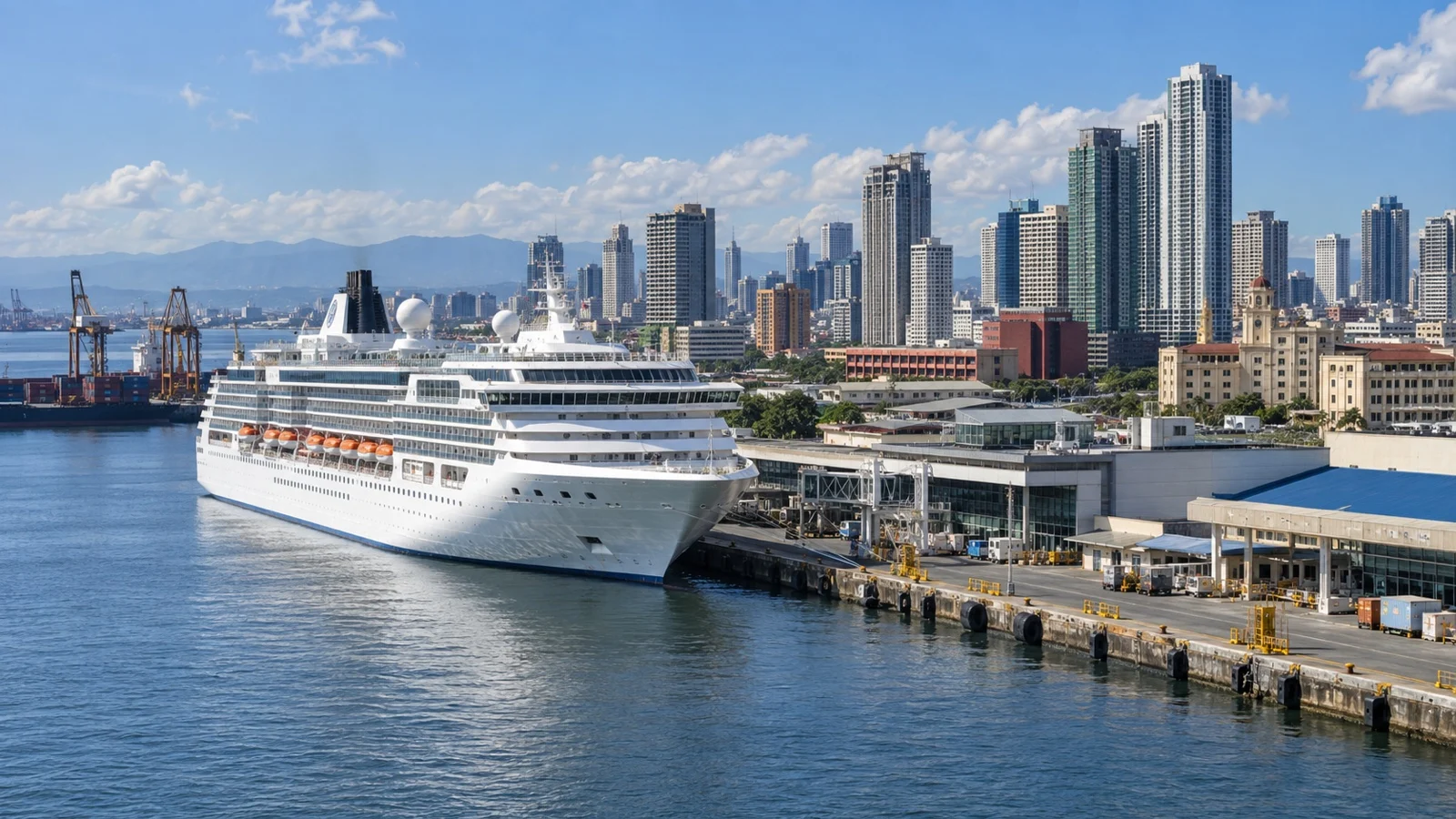
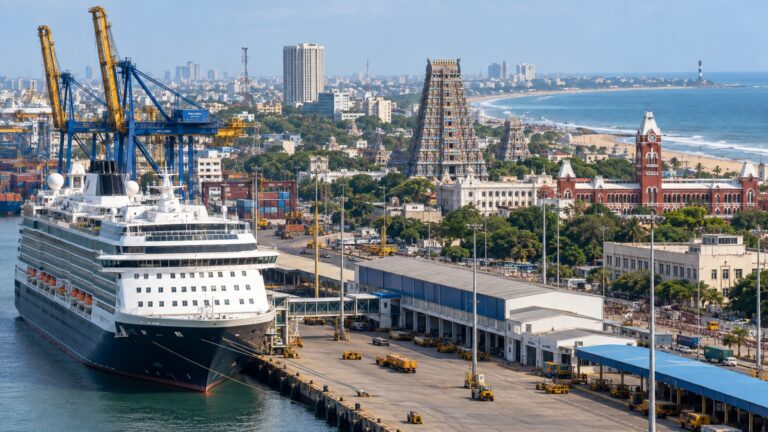
Manila is the country’s biggest city day, and it rewards focus. Intramuros, Rizal Park, the National Museum complex, markets, churches, Manila Bay, and modern business districts could fill several days rather than one call.
For a first visit, I would build the day around Intramuros and nearby historic sights. Keeping the route compact limits exposure to Manila’s famously variable traffic and leaves time for a proper meal.
San Agustin Church in Intramuros is part of the UNESCO-listed Baroque Churches of the Philippines. Its architecture reflects local adaptations to regional conditions, making it more than a quick decorative stop.
Fort Santiago and the broader walls add national history and context, while the nearby museums help on hot or rainy afternoons. Check current opening hours and security procedures before building a timed route.
Manila’s modern districts are appealing for shopping, dining, and skyline views, but they pull the day across busy roads. Choose either a historic core or a modern district cluster unless the call is long and a vetted driver controls the complete route.
The port exit and pickup process can take time even when the map makes Intramuros look close. Save the exact terminal or gate name and aim back well before all aboard because congestion can change quickly.
Cebu
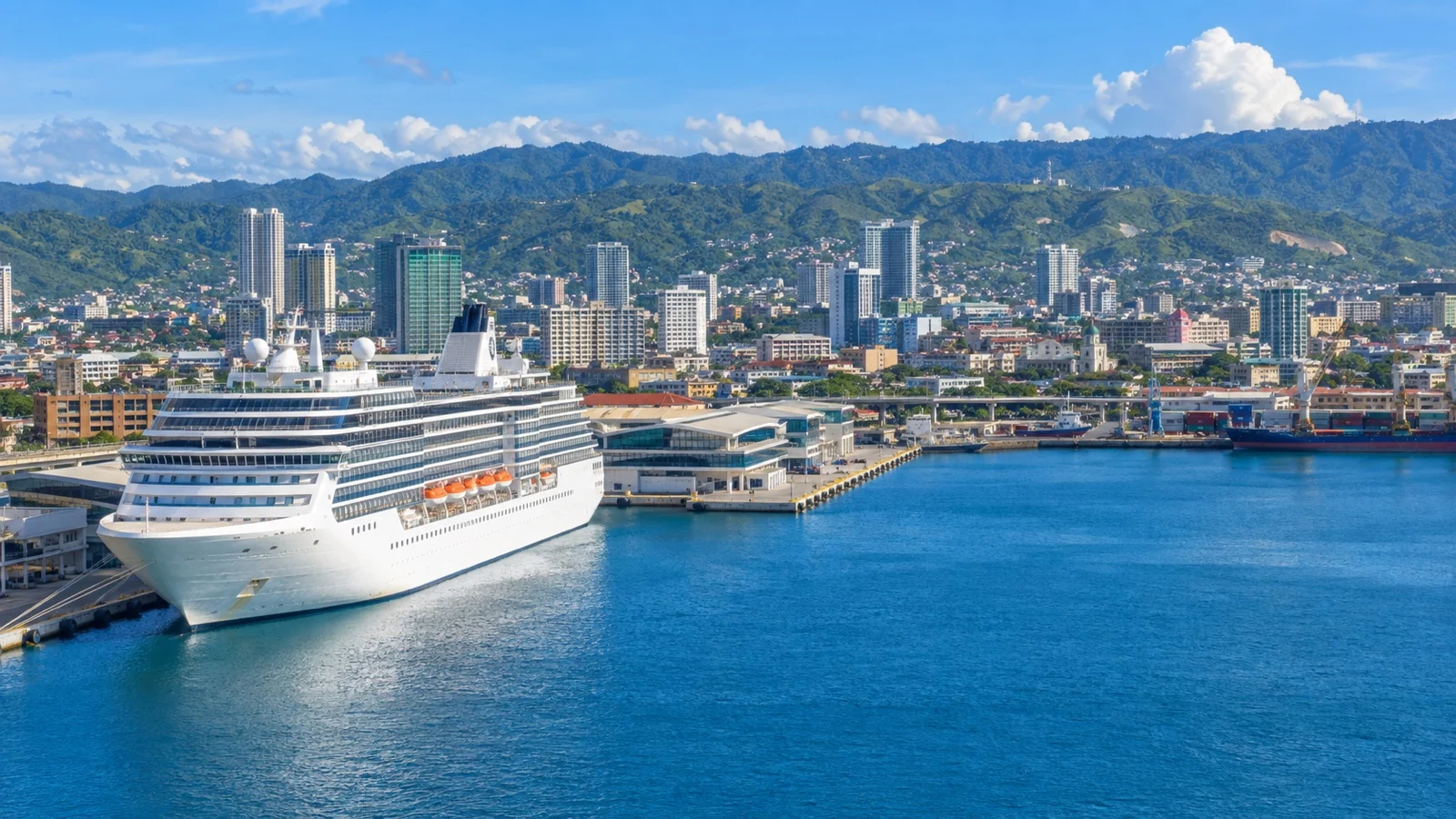
Cebu is the most balanced call for travelers who want history, food, and optional nature. The city and surrounding island hold enough possibilities that the smartest decision is choosing one direction.
A compact heritage route can include the Magellan’s Cross area, Basilica Minore del Santo Niño, Fort San Pedro, and a local meal. These attractions offer a coherent city day without committing to the road time of a distant waterfall or marine excursion.
Longer tours may head beyond the city for beaches, countryside, marine encounters, or waterfalls. Treat one of those as the whole-day anchor because Cebu traffic and island distances make combining it with a complete heritage circuit unrealistic.
Cebu can use different port facilities, so an operator needs the exact terminal before confirming pickup. A generic meeting note that says Cebu port is not enough when several gates and roads serve the harbor area.
Marine wildlife experiences deserve extra scrutiny. Choose an operator that follows current environmental rules, avoids touching or feeding wildlife, and explains how the activity supports rather than pressures the animals.
Boracay
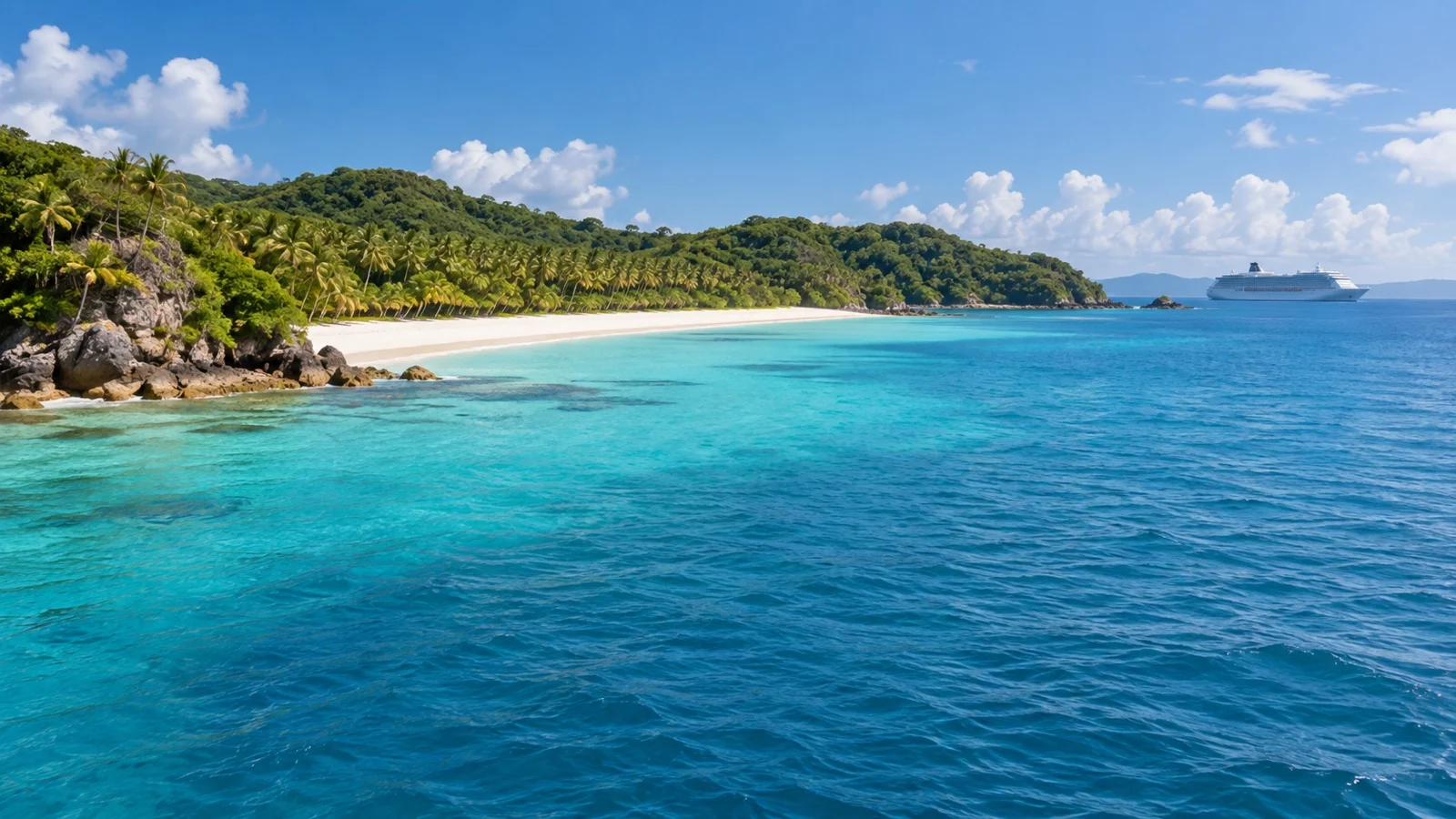
Boracay is the route’s uncomplicated answer to a beach craving, although the arrival itself has several moving parts. Ships commonly tender, then passengers use local transport to reach White Beach or another island area.
White Beach is divided into zones with different personalities, but there is no need to turn the day into a station-collecting exercise. Choose a comfortable area, swim, walk the sand, enjoy lunch, and protect enough time for the return transfer and tender.
Watersports, sailing, diving, and island-hopping can add adventure on a long call. Sea conditions and local operating rules matter, so book an accredited provider and understand what happens if wind or the tender schedule changes.
Boracay’s environmental rules are part of the destination, not an inconvenience. Follow designated smoking, eating, activity, and waste rules, use authorized services, and leave shells and marine life untouched.
Kitesurfing and other wind-driven activities belong in a plan built around real conditions, not a promotional photo. A quieter beach day is an excellent fallback when the sea or wind does not cooperate.
Puerto Princesa
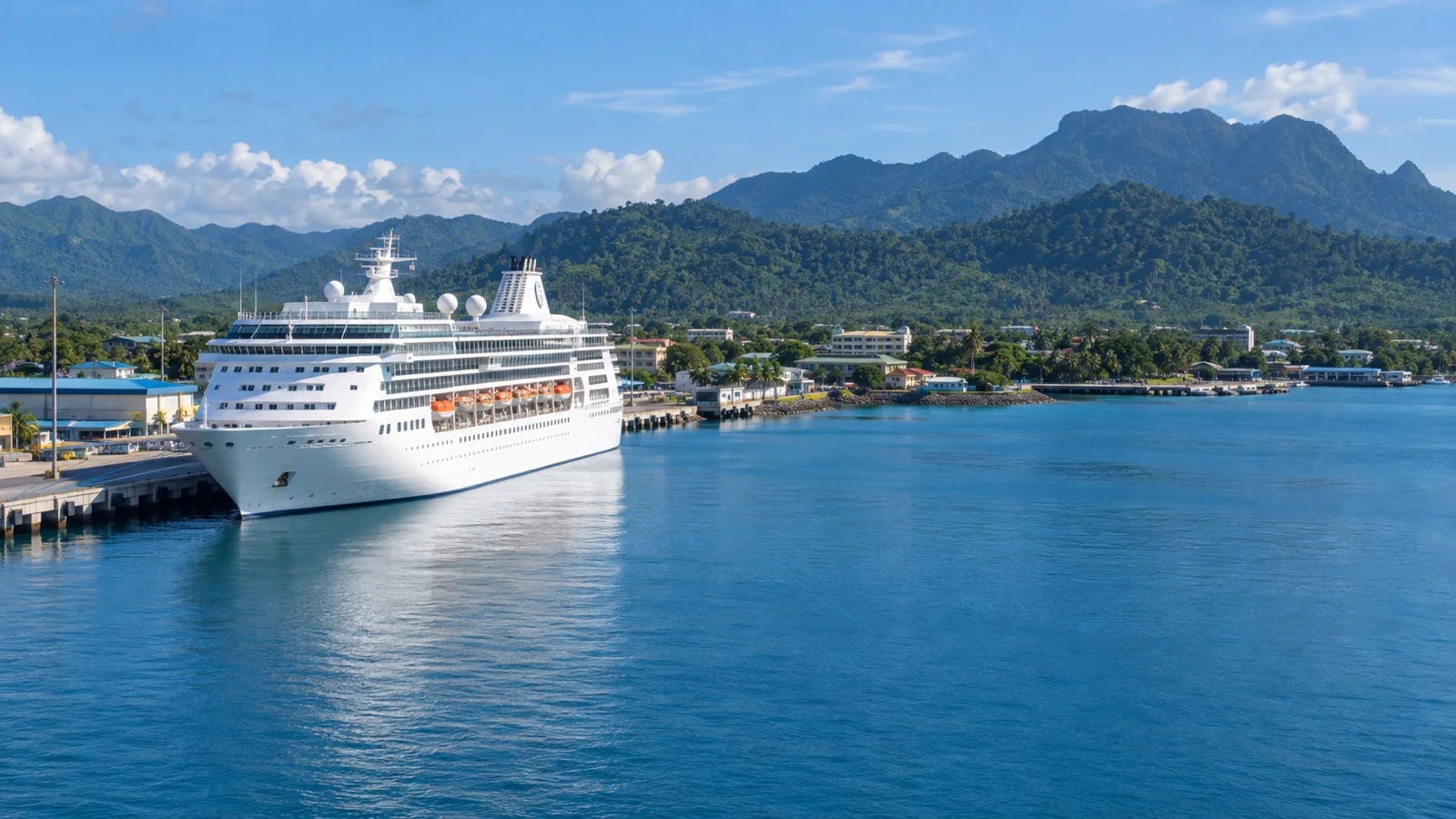
Puerto Princesa is the Palawan gateway, and it presents the route’s biggest choice between staying local and committing to a major nature excursion. City sights, food, and nearby attractions are manageable, while Honda Bay and the Underground River require more coordination.
The Puerto-Princesa Subterranean River National Park is a UNESCO World Heritage property known for its limestone karst landscape, underground river system, and important biodiversity. It deserves to be treated as the entire day’s anchor.
Reaching the Underground River involves a long road trip to the Sabang area, permit coordination, boat movements, and the cave visit itself. A cruise-aware operator or ship excursion is the sensible choice because one missed connection can affect the return.
Honda Bay is also a boat-based outing and should not be squeezed beside a full city tour. Check which islands are open, what marine protections apply, and whether the operator provides appropriate safety equipment.
A local Puerto Princesa day can be the better decision on a shorter call. A city route, food experience, and one nearby nature stop leave more resilience for tropical rain and port delays.
Entry procedures and the official eTravel system
The official Philippine Travel Information System states that eTravel is free and provides a dedicated cruise travel registration option. Use only the government site or the official eGovPH app because look-alike services may charge unnecessary fees.
Whether an individual passenger must complete a particular form depends on current government rules and the cruise line’s handling for that itinerary. Follow the line’s written instructions and confirm passport, visa, and arrival requirements for your nationality before embarkation.
Do not assume the same process applies to a voyage that starts in the Philippines and a transit call arriving by sea. Boarding documents, immigration clearance, and customs declarations can be separate obligations.
Docking, tenders, and walkability
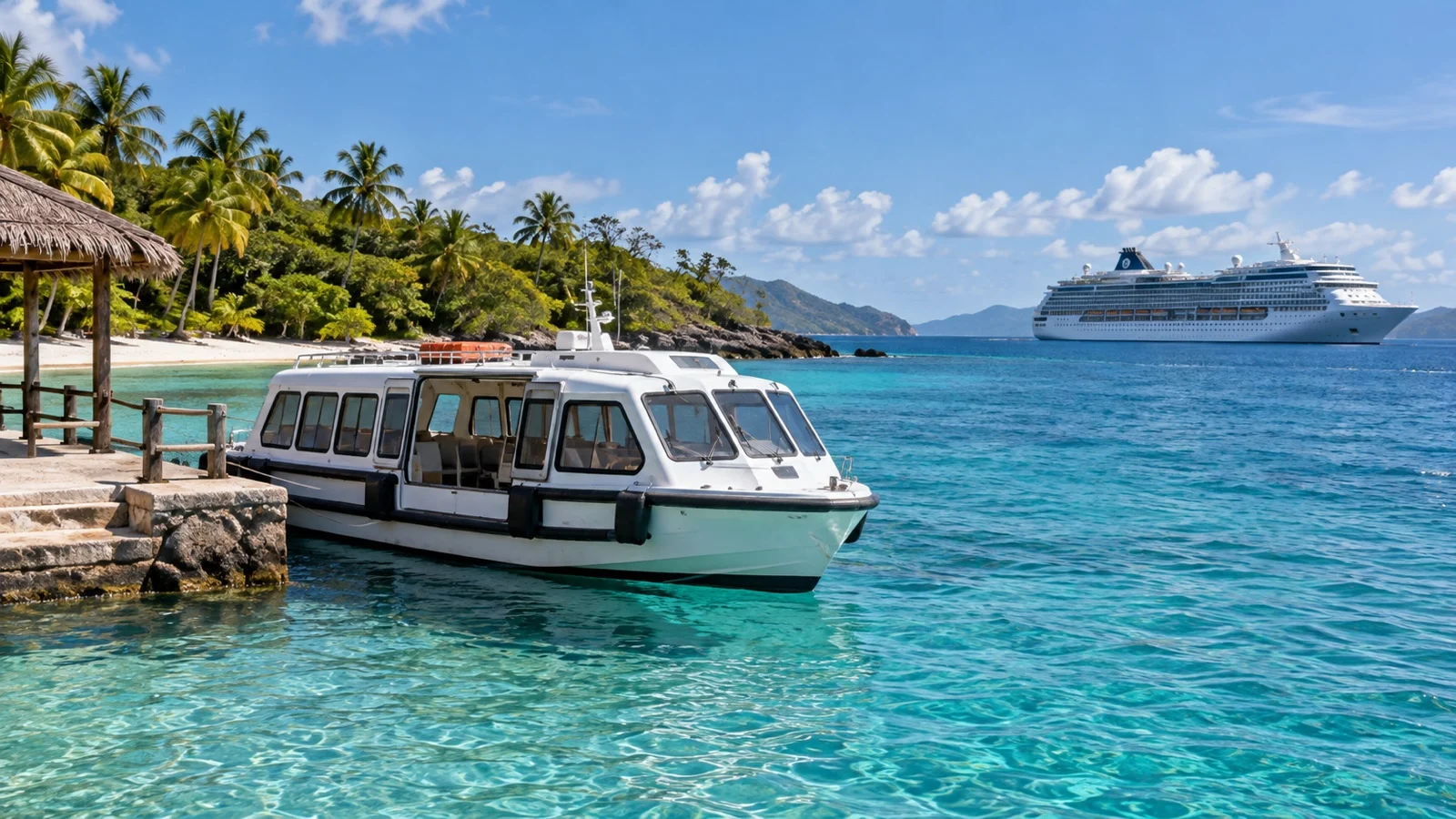
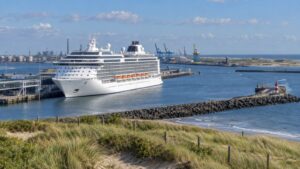
Manila, Cebu, and Puerto Princesa generally use port facilities, though berth assignment and required shuttles can change. Boracay commonly uses tenders, adding boat queues and weather sensitivity to the beginning and end of the day.
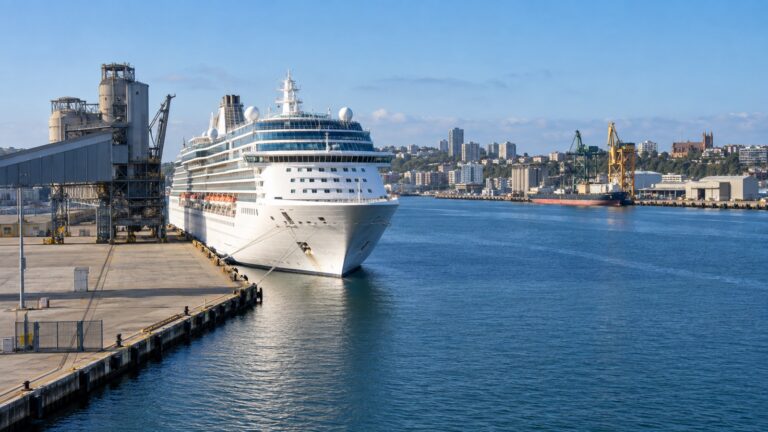
A docked arrival does not guarantee that unrestricted walking starts at the gangway. Commercial ports may require a shuttle to a secure exit, and independent guides must meet at an approved point.
Walkability should be judged after reaching the sightseeing district. Intramuros, central Cebu heritage sites, and White Beach can all be enjoyable on foot, but the first transfer from the ship may still be essential.
Tender safety is decided by the captain and crew based on actual conditions. Travelers with limited mobility should ask about step height, transfer assistance, and equipment restrictions for the specific vessel and call.
Transportation without unnecessary drama
Ship excursions provide the greatest return protection for long or multi-stage days. Private tours offer flexibility, while taxis and ride services work best when the route is compact and the port’s pickup procedure is clear.
Online driving estimates are only a starting point in Manila and Cebu. Rain, road construction, events, school traffic, port queues, and a wrong gate can consume the entire cushion.
Download maps, confirmations, terminal names, and the ship’s local contact before leaving reliable service. Photograph the gate or tender sign after arrival so a driver can recognize the correct return point.
Confirm whether the ship uses local time or a separate ship time before setting an independent meeting. That tiny detail prevents one of the least glamorous ways to miss a tour.
Weather, seasons, and marine conditions
The Philippines has a tropical climate, but rain patterns vary across the archipelago. Heat, humidity, monsoon flow, thunderstorms, and tropical cyclones can affect ports differently on the same itinerary.
The official PAGASA site publishes daily weather, tourist-area outlooks, marine forecasts, gale warnings, and tropical cyclone bulletins. Check both the land forecast and marine conditions when a tender or small-boat excursion is involved.
Pack sun protection, drinking water, a compact rain layer, and shoes that can handle wet pavement or boat steps. A dry pouch for passports and electronics is a small luxury in a sudden tropical downpour.
Weather changes should have an easy backup rather than a heroic workaround. A museum, heritage walk, market, long lunch, or sheltered beach area can rescue a day when a boat or distant excursion is canceled.
Money, language, and connectivity
The Philippine peso is the official currency, and cards are accepted at many established hotels, restaurants, and tourism businesses. Small vendors, local transport, markets, and tips are easier with modest peso notes.
English and Filipino are official languages, and English is widely used in tourism settings. Local languages are also important across the islands, so a written destination and polite greeting are still useful.
Mobile service is usually good in cities and resort areas but can weaken at sea, underground, or in remote nature zones. Keep the return plan and contact information available offline rather than trusting one live message thread.
Accessibility and multigenerational planning
Ask about the entire movement chain, including gangway or tender, pier surface, shuttle, vehicle steps, equipment storage, restroom access, sand, trails, boats, and the final distance back. One accessible building does not make a complete excursion accessible.
Wheelchair and scooter users should provide exact dimensions, weight, and battery details before booking. Boracay’s tender, local vehicle, crowded paths, and deep sand may be more limiting than the beach destination itself.
The Underground River includes road and boat transfers before the cave experience, so every stage needs confirmation. A Puerto Princesa panoramic route may be a better choice when transfer steps or equipment storage are uncertain.
Mixed-age groups do best with one shared anchor and an obvious meeting point. Manila and Cebu support split interests more easily, while Boracay and remote Palawan plans are calmer when everyone follows the same return route.
How I would choose an itinerary
For a first trip, I would prioritize Manila and Cebu for the clearest contrast between national history and an island city. Add Boracay when a true beach day matters, especially between two sightseeing-heavy calls.
Choose Puerto Princesa when Palawan’s natural landscape is the reason for traveling. The port is most rewarding when the schedule is long enough for the chosen boat or nature excursion without a stressful return.
A route containing all four ports has excellent variety. I would avoid booking the longest excursion in every destination because the difference between a tour and a transfer marathon is often one realistic free afternoon.
Common planning mistakes
The biggest mistake is confusing a port label with an attraction location. Manila and Cebu can involve traffic, Boracay includes tender and island transport, and the Underground River sits far from central Puerto Princesa.
Another mistake is stacking a city circuit beside a full regional excursion. Pick one direction and let lunch or a nearby stroll become the extra.
Finally, never target the last practical ride, boat, or tender back. A generous finish near the ship is far more pleasant than watching every traffic light as though it controls the vacation.
Frequently asked questions
Which Philippines port is best for a first visit?
Cebu offers the most manageable mix of heritage, food, and optional island experiences. Manila is the stronger choice for national history and major museums.
Do cruise ships dock or tender?
Boracay commonly uses tenders, while Manila, Cebu, and Puerto Princesa generally use port facilities subject to berth assignment. A shuttle may still be required at a docked call.
Should I book through the ship?
Use the ship for long, complex, boat-dependent, or weather-sensitive outings when return protection matters most. Independent touring works well for compact districts and reputable operators with a generous ship-time plan.
What usually disrupts the day?
Traffic, tropical rain, marine conditions, port procedures, and long nature transfers are the main variables. A simple backup plan keeps one change from erasing the entire call.
My final advice
The Philippines is too varied to experience at checklist speed. Give each port one clear purpose, whether history, heritage, beach, or nature, and let the spaces between scheduled moments make the destination feel real.
I would plan the movement chain first and the attraction order second. Once the terminal, tender, traffic, and return are honest, the day has room for a mango shake, a conversation, or one more look at the sea.
How this guide was researched: This guide was independently checked on September 11, 2026, against the Philippine eTravel system, Department of Tourism, PAGASA, UNESCO World Heritage Centre, and current cruise-line operating guidance.
Reconfirm the terminal or tender, entry registration, documents, protected-area access, weather, transportation, tickets, and final return time before sailing because live conditions can change.