Cebu Cruise Port: Exact Berth, City Heritage and Island Plans
Cebu gives cruise passengers a rare choice between a compact historic core, a modern island-resort district, and green highlands above a large tropical city. The trick is accepting that traffic, not distance, decides how many of those places fit into one day.
Most international calls use an alongside berth within the Cebu Port Authority system, but the exact pier and secure exit remain ship-specific. Confirm the berth before arranging a driver because Cebu International Port, Pier 1, and the city’s ferry terminals are not interchangeable pickup instructions.
Quick facts about Cebu cruise port
- Arrival: Normally alongside at an assigned secure berth in the Port of Cebu system
- Port authority: Cebu Port Authority manages ports throughout Cebu Province
- Best short plan: National Museum Cebu, Fort San Pedro, Magellan’s Cross, the basilica area, and lunch
- Mactan plan: Choose one resort, heritage, or marine theme and protect the bridge return
- Highland plan: Use a driver for a compact circuit of two or three stops
- Usually too far: Moalboal, Kawasan Falls, and Oslob on an ordinary Cebu City call
- Currency: Philippine peso
- Languages: Cebuano and Filipino, with English widely used
- Main risks: Traffic, heat, heavy rain, typhoons, wrong pier pickup, and overambitious distance
The port is a secure working harbor
The Cebu Port Authority administers the province’s port network, including international and domestic facilities around Cebu City. Cruise passengers should treat the ship’s daily notice as the final source for the assigned berth, terminal exit, shuttle, and all aboard.
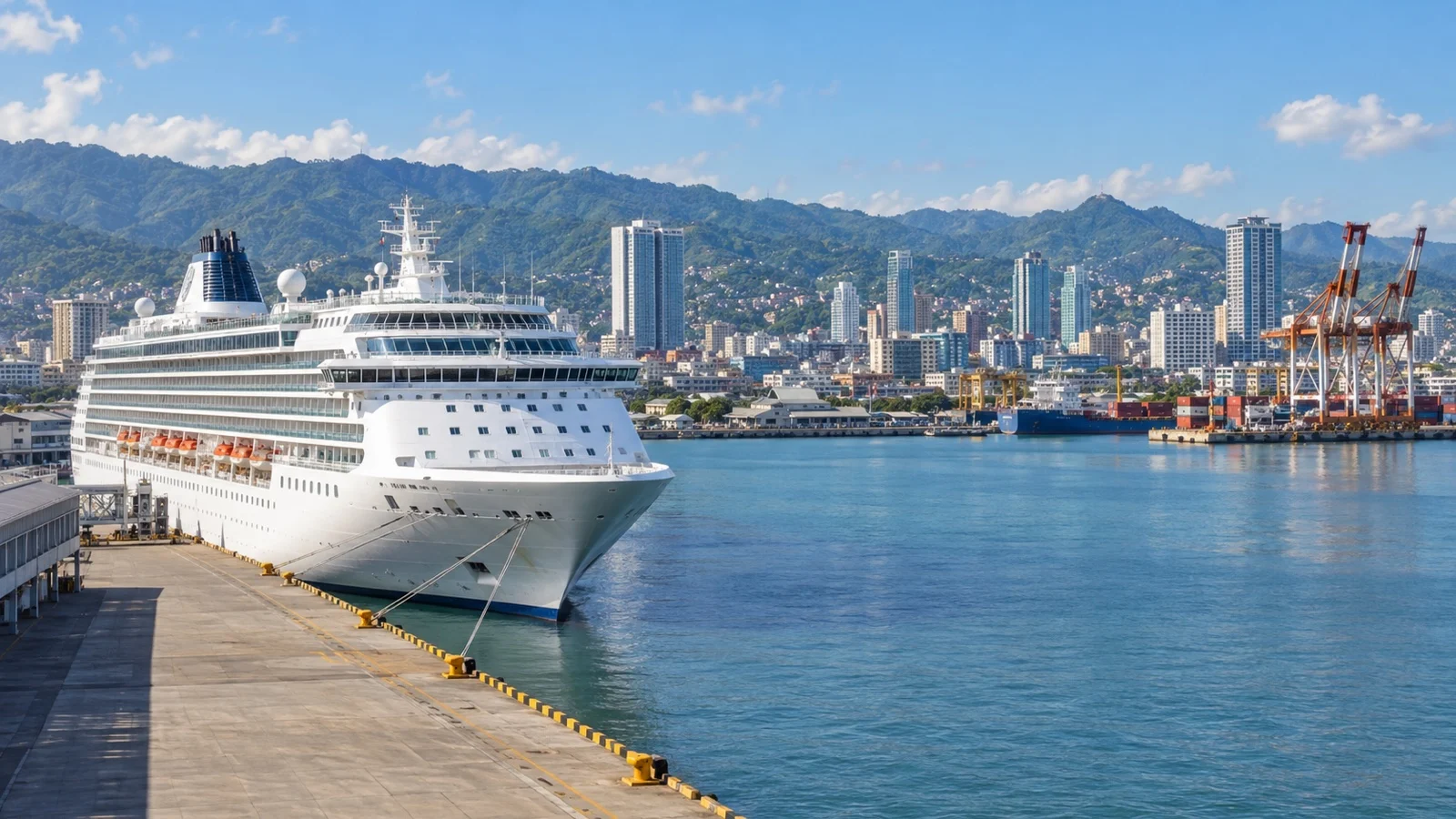
A direct berth removes the routine tender ride, but it does not guarantee a free walk through working-port roads. Follow the marked passenger route or controlled shuttle to the authorized meeting area, then begin independent transport only where port security permits.
Send a prebooked driver the exact gate, ship name, arrival date, and pickup time rather than a general map pin. Keep the driver’s name, plate, phone number, total price, and agreed return point available offline.
The heritage district is the reliable first choice
Cebu City’s oldest sights cluster near the port, making them the most resilient plan when the ship clears late or the call is short. National Museum Cebu, Fort San Pedro, Magellan’s Cross, and the Basilica Minore del Santo Niño can form a meaningful circuit without crossing a bridge.
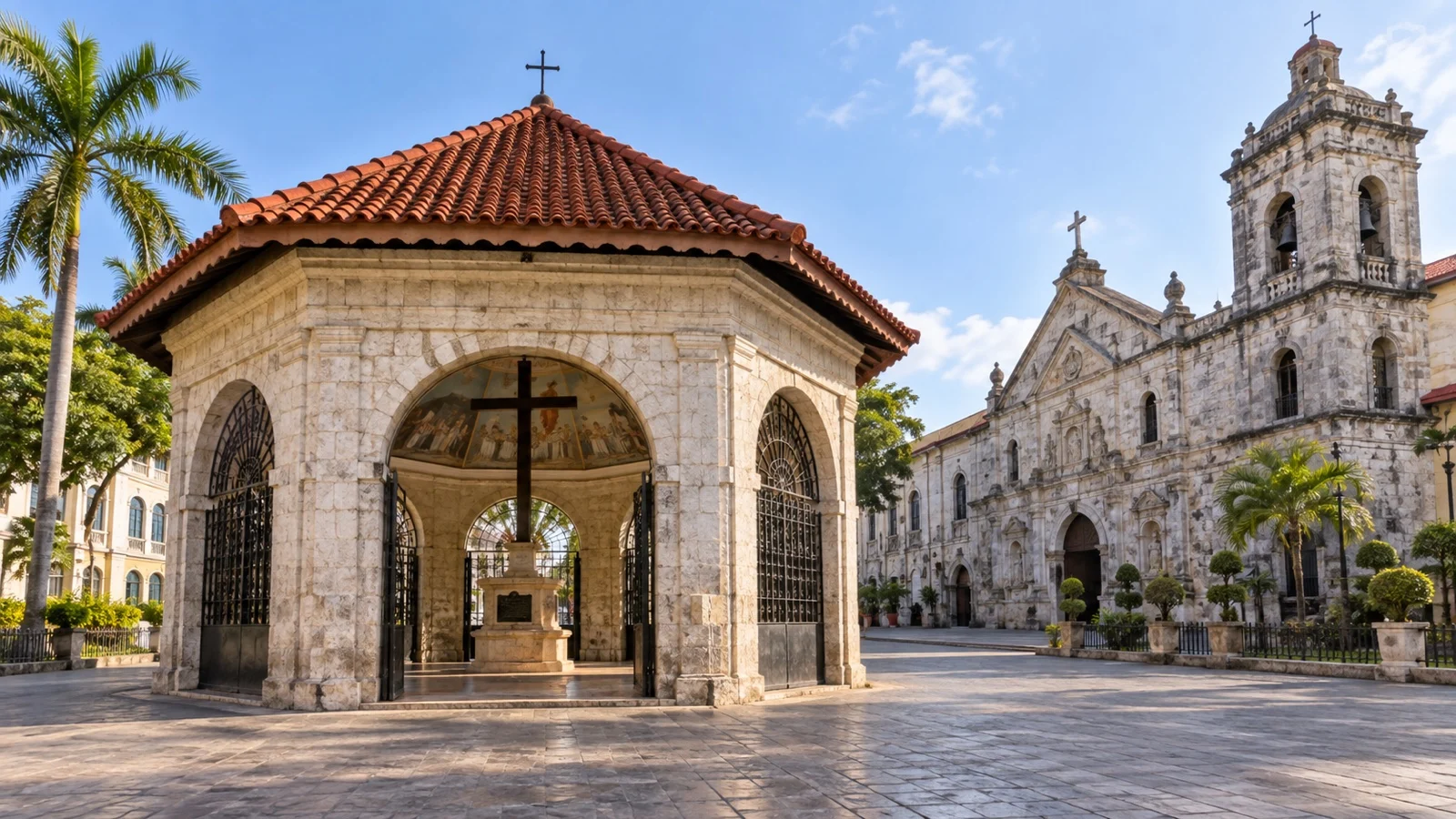
Use a taxi or port shuttle to reach the public district if pedestrians cannot exit directly. Once there, some stops are close together, but traffic, crowded sidewalks, humidity, and crossings make the route slower than its compact map suggests.
National Museum Cebu connects port and city history
The National Museum of the Philippines Cebu occupies the restored former Customs House in the port and heritage district. The official museum page describes three permanent first-floor galleries and two changing galleries upstairs, giving a useful overview of Cebu’s archaeology, art, nature, and maritime connections.
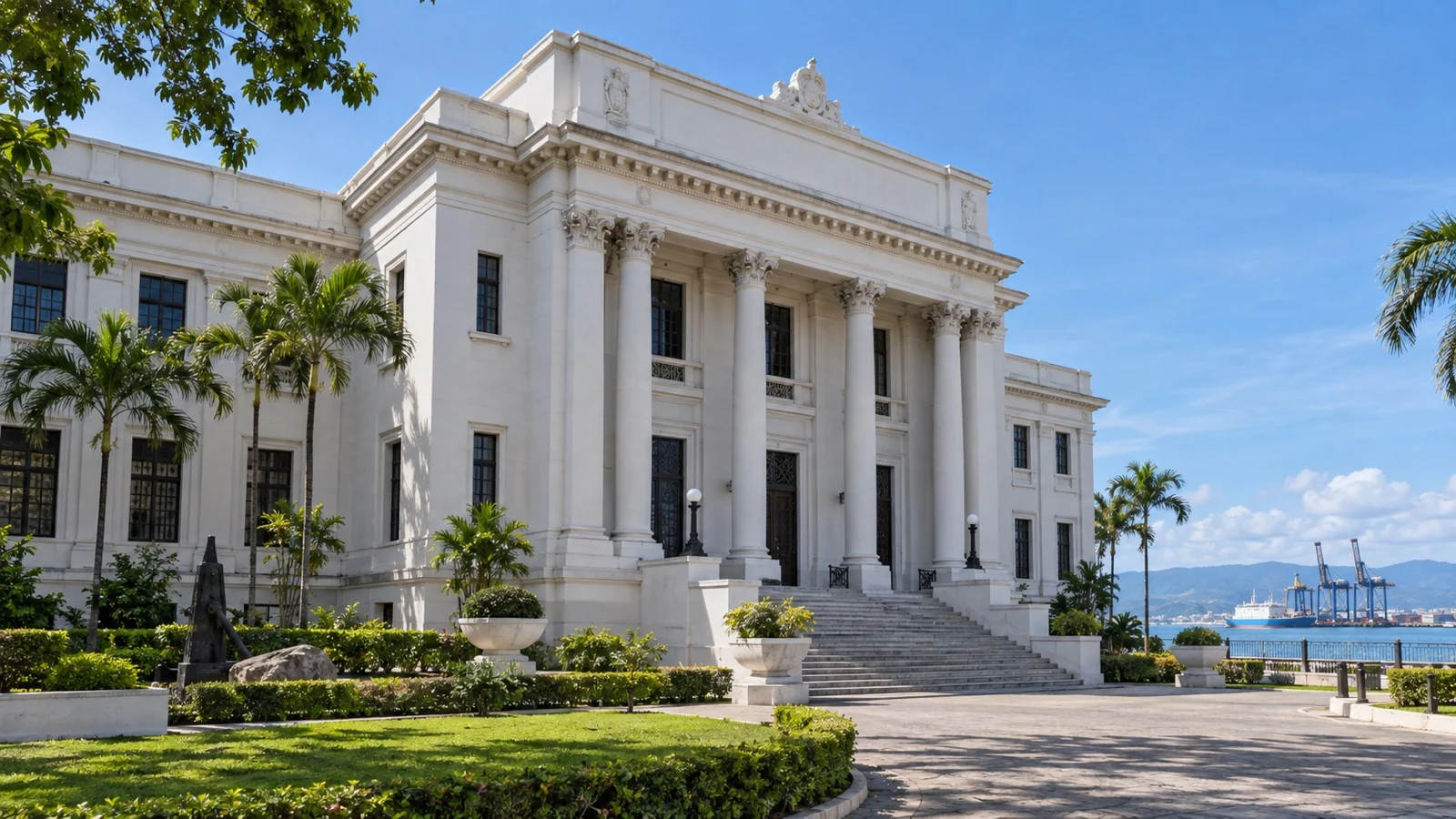
The museum is particularly valuable during intense heat or rain, but opening days, admission, gallery access, and reservation rules can change. Check current information before the visit and allow time for security rather than placing it in a ten-minute gap.
Fort San Pedro is compact and practical
Fort San Pedro is a small triangular stone fort near the waterfront that introduces Cebu’s long colonial period without consuming half the port call. Exhibits and open areas can be covered at a comfortable pace, though civic events or maintenance may alter access.
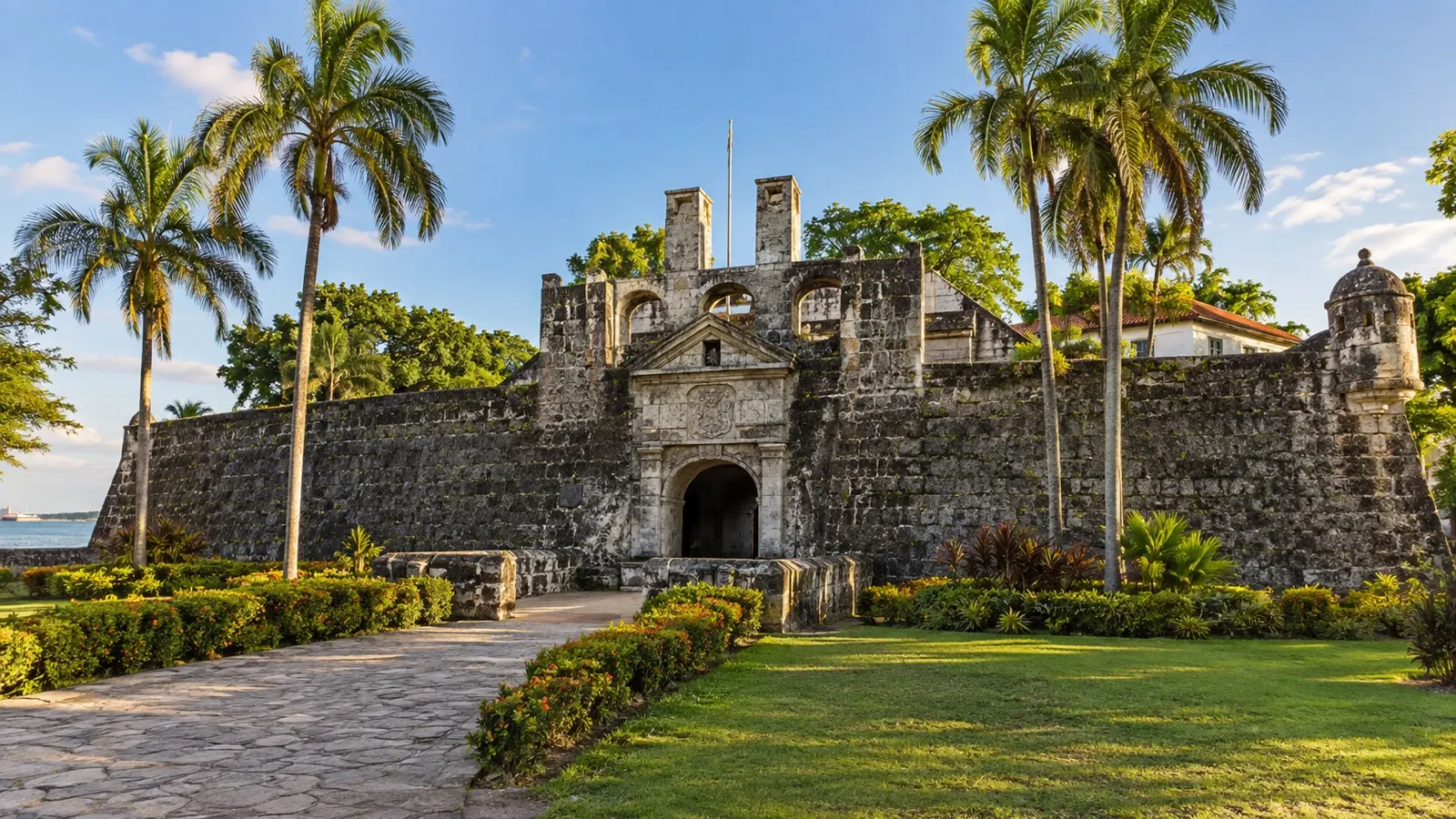
The fort pairs naturally with the museum and basilica district. Travelers with limited energy can use a vehicle between stops and still build a coherent local day rather than treating every landmark as a separate expedition.
Magellan’s Cross sits beside living devotion
Magellan’s Cross is housed in a small chapel beside the Basilica Minore del Santo Niño, one of the Philippines’ most important Catholic sites. The area is both historic and actively devotional, so respectful clothing and quiet behavior matter more than arranging the perfect photograph.
Crowds can intensify around Mass, feast days, and major celebrations. Keep bags secure, follow steward instructions, and give worshippers space even when the visitor route becomes busy.
Mactan deserves a single-purpose plan
Mactan Island lies across the channel with the airport, Lapu-Lapu heritage sites, beach resorts, and marine departures. It looks close, but bridge congestion can turn a modest drive into the largest uncertainty of the day.
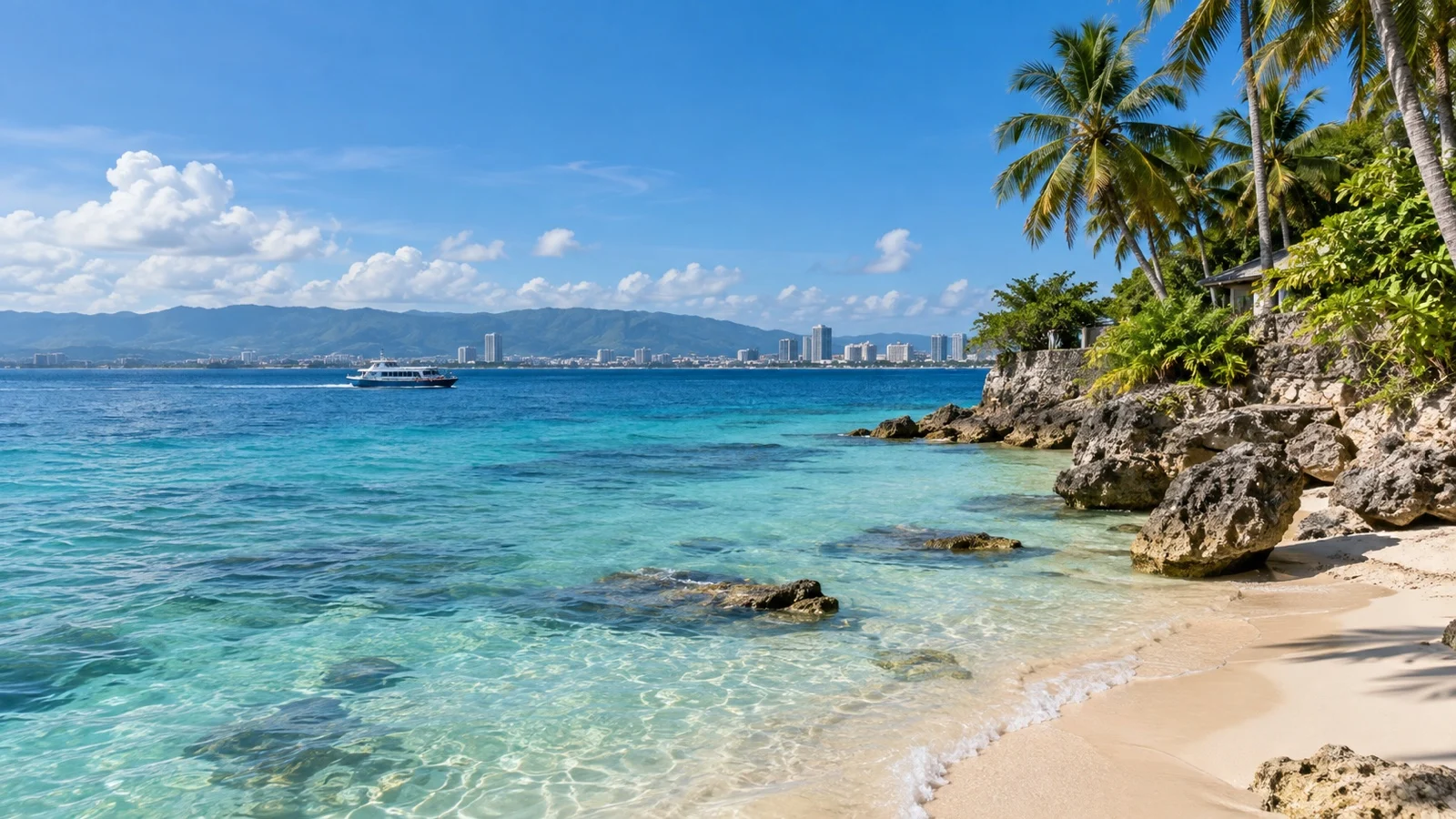
Choose one purpose: a confirmed resort day pass, a heritage stop, or a licensed snorkeling trip with reliable transport. Do not assume a hotel’s beach, pool, lockers, towels, or changing rooms are available without a reservation.
For any boat activity, confirm the marina, boarding method, life jackets, shade, toilet, weather policy, and firm return ashore. A sandbar or reef is not improved by calculating bridge traffic while still wearing fins.
The highlands require a driver and restraint
Taoist Temple, Temple of Leah, Tops, and upland gardens are popular stops above Cebu City. Winding roads and urban bottlenecks mean they work as one planned circuit, not as cheerful additions after a full heritage morning and Mactan beach.
Select two or three compatible places, confirm their current visitor rules, and ask the driver for live return advice. Cloud, rain, private events, and capacity controls can change the value of a viewpoint, so keep one lower-city alternative.
Southern Cebu belongs to a land stay
Moalboal, Kawasan Falls, and Oslob are major island attractions, but all require long road journeys from Cebu City’s cruise berths. Activity check-in, equipment, queues, meals, and comfort stops make the real outing longer than the driver’s pure road estimate.
Save them for a land trip unless the cruise line offers a purpose-built excursion with explicit ship protection. A private promise to fit everything is not the same as a road that will cooperate.
Lunch should taste like Cebu
Look for lechon, grilled seafood, puso rice wrapped in woven coconut leaves, ngohiong rolls, and mango desserts. A busy restaurant near the heritage district or on the planned driving route gives local character without creating another transport problem.
Carry small Philippine peso notes, drink sealed or properly treated water, and choose cooked food served hot if your stomach is cautious. Communicate serious allergies clearly and ask what sauces or garnishes contain rather than relying on appearances.
Transport agreements should be specific
Metered taxis and reputable app-based vehicles are practical once passengers reach an authorized pickup area. Jeepneys are inexpensive and culturally distinctive, but unfamiliar routes, heat, crowding, and transfers make them a poor experiment when all aboard is fixed.
For a private hire, agree on the total price, currency, tolls, parking, waiting, destinations, and return time before leaving. Keep the vehicle throughout Mactan or a highland circuit because finding a replacement at the busiest moment can erase the saved fare.
Accessibility needs a berth and vehicle plan
Gangway angle, walking distance, port surfaces, and shuttle steps vary with the exact berth. Ask the cruise line whether a lift-equipped vehicle is available, whether the mobility device can remain assembled, and where assistance ends.
The heritage district includes curbs, uneven sidewalks, crowds, heat, and older buildings with thresholds or stairs. National Museum Cebu can be a strong anchor, but verify the galleries, elevator, restroom, and entrance route needed on the day.
A private accessible vehicle between two confirmed stops and lunch may provide the best balance. Ask for door width, ramp or lift details, tie-downs, and storage measurements rather than accepting a general accessible label.
Weather can rearrange the itinerary
Cebu’s tropical climate brings heat, humidity, intense sun, and heavy rain. Carry water, a hat, sunscreen, a breathable rain layer, and shoes that remain useful on slick paving.
The Philippine weather agency PAGASA publishes tropical cyclone, marine, rain, and heat information. Its climate overview places the national peak typhoon period from July through October, but serious weather can occur outside a neat travel calendar.
Follow the ship and official forecasts because storms can alter berthing, roads, boats, and attraction access. Cancel a marine activity when the licensed operator or authorities judge conditions unsafe, even if the sky above the hotel still looks photogenic.
Entry requirements are separate from local sightseeing
Philippine visa requirements depend on nationality, and any electronic travel declaration is a separate process. Follow the cruise line’s written clearance instructions and use only official Philippine government services for a required submission.
Carry the identification named in the daily program and keep the port agent’s contact offline. Airport entry guidance may not describe the ship-managed process for a same-day visitor.
Three realistic Cebu days
The short and reliable plan stays in the heritage district for the national museum, fort, Magellan’s Cross, basilica surroundings, and lunch. It contains genuine Cebu history and leaves the smallest traffic exposure.
The Mactan plan uses a prebooked vehicle for one resort, heritage, or marine experience and nothing across the highlands. Start back early enough that bridge congestion becomes an inconvenience rather than a crisis.
The highland plan combines two or three viewpoints or gardens with a meal and perhaps one city landmark. Remove a stop immediately when traffic grows instead of spending the return buffer.
Protect the return through Cebu traffic
From central Cebu City, begin returning well before all aboard and enlarge the margin during school, commute, festival, or heavy-rain periods. From Mactan or the highlands, use at least a much larger cushion because a bridge or bottleneck concentrates the risk.
Save the exact berth, gate, ship contact, and offline map screenshot before leaving the port. If the morning begins late, shorten the outing at once rather than trusting the final drive to be unusually kind.
Final thoughts
Cebu rewards a compact decision: history near the port, one focused Mactan day, or a restrained highland circuit. Confirm the berth, keep the route geographically honest, and leave the famous southern adventures for a trip with nights ashore.
CruisePorts.co provides practical, independent planning guidance for cruise travelers. Berths, port access, entry rules, traffic, attraction hours, prices, and weather can change, so verify critical details with official sources and your cruise line before travel.