Netherlands Cruise Ports: The Complete Guide to Every Stop
The Netherlands can look almost too easy on a cruise map. Amsterdam, Rotterdam, and the country’s river ports sit close together, yet the actual experience changes completely with the berth, vessel type, rail connection, and bridge or lock schedule.
I would choose one city well rather than use the country’s compact size as permission to collect destinations. A Dutch port day feels best when canals, architecture, a museum, and lunch fit naturally instead of becoming a sprint between platforms.
Quick Facts
- Main ocean ports: Amsterdam or IJmuiden, and Rotterdam
- Major river calls: Arnhem, Nijmegen, Dordrecht, Utrecht, Hoorn, and Amsterdam
- Best first visit: Amsterdam for canals and landmark museums
- Best modern city: Rotterdam for architecture and harbor views
- Key terminal warning: IJmuiden is not central Amsterdam
- Planning rule: Verify the exact berth and return route before reserving timed admission
Amsterdam and IJmuiden
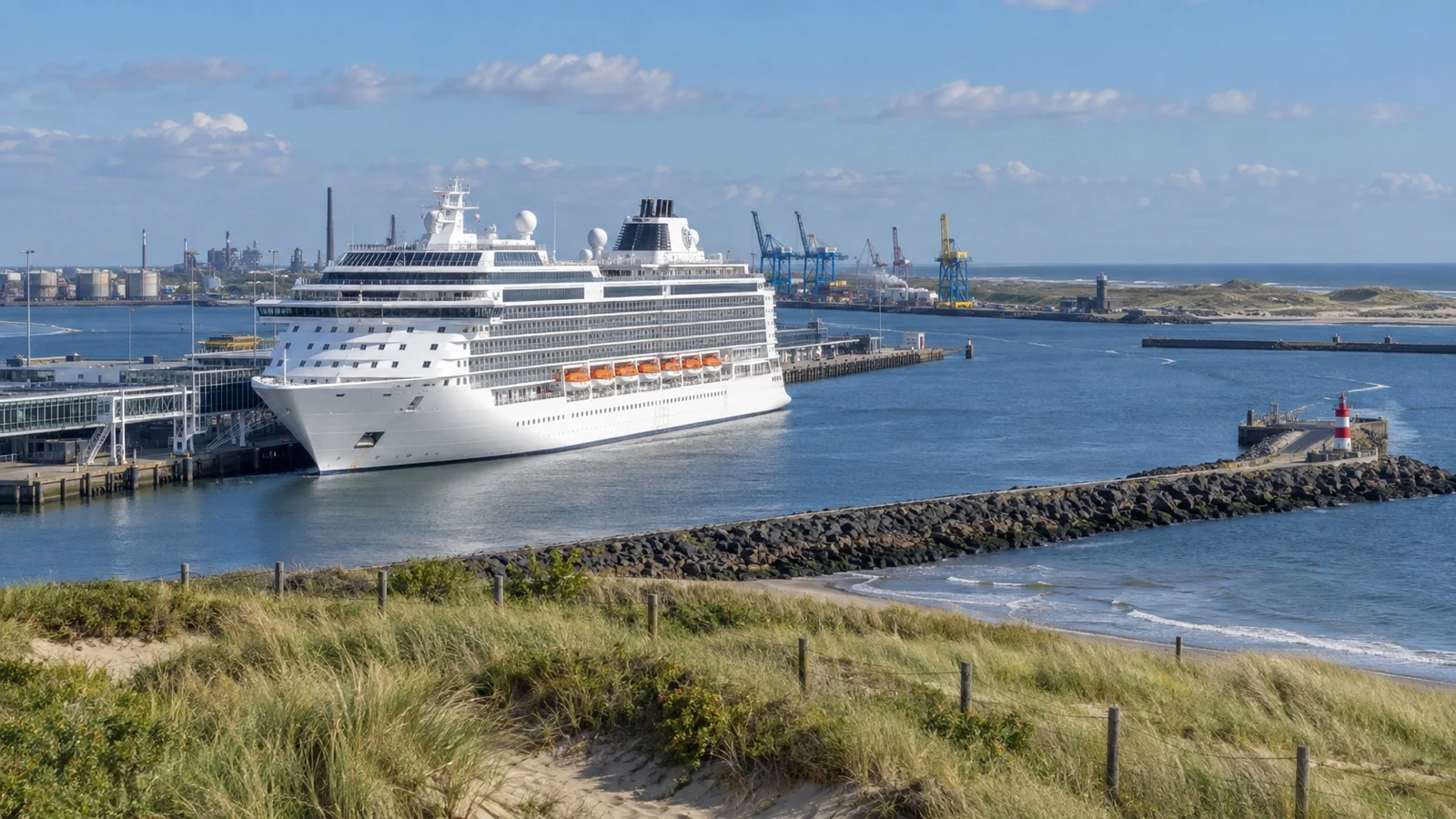
Amsterdam is the classic first choice, but the itinerary name alone does not tell you where the ship will be. Passenger Terminal Amsterdam near Piet Heinkade and the seaport at IJmuiden require completely different first-hour plans.
A city-terminal arrival places you near Amsterdam Centraal by a short tram, bus, taxi, or walk depending on mobility and luggage. From there, canals, the historic center, ferries across the IJ, and the main transit network become straightforward.
IJmuiden sits on the North Sea coast and needs a dedicated road or transfer plan into Amsterdam. Do not book a museum time as though the gangway opens beside the canal belt, and allow for traffic in both directions.
For one city day, I would choose either the canal district with one museum or a neighborhood-focused route around the Jordaan, Nine Streets, and waterfront. The Rijksmuseum, Van Gogh Museum, and Anne Frank House can sell out, so use each attraction’s official site and reserve early.
A canal cruise is an efficient introduction when the operator’s departure point fits your route. Amsterdam has many docks, which means the phrase near Central Station is not precise enough for a tight connection.
Bicycles are real traffic, not decoration or an extension of the sidewalk. Look in both directions before crossing a cycle lane, follow signals, and keep children close at busy intersections.
Rotterdam
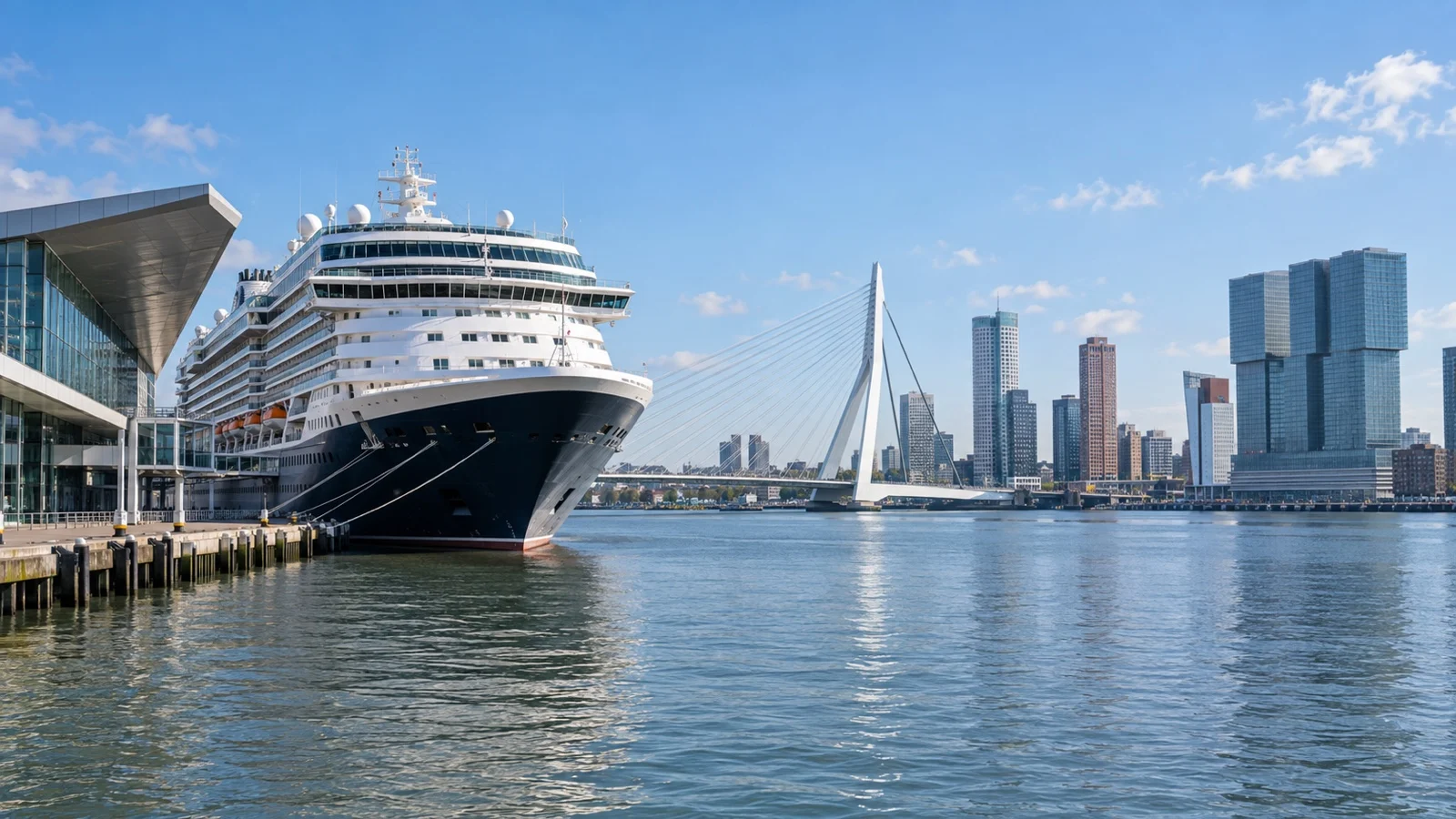
Rotterdam is the bold alternative to Amsterdam, with contemporary architecture, a vast working harbor, excellent transit, and a cruise terminal on Wilhelminapier. The Erasmus Bridge and skyline make the arrival itself part of the day.
From the terminal area, metro, tram, water taxi, and walking can connect you with the center. Markthal, the Cube Houses, Oude Haven, Museumpark, and the rebuilt city’s architecture create a satisfying independent loop.
Kinderdijk is the famous excursion, with UNESCO-listed windmills in a low-lying water landscape. Reaching it can involve a waterbus, bus, taxi, tour, or seasonal connection, so check the official route for your date and leave a wide return margin.
The harbor is enormous, which makes a port tour interesting but also means the word Rotterdam covers far more than the city center. Use an official boat operator and verify the departure quay before assuming it is next to the cruise terminal.
I prefer Rotterdam for travelers who like design, engineering, and cities that show their history through reinvention. It is also a strong rainy-day port because architecture, food halls, museums, and transit work together compactly.
Arnhem
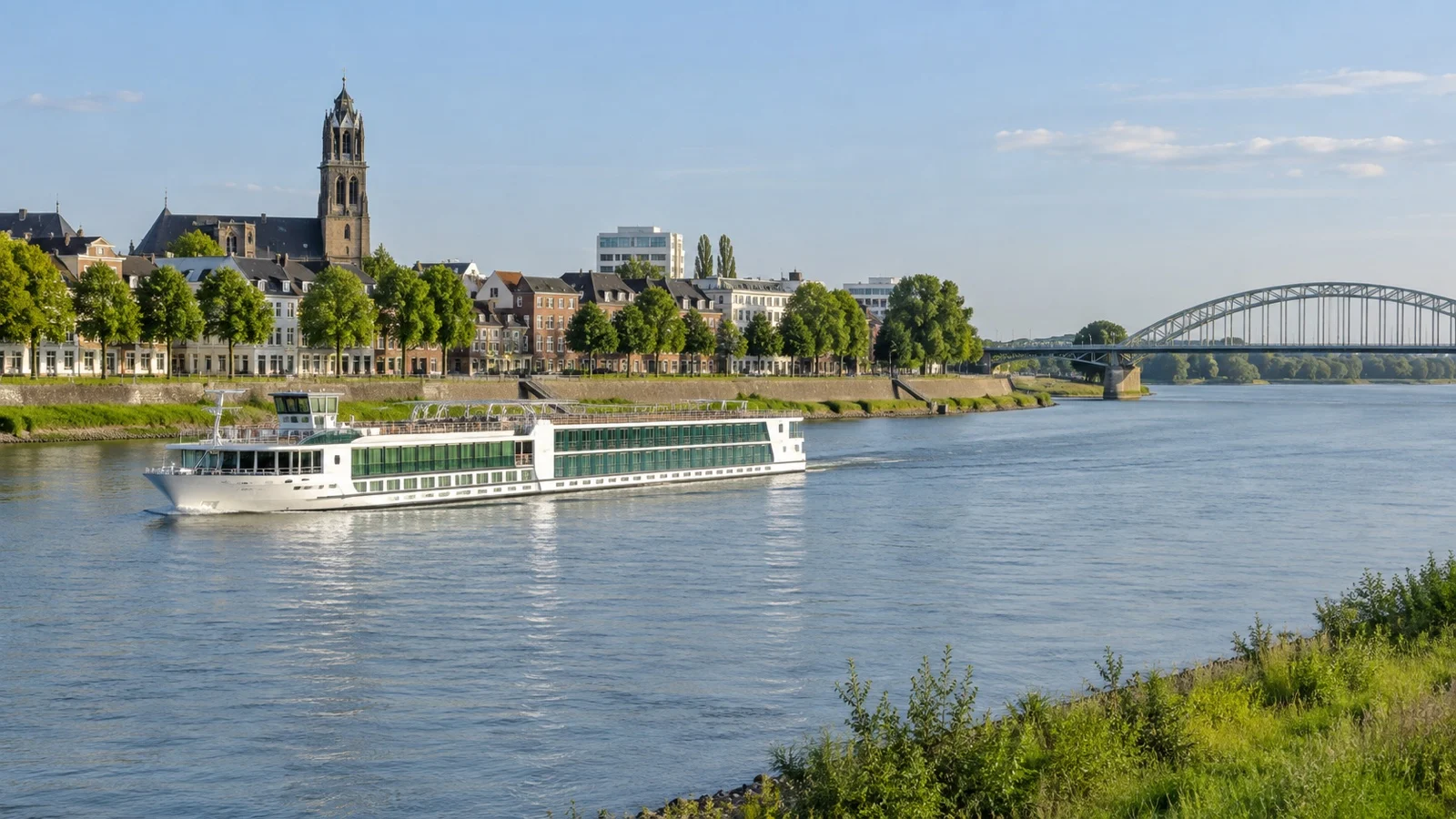
Arnhem belongs to the river-cruise world, where ships moor along the Rhine and berth assignments can vary. The center, riverfront, John Frost Bridge, and nearby wartime interpretation support a meaningful local day.
Airborne at the Bridge offers a focused introduction close to the city, while the larger Airborne Museum at Hartenstein is in Oosterbeek and needs transport. Choose one history anchor, then add the center or a relaxed riverside walk.
The Kröller-Müller Museum and Hoge Veluwe National Park are major regional attractions, but they require a coordinated trip beyond Arnhem. Admission, park access, bicycle or shuttle availability, and the drive back should be confirmed before departure.
Open-air museum visits and nature excursions can involve considerable walking. Ask whether the tour includes long standing periods, uneven paths, and a vehicle that remains available for anyone who needs to shorten the route.
Nijmegen
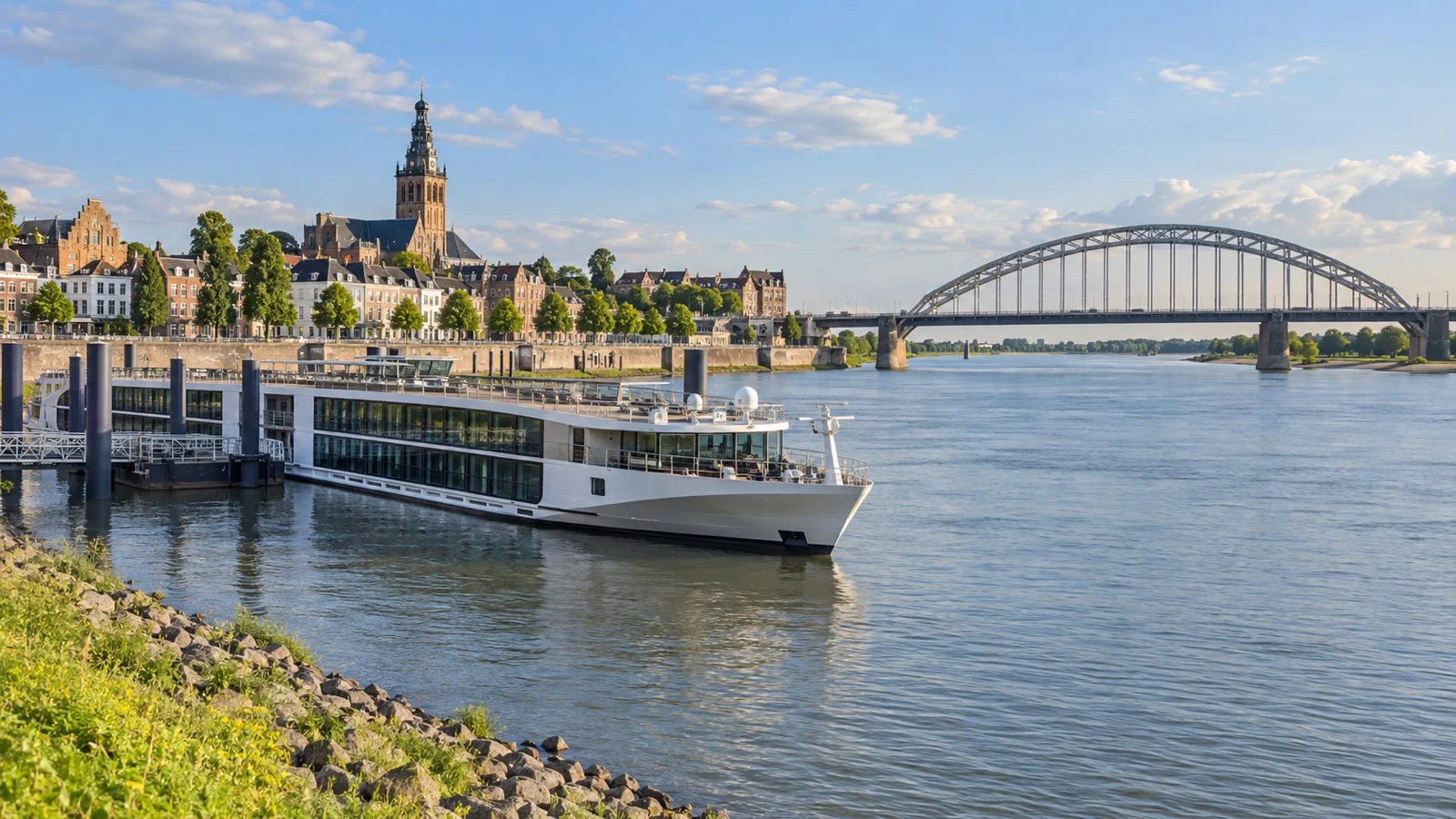
Nijmegen is one of the country’s oldest cities and a frequent Rhine river-cruise call. Its riverfront, Valkhof area, historic streets, and connections to the Second World War give it enough depth for a full local day.
The climb from the river can be noticeable, especially on cobbles or in wet weather. Travelers saving energy should use a taxi or local bus for the uphill segment and walk back toward the ship.
Longer tours may connect Nijmegen with wartime sites, castles, or countryside. A local plan remains the safer choice when the ship’s sailing time is tied to locks or a narrow river schedule.
Dordrecht
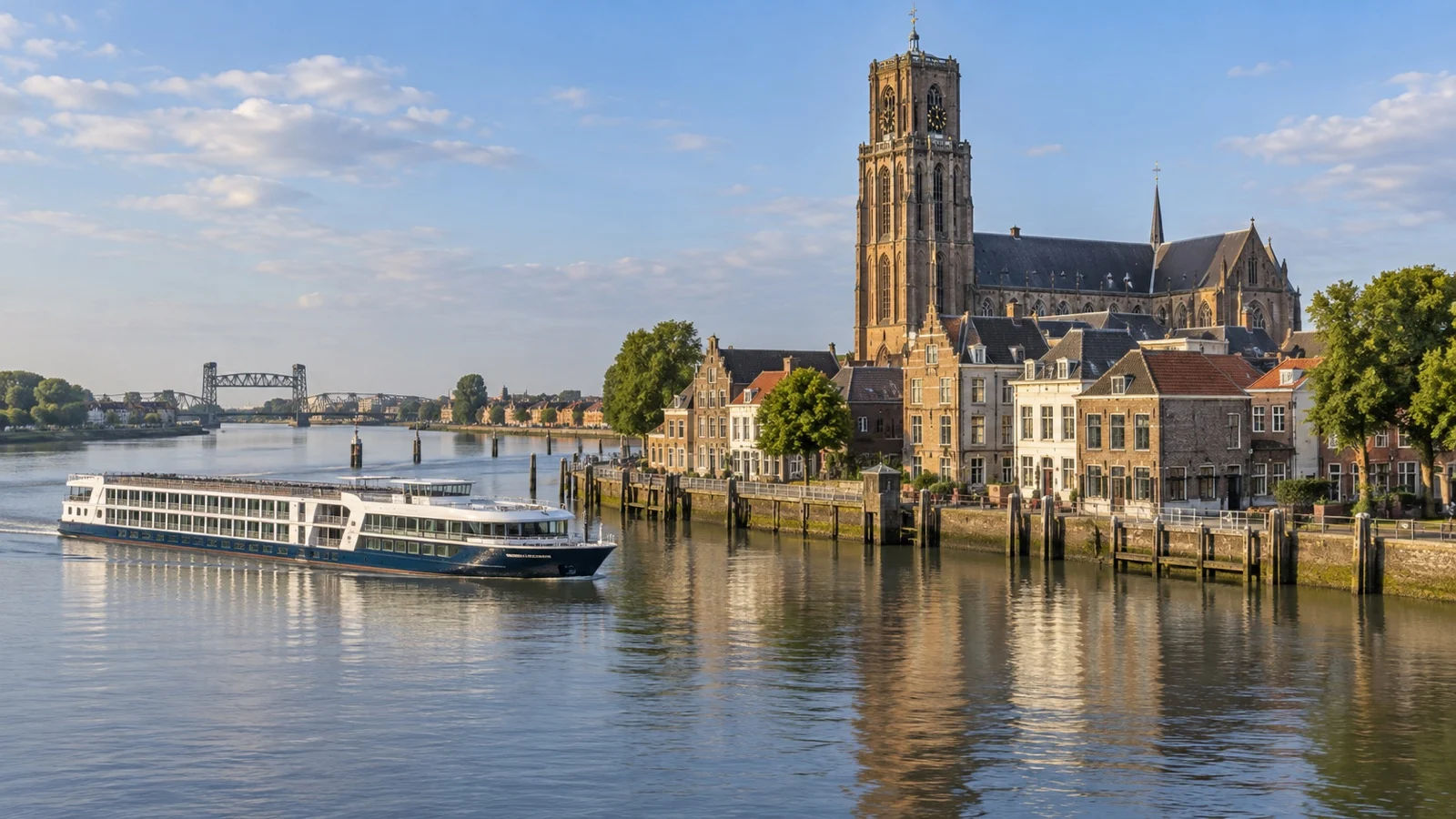
Dordrecht is a beautifully scaled river city of old harbors, merchant houses, church towers, and water views. It offers the kind of port day that needs almost no grand plan once you know where the ship is moored.
Walk the historic harbor district, visit a museum or church, then leave time for lunch near the water. The compact center rewards slow observation rather than attraction counting.
Kinderdijk can also appear as an excursion from Dordrecht, but transport details vary with season and operator. Do not assume the same waterbus pattern described for Rotterdam applies from every berth.
Utrecht
Utrecht brings canals, medieval streets, museums, and a lively university atmosphere without Amsterdam’s intensity. River vessels may use a berth that requires a shuttle or local transfer, so the arrival point matters before you map a walking route.
The Oudegracht is the natural spine of a city day, with wharf-level terraces and streets above. The Dom Tower requires timed admission and includes substantial climbing, while the surrounding cathedral square can be enjoyed without it.
Utrecht is also a major rail hub, which tempts people into adding another city. I would stay local unless the itinerary specifically uses Utrecht as a gateway and provides plenty of time.
Hoorn and Enkhuizen
Hoorn and Enkhuizen are smaller historic ports on the IJsselmeer, often reached by river ships or coastal itineraries. Gabled houses, harbors, maritime history, and a compact street plan give them an intimate scale.
Hoorn works beautifully as a simple walk with a museum and cafe, while Enkhuizen is known for the Zuiderzee Museum and waterfront history. Check seasonal hours because outdoor sections and boats do not operate identically all year.
These ports show why a small call is not filler. After Amsterdam or Rotterdam, an unhurried harbor town can be exactly the reset the itinerary needs.
Zeeland calls, Maastricht, and other river stops
Veere, Middelburg, and other Zeeland destinations can appear on smaller vessels, with old streets, sea defenses, churches, and the wider story of Dutch water management. Berth and shuttle arrangements vary, so treat each as a sailing-specific call.
Maastricht sits far south on the Meuse and feels culturally distinct, with stone architecture, lively squares, churches, and regional food. It is a river itinerary destination rather than a substitute for the coastal ports.
River cruises may also call at Deventer, Kampen, Gorinchem, Lelystad, Harlingen, or smaller harbor towns depending on water levels and route design. A town appearing on one operator’s schedule does not guarantee a regular berth for every line.
Some itineraries use Zaandam or nearby moorings for access to Zaanse Schans and Amsterdam. Confirm whether the ship is actually in the city being marketed because the transfer can define the day.
Ocean cruise or river cruise
Ocean terminals handle larger ships, luggage flows, coaches, border formalities, and long gangways. River berths feel more intimate, but ships may raft side by side and require passengers to cross another vessel.
River itineraries also change more readily with water levels, locks, bridge restrictions, and berth congestion. A substitute port or coach transfer is part of river cruising, not necessarily evidence that anything has gone wrong.
For a turnaround, arrive at least one night early and confirm which terminal handles check-in. Amsterdam, IJmuiden, and Rotterdam are not interchangeable, even if an airport or hotel search makes them look close.
For a transit call, wait for the ship’s daily program before buying last-minute transport. The final berth can change the easiest station, walking route, and meeting point.
Trains, trams, ferries, and payment
Dutch public transportation is excellent for a clear point-to-point plan. Use the official national rail planner for trains and the relevant local operator for metro, tram, bus, and ferry information.
Contactless payment is widely supported, but foreign-card compatibility and check-in rules still deserve attention. Every traveler should tap correctly with the same card or device and remember to check out when the system requires it.
The Netherlands uses the euro and cards are common, yet a backup card and a small amount of cash remain useful. A public restroom, market stall, or temporary payment outage can expose the weakness of relying on one phone.
If a journey needs several transfers, work backward from all aboard and set a personal return deadline. The last possible connection is a rescue option, not the foundation of a calm day.
Schengen, EES, and ETIAS
The Netherlands is in the Schengen Area, and the European Union’s Entry/Exit System is now operating for covered short-stay travelers from outside the European Union. Border officers may collect or verify facial and fingerprint data at an external Schengen border, although a cruise entirely within Schengen may not repeat the process at every port.
ETIAS is a separate planned travel authorization for eligible visa-exempt visitors and was not yet operating when this guide was reviewed. Check the official European Union portal before travel and avoid unofficial websites that offer applications before the system is live.
Document rules depend on nationality, residence status, visa needs, and the entire itinerary. Follow the cruise line’s boarding requirements because a voyage may cross Schengen borders even when the Dutch call itself feels domestic.
Tulips, weather, and seasonal pressure
Spring brings tulips, cool wind, and enormous demand for flower excursions. Keukenhof uses a limited annual season and timed tickets, so confirm official opening dates and reserve transport before treating it as a casual Amsterdam add-on.
Summer offers long days and busy city centers, while fall can be atmospheric, windy, and wet. River conditions and North Sea weather can affect schedules even when rain alone would not stop sightseeing.
Pack a waterproof outer layer, shoes with grip, and clothing you can adjust through the day. Waterfront wind makes the temperature feel lower, while museum interiors can be warm.
Keep one indoor alternative ready for every outdoor-heavy port. A museum, market hall, canal cruise with covered seating, or long lunch can rescue a day without forcing a distant transfer.
Accessibility and safer cycling awareness
Dutch cities often provide strong public access, but historic bridges, narrow sidewalks, cobbles, gangways, and canal-house steps remain real obstacles. Check the complete route from ship to attraction rather than relying on a general city accessibility label.
Travelers using wheelchairs or scooters should ask about berth ramps, rafting across other vessels, shuttle lifts, elevator outages, and accessible restrooms. Equipment dimensions and weight can matter on gangways and older river ships.
Cycle lanes require special attention from every pedestrian, including confident city walkers. Look for pavement color and bicycle signals, cross decisively, and never pause in the lane to study a map.
A lower-energy plan can still be excellent. Use a taxi or tram for the longest segment, choose one accessible museum, and enjoy a waterfront meal instead of turning distance into a test.
How I would choose the itinerary
For a first visit, Amsterdam remains the obvious choice if the berth gives enough usable time. Rotterdam is better for modern design and a direct urban terminal, while Arnhem adds history and green landscapes to a river route.
A repeat visitor should look for Dordrecht, Nijmegen, Utrecht, Hoorn, Enkhuizen, or a Zeeland call. These smaller cities reveal Dutch life without asking you to compete with the capital’s crowds.
Count the long excursion days across the whole voyage. Kinderdijk, Keukenhof, Hoge Veluwe, and Amsterdam-from-IJmuiden are all reasonable individually, but stacking them can make a compact country feel exhausting.
Before booking, note the exact port name, vessel type, likely berth, time in port, timed-ticket needs, and latest safe return. Those six details tell you more than a glossy list of destinations.
My final advice
Let Amsterdam be Amsterdam, Rotterdam be Rotterdam, and the river towns remain proudly themselves. The Netherlands rewards a traveler who notices the engineering, art, food, and ordinary life around the water rather than chasing one national checklist.
Confirm the berth, reserve the one thing you would hate to miss, and leave room for the rest. A canal-side pause often becomes the moment that explains the whole country.
Port, berth, transit, border, museum, accessibility, and destination guidance was reviewed against current Dutch port, transport, government, European Union, attraction, and cruise-line sources in September 2026, but schedules can change. Confirm your exact terminal or river berth, EES or visa status, ETIAS timing, tickets, accessibility needs, and all-aboard time directly before travel, then see our Editorial Policy.