Pocinho River Cruise Port Guide: Côa Valley, Quay and Rail
Pocinho is an Upper Douro call where the dock is not the attraction. The quiet quay and nearby rail station mainly serve as the launch point for the Côa Valley’s extraordinary prehistoric rock art.
That makes this a wonderfully clear port day once you understand the logistics. Choose the museum, a prebooked outdoor rock-art visit, or the cruise line’s organized excursion, then let transportation shape the plan.
My quick take on Pocinho
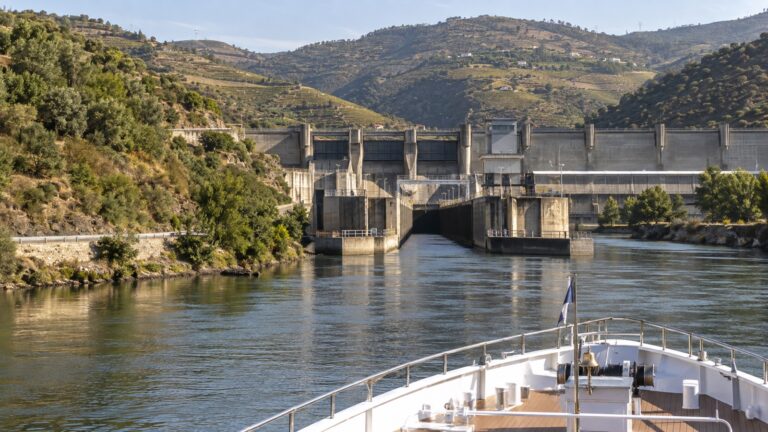
Pocinho itself is spare and practical, which can feel refreshing after the Douro’s more polished wine stops. Stay on deck for the Upper Douro scenery, then use the stop for the Côa Valley rather than expecting a walkable old town.
This is one place where an included ship excursion often earns its keep. Independent travel is possible, but it needs a confirmed driver and advance reservations for any outdoor archaeological visit.
Pocinho quick facts
- Arrival: A basic Upper Douro quay near Pocinho railway station
- Walkable town: No major historic center sits directly beside the landing
- Main excursion: Côa Museum and the Côa Valley Archaeological Park
- UNESCO status: The Côa Valley and Spain’s Siega Verde form an inscribed World Heritage property
- Outdoor visits: Guided, timed, and best reserved in advance
- Currency: Euro
- Rail: Pocinho is served by Portugal’s national rail operator on the Douro line
- Return rule: Use the ship’s current all-aboard time and transportation instructions
Where river ships stop in Pocinho
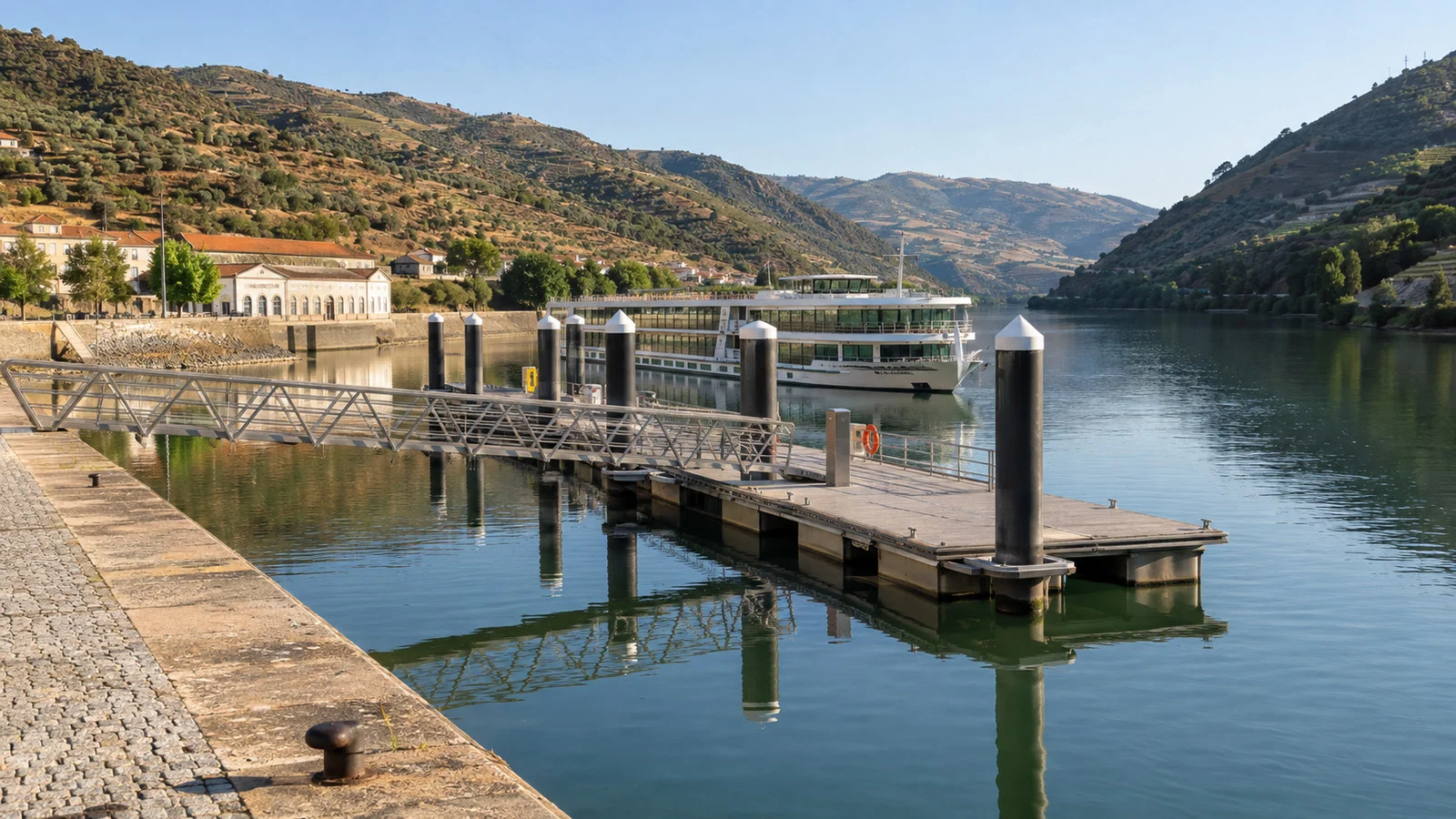
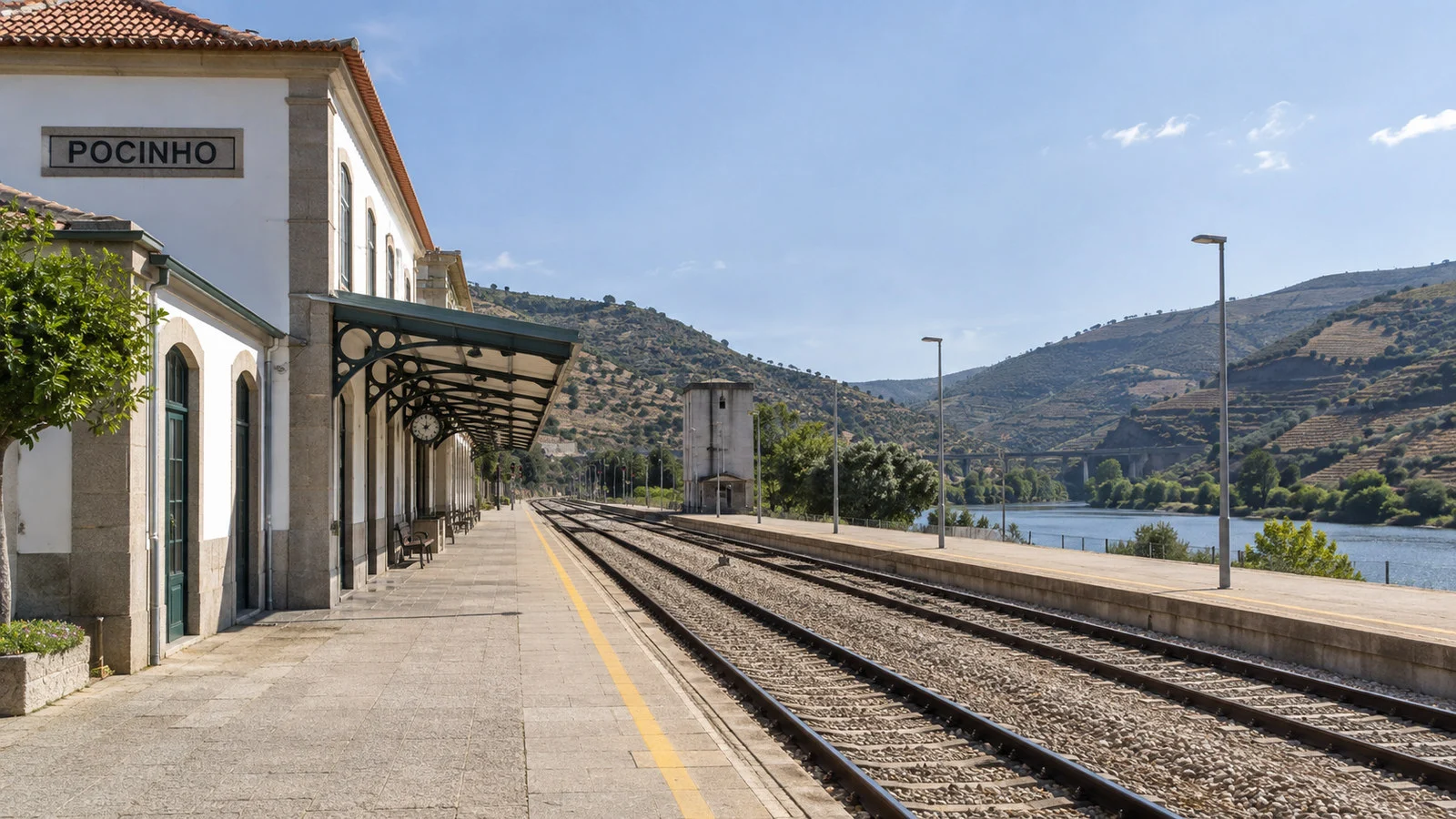
Expect a small working landing rather than a cruise terminal with shops and visitor services. The railway station is the main fixed landmark near the river.
Berth setup can vary with the vessel and river conditions. Follow the crew’s instructions for the gangway, meeting point, and any mobility assistance instead of relying on an older photograph.
The dock does not support an easy independent sightseeing loop. Most passengers board a coach or reserved vehicle for Vila Nova de Foz Côa, the Côa Museum, or another scheduled visit.
Getting from Pocinho to Vila Nova de Foz Côa
The cruise line’s coach is normally the simplest bridge between the quay and the region’s sights. Confirm whether transportation is included, whether the visit is guided, and whether the coach returns directly to the ship.
Independent travelers should arrange both directions before arrival. On-demand taxi availability and mobile coverage should not be the foundation of a time-sensitive port day.
Give a driver the exact ship landing, not simply “Pocinho.” Save the ship contact and ask whether the vessel will remain at the same quay while you are away.
Why the Côa Valley matters
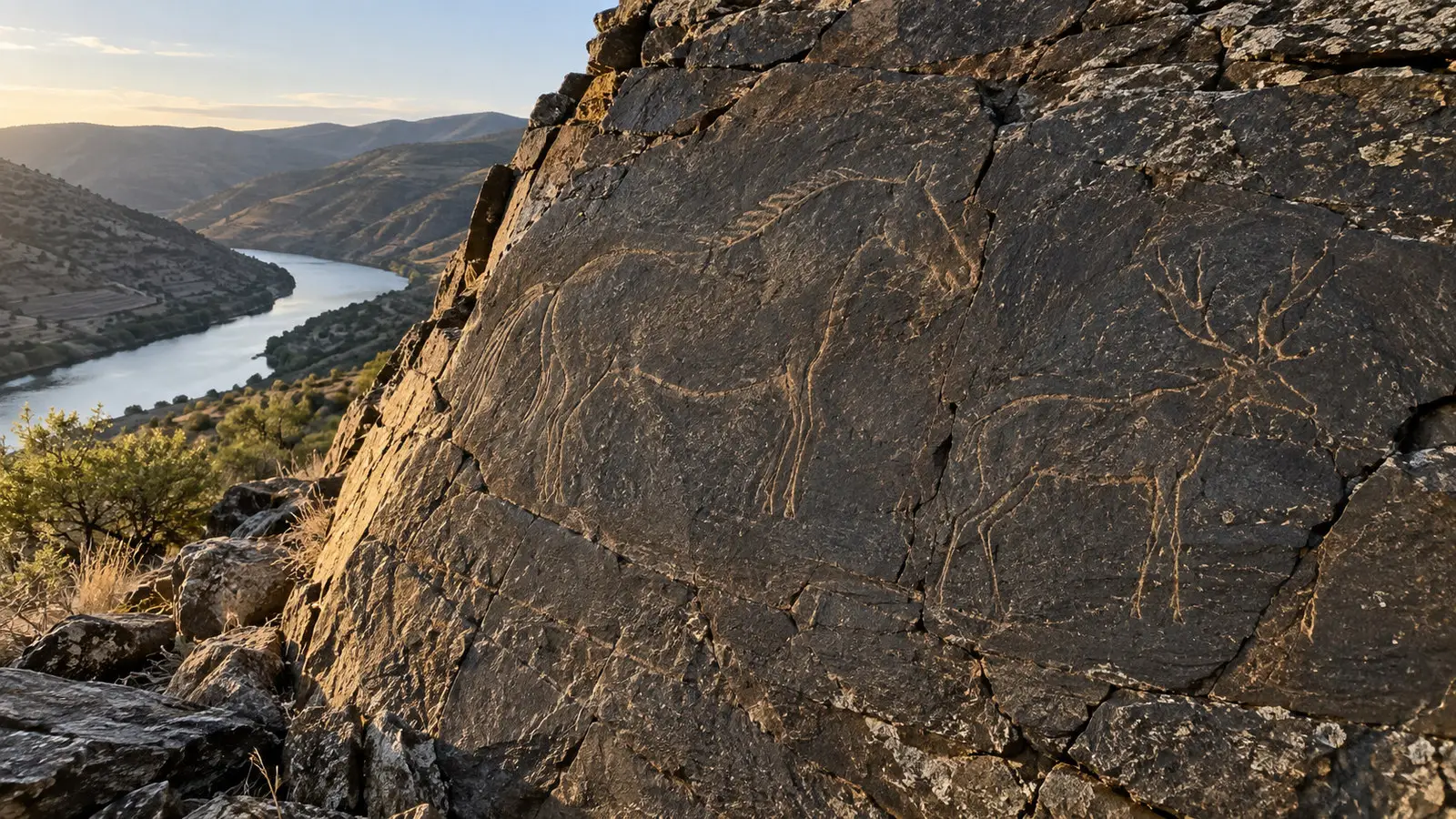
The Prehistoric Rock Art Sites in the Côa Valley and Siega Verde form a UNESCO World Heritage property shared by Portugal and Spain. UNESCO describes hundreds of panels with thousands of animal figures engraved over several millennia.
The Côa Valley is especially important because the art survives in an open-air landscape rather than only inside caves. It offers exceptional evidence of Upper Paleolithic occupation and early symbolic expression.
This is not one fenced panel beside the museum. The art is distributed across a large archaeological park along the Côa and Douro river systems.
Côa Museum or outdoor rock-art site?
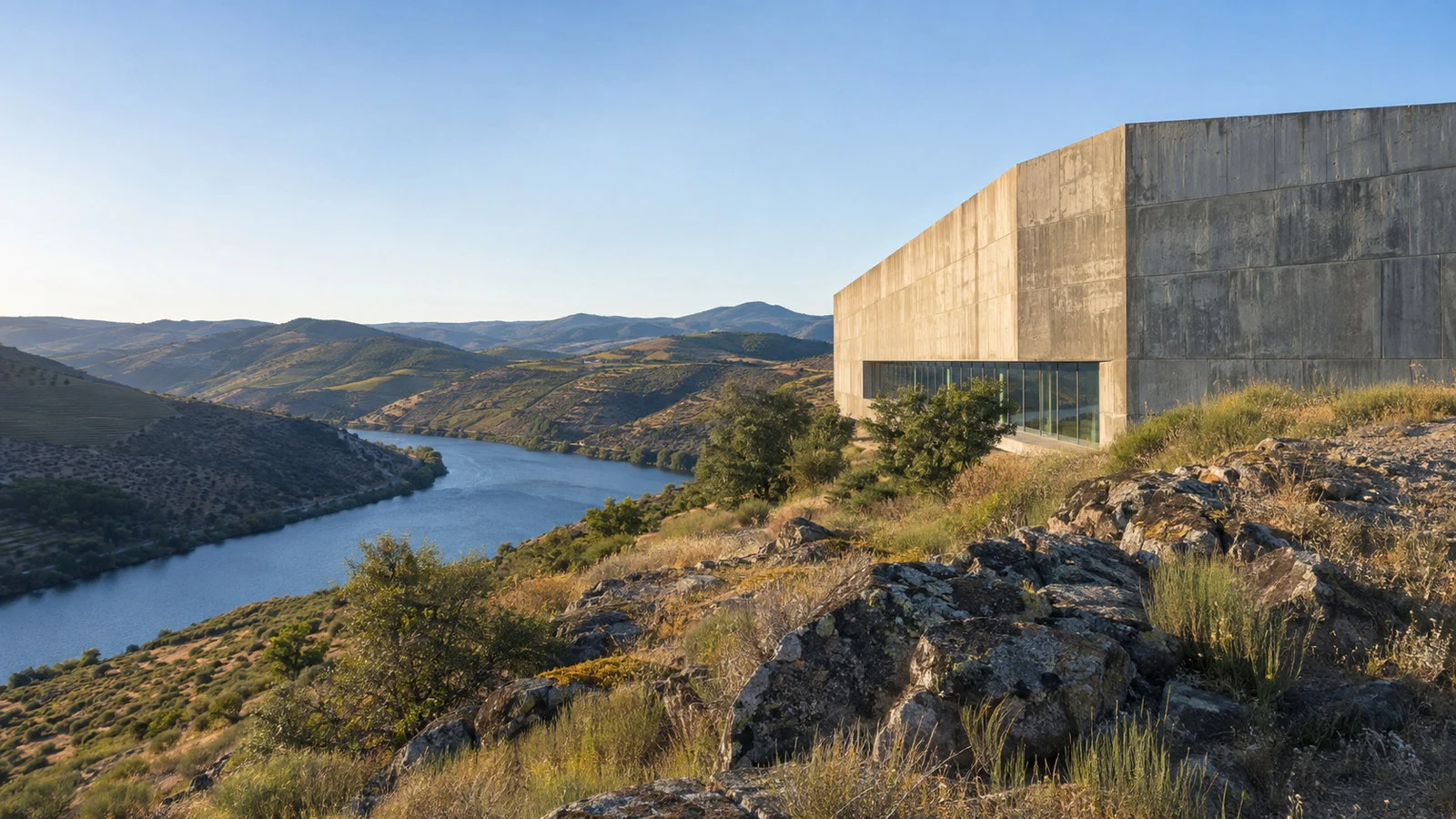
The Côa Museum provides the best introduction to the valley’s scale, history, and interpretation. Its exhibitions use replicas, selected original objects, and digital material because the central collection remains outside in the archaeological landscape.
The museum currently lists opening from 9 AM to 5:30 PM between October and April, and from 9 AM to 6 PM between May and September. It closes on January 1, May 1, and December 25, with additional Monday closure from November through March.
Recheck the official hours and prices page before your sailing. Rock-art visits follow their own seasonal departure times and do not simply operate whenever the museum doors are open.
Museum-only visit
Choose the museum if your time is limited, you prefer a controlled indoor environment, or an outdoor route does not suit your mobility. The building and its viewpoint still make the Côa Valley feel present rather than abstract.
A museum-only excursion is not a lesser choice when the alternative would be a rushed or physically unsuitable field visit. It gives you the story without gambling on a separate departure.
Guided outdoor visit
Outdoor archaeological sites require a guided visit and advance planning. The operator publishes different departure points, durations, walking distances, and seasonal schedules for each route.
Penascosa is currently described as a very easy visit with about 0.4 miles of total walking and an all-terrain vehicle approach from Castelo Melhor. Ribeira de Piscos is listed as medium-high difficulty with about 1.4 miles of walking and is unavailable in summer because of heat.
Those examples show why “rock-art excursion” is not a complete mobility description. Reserve the specific route and read its official details before deciding whether it fits.
Ship excursion or independent day?
Take the ship excursion when it includes the museum or an outdoor visit you want. Coordinated transportation is especially valuable because the quay, museum, reception centers, and engraved sites are separate places.
Independent travel can work if you have a confirmed driver and a reservation issued by Côa Parque. Verify the start location, arrival time, contact number, duration, and return to the ship before leaving the quay.
I would not improvise this port. Pocinho offers fewer easy backup options than Régua or Pinhão, and a missed field-visit departure can erase the reason for the trip.
Accessibility in Pocinho and the Côa Valley
Accessibility begins at the ship, where gangway angle and quay surface can change with water level and berth setup. Ask the cruise line about the exact landing and distance to the coach.
Motorcoaches may have high steps unless an accessible vehicle is requested in advance. Confirm the lift, wheelchair securement, seat transfer, storage, and drop-off point when booking.
The museum is the most predictable choice for many visitors with limited mobility, but the route from the vehicle still needs confirmation. Ask Côa Parque about entrances, elevators, restrooms, seating, and any temporary closure.
Outdoor sites vary dramatically. Penascosa includes a flat path and a small stone staircase near the final panels, while Ribeira de Piscos requires a longer walk after the off-road approach.
Rail service at Pocinho
Pocinho remains a destination on Portugal’s Douro rail line, which creates an appealing connection between the river and railway. Check the current Douro Line timetable from Comboios de Portugal before relying on it.
The station’s presence does not make the train a simple cruise-day excursion. A rail trip must match the ship’s call, boarding time, and return with enough margin to survive a disruption.
Train travelers staying independently in Portugal have more flexibility than cruise passengers. During a port call, use rail only with a schedule you have verified for that date.
Weather and what to bring
The Upper Douro is hotter and drier than the Atlantic coast in summer. Shade can be limited around the quay and archaeological routes, so carry water, sun protection, and a hat.
Cooler months can bring wind, rain, and slick ground. A light layer and shoes with dependable grip are useful even when most of the excursion is by coach.
Follow heat or weather restrictions issued by Côa Parque. A route closed for safety cannot be replaced by a private walk to the engraved panels.
Timing your return
The ship’s all-aboard time controls the day. Work backward through the museum or field visit, vehicle transfer, potential traffic, and boarding at the quay.
A guided archaeological route may have little flexibility once it begins. Tell the guide and driver your deadline before departure, not when you are already running late.
If an excursion is organized by the ship, stay with the group and follow any revised timing. Independent visitors should keep a larger buffer because there may be no taxi queue at Pocinho.
How Pocinho fits a Douro cruise
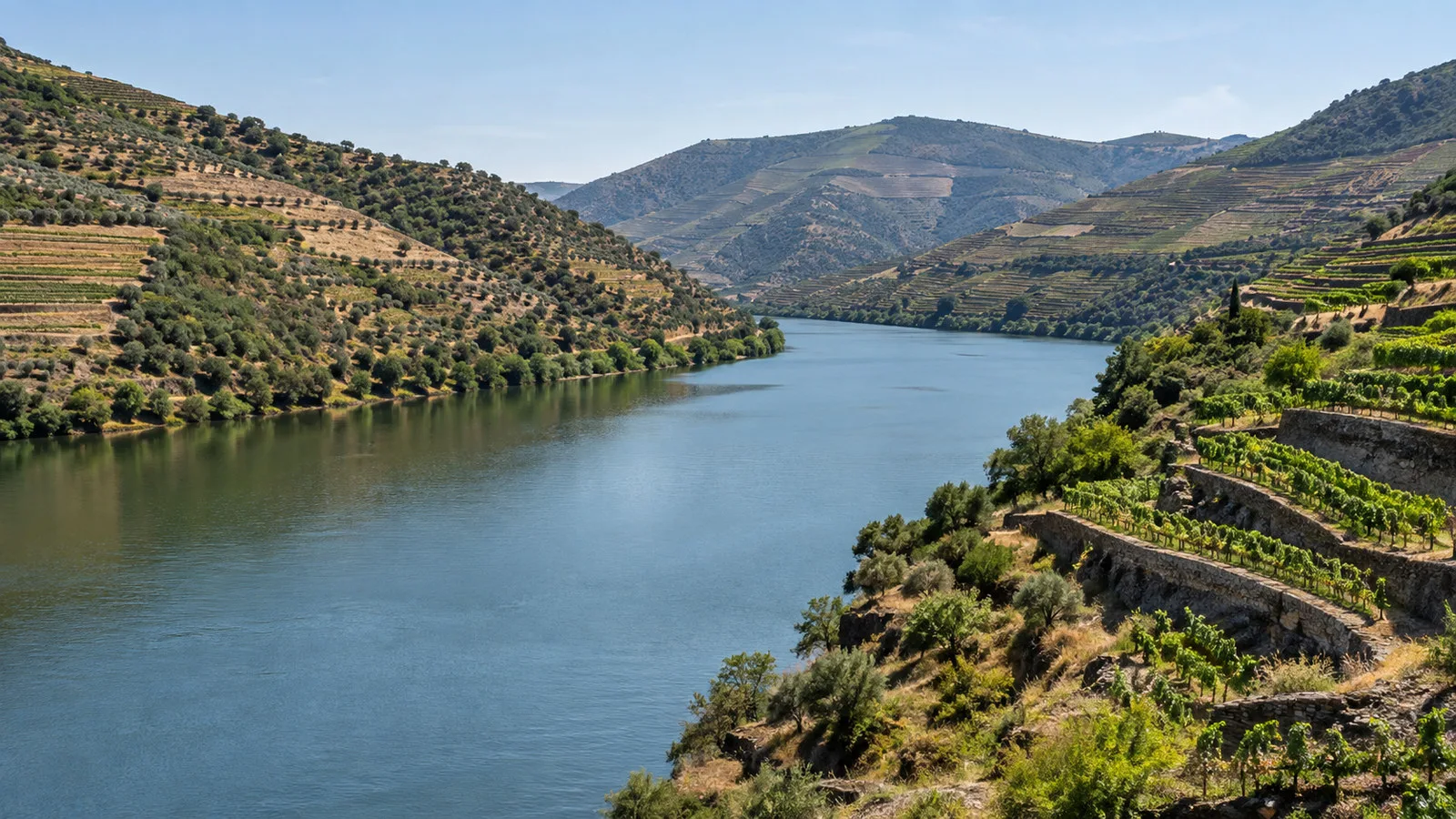
Many Douro itineraries build toward the Upper Douro through locks, vineyard terraces, and smaller river communities. Pocinho changes the emphasis from wine to archaeology.
That contrast is what makes the stop memorable. Régua and Pinhão center the wine landscape, while Pocinho opens a much older chapter of human history.
Some itineraries continue toward the Spanish border, while others turn around in the Upper Douro. Use the booked route and daily program because vessel operations and water conditions can change a scheduled call.
Common Pocinho planning mistakes
The first mistake is expecting a walkable old town at the quay. Pocinho is mainly a transfer point for the region’s sights.
The second is treating the Côa Museum and an outdoor engraved site as the same visit. They have different locations, schedules, booking needs, and physical demands.
The third is trusting a generic statement that the field excursion is easy. Compare the named route’s walking distance, terrain, vehicle access, and seasonal limits.
The final mistake is relying on a fixed cancellation percentage or an old berth photo. River operations change, and the cruise line’s current instructions are the only useful answer for your sailing.
Final take
Pocinho earns its place on a Douro itinerary through the Côa Valley, not through the quay itself. Choose the museum for a clear and accessible introduction, or reserve a specific outdoor route when seeing the engravings in their landscape matters most.
Let the ship handle transportation when possible and protect the return. Once the logistics are settled, this quiet Upper Douro stop delivers one of the river’s deepest stories.
How this guide was researched: Unless a first-hand visit is explicitly identified above, this guide is based on independent research using official UNESCO, museum, archaeological-park, rail, cruise, and tourism sources where available. Logistics and time-sensitive details were reviewed on September 12, 2026; see the Editorial Policy.