Régua River Cruise Port: Docks, Wine and Lamego Day Plans
Peso da Régua, usually shortened to Régua, is where the Douro stops posing for postcards long enough to explain how the wine business actually works. River ships meet a lively waterfront, the excellent Douro Museum, a useful railway station, and steep vineyard slopes that begin almost immediately beyond town.
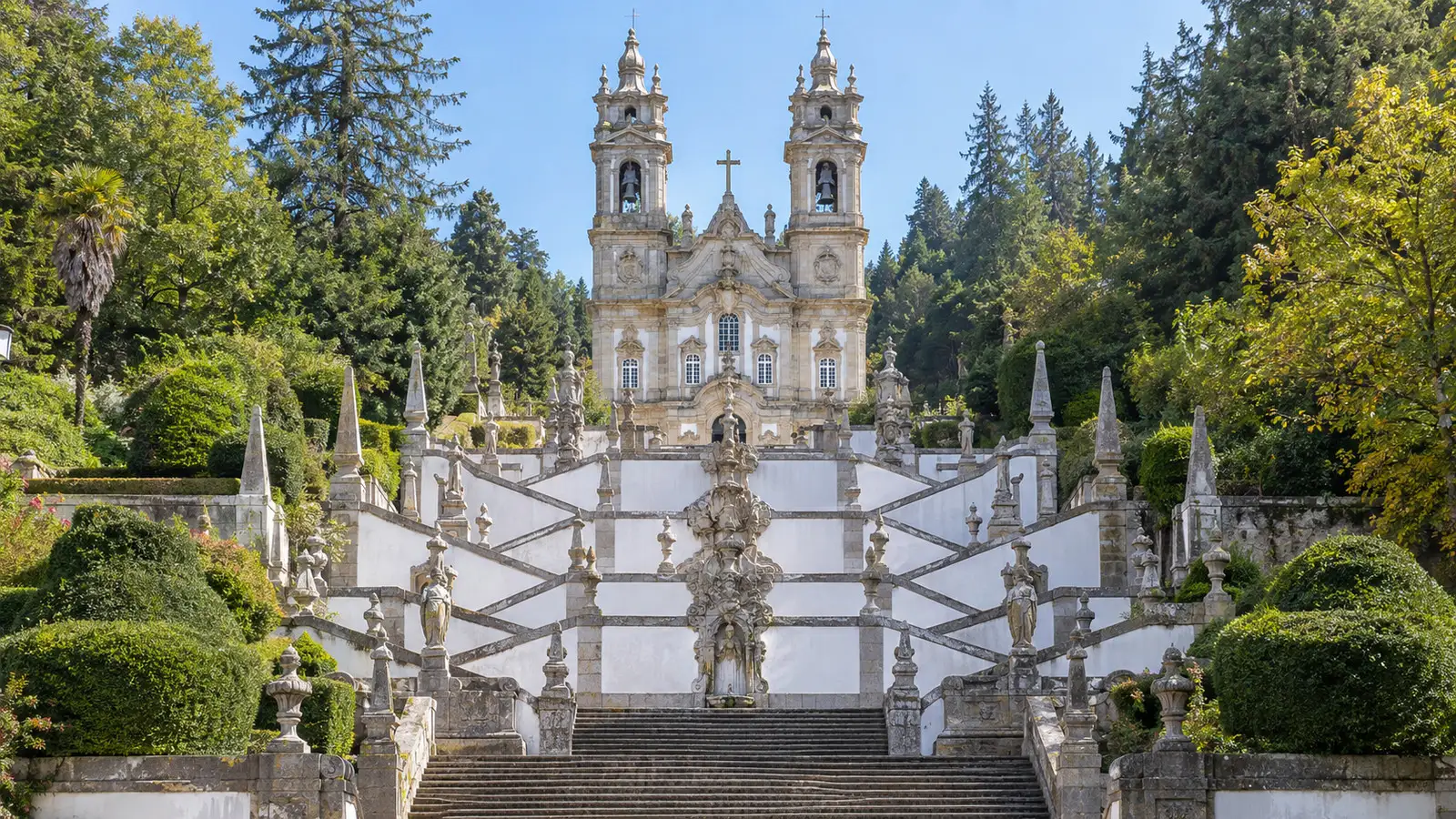
Many cruise programs also use Régua as the jumping-off point for Lamego, whose famous sanctuary staircase has 686 steps and absolutely no interest in anyone’s daily step goal. Fortunately, buses can approach the top, but the details matter.
Régua River Cruise Port Quick Facts
- Into Town: Cais da Régua is beside the center; the Douro Museum is a 5- to 10-minute walk, depending on berth and rafting.
- Currency and Language: Euro. Portuguese is official; English is common in cruise, museum, hotel, and wine-tourism settings.
- Time Zone: Western European Time, UTC+0; Western European Summer Time, UTC+1, from late March through late October.
- Call reliability: Douro levels, lock restrictions, berth congestion, or operational disruptions can occasionally alter the call; no verified missed-call percentage is published.
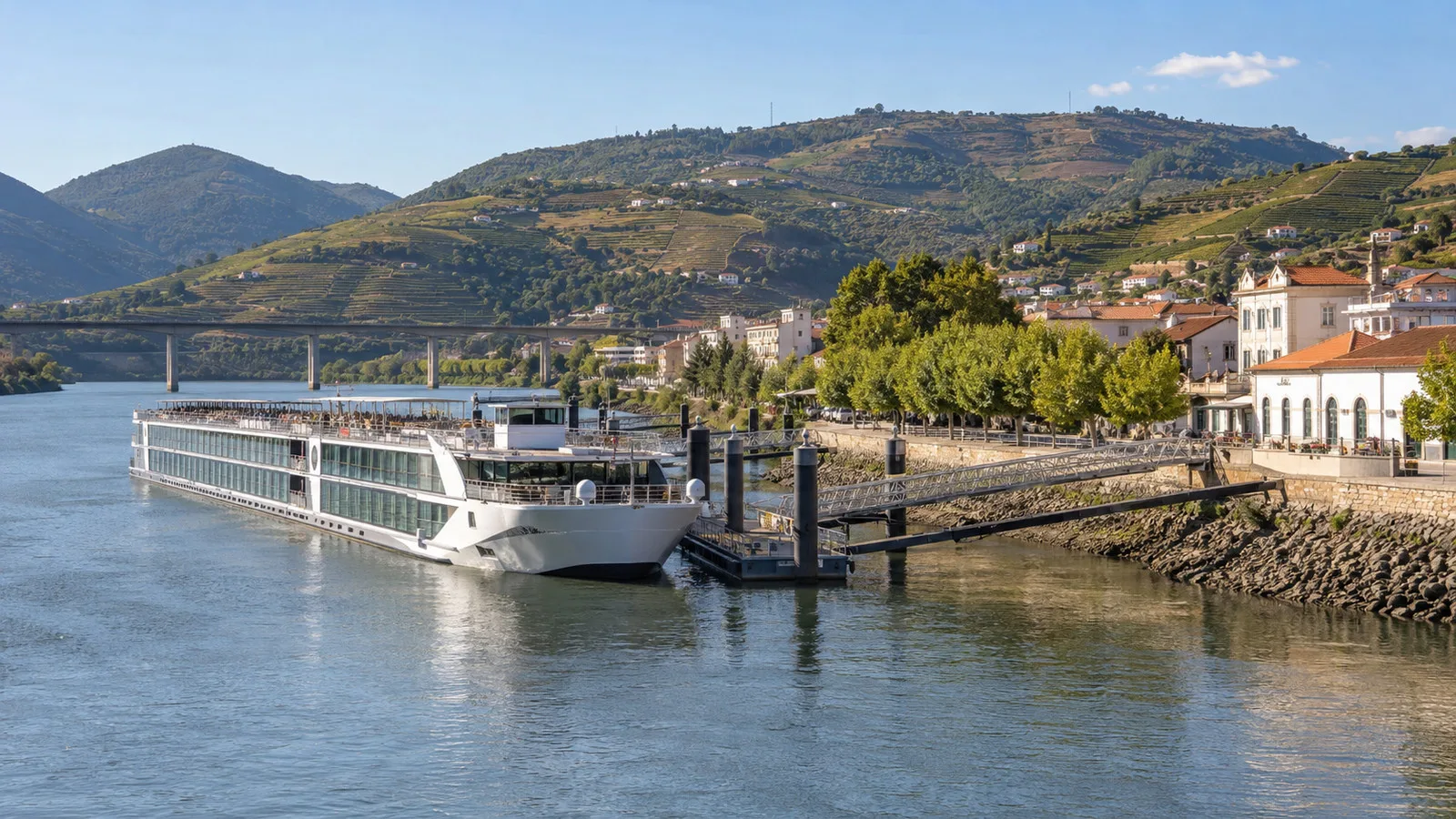
Where River Cruise Ships Dock in Régua
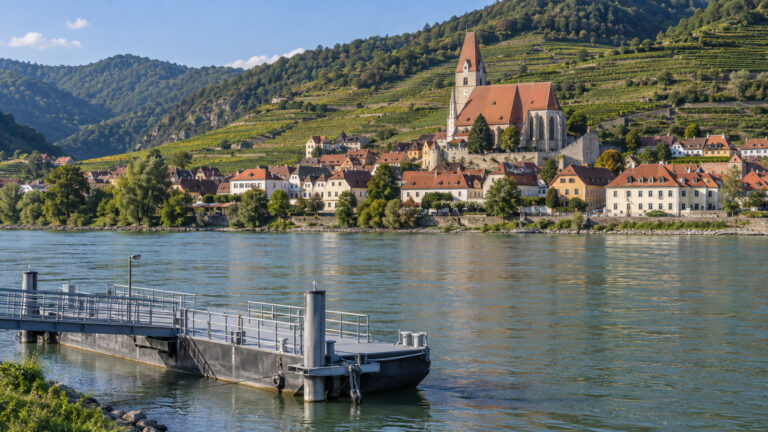
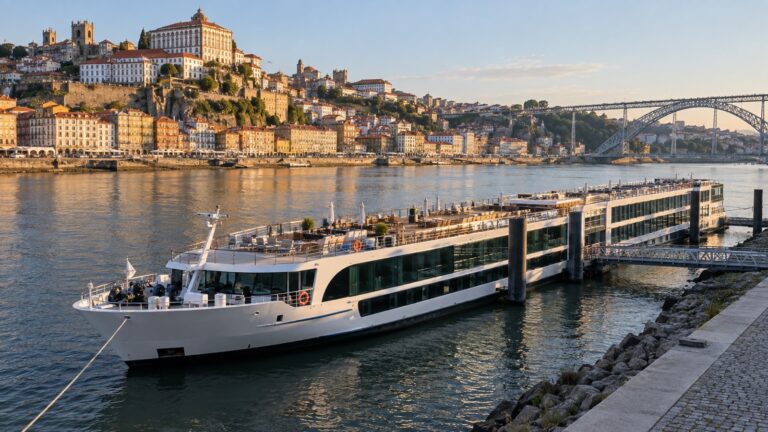
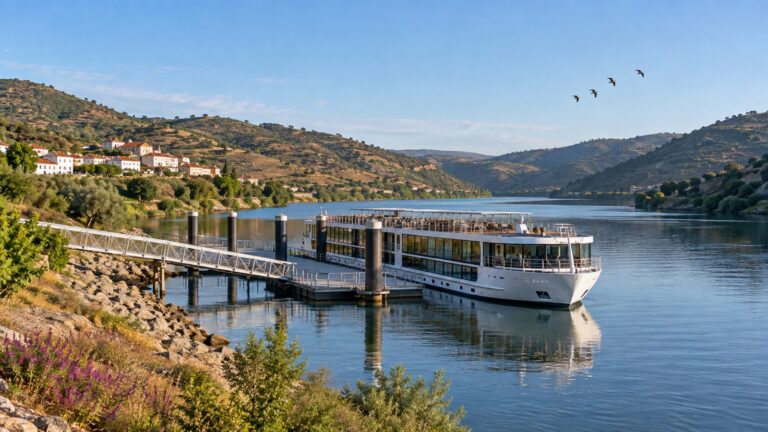
The principal city landing is Cais da Régua on the north, or right, bank of the Douro. Portugal’s official waterway authority, APDL, places it near river kilometer 100 and lists it as a Class A landing in the 2026 tariff schedule.
Official coordinates put the quay almost beside the Douro Museum and central riverfront. This is why most guests can step ashore and begin exploring without a shuttle, a rare luxury in a valley better known for vertical scenery.
“Régua” does not always guarantee one identical gangway, however. The authority’s terminal list also includes Porto Comercial Régua, Cambres e Lamego on the opposite bank and several neighboring facilities, while operators must work around traffic, ship length, and schedules.
The current APDL Douro terminal directory is excellent for confirming that these places exist, but it is not your ship’s daily berth plan. Follow the cruise director’s announcement and save the gangway location before walking away.
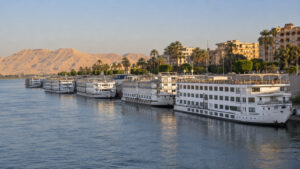
Rafting is also possible in a busy port. Reaching shore may require crossing another vessel and dealing with extra steps, narrow passages, thresholds, or a second gangway.
First Steps Ashore
From the main Cais da Régua, the Douro Museum is roughly 5-10 minutes walking and the railway station around 10-15 minutes, both editorial map estimates. The immediate waterfront is relatively level, though paving, ramps, and the exact exit can vary.
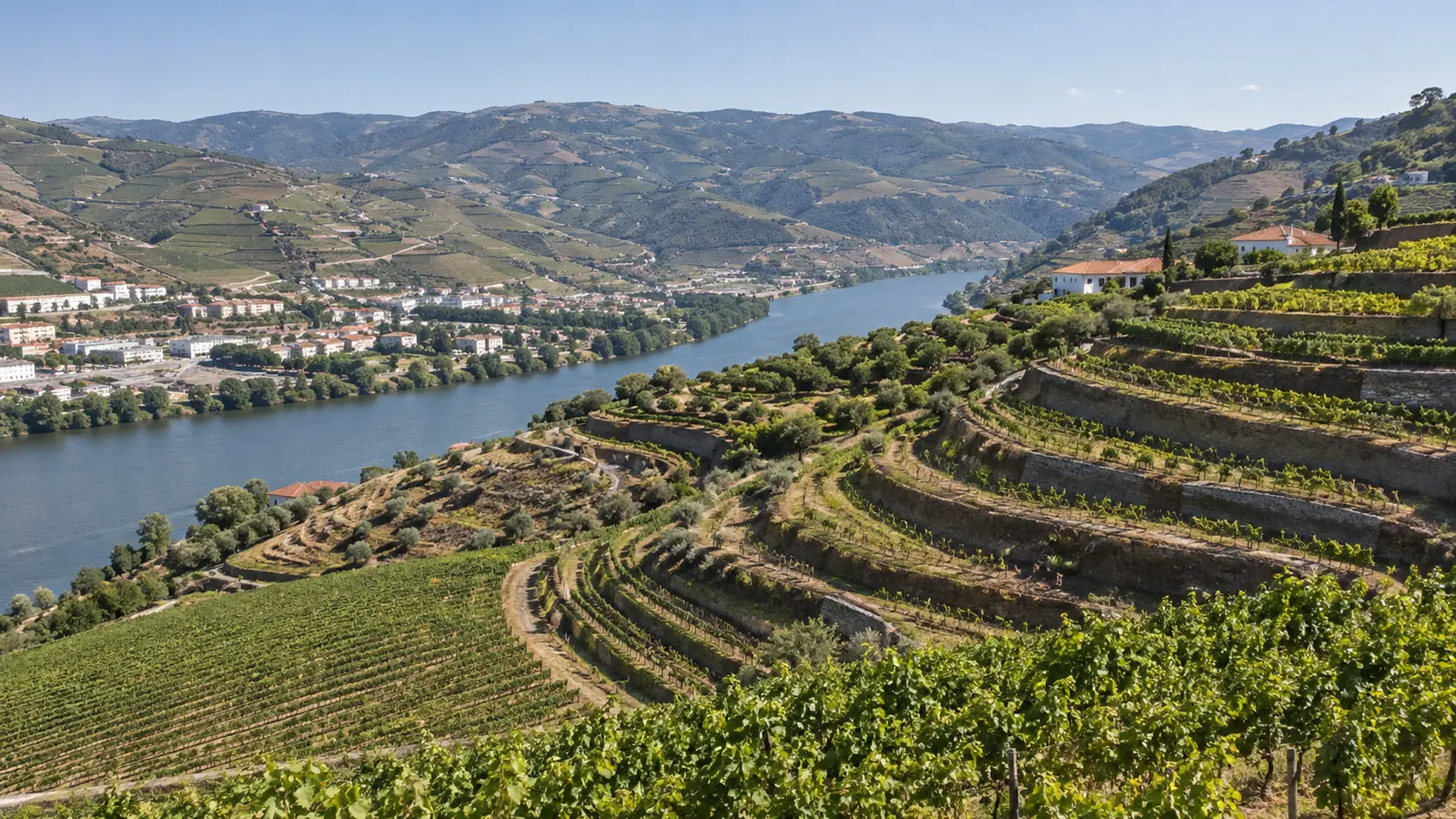
The real visual drama sits around town, where terraced vines climb schist slopes in patterns that look decorative until you remember people built and worked them. A viewpoint or quinta visit requires wheels, planning, and tolerance for winding roads.
The Douro Museum Is the Best Independent Stop
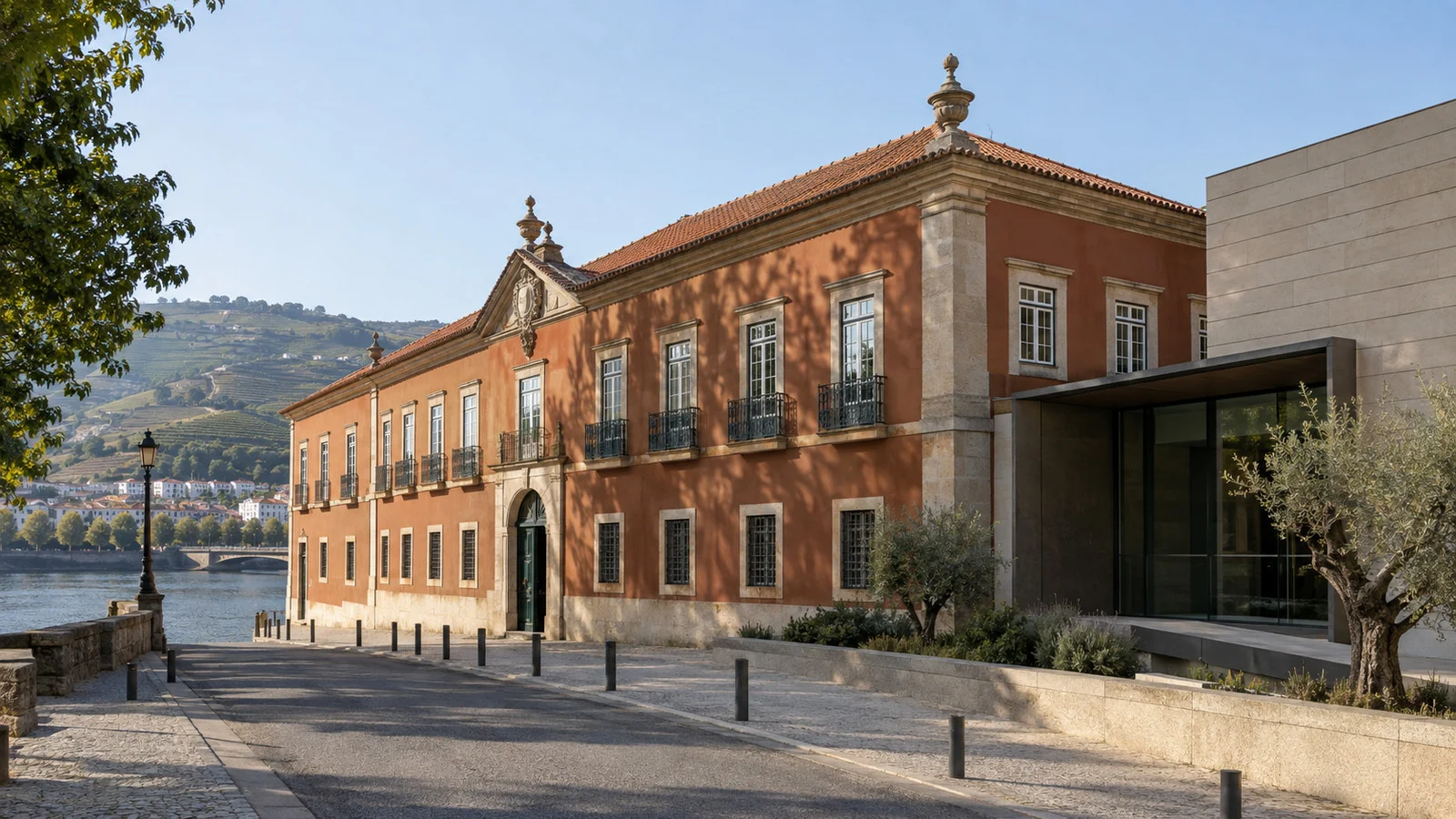
The Museu do Douro occupies the historic Casa da Companhia and tells the story of the Douro as a living wine region, cultural landscape, and workplace. It is the most useful single stop for understanding what you have been watching from the ship.
The museum’s official visitor page lists daily hours of 10 a.m. to 6 p.m. from March through October and 10 a.m. to 5:30 p.m. from November through February. Last access is 15 minutes before closing, with closures on January 1, May 1, and December 25.
Public exhibition areas are accessible to visitors with reduced mobility, with an elevator, adapted restroom, and wheelchair available. That makes the museum a strong choice when vineyard terrain or Lamego’s stairs are a poor fit.
Allow 60-90 minutes, an editorial estimate for the main displays without a long meal. The site also includes a shop, restaurant, wine bar, and river-facing terrace, so “museum visit” can quietly become lunch and nobody needs to object.
Wine Tasting Without Creating a Logistics Problem
Régua is central to the history of Port wine distribution. Portugal’s tourism authority explains that barrels once departed here on rabelo boats for Vila Nova de Gaia, where the wine aged in lodges.
A tasting in town or at the museum wine bar is the easiest independent option. It requires no mountain-road gamble and lets you compare Port with dry Douro wines without treating either as an endurance event.
Quintas are working estates scattered across steep terrain, not a continuous walkable tasting district. Book a driver or organized excursion, confirm the estate address, and never assume a label seen from the ship means its visitor entrance is just uphill.
Tours and tastings often require reservations, particularly during harvest. Ask whether the experience includes cellar steps, vineyard walking, food, and transport, then allow a generous return buffer.
Lamego From Régua: What the Transfer Really Involves
Lamego sits south of the Douro, about 9 miles from central Régua by road. The transfer usually takes 20-30 minutes each way, an editorial planning estimate that varies with bridge traffic, motorcoach access, and winding approaches.
The headline sight is the Sanctuary of Nossa Senhora dos Remédios above a theatrical blue-and-white tiled staircase. Portugal’s official tourism listing counts 686 steps from the avenue below to the sanctuary.
Organized excursions may drop passengers near the sanctuary at the top, at a midlevel point, or near central Lamego below. Those experiences are completely different for mobility, so ask where the bus stops and how many steps are required.
The sanctuary’s official tourism listing gives summer hours from 8:30 a.m. to 7 p.m. and shorter winter hours, but worship and events can affect access. Dress respectfully, avoid services, and follow photography signs.
Central Lamego also has a cathedral, museum, shops, and cafés. A typical visit needs at least three hours from ship to ship, an editorial estimate that includes transport but not an elaborate lunch.
Should You Climb All 686 Steps?
Only if conditions, time, and your body agree. The staircase is visually magnificent, but summer heat, wet stone, repeated landings, and a firm all-aboard time can change its personality.
A more forgiving plan is to ride to the sanctuary, explore the upper terraces, and descend only as far as comfortable before rejoining transport. Confirm the pickup point first, because walking downhill is not helpful if the bus waits above.
Wheelchair users and travelers avoiding stairs should request a top approach and exact information about the final path into the church. “Motorcoach accessible” does not automatically mean step-free from seat to sanctuary.
Viewpoints, Trains, and Other Options
São Leonardo de Galafura is one of the region’s celebrated viewpoints, looking over the river and terraced hills. It requires a roughly 25-35 minute drive each way from Régua by our estimate, plus secure return transport.
Régua station sits on the scenic Douro Line, and regular trains follow the river toward Pinhão and farther east. This can be a lovely independent outing on a long call, but schedules, engineering work, and strike conditions must be checked live with Comboios de Portugal.
A train ride is not a sensible improvisation when the ship sails in two hours. Locks and river schedules mean your vessel may move while guests tour, so confirm whether the published return point is actually Régua.
Accessibility and Mobility
The main waterfront and Douro Museum offer the most manageable independent day. The wider valley is defined by slopes, narrow roads, vineyard terraces, and historic properties whose access varies enormously.
Ask the cruise line whether ships will be rafted, whether a neighboring vessel has internal stairs, what gangway gradient is expected, and which quay is assigned. Water level can turn a gentle ramp into a steeper one.
For a quinta, confirm vehicle drop-off distance, surfaces, cellar steps, restroom access, and seating before booking. For Lamego, ask for the exact bus level and number of unavoidable steps.
The Douro Museum’s published elevator and adapted facilities make it the safest clearly documented choice. Even there, contact the museum ahead if you need a specific accommodation or wheelchair availability.
Food, Money, and Port Wine Sense
Regional menus may feature roasted meats, river fish, smoked sausages, local cheeses, olive oil, and almond candy. A bakery stop or simple daily lunch works better than ordering a banquet fifteen minutes before the gangway closes.
Port wine is fortified and generally stronger than table wine, so tastings add up quickly. Drink water, eat something, and let someone else handle any winding-road drive.
For wider Portugal planning, use our Portugal cruise port guide, Leixões and Porto guide, and European cruise port guide.
Weather, River Conditions, and Safety
Summer in the inland Douro can be very hot, with limited shade on quays, viewpoints, and vineyard paths. Spring and fall are milder but can bring rain, while harvest season increases road and visitor activity.
The Douro is regulated by dams and locks, yet navigation can still face high water, low water, lock restrictions, debris, maintenance, or berth congestion. APDL publishes live navigation notices, which your ship’s operations team uses when adjusting the itinerary.
Three Sensible Régua Port-Day Plans
Easy 90 minutes: Walk the waterfront, visit the Douro Museum, and finish with coffee or a measured tasting. This plan stays close and works well with a variable departure.
Classic three hours: Take the organized Lamego transfer, confirm the bus level, visit the sanctuary and center, then return directly. Three hours is an editorial minimum estimate, not a promise.
Long call: Reserve a nearby quinta or combine the museum with a viewpoint and driver. Do not stack Lamego, a vineyard, and an independent train unless the cruise line built the sequence.
The practical checks I would make before Régua
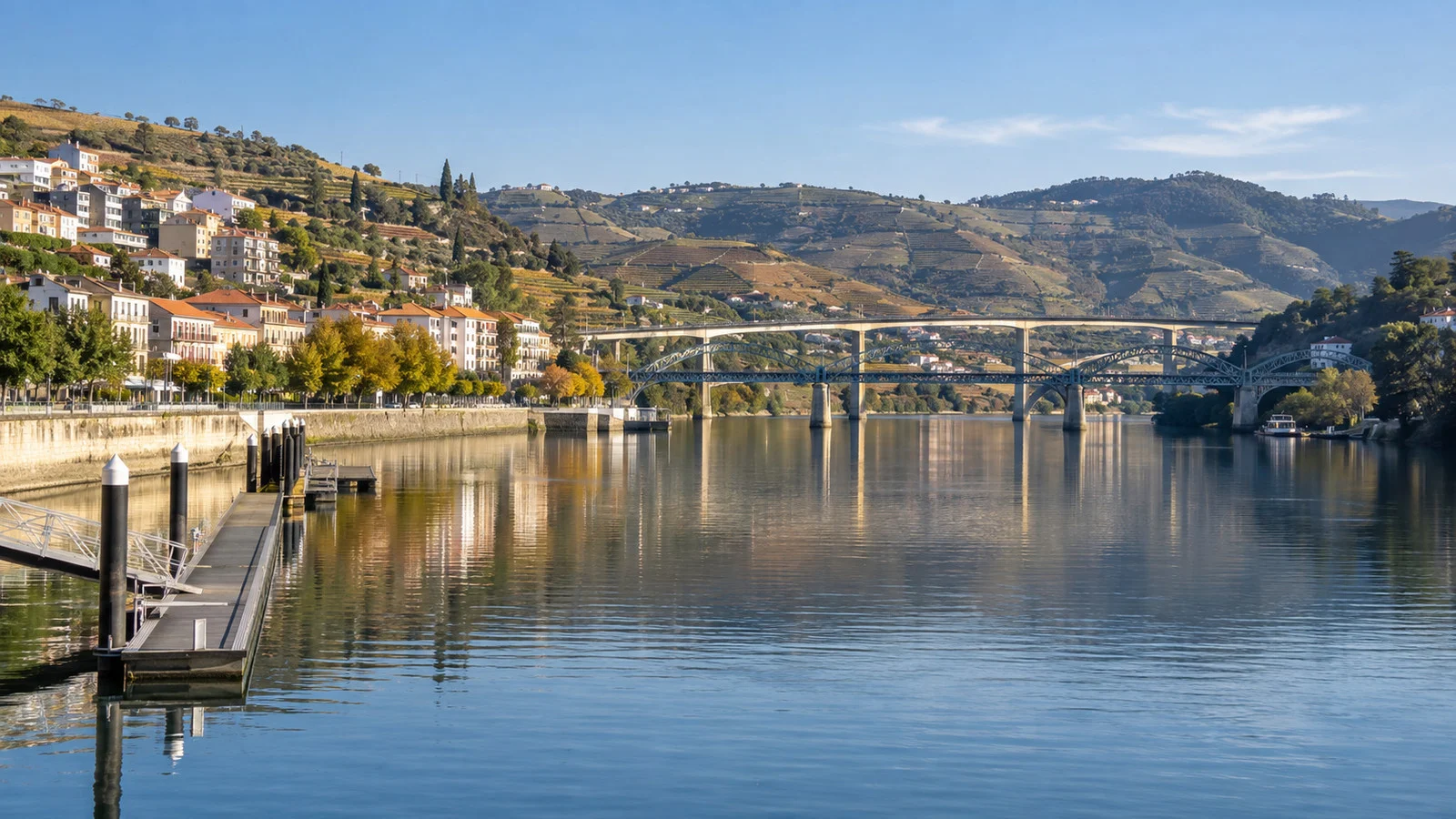
Ask for the exact APDL landing, bank, rafting order, and final pickup because Cais da Régua is not the only quay used around the city. Some Douro programs also send guests ashore at one place and move the vessel through a lock, so the ship’s live reboarding point overrides every saved map.
The Douro Museum and a reserved local tasting are the easy independent plan, while Lamego is a road excursion and should be treated as the main outing. Use the ship transfer when the vessel is moving, or keep at least 75 minutes before all aboard for an independent return to a fixed Régua berth.
Check Portugal and Schengen entry rules, winery reservation costs, tasting inclusions, and age rules before payment. Heat, vineyard grades, the sanctuary staircase, coach steps, raft crossings, locks, and high or low Douro water each affect timing and accessibility.
How this guide was researched: This guide was independently checked on September 12, 2026, against APDL’s Douro terminal directory, the Douro Museum, Visit Portugal, Portugal’s foreign ministry, the official sites linked in the article, and current cruise-line instructions. Reconfirm the mooring, rafting order, border processing, transportation, attraction rules, entry documents, weather, accessibility, costs, and all-aboard point because live operations can change.