Luxor River Cruise Port: Moorings, Temples and Day Plans
Luxor is the sort of river port where “a few old temples” becomes an entire civilization before breakfast. Karnak and Luxor Temple rise on the East Bank, while the Valley of the Kings, Hatshepsut’s temple, and a remarkable collection of tombs occupy the West Bank.
Luxor has no universal cruise terminal, and a central berth offers a very different day from one south at Al-Boghdadi. Confirm the berth before trusting any promise that the temples are “right there.”
Luxor River Cruise Port Quick Facts
- Into Town: Moorings vary from central Corniche to Al-Boghdadi south of Luxor; walking access cannot be promised. Check your ship’s final berth.
- Currency and Language: Egyptian pound. Arabic is official; English is common with cruise staff, guides, hotels, and major archaeological sites.
- Time Zone: Eastern European Time, UTC+2; daylight saving time, UTC+3, runs from late April through late October.
- Operational caution: Berth changes, river operations, maintenance, or security decisions can alter the call or its transportation plan.
No port authority or cruise line publishes an audited Luxor missed-call rate. Follow the operator’s live notices instead of relying on an unsupported port-level percentage.
Where Nile Cruise Ships Moor in Luxor
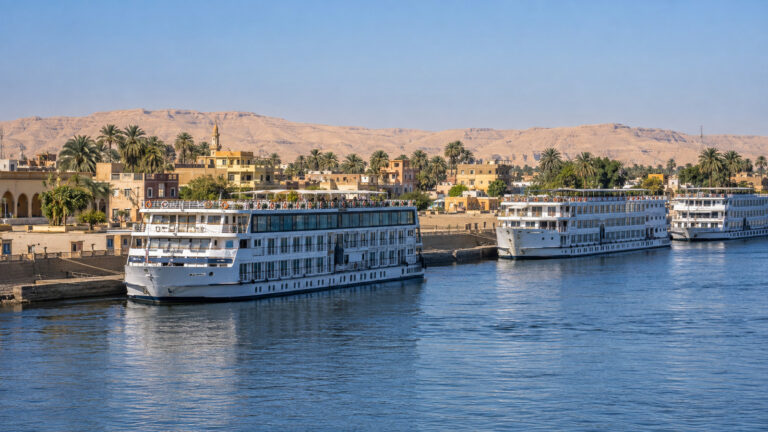
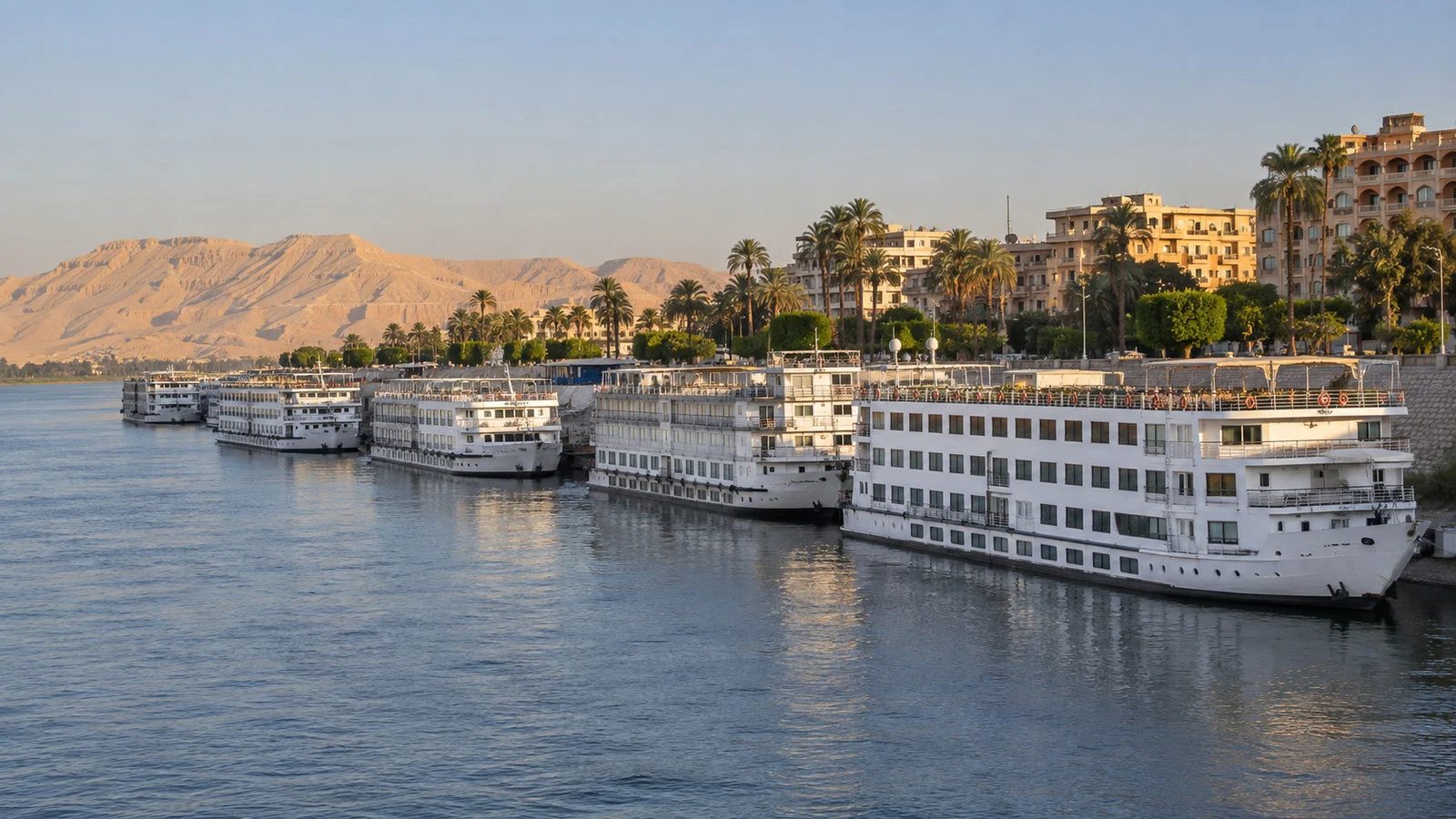
Luxor has East Bank moorings along the Corniche, near Karnak, around Awameya, and farther south at Al-Boghdadi near Luxor Bridge. Operators may change positions, and several current hotel ships publish Al-Boghdadi as their dock.
That distinction matters. A central Corniche berth may put Luxor Temple within a short walk, while Al-Boghdadi generally requires a taxi, motorcoach, or ship transfer into the center.
Ships may also raft side by side, so reaching shore can mean crossing another vessel and negotiating steps, thresholds, or a second gangway. The gradient changes with the river level, and no website can promise the setup for your sailing.
Use final cruise documents and the ship’s daily announcement as the authority. Save a map pin before wandering off, because “the white boat on the Nile” is not a useful return address.
East Bank and West Bank Are Different Port Days
The East Bank contains Karnak, Luxor Temple, the Luxor Museum, and most urban services. Egypt’s tourism site places the two temples about 1.5 miles apart and suggests four to five hours for both.
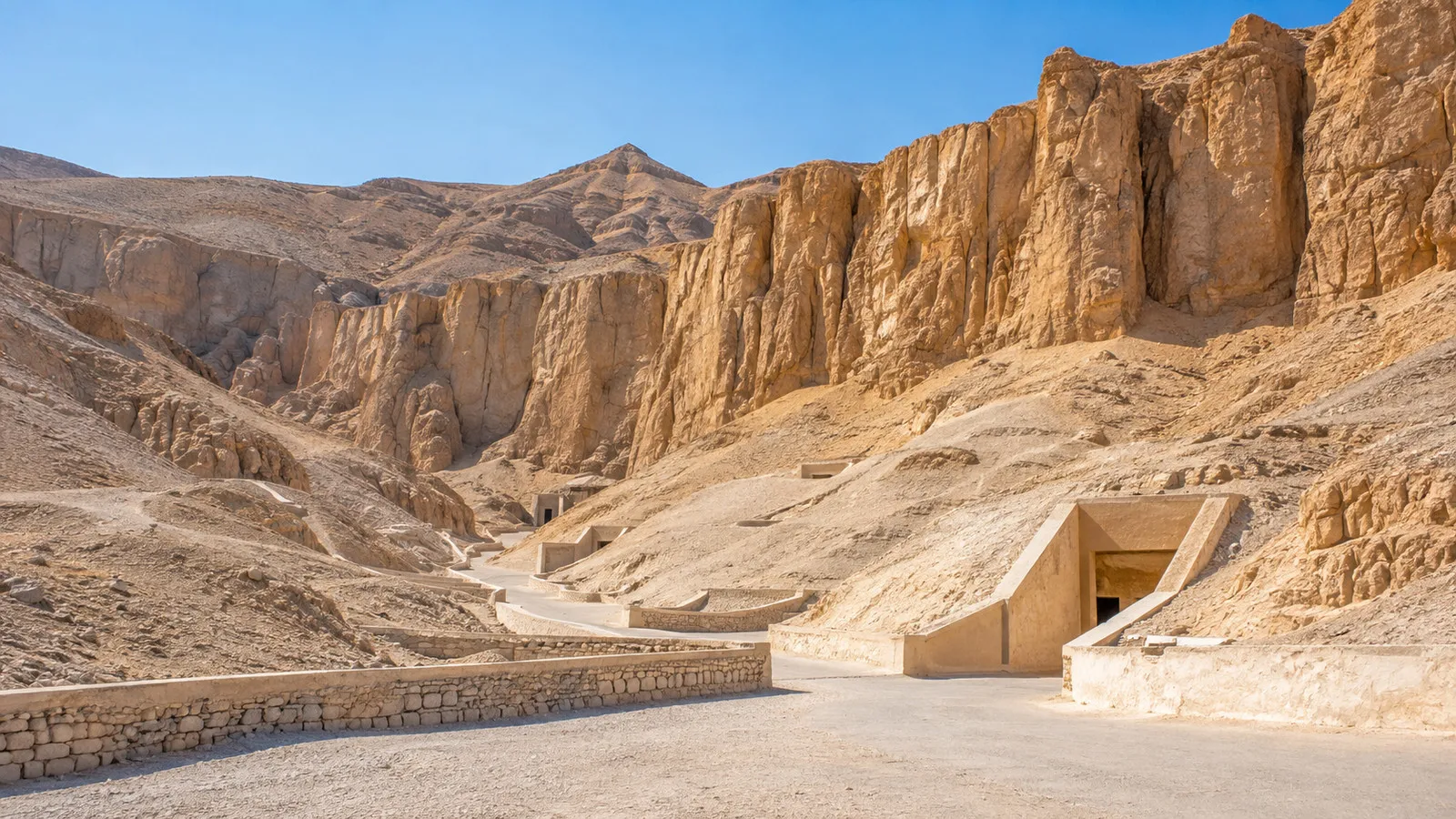
The West Bank contains the royal and elite burial landscape, including the Valley of the Kings, the Valley of the Queens, and the Temple of Hatshepsut. These sites are spread across desert roads, not clustered at the river landing.
A ferry can cross the river in minutes, but it does not deliver you to the tombs. From the West Bank landing, the Valley of the Kings remains roughly 30-45 minutes by road, an editorial estimate.
Ship motorcoaches normally use Luxor Bridge and may take about 35-60 minutes from a central or southern mooring to a West Bank site, depending on traffic and the first stop. This is also an estimate, so an organized excursion is the least stressful choice for a tightly timed call.
There is more on this in River Cruise Embarkation After a Land Tour, Train or Bus.
Luxor Temple: The Easiest Major Sight
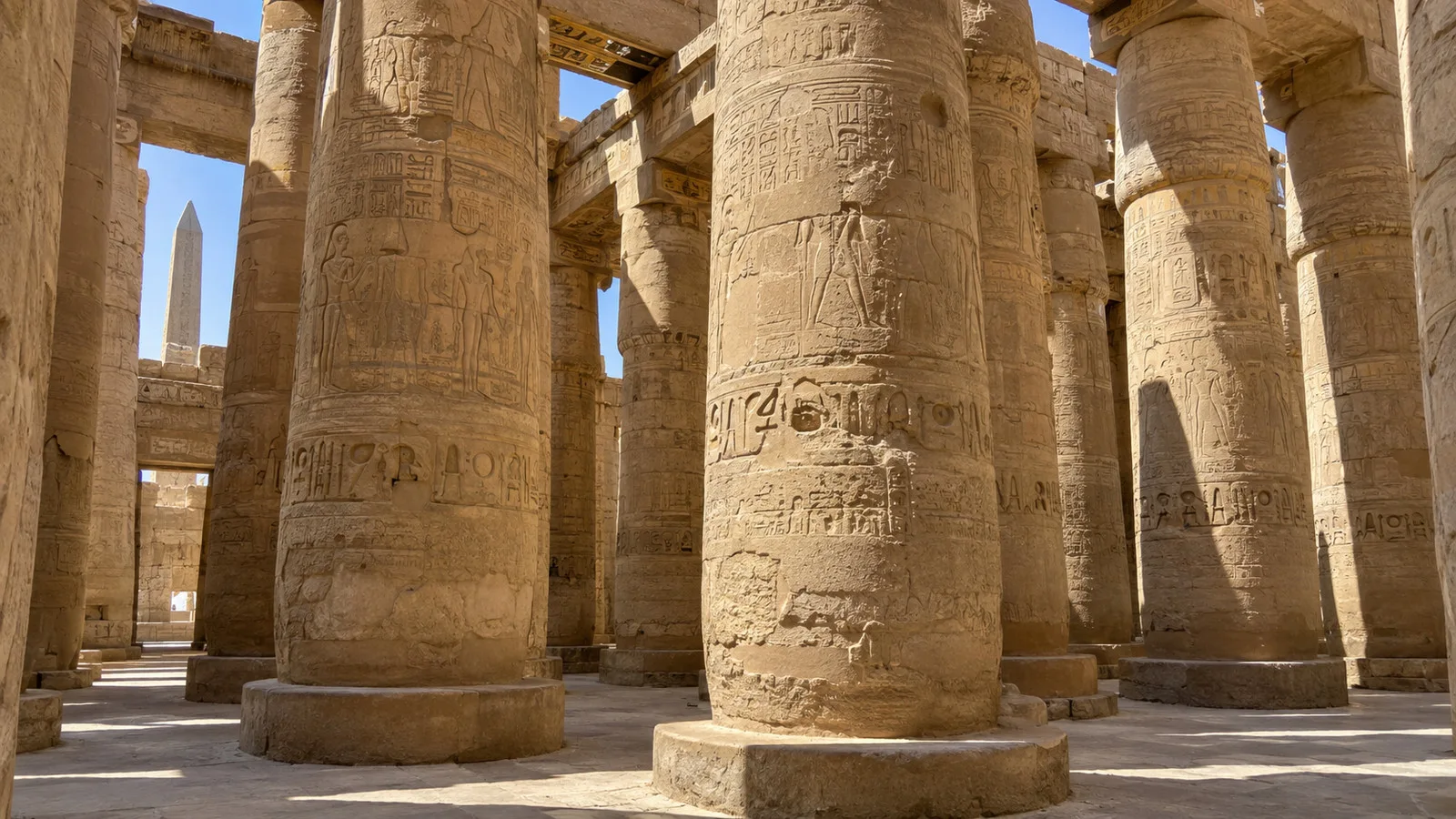
Luxor Temple stands in the city center beside the Corniche, which makes it the simplest headline attraction from a central berth. Its colonnades, statues, courts, and surviving obelisk reward even a shorter visit, while the Avenue of Sphinxes visually connects it with Karnak.
Use the official Luxor Temple booking page for live prices, available dates, and current hours. Check it shortly before visiting because rates and schedules can change.
Allow about 60-90 minutes for a focused visit, an editorial estimate. Evening lighting can be beautiful, but it only helps if your ship remains in port and the site’s current closing time fits the all-aboard schedule.
Karnak: Vast, Spectacular, and Not a Quick Add-On
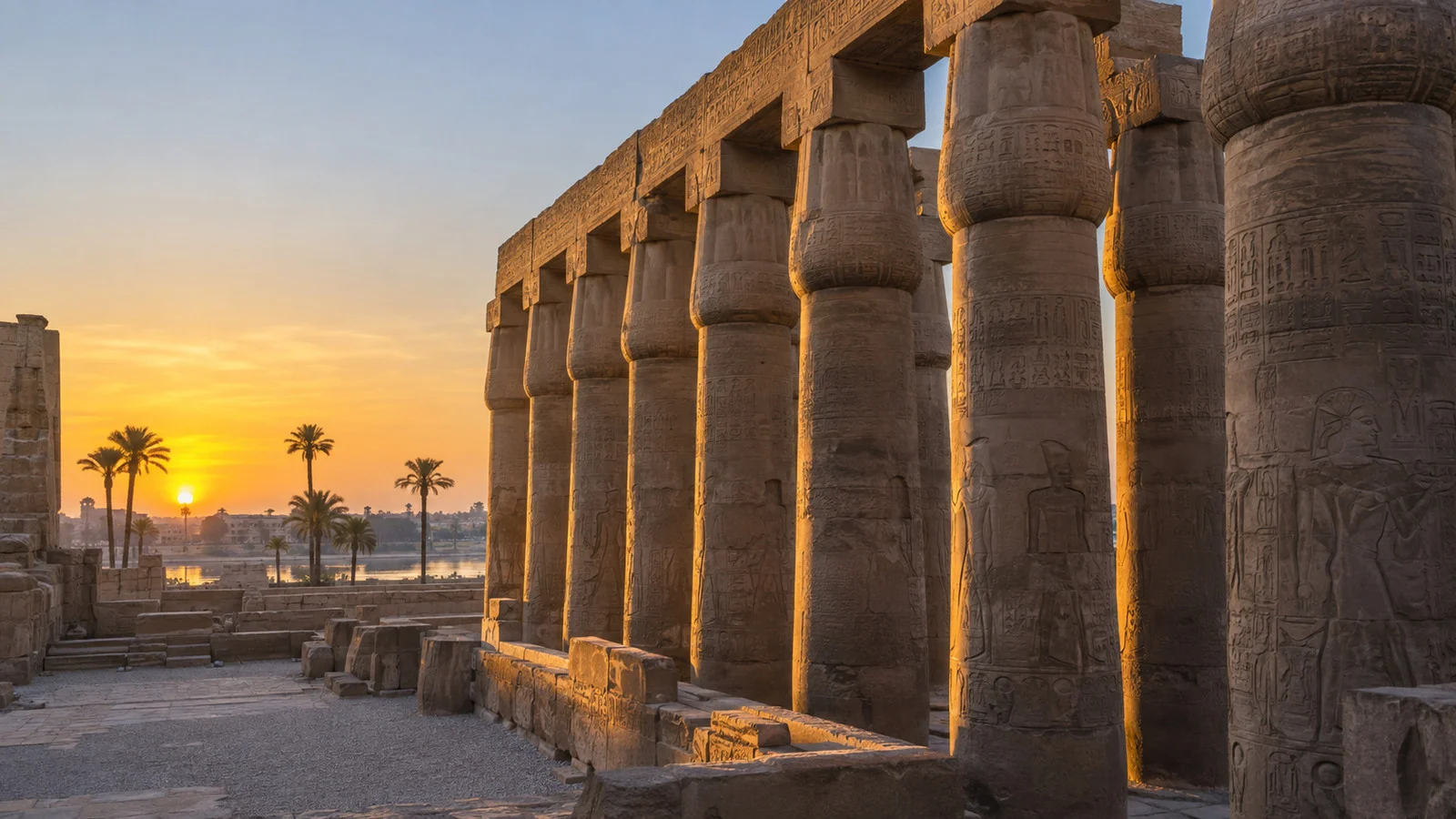
Karnak is a huge complex, not one building with a convenient loop. Its famous forest of columns sits among gateways, courts, obelisks, and extensive open ground.
Check the official Karnak page for live admission prices, available dates, and current hours. Temporary operational changes are possible, so confirm the listing before leaving the ship.
Allow 90 minutes to two hours. Heat and uneven surfaces slow the pace, while combining Karnak with a full West Bank circuit produces more windshield than wonder.
Luxor Museum for a Cooler, More Focused Visit
The Luxor Museum sits on the East Bank Corniche between the major temples. Its focused collection provides useful context for the monuments outside.
Check Egypt’s official monument ticket platform for the Luxor Museum’s live admission price and hours. Published schedules may use separate morning and evening sessions, with seasonal differences, so confirm the listing before setting out.
This is a smart option in peak heat or when a desert excursion is too demanding. Budget 60-90 minutes, an editorial estimate, plus the berth transfer.
Valley of the Kings: Tickets, Tombs, and Timing
The Valley of the Kings is the classic West Bank excursion, but the base ticket does not include every tomb. Rotations, conservation closures, and separate supplements affect daily availability.
Use the official Valley of the Kings page for live admission prices, current hours, and available dates. Tomb rotations, conservation work, and supplements can change what a base ticket covers.
Check inclusions before buying if one tomb matters to you. Ship excursions usually include standard admission, but premium tombs may cost extra.
Site transport reduces some outdoor distance, yet tombs may involve slopes, steep stairs, narrow passages, and warm interiors. Allow about two hours for several tombs, an editorial estimate.
Hatshepsut’s Temple and Other West Bank Stops
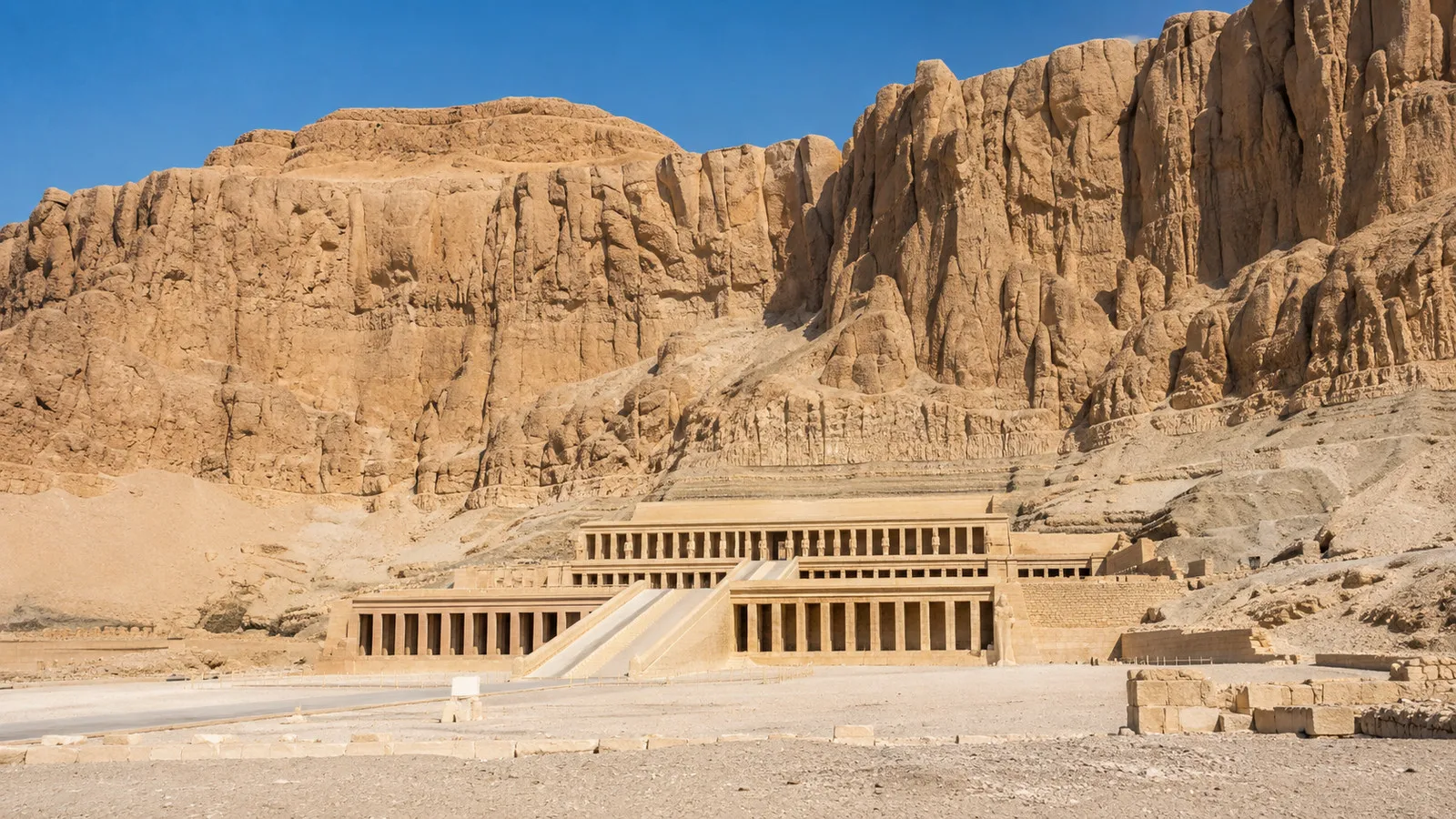
Hatshepsut’s terraced temple appears carved from the cliffs behind it. It pairs naturally with the Valley of the Kings, though its approach adds sun exposure and walking.
Use the official Hatshepsut ticket page for live prices, available dates, and current hours. Leave a generous margin before the listed last-entry time.
The Colossi of Memnon are a brief roadside stop, while Medinet Habu and the Valley of the Queens deserve real time. Pick two or three substantial sights instead of collecting names like refrigerator magnets.
Buying Official Tickets in 2026
Egypt’s Ministry of Tourism and Antiquities sells admission through Egypt Monuments, its official platform. Check the platform and the attraction’s ticket desk for current purchase options.
Review the official platform’s current payment, refund, child, and student rules before buying. Carry the identification required for any discounted ticket.
Cell phone photography is generally free, but individual tomb restrictions and posted signs still apply. Drones require special authorization and are not a casual vacation accessory.
Save tickets offline and arrive well before last entry. The platform recommends at least one hour before closing, while cruise guests need a larger ship-return buffer.
Accessibility and Mobility Reality
The first accessibility question is the mooring. Ask about rafting, gangway or ship-to-ship steps, and whether the excursion motorcoach can carry a wheelchair.
Luxor Temple may be the most manageable major outdoor site from a central berth, but historic thresholds and uneven stone remain. Karnak combines broad paths with sand, broken surfaces, sun, and long distances.
Most Valley of the Kings tombs are poor fits for wheelchairs because of stairs and sloping corridors. Hatshepsut’s temple has a broad monumental approach and terraces, but the complete visitor route should not be assumed step-free.
Local ferries and small boats are not reliably accessible, so prearranged road transport is usually safer. Confirm drop-off distance, restrooms, seating, and unavoidable steps.
Heat, Clothing, Money, and Small Practicalities
Luxor can be intensely hot, with limited shade at exposed sites. Start early, carry water, wear a hat, and treat the 6 a.m. opening as a gift rather than an insult.
Dress respectfully in town and at religious places, with shoulders and knees covered. Sturdy shoes matter more than photogenic sandals on dust, stone, ramps, and tomb stairs.
Carry Egyptian pounds for small purchases, but use official admission counters. Agree on taxi price and route first, or arrange a reputable driver.
For the wider Nile journey, our Aswan cruise port guide explains the other major hotel-ship hub. The Africa cruise ports guide helps place Luxor in a broader itinerary.
Safety in Luxor
The U.S. Department of State currently rates Egypt Level 2, Exercise Increased Caution, and names parts of Sinai, the Western Desert, and border areas as places not to visit. Luxor is not among those named areas, but travelers should stay alert at tourist sites, follow security instructions, and avoid demonstrations.
The U.S. Department of State Egypt advisory is one official reference. Use reputable drivers for spread-out West Bank sites, and avoid remote walks near sailing time.
Three Sensible Luxor Port-Day Plans
Easy East Bank: Visit Luxor Temple and the Luxor Museum, then enjoy the Corniche or a hotel lunch. This works best from a central berth, so add transport time from Al-Boghdadi.
Classic East Bank: Give Karnak about two hours, transfer to Luxor Temple, and return with a generous berth buffer. Four to five hours total matches official tourism guidance for a thorough look at both complexes.
Classic West Bank: Use an organized driver for the Valley of the Kings, Hatshepsut’s temple, and one brief stop. Expect five to six hours ship to ship, an editorial estimate.
Do not plan a full East Bank and full West Bank circuit unless the ship stays overnight or the cruise line has designed the timing. Luxor rewards attention, and the pharaohs have already waited several thousand years for you.
Start with the live mooring and protect the heat hours
Luxor vessels can use central East Bank moorings, Awameya, Karnak-area positions, or Al-Boghdadi south of the city, and several ships may raft together. Get the live vessel name and map pin before meeting a guide because a generic Corniche pickup can waste the coolest part of the morning.
Karnak and Luxor Temple are on the East Bank, while the Valley of the Kings and Hatshepsut’s temple require a bridge crossing to the West Bank. I would keep a short call to one bank, since combining both adds traffic, security, ticket lines, and a return drive with little recovery margin.
Use Egypt’s official monument ticket platform for current fees, opening hours, tomb rotations, and supplements because a Valley of the Kings base ticket does not include every tomb. Save the ticket offline, carry the identification required for any student rate, and arrive well before the published last entry.
Heat, uneven stone, rafted ships, steep gangways, and vehicle steps are the practical accessibility limits. Ask for an air-conditioned licensed vehicle, confirm ship-to-shore assistance, and stay a night after the cruise when a separate international flight would depend on a perfect disembarkation.
Research note
This guide was checked September 12, 2026, against Egypt’s official monument ticket platform, Experience Egypt, UNESCO’s Ancient Thebes listing, and the U.S. Department of State Egypt advisory. Prices, hours, berths, tomb access, and security conditions can change.
Walking and transfer times are clearly labeled editorial estimates, and we do not claim a firsthand visit where none occurred. Our source selection, correction process, and review standards are explained in the CruisePorts.co Editorial Policy.
How this guide was researched: Operational and time-sensitive details were reviewed September 12, 2026. Confirm the live berth, daily program, entry rules, accessibility, and cancellation terms before travel.
See our Editorial Policy.