Chioggia River Cruise Port: Quay, Fish Market and No Crowds
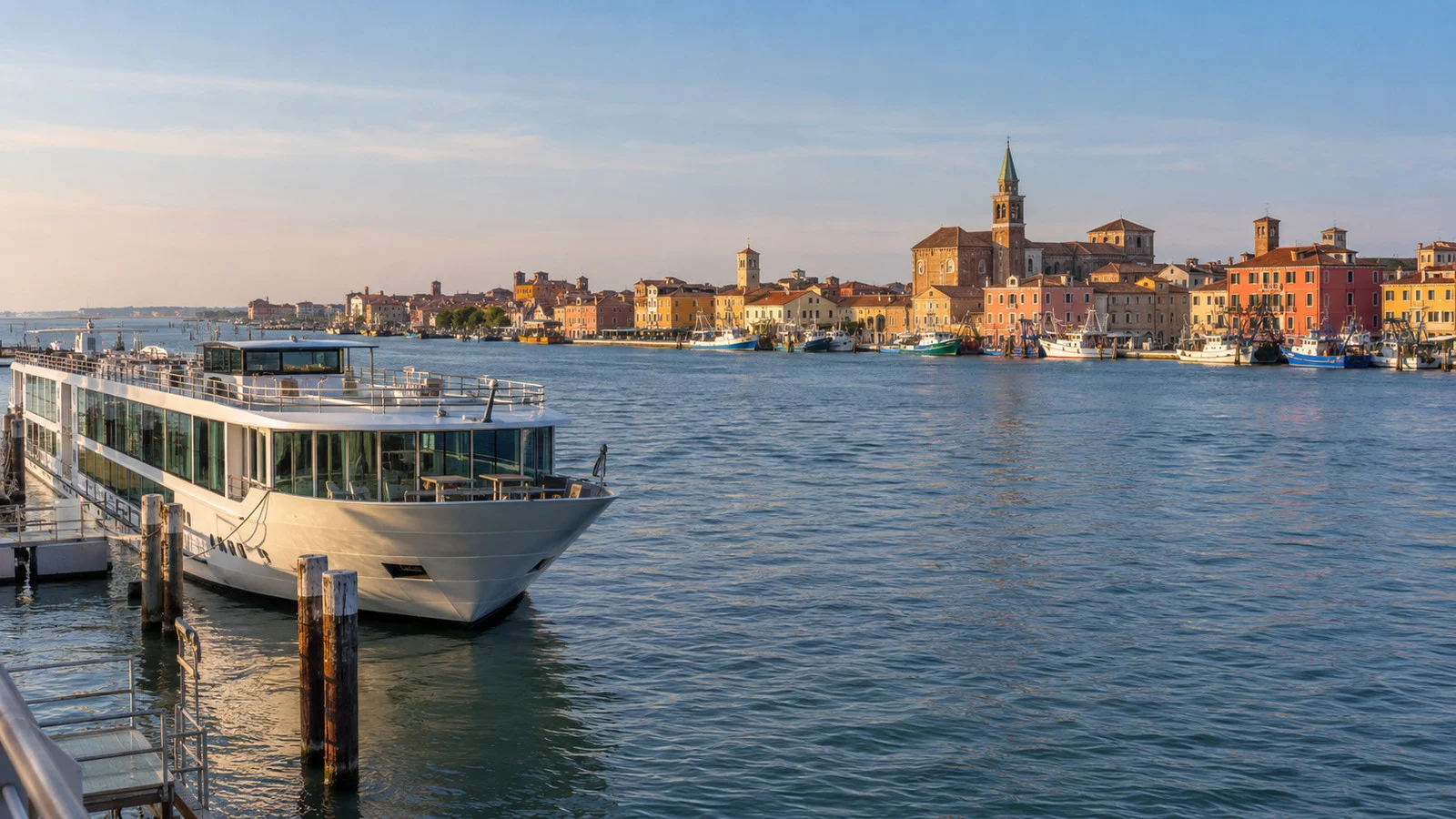
Chioggia is one of those ports that becomes much more appealing the moment you stop treating it as a substitute for Venice. It is a working lagoon town with fishing boats, market stalls, canals, broad public spaces, and enough local character to fill a cruise call without a frantic transfer.
Some river and lagoon itineraries use Chioggia as an operational gateway, but the exact berth and schedule can vary. Your best plan starts with the ship’s daily information, then builds a compact route around the historic center and a generous return margin.
My quick take
For a first visit, I would walk Corso del Popolo, cross toward Canal Vena, visit the retail fish market if it is open, and leave room for seafood or cicchetti. That route captures Chioggia’s identity without turning the day into a race.
I would only aim for Venice when the cruise line provides a coordinated excursion or transfer. Independent lagoon connections are scenic but involve several stages, and a short call leaves little protection against a missed connection.
Quick Facts
- Port character: A working fishing and lagoon town with canals, bridges, churches, markets, and everyday local life
- Best for: Independent walking, seafood, photography, maritime culture, and a quieter alternative to central Venice
- Core route: Corso del Popolo, the retail fish market, Canal Vena, and the nearby historic center
- Market timing: Earlier is usually more rewarding, but confirm the current opening day and hours
- Mobility: The center is compact and mostly level, though bridges, paving, curbs, and gangways can add barriers
- Beach option: Sottomarina is separate from the historic core and requires extra walking or local transport
- Best planning move: Enjoy Chioggia itself unless the cruise line has organized a protected Venice transfer
Where river cruise ships dock
Chioggia has several waterfront and port areas, so there is no single walking time that applies to every vessel. The berth in your final program matters more than a generic map pin labeled Chioggia cruise port.
Ask whether the ship is alongside a fixed quay or using a temporary operational landing, and confirm if a shuttle is provided. Water level, port activity, vessel size, and local instructions can affect the gangway and pedestrian route.
Before leaving, photograph the berth name and the nearest street sign. Save the ship’s contact number and all aboard time in a screenshot because a taxi driver or local helper may need the exact return point.
Do not assume you can see the ship from every canal bridge. Chioggia’s water channels and long streets can make a simple route feel less obvious on the way back.
The best first walk through Chioggia
Corso del Popolo is the historic center’s main spine and the easiest place to orient yourself. It is broad by lagoon-town standards, lined with civic buildings, churches, cafes, and the small details that reveal this is a real community rather than a preserved set.
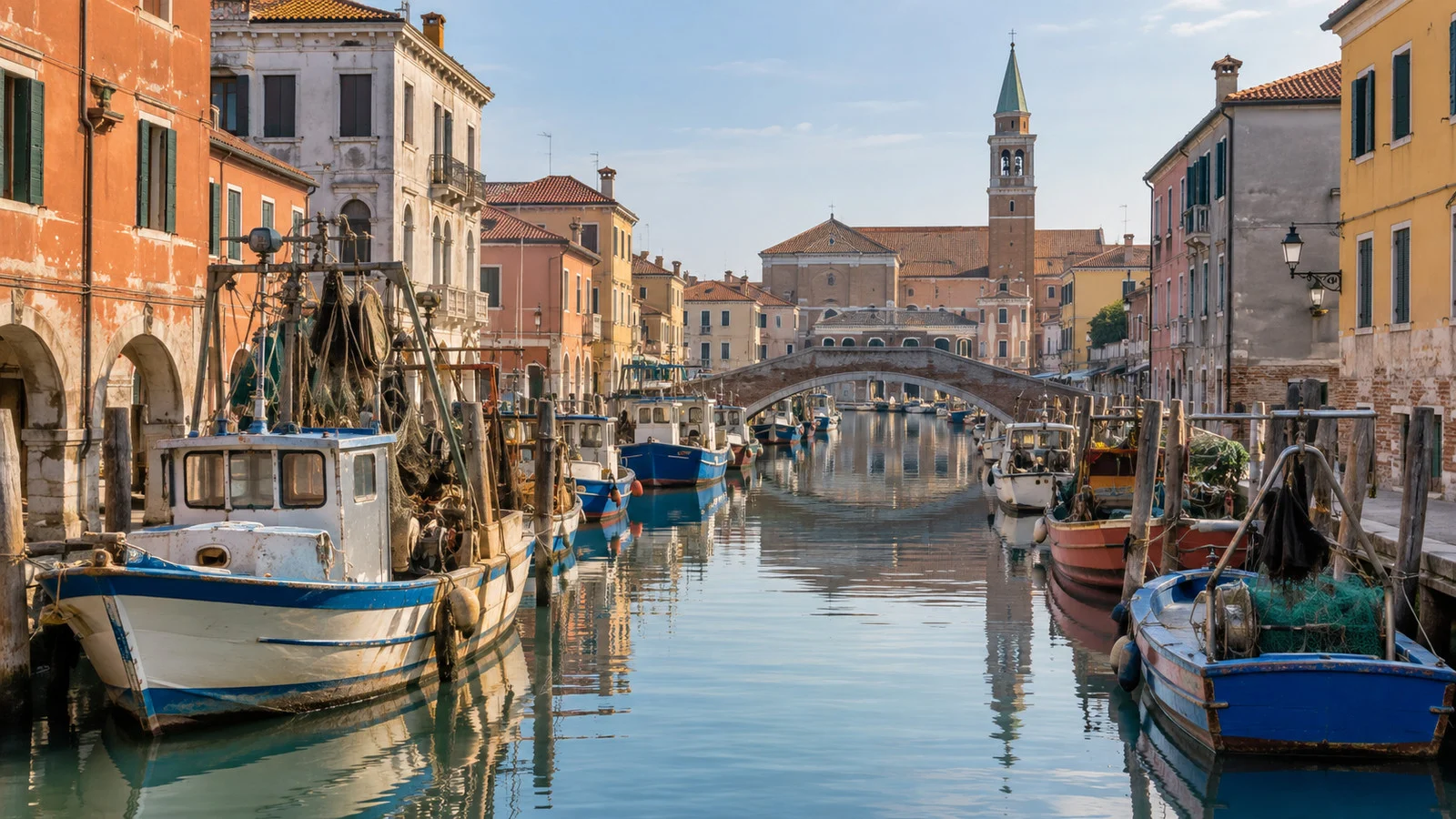
From the corso, turn toward Canal Vena for the classic Chioggia view of boats, bridges, and narrow buildings reflected in the water. Wander one or two parallel lanes, but keep the main street as your navigation anchor.
The official Visit Chioggia historic-center guide is useful for checking current points of interest and planning a walking route. It also helps distinguish central Chioggia from Sottomarina, which is part of the same municipality but offers a different beach-focused experience.
Take your time around the bridges instead of trying to cross every one. The most memorable moments often come from watching deliveries, fishing activity, bicycles, and neighbors moving through familiar streets.
Chioggia is photogenic, but ask permission before taking close portraits of market workers or residents. Working stalls and boats are not staged attractions, and a little courtesy goes a long way.
The fish market
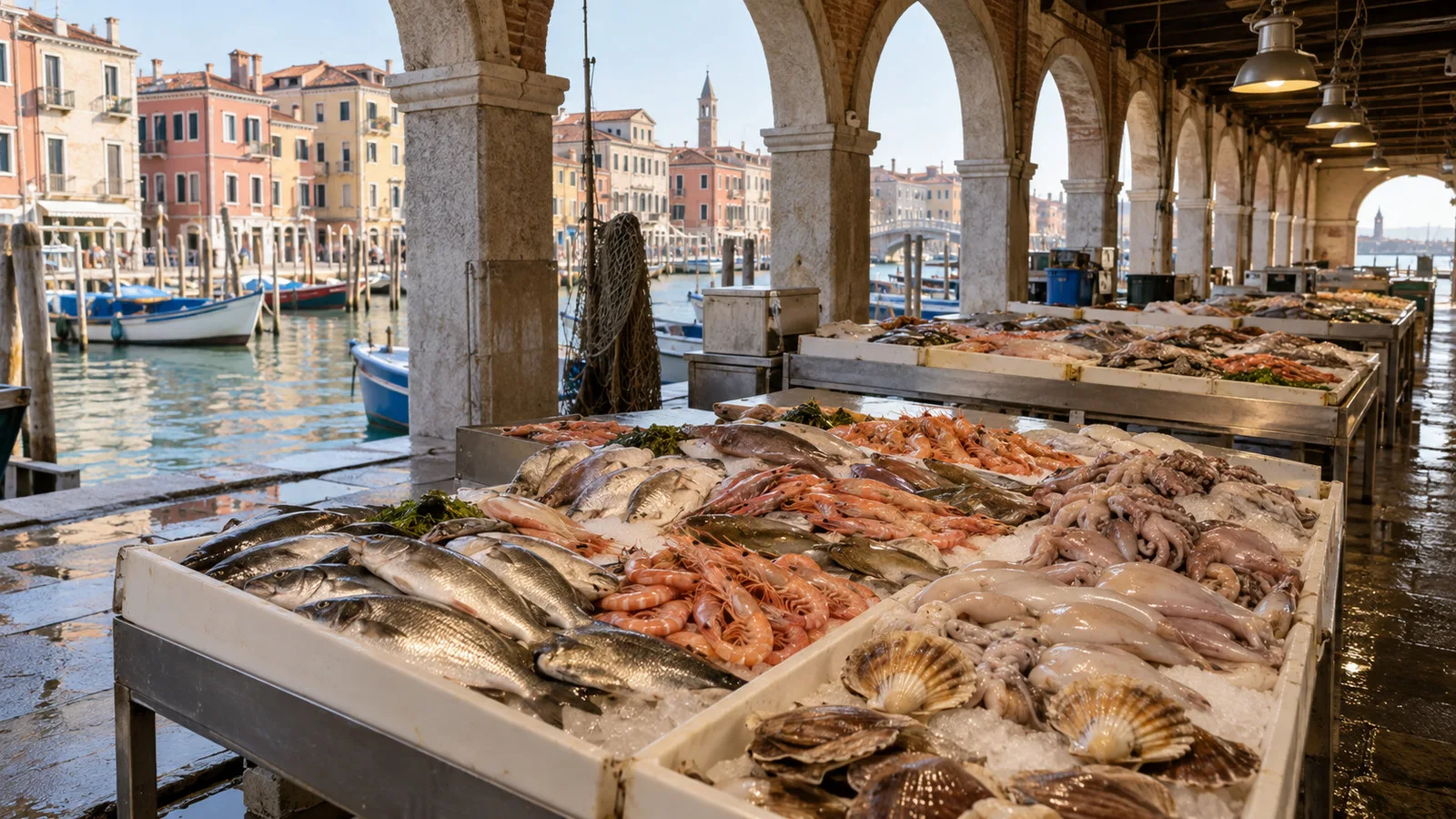
The retail fish market is one of the clearest expressions of Chioggia’s maritime identity. The town’s official tourism site describes it as one of Chioggia’s oldest institutions and places it behind Palazzo Granaio.
According to the same official fish-market page, the market has 30 selling positions with a broad range of Adriatic fish, shellfish, crustaceans, cuttlefish, squid, and other local catch. What you see depends on season, weather, landings, and the time of day.
Go early if the ship’s schedule allows, but do not rely on an old blog’s hours. Markets can close on particular days, finish earlier than expected, or operate differently around holidays.
The retail market is for local customers as well as visitors, so keep aisles clear and avoid handling products. If you want to buy something, remember that raw seafood is not practical to carry back onto most cruise ships.
Even when you are not shopping, the market helps explain the menus around town. Species on the counters change through the year, and local cooking follows that rhythm more closely than a generic tourist menu might suggest.
What to eat
Chioggia’s official tourism site highlights seafood dishes such as sarde in saor, cuttlefish stew, fisherman’s risotto, bigoli in salsa, broeto fish soup, and moleche when they are in season. You do not need a formal lunch to taste the town, since small plates and a glass of wine can fit a shorter call.
Ask what is local and fresh that day rather than ordering only by a familiar English name. A server can explain whether a dish is fried, stewed, marinated, served with polenta, or priced by weight.
Moleche are soft-shell crabs available only during limited seasonal periods, so their absence is not a sign that a restaurant is inauthentic. Cuttlefish, sardines, clams, and mixed fish dishes may be more dependable choices.
If your all aboard time is tight, tell the restaurant before sitting down. A beautiful seafood meal becomes stressful when preparation takes longer than your return buffer.
Carry a physical card and some euros because payment arrangements vary in small businesses. Check whether a cover charge is listed, and review seafood prices carefully when they are quoted by weight.
Churches, clocks, and civic landmarks
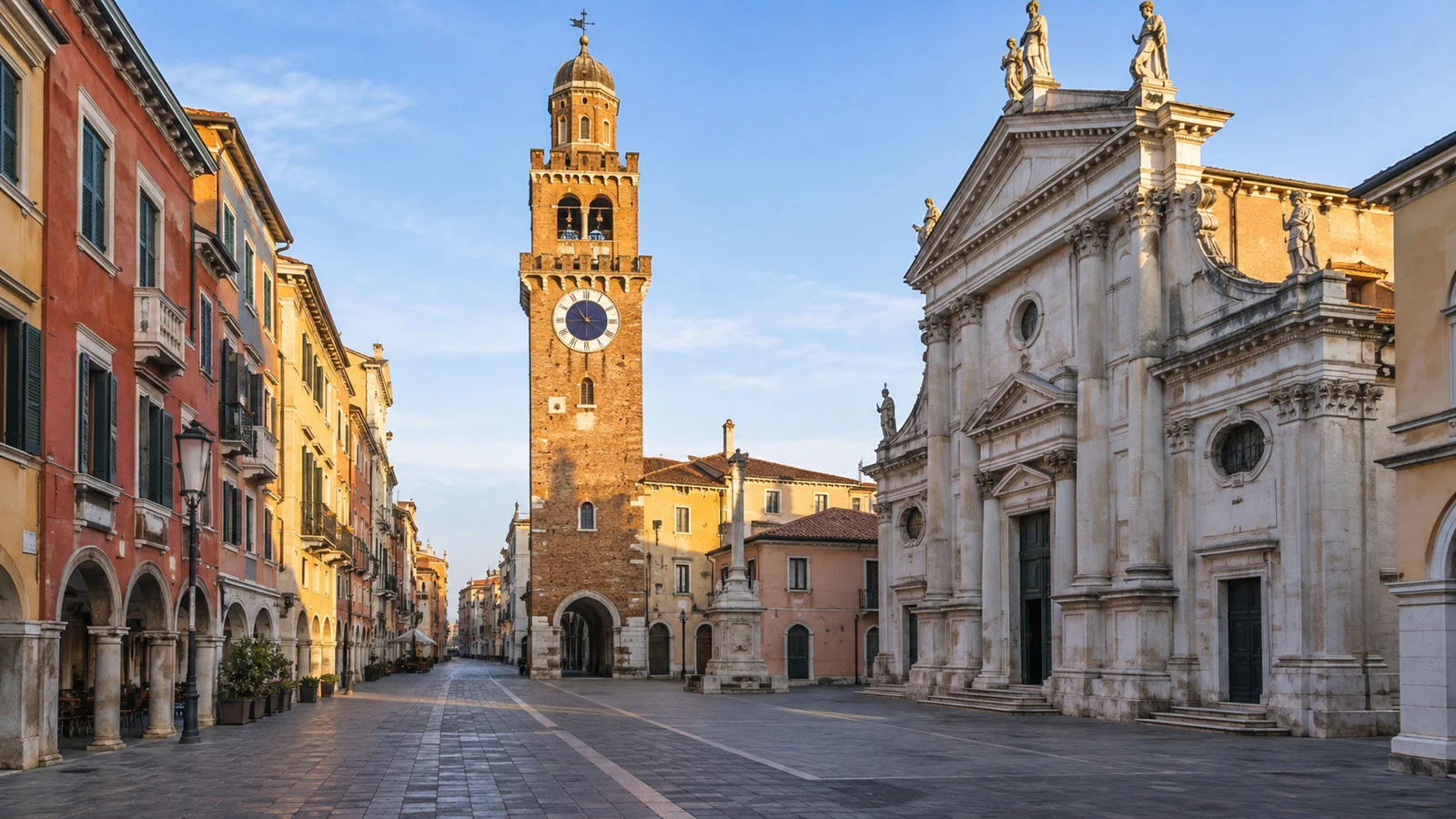
Corso del Popolo links several of Chioggia’s most recognizable public buildings and religious sites. The pleasure comes from seeing them as part of one lived-in streetscape rather than treating each facade as a separate must-do attraction.
The Church of Sant’Andrea and its clock tower are natural landmarks as you walk through the center. Opening access can change around services and local events, so approach any interior visit as a bonus rather than a guaranteed timed stop.
The cathedral area and Porta Garibaldi provide a clear southern anchor for a longer walk. If your berth lies in another direction, decide in advance how far you want to continue before retracing your route.
Active churches require respectful clothing and quiet behavior. Avoid flash, follow signs, and step aside when a service or private devotion is underway.
Museums for a deeper visit
Chioggia has museums that explain the lagoon, fishing, maritime work, and Adriatic wildlife. They are valuable when the weather turns poor or when you want context beyond a surface-level canal walk.
The Museo Civico della Laguna Sud focuses on archaeology, local history, fishing, shipbuilding, and the relationship between the town and its waters. The Museum of Adriatic Zoology Giuseppe Olivi, connected with the University of Padua, approaches the sea through science and regional marine life.
Use the official tourism museum page and each institution’s own site to confirm opening days, admission, and temporary closures. A museum that is excellent on paper may not fit a morning call or a Monday visit.
Choose one museum rather than squeezing in several. Chioggia’s strongest experience still comes from combining an interior with time outside along the corso, canals, and market.
Sottomarina and the beach
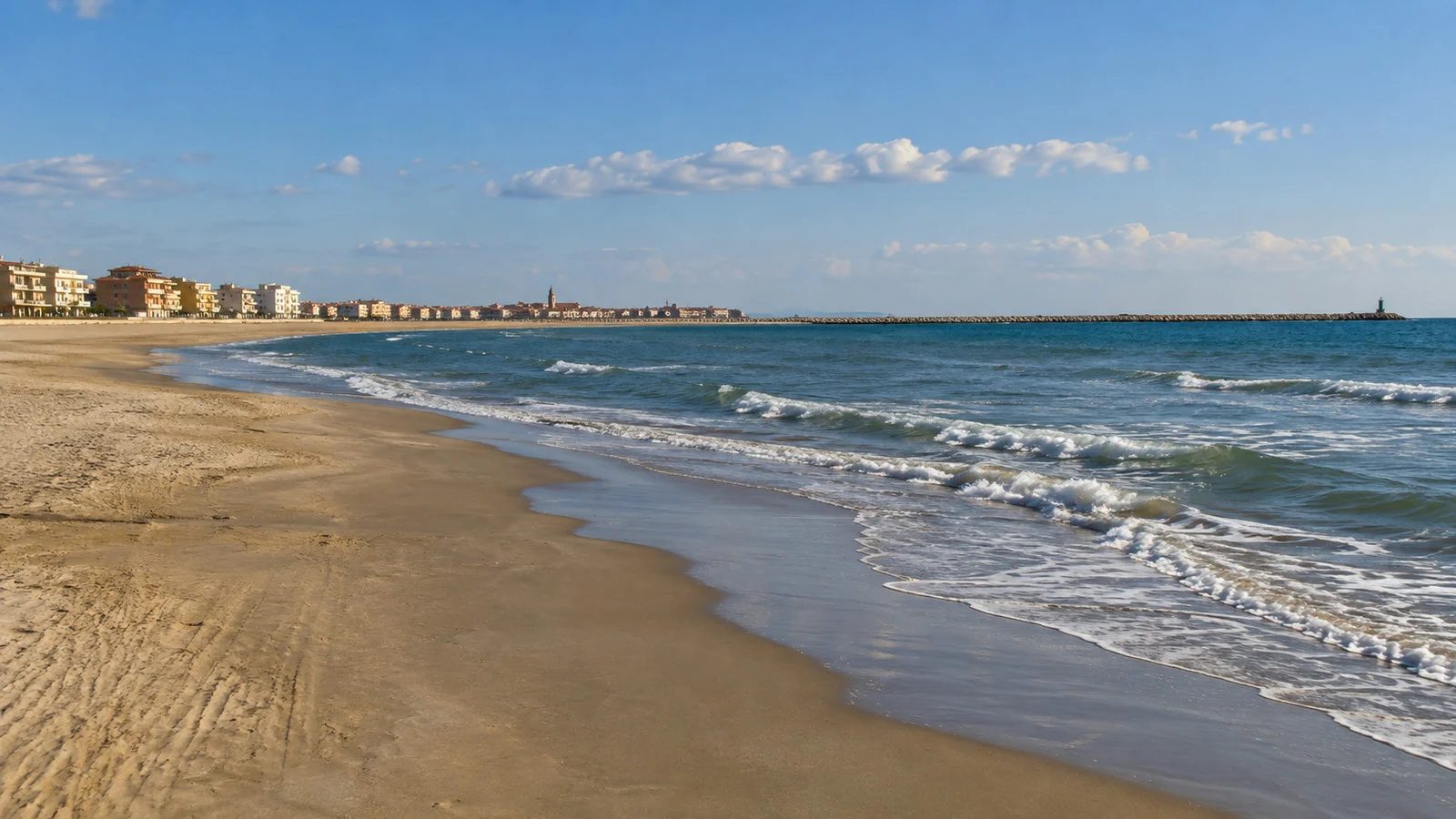
Sottomarina is the seaside part of the municipality, known for its long Adriatic beach, waterfront services, and a more conventional resort atmosphere. It can be a pleasant choice in warm weather, but it should not be confused with the historic center.
The official Visit Chioggia guide to Sottomarina provides current beach and area information. Check access points, seasonal services, and weather before deciding to trade canal sightseeing for beach time.
Walking to Sottomarina may be possible from some central locations, yet the combined distance can consume a short call. Local transport or a taxi can preserve time, especially if your ship is not berthed near the historic center.
A beach outing needs a firm return plan because changing facilities and traffic can add delays. Bring only what you can manage easily, and never assume the ship permits wet swimwear in public areas.
Can you visit Venice from Chioggia?
Venice and Chioggia share the lagoon, but they are not neighboring stops in the way a map can suggest. The public journey through the southern lagoon typically involves the Chioggia connection toward Pellestrina, island transport, another ferry stage, and onward travel from Lido.
ACTV operates the public network, and current schedules should be checked through the official ACTV site on the day of travel. Seasonal timetables, weather, crowding, and missed transfers can turn a scenic trip into a serious risk for a cruise passenger.
A cruise-line Venice excursion solves the biggest problem by coordinating transport and return responsibility. Read the description carefully because some tours spend substantial time in transit and may offer limited independent time in Venice.
If your itinerary already includes Venice on another day, use Chioggia for what it does differently. The market, fishing culture, quieter canals, and local restaurants are not consolation prizes.
Travelers with a very long call can consider the public lagoon route for its own sake, but it should be planned as a journey rather than a quick transfer. Confirm the last workable return connection, then choose an earlier one as your personal deadline.
Pellestrina as an alternative
Pellestrina can make more sense than continuing all the way to Venice because it preserves the southern lagoon atmosphere. Even so, the trip still depends on current ACTV service and enough time to wait, explore, and return.
The island is long and narrow, with fishing settlements and lagoon views rather than a dense sightseeing core. It suits travelers who value the journey and quiet scenery more than famous monuments.
Check whether your ticket covers each stage and validate it as required. Transport rules and fares change, so use official information instead of relying on screenshots from another traveler’s trip.
Accessibility and walking conditions
Central Chioggia is relatively compact and much flatter than many historic Italian towns, but that does not make every route step-free. Bridges may have stairs, paving can be uneven, curbs vary, and market aisles can become crowded.
Ask the cruise line about the actual gangway slope and distance to the shuttle or center. Water level can change the angle of access even when the quay itself is level.
A mobility-friendly plan can stay on Corso del Popolo and use carefully chosen crossings rather than following every canal. The tourism office can help identify current accessible routes, but construction or temporary market activity may alter them.
Wheelchair users considering public boats should verify the specific stops and vessels, not just the general accessibility policy. Boarding conditions can differ across the lagoon network.
Benches and cafe seating offer useful breaks, yet they are not evenly placed on every narrow lane. Pace the day before fatigue becomes a problem.
Weather, tides, and port changes
Lagoon weather can change quickly, with sun, wind, humidity, and showers all affecting the feel of a walking day. Bring a light rain layer, sun protection, and shoes that grip on wet paving.
High water, local works, or port operations may change a pedestrian route. Follow barriers and staff instructions rather than stepping around a closure for a photograph.
A windy or rainy morning can make a museum and cafe more appealing than a long island connection. Keep one indoor backup and one short outdoor route ready.
Cruise schedules can shift for navigation and operational reasons. Recheck the morning program even if your original itinerary listed a full day.
A simple short-call plan
Begin with Corso del Popolo, then turn toward Canal Vena and the fish market. If the market is closed, continue with the churches, bridges, and a cafe rather than spending the call searching for another entrance.
Choose lunch only after checking your turnaround time. A short cicchetti stop gives you more flexibility than a multi-course meal when the ship leaves early.
Set a phone alarm for the moment you need to start returning, not for the all aboard deadline. Add time for a bridge detour, a wrong turn, or a shuttle that fills before departure.
If you have a longer day
With more time, add one museum or continue to Sottomarina. Both options deepen the visit without requiring the complex commitment of a Venice transfer.
A guided walking tour can also be worthwhile because Chioggia’s fishing traditions, street plan, churches, and Venetian connections are easy to underestimate. Ask whether the tour includes market access and whether interiors are subject to current hours.
Keep at least one part of the day unstructured. Chioggia’s appeal depends on observation, and a completely packed schedule leaves no space for the small moments that make it distinct.
Quick answers
Is Chioggia worth leaving the ship for?
Yes, especially for travelers who enjoy working waterfronts, food markets, canals, and less polished places. It offers an authentic lagoon experience without needing to chase Venice.
Is the fish market always open?
No, and hours can vary by day, holiday, and local conditions. Check current official information and visit earlier when possible.
Can I walk from the berth?
Possibly, but the answer depends on the exact quay assigned to your ship. Confirm the route and any shuttle before leaving the gangway.
Should I go to Venice independently?
Usually not on a short call because the lagoon route involves multiple stages and little delay protection. A coordinated cruise excursion is the safer option when Venice is the priority.
What is the best local souvenir?
Choose something light and practical from a local shop, such as a food product that complies with ship rules or a small craft item. Raw seafood is not a sensible souvenir for a cruise cabin.
The last word
Chioggia is strongest when you let it be Chioggia. Follow the corso, pause over Canal Vena, watch the market at work, and taste something connected to the Adriatic.
Confirm the berth and return plan before you wander, then keep the day compact enough to enjoy. That balance delivers a richer call than spending every hour trying to reach somewhere more famous.
Research note: Practical details were checked against official Visit Chioggia, Chioggia fish-market, and ACTV transport information. Market hours, museum access, transit, berths, gangways, and cruise schedules can change, so verify them again for your sailing date.