Leixões Cruise Port: Your Gateway to Porto
Leixões is the cruise gateway to Porto, and that is the whole point of the stop. Ships dock in Matosinhos, and the real prize, the UNESCO-listed heart of Porto, sits a short metro or taxi ride inland.
Here is how I would plan a smooth, memorable day from this port.
My quick take
Treat Leixões as “Porto with a beach attached.” You land in Matosinhos, but I would head straight for Porto’s old town, then loop back for seafood near the ship.
If this is your first port in the country, my Portugal cruise ports overview and the Europe cruise ports hub help you slot it into a wider itinerary.
The quick facts
- Where you land: the modern Porto Cruise Terminal on the South Pier of the Port of Leixões, a striking coiled white building in Matosinhos. Francisco Sá Carneiro Airport is only about 6 miles away, handy if you are joining or leaving the ship here.
- Dock or tender: Cruise ships normally berth alongside at Leixões, but the terminal and authorized exit route depend on the assigned quay.
- Into town: Matosinhos beach and the seafood restaurants are about a 15 minute walk.
- Currency and language: The euro (EUR) and Portuguese.
- Time zone: Western European Summer Time (WEST, UTC+1) from late March to late October, and Western European Time (WET, UTC+0) in winter.
- How often the call is missed: Low (roughly 1 to 2%): the sheltered berth is rarely limited by local weather.
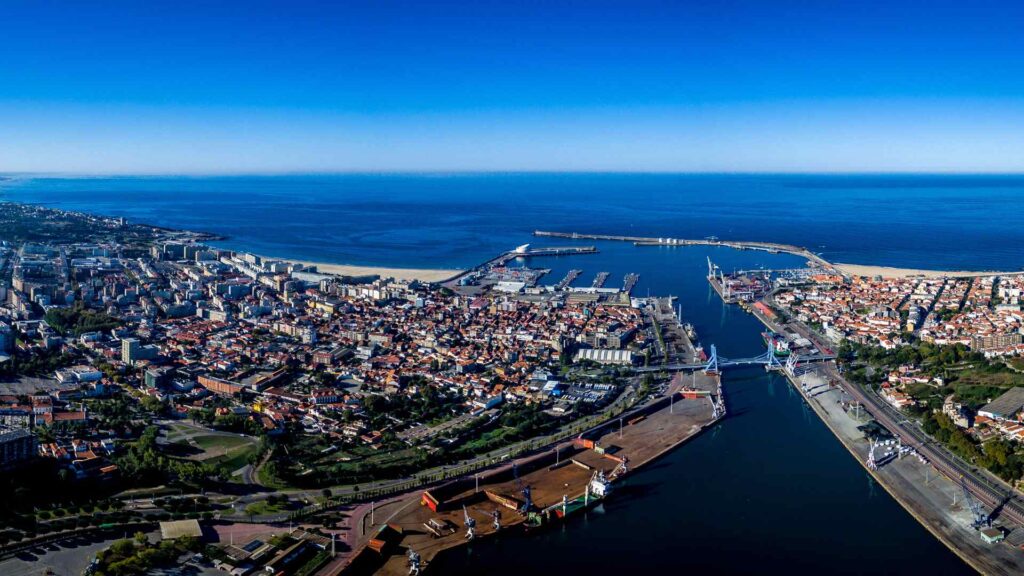
Fun fact: Porto is a UNESCO World Heritage city
Porto’s historic center, together with the Luís I Bridge and the Monastery of Serra do Pilar, is a UNESCO World Heritage Site. That listing is exactly why I steer cruisers away from the port area and into the old town.
Getting from Leixões into Porto
The budget independent route starts with a walk or short taxi to Matosinhos Sul on Line A of the Porto Metro. Confirm the terminal exit and current service because the station is not beside the gangway.
Line A runs to Trindade, where you can walk downhill, connect to Line D for São Bento, or continue by local transit. A taxi or ride-hailing car is faster and easier for a group or anyone avoiding the steep last mile.
Many ships also sell a shuttle into Porto, and hop-on-hop-off buses run from the city. Confirm the exact metro fare and any shuttle price on the day, since these change.
The stops I’d actually spend time on
With a cruise-length day, I would front-load Porto and keep Matosinhos for the tail end near the ship. Here are the places worth your limited hours.
The Ribeira riverfront
Ribeira is the postcard Porto: tiled facades, steep lanes and cafe tables stacked above the Douro. It sits inside the UNESCO-listed core, so it is the one area I would not skip.
The Dom Luís I Bridge
This double-deck iron arch links Ribeira with Vila Nova de Gaia, and the upper walkway gives the best river views in the city. Fun fact: it was designed by Théophile Seyrig, a former partner of Gustave Eiffel, whose workshop shaped much of Porto’s ironwork.
The port wine cellars in Vila Nova de Gaia
Cross the bridge to Gaia, where the historic lodges age port wine in cool riverside cellars. Fun fact: Porto gave port wine its name, so a tasting here is about as local as it gets.
Livraria Lello
The Livraria Lello is a 1906 bookshop with a carved forked staircase and stained-glass ceiling. Buy a timed ticket ahead, as it gets busy.
Fun fact: local lore ties it to Harry Potter, since J.K. Rowling taught English in Porto, though the shop itself treats that as legend.
São Bento train station
Step inside São Bento even if you are not catching a train. Its entrance hall is lined with roughly 20,000 azulejo tiles depicting scenes from Portuguese history.
The Clérigos Tower
This baroque bell tower is a Porto landmark, and the climb up its narrow stair rewards you with a wide view over the rooftops. It is an easy add-on near Livraria Lello.
Porto Cathedral (Sé)
The Sé is a fortress-like Romanesque cathedral in the upper old town. Its terrace is one of the better free viewpoints over the river and the tiled hillside.
The Bolsa Palace
The 19th-century Palácio da Bolsa, the old stock exchange, is famous for its gilded Arab Room. Visits are by guided tour, so factor in the timing if you want to see inside.
The Serralves museum and gardens
Serralves pairs a contemporary art museum with a pink art deco villa and sweeping gardens. It is calmer than the old town and works well if you want green space over crowds.
A Douro river cruise
The classic “six bridges” boat trip runs from Ribeira or Gaia and lasts under an hour. It is the fastest way to see the bridges and both riverbanks from the water.
Matosinhos beach and seafood
Right by the port, Matosinhos has a broad surf beach and Porto’s best-known grilled-fish restaurants. This is where I would end the day, close enough to the ship to relax about the clock.
The “She Changes” sculpture
On the Matosinhos seafront stands She Changes, a huge red net sculpture by artist Janet Echelman. Locals often call it the anemone, and it billows in the Atlantic wind above the roundabout.
How I’d plan the day
Short on time (about 4 hours): taxi straight to Ribeira, walk the Dom Luís I Bridge, and duck into one Gaia cellar for a quick tasting before heading back.
A steady day (about 6 hours): add São Bento and choose either Clérigos or Livraria Lello with a timed ticket. Add a Douro boat trip only if its departure leaves your return margin intact.
A full day (8 hours): add one port-wine cellar or a six-bridges cruise, then return to Matosinhos for seafood near the ship. Trying to combine every ticketed interior with the beach creates more transit than enjoyment.
Whatever you pick, build in a return buffer. Give yourself at least 60 to 90 minutes to get back from central Porto before all-aboard.
A realistic word on accessibility
The terminal itself is modern, step-free and easy to move through. Porto is the harder part: the old town is steep and cobbled, so plan flatter riverside routes if steps are a challenge.
If you use a wheelchair or need step-free transport, confirm accessible taxi or shuttle options with your cruise line before the day.
When to go, and the weather
The Porto cruise season leans heavily on spring through autumn. Late spring and early autumn give you warm, walkable days without peak summer crowds.
Summer is generally drier and busiest, while winter calls can be wet and windy. Atlantic weather can also affect berthing and Douro boats, so keep Matosinhos or an indoor Porto route as a fallback.
Quick answers
Is Leixões actually Porto?
No, Leixões is in Matosinhos, and allow roughly 30 to 60 minutes to central Porto once the terminal exit, station walk or traffic, and any Metro connection are included.
Can I reach Porto on my own?
Yes, using Metro Line A from Matosinhos Sul, a taxi, or a ship shuttle, with the best choice depending on time, group size, and mobility.
How much time do I need for the port wine cellars?
Allow about an hour for a standard tour and tasting in Vila Nova de Gaia, plus travel time across the bridge.
For more planning, see my guide to Lisbon cruise port and my tips for first-timer cruise ports.

How this guide was researched: Unless a first-hand visit is explicitly identified above, this guide is based on independent research using official port, tourism, transit, government, and attraction sources where available. Logistics and time-sensitive details were reviewed in September 2026; see our Editorial Policy.