Kirkwall Cruise Port: Neolithic Orkney & Scapa Flow
Orkney has stone circles older than the pyramids, a cathedral founded by a Viking earl, and a sunken German fleet in the bay. It also has weather that can do four seasons before lunch.
The harbor authority calls Orkney the UK’s most popular cruise destination, and the ships range from 12 passengers to over 4,000. Which pier you get changes everything about your day.
My quick take
This is one of the best ports in Britain and I will not be talked out of it. The concentration of Neolithic sites here is close to unmatched in Europe, and they are all within a short drive of Kirkwall.
The catch is that Kirkwall town and the famous stones point in opposite directions. You have to choose, and most people underestimate how much time the west mainland loop takes.
My advice is to book the Neolithic sites and treat the town as a bonus at the end. Skara Brae in particular sells out, and turning up hoping is a bad strategy.
It also sits alongside the best of Scotland’s other calls, which my roundup of UK cruise ports covers. Kirkwall is the one people are surprised by.
Kirkwall Cruise Port Quick Facts
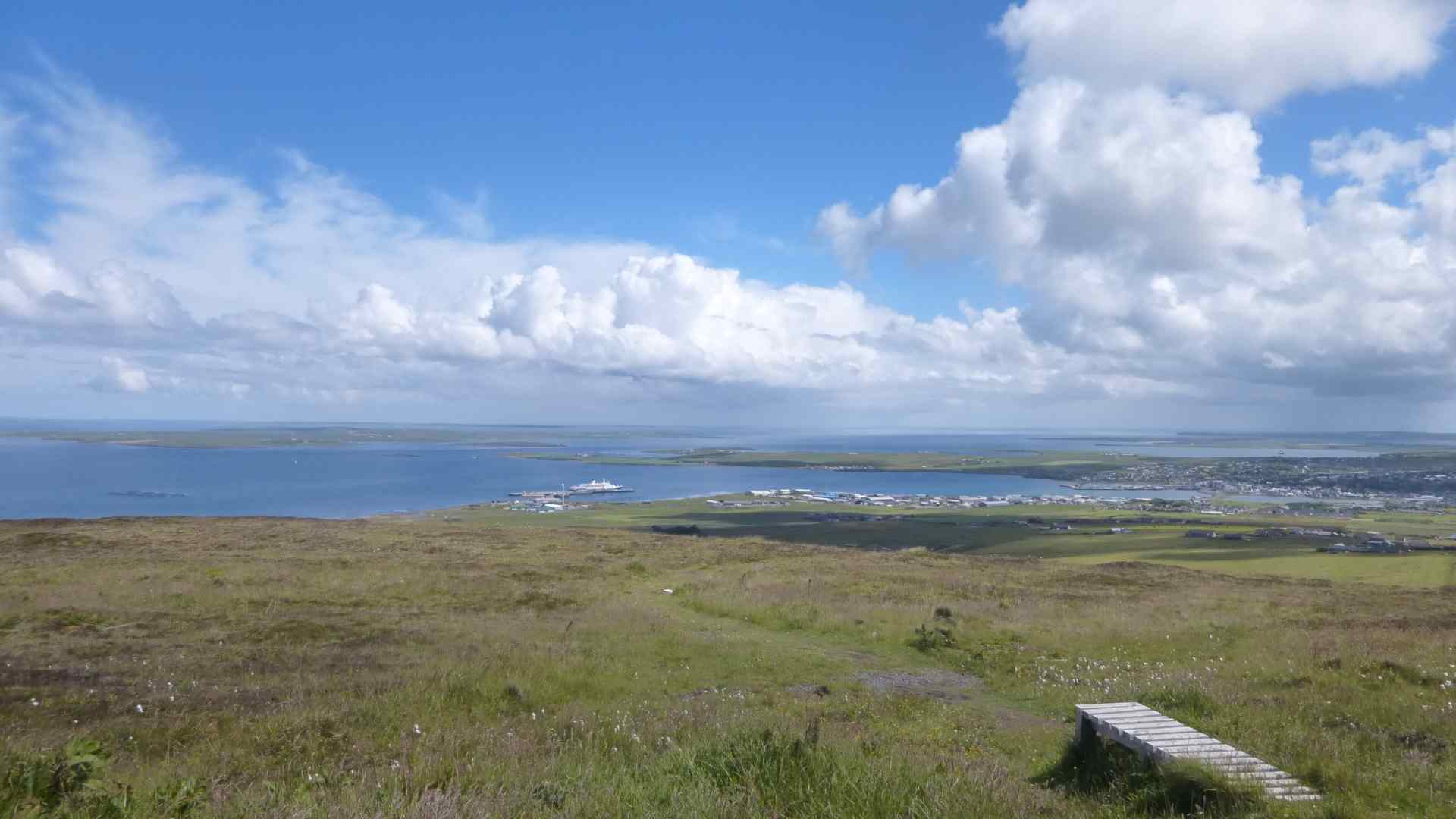
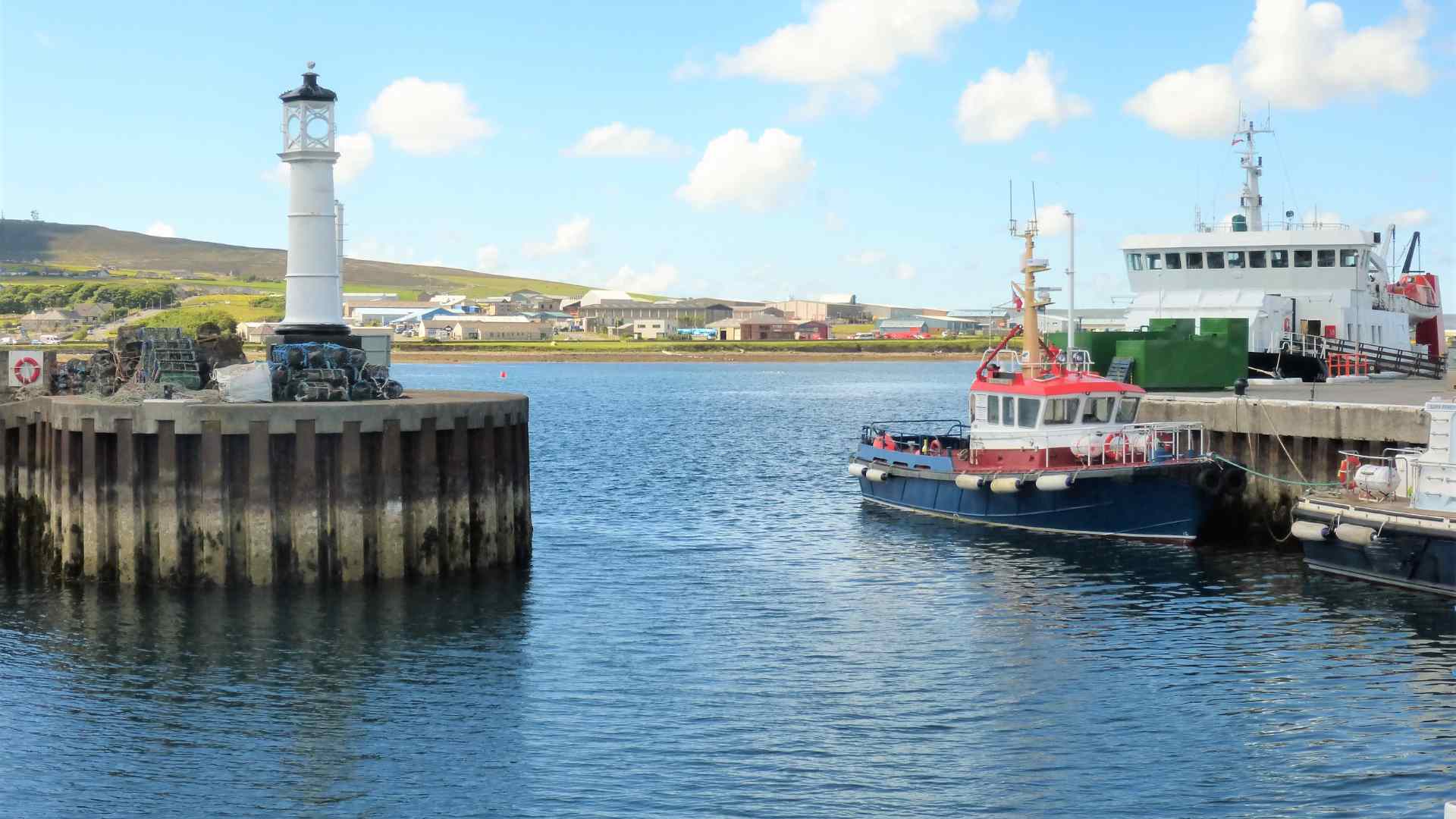
- Where you land: either Hatston Pier, the deep water berth about 1.5 miles outside Kirkwall, or the town berth at Kirkwall Pier itself. Big ships use Hatston; smaller vessels can get the town berth.
- Dock or tender: Ships normally berth alongside; anchorage and tendering can still be used when berth assignments require it.
- Into town: Hatston needs a shuttle; Kirkwall Pier is already downtown.
- Currency and language: British pounds sterling (GBP) and English, with Orcadian place names everywhere.
- Time zone: British Summer Time (BST, UTC+1) through the cruise season, GMT (UTC+0) in winter.
- Weather and operations: Wind and sea conditions can change berth, tender, shuttle, or tour arrangements, so confirm the ship’s final plan each morning.
Hatston Pier versus the town berth, and why it matters
This is the single most important thing to know about Kirkwall because the berth changes the first and last part of the day. Check the cruise line and Orkney Harbours schedule, then recheck onboard because operational assignments can still change.
Hatston Pier is the deep water facility just outside town, and it takes the large ships. It is functional rather than charming, and there is nothing to do at the pier itself.
Dedicated cruise-day shuttles normally connect Hatston with Kirkwall, but the operator, fare, accessibility, and last departure must be confirmed for the sailing. Use the shuttle or arranged transport rather than assuming the industrial route is a practical walk.
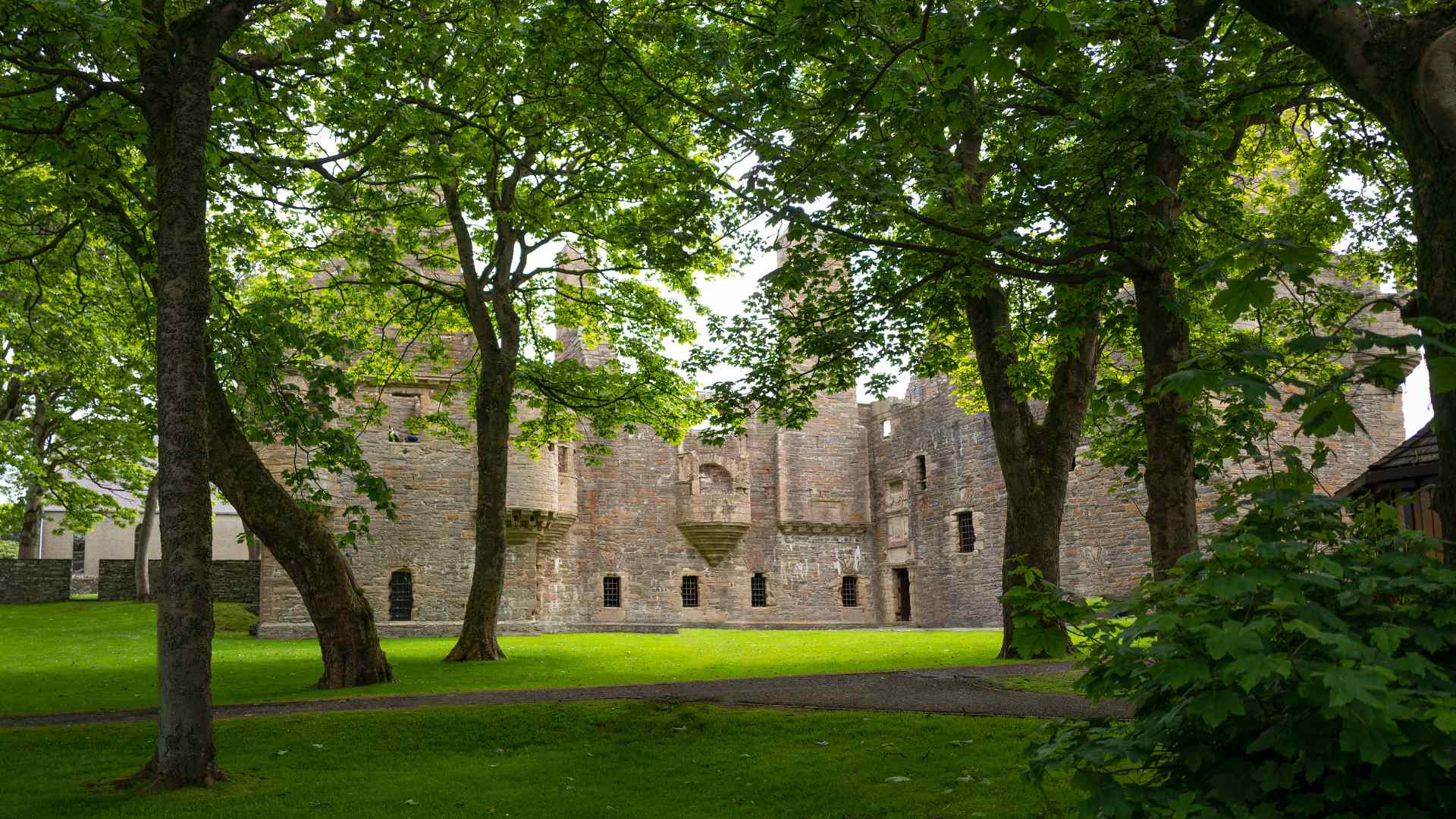
Kirkwall Pier, the town berth, is the good one, and smaller ships get it. You step off into the harbor front and the cathedral is a stroll away through the old streets.
Orkney Islands Council manages 29 piers and harbors in total, and its cruise pages at Orkney Harbours publish the season’s arrival schedules. Worth a look if you want to know how many other ships share your day.
Getting around
Kirkwall is small and walkable once you are in it, with the cathedral, the museum, and the shops all within a few streets. That part needs no planning at all.
For the Neolithic sites you need wheels, and the options are a ship excursion, a local tour, or a taxi with a driver who knows the loop. Independent taxis get snapped up fast on a big ship day.
Local buses reach parts of the mainland and some routes pass near major sites, but service frequency and the final walk vary. Build the plan from the live timetable in both directions rather than from distance alone.
Schedules and route detail are on the official Orkney getting around guide, and I would read it before deciding to wing it. Bus frequency is the deciding factor here, not distance.
A rental car can work when it is reserved for a cruise-compatible pickup, the driver is comfortable keeping left, and the group has a firm turnaround time. A local tour or prebooked taxi costs more but removes pickup, navigation, parking, and fuel decisions.
The stops I would actually spend time on
Orkney has more genuinely important sites than any port day deserves. This is the shortlist, and you will manage perhaps four of them.
Skara Brae: A Neolithic village on the west coast, uncovered by a storm and preserved well enough to show the stone furniture. Book ahead, because this is the site everyone wants and capacity is limited.
The Ring of Brodgar: A huge stone circle that originally held about 60 stones, with 27 still standing in the open moorland between two lochs. Access is free, exposed, and subject to conservation diversions or closures when ground conditions require them.
The Stones of Stenness: An elliptical circle with its henge, a short hop from Brodgar and often skipped. Fewer stones, fewer people, same age.
Maeshowe: A chambered tomb whose passage lines up with the winter solstice sunset, later broken into by Vikings who left graffiti. Entry is by timed guided tour only, so book it or skip it.
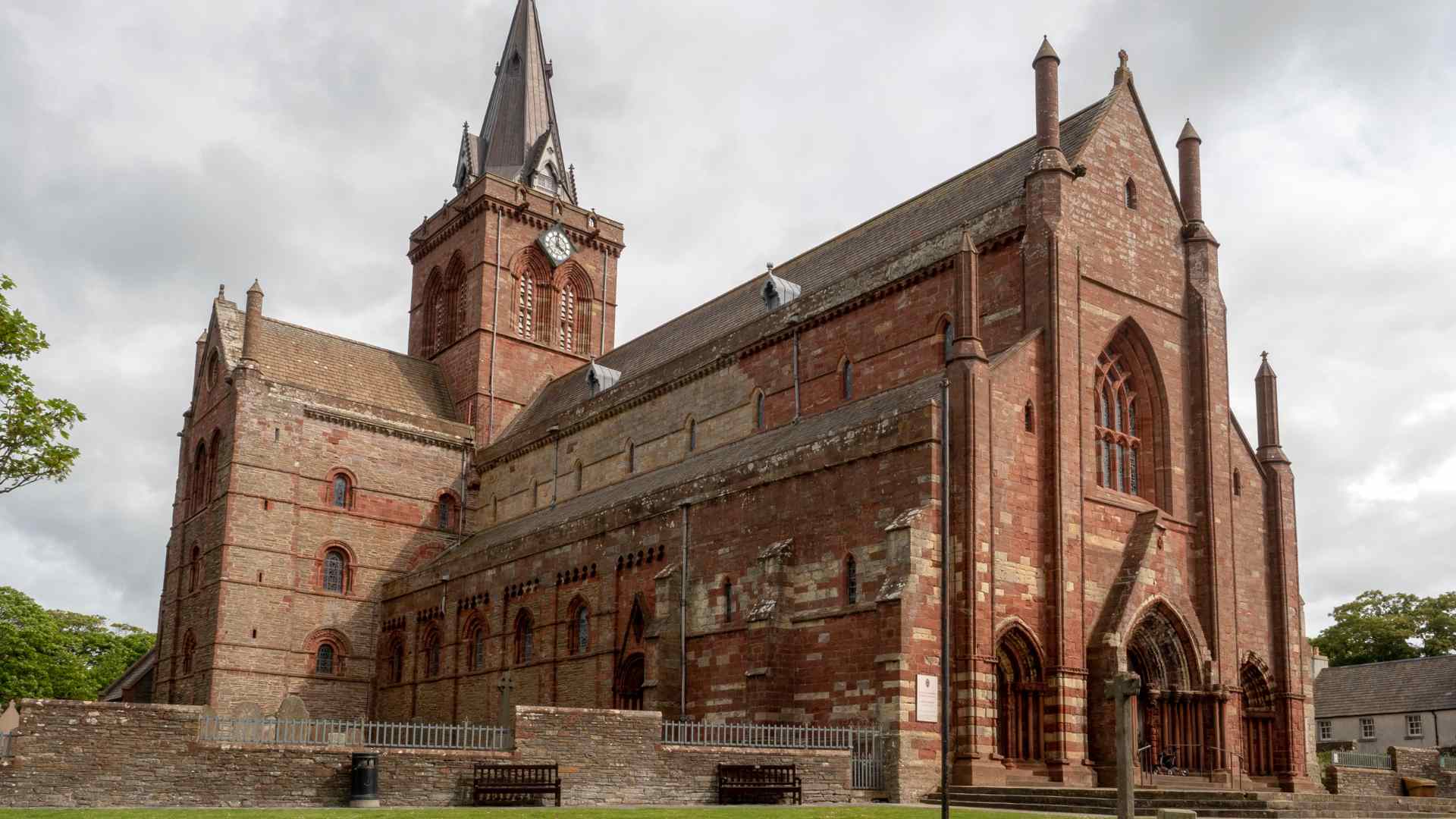
St Magnus Cathedral: Founded in 1137 by Earl Rognvald in honor of his murdered uncle, and known as the Light in the North. It belongs to the people of Orkney and sits right in the middle of Kirkwall.
Scapa Flow: A vast sheltered anchorage of roughly 125 square miles where the interned German fleet was scuttled in 1919. Road viewpoints south of Kirkwall show the water, while museums and dive sites require separate logistics.
The Italian Chapel: Two Nissen huts turned into a chapel by Italian prisoners of war, on Lamb Holm across the Churchill Barriers. Small, strange, and genuinely moving.
Highland Park distillery: One of the most northerly Scotch distilleries, on the southern edge of Kirkwall. Tours need booking ahead, and they fill up on cruise days.
Stromness: The other Orkney town, on the west coast, all flagstone streets and gable ends to the sea. A good pairing with Skara Brae if your tour goes that way.
Fun fact: The four monuments were inscribed together by UNESCO in 1999 as the Heart of Neolithic Orkney, representing a culture that flourished roughly between 3000 BC and 2000 BC. That makes Brodgar older than Stonehenge’s great trilithons and considerably older than the pyramids at Giza.
How I would plan the day
On a full day I do the west mainland first, taking Skara Brae, Brodgar, and Stenness in one loop. That is most of the morning and the best part of the island.
Then back to Kirkwall for the cathedral and an hour of the town. That order matters, because the timed sites are the ones that punish you for running late.
On a short call, keep the day in Kirkwall unless the Italian Chapel is covered by a prearranged transfer with a conservative return. Adding an independent road outing removes the main advantage of a compact cathedral-and-museum plan.
The Scapa Flow Museum at Lyness needs an inter-island ferry, which realistically rules it out on a port day. Admire the water from the road instead and save the museum for a proper visit.
For poor weather, make St Magnus Cathedral and the Orkney Museum the core, then add outdoor stops only when conditions allow. A waterproof shell and grippy shoes still matter because wind can affect exposed sites, tenders, and buses.
Stay on marked routes at the World Heritage sites and never touch, climb, or step onto prehistoric stones or archaeology. Historic Environment Scotland may restrict paths to protect saturated ground, so a booked ticket does not override a same-day closure.
Reach the Hatston shuttle point or Kirkwall quay 60 minutes before all-aboard after a town day, and the port 90 minutes early after the west mainland or Churchill Barriers. Add more margin when a timed site, public bus, or tender creates another connection.
A realistic word on accessibility
Kirkwall town is flat and short, and the cathedral is mostly level inside, so the town half of the day is reasonable. Shuttle buses from Hatston are standard motorcoaches, so check whether an accessible vehicle is available.
The ancient sites are the hard part and they differ enormously. Skara Brae has a paved approach, Brodgar involves rough ground and wind, and Maeshowe requires a stooped walk down a low passage.
If your ship anchors instead of docking, the tender adds a whole extra layer, and my guide to the best cruise tender ports explains what to expect. For a wider comparison, see my roundup of wheelchair-friendly cruise ports.
When to go, and the weather
The cruise season runs roughly May through September, and even at its warmest Orkney is cool. Summer highs typically sit in the high 50s to low 60s Fahrenheit.
The wind is the defining feature, not the temperature. There are almost no trees here for a reason, and standing at Brodgar in a gale is genuinely part of the experience.
June gives you very long daylight, while later calls generally bring shorter days and fewer seasonal services. No month promises calm seas in Orkney, so choose the itinerary for daylight and interests rather than a supposed weather guarantee.
Pack a proper waterproof jacket, warm layers, and shoes you do not mind soaking. An umbrella is a joke item in Orkney and will not survive the walk to the pier.
Quick answers
Which pier will my ship use?
Larger vessels commonly use Hatston while smaller vessels may berth at Kirkwall Pier, but anchorage and operational changes remain possible; confirm the assigned berth and shuttle plan onboard.
Can you see Skara Brae and the Ring of Brodgar in one day?
Yes, they sit in the same corner of the west mainland and tours routinely combine them; book Skara Brae ahead, because capacity is limited and cruise days fill it.
Is Kirkwall worth staying in rather than touring?
If you have a short call, absolutely; st Magnus Cathedral, the museum, and the craft shops make a satisfying few hours with no transport risk.
Can you visit Scapa Flow?
You can see it easily from the road south of Kirkwall and from the Churchill Barriers; the Scapa Flow Museum at Lyness needs an inter-island ferry, which does not fit a normal port day.
The last word
Kirkwall is the port that quietly turns into the best day of the cruise. It is not pretty in the postcard sense, and it does not need to be.
If your itinerary strings together Scottish calls, my Invergordon guide covers the Highlands equivalent, with Loch Ness and castles instead of stone circles. Two very different versions of the same country.
And for the city end of Scotland, my Edinburgh cruise port guide is the obvious companion. Orkney is the one you will bore people about afterward.
How this guide was researched: Unless a first-hand visit is explicitly identified above, this guide is based on independent research using official port, tourism, transit, government, and attraction sources where available. Logistics and time-sensitive details were reviewed on September 11, 2026; see our Editorial Policy.