La Rochelle Cruise Port: La Pallice Shuttle and Old Port
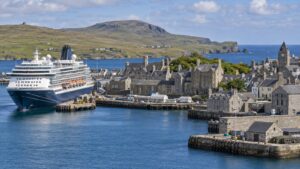
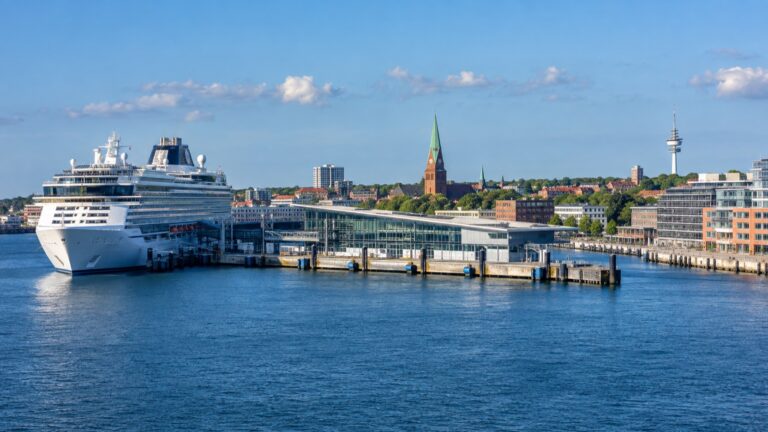
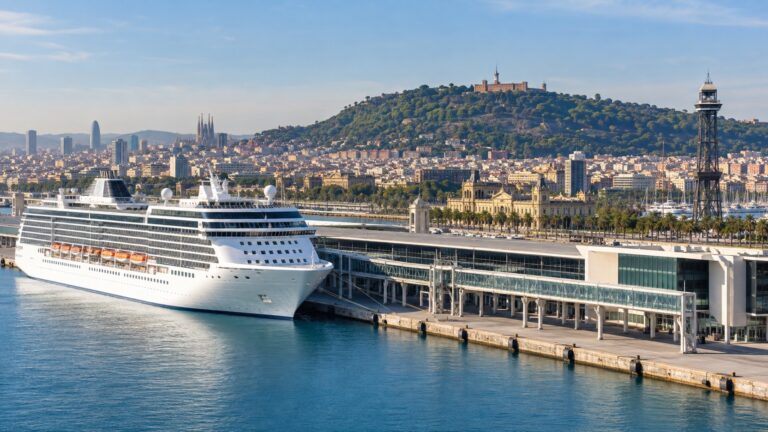
La Rochelle is one of France’s loveliest Atlantic port cities, but your first view from the ship is usually more industrial than romantic. Large cruise vessels berth at La Pallice, a secure commercial harbor several miles from the medieval towers and café-lined quays of the Old Port.
That separation is easy to manage when you know the plan. Take the authorized shuttle or transfer into the center, spend the day exploring on foot, then return with enough margin for traffic and port security.
Quick Facts
- Port area: La Pallice, also called the Grand Port Maritime or Port Atlantique La Rochelle
- City transfer: Cruise shuttle, excursion coach, authorized taxi, or prearranged vehicle
- Main destination: The Old Port and historic center of La Rochelle
- Top sights: Medieval harbor towers, arcaded streets, central market, Maritime Museum, and aquarium
- Currency: Euro, with cards widely accepted and some cash still useful
- Language: French, with English common in many visitor settings
- Popular day trip: Île de Ré, best with confirmed transportation and a disciplined return
- Key planning issue: Do not try to walk through the secure commercial port
Where Cruise Ships Dock in La Rochelle
Ocean cruise ships normally use the deepwater facilities at La Pallice, west of central La Rochelle. This is an active cargo and commercial port, not the picturesque Old Port shown in tourism photographs.
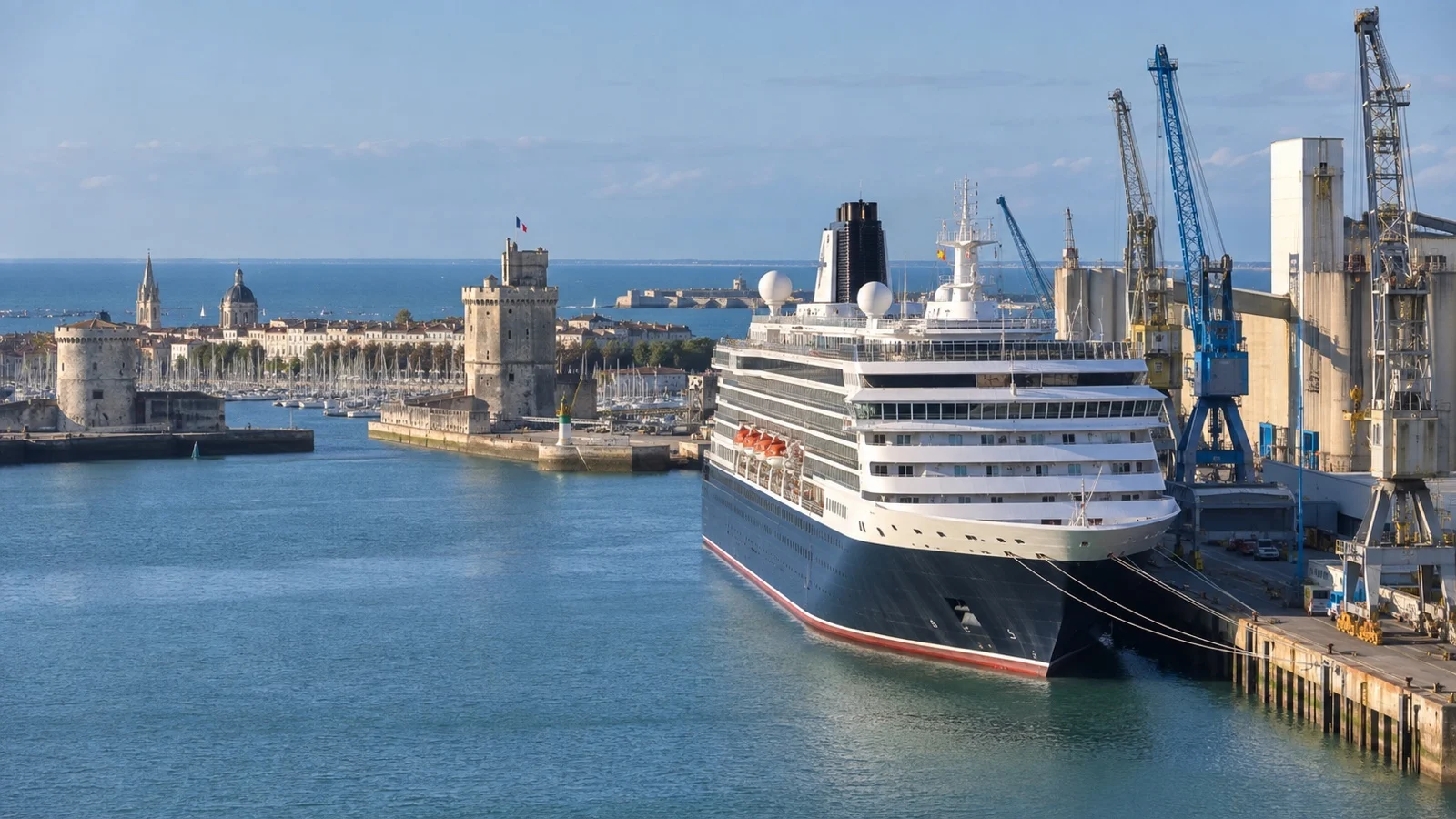
Your exact berth and passenger route can change with the ship and port operation. Gangway position, terminal facilities, shuttle pickup, immigration, and security checks should all be confirmed from the information delivered onboard.
Smaller vessels may occasionally follow a different arrangement, but independent plans should never assume a central berth. Build the day around the cruise line’s current transfer instructions rather than a map pin labeled simply “Port de La Rochelle.”
Leaving the Secure La Pallice Port
Passengers generally cannot walk freely through the working port from the ship to city streets. Heavy vehicles, rail activity, restricted zones, and security controls make an authorized transfer the practical and safe route.
A cruise shuttle often connects La Pallice with a central drop point, though the provider, price, frequency, and destination can vary by call. Ask whether it stops near the Old Port, Place de Verdun, the tourist office, or another location, then save that exact return point.
If you use a taxi or private driver, confirm whether the vehicle has port access and where the meeting is permitted. “Outside the terminal” is not precise enough in a large secured harbor.
Carry the identification and ship card specified by your cruise line. Allow time for screening when you return because reaching the port gate is not the same as reaching the gangway.
Shuttle Strategy That Saves Time
Photograph the shuttle sign, note the last departure from town, and ask how frequently buses are expected to run. Cruise-day service may be continuous, timed, or dependent on demand, and a late-afternoon line can form when several tours finish together.
The morning ride gives you a useful look at the distance between La Pallice and the historic center. Use that time to identify traffic bottlenecks and decide how early you want to start the return.
Do not cut the schedule to the final advertised bus unless the cruise line explicitly instructs you to do so. An earlier shuttle protects you from queues, a full coach, road delays, and extra security time.
The Old Port
The Vieux Port is the natural center of a first visit. Its basin, pleasure boats, historic façades, waterside cafés, and monumental entrance towers make the maritime character of La Rochelle immediately clear.
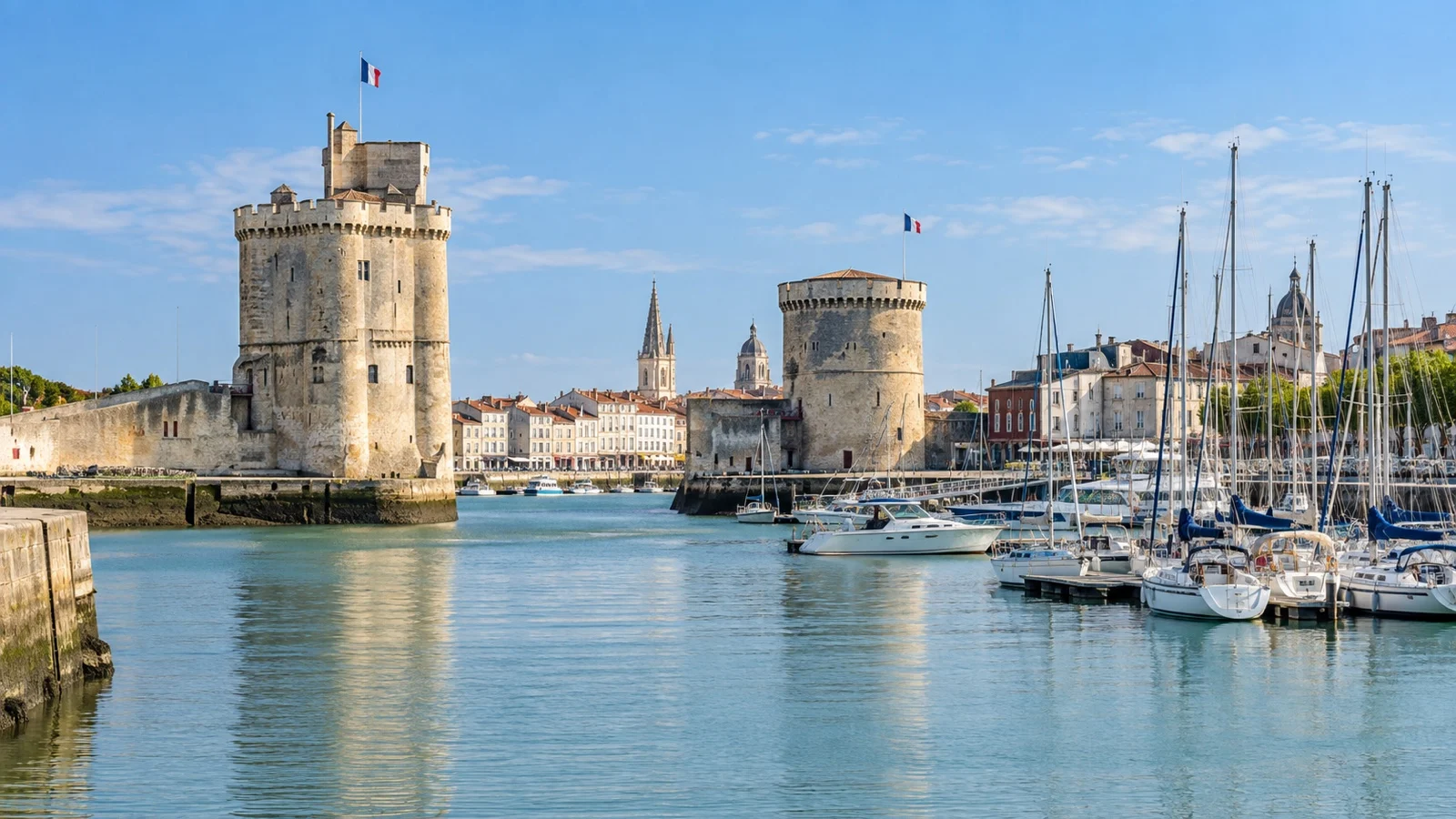
Tour Saint-Nicolas and Tour de la Chaîne frame the old harbor entrance, while Tour de la Lanterne stands nearby along the seaward defenses. France’s Centre des monuments nationaux identifies all three as remains of the city’s medieval maritime fortifications.
Access, opening schedules, exhibitions, and restoration work can change. The official towers website currently notes conservation activity at Tour Saint-Nicolas, so confirm which interiors and viewpoints are open on your date.
You do not need to climb every tower to appreciate the setting. The quays and approaches offer strong views, while one carefully chosen tower gives more meaning than rushing through three ticket lines.
Walking the Historic Center
La Rochelle’s old streets reward wandering, especially beneath the sheltered stone arcades. Pale façades, carved doorways, small squares, shops, and cafés create an easy transition from the harbor into the city.
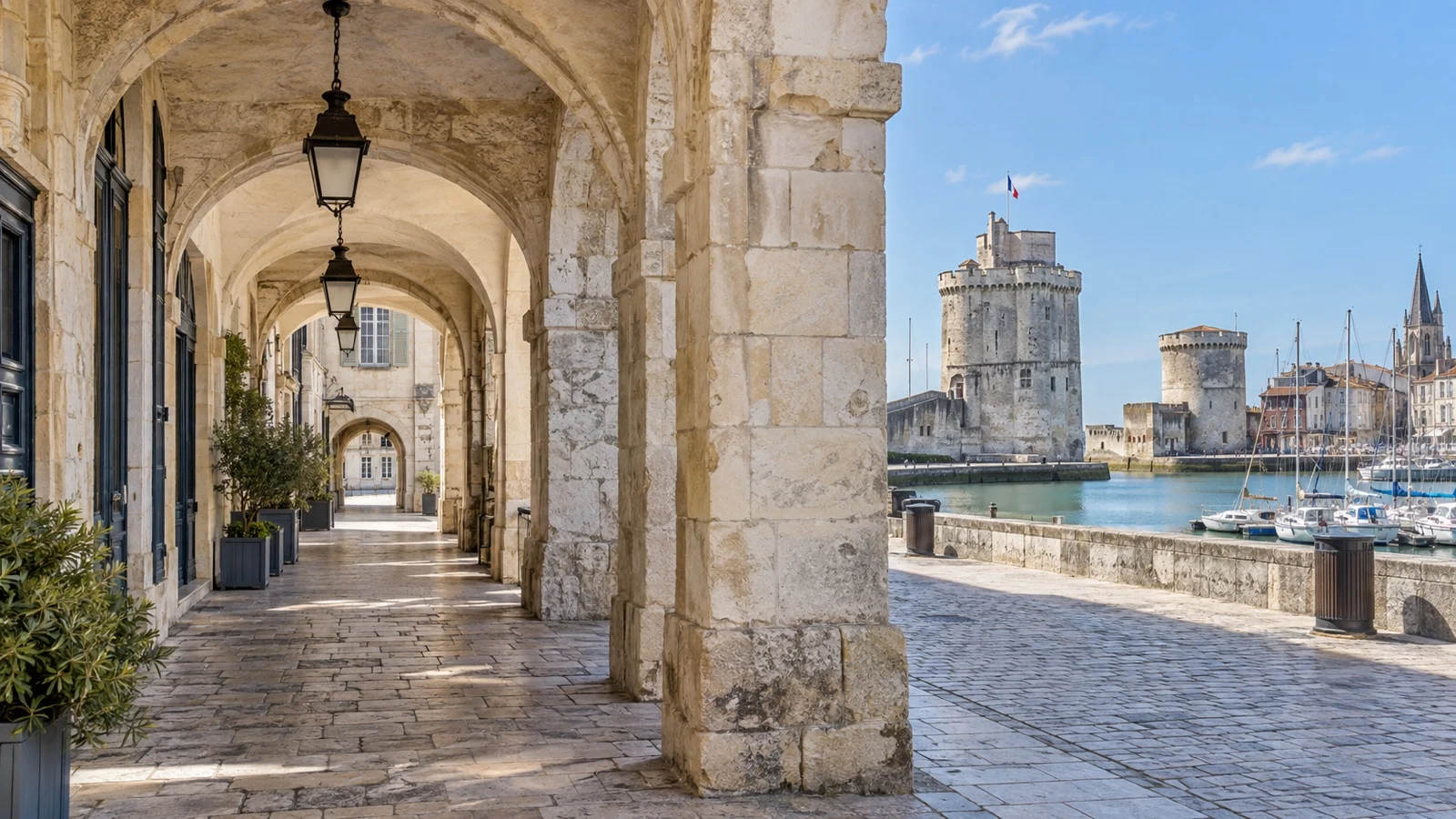
The arcades are useful in sun or rain, but surfaces can be uneven and some lanes are shared with bicycles or service vehicles. Stay aware at crossings and avoid stopping abruptly in narrow passages.
The Hôtel de Ville is one of the city’s major historic landmarks, with access depending on current opening arrangements. Even when an interior visit is unavailable, the surrounding streets fit naturally into a loop between the harbor and market.
A focused walk can include the harbor towers, arcades, market quarter, and Saint-Louis Cathedral area without needing local transportation. Keep a map offline because stone streets and similar façades can make orientation less obvious than expected.
The Central Market
La Rochelle’s covered market and surrounding stalls are a lively way to understand the region’s food culture. Seafood, oysters, mussels, cheese, produce, bread, and prepared specialties may appear according to season and market day.
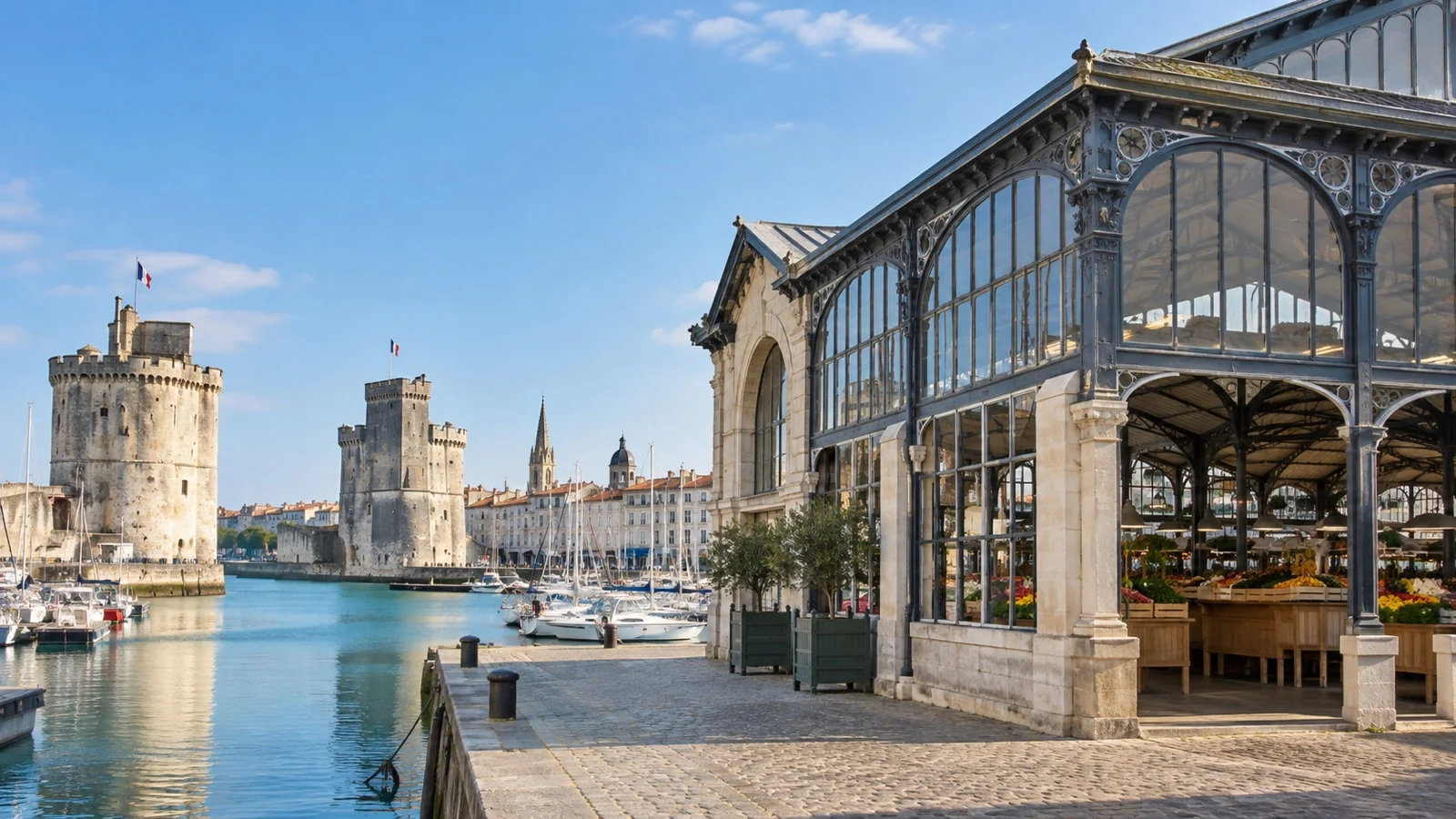
Operating days and the scale of the outdoor market vary, so check the official tourism calendar. Arrive earlier for the fullest atmosphere, then choose a café or approved stall where you can sit and enjoy what you buy.
Ask before photographing vendors or close-up displays. If you purchase food to take back onboard, remember that ship rules and the next port’s biosecurity requirements may restrict fresh products.
Maritime Museum
La Rochelle’s Maritime Museum is a strong choice when you want deeper context for the city’s relationship with the Atlantic. The official museum describes a collection of historic vessels, objects, testimony, a permanent port-history exhibition, and visitable ships within its heritage fleet.
Some parts of the experience are afloat, while others are ashore. Gangways, steps, vessel interiors, weather, maintenance, and seasonal access can affect what is open and how physically demanding the visit feels.
Check current hours and choose the museum as a main stop rather than squeezing it between too many attractions. It pairs naturally with the Old Port, harbor walk, and nearby waterfront districts.
La Rochelle Aquarium
The aquarium is one of the city’s best-known family and wet-weather attractions. It sits near the central waterfront and can be reached without a long regional transfer once your shuttle arrives in town.
Timed entry, cruise-day crowds, school holidays, and opening hours can affect the visit. Buy through the official aquarium site if advance admission is important, and leave enough time to enjoy the exhibits rather than turning them into a sprint.
The indoor setting offers relief from rain, wind, or summer heat, but it is not a tiny attraction. Decide in advance whether the aquarium is the day’s anchor or one shorter element of a broader walking plan.
A Strong First-Time City Route
My favorite simple route begins at the Old Port, circles the medieval towers, enters the arcaded historic center, and reaches the market before lunch. Afterward, choose either a tower interior, the Maritime Museum, or the aquarium.
This keeps the day geographically coherent and leaves room for a coffee, pastry, or seafood meal. It also makes the return to the shuttle point much easier than crossing the city repeatedly.
If your shuttle uses Place de Verdun, the route can be reversed through the center toward the harbor. Save the pickup location before sightseeing because there may be several bus stops and tour-coach areas nearby.
Île de Ré From the Cruise Port
Île de Ré is the most tempting day trip from La Rochelle, known for villages, bicycles, beaches, salt-marsh landscapes, and whitewashed houses. The island is connected to the mainland by a bridge, but popular roads and village access can become busy.
A ship excursion or prearranged private tour is the safest cruise-day choice. It coordinates the port pickup, bridge crossing, parking, village sequence, and return without asking you to improvise multiple transport links.
Saint-Martin-de-Ré is the island’s best-known fortified harbor town, with Vauban defenses recognized as part of a UNESCO World Heritage property. La Flotte and other villages can also be appealing, but each added stop costs travel and parking time.
Choose one or two places rather than trying to circle the island. The experience should feel like a coastal escape, not a race between roundabouts.
Cycling on Île de Ré
The island has a strong cycling culture and extensive routes, but a cruise day adds time pressure. Rental setup, navigation, wind, shared paths, mechanical problems, and the bridge transfer all need to fit inside a fixed schedule.
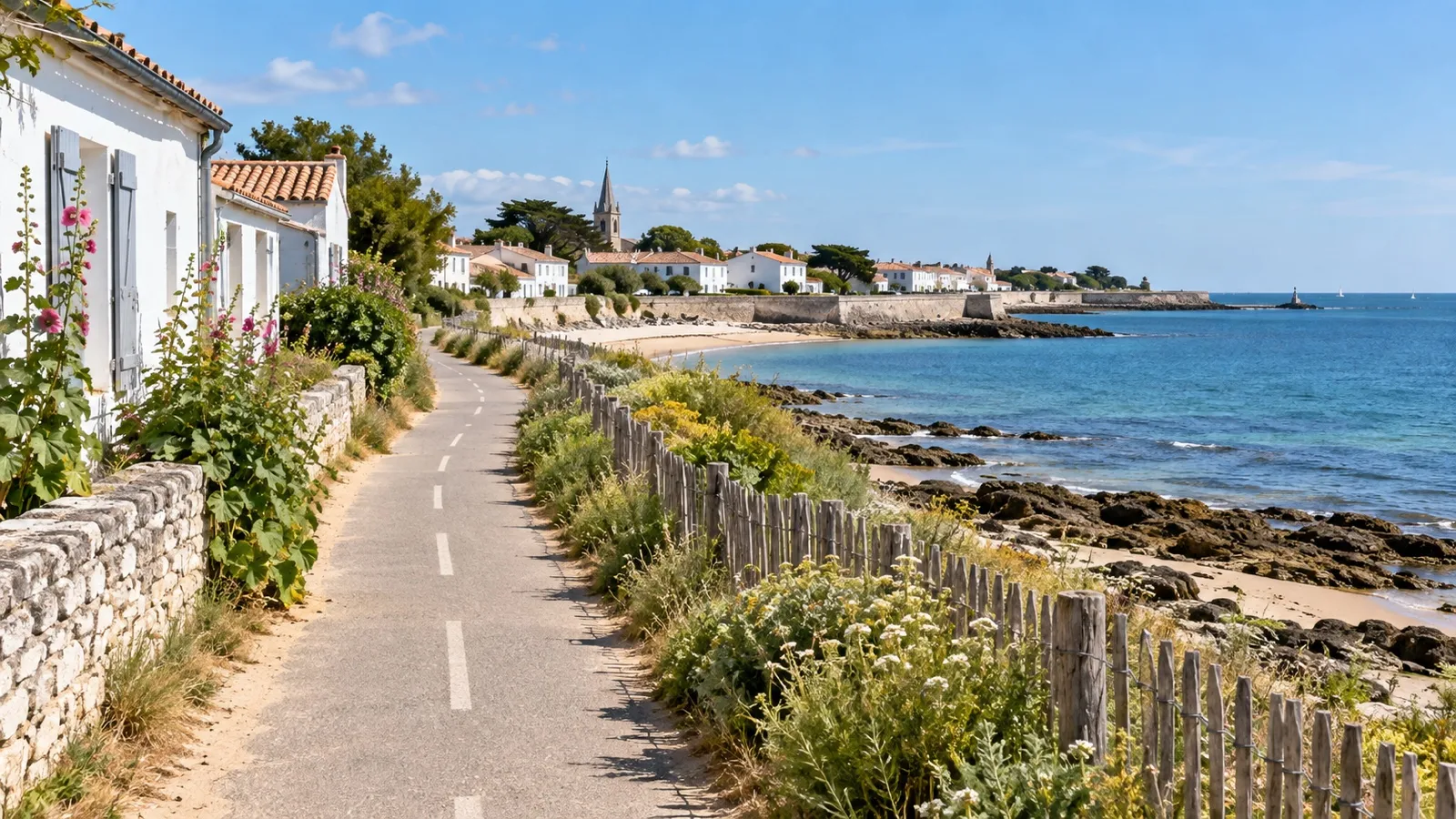
Only plan a ride that matches your fitness and leaves a large return margin. Wear a helmet where provided or required, follow local rules, and do not block paths or village lanes.
Boat Trips to Île de Ré or Île d’Aix
Seasonal maritime shuttles and excursions can connect La Rochelle with islands and coastal sights. Schedules depend on date, weather, tides, and operator planning, so they are not a dependable spontaneous option for every cruise call.
Book only when the published return arrives comfortably before your shuttle and all-aboard deadlines. A cancelled or delayed public boat can create a much harder problem than a late café lunch.
Rochefort and Other Longer Excursions
Rochefort offers important maritime heritage, including the historic rope-making complex known as the Corderie Royale. It can be a rewarding guided excursion, but the road journey makes it less forgiving than a day in central La Rochelle.
The Marais Poitevin, Cognac country, and other regional destinations may appear in shore-excursion programs. Treat them as single-focus days with confirmed transport rather than add-ons to a full Old Port itinerary.
Longer excursions are where the cruise line’s coordination becomes most valuable. Independent travelers need a local driver, written pickup details, live traffic awareness, and an early turnaround time.
Food and Drink
Seafood is central to the local table, with oysters and mussels among the regional signatures highlighted by the official tourism office. Fish, market produce, pastries, cheese, and regional wines give plenty of options beyond a formal multi-course lunch.
Choose a restaurant near your walking route and tell the staff if you have a firm departure. Popular terraces can fill quickly, while a leisurely French service rhythm may not match a tight shuttle deadline.
Ask clearly about shellfish allergies, cross-contact, and preparation. Travelers who do not eat seafood will still find meat, vegetarian dishes, crêpes, bakery lunches, and café fare in the center.
If you drink wine, keep the port transfer and gangway ahead of you. Hydrate, eat, and never let a tasting push the day close to final boarding.
Money, Cards, and Shopping
France uses the euro, and cards are widely accepted in established shops, museums, restaurants, and attractions. A modest amount of cash is still useful for small market purchases or when a terminal is unavailable.
Use bank-affiliated ATMs, reject unnecessary currency conversion when your card offers a better rate, and keep your PIN private. Confirm prices before taking a taxi or buying a service not arranged through the ship.
Local shopping can include food specialties, sea-inspired design, crafts, books, clothing, and regional wine. Keep receipts and check ship or customs rules before bringing food, alcohol, plant products, or antique objects onboard.
Weather on the Atlantic Coast
La Rochelle’s Atlantic weather can change within a single port call. Sun, showers, wind, and cooler air near the water may all appear even when the inland forecast looks settled.
Check Météo-France for the current forecast and coastal warnings. A compact rain layer, comfortable shoes, and a light sweater are useful, while sunscreen still matters on breezy days.
Strong wind or severe weather can change gangway operations and small-boat excursions. Follow the ship and port authority if an itinerary is shortened or cancelled.
Getting Around the City
Once you reach central La Rochelle, walking is the best way to connect the Old Port, historic center, market, towers, museums, and waterfront. Distances are manageable, but cobbles, curbs, and crowded quays can slow the pace.
Yélo is the official public transport network for La Rochelle and its surrounding municipalities. Current routes, schedules, fares, and service alerts should be checked on the network’s website or app rather than copied from an old guide.
Public transit can help with city districts, but it does not authorize you to walk through the commercial port. Use the cruise-arranged transfer between ship and public streets, then consider Yélo for later connections.
Bicycles are popular in La Rochelle, and shared paths require attention from both riders and pedestrians. If you rent, understand the traffic rules, lock the bike properly, and leave enough return time for the docking station or rental office.
Accessibility and Mobility
The La Pallice transfer is the first accessibility question. Ask whether the gangway, terminal route, shuttle coach, and return screening can accommodate your wheelchair, scooter, walker, or other device.
A low-floor city bus and an accessible cruise coach are not the same thing. Obtain ship-specific confirmation before travel and ask whether advance reservation is needed for an adapted vehicle.
Central La Rochelle is relatively compact, but historic surfaces, slopes, arcades, curb transitions, crowds, and tower stairs can create barriers. The exterior harbor views and street-level route may be more accessible than monument interiors.
The tourism office carries the Tourisme & Handicap label and can help with current local information. Contact individual museums and attractions for entrance, elevator, restroom, seating, sensory support, and assistance-dog policies.
Île de Ré requires another transport layer and may include cobbles, village parking, or beach access challenges. Request a stop-by-stop description rather than accepting a broad “accessible tour” label.
La Rochelle With Children
The Old Port, boats, towers, aquarium, and Maritime Museum give families plenty of visual variety. Choose one ticketed attraction and leave room for a simple harbor walk, snack, and play break.
Tower stairs and vessel interiors can be tiring for young children, while quays and water edges require close supervision. A stroller may be useful on smoother streets and less practical on steps, cobbles, or historic ships.
The aquarium is the easiest weather-proof anchor for many families, but cruise-day crowds can be intense. Reserve a suitable entry time and keep the shuttle return buffer protected.
Carry water, a small snack where permitted, sun or rain protection, and any essential medication. Avoid an overpacked itinerary that leaves everyone exhausted before the port transfer.
Safety and Practical Awareness
La Rochelle is generally straightforward for visitors, but normal city precautions still apply. Keep valuables secure in crowds, watch belongings at café tables, and stay alert near traffic, bicycles, quays, and boat boarding points.
Know the cruise line’s port-agent contact and keep the shuttle point saved offline. If you become separated from your group, call early rather than losing valuable time searching.
For a medical emergency in France, use the current national emergency system and seek local help. Travel insurance should cover the activities and regional excursions you choose.
Swimming and coastal activities require local judgment about tides, water quality, lifeguard coverage, and weather. Follow posted signs and do not enter rough water simply because the beach looks attractive.
Return Timing From the Old Port
A calm afternoon can tempt you to use every last minute, but the return has several stages. You must reach the correct shuttle point, wait or board, travel through city traffic, clear port security, and walk or ride to the gangway.
Set a personal departure time that is earlier than the last possible shuttle. Photograph the stop, confirm which side of the street the bus uses, and check whether your ticket or cruise card is needed to board.
Lines can form when multiple excursion coaches return together. An early arrival gives you space for a full bus, traffic delay, or an extra security check without panic.
Independent guests are responsible for meeting all-aboard. The ship is not required to wait because a restaurant, public bus, taxi, or regional excursion ran late.
Three Realistic Cruise-Day Plans
Old Port Essentials
Ride the shuttle into town, walk the harbor towers and arcades, visit the market, and choose one tower or museum interior. Finish with lunch near the Old Port and take an early shuttle back.
Maritime Family Day
Make the aquarium or Maritime Museum your anchor, then add a gentle harbor walk and simple meal. This plan works well in mixed weather and avoids a long regional transfer.
Île de Ré Day
Use a ship excursion or confirmed driver for Saint-Martin-de-Ré and one additional village or scenic stop. Protect a large return margin for bridge traffic, city roads, and La Pallice security.
Common Planning Mistakes
The first mistake is confusing La Pallice with the Old Port. Your ship is normally in the commercial harbor, and the historic center requires authorized transportation.
The second is assuming every shuttle uses the same city stop or charges the same fare. Confirm the exact arrangement for your sailing and save the return point.
The third is trying to combine La Rochelle, Île de Ré, Rochefort, and a boat trip in one day. Choose one geographic focus and let the city’s atmosphere remain part of the experience.
The final mistake is returning on the last theoretical minute. Traffic and port security are real parts of the journey, not reasons the ship must extend all-aboard.
Frequently Asked Questions
Can I walk from La Pallice to the Old Port?
Do not plan to walk through the secure commercial port. Use the ship’s shuttle, authorized taxi, excursion coach, or confirmed private transfer.
Is the cruise shuttle free?
It may be complimentary, paid, or packaged differently depending on the call. Confirm the current price, drop point, timetable, and last return onboard.
Is La Rochelle easy to explore independently?
Yes, once you reach the Old Port area. The historic center is compact enough for a self-guided walk, provided you protect the return transfer.
Are the harbor towers always open?
No, hours, restoration work, events, and seasonal schedules can affect access. Check the official Centre des monuments nationaux website for your date.
Can I visit Île de Ré on my own?
It is possible with carefully researched transport, but a confirmed tour or driver is safer on a cruise schedule. Bridge traffic, transfers, and island parking can reduce the time available.
What if it rains?
Use the arcades, Maritime Museum, aquarium, market, cafés, or another indoor attraction with verified hours. Keep a rain layer and allow slower walking on wet stone.
My Take on La Rochelle Cruise Port
La Pallice is only the practical doorway; La Rochelle’s real personality begins beside the old harbor. The towers, pale arcades, market stalls, working boats, and Atlantic light create a city that feels elegant without losing its maritime grit.
Use the shuttle intelligently, choose one main attraction, and return before the final rush. With those simple decisions made, La Rochelle becomes one of the easiest places to enjoy at walking pace.
For current planning, consult the La Rochelle tourism office, the official Towers of La Rochelle site, the Maritime Museum, and the Yélo transport network. Berths, cruise shuttles, restoration work, opening hours, road conditions, weather, and security procedures can change, so reconfirm them with your cruise line and each official provider before your visit.