Villefranche-sur-Mer Cruise Port: Tenders, Trains and Timing
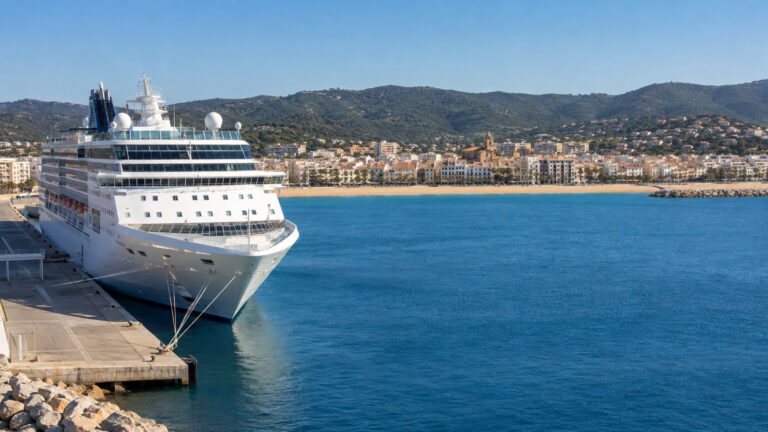
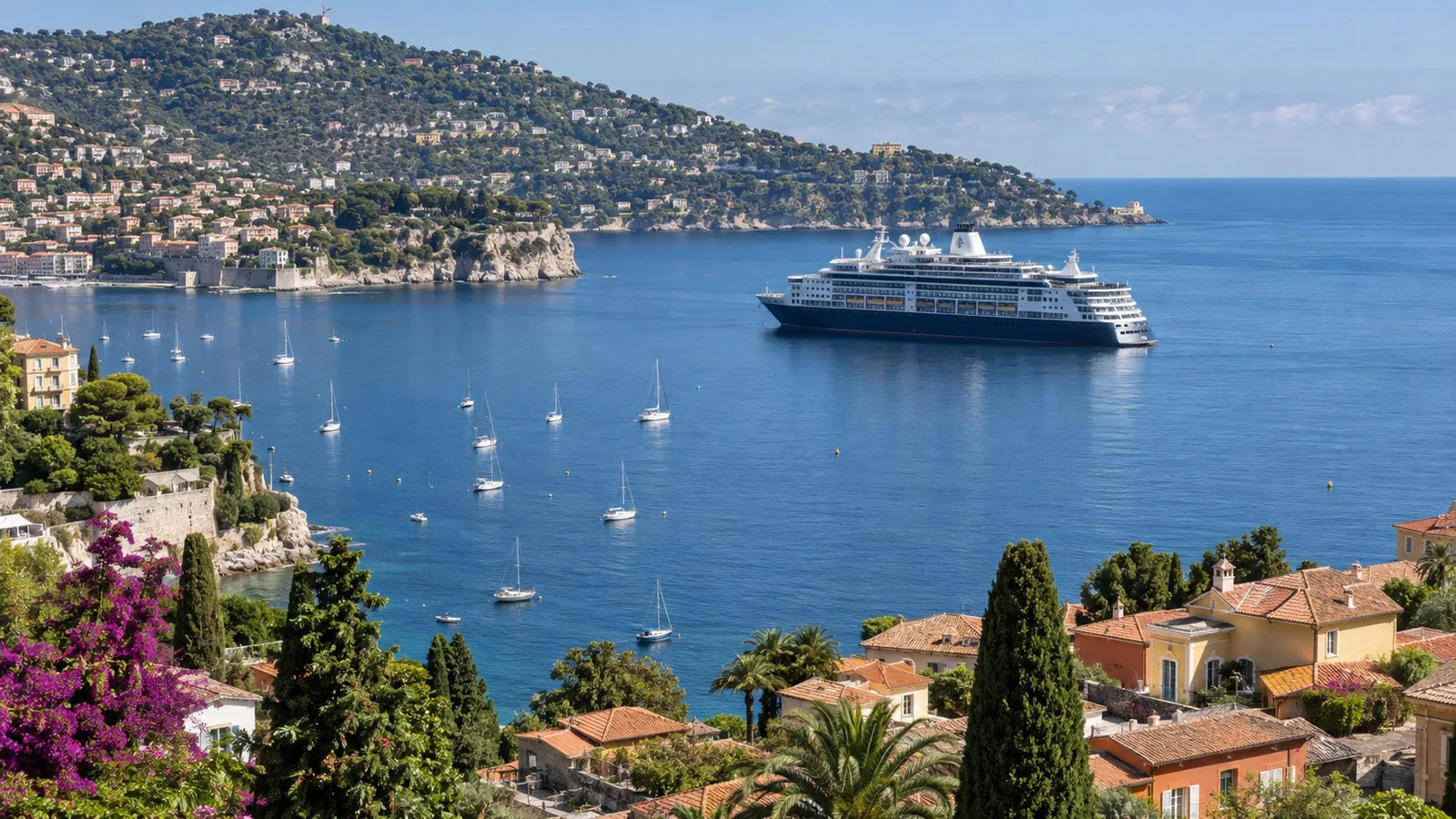
Villefranche-sur-Mer is a tender port where ships anchor in the deep natural bay and passengers come ashore beside the old town. That arrangement gives you an unusually beautiful arrival, but wind, swell, boat queues, and the final tender must shape every plan.
The town itself deserves more than a hurried look on the way to Monaco or Nice. Its waterfront, vaulted medieval street, citadel, chapel, beach, and hillside lanes make a complete Riviera day without relying on regional transportation.
Quick Facts
- Country: France
- Port type: Anchorage and ship’s tender
- Landing: Marine Terminal on Place Wilson, directly beside the old town
- Main local sights: Saint-Elme Citadel, Rue Obscure, Chapelle Saint-Pierre, waterfront, and beach
- Regional options: Nice, Monaco, Èze, and Villa Ephrussi de Rothschild
- Rail station: Villefranche-sur-Mer station above the beach, reached by a steep walk and steps from parts of the waterfront
- Currency: Euro
- Language: French
- Accessibility note: Tender transfer first, then a level waterfront but steep, stepped streets above it
- Essential check: Tender ticket procedure and final return boat from your ship
How Tendering Works
The ship anchors in the rade de Villefranche and carries passengers to the Marine Terminal by tender. The ride itself is usually short, but boarding groups and limited boat capacity can make the time from cabin to quay much longer.
Excursion groups and priority guests may leave first, while independent travelers collect numbered tickets or wait for open tendering. Read the daily program and never assume an announced arrival time is the moment you can board a train.
Wind and swell can delay, suspend, or cancel boat operations even under a blue sky. The master can also bring the final tender forward if conditions deteriorate.
Aim for an earlier return boat rather than the last one. That leaves room for a missed train, crowded platform, or temporary tender pause without turning the Riviera into a clock-watching exercise.
What Is at the Landing?
Place Wilson puts you on the waterfront at the edge of the old town, not in an industrial port. The terminal area, harbor promenade, restaurants, and lower streets are immediately accessible on foot.
Confirm current visitor services with the port because facilities and opening patterns can change. A tourist desk, local maps, taxis, and nearby bus stops may simplify last-minute decisions.
Photograph the return entrance and note whether security screening occurs ashore or on the ship. Several boats and waterfront facilities can operate at once, so the exact meeting point matters.
Saint-Elme Citadel
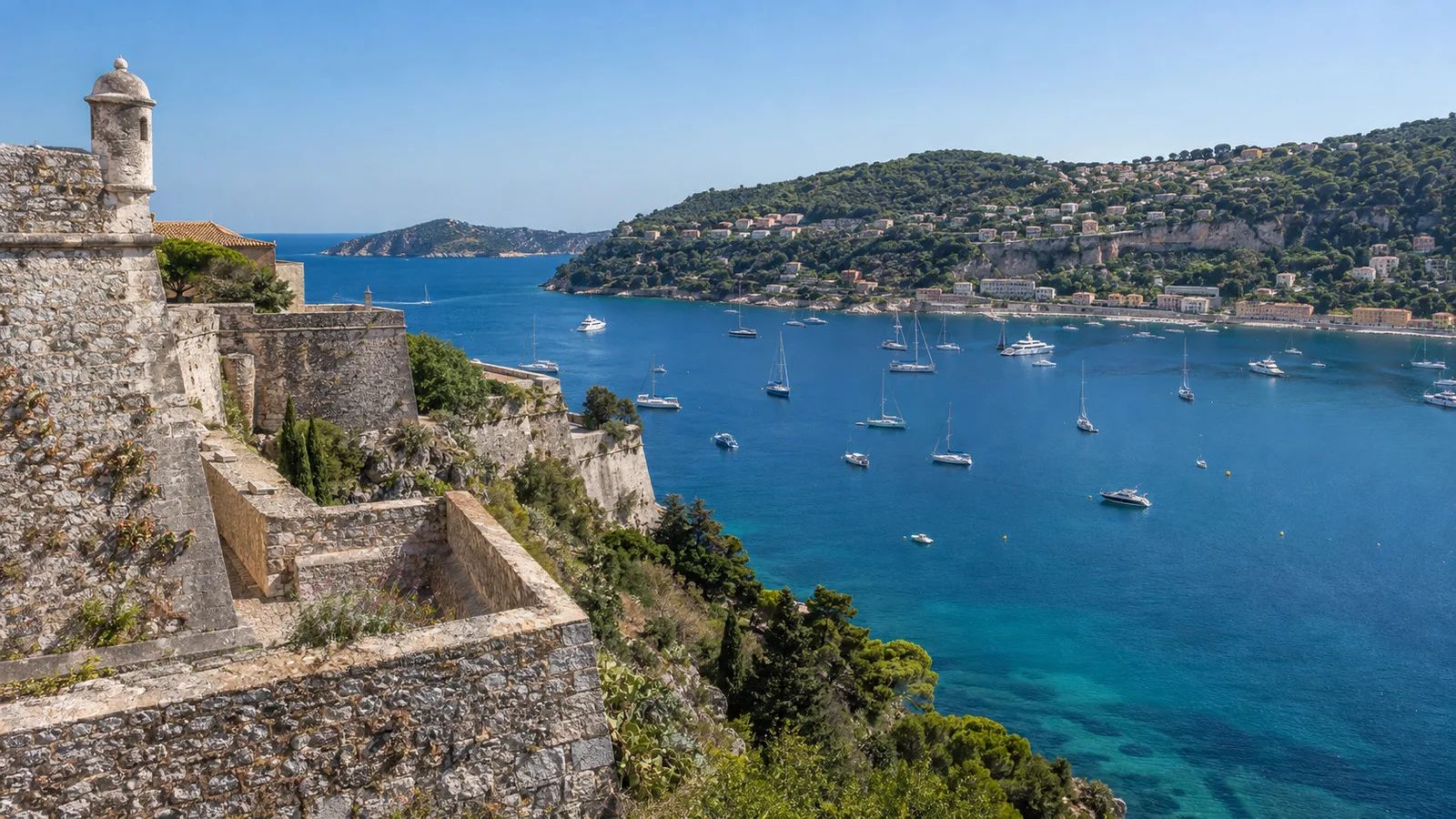
The sixteenth-century Saint-Elme Citadel overlooks the harbor and is the town’s most substantial historic site. It contains City Hall, gardens, an auditorium, an open-air theater, and museum spaces, although regional tourism information says the museum rooms are currently closed for renovation.
The regional tourism office lists free admission and an average individual visit of about 30 minutes. Its current 2026 information shows daily opening with closures on January 1, May 1, and December 25, although special events can affect access.
The approach rises from the harbor, so allow more time than the map suggests. The walls and viewpoints repay the climb with a clear look over the bay and your anchored ship.
Rue Obscure and the Old Town
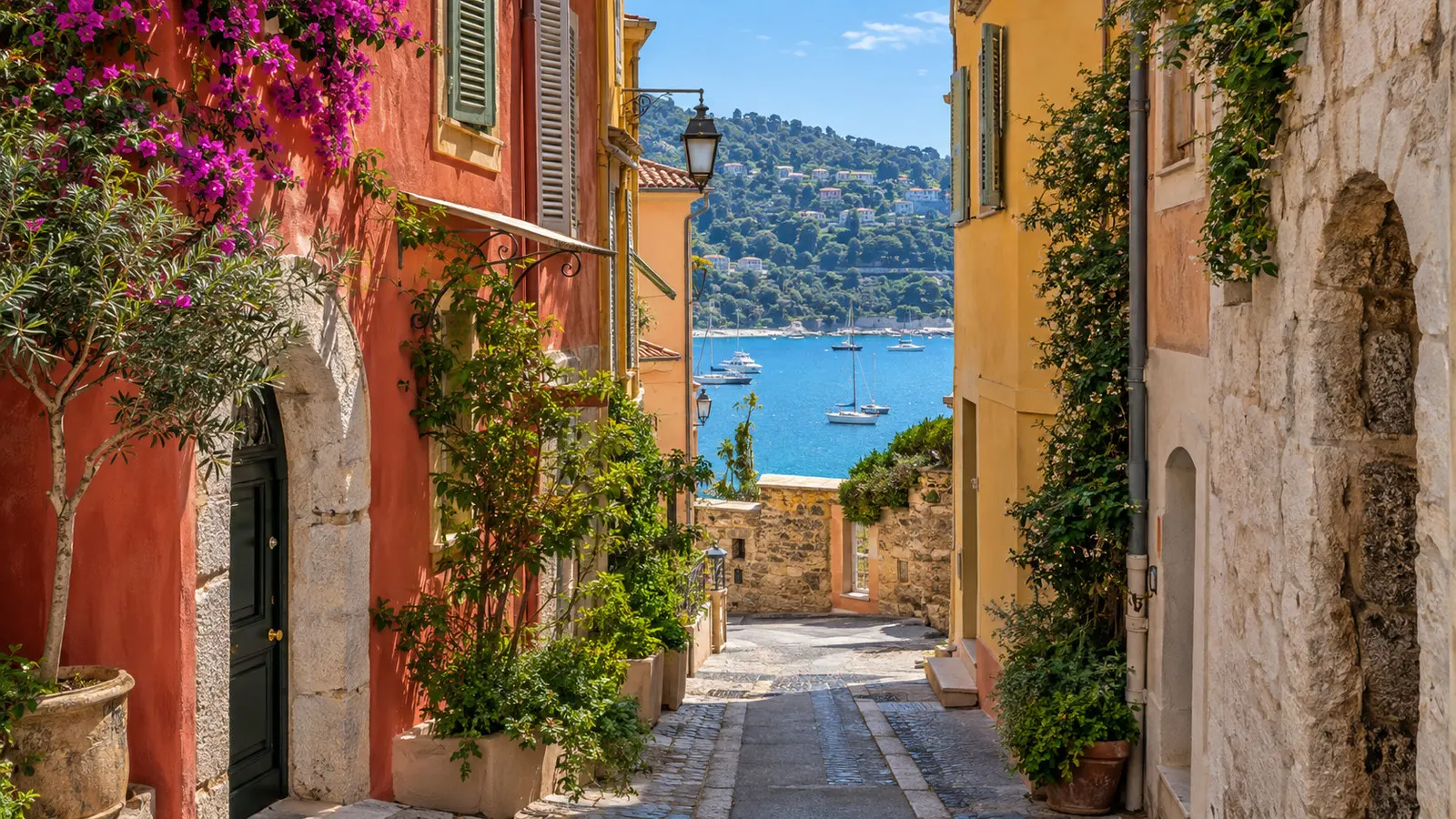
Rue Obscure is a vaulted medieval passage running beneath houses in the old center. Its shadowed stone, irregular surface, and glimpses into adjoining lanes feel entirely different from the bright waterfront a few steps away.
Entrances are easy to miss, and the floor can be damp. Wear shoes with grip, keep voices low near homes, and do not block the narrow route for photographs.
From there, wander the steep lanes around Saint-Michel Church and the colorful façades above the harbor. The most satisfying route is a loose loop rather than a checklist because staircases and viewpoints invite small detours.
Chapelle Saint-Pierre
The small fishermen’s chapel near the quay is famous for murals created by Jean Cocteau. Its modest exterior makes the decorated interior feel like a discovery, and the location is convenient for the beginning or end of a port day.
Opening hours can be limited and seasonal, while religious or maintenance needs may close the door. Treat it as a welcome bonus unless you have confirmed access directly through current local information.
Beach and Waterfront Time
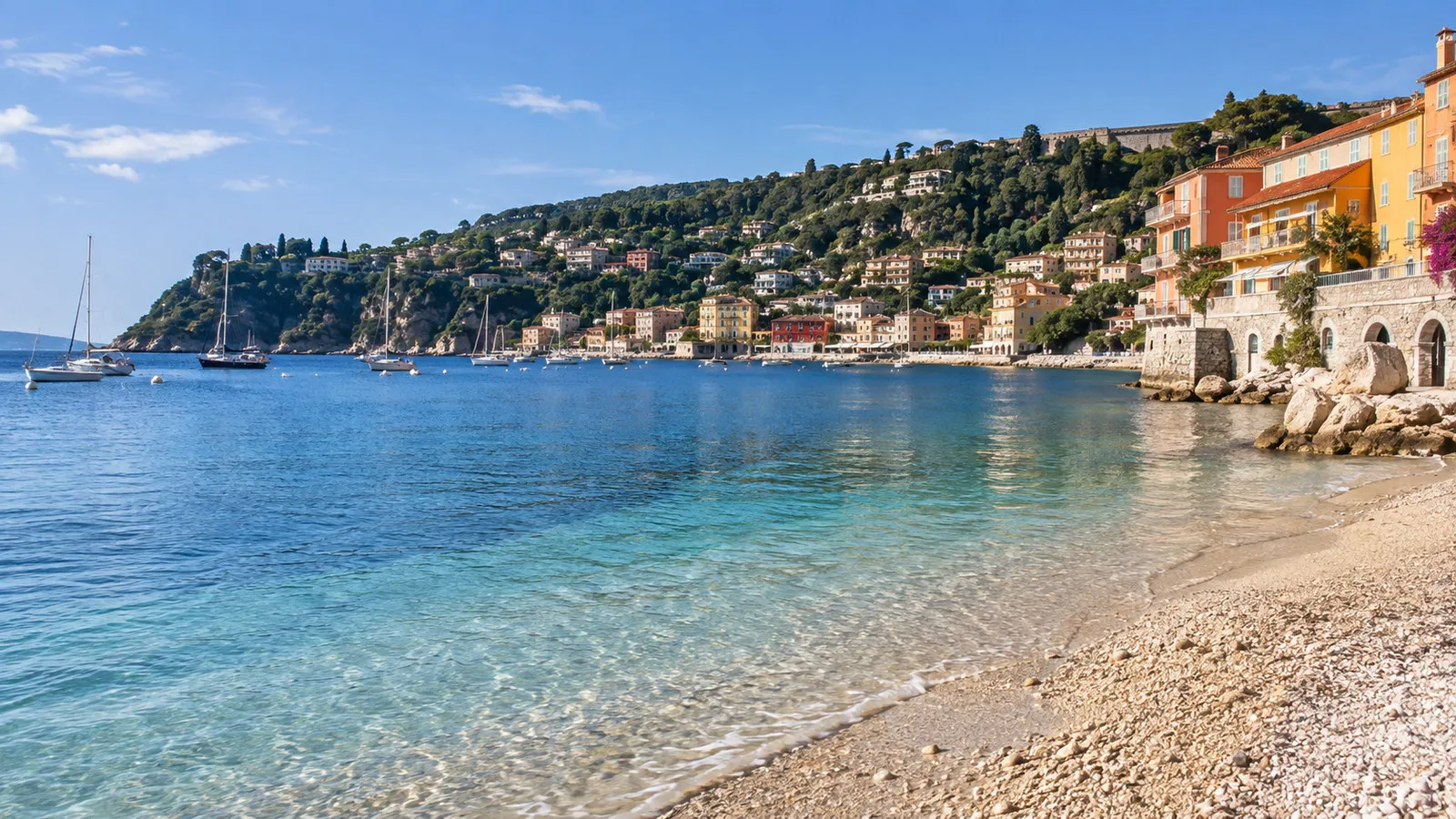
Plage des Marinières curves along the bay beneath the railway, within walking distance of the tender landing. It is an easy way to balance sightseeing with swimming or a waterfront lunch during a warm-weather call.
Check sea conditions, posted warnings, and whether facilities are operating for the season. Keep enough dry time to dress, walk back, and join the tender queue without carrying the beach into the ship.
Train to Nice or Monaco
Regional trains are the fastest independent link to Nice in one direction and Monaco in the other. Journey times are short, but the schedule must include the walk uphill to Villefranche-sur-Mer station and enough return margin.
Use the official SNCF or regional planner on the day rather than relying on a remembered frequency. Engineering work, strikes, platform changes, and crowded trains can disrupt an apparently simple trip.
Validate or activate the appropriate ticket as instructed and make sure you select Villefranche-sur-Mer rather than a similarly named place. If a return train is canceled, buses or taxis may be slower because coastal roads congest quickly.
Choose either Nice or Monaco for a short tender day, not both. One destination gives you room to recover from a late first tender and still return well before the final boat.
Using Coastal Buses
Regional and local buses connect communities along the coast and can avoid part of the station climb. Route numbers and stops have changed over time, so use the live ZOU! or Lignes d’Azur planner instead of searching for an old route 100.
Buses can be inexpensive but may fill and become trapped in road traffic. They work best for a simple one-destination plan with a conservative return, not a four-stop Riviera circuit.
Villa Ephrussi de Rothschild
Villa Ephrussi de Rothschild stands on nearby Saint-Jean-Cap-Ferrat between two bays. The Belle Époque residence combines art collections with nine themed gardens, making it a strong half-day alternative to a city trip.
The official site publishes seasonal hours and special closure dates. Check your exact date because hours and event closures can change.
A taxi is the simplest connection from the tender landing, although traffic and the return pickup need planning. Book admission through the official site if a timed ticket is required, and do not pair the villa with Monaco on a short call.
Accessibility
Tendering is the first hard limit. Passengers may need to step between moving surfaces, and the ship can restrict mobility devices or shore access according to sea state and equipment.
Request a ship-specific assessment before sailing, then expect the decision to be reviewed on the day. A transfer approved in calm water can become unsafe when wind or swell rises.
Once ashore, Place Wilson and the immediate waterfront are broadly level, and taxis depart near the terminal. Much of the old town, citadel approach, and station route involves hills, steps, cobbles, or uneven paving.
A waterfront day with a taxi extension may be more comfortable than trying to climb through every historic lane. Confirm access directly with any attraction because a site being open does not mean every room is step-free.
Three Practical Plans
Stay in Villefranche
Walk the citadel, Rue Obscure, waterfront, and old lanes, then add the Cocteau chapel or beach according to opening and weather. This is the lowest-risk and most relaxed option.
Choose Nice or Monaco
Take the train to one destination after allowing for the first tender and station climb. Set a firm turnaround time that leaves more than one return service before your tender deadline.
Visit Villa Ephrussi
Use a taxi to focus on the villa and gardens, then return for a short waterfront stroll. This offers a polished Riviera experience without trying to cover an entire city.
Common Questions
Is Villefranche always a tender port?
Cruise ships visiting Villefranche normally anchor in the bay and use tenders to Place Wilson. Follow your line’s final port information because operational plans can change.
Can I walk into town?
Yes, the tender lands directly beside the old town. The lower waterfront is easy, while most streets become steep or stepped above it.
Is Monaco realistic independently?
Yes when tendering starts on time and trains are running normally. Use live schedules and return early enough to absorb a canceled service.
Should I tour Nice, Èze, and Monaco together?
Not on a short tender call. Choose one substantial destination or stay in Villefranche so traffic and queues do not consume the day.
Final Take
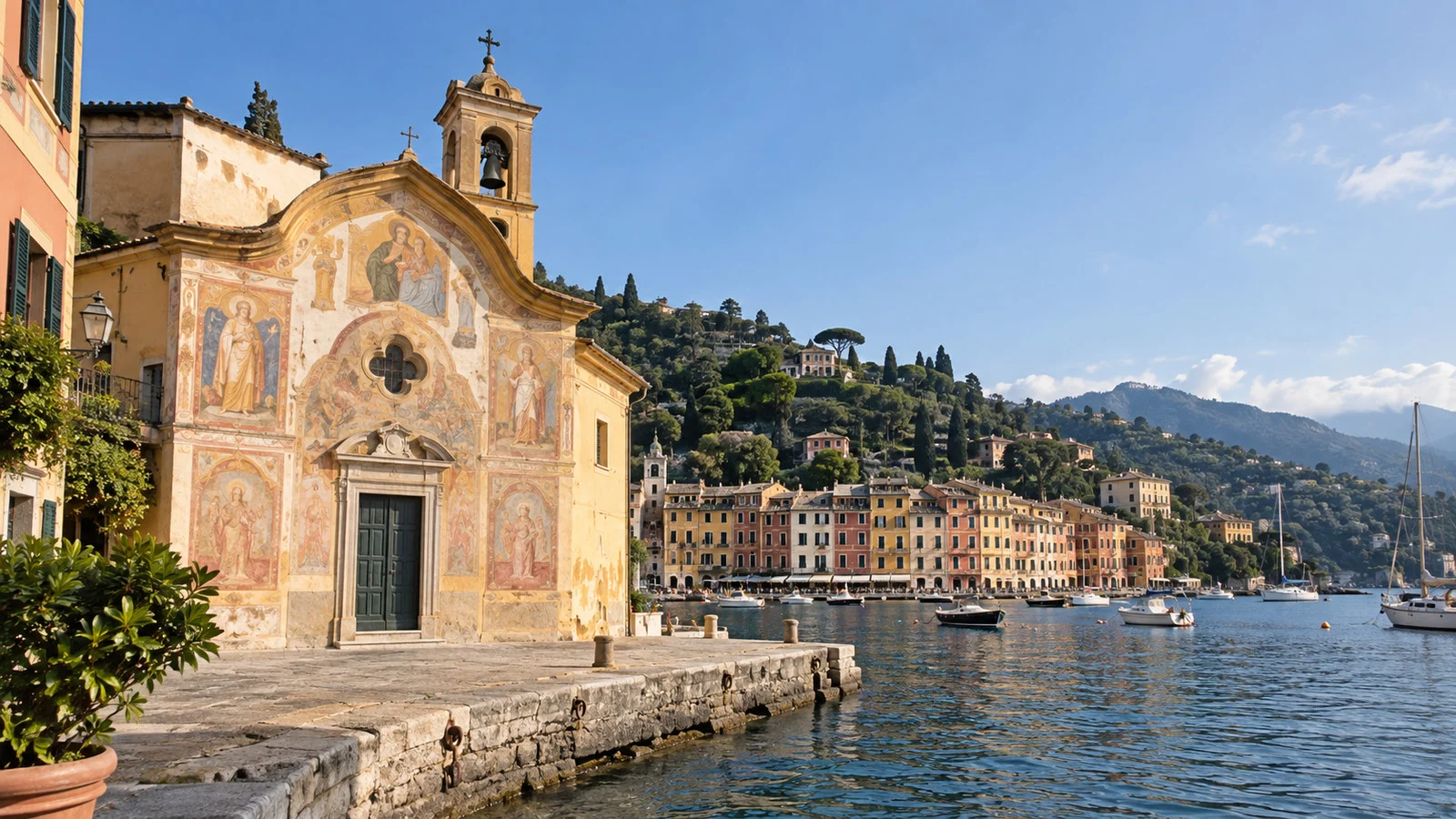
Villefranche-sur-Mer is one of the rare Riviera calls where staying beside the tender pier can feel more rewarding than leaving for a famous neighbor. Respect the boat schedule, choose one clear priority, and let the waterfront and old town supply the rest.
Schedules, access, and sea conditions can change, so verify critical details with the ship and official local sources. This guide supports general planning and does not replace the master’s same-day tender decision.
This guide was desk-researched on September 12, 2026 using official or regional tourism information for Villefranche-sur-Mer, SNCF, and Villa Ephrussi de Rothschild. It does not claim a personal sailing, tender transfer, train trip, or attraction visit.