Union Island Cruise Port: Tobago Cays Turtle Snorkeling
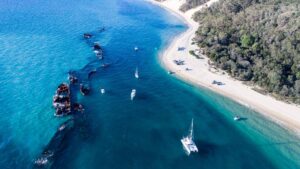
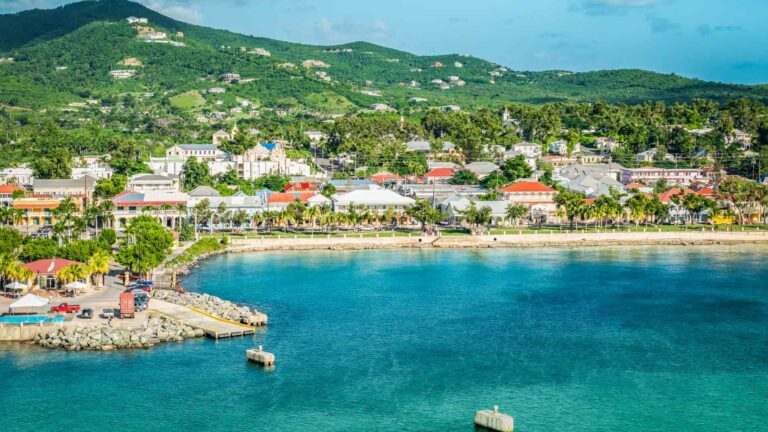
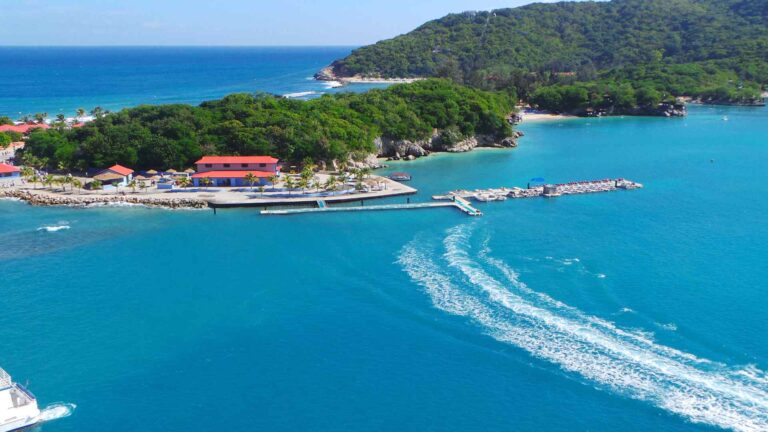
Union Island is the kind of Caribbean call where the harbor feels small and the horizon feels enormous. Cruise guests usually arrive by tender into Clifton, but the day most people remember unfolds offshore among the reefs, clear lagoons, and turtle habitat of the Tobago Cays.
This is not a big-terminal destination with coaches lined up beside the ship. A little advance planning matters because boats are limited, weather controls the timetable, and Union Island continues to rebuild after Hurricane Beryl’s destructive passage in 2024.
My quick take
If snorkeling in the Tobago Cays is your priority, reserve a reputable boat before the cruise and choose terms that protect you if the ship cannot call. Confirm the meeting point, what the price includes, and the time the boat will return to Clifton rather than accepting a vague promise of a half-day trip.
If wind, sea state, or a shortened stay makes the cays unrealistic, do not treat the day as lost. Clifton, Fort Hill, Chatham Bay, and a locally arranged island drive can still show you a distinctive corner of the southern Grenadines.
The Quick Facts
- Cruise ships generally anchor offshore and transfer guests by tender because Union Island does not have a large dedicated cruise berth.
- The usual landing is around Clifton Harbour, close to shops, the market, ferries, water taxis, and local services.
- The Tobago Cays are accessible only by sea, so a boat is essential for the signature excursion.
- Clifton is compact and walkable, while Chatham Bay and other island sights require a taxi, minibus, hike, or boat.
- The currency is the Eastern Caribbean dollar, and United States dollars may be accepted with change commonly given in local currency.
- English is the official language, and local speech also reflects Vincentian Creole.
- Atlantic Standard Time is used year-round, but travelers should always follow ship time for tender deadlines.
- Wind, swell, and recovery-related service changes can affect both the port call and independent boat plans.
How the Union Island arrival works
Union Island’s cruise call is typically an anchorage operation, with the ship using tenders to reach the Clifton waterfront. The final landing place and sequence depend on the vessel, harbor activity, and conditions, so the onboard announcement matters more than any map saved before the cruise.
Tender transfers can involve steps, moving platforms, and a noticeable gap between boats when there is swell. The captain may delay, shorten, or cancel the operation if conditions make it unsafe, and no independent reservation can override that decision.
Once ashore, identify the return queue and photograph the posted last-tender time before leaving the landing area. Boat excursions should return well before that deadline because the trip from the cays is exposed to wind, spray, and changing sea conditions.
Clifton at a glance
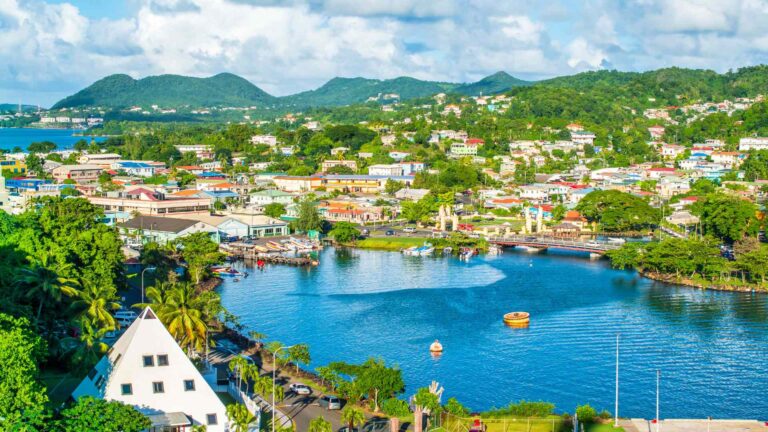
Clifton is the busier of Union Island’s two main villages and sits beside a popular yacht anchorage, ferry wharf, and small airport. The official Saint Vincent and the Grenadines tourism page describes a main street with shops, eateries, supermarkets, yacht services, and an open-air market near Hugh Mulzac Square.
The center is small enough to understand quickly, yet it is a working transport hub rather than a polished cruise village. Watch for vehicles around the wharf, keep clear of boat operations, and ask permission before photographing residents or market vendors at close range.
A slow town walk can fill an hour or two with the market, harbor views, a snack, and conversation. Opening hours and recovery progress vary by business, so let what is genuinely operating on the day guide your plans.
Getting around Union Island
Walking works well in central Clifton, but heat, rough shoulders, and steep slopes become important outside the core. Carry water, use sun protection, and do not underestimate a climb simply because the island looks compact on a screen.
Local taxis are usually the simplest way to reach viewpoints, beaches, and Chatham Bay. Agree on the destination, total fare, waiting time, currency, and exact pickup before setting out, then keep enough cash for the return in case card service is unavailable.
Public minibuses may serve parts of the island, but a cruise visitor should not build a tight return around an informal timetable. A private round trip costs more but gives you control over the ship deadline and a clear fallback if plans change.
The Tobago Cays cannot be reached by road. The marine park’s official getting-here guidance confirms that visitors arrive by water taxi, day tour, charter yacht, private yacht, or cruise ship.

Tobago Cays Marine Park
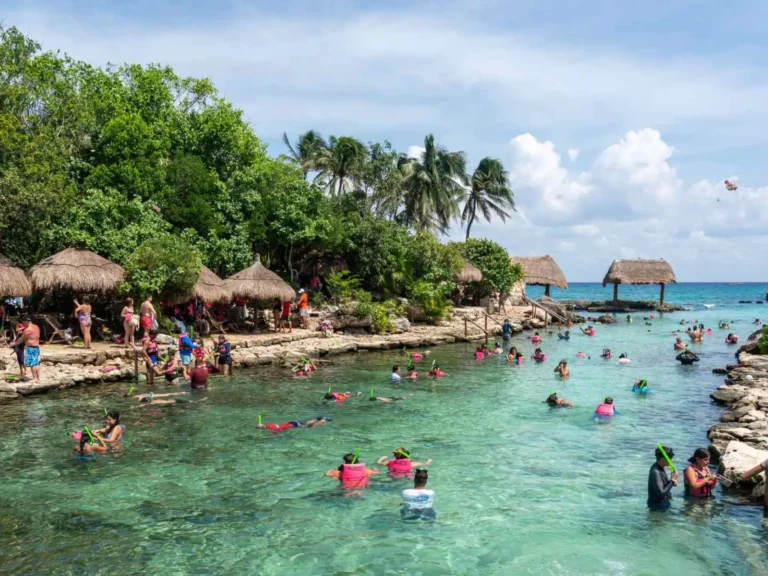
The Tobago Cays are the headline reason many travelers choose Union Island. The protected seascape contains uninhabited islands, coral reefs, seagrass habitat, clear water, and sheltered areas that can offer memorable snorkeling when conditions cooperate.
The park is not an amusement attraction with a guaranteed performance. Turtles, rays, fish, birds, and other wildlife choose where they move, while wind and current determine which sites a responsible captain can use.
Baradal Turtle Sanctuary
The park identifies the protected area at Baradal as a place where green and hawksbill turtles can be observed foraging freely. Snorkel quietly, stay horizontal at the surface, and allow every turtle an unobstructed route to breathe.
Do not chase, touch, feed, or crowd an animal for a photograph. A calm sighting at respectful distance is better for the turtle and usually produces a more natural memory.
Horseshoe Reef
Horseshoe Reef helps shape the lagoon and supports abundant marine life, but the reef does not make every part of the water easy every day. Your guide should select the entry based on current, visibility, wind, boat traffic, and the weakest swimmer in the group.
Never stand on coral, even if it looks like bare rock, and keep fins clear of the bottom. If you need to rest, use flotation or return to the boat rather than trying to find a place to stand.
The small cays and beaches
Day trips may include a beach, a short island walk, or a second snorkel stop depending on the operator and conditions. Petit Bateau, Petit Rameau, Jamesby, Baradal, and Petit Tabac appear in marine-park descriptions, but no single route is guaranteed on a cruise call.
Ask which stops are planned and whether wet landings, ladders, or beach entries are involved. That detail matters for anyone with knee, balance, or mobility concerns.
Marine-park rules that matter
The Tobago Cays Marine Park asks visitors not to touch coral, remove marine life, fish, damage vegetation, litter, or disturb nesting birds. Its official regulations also direct boats away from anchoring in coral or seagrass and require registered local supervision for scuba diving.
A park fee may apply and can be handled in different ways depending on the trip. Confirm whether it is included in your quoted price, which currency is expected, and whether the operator provides a receipt or park ticket.
Reef-conscious behavior goes beyond sunscreen labels. A rash guard reduces how much product you need, and controlling fins, cameras, and flotation straps prevents accidental contact with coral or animals.
Choosing a Tobago Cays operator
A good operator answers practical questions clearly before taking payment. You should know the boat type, passenger capacity, shade, toilet availability, flotation gear, snorkel equipment, refreshments, park fees, planned stops, and return time.
Ask whether the boat carries appropriate safety equipment and how the captain handles rougher weather. Families should confirm child-size flotation, while uncertain swimmers should request a vest or belt rather than relying on a pool noodle.
Cruise-line excursions offer easier coordination if the tender schedule changes, but independent trips can provide smaller groups or a customized route. Compare cancellation terms and port-call protection, not just the headline price.
A realistic boat-day timeline
Meet the operator as soon as practical after tendering ashore and repeat the ship’s all-aboard time in local terms. The captain should give a return time that includes sea-state margin, not one that reaches Clifton at the last possible minute.
Travel time varies with the boat and water, which is why a fixed promise from an old review can be misleading. A faster powerboat may deliver more time in the park, while a sailboat can make the journey part of the experience but needs a longer call.
Keep valuables in a true dry bag and assume you will get wet from spray. Bring water, a towel, sun protection, necessary medication, and a light layer for the ride back if wind increases.
What to do if you stay on Union Island
Walk through Clifton
Clifton’s main street, market area, and harbor make an easy independent circuit. Browse local crafts, buy a drink or snack, and leave space for businesses to operate without turning doorways and docks into photo sets.
Climb or ride toward Fort Hill
Fort Hill rises above the airport and harbor, offering the broad view travelers often want from Union Island. The approach is hot and exposed, so use a taxi if the climb would consume your energy or jeopardize the tender return.
Visit Chatham Bay
Chatham Bay curves along the island’s west side and feels far quieter than Clifton. Arrange round-trip transport before going, confirm what food or facilities are open, and keep a watchful eye on time because the road and terrain slow the journey.
Consider an island drive
A local driver can connect Clifton, Ashton, overlooks, and available beach stops while adding context about island life and rebuilding. Agree on the route without pressuring residents to display storm damage or private recovery work as an attraction.
Treat Happy Island as optional
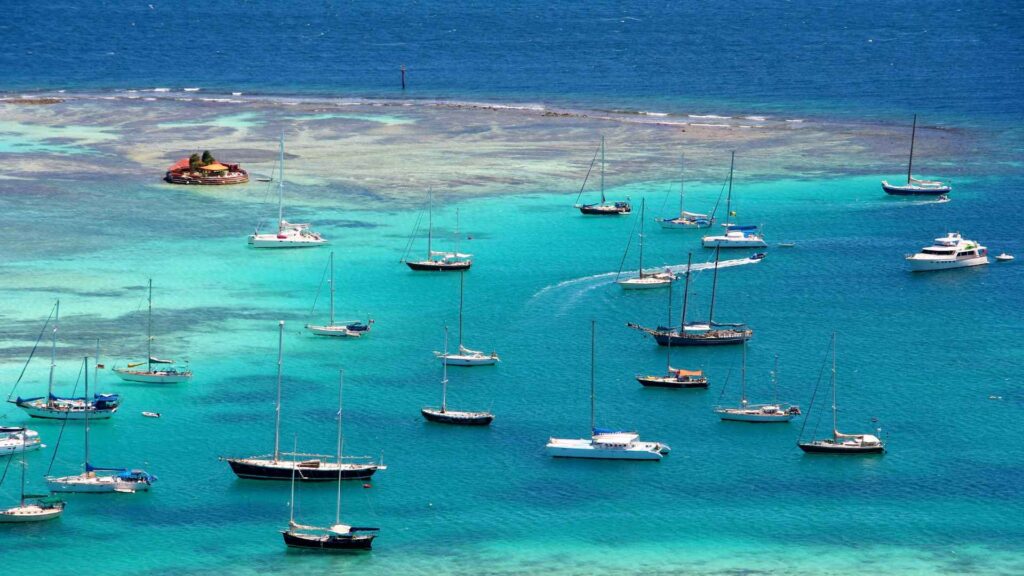
The tiny bar in Clifton Harbour has long been a photographed landmark, but access and opening can vary. Ask locally whether it is operating and whether a safe water taxi is available before making it the center of your plan.
Planning after Hurricane Beryl
Hurricane Beryl caused catastrophic damage across Union Island in July 2024, affecting homes, utilities, transport, and tourism businesses. Recovery is ongoing, and a current official tourism page does not mean every pre-storm operator or facility has returned in the same form.
Confirm services directly shortly before sailing and choose flexible reservations. Spend with local businesses that are open, follow community guidance, and avoid photographing damaged homes or residents without permission.
Cruise schedules can support recovery, but visitors should arrive with patience rather than expectations of a flawless resort experience. A changed menu, temporary landing arrangement, or limited vehicle supply may reflect the realities of rebuilding.
Accessibility
Union Island is a difficult call for many travelers with mobility limitations because it begins with a tender. Cruise lines may restrict tender boarding when a guest cannot manage steps or when sea motion exceeds safe transfer limits.
Clifton has short distances, but road edges, uneven surfaces, heat, and limited accessible vehicles can create barriers. Contact the ship’s accessibility team before travel and ask the local operator for precise boarding details instead of accepting a generic claim that a tour is suitable for everyone.
Tobago Cays boats can require stepping down, holding rails, using ladders, or entering water without a fixed platform. A scenic boat ride without snorkeling may be possible for some guests, but shade, seating, toilet access, and wave motion still need individual review.
Weather, wind, and season
Union Island is warm throughout the year, while rainfall, wind, humidity, and tropical-weather risk vary by season. The drier winter months are popular with cruisers and sailors, but a sunny forecast does not automatically mean flat water between the islands.
Atlantic hurricane season extends through the warmer part of the year, and storms can affect schedules well beyond the center of a forecast track. Cruise lines and local captains make call-specific decisions, so avoid unsupported cancellation odds and keep every independent booking flexible.
Sargassum can affect Caribbean shores seasonally, with exposure differing by wind and coastline. Ask the operator about the current snorkel and beach sites rather than assuming a report from another island describes the cays.
Money, language, and connectivity
The Eastern Caribbean dollar is the official currency, while United States dollars may be accepted in visitor-facing transactions. Confirm the currency before agreeing to a price because the same dollar sign can otherwise create an expensive misunderstanding.
Cards and mobile payments cannot be assumed everywhere, particularly after outages or on small boats. Carry modest cash in small denominations and separate it from your passport and phone in a waterproof pouch.
English is the official language, and communication with guides and drivers is usually straightforward. Mobile data and Wi-Fi may work in Clifton, but download confirmations and the ship’s contact details before leaving the vessel.
Food, water, and sun
Clifton has cafes, bars, groceries, and casual food, though inventory and hours vary. Travelers with allergies should explain them clearly and carry a safe snack because a remote kitchen may not be able to prevent cross-contact.
Drink more water than you think you need because wind disguises how quickly the sun and heat are affecting you. Use a hat and protective clothing, then reapply sunscreen without entering the sea immediately afterward.
Seafood and conch dishes may appear locally, but marine seasons and conservation rules matter. Buy only what is legal and available from a responsible business rather than pushing for an out-of-season specialty.
Entry documents and onward travel
Saint Vincent and the Grenadines entry requirements depend on nationality, itinerary, and the cruise line’s clearance process. Carry the identification required by the ship and verify visa or passport rules through official government or cruise-line guidance before departure.
Union Island has a small airport and inter-island ferry connections, but neither should be used as a casual backup for missing the ship. Schedules can change, seats are limited, and recovering from a missed sailing would be costly and complicated.
Frequently asked questions
Does the ship dock at Union Island?
Cruise calls generally use tenders because there is no large dedicated cruise berth. The onboard daily program will confirm the actual landing plan for your ship.
Can I book the Tobago Cays after I arrive?
A same-day space may exist, but relying on one is risky when several visitors want the same limited boats. Reserve ahead with port-call protection if the cays are your priority.
Are turtles guaranteed?
No, the turtles forage freely and responsible guides do not control wildlife. Baradal is a recognized sanctuary, but sightings and water conditions remain variable.
Is the snorkeling suitable for beginners?
Some sheltered sites can suit beginners when conditions are calm, yet current and wind can still matter. Tell the guide your ability honestly, use flotation, and stay aboard if the captain says the water is unsuitable.
Can I visit without snorkeling?
Yes, Clifton, an island drive, Fort Hill, Chatham Bay, or a scenic boat ride can create a good day. Confirm access and services shortly before arrival because recovery and weather can change what is practical.
What happens if the ship skips the port?
The cruise line will decide any itinerary adjustment, while an independent operator’s refund depends on the booking terms. Get the port-call cancellation policy in writing before paying.
How Union Island compares with nearby calls
Union Island feels smaller and more marine-focused than larger southern Caribbean ports. It offers fewer polished attractions ashore, but much faster access to the Tobago Cays than travelers usually have from a distant island.
A Grenada or Saint Lucia call provides more urban services, road touring, and large-scale shore-excursion choices. Union Island’s strength is its intimate harbor, local pace, and the protected seascape just beyond it.
If your itinerary also visits Bequia, Mayreau, or other Grenadine islands, avoid booking an identical snorkel day in every stop. Use Union Island for the cays, then save another island for a beach, village walk, or cultural visit.
The bottom line
Union Island rewards preparation without needing a complicated schedule. Secure the right boat, understand the tender deadline, and let the marine conditions determine which cays experience is safe on the day.
If the water plan falls apart, stay flexible and spend locally in Clifton or arrange a careful island outing. The destination’s appeal is not a cruise complex, but a small community and an extraordinary stretch of Caribbean sea.
This guide was last reviewed on September 11, 2026. Tender plans, recovery progress, marine conditions, park fees, and operator availability can change, so confirm final details with your cruise line and local providers.