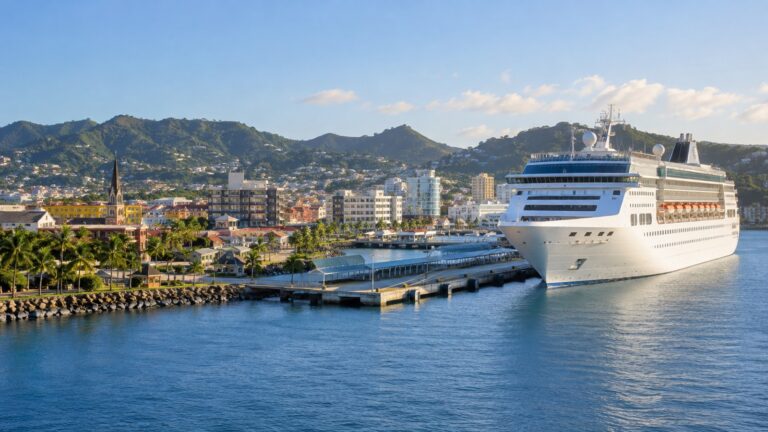
Anegada Cruise Port: BVI Flamingos, Reef & Lobster
Anegada is a rare, low-key BVI tender call built around flamingos, reef-fringed beaches, and locally landed lobster. Limited transport, wildlife uncertainty, and a firm return plan matter more here than a long sightseeing list.
My quick take
If I could pick only one British Virgin Islands stop, Anegada would be it. Nowhere else in the chain feels remotely like this.
It is quiet, it is flat, and it is built around a lagoon and a reef rather than a cruise terminal. That alone sets it apart from every other island you will sail past.
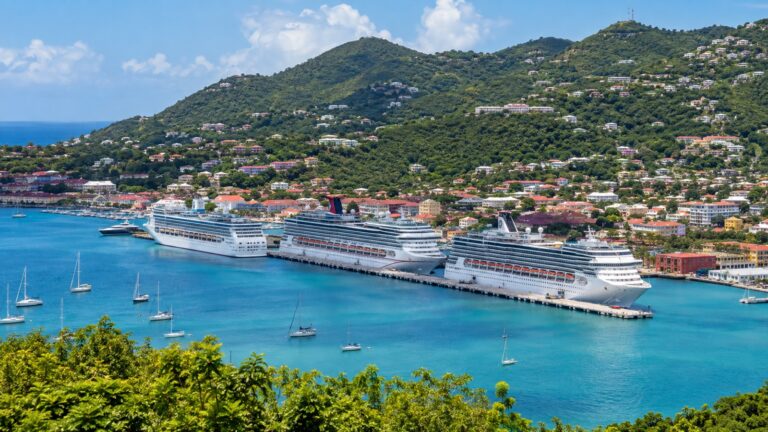
Compare that to Tortola’s cruise port in Road Town, which is a real working port with taxis lined up and shops steps from the dock. Anegada has none of that, and honestly that is why people love it.
What it offers instead is space, birdlife, reef-fringed beaches, and locally landed lobster when the fishery and restaurants have it. Go in expecting a low-key, nature-first day rather than a shopping and bar-hopping stop.
We cover that separately in our guide to British Virgin Islands Cruise Ports.
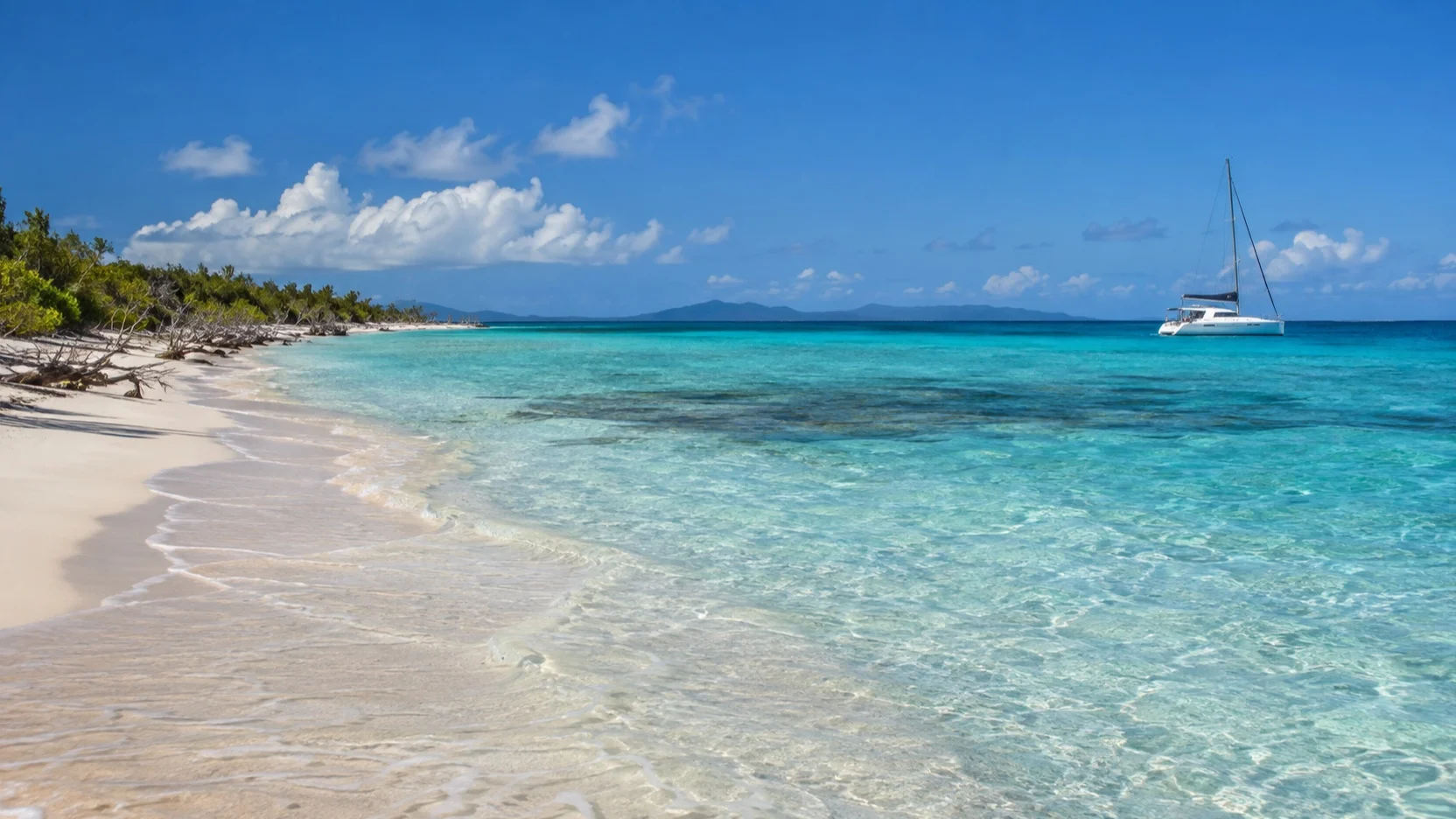
Quick Facts
- Where you land: Setting Point, the small dock and anchorage on Anegada’s south shore, with a cluster of beach bars, dive shops and cart rentals right there. Background on the island is on the BVI Tourist Board site.
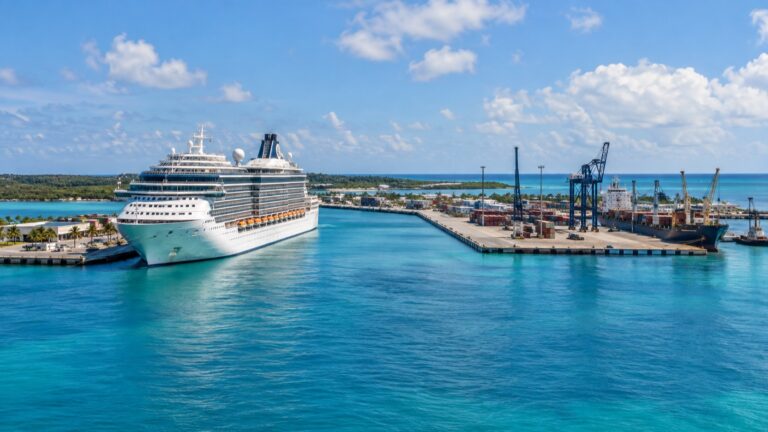
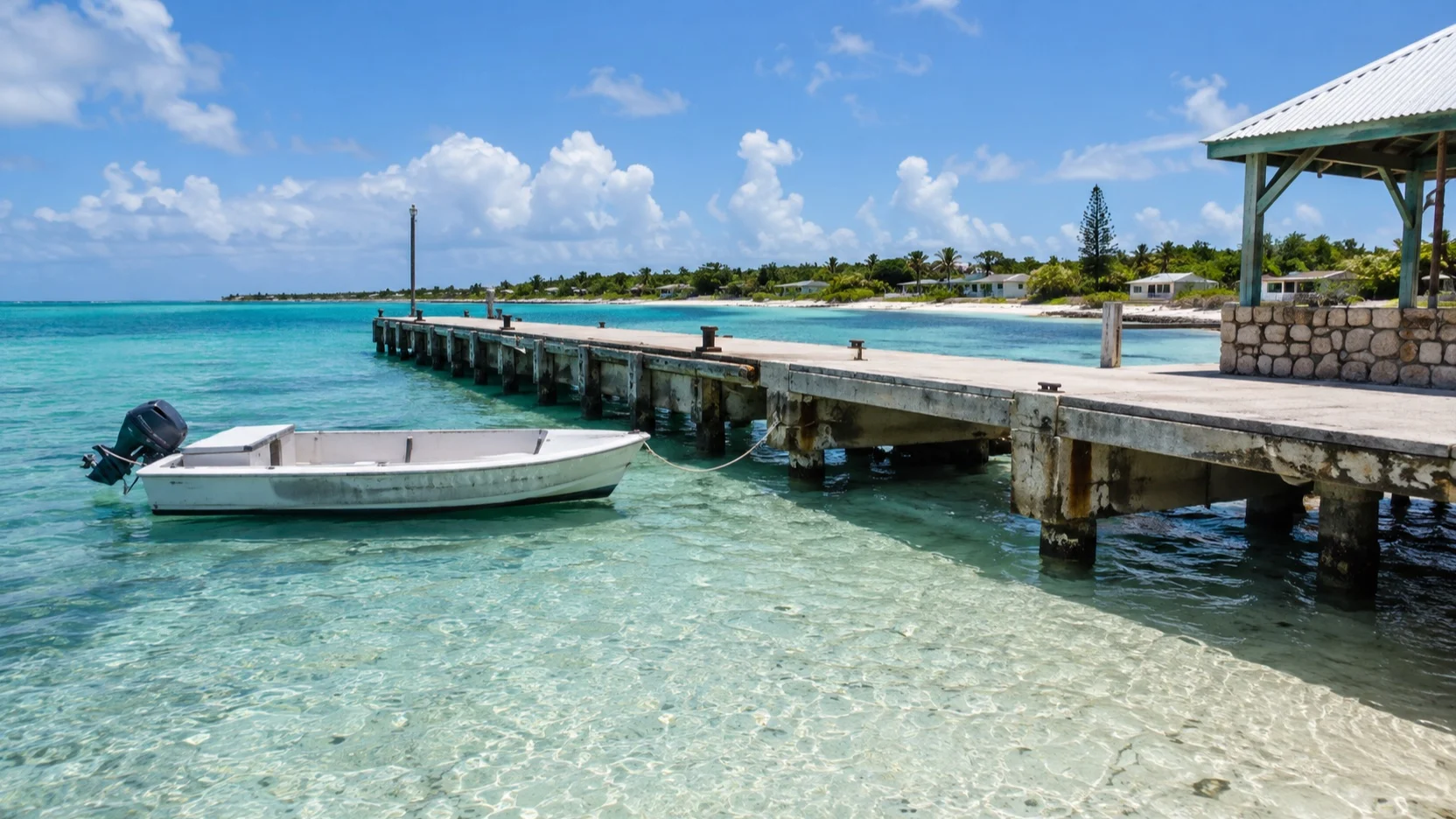
- Dock or tender: There is no pier deep enough for a ship; you anchor offshore and come in by launch to Setting Point.
- Into town: You will need wheels.
- Currency and language: The US dollar (USD), same as the rest of the British Virgin Islands, and English.
- Time zone: Atlantic Standard Time (AST, UTC−4).
- Call reliability: Weather dependent, with tender operations subject to the ship’s decision on the day.
Arriving in Anegada
Anegada is not set up the way most cruise ports are, and it helps to know that going in. There is no pier deep enough for a cruise ship, so you will anchor offshore and come in by tender to Setting Point.
Because so few itineraries include this island, it turns up far more on small-ship and private charter routes than on the big mainstream lines. I would double-check your specific cruise line’s shore excursion or tender schedule rather than assume it works like a typical BVI stop.
Entry and clearance depend on the itinerary and nationality, so follow the ship’s instructions rather than assuming an earlier BVI stop covers Anegada. Bring the ship card and whichever passport or copy the line requires.
If you want the official word on entry and customs for the territory, the Government of the British Virgin Islands site is the authoritative source. It also confirms the practical stuff, like the fact that the territory runs on the US dollar.
Getting around
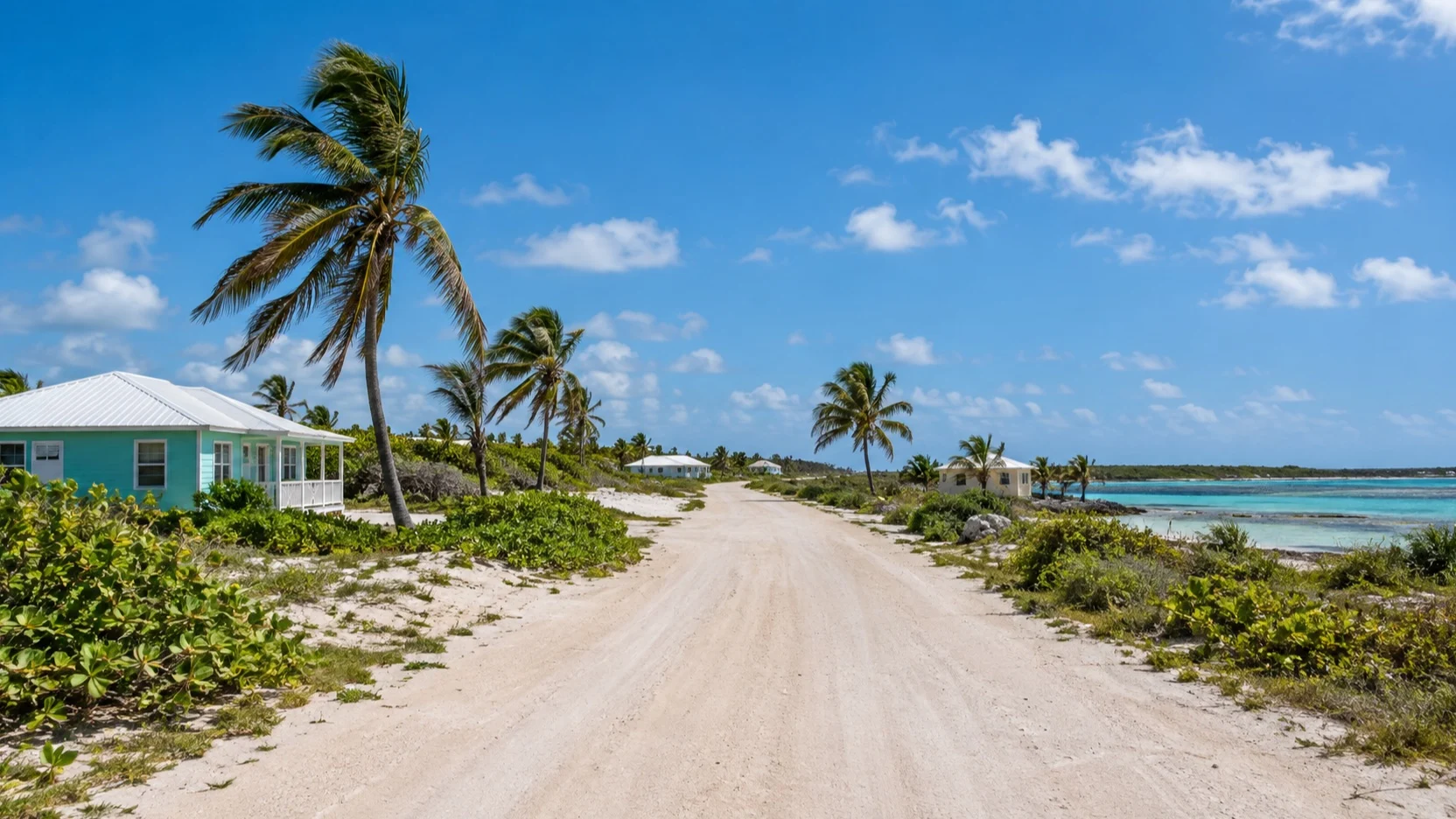
Anegada is small, but sights are spread along sandy roads, so reserve wheels before arrival. Taxi, rental-cart, and scooter supply can be thin, and a late tender is not a guarantee that walk-up transport will remain.
Agree on the total price and return time before leaving, because taxis are limited and not metered. Golf carts and scooters can sell out; reserve ahead, confirm license and insurance terms, drive on the left, and skip a scooter if you are not already confident on one.
For background before you go, covering its geography, wildlife, and the ferries and flights that connect it to the rest of the territory, the official BVI Tourist Board Anegada page is a great starting point. It is also the place to check ferry schedules if you plan to combine islands beyond your cruise stop.
Reserve the whole transport chain
Confirm the tender landing, driver or cart pickup, rental paperwork, fuel, and return before sailing. Do not assume a vehicle or cell signal will be available after a late tender arrival.
A strong first visit pairs the flamingo viewpoint with either Loblolly Bay or Cow Wreck Beach, then a reserved lobster lunch. Trying to add every beach and Horseshoe Reef creates more driving and less water time on an island where service is intentionally limited.
Reef and snorkel priority: use a reputable guide, buddy up, and follow current and surf conditions because coral entries are sharp and lifeguards are limited.
Flamingo priority: go early with binoculars, accepting that the birds may be distant or absent.
Lobster priority: reserve a table and ask what is available under current BVI fishery rules; a menu listing is not a catch guarantee.
The stops I would actually spend time on
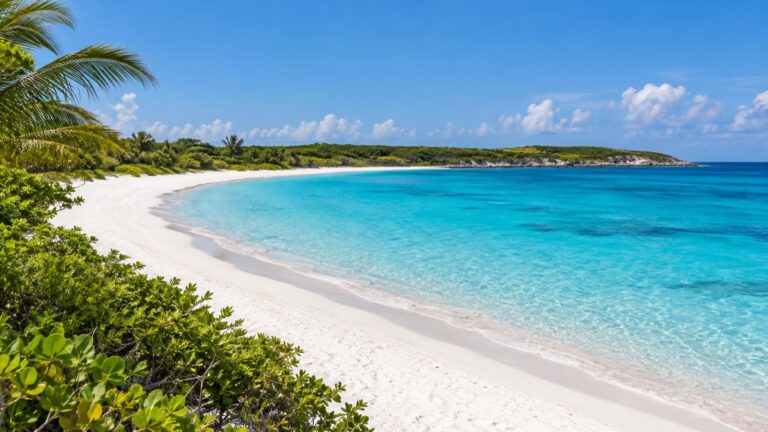
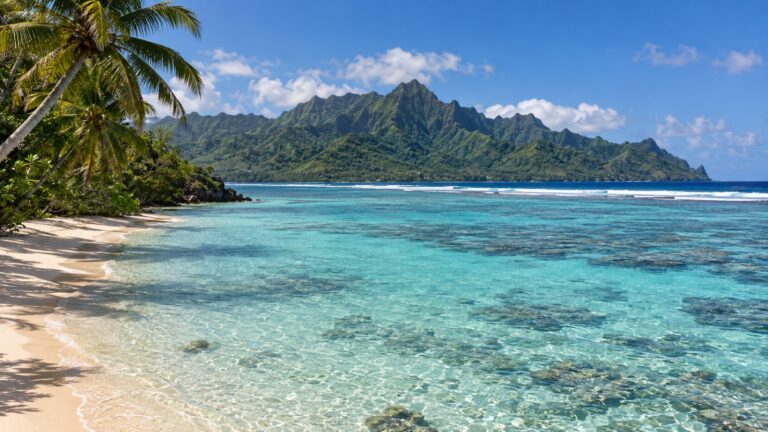
Loblolly Bay: Anegada’s signature beach, with soft white sand, shallow turquoise water, and a fringing reef close enough to snorkel straight from shore. Fun fact: with no hills or rivers to cloud the water with runoff, visibility here is some of the clearest in the whole BVI chain.
The flamingo sanctuary: Protected western salt ponds where Caribbean flamingos may be visible from a legal viewpoint. The birds were reintroduced after disappearing locally, but current numbers and viewing distance change, so bring binoculars rather than expecting a close flock.
Fresh grilled lobster at a beach shack: Anegada’s spiny lobster is the thing people fly in for, grilled whole over open coals at small, family-run shacks with little more than butter and lime. Fun fact: the island still holds an annual Lobster Festival built entirely around the catch.
Horseshoe Reef: The extensive reef system curling around Anegada’s eastern and southern edges. Its shoals and shipwreck history explain why a licensed local guide matters for any boat or snorkel plan.
More time at Loblolly Bay
Loblolly Bay is the beach that ends up on every Anegada postcard, and it earns the attention. The sand is powder-soft, the water stays shallow and warm a long way out, and a reef sits close enough that you can snorkel it without a boat.
It is the easiest place on the island to lose a few unhurried hours, and there is usually a beach bar on hand for a cold drink. Pack water shoes, because the coral comes right up to the shoreline in a few spots and the footing can be sharp.
The snorkeling is genuinely good, with parrotfish, sergeant majors, and the odd ray drifting through the shallows. Visibility is often excellent, since Anegada has no runoff to cloud the water the way hillier islands do.
The flamingos up close
The western salt ponds can hold flamingos, but distance, light, and wildlife movement mean a sighting is never guaranteed. Bring binoculars, stay outside protected areas, and ask a driver for the legal viewpoint rather than approaching the birds.
The birds are shy, so bring a zoom lens or binoculars and keep your distance rather than chasing them for a closer photo. The ponds are a protected area, and the National Parks Trust of the Virgin Islands has helped steward the wetland and the flamingo reintroduction that brought these birds back.
Mornings and late afternoons tend to be the best times for both the light and bird activity. Ask your taxi or cart operator which pond has been most active lately, since the flock moves around.
About that lobster
Anegada lobster is not a side note, it is the reason a lot of people come. The local spiny lobster is sweet and meaty, and the classic preparation could not be simpler: split, grilled over coals, and finished with butter and lime.
The shacks near Setting Point and along the shore do it best, and many will let you point at the one you want before it hits the grill. Order it whole, add a side of peas and rice or slaw, and eat with your feet in the sand.
It is not the cheapest lunch in the Caribbean, since the lobster is hauled in fresh and there is no factory line behind it. It is, though, one of the few dishes I would happily plan an entire shore day around.
Horseshoe Reef and the wilder beaches
Horseshoe Reef is the reason Anegada exists as a flat atoll rather than a peak, and it shapes the whole island. It arcs for miles around the eastern and southern shores, and it has claimed enough ships over the centuries to earn a fearsome reputation with sailors.
You will not tour the outer reef on a short cruise call, but you feel its presence in how calm and shallow the water stays inshore. That protection is exactly what makes the beaches here so swimmable.
If you have a golf cart and a little extra time, Cow Wreck Beach on the north shore is a quieter alternative to Loblolly. It is named for cattle bones that washed ashore from an old wreck, and it rarely feels crowded.
The Settlement and daily life
The Settlement is Anegada’s only real village, home to most of the island’s few hundred residents. It is low-key by design, with a couple of small shops, a church or two, and not much in the way of tourist polish.
That is part of the charm, but it also means you should carry cash and not count on finding a big store for forgotten essentials. Bring sunscreen, water, and anything else you need straight off the ship.
How I would plan the day
With a typical few hours ashore, I would grab a taxi or golf cart straight from Setting Point out to the flamingo ponds first, while the light and the birds are both cooperating. From there it is a short hop to Loblolly Bay for swimming and snorkeling.
I would save lunch for last: track down a beach shack doing grilled lobster, order it whole, and eat before heading back to the tender. This is not a day you pack with a dozen stops, it is one where two or three unhurried ones are the whole appeal.
A realistic word on accessibility
It is remote. Anegada has fewer transport options and services than the larger BVI islands, so expect a quiet fishing-village pace rather than resort-level infrastructure.
Roads are basic. Most routes are unpaved and sandy, which makes wheelchairs, strollers, and anyone with limited mobility better served staying close to Setting Point than venturing out to Loblolly Bay or the ponds.
Amenities are thin. There is no large shopping strip, no big medical facility, and cell coverage can be patchy away from the Settlement, so plan accordingly and carry cash as backup.
It is tender-only. If seas are rough, tender runs can be delayed or canceled, which matters even more given how rare an Anegada call already is.
Entry, safety, and limited services
BVI entry handling depends on itinerary and nationality, so follow the ship’s passport and customs instructions rather than assuming earlier clearance covers the day. Carry cash, water, sun protection, offline confirmations, and travel insurance because ATMs, connectivity, and medical care are limited.
When to go, and the weather
The dry season, roughly December through April, brings the most reliable weather and the calmest seas for tendering ashore. It is also when most cruise itineraries that include Anegada tend to run.
Hurricane season stretches from June through November, with peak risk in August and September, so late-season calls are more likely to see storm-related changes or a skipped stop. Year-round you can expect warm, breezy days in the low-to-mid 80s Fahrenheit, with trade winds keeping midday comfortable.
Quick answers
Do many cruise ships actually stop in Anegada?
No, it is one of the rarest BVI stops on mainstream itineraries and shows up far more on small-ship or private yacht routes than on the big lines.
Is Anegada a tender port?
Yes, there is no dock deep enough for large ships, so passengers come ashore by tender at Setting Point.
What is the one thing I should not skip?
Reserve a lobster lunch if the restaurant confirms current availability, then pair it with the flamingo viewpoint or one beach; Fishery seasons and daily supply mean no dish is guaranteed.
Can I see the flamingos and the beach in one short visit?
Often, if transport is waiting and tendering starts on time; Make one beach the priority, keep the wildlife stop brief if the birds are distant, and preserve the return buffer.
Do I need cash on Anegada?
Yes, bring US dollars, since card acceptance is patchy at the smaller shacks and cart rentals and ATMs are scarce.
Is the snorkeling really doable from shore?
Yes, especially at Loblolly Bay, where the reef sits close in and the water is calm and clear, though water shoes help with the coral near the waterline.
How much time do I really need?
A half day covers the highlights, and if your ship gives you longer, add Cow Wreck Beach or a slower lunch rather than cramming in more sights.
How Anegada compares to nearby BVI stops
If your cruise gives you a choice, or you are stitching together a longer BVI trip, it helps to know how different these islands really are. Tortola is the BVI’s proper cruise port, with a real dock in Road Town, taxis, shops, and the most developed infrastructure in the territory.
Jost Van Dyke is small and barefoot like Anegada, but built around beach bars and a lively social scene rather than birdlife and a coral reef. Anegada is the outlier of the three, flatter and quieter, and about as far from a typical cruise port as the Caribbean gets.
For the bigger picture on how these stops fit into a wider itinerary, our Caribbean cruise ports guide is a useful next read. It lays out how the region’s ports compare on docks, beaches, and shore time.
How this guide was researched: Unless a first-hand visit is explicitly identified above, this guide is based on independent research using official port, tourism, transit, government, and attraction sources where available. Logistics and time-sensitive details were reviewed in September 2026; see our Editorial Policy.