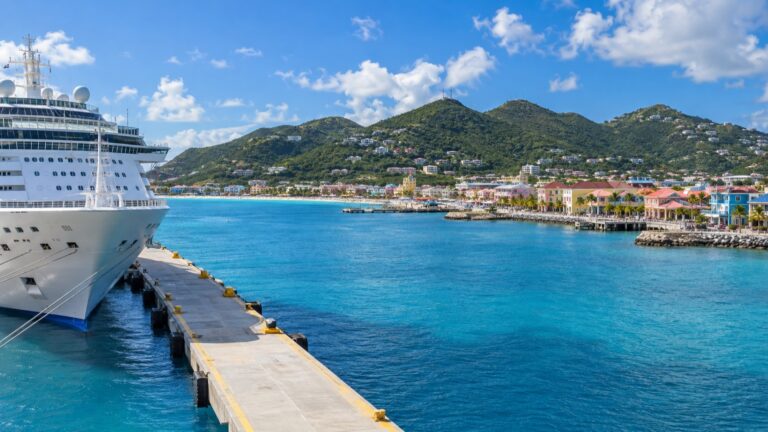
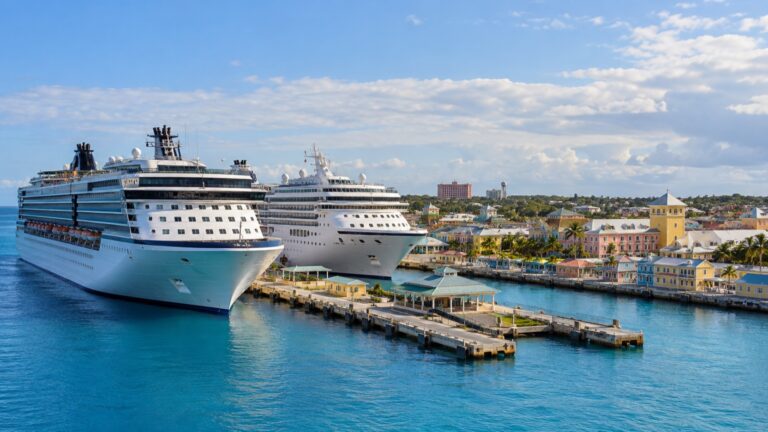
Dominican Republic Cruise Ports: A Planner’s Guide to Every Stop
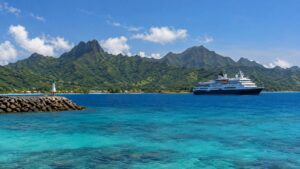
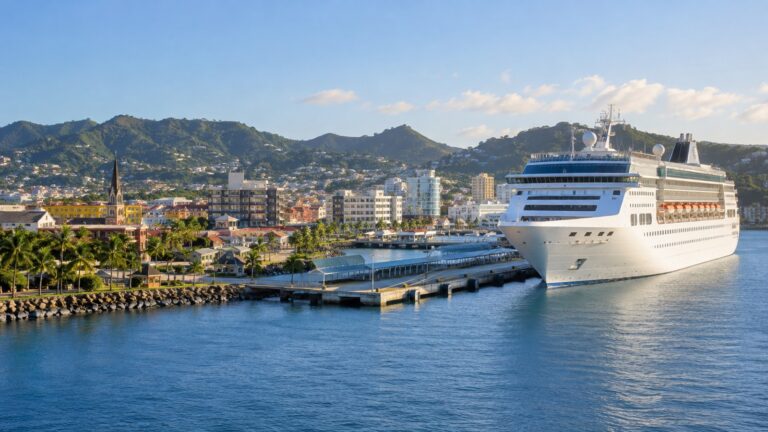
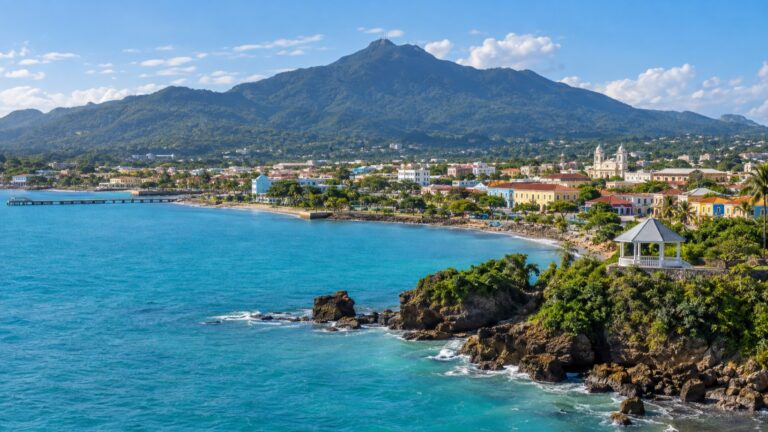
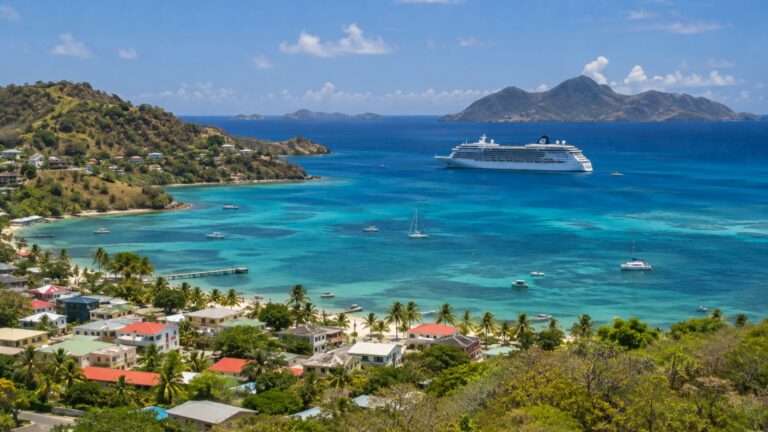
The Dominican Republic is not a one-port destination wearing different name tags. A Puerto Plata day can begin at either Taíno Bay or Amber Cove, La Romana opens the door to beaches and Altos de Chavón, Samaná is shaped by tender boats and nature, and Cabo Rojo introduces travelers to the far southwest.
The smartest plan begins with the exact terminal, not merely the nearest city. Two ships calling at the same region can offer completely different walking access, transfer times, and independent options.
Quick Facts About Dominican Republic Cruise Ports
- Currency: Dominican peso, with card and foreign-currency acceptance varying by business
- Puerto Plata terminals: Taíno Bay near the city and Amber Cove at Maimón
- Major eastern port: La Romana
- Common tender calls: Samaná and Catalina Island
- New southwest destination: Cabo Rojo in Pedernales Province
- Capital-city call: Santo Domingo near the Colonial City
- Weather season: Tropical year-round, with storm risk requiring flexible plans
- Best planning rule: Verify the live berth, tender, or terminal before booking transport
What Makes This Cruise Destination Different
The country’s ports spread across the Atlantic north coast, Caribbean south coast, Samaná Peninsula, and remote southwest. Distances between them are too large to treat one airport, hotel district, or excursion plan as universal.
Purpose-built terminals such as Amber Cove and Taíno Bay offer pools, shops, restaurants, and organized transportation within or beside a controlled complex. Tender destinations depend more heavily on sea conditions and can lose valuable time moving passengers between ship and shore.
Tourism is a vital industry, but port surroundings vary from polished resort zones to busy working cities. Use official taxis, cruise transportation, or a reputable operator, and follow current local and government safety advice.
Every Dominican Republic Cruise Port
Puerto Plata at Taíno Bay
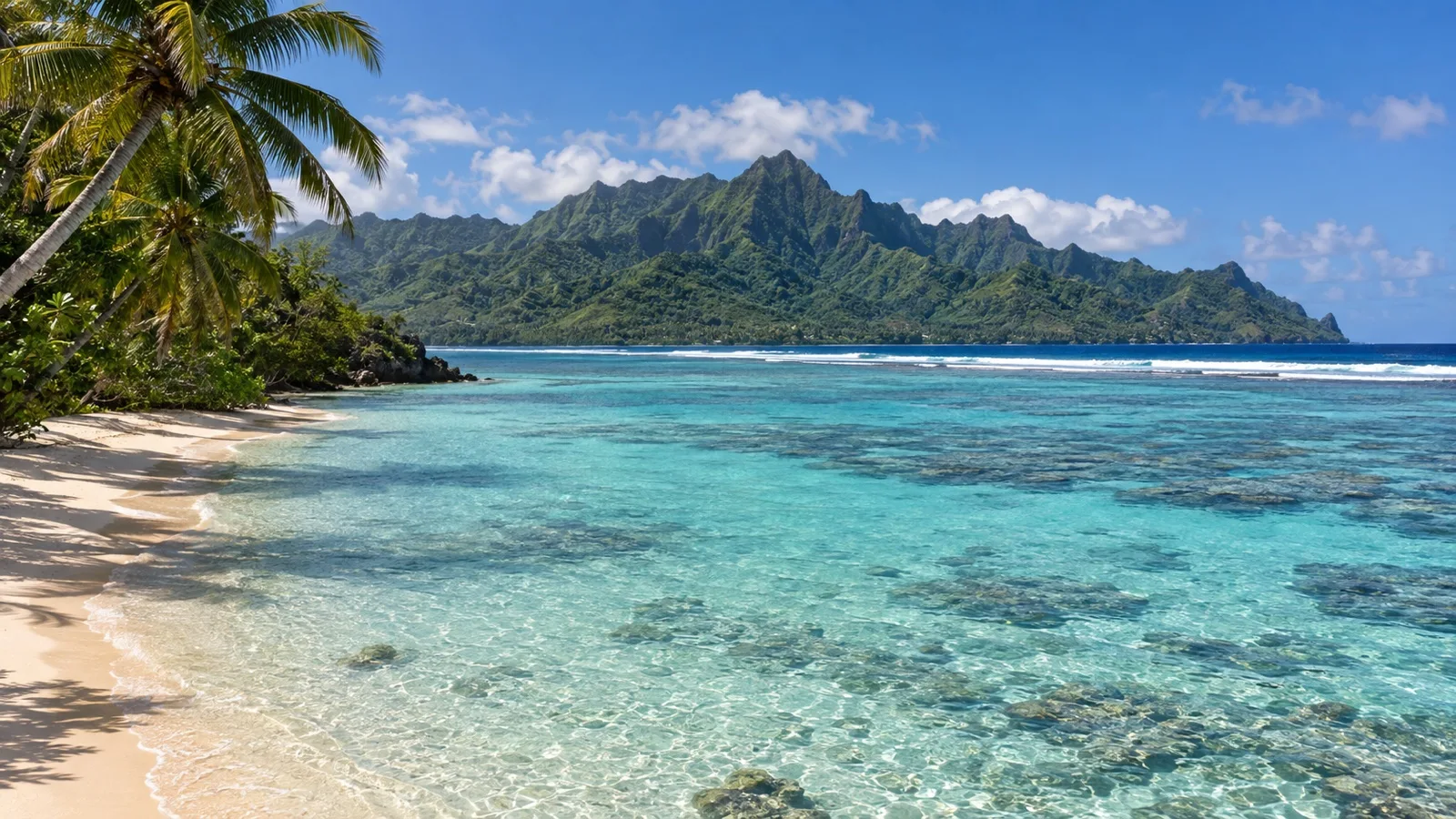
Best for: City access, Fort San Felipe, colorful streets, and an easy terminal day
Arrival style: Ships berth at a purpose-built facility near central Puerto Plata
Planning approach: Combine one city experience with realistic return time
Taíno Bay places cruise passengers close to Puerto Plata’s historic center while providing pools, food, shops, and other attractions inside the terminal. It is the easier Puerto Plata option for travelers who want to see the city independently.
The controlled port exit, local traffic, and heat still matter, so mark the correct return entrance before wandering. Fort San Felipe, Parque Central, the cathedral, and photogenic streets can form a satisfying day without a long road excursion.
The cable car and mountain attractions have experienced operating changes over time, which makes live verification essential. Do not build the day around any lift or attraction until its official channel confirms it is open.
Amber Cove
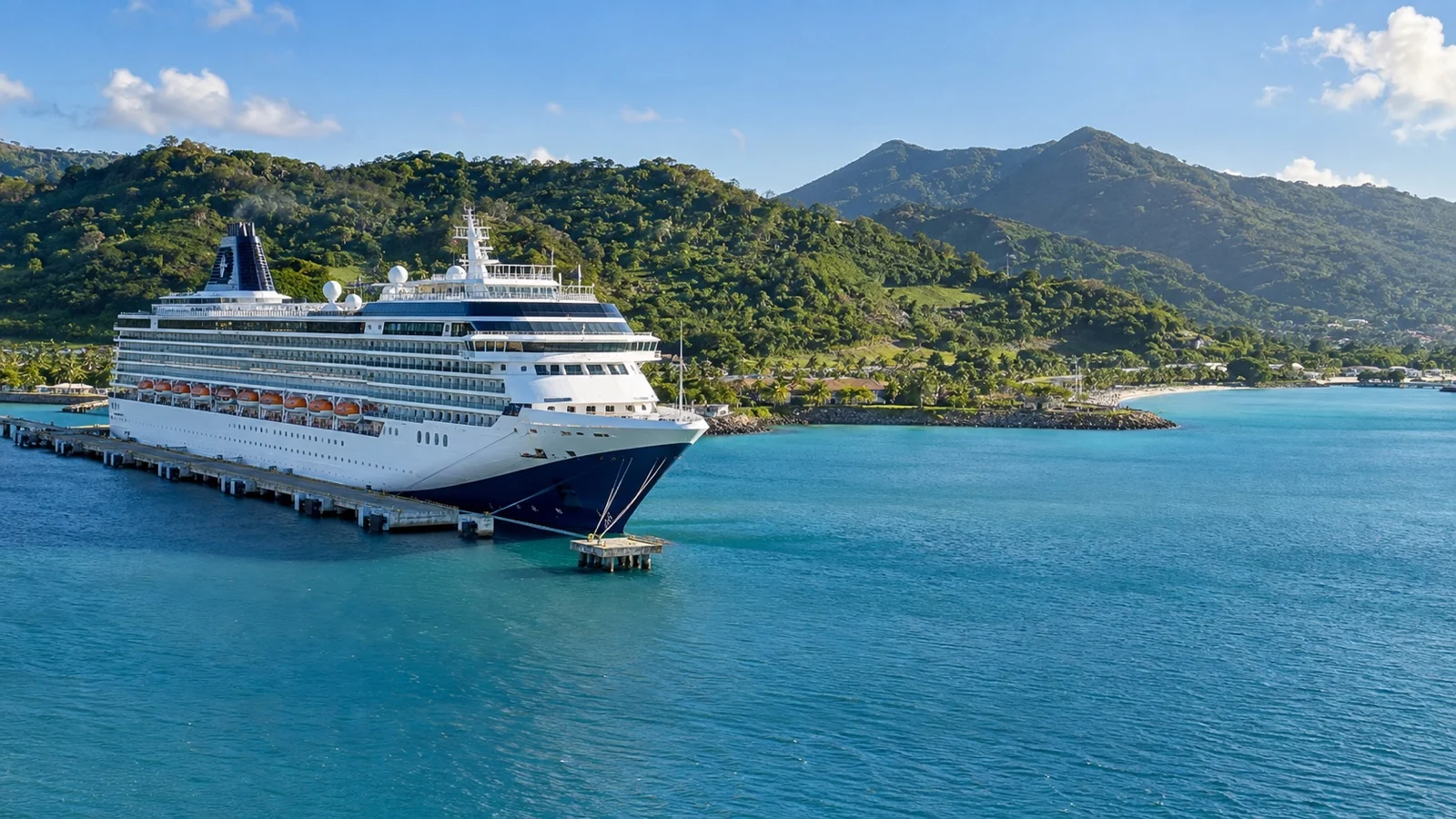
Best for: A self-contained resort-style port, pools, organized tours, and families
Arrival style: Ships dock at Maimón west of Puerto Plata
Planning approach: Treat Puerto Plata city as a transfer, not a walk
Amber Cove is a Carnival Corporation destination with a large pool area, food, shopping, and excursion departures inside a managed complex. It is designed so travelers can have a complete low-effort day without leaving the port.
The terminal is outside central Puerto Plata, unlike Taíno Bay. If you want the city, a beach club, waterfalls, or countryside, use a confirmed taxi or tour and protect the return journey.
Do not describe the port pool as a natural beach, and verify paid activities before promising they are included. Travelers with mobility needs should ask where accessible vehicles meet and how far the walk is from the gangway.
La Romana
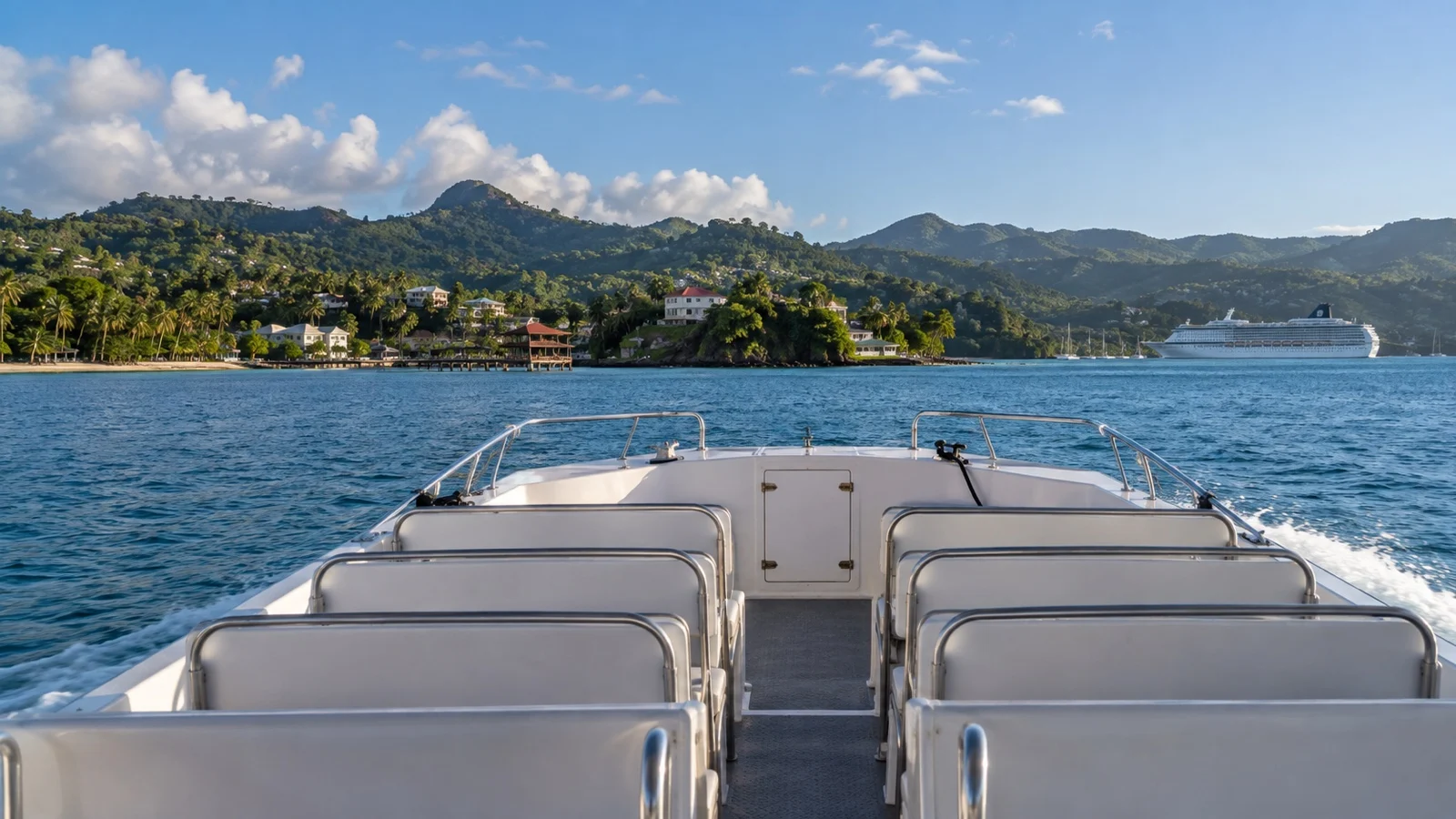
Best for: Altos de Chavón, Saona excursions, Casa de Campo, and southeastern beaches
Arrival style: Docking arrangements follow the live port schedule
Planning approach: Prebook long boat or resort days
La Romana is a gateway port rather than a single attraction sitting outside the ship. Travelers spread toward Altos de Chavón, Casa de Campo, Bayahibe, Saona Island, and local cultural stops.
Saona is beautiful but involves road and boat transfers, making operator quality and return timing critical. A ship excursion provides the greatest protection when the itinerary is long or weather-sensitive.
Altos de Chavón is closer and easier to combine with a relaxed schedule, though it is a recreated Mediterranean-style village rather than an untouched colonial town. Confirm access, admission, and transportation for your specific sailing.
Samaná
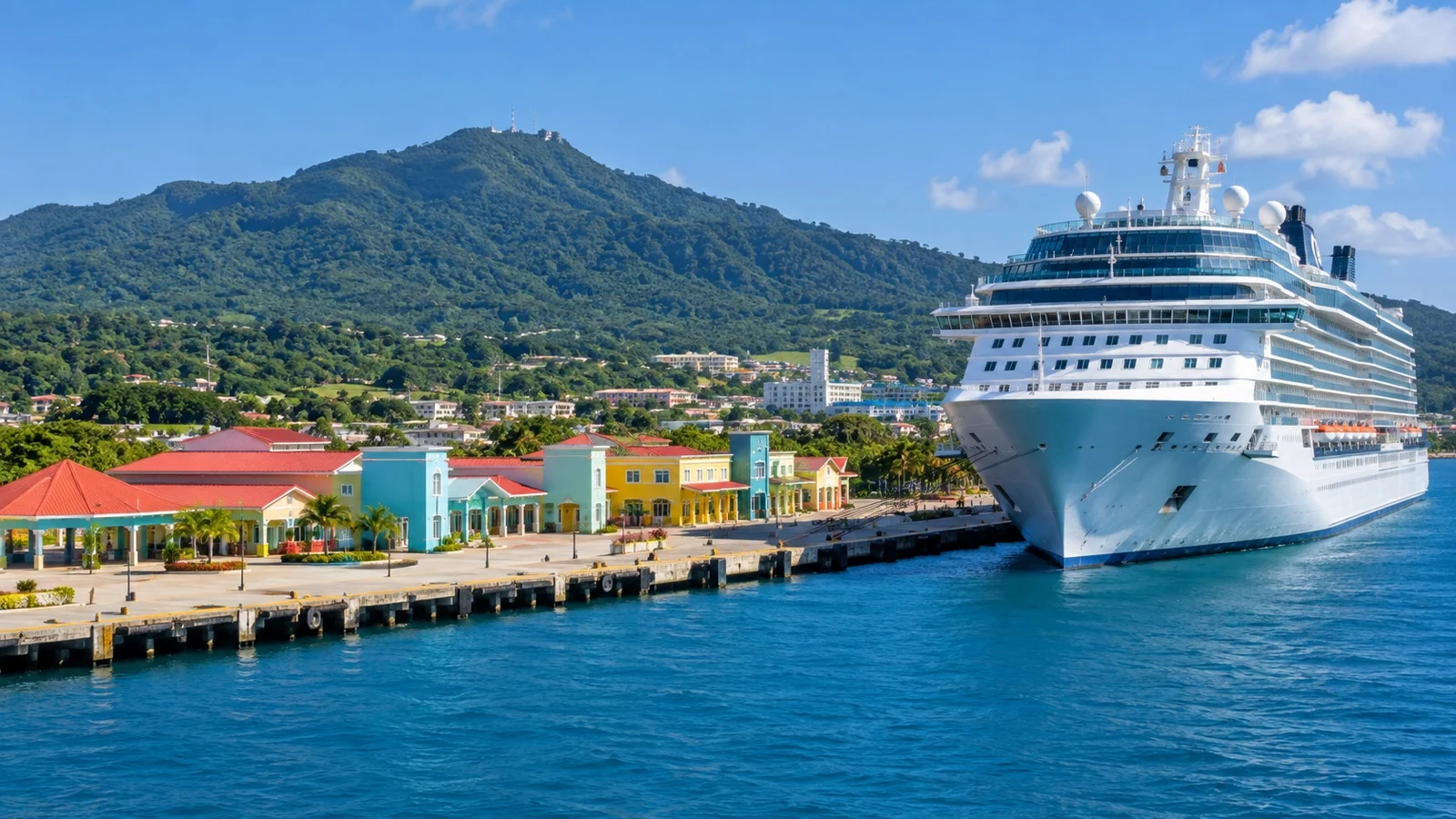
Best for: Whale watching in season, waterfalls, beaches, and lush landscapes
Arrival style: Commonly a tender port
Planning approach: Build the day around tender time and weather
Samaná is the nature lover’s port, with green hills, bays, beaches, and seasonal wildlife experiences. It can feel less engineered than the purpose-built terminals, which is part of the appeal and part of the logistical challenge.
Tendering reduces usable shore time and can be delayed by sea conditions. Do not book an independent departure that assumes you will be on the first boat ashore.
Whale watching is seasonal and sightings are never guaranteed, even with an excellent operator. Waterfall excursions may involve uneven ground, horseback riding, mud, heat, or many steps, so read the physical requirements honestly.
Catalina Island
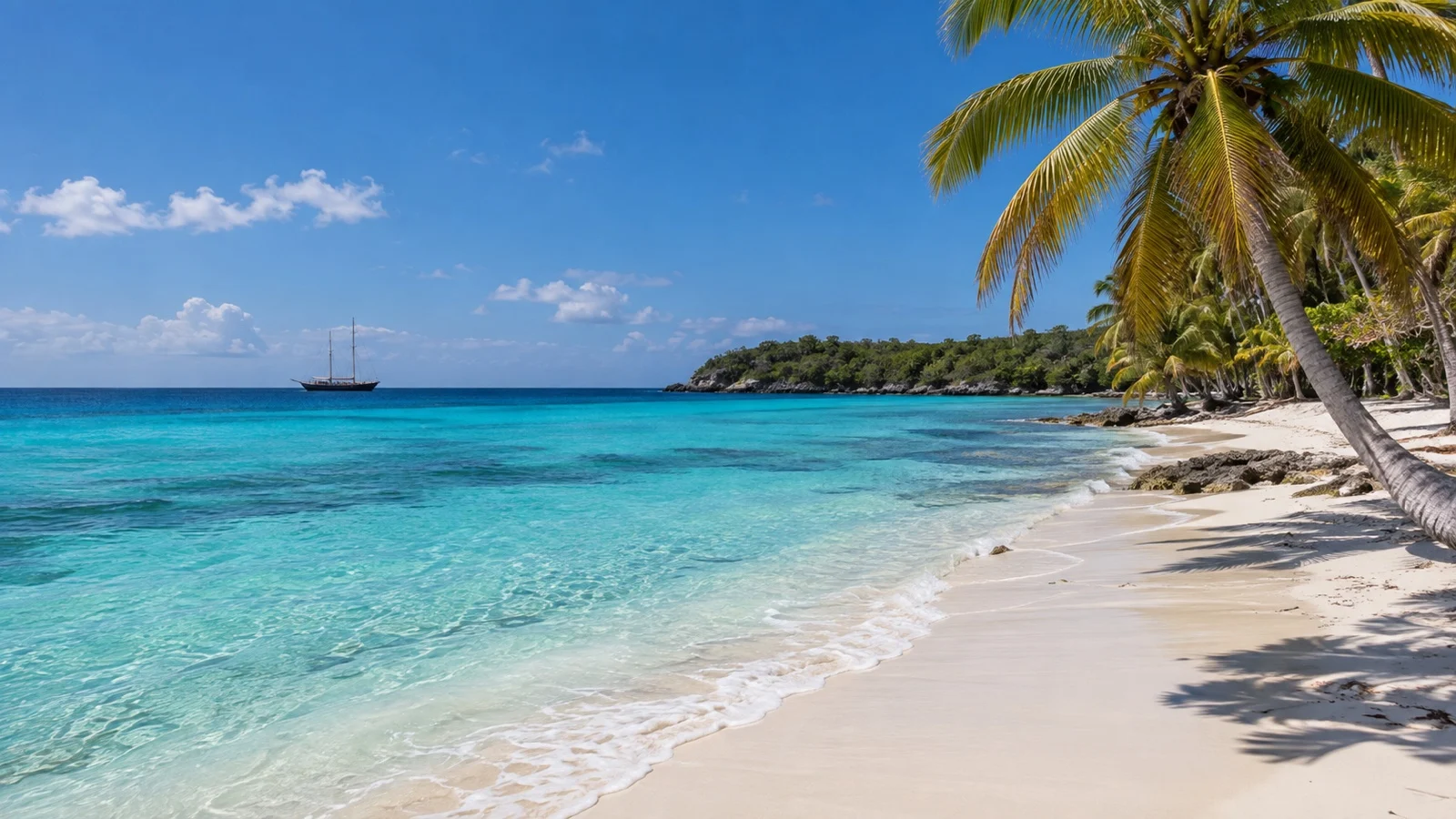
Best for: A simple beach day, snorkeling, and warm Caribbean water
Arrival style: Tender or ship-operated landing arrangements
Planning approach: Follow the cruise line’s beach and transport instructions
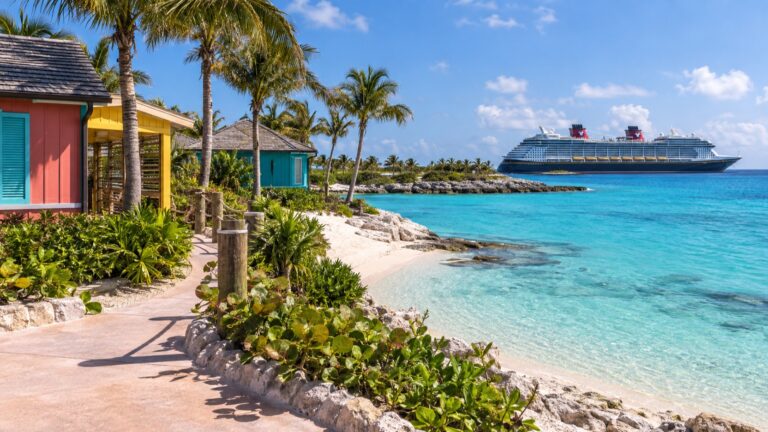
Catalina Island is the uncomplicated exhale on this list, with sand, water, and fewer urban decisions. Many visits are organized around a cruise-line beach setup rather than independent town exploration.
Facilities, loungers, food, accessible access, and snorkeling boundaries vary by sailing. Read the onboard program and do not assume a service shown in an old review will be provided.
Tender and small-boat operations remain weather-sensitive. Keep valuables protected from water and return for the boat well before the final departure time.
Cabo Rojo and Pedernales
Best for: The remote southwest, beaches, nature, and a new port experience
Arrival style: Ships berth at the developing cruise destination
Planning approach: Use organized transport and expect facilities to evolve
Cabo Rojo opened a new chapter for Dominican cruising by bringing ships to Pedernales Province in the far southwest. The landscape and famous Bahía de las Águilas area make it appealing to travelers who want scenery beyond the established north-coast circuit.
This is a developing destination, so terminal services, excursion inventory, roads, and operating patterns can change quickly. Use the cruise line or an established local operator and verify the physical demands of beach and nature outings.
Do not confuse a cruise facility with the older industrial history of the wider port area. Follow passenger signage and stay within approved routes unless your organized excursion takes you beyond them.
Santo Domingo
Best for: Colonial City history, museums, architecture, and a capital-city day
Arrival style: Calls may use Don Diego or Sans Souci facilities near the Ozama River
Planning approach: Confirm which side and transfer apply
Santo Domingo offers the country’s deepest urban history, with the UNESCO-listed Colonial City close to the river. It is the strongest port for travelers who prefer architecture, museums, and food to a resort pool.
The terminal assignment affects the route, and city traffic can be intense. Use the cruise shuttle, an official taxi, or a guided transfer, then keep a generous margin for returning through security.
Historic streets can include broken paving, curbs, heat, and limited shade. A shorter guided route can be more rewarding than trying to check off every monument.
How I Would Choose Between the Ports
For a first visit, Taíno Bay offers the best mix of terminal ease and access to a real Dominican city. Amber Cove is simpler for families or travelers who want a pool day without managing local transportation.
Choose Samaná for nature and seasonal whale watching, La Romana for planned beach or resort excursions, and Catalina Island for the least complicated sand-and-sea day. Cabo Rojo is the adventurous new choice, while Santo Domingo is the cultural heavyweight.
An itinerary that pairs one purpose-built terminal with one city or nature port shows more of the country than repeated resort complexes. I would take variety over collecting similar pool days.
Docking, Tendering, and Daily Changes
A docked call usually offers more predictable movement, but a large terminal can still involve long walks and controlled exits. Tender calls add boat queues, weather decisions, and a final tender time that may be earlier than the ship’s all-aboard time.
Priority tender procedures vary by cruise line, loyalty status, and excursion booking. Never promise yourself an early independent tour until you understand how your ship distributes tender access.
The captain, port authority, and local conditions can change a call for safety. Keep tickets flexible and avoid nonrefundable plans whose success depends on a precise arrival minute.
Transportation and Realistic Timing
Official taxis, hotel-arranged cars, cruise shuttles, and reputable tour operators are the most useful options. Confirm the fare or total price, currency, passenger count, child-seat needs, and return point before leaving.
Traffic can build around ship arrivals, beach corridors, and city centers. A travel time quoted on a quiet map should never become the entire safety margin for returning to the vessel.
Airports are regional rather than interchangeable: Puerto Plata, Samaná, La Romana, Punta Cana, Santiago, and Santo Domingo serve different parts of the country. If your cruise begins or ends here, use the airport code in the cruise documents and arrive early enough to recover from delays.
Weather and Seasonality
The Dominican Republic is warm through the year, with heat, humidity, showers, and strong sun shaping every port day. Tropical weather can develop quickly even when the morning looks perfect.
Atlantic hurricane season runs from June through November, but itinerary changes can happen at any time. Travel insurance, flexible excursions, and attention to cruise notifications matter more than a long-range forecast.
Whale-watching seasons, river conditions, and beach seaweed patterns are not fixed promises. Check official environmental and operator guidance close to the call.
Accessibility and a Slower-Paced Day
Modern cruise terminals can be relatively smooth, but gangway slopes, pier length, shuttle steps, and excursion vehicles still vary. Ask the cruise line whether your exact mobility device can be accommodated from ship to activity.
Tender ports require special attention because transferring into a moving boat may not be possible for every traveler. Request a written explanation of the ship’s tender policy rather than relying on general destination language.
A slower day can still be excellent: use the port pool at Amber Cove, stay within Taíno Bay, choose a short accessible city tour, or enjoy the cruise-line beach setup at Catalina. Shade, water, and frequent breaks are part of good planning, not an admission of defeat.
Money, Documents, and Communication
The Dominican peso is the national currency, while United States dollars may be accepted in tourism settings at a business’s chosen exchange rate. Carry small bills, ask which currency a price uses, and use cards only where you are comfortable.
Keep your ship card, photo identification required by the cruise line, emergency contact, and a copy of the port address with you. Store the original passport as instructed by the ship unless local immigration procedures require otherwise.
Download offline maps and translation support before leaving the vessel. Mobile service can be uneven on remote excursions, and a screenshot of the return point is wonderfully useful.
Planning for Families
Purpose-built terminals reduce transportation decisions, but pools and water attractions still require active supervision. Confirm height, age, swim, and waiver rules before promising a specific activity to children.
For car seats, ask the operator exactly what is provided and whether installation matches your standards. Bring essential snacks, sun protection, medication, and a change of clothing in a small day bag.
Multigenerational groups often do best by choosing one main activity with a nearby fallback. A split plan can work, but everyone should know the reunion time and ship return procedure.
Dominican Republic Cruise Port Questions
Which port is best for a first visit?
Taíno Bay is the strongest all-around introduction because it combines a modern terminal with access to central Puerto Plata. Santo Domingo wins for history, while Samaná wins for nature.
Do ships dock or tender?
Both. Amber Cove, Taíno Bay, La Romana, Cabo Rojo, and Santo Domingo can receive docked ships, while Samaná and Catalina Island commonly involve tender or small-boat operations.
Can I explore independently?
Yes, particularly inside purpose-built terminals or near a clearly marked city arrival. For waterfalls, distant beaches, wildlife trips, or remote Cabo Rojo outings, organized transportation is the more dependable choice.
Should I book through the cruise line?
Ship excursions are most valuable when travel is long, tender timing is uncertain, or a boat connection is involved. Independent tours can work well when the operator is reputable and the return margin is conservative.
What should I pack?
Bring water, reef-conscious sun protection, a hat, secure walking shoes, and a light rain layer. Add a waterproof pouch for tender and beach days, plus any medication you cannot replace ashore.
My Final Take
Choose the exact terminal first, then match the day to your energy: city exploration at Taíno Bay or Santo Domingo, resort ease at Amber Cove, nature in Samaná or Cabo Rojo, and beach time from La Romana or Catalina. The Dominican Republic is most rewarding when you let each coast be different.
This guide was independently checked on September 11, 2026, using official Amber Cove information, Taíno Bay, Dominican Port Authority and Ministry of Tourism information, official terminal pages, and current cruise-line instructions. Reconfirm the ship’s terminal, tender plan, transportation, attraction status, weather, accessibility, documentation, and all-aboard time before committing to nonrefundable arrangements because live operations can change.