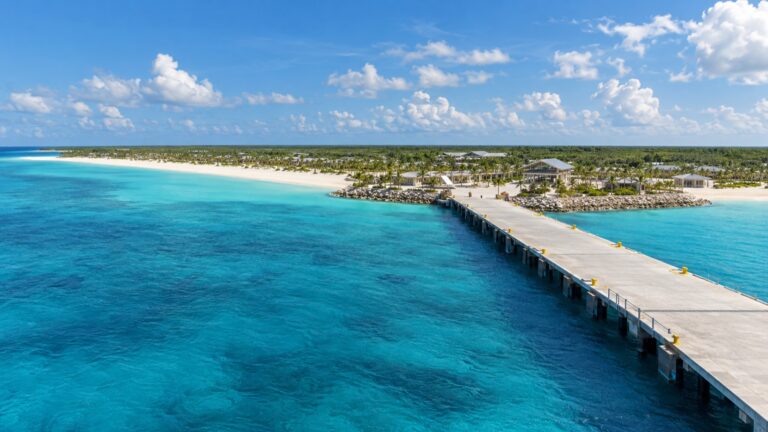
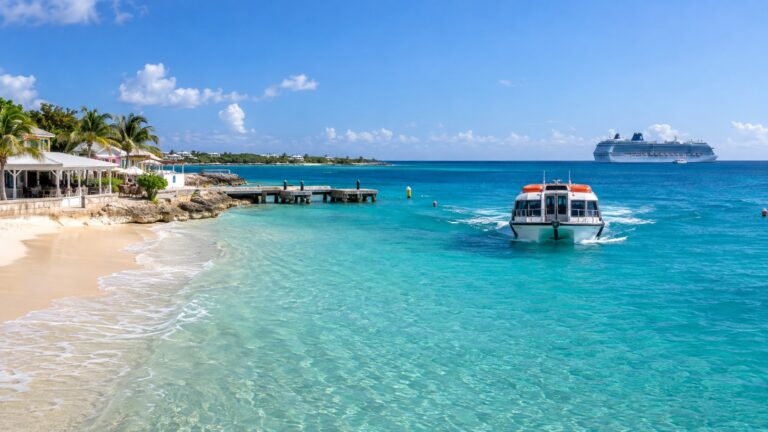
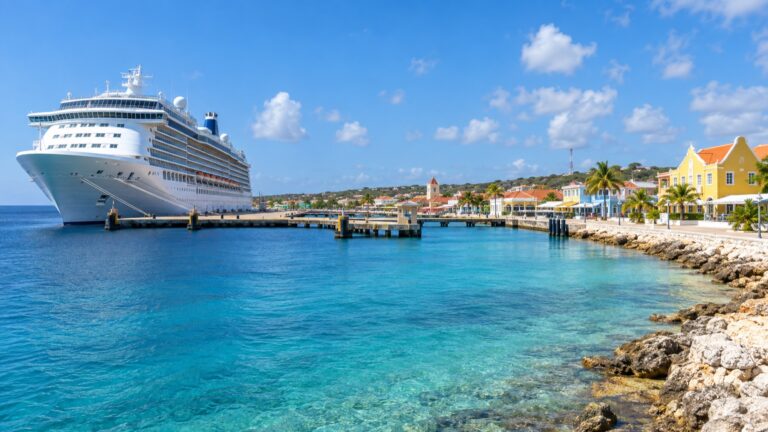
British Virgin Islands Cruise Ports: A Planner’s Guide to Every Stop
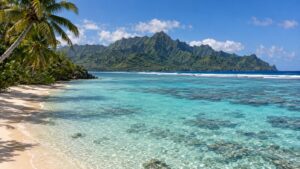
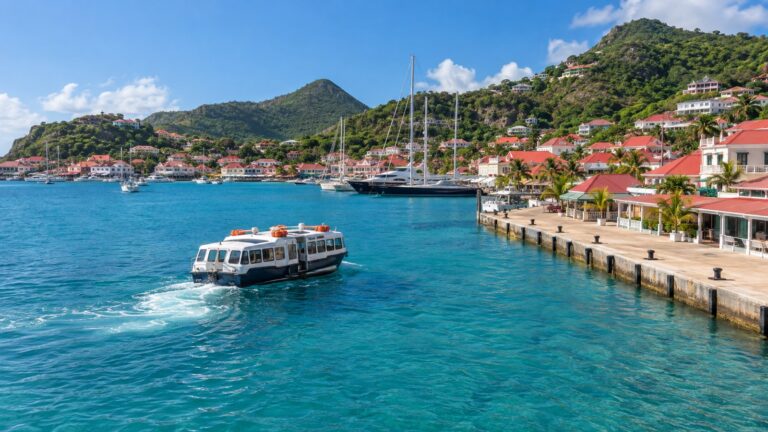
The British Virgin Islands look wonderfully compact on a map, but each cruise port creates a completely different kind of day. Tortola gives you the easiest land-based choices, Virgin Gorda revolves around The Baths, Jost Van Dyke feels like a beach escape, and Anegada asks for the most careful transport planning.
That is why I would never choose an excursion by island name alone. The better questions are where your ship will actually land, how many boat connections stand between you and the beach, and how much margin remains before all aboard.
Quick Facts for British Virgin Islands Cruise Ports
- Main cruise gateway: Road Town on Tortola, where larger ships can use the cruise pier near Tortola Pier Park.
- Other cruise stops: Virgin Gorda, Jost Van Dyke, and occasionally Anegada, often with tender or small-ship operations.
- Currency: The United States dollar.
- Driving: Traffic keeps to the left, and steep roads can feel unfamiliar even on a short taxi ride.
- Best known experience: The Baths National Park on Virgin Gorda.
- Best planning rule: Treat every ferry, tender, and water taxi as a separate time-sensitive connection.
- Weather: Conditions can change boat routes and beach access even when skies still look inviting.
What Makes a BVI Cruise Day Different
The British Virgin Islands are built around the sea. The official tourism board describes an archipelago of more than 50 islands and cays, and moving between them is part of the experience rather than a minor transport detail.
For cruise passengers, that beauty creates a chain of deadlines. You may need to leave the ship, cross a tender platform, ride to a ferry dock, take another boat, find a taxi, and then reverse every step before departure.
I count connections before I count attractions. A plan with one beach and one reliable ride usually gives you more island time than an ambitious plan that spends the day waiting at docks.
The BVI Ports Authority publishes cruise and ferry information, while your ship controls its own landing operation. Check both close to the call, because a schedule printed months earlier cannot account for weather, berth changes, or operational decisions.
1. Tortola and Road Town
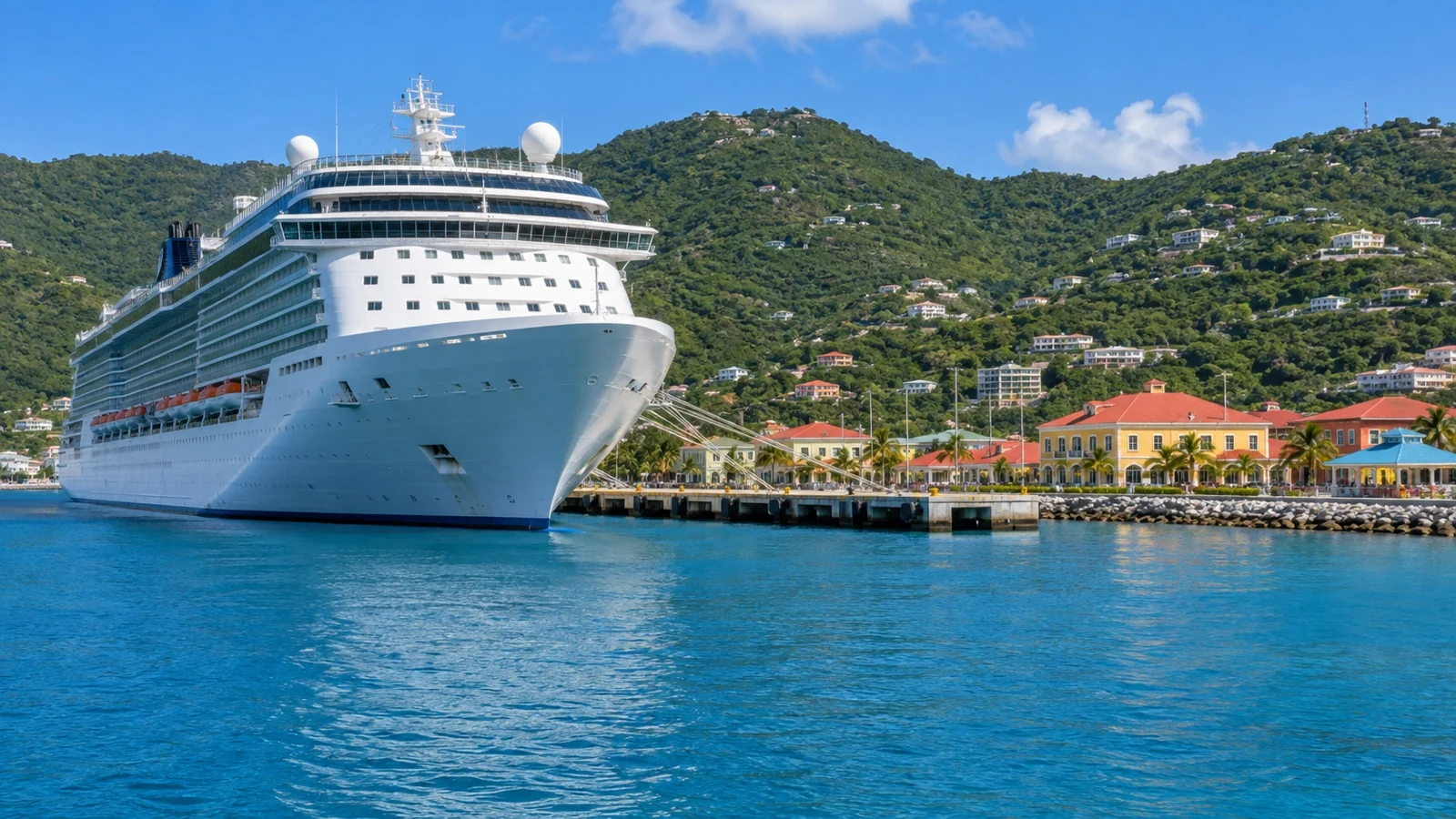
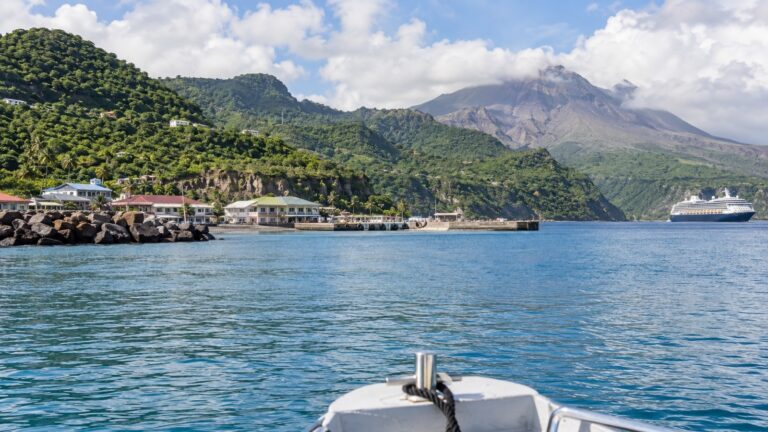
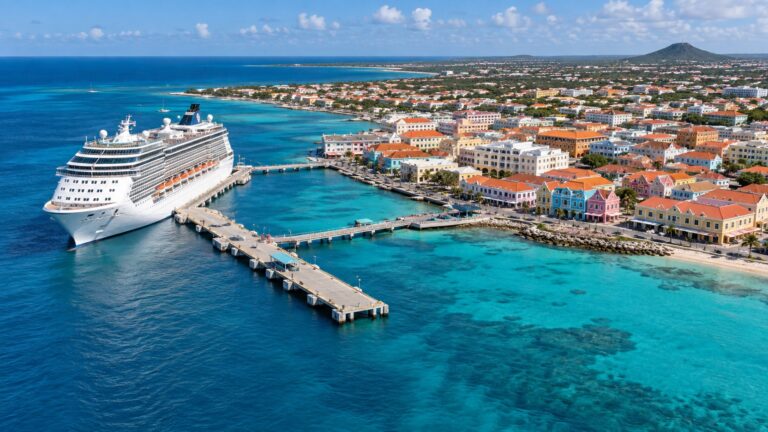
Tortola is the largest island and the most common starting point for a BVI cruise visit. Larger ships generally use the pier at Road Town, placing passengers beside Tortola Pier Park and within a practical taxi ride of the island’s beaches and viewpoints.
The pier area is the easiest choice if you want a low-stress day. You can browse shops, find food, join an organized tour, or simply use Road Town as a base without committing to a boat transfer.
Tortola itself is mountainous, and the official tourism board highlights its beaches, hidden harbors, historic sites, and sailing anchorages. Those steep green ridges create gorgeous views, but they also mean narrow roads, sharp bends, and travel times that feel longer than the mileage suggests.
Cane Garden Bay is the classic beach choice, with a broad sweep of sand and more visitor services than many smaller coves. It can also become busy when several ships are in port, so ask your driver about the day’s traffic and agree on a pickup time before settling in.
Brewers Bay often feels quieter, but facilities and sea conditions can be less predictable. Smuggler’s Cove has a secluded reputation, yet the road and transport plan deserve attention before you treat it as an easy independent trip.
For history, Tortola offers places such as the Lower Estate Sugar Works, Fort Burt, Mount Healthy Windmill, and Old Government House. Confirm current opening hours before building the whole day around a small museum or historic property.
An island tour works well for travelers who want views without spending the entire call on sand. I would ask for a route that includes one high viewpoint, one historical stop, and one beach, then leave the final stop optional.
Taxis commonly operate on set island routes or as shared safari-style vehicles during busy calls. Confirm whether the quoted fare is per person or for the vehicle, whether waiting time is included, and how you will identify the same driver later.
Using Tortola as a Gateway to Another Island
Road Town also tempts passengers with ferries to Virgin Gorda and Jost Van Dyke. The trip may look easy online, but the public ferry schedule, taxi transfer, attraction time, and ship deadline all have to fit on the same day.
A ship excursion usually removes the riskiest handoffs because the cruise operator coordinates the boat and return. If you travel independently, verify the schedule for your exact date and do not rely on a screenshot from an old travel forum.
I would also check the departure dock carefully. Road Town, West End, and other marine points are not interchangeable, and a taxi between them adds both cost and uncertainty.
2. Virgin Gorda
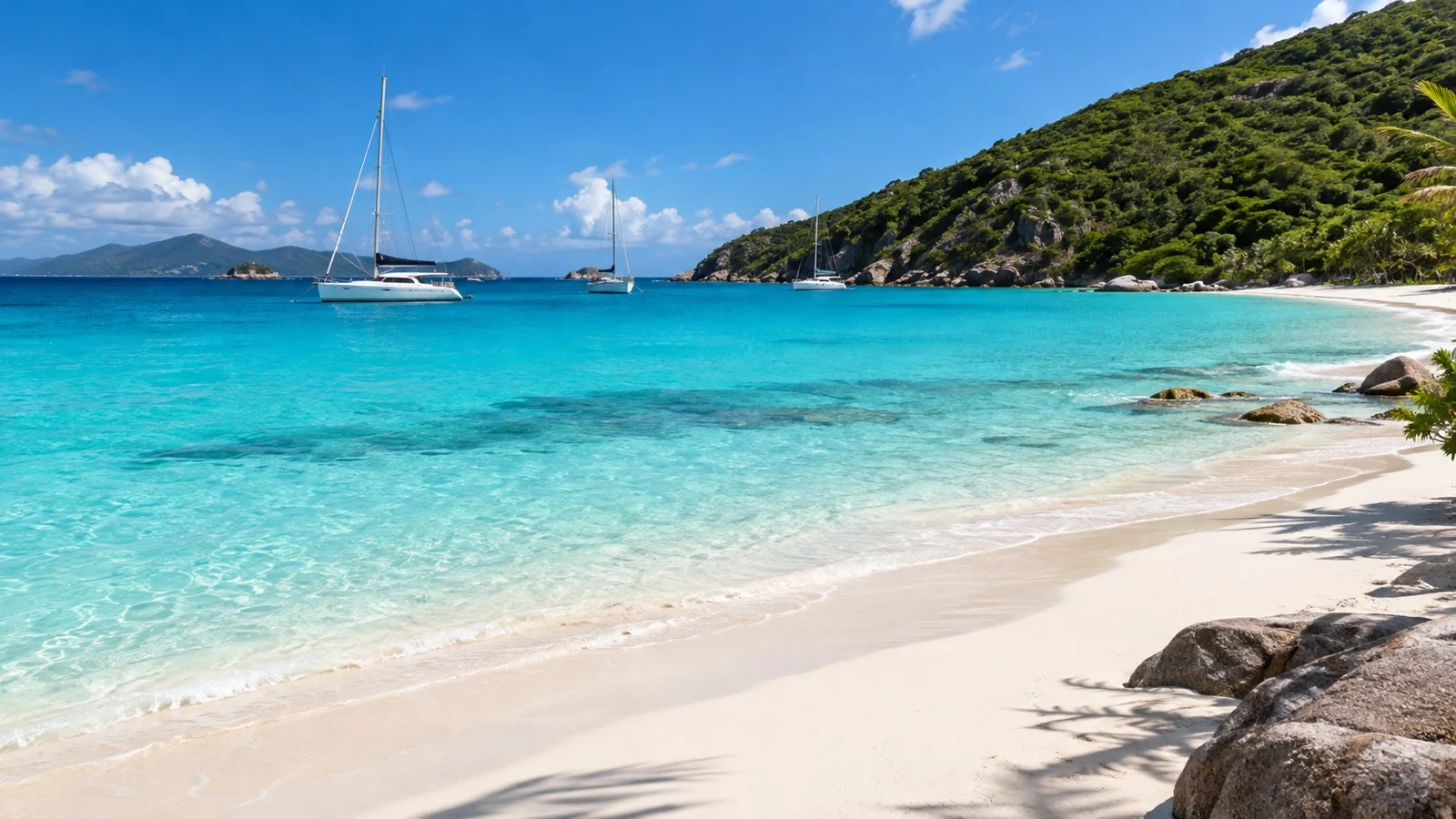
Virgin Gorda is the BVI stop many travelers recognize before they know its name. The island’s granite boulders, sheltered pools, and bright water at The Baths create one of the Caribbean’s most distinctive shore experiences.
Some smaller ships call directly at Virgin Gorda, while other passengers arrive from Tortola by excursion boat or ferry. Your landing point determines whether The Baths is a straightforward taxi ride or one segment in a much longer connection chain.
The National Parks Trust of the Virgin Islands manages The Baths as protected parkland. Conditions, visitor flow, swimming access, and park rules can change, so current official guidance matters more than a fixed promise in a tour description.
The famous trail through the boulders is not a flat beach walk. Expect sand, rock, steps, tight spaces, ladders or handholds, and wet surfaces, then decide whether that matches your comfort and mobility.
You can still enjoy Virgin Gorda without completing every part of the boulder route. Ask about beach access, overlooks, Savannah Bay, Spanish Town, or a scenic drive if scrambling and confined passages are not appealing.
Crowds affect the feel of The Baths as much as the weather. An early organized departure can be worth it, although no operator can guarantee an empty trail when several vessels arrive together.
Wear shoes that can handle rock and water, and keep both hands free where the route demands balance. A waterproof pouch protects a phone without encouraging you to carry a bulky bag through narrow sections.
3. Jost Van Dyke
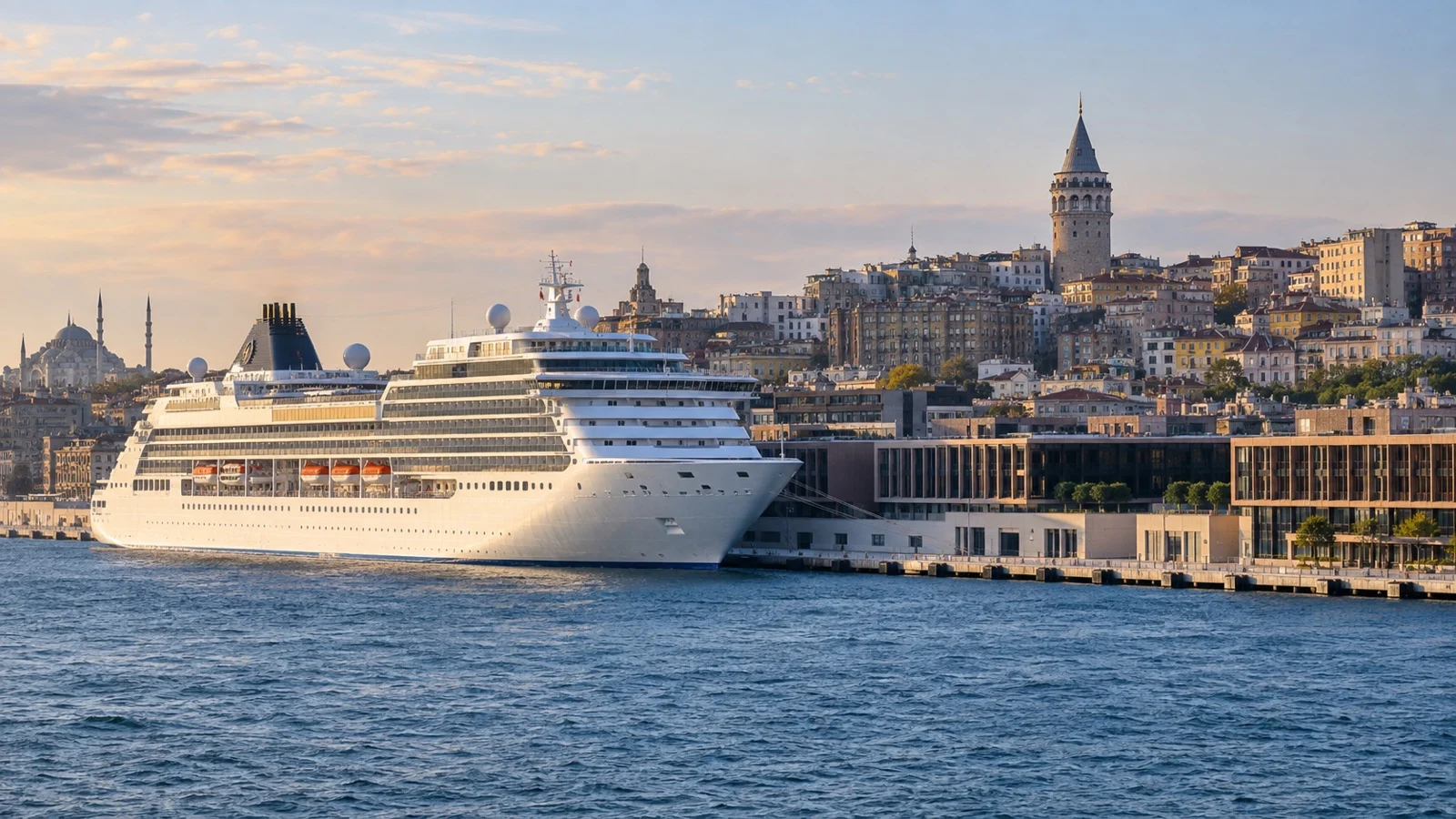
Jost Van Dyke is small, relaxed, and famous for the social beach atmosphere around White Bay and Great Harbour. It can be a direct tender call for smaller ships or a boat excursion from Tortola.
Great Harbour is the island’s main settlement and a practical landing area for many marine arrivals. White Bay is the postcard beach, but reaching it may involve a taxi over the hill, a water taxi, or a boat that lands close to shore.
Beach bars are part of the island’s personality, yet the day does not need to revolve around drinking. Clear water, soft sand, a long lunch, and a swim can easily fill the call.
Boat landings deserve special attention at White Bay. Depending on the operator and conditions, you may step onto a dock, transfer to a smaller craft, or wade ashore, which changes what shoes and bags make sense.
I would confirm where the return boat leaves, whether the time is ship time or local time, and what happens if surf conditions alter the pickup. One clear answer at the beginning prevents the least relaxing kind of beach day.
Travelers who prefer a quieter experience can ask about Great Harbour, Little Harbour, or a simple island tour. Jost Van Dyke is best when you leave room for its unhurried rhythm instead of turning it into a race between beach bars.
4. Anegada
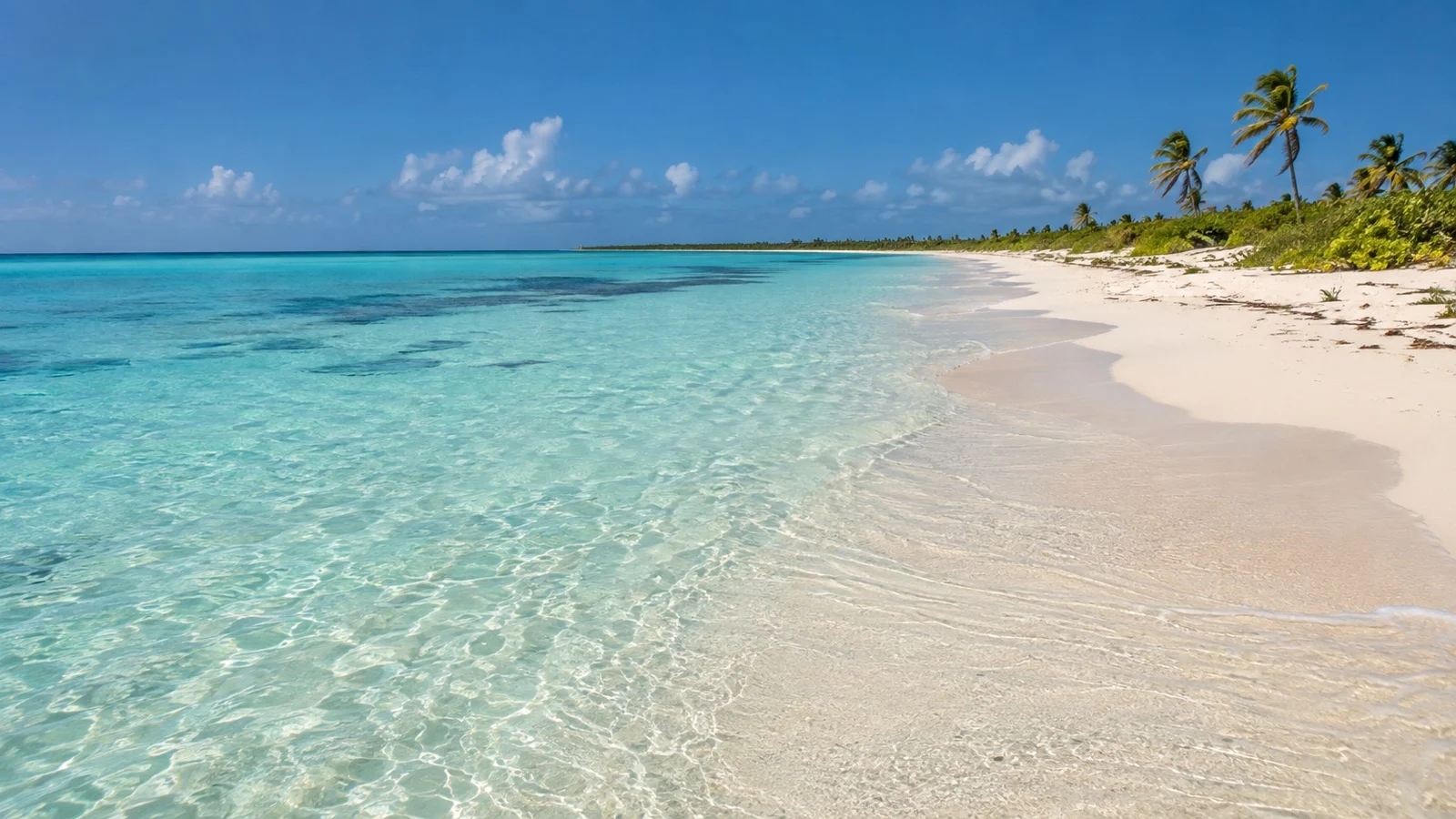
Anegada is the outlier in the BVI chain. The tourism board identifies it as the only coral island among the territory’s volcanic islands, which explains its low profile, broad horizons, surrounding reefs, and very different sense of space.
Large mainstream cruise ships do not call here as routinely as they call at Tortola. Anegada is more likely to appear on a small-ship itinerary or as a specialized excursion, and that rarity makes exact logistics essential.
The island is known for long beaches, reef scenery, wildlife, and lobster traditions. It is also spread out enough that a taxi, organized tour, or rental arrangement can matter once you land.
Loblolly Bay and Cow Wreck Beach are famous names, but I would choose based on current transport, facilities, and sea conditions rather than reputation alone. Agree on your return ride before the driver leaves, especially on a quiet day.
Anegada’s reefs are beautiful and historically hazardous to navigation. Snorkel only where local guidance says conditions are suitable, and never assume calm-looking water means currents or coral hazards are absent.
The island rewards travelers who want nature and distance from crowds. It is a poor choice for anyone who becomes anxious when schedules depend on a long open-water transfer.
Docking, Tendering, and Beach Landings
Road Town offers the most conventional cruise arrival, but even there your ship may adjust berths or procedures. Virgin Gorda, Jost Van Dyke, and Anegada are much more likely to involve tenders, small boats, or excursion craft.
A tender is not automatically accessible to every passenger. The cruise line may restrict boarding when waves create too much movement, and crew members make the final safety decision at the platform.
Ask about steps at both ends, the gap between vessels, weight or folding limits for mobility devices, and whether you must walk through shallow water. The phrase beach transfer can describe several very different physical experiences.
Keep a dry layer and sun protection within reach during any open-boat ride. Spray, wind, and shade can make the crossing cooler than the beach even on a hot day.
Ferries, Water Taxis, and Return-Time Math
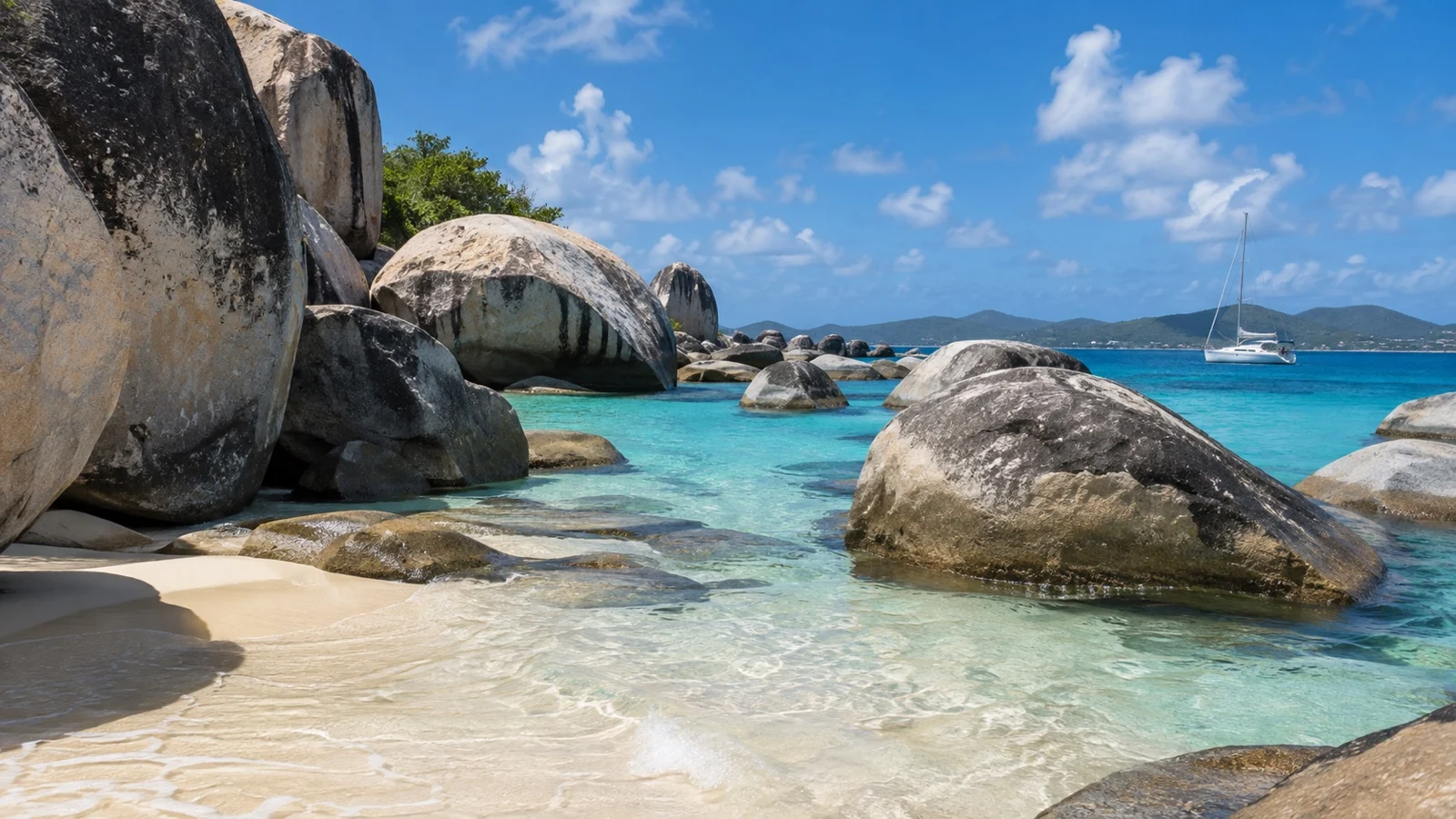
Public ferries serve residents and overnight visitors, not just cruise passengers. Schedules can vary by day, operator, season, maintenance needs, and weather, so the last published departure is never a good cruise-day target.
Start with the ship’s all-aboard time and work backward. Allow time for the final ferry, the transfer from its dock, port security, a possible line, and the walk to the gangway.
Then add a backup departure rather than planning around the final theoretical connection. If the timetable cannot provide that cushion, I would use a ship excursion or choose an experience on the island where the vessel calls.
Private water taxis can create a more direct route, but direct does not mean risk free. Confirm licensing, vessel type, weather policy, passenger capacity, pickup point, and responsibility if the ship changes its arrival time.
Choosing the Right Port for Your Travel Style
Choose Tortola if you want the widest range of beaches, viewpoints, shopping, history, and easy fallback options. It is also the best fit for travelers who prefer to keep both feet on land after leaving the ship.
Choose Virgin Gorda if The Baths is a priority and you are comfortable with the route’s physical demands. A direct small-ship call is especially attractive because it removes one of the inter-island transfers.
Choose Jost Van Dyke for a social beach day with minimal sightseeing pressure. It works best when you are happy to swim, eat, listen to music, and stay aware of the return boat.
Choose Anegada for a rare, nature-led day and a feeling of geographic isolation. The logistics need to be solid, but the reward is an island that looks and feels unlike mountainous Tortola or Virgin Gorda.
Weather and the Best Time to Visit
The BVI has warm Caribbean conditions through the year, but sunshine alone does not tell you whether a boat route will be comfortable. Wind direction, swell, rain, and visibility can affect tenders, snorkeling, and beach landings.
The Atlantic hurricane season overlaps with part of the cruise calendar, and storms can affect the territory before or after the center passes. Follow the cruise line’s operational notices and official local weather information rather than social media speculation.
Pack broad-spectrum sunscreen, a hat that stays on in wind, water, and a light rain layer. Reef-conscious sun protection and a rash guard reduce how much lotion enters the sea.
Sea conditions may be rough on one side of an island and calm on another. A good local captain or driver should be willing to change the beach plan instead of forcing the advertised stop.
Money, Phones, and Practical Details
The United States dollar is the everyday currency, which keeps money handling simple for many visitors. Carry small bills because taxis, beach vendors, and modest purchases may be easier with cash.
Cards are accepted in many established businesses, but service interruptions happen. I would never head to a smaller island with only a phone wallet and no backup cash.
Cell coverage can vary between hills, bays, and open water. Save ferry confirmations, emergency contacts, and the ship’s port-agent details offline before leaving the vessel.
Traffic keeps to the left, and roads can be steep, narrow, and winding. Cruise visitors are usually better served by a local driver than by renting a vehicle for a few hours.
Documents and Entry Requirements
The British Virgin Islands is a British Overseas Territory with its own immigration and customs procedures. Requirements depend on nationality, itinerary, passport, and whether you cross from another jurisdiction such as the United States Virgin Islands.
A ship that has cleared passengers for a regular port visit may handle formalities differently from an independent ferry trip. Do not assume that permission to step ashore from the cruise ship automatically covers a self-planned international island transfer.
Check the BVI government, the official tourism board’s ports-of-entry guidance, and your cruise line before sailing. Bring the original passport ashore only when instructed, and otherwise follow the ship’s written document policy.
Accessibility and a Lower-Stress Day
Road Town and Tortola Pier Park provide the simplest setting for passengers with limited mobility, although gangway slope and pier distance still vary. A private accessible vehicle should be arranged well ahead because supply can be limited.
Tortola’s steep roads, safari taxis, and beach access can pose challenges even when the sightseeing itself sounds gentle. Ask for the vehicle step height, seat configuration, restroom plan, and exact walking surface at every stop.
The Baths trail and many small-boat transfers are not fully accessible. Travelers who skip them can still have an excellent day with a scenic Tortola drive, a waterfront lunch, and time around the pier.
Anyone prone to motion sickness should consider the total amount of open-water travel, not just the main ferry. Tender rides, water taxis, snorkeling boats, and anchored vessels can each add movement.
Families and Multigenerational Groups
Children often love the BVI because the day can be as simple as sand and water. The hard part is managing sun, hydration, flotation, and multiple transfers while keeping the return schedule visible.
Use properly fitted flotation gear on boats and ask whether child sizes are supplied. At The Baths, adults should review the route and current conditions before committing younger children or less steady relatives to the full trail.
For a mixed-age group, Tortola is the easiest compromise. Some relatives can take an island drive while others choose the beach, and everyone can reunite near the pier without adding an inter-island ferry.
My Three Favorite Ways to Plan the Day
For a first visit to Tortola, I would take a short scenic drive, spend several hours at one north-shore beach, and return with time for Road Town or the pier. It is simple, varied, and resilient if traffic changes.
For Virgin Gorda, I would book a protected ship or established local excursion to The Baths, start early, and keep the rest of the day light. The boulder landscape deserves time without a second major deadline.
For Jost Van Dyke, I would choose one reliable round-trip boat, confirm the exact return point, and let the beach be the event. Anegada would be my special small-ship choice when the itinerary already includes a well-organized landing.
Frequently Asked Questions
Which BVI cruise port is best for a first visit?
Tortola is the most versatile first stop because it combines a proper cruise gateway with beaches, views, history, and easy fallback plans. Virgin Gorda is the stronger choice if The Baths is the experience you care about most.
Do cruise ships dock or tender in the British Virgin Islands?
Both. Road Town commonly handles larger ships at a pier, while smaller-island calls and some vessel operations use tenders or excursion boats.
Can I visit The Baths from Tortola?
Yes, when the ship’s schedule and current transport options allow it. A cruise excursion usually offers the safest timing, while independent travelers must coordinate the ferry, taxis, park visit, and a generous return margin.
Can I explore independently?
Tortola is the easiest island for independent planning with local taxis. Inter-island days demand more caution because every extra boat creates another possible delay.
Should I reserve a beach transfer in advance?
Advance booking is wise during busy cruise days, particularly for a private vehicle or boat. If you plan to use an ordinary taxi on Tortola, agree on the return arrangement before the driver leaves.
What should I wear?
Choose light clothing, secure footwear, sun protection, and a swimsuit under a cover-up. Add water shoes only where local conditions justify them, since they do not replace caution around coral, rocks, or surf.
Final Verdict
The British Virgin Islands are at their best when you stop trying to collect islands and start protecting your time on one of them. Tortola offers the easiest all-around day, Virgin Gorda has the landmark, Jost Van Dyke has the mood, and Anegada has the rarest sense of escape.
Choose the island that fits your ship’s actual landing plan, then leave space for the sea to change the details. That small dose of discipline is what turns a complicated transport chain into the relaxed Caribbean day you imagined.
This guide was researched using current information from the British Virgin Islands Ports Authority, BVI Tourist Board, National Parks Trust of the Virgin Islands, and BVI government. Cruise berths, ferries, tenders, park access, entry rules, and weather procedures can change, so verify the final details with your cruise line and the responsible official agency.