Bahamas Cruise Ports: A Planner’s Guide to Every Stop
The Bahamas can look like one simple beach destination on an itinerary map, but its cruise ports deliver very different days. Nassau is a busy capital with history and urban energy, Bimini is compact and water-focused, Freeport spreads attractions across Grand Bahama, and the cruise-line destinations are carefully designed resort experiences.
The best itinerary depends on whether you want independent exploration, a polished beach day, family attractions, snorkeling, or quiet sand. I would compare the actual port mix rather than choosing only by ship or cruise length.
Quick facts about Bahamas cruise ports
- Best first independent port: Nassau
- Best compact island stop: Bimini
- Best for a wider island tour: Freeport and Grand Bahama
- Best family resort day: CocoCay or Celebration Key
- Best classic private-island mood: Castaway Cay, Half Moon Cay, or Great Stirrup Cay
- Docking reality: Pier and tender arrangements vary by destination and can change
- Currency: Bahamian and United States dollars circulate at equal value
- Planning rule: Use ship time and return well before all-aboard
How the Bahamas cruise experience fits together
Public ports place you in real Bahamian communities where local transportation, museums, restaurants, beaches, and independent operators shape the day. They require more decisions, but they also give you more freedom and a better chance to understand the country beyond a resort gate.
Cruise-line destinations simplify nearly everything, with controlled access, loungers, food options, activities, and a clear route back to the ship. They are excellent vacation days, but they should not be treated as interchangeable with visiting Nassau, Freeport, or Bimini.
Public cruise ports in The Bahamas
Nassau
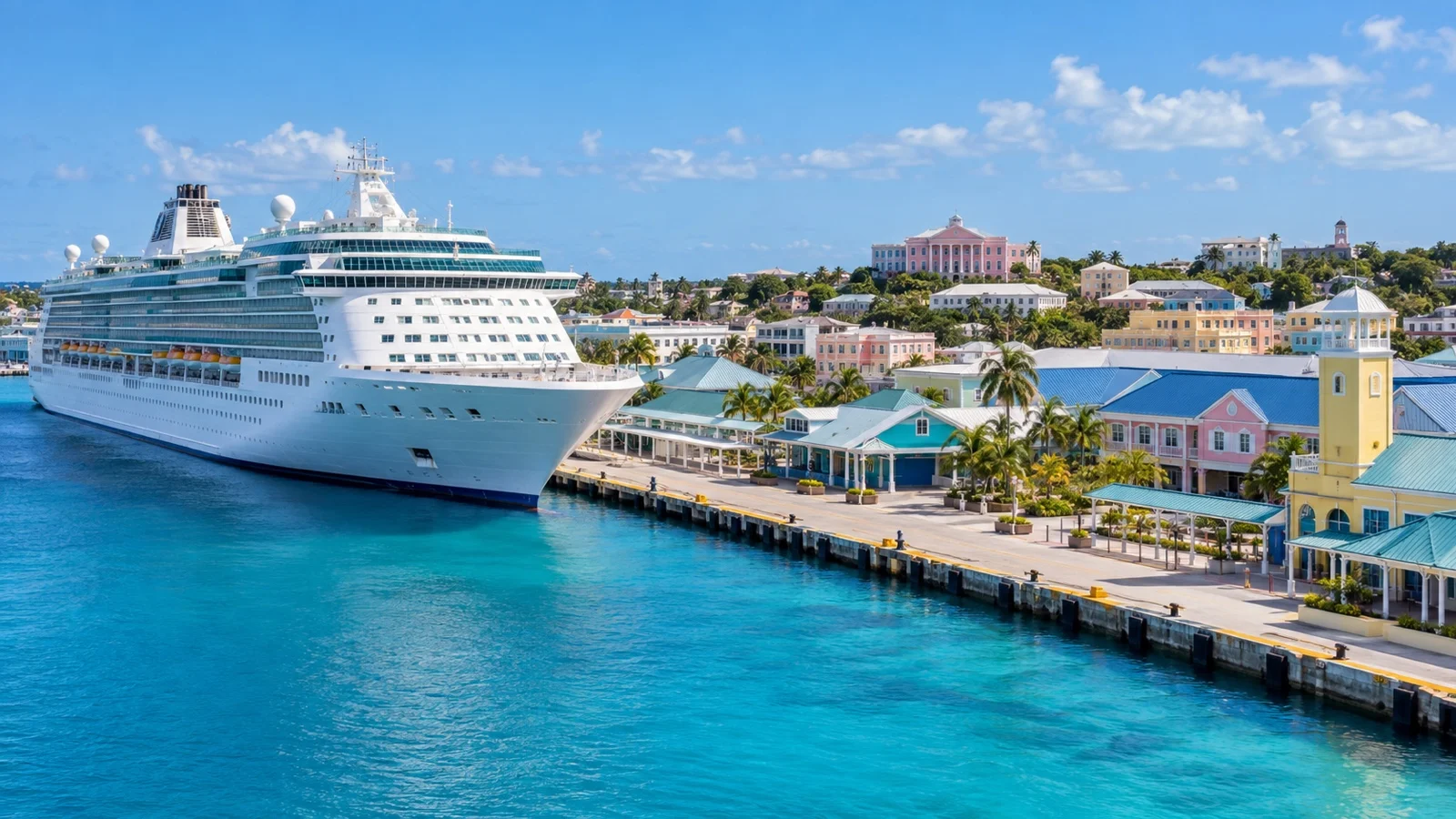
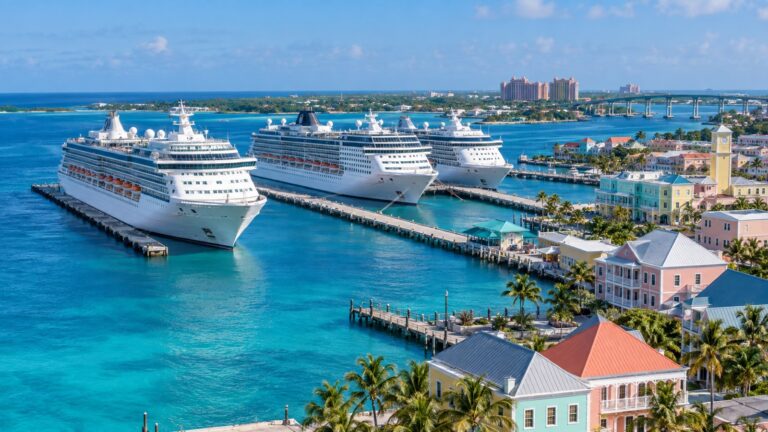
Nassau is the country’s busiest and most versatile cruise stop, with ships docking beside downtown New Providence. The port area gives you quick access to Bay Street, the Queen’s Staircase, Fort Fincastle, museums, food, shopping, ferries, taxis, and resort day passes.
The freedom is wonderful, but crowds can be intense when several large ships arrive together. Pick one main plan, agree on taxi fares before departing, and allow time to walk through the port complex on your return.
Independent travelers can build an easy history-and-food walk, while beach seekers often use a taxi or water taxi. Resort passes and popular excursions can sell out, so reserve anything essential rather than hoping for a last-minute deal.
Freeport
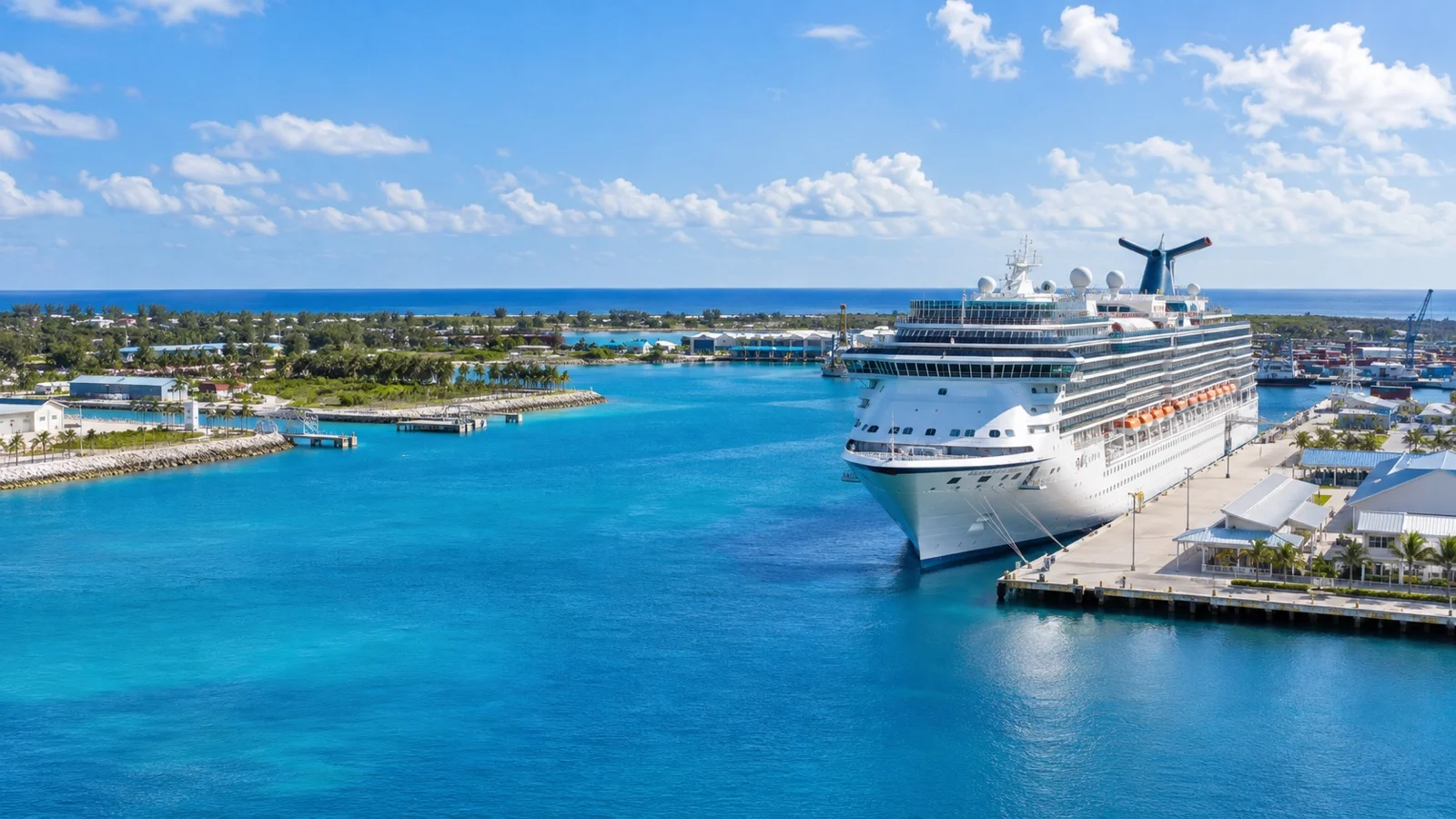
Freeport calls usually use the industrial port area on Grand Bahama, and many of the island’s best-known beaches and attractions require transportation. This is not a port where most travelers simply walk off and discover the main resort district.
Grand Bahama rewards a planned day built around beaches, nature, snorkeling, kayaking, or an island tour. Independent travel is possible, but distances and return timing make a ship excursion attractive for anyone uncomfortable coordinating local transport.
Bimini
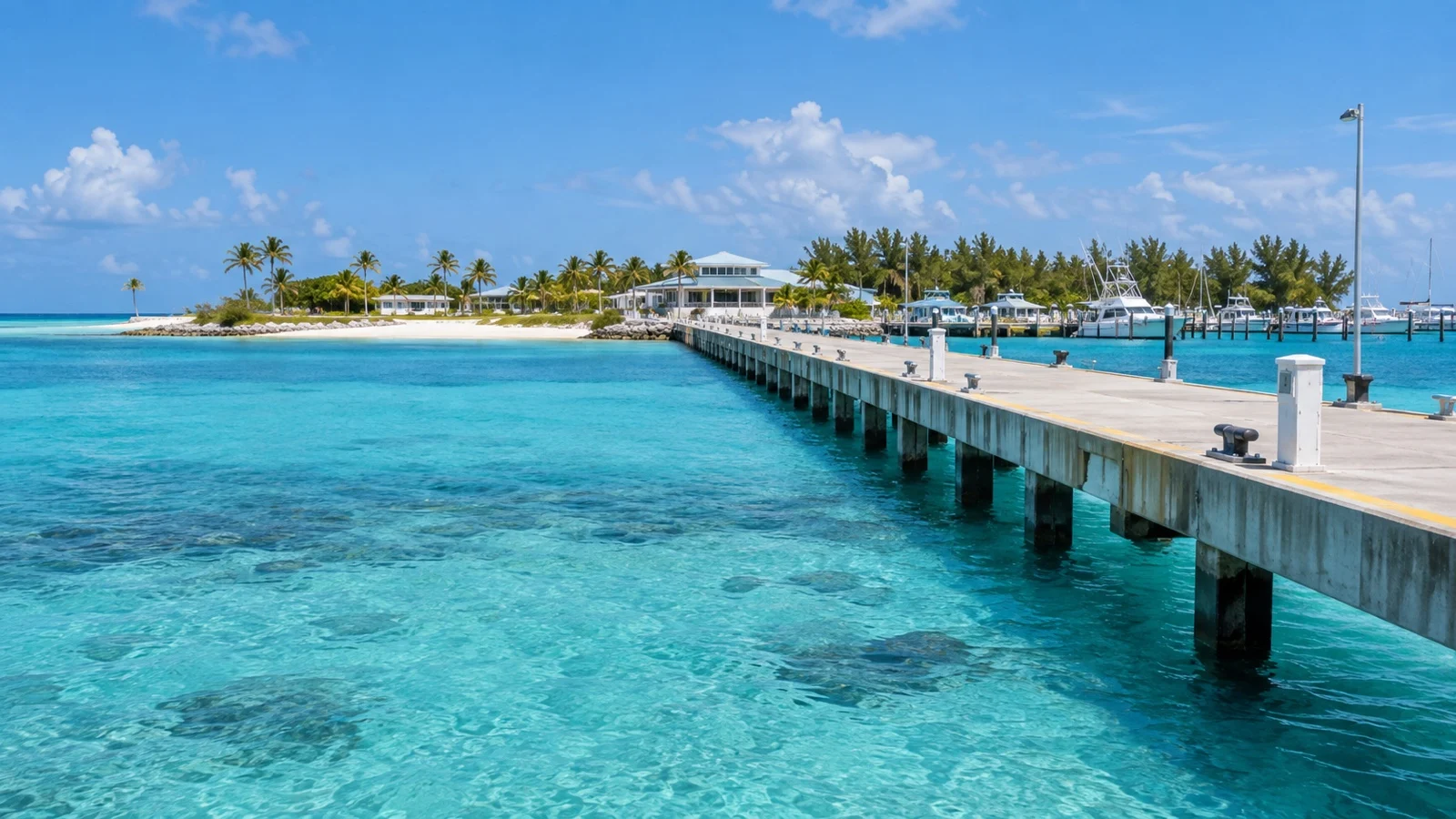
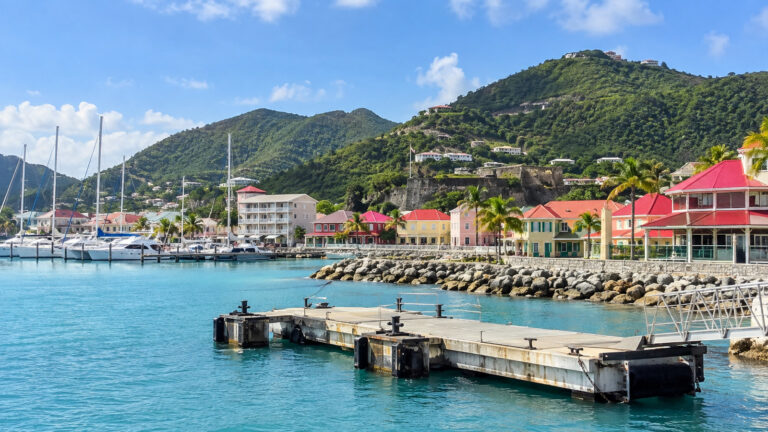
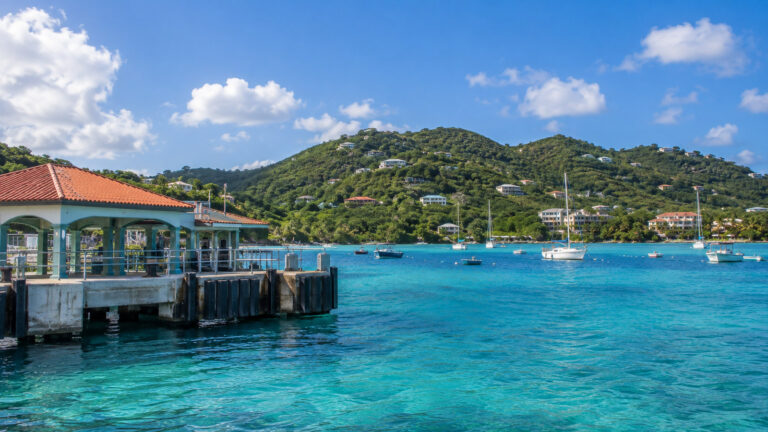
Bimini is close to Florida in mileage but feels distinctly small and water-centered. The island suits snorkeling, diving, fishing, beach time, and a slower day that does not need a long sightseeing checklist.
Docking and local transfer arrangements depend on the cruise operation, so read the ship’s current instructions. Golf carts are popular but availability, traffic, licensing, and parking conditions deserve practical thought before renting.
Cruise-line destinations in The Bahamas
Half Moon Cay
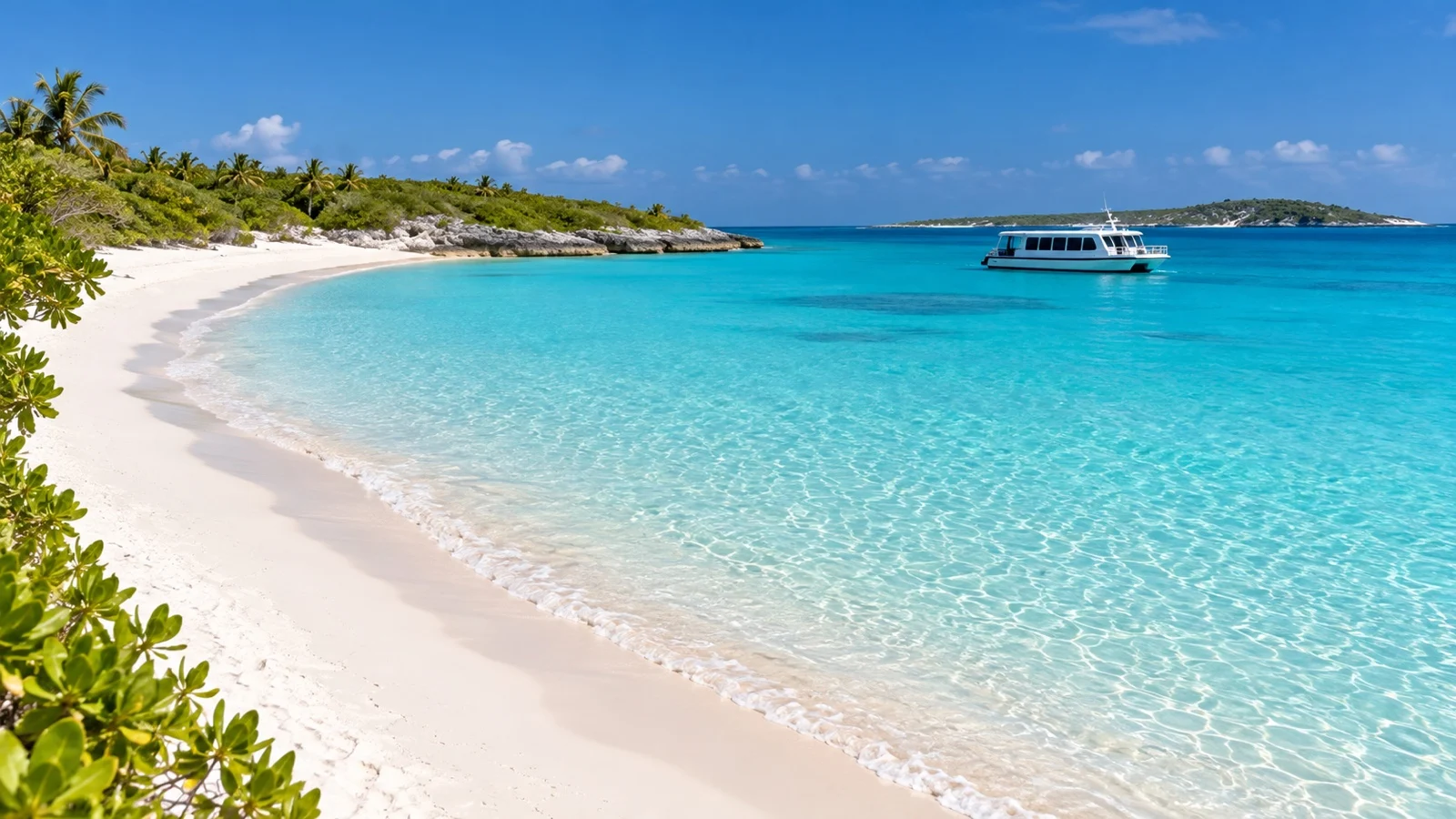
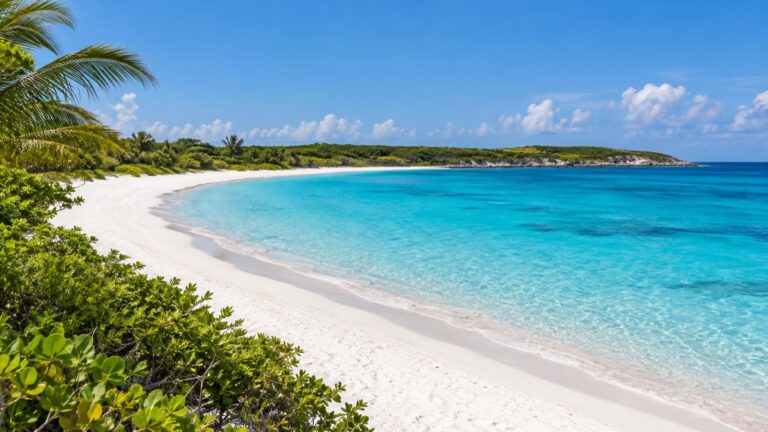
Half Moon Cay is Carnival Corporation’s classic private-island beach stop, best known for pale sand, clear water, and a relaxed setting. The appeal is less about constant activity and more about having an exceptionally easy beach day.
Tender or pier procedures can evolve, so follow the current ship schedule and onboard notices. Guests with mobility concerns should confirm the transfer method before sailing because small-boat operations can affect accessibility.
Princess Cays
Princess Cays occupies a resort area on Eleuthera and combines beaches, water activities, shopping, food service, and shore excursions. It feels more contained than a public port while still sitting on an inhabited Bahamian island.
The water entry can be rocky in places, making water shoes useful for sensitive feet. Check the current landing procedure and reserve popular cabanas or excursions early.
Castaway Cay
Disney’s Castaway Cay is a polished family destination with dedicated areas, organized recreation, beaches, food, and a pier that makes the arrival simple when conditions allow. Disney’s operational detail is a major part of the experience, especially for families with young children.
Adults have their own beach area, while families can choose active or low-key plans. The island is easy to navigate, but tram waits and walking distances still deserve attention when time is short.
Perfect Day at CocoCay
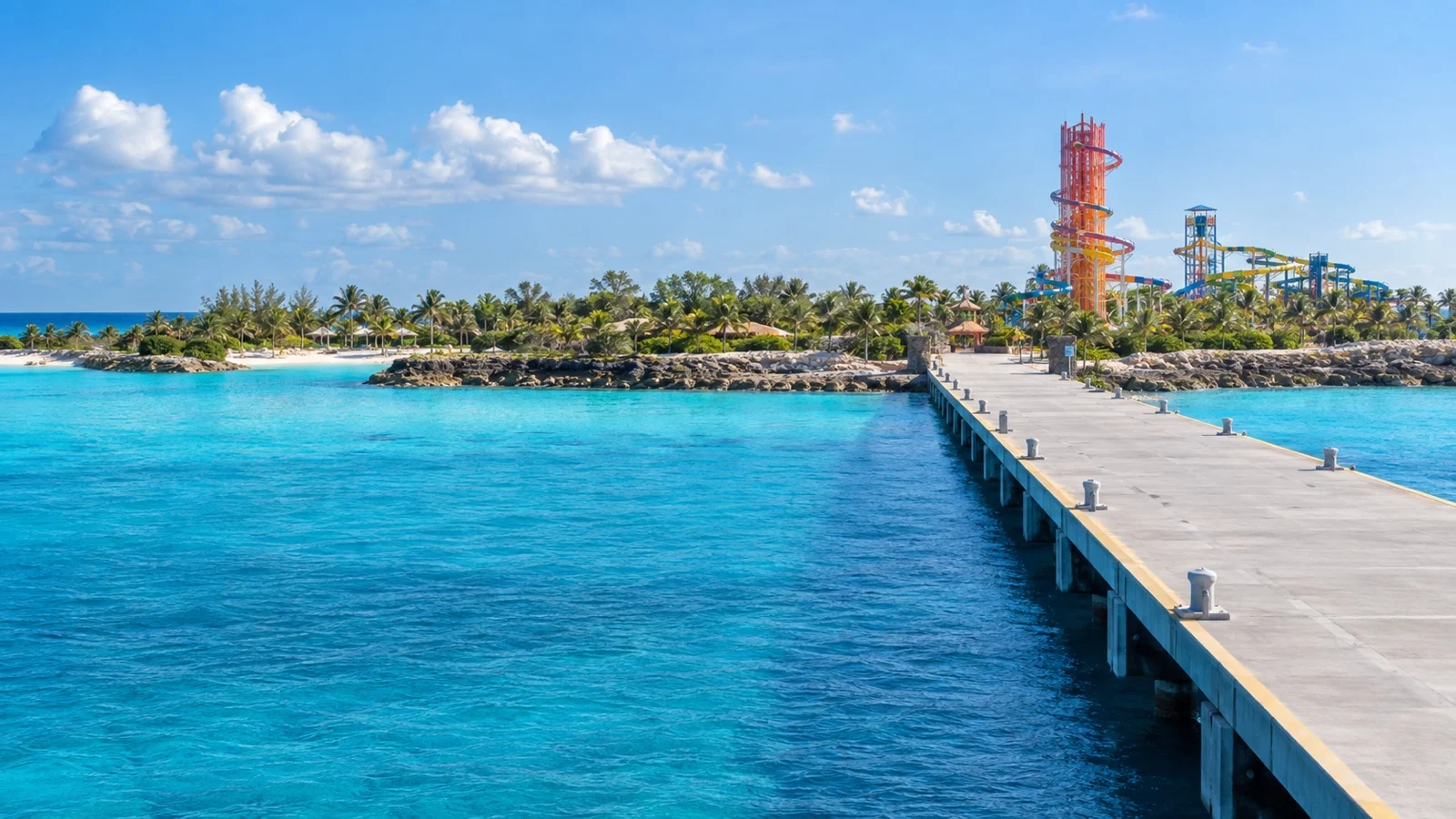
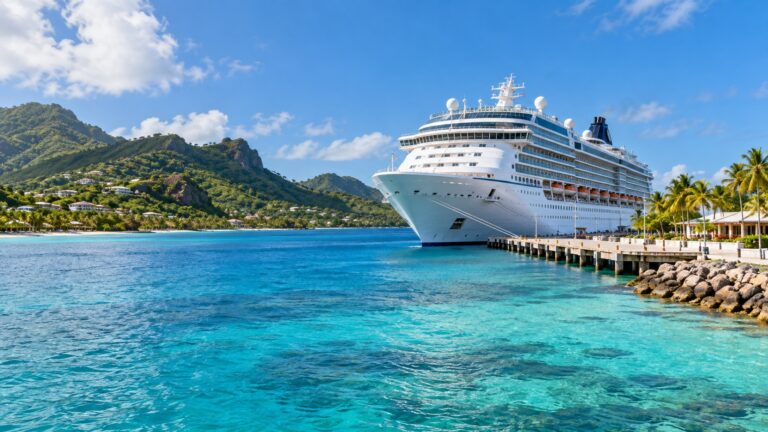
Royal Caribbean’s CocoCay is built for a high-energy resort day, with beaches, pools, family play areas, paid attractions, and adult-focused spaces. A pier generally makes access straightforward, while the destination’s size means it helps to decide your priority before stepping ashore.
You can have an excellent included day without purchasing every upgrade. Paid water-park admission, clubs, cabanas, and premium experiences should be judged against how many usable hours your ship actually provides.
Ocean Cay MSC Marine Reserve
MSC’s Ocean Cay emphasizes beaches, open space, water, and a calmer island atmosphere. Some itineraries offer extended or evening hours, which can transform the stop from a rushed beach visit into a slow resort day.
The island has multiple beach zones, so do not stop automatically at the first chairs you see. Check what food, drinks, umbrellas, and activities your fare or package includes.
Celebration Key
Carnival’s Celebration Key is a purpose-built destination on Grand Bahama with a pier, a mile-long beach, large freshwater lagoons, family areas, adult zones, and Bahamian cultural elements. The official plan divides the experience into distinct portals, making it easier to choose a mood.
Many core beach and lagoon features are included, while clubs, cabanas, excursions, rentals, and selected dining cost extra. Review the current cruise-line map because a large resort port rewards advance orientation.
Great Stirrup Cay
Norwegian Cruise Line’s Great Stirrup Cay combines beaches, snorkeling, cabanas, food, and organized activities in a private-island setting. It is well suited to guests who want an easy day without arranging independent transportation.
Infrastructure and arrival procedures have been evolving, so old reports about tendering or specific facilities may no longer match your sailing. Use the current NCL app and onboard notices for the definitive plan.
Lookout Cay at Lighthouse Point
Disney Lookout Cay sits on Eleuthera and places Bahamian art, music, storytelling, and design closer to the center of the guest experience. It offers family and adult beach areas while feeling different from Castaway Cay.
The long pier and internal distances matter in heat or for limited mobility. Disney provides transportation for portions of the route, but guests should still prepare for walking and confirm current accessibility arrangements.
How I would choose the itinerary
First-time visitors who want history and independent choice should include Nassau. Travelers who primarily want beaches can choose almost any private destination, then compare whether the atmosphere leans quiet, family-centered, or attraction-heavy.
An itinerary pairing Nassau with a private destination gives the best contrast. Two resort stops can be wonderfully relaxing, but they may feel repetitive if your real interest is Bahamian culture and local exploration.
Docking, tendering, and weather
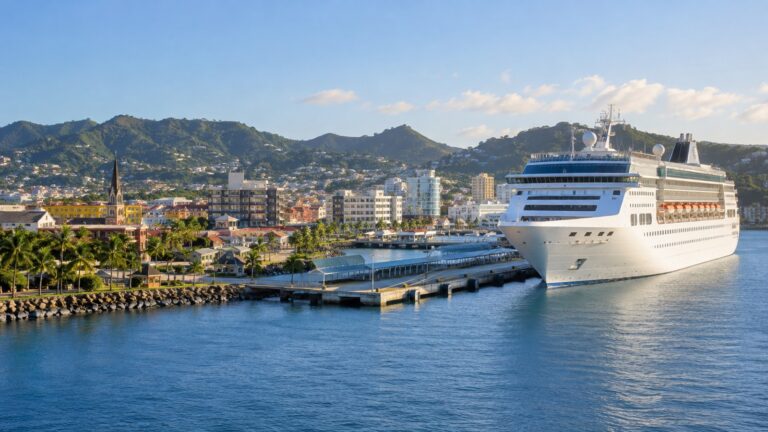
Nassau generally uses large fixed piers, while private destinations may use piers, tenders, or arrangements that change as new infrastructure opens. Weather and sea conditions can alter any plan, and a private-island call may be canceled when the transfer cannot operate safely.
The Bahamas is warm year-round, but winter cold fronts can bring wind and cooler water. Summer feels hotter and more humid, while hurricane season requires flexible expectations and good travel insurance.
Transportation and realistic timing
At Nassau and Freeport, confirm taxi fares before starting and understand whether the amount is per person or per vehicle. Do not leave your return until the last possible moment, especially when beach traffic or a ferry connection is involved.
Private destinations remove road transport from most plans, but their internal distances can still be substantial. Photograph the ship’s all-aboard time, keep your watch on ship time, and allow for trams, queues, security, and the walk along the pier.
Accessibility and family planning
Piers are usually simpler than tenders for wheelchairs and mobility devices, but sand remains a challenge even at a modern destination. Ask the cruise line about beach wheelchairs, accessible trams, step-free restrooms, transfer assistance, and whether equipment must be reserved.
Families should choose one anchor activity and leave breathing room instead of booking the whole day. Shade, water, sunscreen, familiar snacks, and an early return often matter more than squeezing in one more attraction.
Money, documents, and beach essentials
United States dollars are widely accepted, and the Bahamian dollar is pegged at equal value. Carry small bills for taxis and tips, but use a card when it provides better security and a clear receipt.
Bring identification required by the ship, sunscreen, a hat, water, and a dry place for your phone and documents. Water shoes are useful at rocky entries, while reef-conscious habits protect the very water you came to enjoy.
Final thoughts
The Bahamas rewards travelers who recognize that Nassau, Freeport, Bimini, and the private destinations are not the same vacation. Choose your itinerary around the experience you want, then leave enough flexibility for weather and changing port operations.
CruisePorts.co provides practical, independent planning guidance for cruise travelers. Port facilities, prices, access methods, and schedules can change, so verify critical details with your cruise line before sailing.