Las Palmas Cruise Port: Vegueta, Las Canteras & Dunes
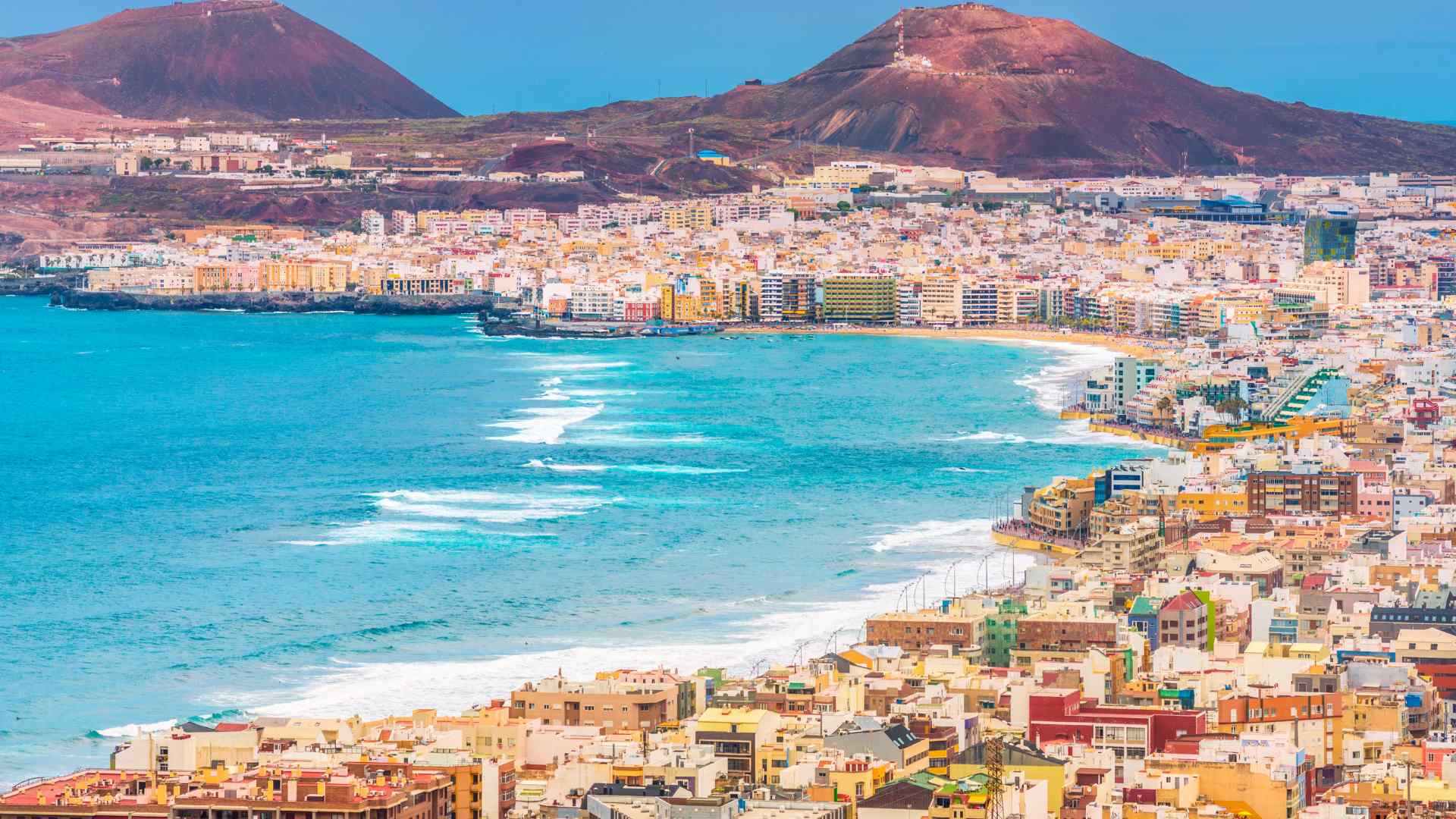
Las Palmas is where a lot of Canary Islands cruises actually begin, which means half the ship is jet lagged and the other half is already at the beach. It is a real Spanish city of some 380,000 people, not a resort strip pretending to be one.
You get a two mile urban beach at one end of the city and a five hundred year old quarter at the other. The trick is knowing they are nowhere near each other.
My quick take
Las Palmas splits neatly into two days that happen to share a city. The north end is beach, shops and the port, and the south end is Vegueta, the old quarter with the cathedral and the Columbus house.
Trying to cram both plus the Maspalomas dunes into a single call is how people end up seeing all three badly. Pick two at most.
My default is Vegueta in the morning while it is cool and quiet, then Las Canteras in the afternoon with a swim. That is a genuinely lovely day and it costs almost nothing.
Because so much of it is done on foot, this port punches above its weight for independent travelers. My roundup of walkable cruise ports explains why that is worth more than a shore excursion.
Quick Facts
- Where you land: Muelle de Santa Catalina, at the northern end of the city. The terminal operator describes a 14,400-square-meter, two-level building designed to serve up to four ships, with three boarding bridges; check the Las Palmas Cruise Port site for current details.
- Dock or tender: Ships normally berth alongside at this deep-water port; follow the cruise line if an unusual operational change affects the call.
- Into town: Santa Catalina Park, the bus interchange and the shops are a few minutes on foot.
- Currency and language: The euro and Spanish; the Canaries use a lower regional sales tax outside the EU VAT area.
- Time zone: Western European Summer Time (WEST, UTC+1) from late March to late October, GMT (UTC+0) in winter.
- Schedule risk: No official public cancellation rate is available. Wind, swell, berth changes, port operations, and the ship’s own schedule can still alter a call.
The terminal, the homeport day, and getting clear of the port
Las Palmas is a serious homeport, not just a call, so a lot of passengers meet their ship here rather than wander off it. That changes the rhythm of the day, because embarkation traffic runs alongside the tourists.
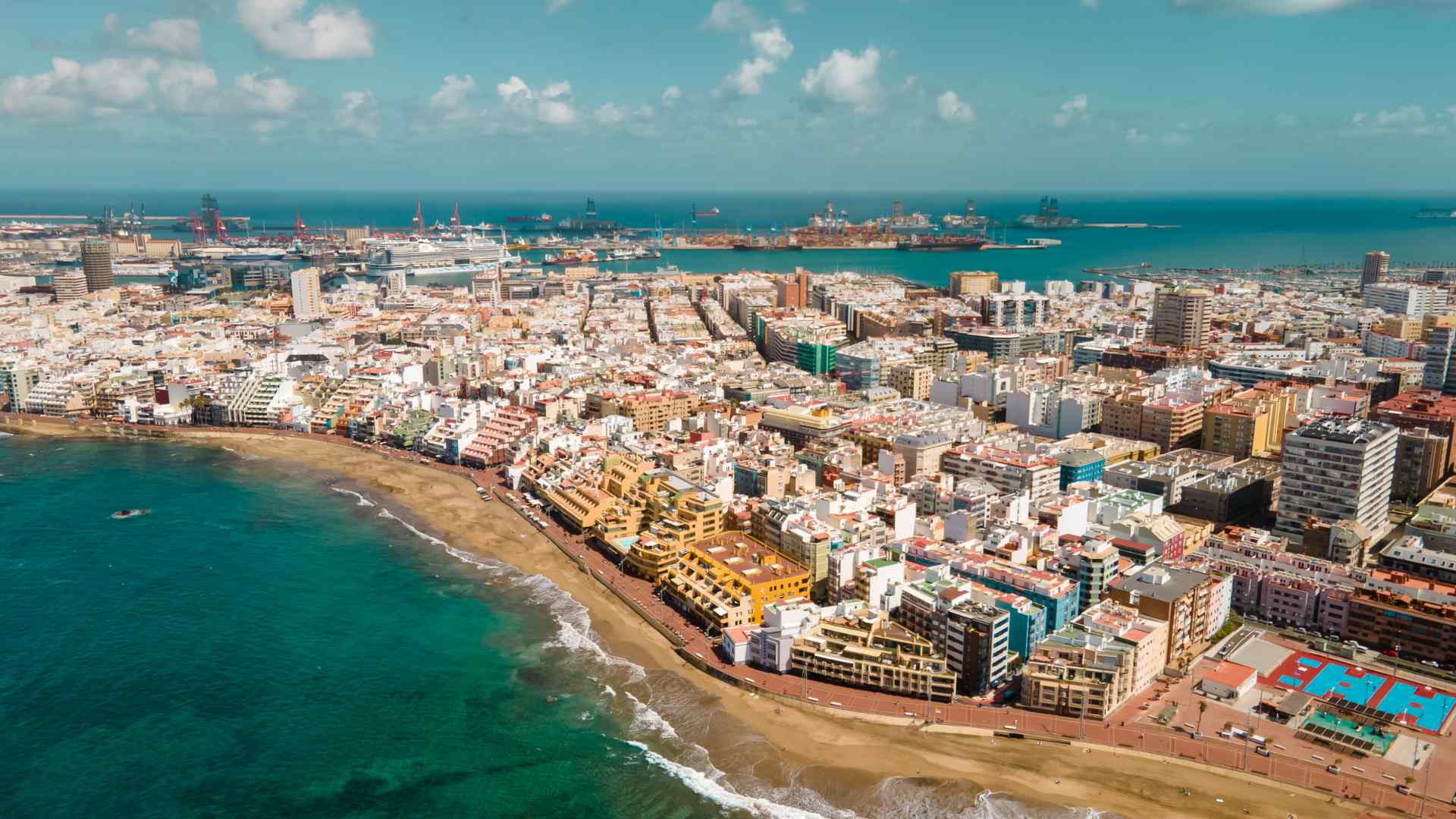
The new Santa Catalina terminal is the headline change, and its operator bills it as Europe’s largest cruise terminal. What matters on the day is the two-level layout, separate passenger and luggage handling, and ability to serve several ships.
Facilities include Wi-Fi, taxis, currency exchange, wheelchair assistance and a VIP lounge, and the operator publishes the details on the Las Palmas Cruise Port site. There is also a shopping center and an aquarium immediately outside the gates.
Because the pier sits inside the city, you generally walk straight out rather than waiting for a shuttle. Santa Catalina Park and the bus interchange are a few minutes on foot.
Call length varies by ship and sailing, so use the daily program rather than a generic port-hour estimate. Even on a long call, two city zones are a calmer plan than adding a cross-island outing.
Getting around
The Santa Catalina interchange next to the port is the transport hub for the whole city, and it is the reason you rarely need a taxi. Yellow city buses run from here, and blue island buses head out to the rest of Gran Canaria.
City services are run by Guaguas Municipales, and the frequent routes south to Vegueta and Triana take somewhere around 20 to 25 minutes. Fares are low, and the app will tell you when the next one is coming.
Taxis are metered and plentiful, and the run down to Vegueta is quick outside rush hour. Agree nothing in advance, just make sure the meter is on.
A hop on hop off sightseeing bus stops at the cruise terminal, which is a reasonable shortcut if you want both ends of the city in one loop. It is not cheap, and it is not fast.
For Maspalomas and the dunes, the highway run south takes roughly 45 minutes each way by road. Island buses do it too, but on a port day I would take a tour or a taxi and buy back the time.
The stops I would actually spend time on
Las Palmas hides its best bits at opposite ends of a long thin city. These are the ones worth the travel time.
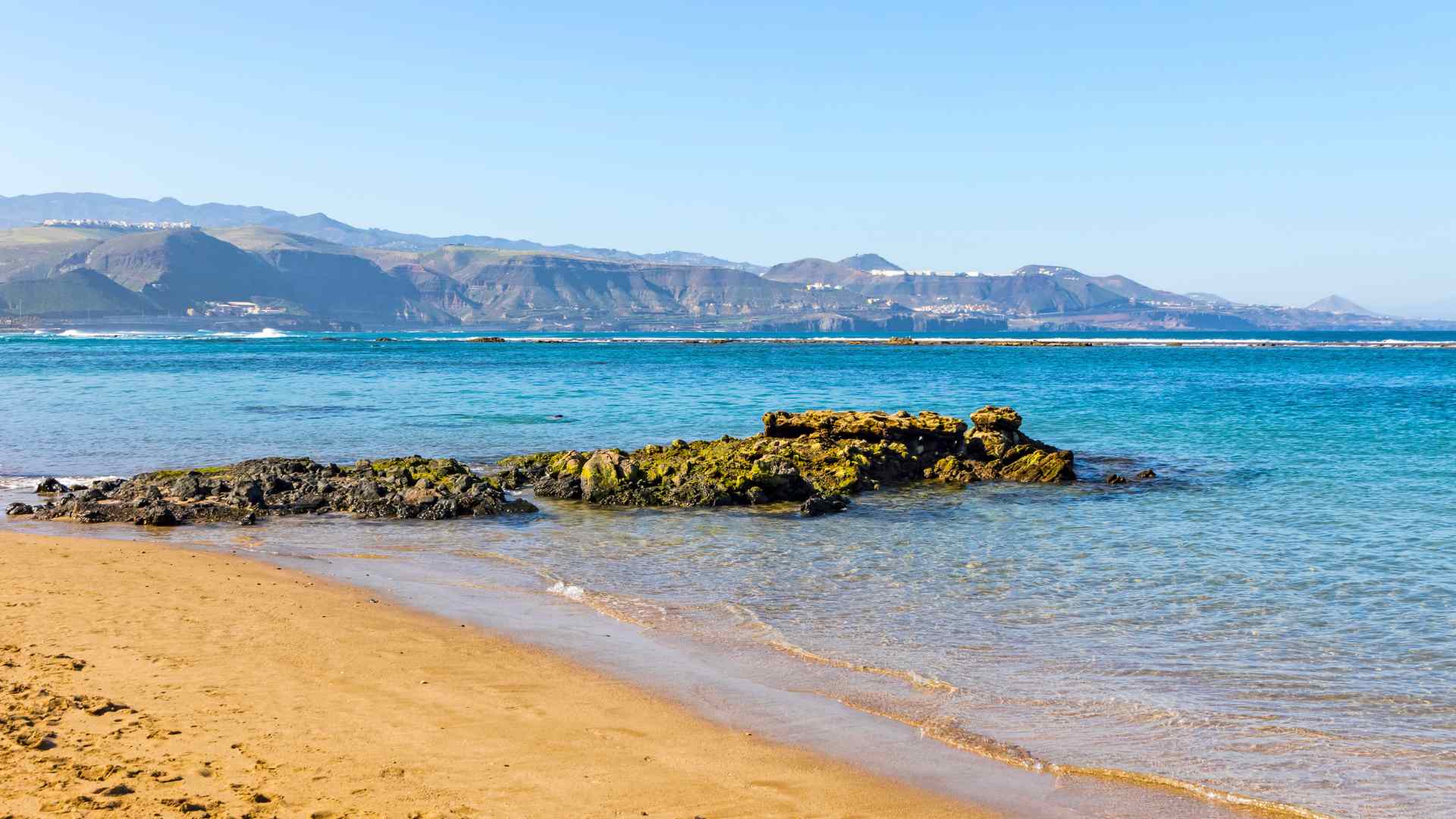
Playa de las Canteras: A city beach nearly two miles long, sheltered by a natural reef that keeps the water flat at the northern end. It is repeatedly voted among the best urban beaches in Spain, and it is a short walk from your ship.
Vegueta: The oldest quarter of the city, with sandstone balconies, quiet plazas and the feel of a small colonial town. This is the part that makes Las Palmas more than a beach stop.
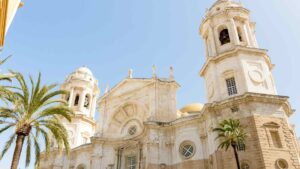
Catedral de Santa Ana: The cathedral dominates Vegueta’s main square, and its upper viewpoint can deliver a broad look across the old town. Check current access and opening hours before building the morning around an interior visit.
Casa de Colón: This museum occupies the former governor’s complex and explains Columbus’s stops in the Canaries and the islands’ Atlantic connections. The architecture and courtyards are as worthwhile as the exhibits.
Museo Canario: The island’s archaeological museum, covering the indigenous Canarians who lived here long before Spain arrived. It is a genuinely interesting hour and rarely crowded.
Calle Triana: The pedestrian shopping street just north of Vegueta, lined with modernist facades. Good for a coffee stop between the old town and the bus back.
Poema del Mar: A large aquarium built right at the port, which is a solid rainy day or family option. Being able to walk to it from the ship is the main selling point.
Maspalomas dunes: A protected expanse of shifting sand in the south of the island that looks like somebody misplaced the Sahara. It is the standout landscape on Gran Canaria and a half day commitment.
Fun fact: Columbus stopped in Gran Canaria in 1492 to repair a rudder before continuing west, which is why the Casa de Colon exists at all. The official Canary Islands tourism board sells the archipelago on an eternal spring climate, and having checked the numbers I cannot really argue.
If you would rather arrive a day early, our Las Palmas cruise port hotels guide has the shortlist.
How I would plan the day
On a normal call, take the bus to Vegueta first thing, when the old town is quieter and the light is good. About 90 minutes covers one interior plus the cathedral square and a short wander.
Then back north, lunch on the Las Canteras promenade, and an afternoon swim. The La Barra side is often more sheltered, but swimmers should still follow the day’s flags, tide, and lifeguard advice.
If the dunes are the reason you came, commit to them and skip Vegueta entirely. A half day tour south and a late lunch back at the port is a clean, unpanicked plan.
Embarking here rather than visiting changes everything, because you get the whole afternoon after check in. That is the day to do Vegueta properly.
Wind, swell, calima, or rare heavy rain can change a beach or island plan. Use official weather and beach flags, then switch to Vegueta, a museum, or the aquarium when conditions are poor.
A realistic word on accessibility
This is one of the easier Atlantic ports for limited mobility, starting with a brand new terminal that lists wheelchair assistance among its services. The streets immediately around the port are flat and modern.
The Las Canteras promenade runs level for the length of the beach, with ramps down at several points. Getting onto the sand itself is the usual challenge.
Vegueta is the harder half, with cobbles, narrow sidewalks and older buildings that predate any thought of ramps. For how this port compares with others, see my guide to wheelchair-friendly cruise ports.
When to go, and the weather
The Canaries are a year round cruise destination, and Las Palmas is busiest between November and April when everyone flees the northern winter. There is no bad month here, only slightly different good ones.
Winter daytime highs typically sit around 70 to 72 Fahrenheit, which is why the islands market themselves on eternal spring. Sea temperatures stay swimmable all year for most people.
Summer highs usually climb only into the upper 70s or low 80s Fahrenheit, kept honest by the trade winds. Rain is rare and mostly confined to the winter months.
The one genuine wildcard is the calima, a hot dusty wind off the Sahara that turns the sky beige and spikes the temperature. It passes in a day or two, and it is worth knowing about before you panic.
Choose two zones, or make the dunes the whole outing
Muelle de Santa Catalina normally provides an alongside, walk-off arrival beside the interchange, but the final berth and pedestrian route still control. The new terminal opened in 2026, and embarking passengers should allow extra time for baggage and check-in rather than treating arrival day like a full port call.
For Vegueta, use Guaguas Municipales’ live route planner or a metered taxi and reserve cathedral or museum interiors only after checking their daily calendars. Casa de Colón interprets Columbus’s Canarian connections in the former governor’s complex, which is more precise than promising that he slept in a particular room.
Las Canteras is close and easy, but only sections are sheltered by La Barra and conditions change with tide, swell, and beach flags. The level promenade suits limited mobility better than the sand, and seasonal accessible-beach services should be confirmed locally.
Maspalomas is a protected dune reserve roughly 45 to 60 minutes away each way in normal traffic. Use marked access, avoid restricted restoration areas, and keep a generous return margin because a dunes trip should replace Vegueta rather than be added to it.
Quick answers
Can you walk to a beach from the ship?
Yes, and it is the best thing about this port. Las Canteras is roughly a 10 to 15 minute walk from the Santa Catalina terminal.
How do I get to Vegueta old town?
Take a yellow city bus from the Santa Catalina interchange next to the port, or use a taxi. Vegueta is about 5 miles south, so walking is not a sensible port-day plan.
Are the Maspalomas dunes doable on a port day?
Yes, but allow roughly 45 to 60 minutes each way plus a generous traffic buffer. Treat the protected reserve as the day’s main outing and use marked access routes.
Is Las Palmas a good place to start a cruise?
It is one of the better options, with a modern terminal and a proper city around it. Arriving a day early makes the logistics easier and leaves time for one more neighborhood.
The last word
Las Palmas is often written off as the boring administrative one, and that is lazy. It has the best city beach in the archipelago and an old town most visitors never bother to find.
For the neighboring island most itineraries pair it with, see my Santa Cruz de Tenerife guide. Ships heading north often add my Madeira stop as well.
If you are still assembling the itinerary, my European cruise ports roundup is the place to start. It will tell you quickly which calls need planning and which just need shoes.
How this guide was researched: This guide uses current information from Las Palmas Cruise Port, Guaguas Municipales, the official Las Palmas tourism office, and the official Canary Islands tourism portal. Berth details, terminal services, city transport, attraction access, and timing were reviewed on September 11, 2026; see our Editorial Policy.