Entre-os-Rios River Cruise Port: The Quay, the Climb and the Road to Amarante
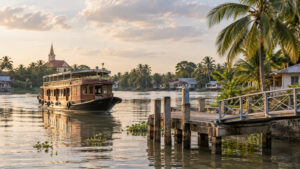
Entre-os-Rios is a small Douro stop where the pleasure comes from river light, village texture, and the rare chance to slow down between Portugal’s bigger attractions. This is not a miniature Porto or a grand wine-estate day unless your cruise line has specifically arranged one.
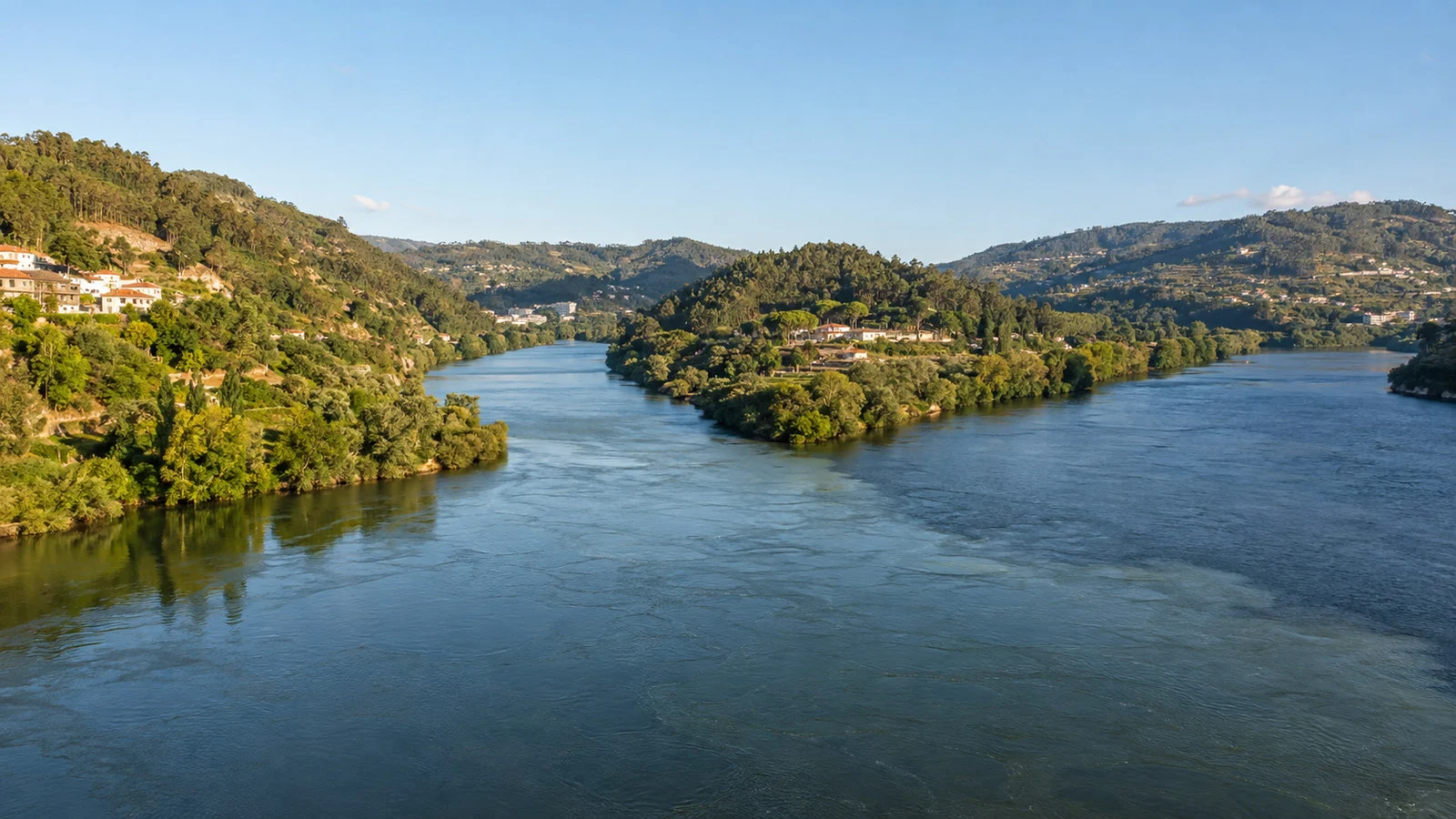
The settlement sits in a landscape shaped by the Douro and Tâmega rivers, with steep ground rising behind the waterfront. A good visit begins with realistic expectations about the climb, the limited services, and the transport needed for Amarante or other regional sights.
My quick take
If the call is short, I would stay local, walk only as far uphill as feels comfortable, and save time for a coffee or a riverside pause. If the program offers a well-timed Amarante excursion, that is the stronger choice for travelers who want architecture, art, and a fuller sightseeing schedule.
Do not treat the village and Amarante as one walkable destination. They are separate experiences, and an independent trip needs confirmed transport in both directions plus a return margin that protects the ship’s departure.
Quick Facts
- Port character: A quiet Douro landing at the meeting area of the Douro and Tâmega rivers
- Best for: River scenery, a gentle local wander, rural architecture, photography, and an unhurried meal
- Main local challenge: Sloping streets and limited sightseeing infrastructure near the quay
- Popular excursion: Amarante, reached by road and best planned through the ship or confirmed private transport
- Nearby heritage: The Church of São Miguel de Entre-os-Rios in Eja is part of the Romanesque Route
- Currency: The euro, with a physical card and some cash useful for small local purchases
- Best planning move: Check the all aboard time first, then choose either a local walk or a road excursion
Where river cruise ships dock
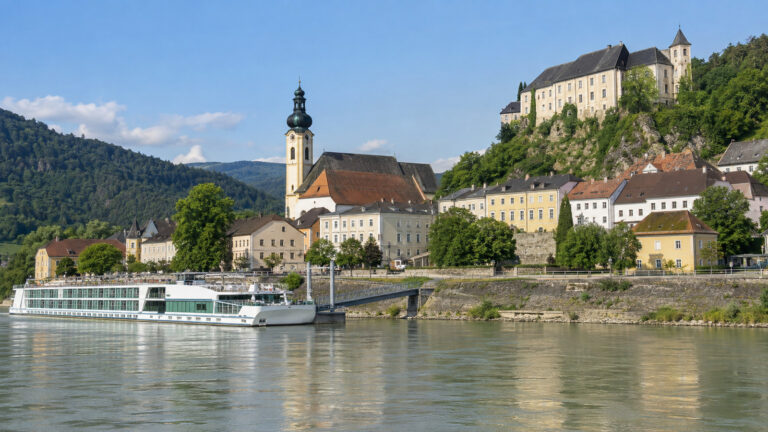
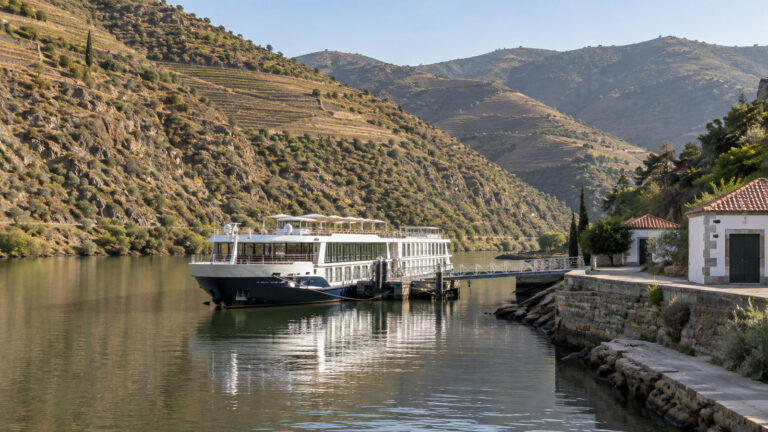
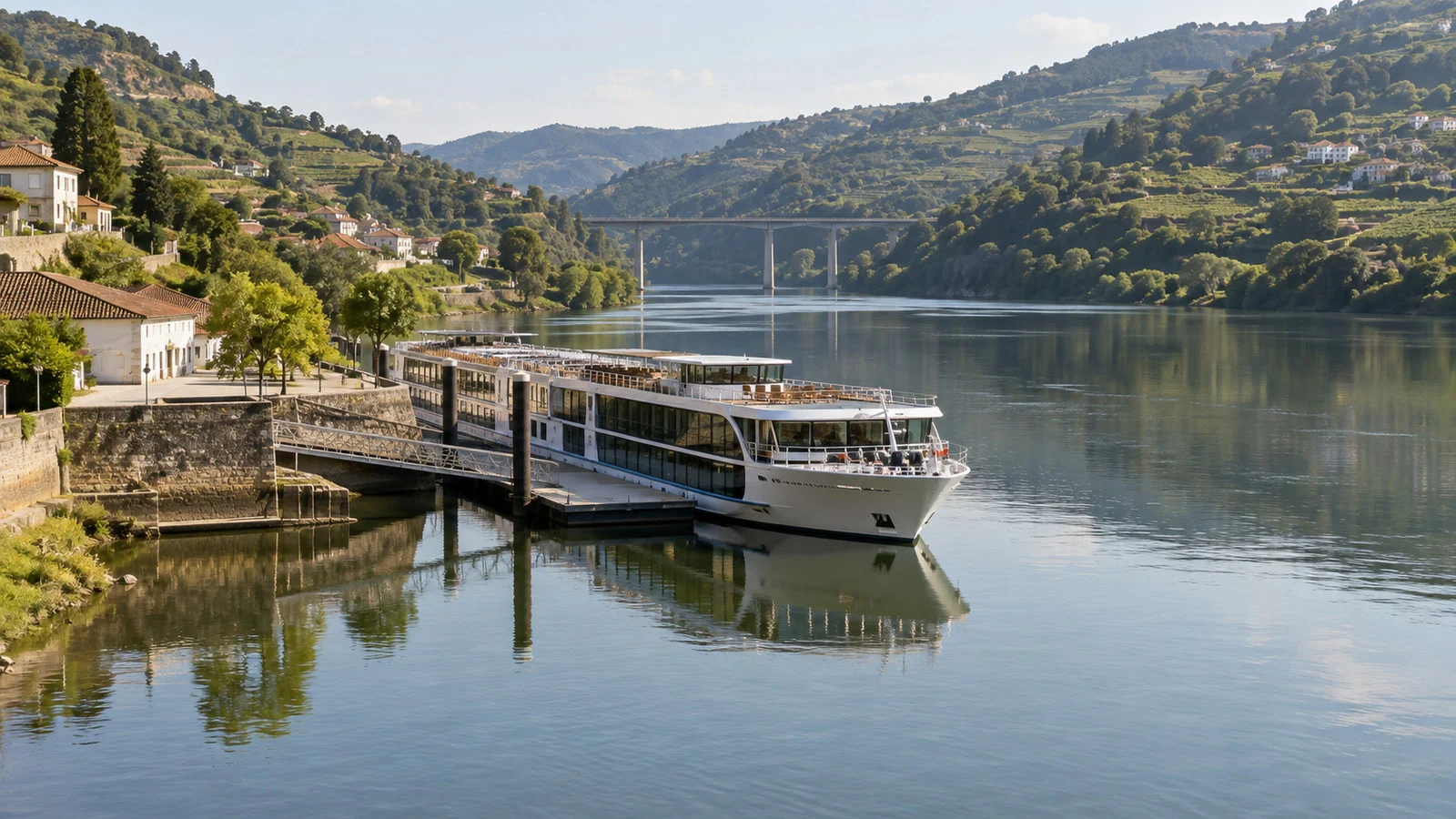
The Municipality of Penafiel says the Entre-os-Rios riverfront was rehabilitated and equipped with one of the Douro’s larger berthing quays for sizable vessels. That official description supports the village’s role as a genuine river arrival point, but it does not mean every ship uses an identical gangway position or schedule.
Check the daily program for the exact landing, shuttle details, and all aboard time before going ashore. Water levels and operational decisions can change how the gangway is set and how much of the riverfront feels convenient on a particular day.
The immediate area is quieter than a major city port and may not offer a long row of services beside the ship. Use the restroom before leaving, carry water in warm weather, and do not count on finding an open shop at the moment you need one.
Take a photo of the quay name and the route back to the gangway. Village streets can look different on the return, especially after climbing through lanes with limited signs.
Why the village feels different
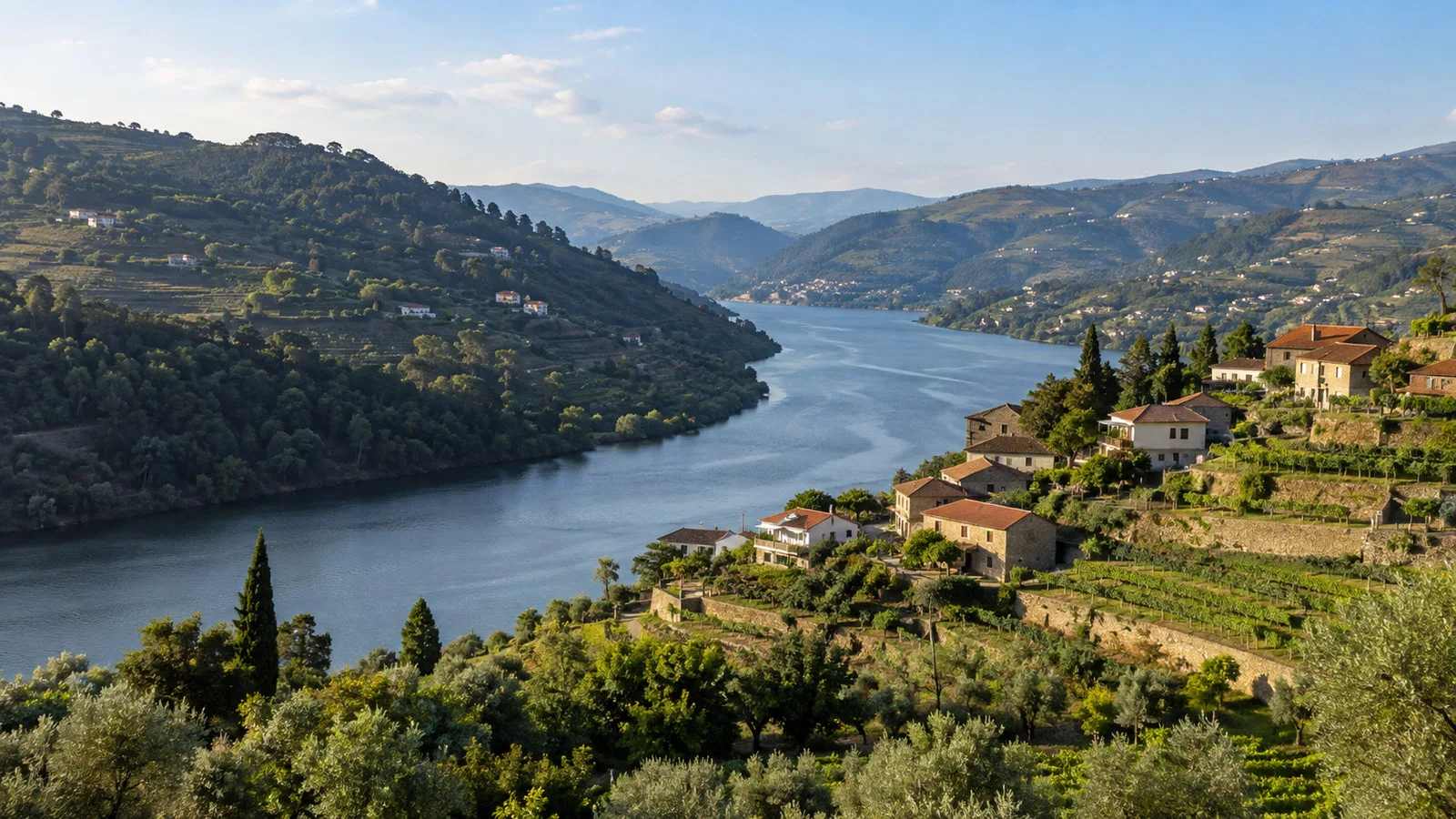
Entre-os-Rios is part of Penafiel municipality, but its identity is tied closely to the rivers and the surrounding slopes. The name itself points to the setting between waterways, and the views are often more memorable than any single monument.
The official Penafiel visitor overview highlights the municipality’s mountains, valleys, rivers, Douro slopes, and preserved rural settlements, including Entre-os-Rios. That is the right framework for the stop: landscape and lived-in character first, formal attractions second.
Look for old stonework, tiled facades, balconies, gardens, and changing views across the water. The experience is best when you let small details carry the visit instead of rushing uphill in search of a single dramatic viewpoint.
Traffic still uses the local roads, and some lanes have narrow shoulders or uneven edges. Stay alert, avoid blocking entrances, and turn back if a route stops feeling comfortable.
A practical village walk
Start along the waterfront so you can understand the quay and identify the easiest return route. This flatter section also lets you enjoy the rivers without committing immediately to the steepest streets.
From there, climb gradually into the settlement if your balance and stamina allow. Pause whenever a bend opens a view, because the best angle may arrive well before the highest point you can see.
There is no prize for reaching the top of every lane. The combination of heat, cobbles, gradients, and the downhill return can make a modest walk feel more demanding than its distance suggests.
Wear shoes with grip and keep both hands free on steeper sections. A folding walking pole can be useful, but anyone with serious mobility concerns should ask the cruise team what part of the waterfront is level before leaving the ship.
Build the walk around a fixed turnaround time rather than a destination that must be reached. That approach keeps a quiet call relaxing and prevents the last half hour from becoming a hurried descent.
The Church of São Miguel de Entre-os-Rios
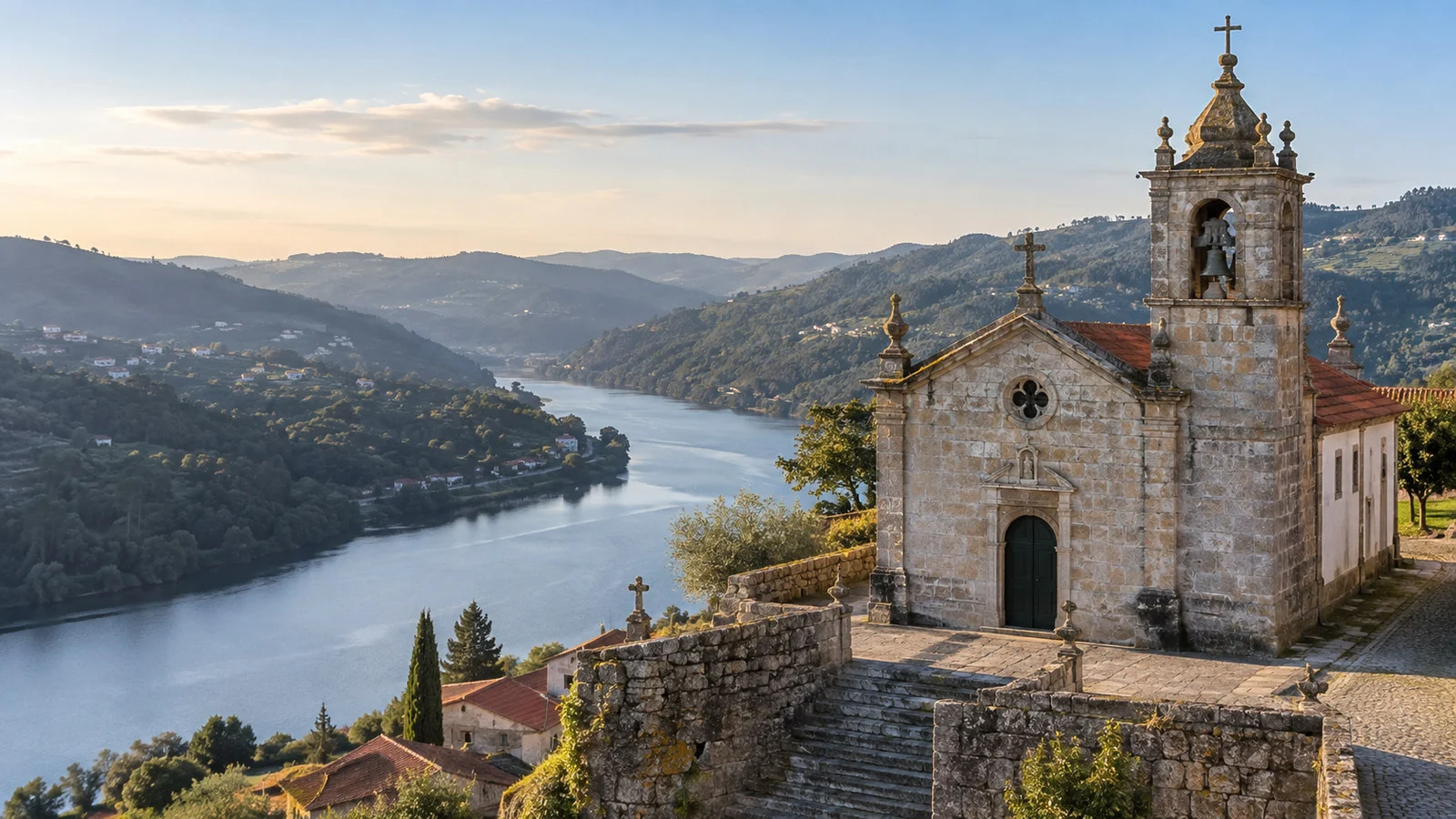
The Church of São Miguel de Entre-os-Rios, in Eja, is one of the municipality’s recognized Romanesque heritage sites. Penafiel’s official tourism information includes it among the monuments on the Romanesque Route, a regional network that links medieval churches, monasteries, bridges, and memorials.
Do not assume the church will be open simply because you can reach the exterior. Smaller religious sites may have limited access, services, local events, or visits that need advance coordination.
If the cruise line includes the church on a guided outing, the added interpretation may be more valuable than the brief stop itself. Independent visitors should confirm the route and access before spending a short call trying to reach it.
Dress respectfully if you enter an active church and keep voices low. Photography rules can vary, so follow posted signs or ask before using flash.
Local food and what to look for
The Penafiel municipality emphasizes regional dishes including roast kid, Portuguese stew, local sweets, and vinho verde. It also identifies lamprey and shad as seasonal specialties, with lamprey rice prepared in the Entre-os-Rios style.
Lamprey is intensely flavored and seasonal, so it is not a universal recommendation or a dish you should expect year-round. Ask what is available, how it is prepared, and how long service will take before ordering during a short port call.
A simple coffee, pastry, or light lunch can be the smarter choice when your time ashore is limited. Portugal’s cafe culture suits this small stop, but opening days and service hours may not match the ship’s visit.
Vinho verde belongs to the broader region, yet the name refers to a wine style and origin rather than a promise that every glass will be literally green. If you drink, keep the ship’s departure and the steep walk back in mind.
Carry some euros for a small cafe or shop that may not accept your preferred card. A physical card is also wiser than relying only on a phone wallet in an area where connectivity may fluctuate.
Amarante as a road excursion
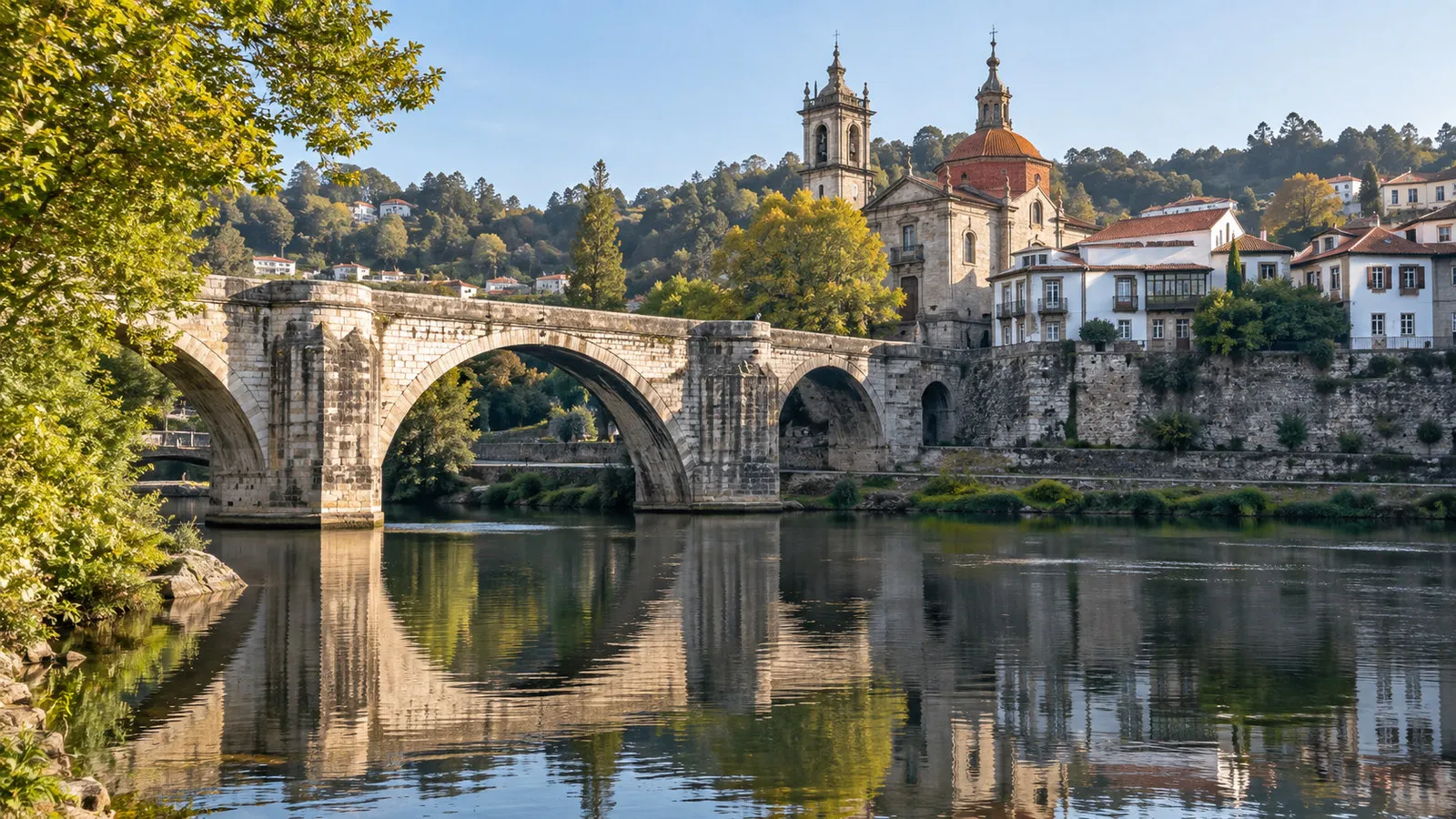
Amarante gives the day a completely different shape. The historic center gathers around the Tâmega River, with the Church and Convent of São Gonçalo, an arched bridge, riverside facades, cafes, and an art museum close enough to combine on foot once you arrive.
The drive is not part of the riverfront walk, so transport is the deciding factor. A cruise excursion is usually the simplest option because it coordinates the road journey with the ship’s schedule.
A private taxi can work when pickup and return are agreed in advance, but do not assume a car will be waiting in either direction. Ask for the destination, price basis, meeting point, and a phone number before leaving the quay.
Public transport exists across the region, but it is rarely the most forgiving tool for a short cruise call with a fixed gangway deadline. Timetables, connections, school-day variations, and current service changes can consume the buffer you need.
What to see in Amarante
Begin near the São Gonçalo complex and the bridge, where Amarante’s architecture and river setting come together. The area is compact enough for a rewarding stroll, but stone paving and slopes still matter for travelers with limited mobility.
The Municipality of Amarante says the Museu de Arte Moderna Amadeo de Souza-Cardoso occupies the Dominican convent and focuses on Portuguese modern and contemporary art. Its collections also connect the city with locally born artists and writers.
Check the museum’s own current site for visitor hours, admission, temporary closures, and accessibility before your call. The municipal page provides institutional background, but cruise dates can fall on a closed day or during an installation change.
Leave time to walk beside the Tâmega rather than treating the town only as a sequence of interiors. Reflections, balconies, church stonework, and the bridge create the most recognizable views.
If lunch is included in your tour, find out whether free time comes before or after the meal. That detail decides whether you can visit the museum, browse local shops, or simply enjoy the river without watching the clock.
Other excursion possibilities
Some itineraries use Entre-os-Rios as a staging point for Penafiel, a Romanesque Route site, a wine experience, or a scenic drive through the Tâmega e Sousa region. The quality of those outings depends on access, guide interpretation, and how much time is spent on the road.
Read the excursion description carefully and look for the actual duration at each stop. A broad regional label can hide a schedule with more coach time than exploration.
Wine visits should be booked or arranged through the cruise line because estates are private workplaces, not casual drop-in attractions. Confirm whether the experience includes vineyard walking, cellar stairs, tasting, food, and accessible alternatives.
Penafiel itself offers a municipal museum and a historic center, while the wider municipality includes archaeological and Romanesque sites. Those options are worthwhile with organized transport, but too dispersed for improvised wandering from the quay.
Accessibility and the steep terrain
Entre-os-Rios is not an easy port for everyone because the most characterful lanes rise away from the water. Even short distances can involve gradients, uneven paving, curbs, and limited places to sit.
Ask the cruise line about the gangway slope, step-free route, shuttle lift, and walking surface for your actual call. Conditions can change with water level, and a statement that the quay is accessible does not describe the entire village.
Travelers who prefer minimal walking may still enjoy the riverfront, the ship’s views, or an accessible coach excursion. Confirm how far the coach parking point is from Amarante’s central sights because historic streets can restrict vehicle access.
Heat adds another layer of difficulty in summer. Move slowly, use shade when available, and turn back before fatigue makes the downhill section unsafe.
Weather and river conditions
The Douro valley can be hot and bright in summer, while spring and fall bring more variable rain and cooler air. Stone and metal surfaces near the quay can become slippery after a shower.
River schedules remain subject to water levels, locks, traffic, and operating decisions. Recheck the morning program even if the original itinerary listed a full day in Entre-os-Rios.
If arrival is delayed, choose one compact experience instead of compressing the original plan. A shorter village walk or a protected ship excursion is better than an independent trip that leaves no margin.
Bring sun protection, a light rain layer, and water. The combination is more useful here than dressing only for the temperature shown in a city forecast.
How to protect your return time
Start with the ship’s all aboard time and work backward. Your personal target should be earlier, with extra time for a steep descent, a delayed meal, traffic, or a driver who has trouble reaching the exact quay entrance.
Save the ship’s phone number and carry the daily program. Mobile service can fail at the least convenient moment, so also keep the berth details in a screenshot or on paper.
If you travel to Amarante independently, reconfirm the return ride before you begin sightseeing. Do not wait until the final hour to discover that the local taxi supply is busy.
On the village walk, the safest plan is to keep the river or an obvious landmark in your mental map. When unsure, retrace the known route instead of testing an unfamiliar shortcut downhill.
Quick answers
Is Entre-os-Rios worth leaving the ship for?
Yes, if you enjoy quiet places, river scenery, and ordinary village details. It is less satisfying for travelers expecting a dense list of major attractions within a few flat blocks.
Can I walk into the village from the quay?
Usually a local walk is the natural independent option, but the exact gangway and route vary. Expect slopes, confirm the return path, and stop at the level that suits your mobility.
Can I visit Amarante on my own?
Yes, but only with reliable road transport and enough time for delays. A ship excursion or confirmed round-trip taxi is safer than improvising connections during a short call.
What is the best local sight?
The riverside setting is the main attraction, supported by the village’s rural architecture and nearby São Miguel church. The stop works best as an atmosphere-rich pause rather than a checklist destination.
Do I need cash?
Cards may work at larger businesses, but some cash is useful for small cafes or shops. Do not rely on a phone wallet as your only payment method.
The last word
Entre-os-Rios rewards the traveler who accepts its scale. Stay local for river views and village character, or choose a properly arranged Amarante excursion when you want a fuller sightseeing day.
Whichever route you take, respect the hills and protect the return. A clear plan turns this modest Douro landing into a graceful pause that feels different from every major port around it.
Research note: Practical details were checked against official visitor information from the municipalities of Penafiel and Amarante. Berths, gangways, transport, opening times, and river schedules can change, so verify them again for your sailing date.