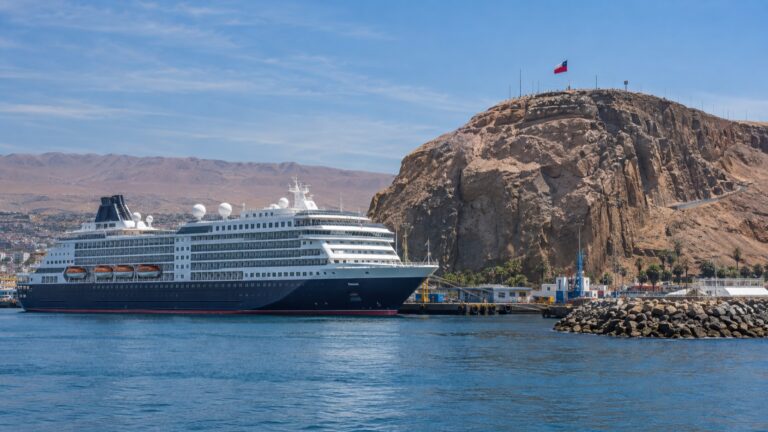
Iquique Cruise Port: A Practical Guide
Iquique pairs a wooden nitrate-boom center with Pacific beaches and the Atacama Desert. The city sights are close to the port, while Humberstone and Santa Laura make the strongest longer outing.
My quick take
Spend your morning on foot in the wooden historic quarter, then choose one big-ticket outing: the UNESCO ghost towns or the beach and dunes.
If you like ranking your calls by how easy they are to explore, this one pairs well with my walkable cruise ports guide and the wider South America cruise ports overview.
The quick facts
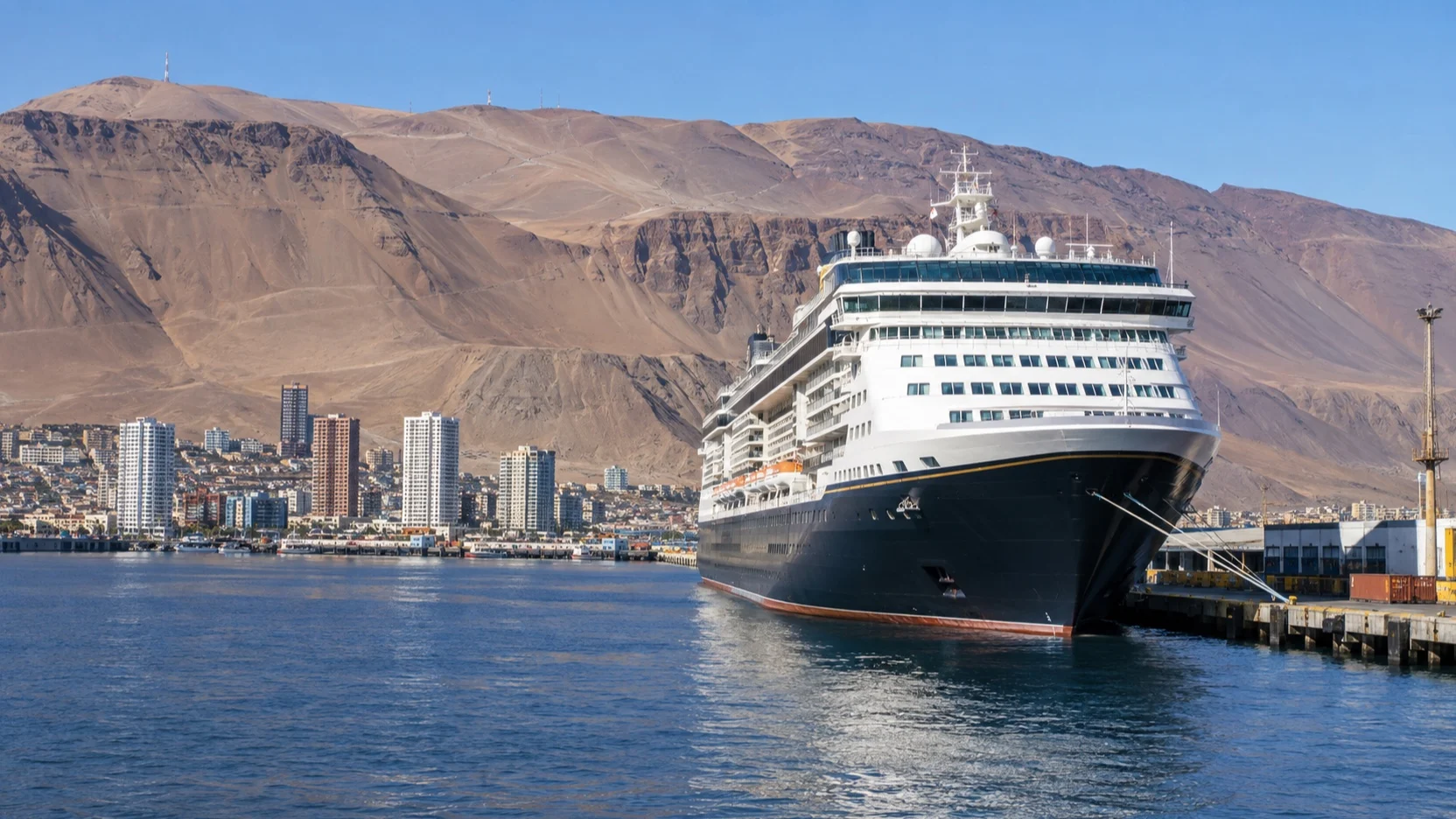
- Where you land: the Terminal Multioperado run by Empresa Portuaria Iquique (EPI), the port authority, right on the edge of the city center.
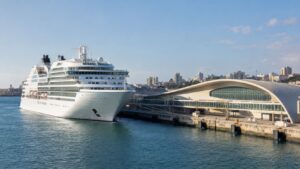
- Dock or tender: Cruise ships normally berth alongside at the working multipurpose terminal, with port-controlled access to the gate.
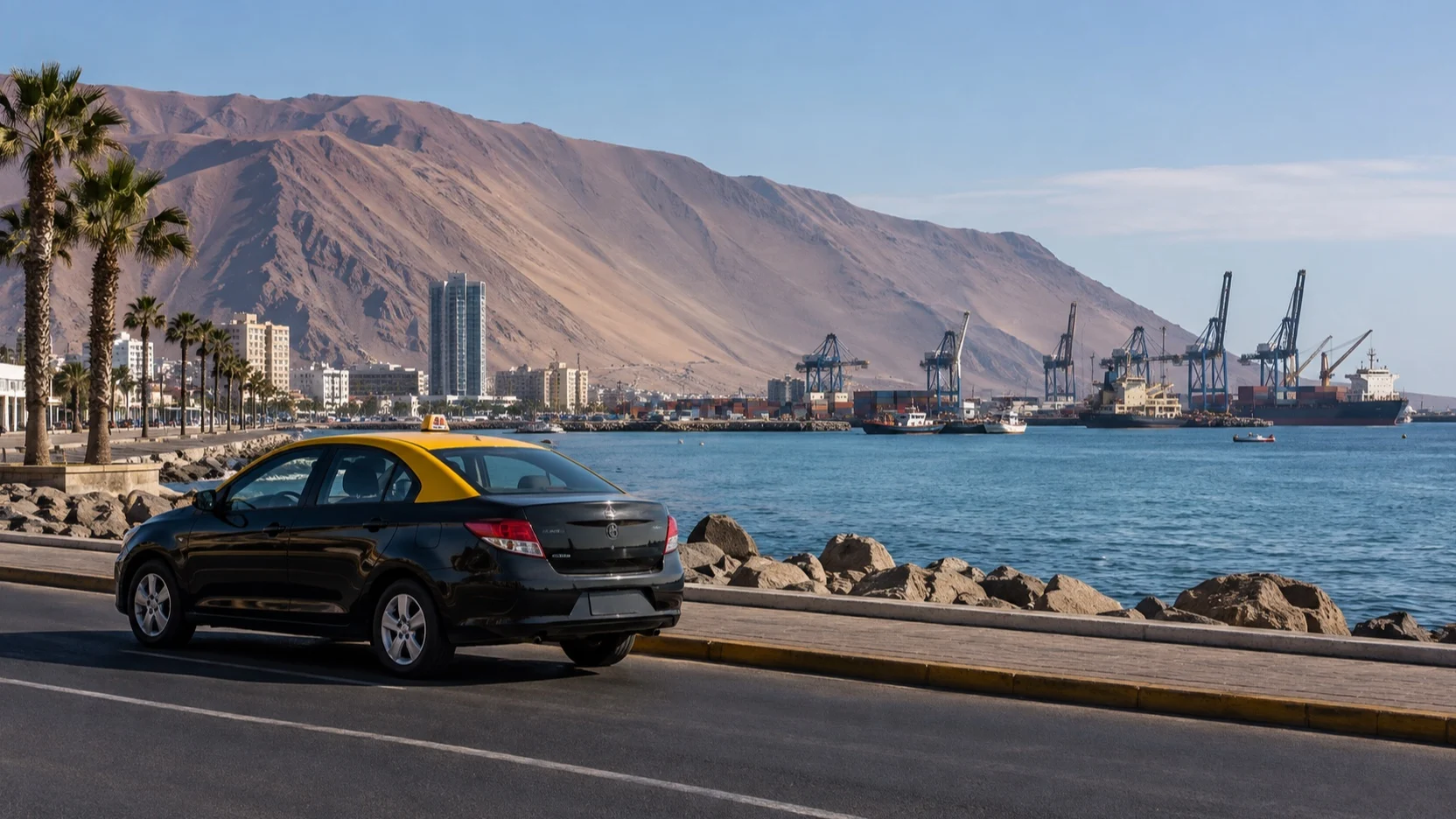
- Into town: About a 10 minute walk from the port gate to Plaza Prat and the wooden heritage quarter along Baquedano Street, or a two minute taxi.
- Currency and language: The Chilean peso (CLP) and Spanish.
- Time zone: Chile Summer Time (CLST, UTC−3) during the December to March cruise season, Chile Standard Time (CLT, UTC−4) in winter.
- How often the call is missed: Low (roughly 1 to 2%): the sheltered berth is rarely limited by local weather.
A quick word on safety
The US State Department places Chile at Level 2, “exercise increased caution,” mainly for street crime. Its Chile travel advisory notes that pickpocketing and muggings happen in cities.
In practice, treat Iquique like any busy port city. Watch your bag around the ZOFRI mall, the beach, and crowded plazas, and keep valuables out of sight.
Getting around
The compact historic center is the one part I would cover entirely on foot. It is flat, and the main sights cluster around Baquedano Street and Plaza Prat.
For anything beyond the center, the ghost towns or the far beaches, take a taxi, a colectivo shared cab, or a ship or local tour. Agree the fare before you set off.
The stops I’d actually spend time on
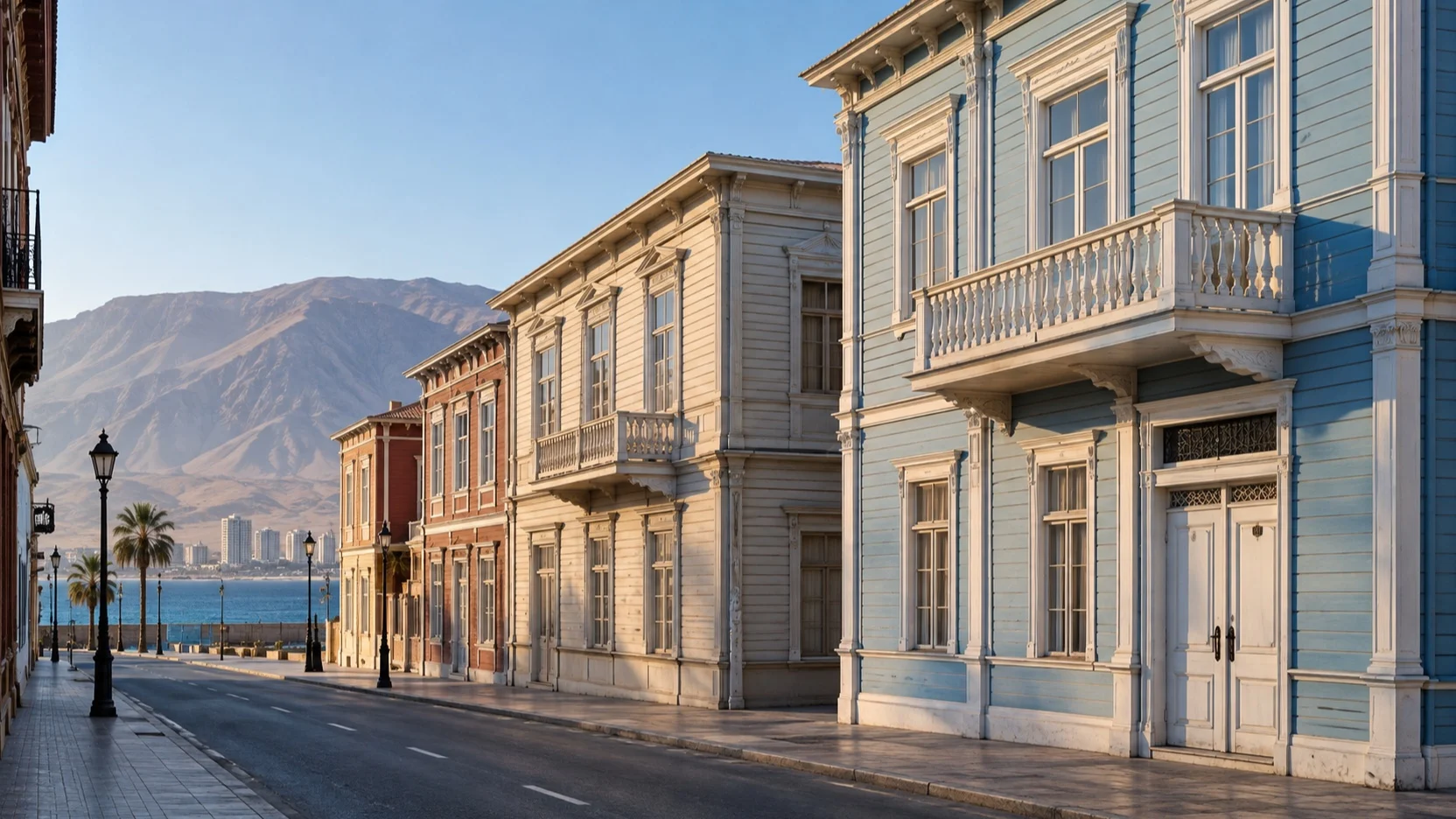
Baquedano Street and the historic quarter: The wealth of the saltpetre era built a downtown of Georgian-style wooden mansions and a wooden tram line. Chile’s tourism board describes these wooden buildings that evoke the saltpeter age.
Palacio Astoreca: A grand 1904 Georgian-style mansion built for a nitrate magnate, now a cultural center. It shows just how much money the “white gold” boom poured into this desert city.
Teatro Municipal: Iquique’s 19th-century municipal theater anchors the historic center, a reminder that nitrate money brought European-style culture to the edge of the Atacama.
Plaza Prat and the clock tower: The main square with its landmark Torre Reloj is the natural heart of a walking loop, ringed by cafes and heritage facades.
Museo Corbeta Esmeralda: A full-scale replica of the corvette from the 1879 Battle of Iquique, moored on the waterfront. Chile’s official tourism service lists the Museo Corbeta Esmeralda among the city’s headline sights.
Playa Cavancha: The city beach, an easy stroll or short ride from downtown, is good for a swim, a walk on the promenade, or watching surfers and bodyboarders.
ZOFRI (Zona Franca de Iquique): The huge duty-free zone and mall is one of the reasons Iquique exists as a modern trade city. Handy for electronics and a browse, though prices vary.
Humberstone and Santa Laura Saltpeter Works: The star day trip: two abandoned nitrate towns about 28 miles inland, inscribed by UNESCO in 2005. Their World Heritage listing calls them the best-preserved remains of an industry that once fertilized fields across three continents.
Fun fact: the workers here, the pampinos, built a culture of solidarity that shaped Chilean labor law. Wandering the empty theater and swimming pool is genuinely haunting.
Cerro Dragon: The enormous coastal sand dune looming over the city is a magnet for paragliding and sandboarding. Chile’s tourism board lists “Dragon Hill” among Iquique’s unmissable outdoor draws.
Fun fact: Iquique’s steady coastal winds and towering dune make it one of South America’s best-known spots for tandem paragliding, with flights launching above the city.
How I’d plan the day
Short call (about 3 hours): walk Baquedano Street, Plaza Prat, and the Corbeta Esmeralda, then browse the waterfront and head back.
Half day (about 5 hours): add Playa Cavancha for a swim and lunch, or ride out to the ZOFRI mall.
Full day (8 hours or more): take a tour to Humberstone and Santa Laura first, then use any remaining time downtown. Aim to reach the port gate 90 minutes before all-aboard because controlled port access and desert-road delays use time.
A realistic word on accessibility
The historic center is flat and walkable, which helps, but it is a working cargo port, so you may be shuttled from ship to gate. Cobbles and curbs downtown can be uneven.
The desert saltpeter works involve rough, unpaved ground. If mobility is a concern, ask your line about the specific gangway and transport arrangement for the day.
When to go, and the weather
Iquique is dry and mild most of the year, although coastal cloud can limit visibility and rare rain still happens. Desert sun and wind remain concerns even on a cool morning.
South American summer (December to February) is warmest and best for the beach. Winter is cooler and pleasant for inland sightseeing.
Pack sunscreen and a hat whenever you come.
Quick answers
How far is the port from the city center?
The Terminal Multioperado sits right beside downtown, so the historic quarter is a short walk or quick taxi away.
What is the best way to reach Humberstone?
Use a ship excursion or prearranged driver for the roughly 28-mile inland trip, targeting the port gate 90 minutes before all-aboard.
Can I use US dollars?
Use Chilean pesos or a card because U.S. dollars are not reliably accepted outside a few tourist businesses.
Planning a longer Chilean coastline? See my guides to nearby Arica and Antofagasta for more northern desert ports.

How this guide was researched: Unless a first-hand visit is explicitly identified above, this guide is based on independent research using official port, tourism, transit, government, and attraction sources where available. Logistics and time-sensitive details were reviewed in September 2026; see our Editorial Policy.