How to Plan a Cruise When You Can Afford Only One Paid Excursion
One paid excursion can be plenty when it has a clear job. I spend where money unlocks access, simplifies a genuinely difficult route, or creates the one story that free wandering cannot reproduce.
My verdict
Prioritize a remote gateway, capacity-limited wildlife or rail experience, difficult-access attraction, or port where reliable transport is essential. Save easy walk-off cities, good public beaches, and compact waterfronts for inexpensive independent days.
The best excursion is not the one with the largest discount. It is the one you cannot recreate safely and enjoyably for much less.
Step 1: give every port a free plan
Before comparing paid tours, build a realistic free or low-cost plan for each call. Include transportation, admission, food, and the value of your time.
A port with an excellent free plan probably does not need the excursion budget. A port whose free plan is “wander the cruise complex” may deserve closer attention.
Use the walkable cruise ports guide to identify destinations where location itself provides value. Verify the exact berth because a distant terminal can turn a free walk into a shuttle or taxi day.
Quick Facts: score what payment buys
Give each port zero to three points in five categories:
- Access: Give 0 points when the experience is easy to arrange independently and 3 when the tour unlocks genuinely difficult access.
- Uniqueness: Give 0 points when a similar experience appears elsewhere and 3 when it is signature to this itinerary.
- Capacity: Give 0 points when space is usually available and 3 when limited inventory is likely to sell out.
- Timing: Give 0 points when the outing is close and flexible and 3 when the transfer is long or timing is fragile.
- Group fit: Give 0 points when the tour is a weak compromise and 3 when it strongly suits everyone.
The highest score becomes the leading candidate. Then compare actual price, cancellation terms, and the quality of the product.
Do not treat the score as a command. A highly logical excursion is still a poor purchase if nobody wants it.
The ports most likely to deserve the budget
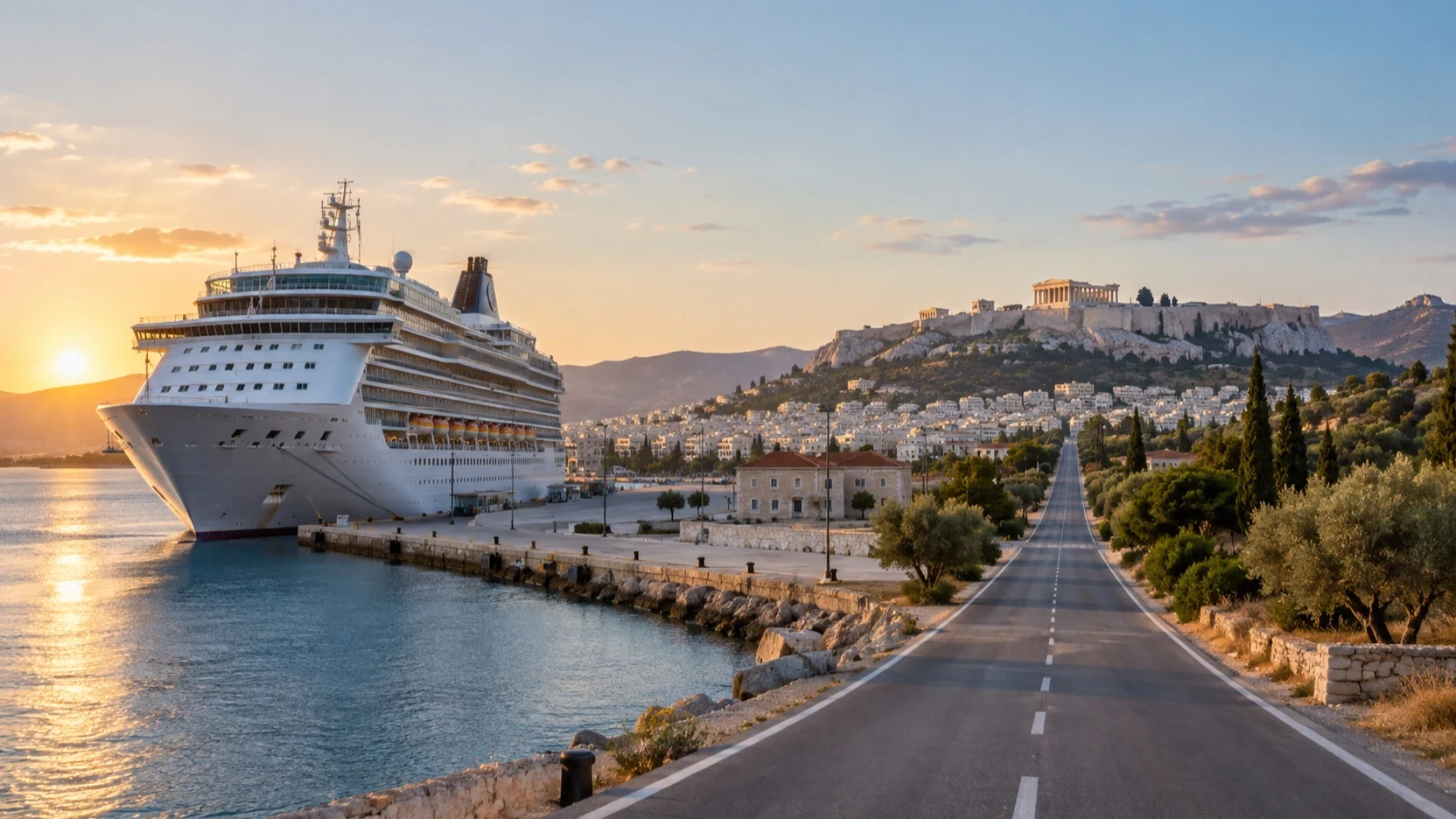
Distant gateway ports
Civitavecchia for Rome, Livorno for Florence, Le Havre for Paris, and Laem Chabang for Bangkok require substantial transport. A cruise-line excursion can coordinate the route and reduce return anxiety.
This does not make every long motorcoach ride good value. Compare hours on the bus with hours at the destination and ask whether a smaller nearby city would be more satisfying.
The La Spezia cruise port guide demonstrates the same decision in a port offering Cinque Terre, Pisa, Florence, and local alternatives. Spend only when the paid option improves logistics or access.
Wildlife ports
Whale watching, bear viewing, birding, and marine safaris require specialized vessels, guides, permits, or transportation. A quality operator can provide meaningful expertise and safe access.
Wildlife remains wild. Do not pay a premium for a sighting guarantee that the operator cannot ethically control.
Ask about vessel size, viewing areas, group capacity, guide credentials, accessibility, cancellation, and how much time is spent reaching the habitat.
Scenic rail and fixed-capacity experiences
Heritage rail journeys and mountain transport have limited seats. If the trip is central to your itinerary, reserve before cheaper inventory disappears.
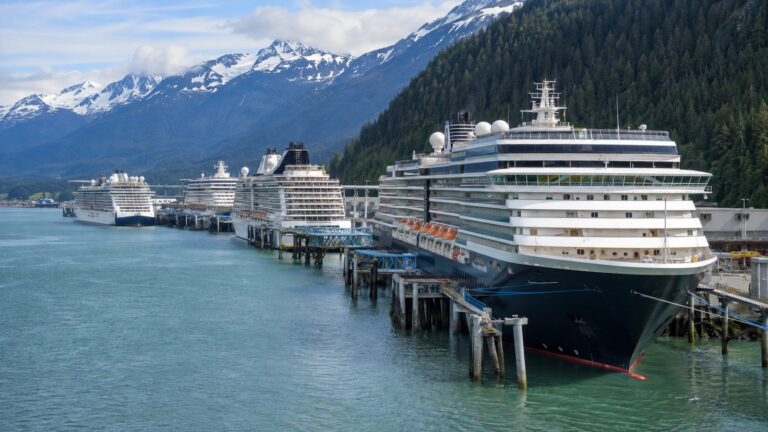
Skagway’s rail and highway choices are compared in the Skagway cruise port guide. The train may deserve the budget for a rail enthusiast, while a history lover may prefer town plus a lower-cost museum.
Distant historic sites
A guide can add context, manage entry, and connect the site with the ship schedule. Transport may be more important than the narration.
Check whether the tour includes official admission, a licensed guide where required, a headset, shade or water, and enough time at the site. Avoid products that pad the day with shopping stops.
Ports with limited transport
A paid excursion can solve uncertain taxi supply, language challenges, restricted port access, or a remote return. Research the actual problem rather than assuming every unfamiliar destination is unsafe.
Use official travel advice and current port information. Fear is an expensive reason to book a mediocre coach.
Ports that often do not need the budget
Walk-off old towns
When landmarks, food, shops, and atmosphere begin at the pier, walking independently can be the best experience. Spend on one admission or lunch rather than a general bus tour.
I give every port a free plan first because that makes the paid winner much easier to spot.
Check mobility and weather. “Free” is not useful when the route is steep, hot, or inaccessible to the group.
Private islands with inclusions
Many private destinations include beaches, chairs, food, or basic transport, depending on cruise line and island. Paid cabanas, clubs, and waterparks can be fun without being necessary.
The Perfect Day at CocoCay guide helps separate included neighborhoods from premium experiences. Spend only if the upgrade matters more than every other port.
Established public-beach ports
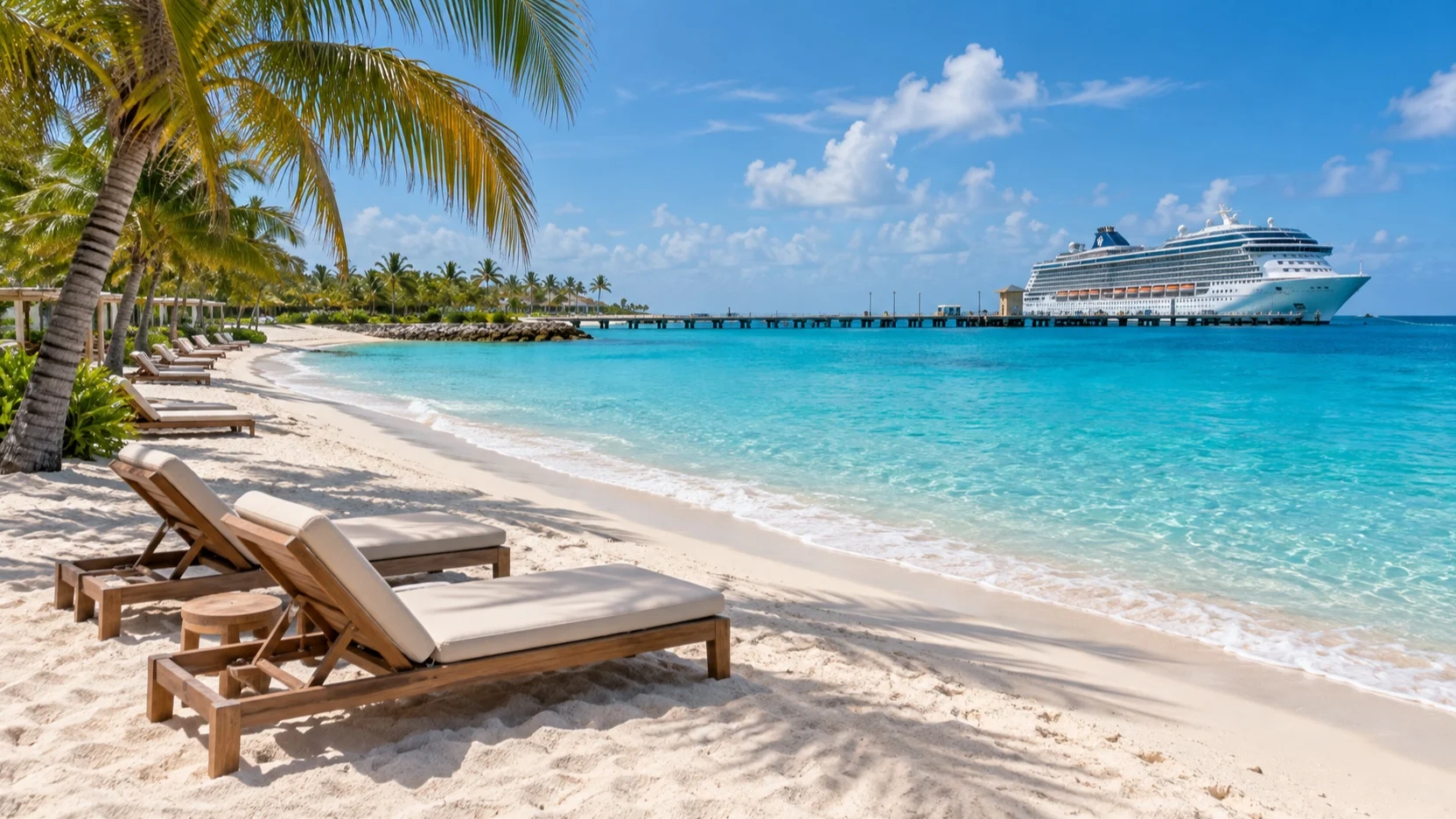
A taxi and chair rental may create the day for far less than a packaged excursion. Verify beach access, facilities, sea conditions, and return transportation.
If you want a resort package, compare inclusions using the guide to resort day passes. Add transport, food, fees, and gratuities before comparing it with a ship tour.
Compact museum cities
Public transport, official timed tickets, and a short walking route can outperform a large group. Reserve directly and keep one indoor alternative.
The risk is overplanning. One museum plus a neighborhood and lunch often fills the usable day.
Ship excursion versus independent tour
Choose the ship excursion when
Choose the ship excursion when the destination is far from port or return timing is the main concern. It can also help when tender delays are likely.
Ship tours may have reserved capacity. They can simplify accessible coordination when that is essential.
The cruise line’s missed-port refund policy can also be valuable.
Princess says its line-booked excursions are coordinated with the ship and that it will wait or arrange onward transport when necessary. Read the specific line’s current terms rather than applying that promise to another company.
Choose an independent operator when
Choose an independent operator when the port is close and straightforward or a genuinely small group improves the experience. It also works well when the itinerary is flexible.
Look for an operator with clear cruise guarantees and a meaningful price advantage. Keep a conservative return plan.
Ask what happens if the ship arrives late, tenders slowly, changes port, or misses the call. A cheerful email is less useful than a clear written policy.
How to compare the true cost
Add:
Start with the tour price and any transportation not included. Add admission plus food and drinks.
Include equipment or locker rental and gratuities. Account for currency or card fees plus cancellation risk.
A $79 tour may become $140 after essentials. A $160 all-inclusive tour may be the better value if it replaces expenses you would pay anyway.
Do not assign zero value to independent planning time, but do not let convenience pricing hide a weak itinerary. Read every stop.
The “only here” test
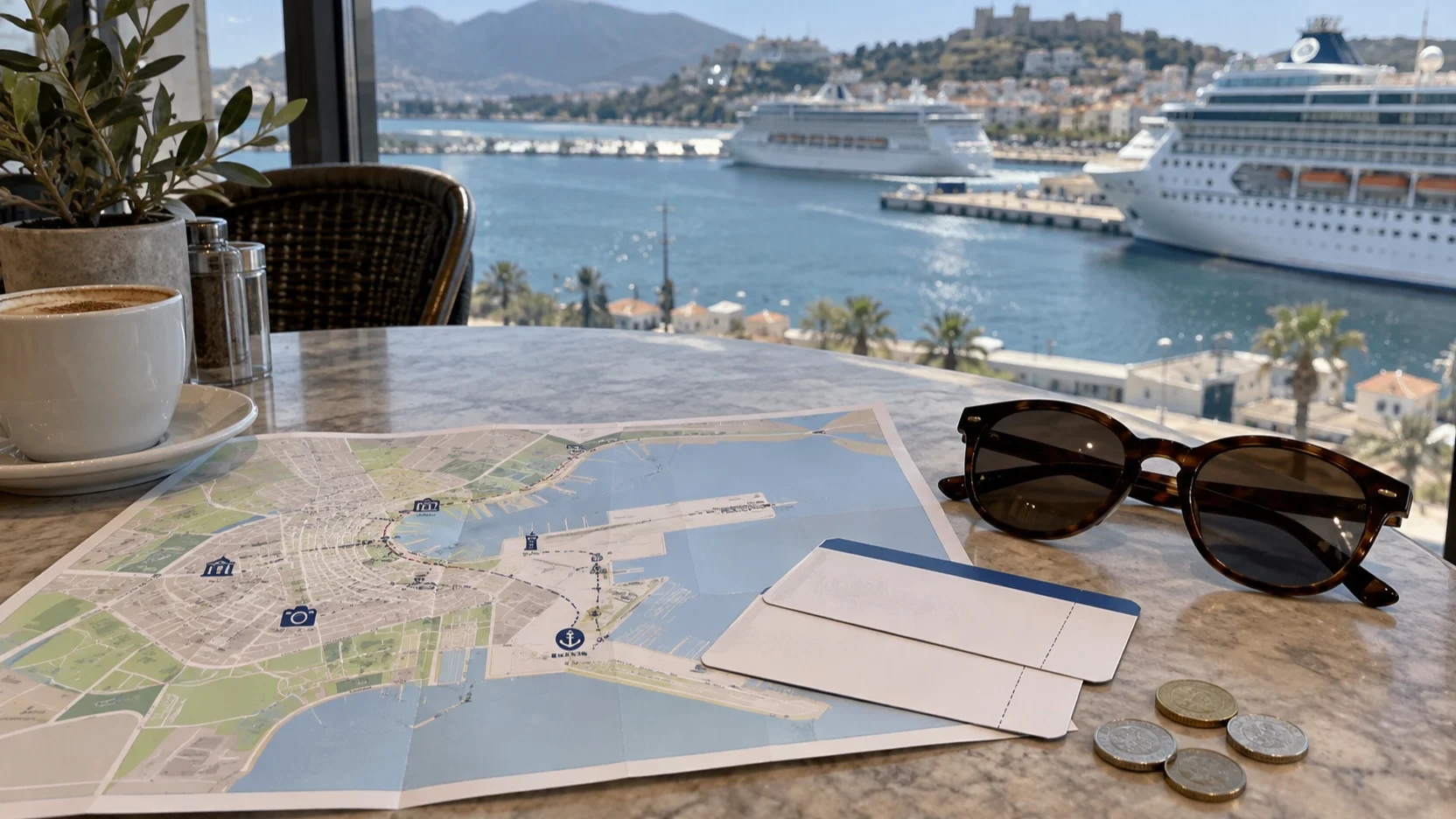
Ask whether this experience is meaningfully tied to the destination. A generic beach break, ATV ride, zipline, dolphin interaction, or cooking demonstration may appear in several ports.
Compare the whole itinerary before booking. Save the budget for the place where geography, culture, wildlife, or infrastructure makes the experience distinctive.
This test also prevents paying for a famous label. A local food walk can be more specific to the port than a rushed coach to a distant landmark.
The “bad free alternative” test
List what you would actually do without the excursion. If the alternative excites you, keep the money.
If the alternative feels like waiting around a commercial terminal because transport is unclear, payment may solve the day. Confirm that the tour leaves the cruise bubble rather than moving you to another shopping compound.
The “failure cost” test
Consider what happens if the activity cancels or the port is missed. Cruise-line and independent policies differ.
Royal Caribbean states that it refunds its shore excursion when the ship misses the port, while its ordinary cancellation deadlines vary by product. Review the current booking and cancellation guidance and the missed-port clause for your seller.
Travel insurance may not cover a simple change of mind. Read the policy before assuming.
Sample one-excursion choices
Caribbean itinerary
Use free beaches or old-town walks in easy ports, then spend on a Maya archaeological site, specialized wildlife tour, or hard-to-reach island experience. A private-island cabana is a lifestyle purchase, not automatically the most destination-rich choice.
Alaska itinerary
Use town, museums, and short trails in several ports, then spend on whale watching, scenic rail, glacier access, or another signature activity. Choose the one that best fits your interests and weather tolerance.
I would rather splurge with conviction once than upgrade four days by accident.
Mediterranean itinerary
Explore central ports independently, then use the budget for the hardest gateway transfer or a context-rich archaeological day. Do not pay for a coach tour in every city simply because the route is unfamiliar.
Northern Europe itinerary
Walk compact cities and use public museums, then pay for a fjord excursion, limited rail journey, or remote countryside experience. Verify seasonal operation.
How to make free port days feel intentional
Choose one free landmark, one food or drink budget, and one scenic route. Download an offline map and official opening hours.
Allow yourself a small discretionary amount for admission or transport. “One paid excursion” does not have to mean refusing a $12 museum that transforms another port.
Pack water and weather gear, but spend locally when you can. A modest lunch, bakery, market purchase, or independent museum ticket supports the destination and adds personality.
Common budget mistakes
Do not book the excursion first and research the other ports later. You may spend the budget before discovering the itinerary’s hardest day.
Do not choose solely by discount percentage. A 30 percent discount on a poor fit is still wasted money.
Do not forget the physical demands. An inaccessible or exhausting “dream tour” has no value to the traveler who cannot enjoy it.
Do not wait until the ship to compare a capacity-limited priority. Popular products may sell out, while cancellation policies may allow earlier flexibility.
Quick answers
Which tours earn the splurge?
Specialized wildlife, scenic rail, remote archaeological sites, difficult gateway transfers, and limited-access experiences often provide the clearest value. The answer depends on what your itinerary offers free.
Spend where the payment materially improves access, expertise, safety, or enjoyment.
Should the ship run my one tour?
Use the ship when coordination and return protection justify the price. Use an independent operator when the port is straightforward and the product is clearly better.
Read both contracts. Do not assume protections transfer between sellers.
When should I book?
Book a genuinely limited priority once the itinerary and cancellation terms are clear. Monitor price changes without canceling a scarce seat impulsively.
For flexible general tours, more research time may be useful. Know the deadline.
Is staying aboard a valid free plan?
Yes. If the port’s alternatives do not interest you, the ship can be a better use of the day.
Make that choice deliberately, then use the excursion budget where the destination fit is stronger.
How this guide was researched
We reviewed current shore-excursion planning and protection details from Princess Cruises, Royal Caribbean booking and cancellation guidance, and Royal Caribbean’s missed-port refund policy. Sources and our port guides were checked on September 10, 2026; prices, inventory, and terms require sailing-specific confirmation.
Editorial standards: Research and time-sensitive details were reviewed on September 10, 2026. See our Editorial Policy for how Cruise Ports researches, checks, and updates guides.
More on this topic: browse every guide on shore excursions and DIY port days.