Which Mediterranean Cruise Ports Can You Explore Independently?
Many Mediterranean ports are easier independently than the excursion menu would have you believe. I look for a walkable center, dependable public transport, and a plan that can shed its final stop without developing maritime consequences.
The best choices place a historic center, waterfront, public transportation, or major attraction close enough that you can build a focused day without a long regional transfer.
My quick take
Barcelona, Naples, Marseille, Rhodes, Valletta, Dubrovnik, Split, Kotor, Lisbon, and central Palma can support excellent independent days. Mykonos, Santorini, La Spezia, Civitavecchia, Livorno, and Kusadasi can also work independently, but the answer changes sharply with your chosen destination.
The key is to explore the port city rather than automatically chasing the famous place printed after it in parentheses. A walkable city day is different from attempting Rome from Civitavecchia or Florence from Livorno.
Quick Facts
- The historic center sits close to the cruise area or one simple shuttle.
- Major sights can be grouped into one compact route.
- Official tickets and transport can be booked directly.
- The day remains useful if one attraction closes.
- A realistic return does not depend on several perfect connections.
Easy does not mean effortless. Heat, cobblestones, hills, crowds, timed tickets, strikes, berth changes, and accessibility can turn a short map distance into a demanding day.
Barcelona
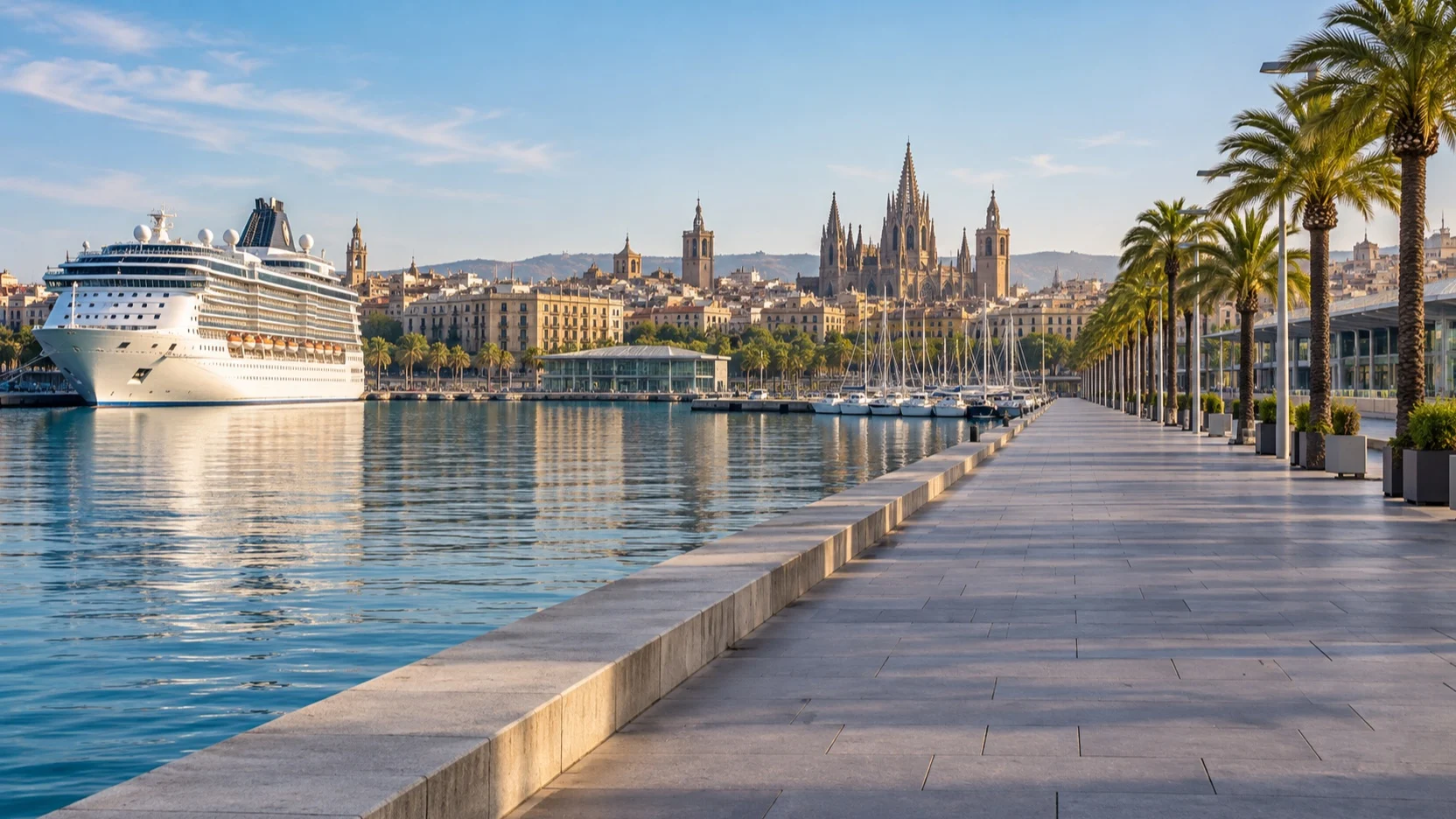
Barcelona is one of the strongest independent city days because public transportation and direct attraction tickets allow a route tailored to your interests. The port transfer still matters because major cruise terminals are not beside La Rambla.
Our Barcelona cruise port guide explains the terminal connection. Reserve only one or two high-priority timed sites and leave room for a neighborhood and meal.
Use the official Sagrada Família ticket site and each attraction’s official page. Confirm whether a third-party tour includes interior admission rather than exterior commentary.
Naples
Naples docks beside a dense city filled with historic streets, churches, food, museums, viewpoints, and local life. You need no regional tour when Naples itself is the destination.
Our Naples guide compares city touring with Pompeii, Capri, and the Amalfi Coast. Those outlying plans add transportation, while a city route preserves flexibility.
Choose one neighborhood, one major interior, and a meal rather than wandering without direction. Ordinary city awareness and careful street crossing are more useful than fear-based warnings.
Marseille
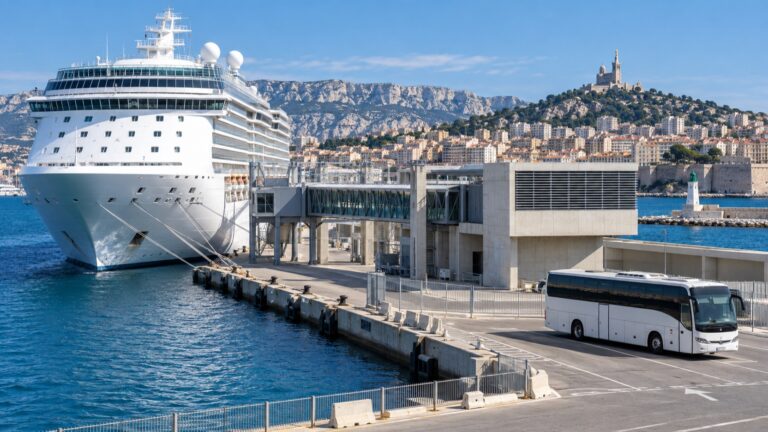
Marseille can support an independent day around the Vieux-Port, Le Panier, museums, food, and Notre-Dame de la Garde. The main complication is reaching the center from the cruise terminal.
Our Marseille port guide covers terminal and shuttle considerations. Once central, use local transport selectively rather than buying an all-day motorcoach simply because Provence is nearby.
The official Marseille tourism site provides current city information. Provence excursions become worthwhile only when Aix, Cassis, Avignon, or another regional goal truly outranks Marseille.
We cover that separately in our guide to How to Plan a Cruise When You Can Afford Only One Paid Excursion.
Rhodes
Rhodes Old Town is a standout independent port because the walled historic city sits near the cruise area. Gates, lanes, museums, churches, restaurants, and harbor views fit a flexible route.
Our Rhodes port guide explains the Old Town and Lindos choice. Lindos adds road travel, crowds, heat, and steep walking, so it should be a deliberate excursion rather than an automatic add-on.
The UNESCO listing for Medieval Rhodes supplies authoritative historic context. A focused guide can deepen the city, but independent navigation is practical for many travelers.
Valletta and Malta
Valletta’s fortified center and harbor scenery create an excellent independent day, although the vertical route from the waterfront and the city’s stone streets affect mobility. Museums, churches, gardens, food, and views can fill the call.
I distinguish an easy port from an easy headline day trip because the two are often sold in the same sentence.
Travelers chasing Mdina, archaeological sites, or several island stops need more transportation planning. The Heritage Malta site provides official current information for many national museums and sites.
Dubrovnik, Split, and Kotor
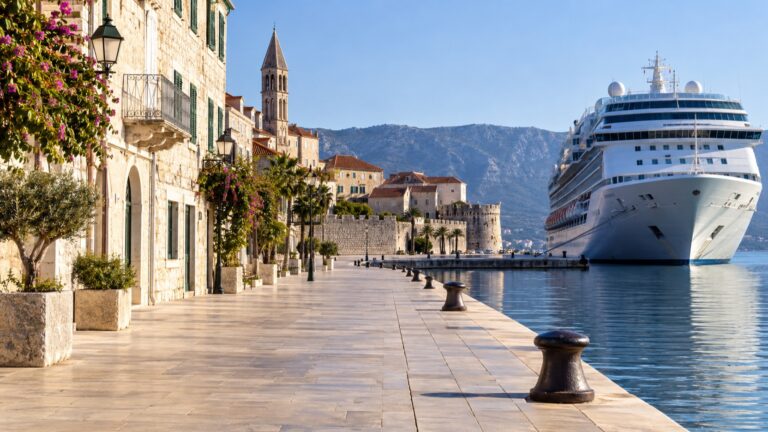
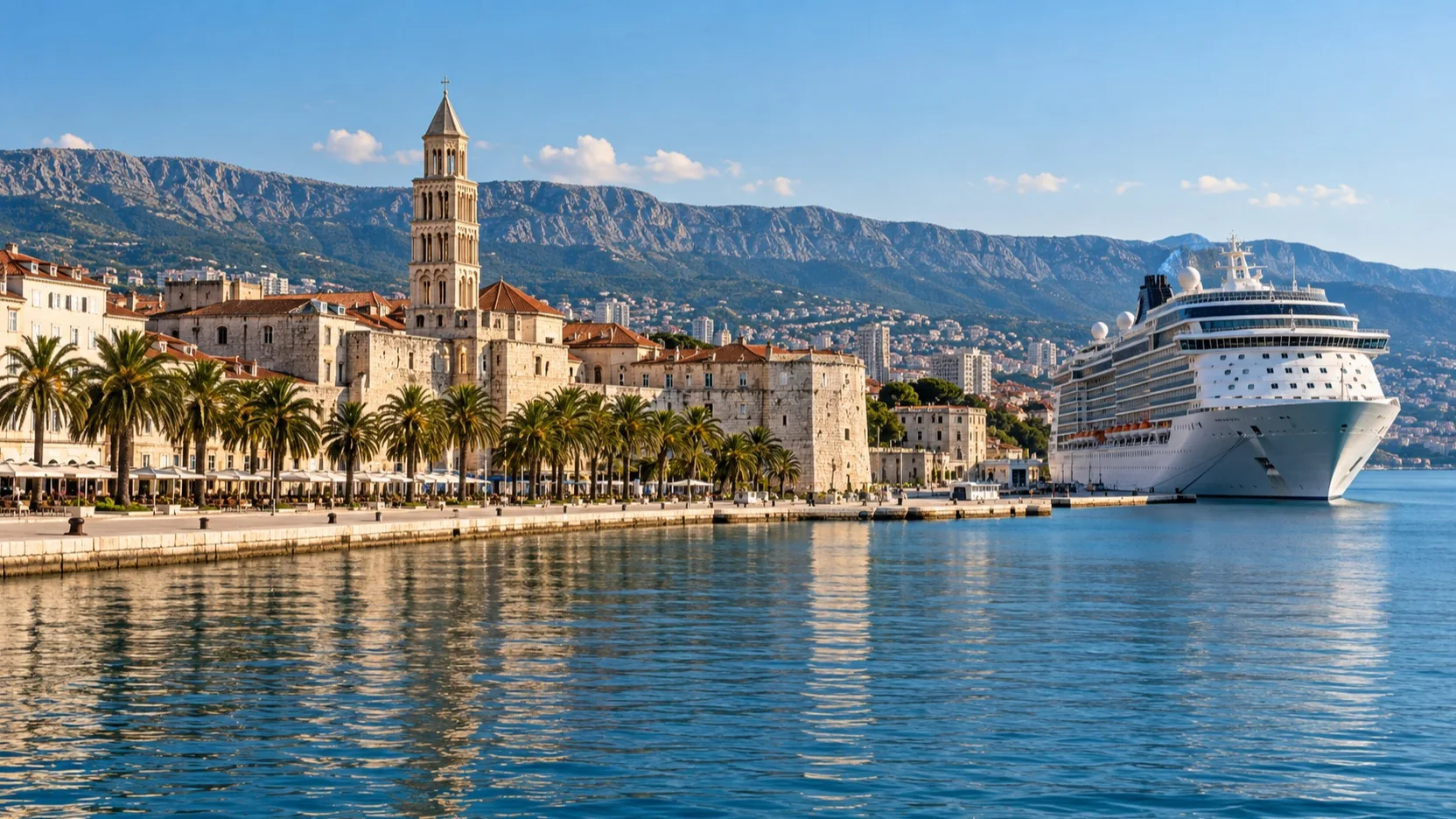
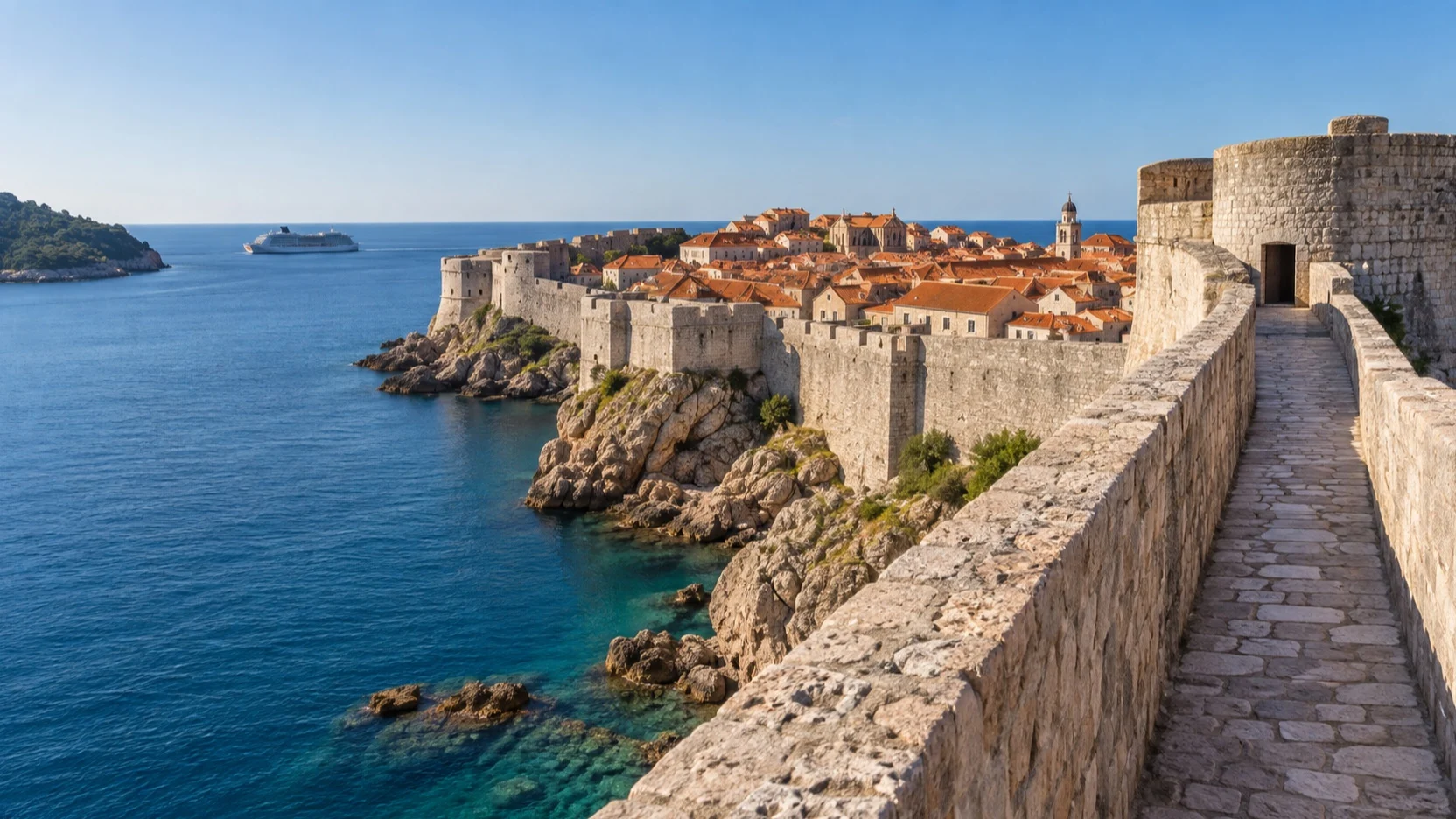
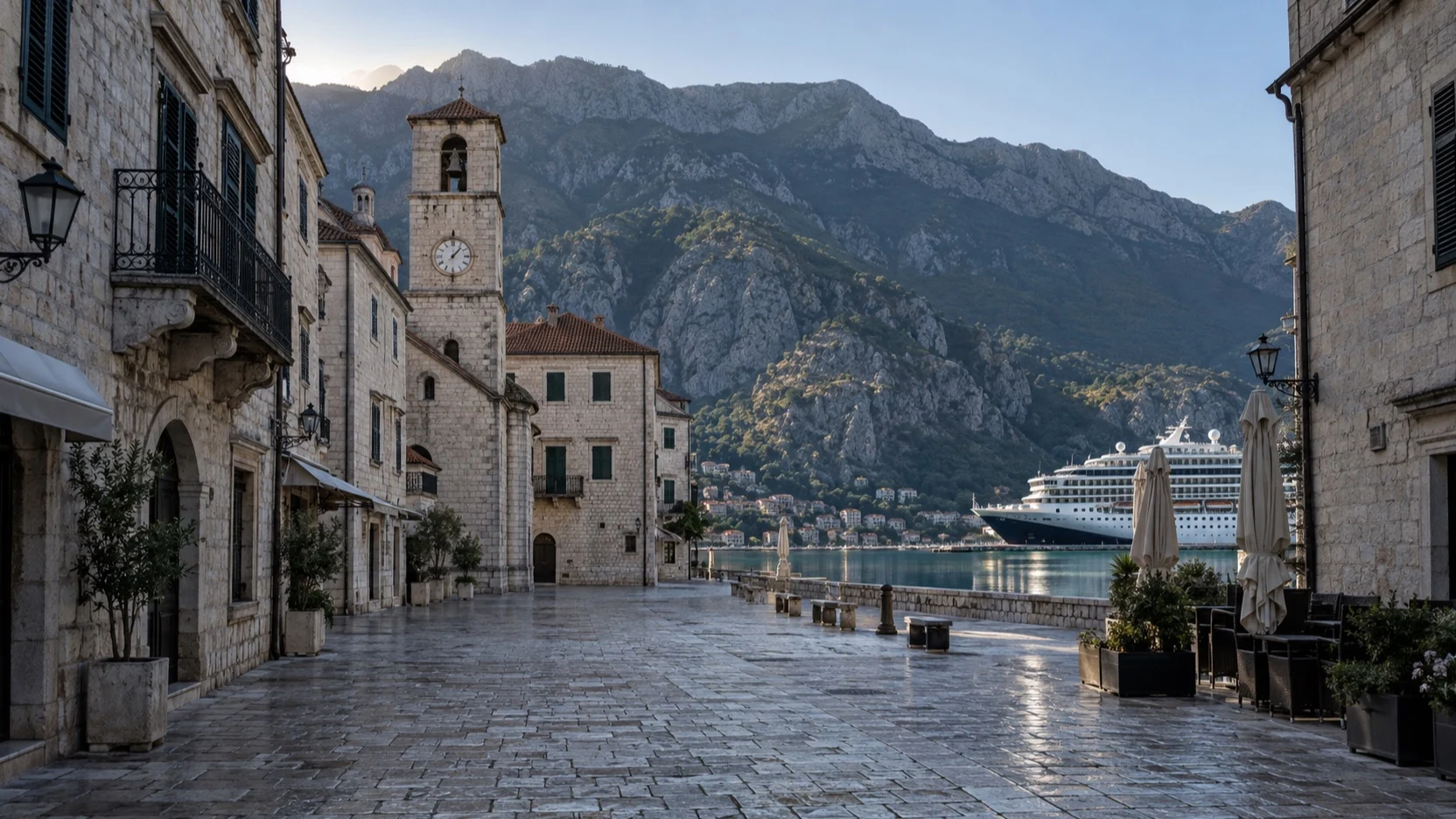
These Adriatic ports reward a compact old-town plan, but their arrival methods differ. Dubrovnik often requires transport from Gruž, Split can dock or tender near the center, and Kotor may dock or tender beside its walled town.
Walls, stairs, polished stone, heat, and crowding deserve attention. Choose one elevated or ticketed highlight, then let the old town provide the rest of the day.
Lisbon
Lisbon’s central cruise facilities can place passengers near historic districts, but hills and slippery paving make transportation valuable. A transit-based independent route can work well when it focuses on one or two neighborhoods.
Do not combine Belém, Alfama, Baixa, Sintra, and every viewpoint during a standard call. Sintra is a separate regional plan with timed access and travel risk.
Palma de Mallorca
Palma offers a rewarding city day around the cathedral, old streets, food, and waterfront after the port transfer. Beaches and island villages require additional transportation.
Our Palma guide explains the choice. A direct city plan is usually more coherent than a panoramic island circuit with tiny stops.
DIY ports needing more caution
Civitavecchia for Rome
Rome can be reached independently, but port shuttles, station connections, rail service, timed tickets, and return margin make it a full logistics project. Staying in Civitavecchia is easy; attempting Rome is not.
Livorno and La Spezia
Livorno for Florence and La Spezia for Cinque Terre can work independently with current research. Strikes, port shuttles, crowds, trail status, and long transfers remove the freedom found in a local city day.
Santorini
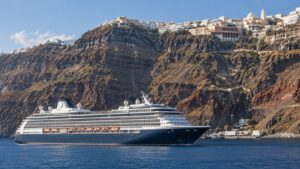
Tendering, Old Port arrival, cliff access, cable-car lines, and Oia transportation make Santorini planning-sensitive. A focused Fira day remains simpler than an island checklist.
Kusadasi
Kusadasi town is easy independently, while Ephesus requires road transportation and benefits from a licensed guide. Define the destination before labeling the port.
How to build the route
Choose one anchor attraction, one neighborhood, one meal area, and one optional stop. Book the anchor directly, map the route offline, and protect the return before adding anything.
Check opening days because Mediterranean museums and churches may close or restrict access at unexpected times. Dress rules, security, restoration, religious services, and heat measures can affect entry.
Accessibility questions
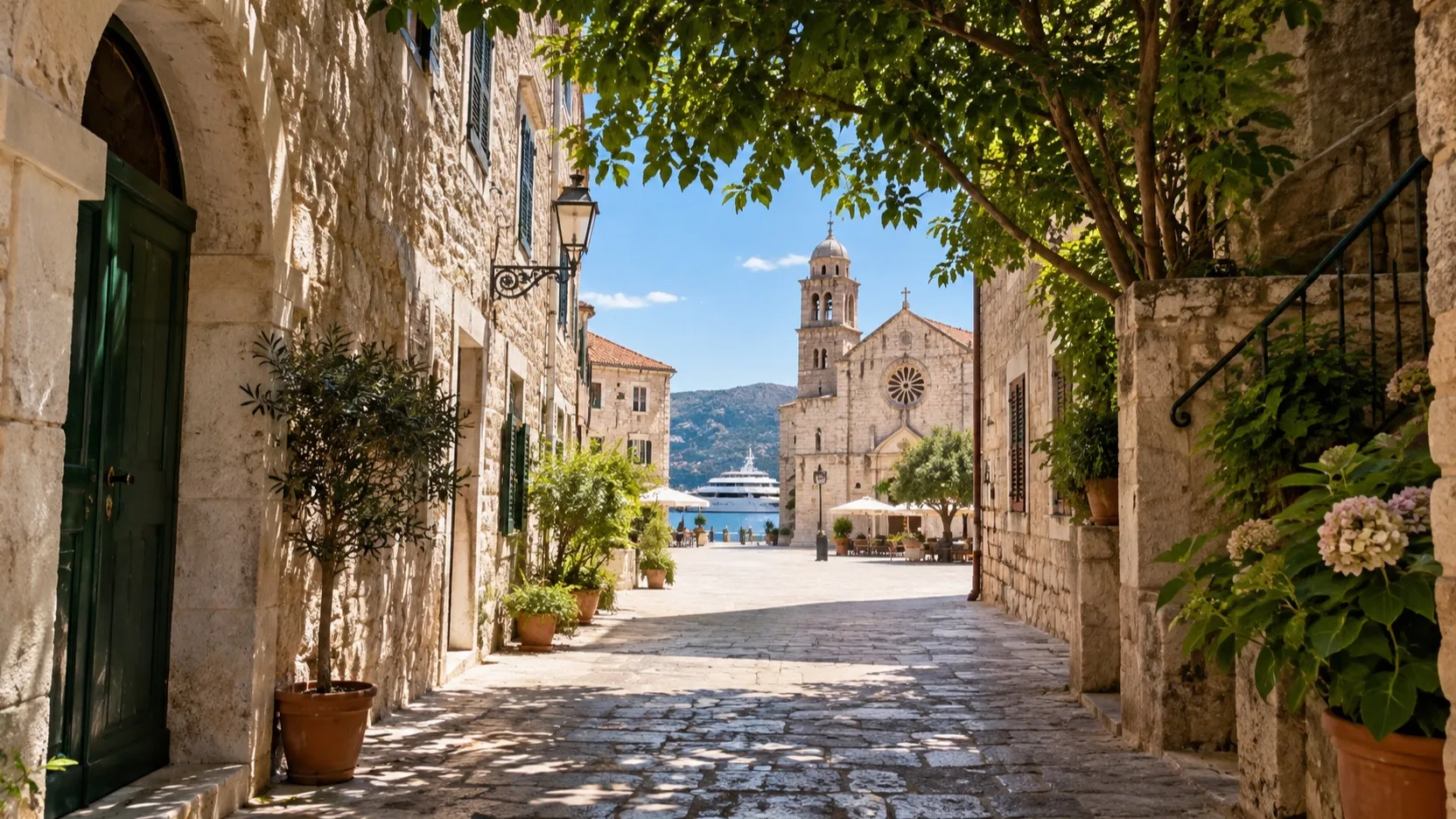
Ask about port shuttles, vehicle steps, curb cuts, gradients, paving, stairs, elevators, restrooms, seating, and shade. Historic centers were not designed to modern accessibility standards, even when they look compact.
A private transfer may be worth buying without purchasing a full excursion. Saving energy on the approach can make the independent portion more enjoyable.
Return safeguards
Confirm local all-aboard time and berth. Include port shuttle and security time.
Check transport alerts and strikes. Keep tickets and routes offline.
Choose a turnaround before the last stop. Carry port-agent details from the ship.
Independent planning by traveler type
First-time Mediterranean cruisers
Start with the port that offers the simplest old-town day, then use that confidence before attempting a regional gateway. A flexible Rhodes, Valletta, or Naples city plan teaches ship timing without adding fragile connections.
Avoid booking four consecutive motorcoach excursions because long seated days blur together and reduce energy. Mix one distant highlight with independent cities and one intentionally slower port.
Families
Build the route around restrooms, food, shade, seating, and a fast return rather than famous names. One fortress, gelato stop, and harbor walk can work better than a museum marathon.
If the best sights begin near the gangway, I keep the schedule and the tour paddle out of it.
Confirm stroller surfaces, car-seat availability, attraction bag rules, and children’s tickets directly. Historic lanes often include steps even when the district is described as walkable.
Travelers with limited mobility
Separate distance from difficulty because a short route over steep polished stone may be harder than a longer flat waterfront. Ask the port and attraction for specific step-free entrances and elevator status.
A taxi between two accessible anchors can preserve independence while removing the most exhausting segment. Reserve an accessible vehicle when supply is limited.
Travelers avoiding heat
Choose an early outdoor anchor, a midday museum or long lunch, and a short final walk near the port. Carry water where permitted and follow official heat closures or access restrictions.
Travelers avoiding crowds
Check how many ships are scheduled, reserve the one bottleneck attraction, and move into side streets after the main landmark. A private tour helps only if its route and timing deliberately avoid motorcoach peaks.
Solo travelers
Choose well-used central routes, download navigation, and keep valuables controlled in crowded transit or plazas. Share the plan with someone, but do not mistake a group tour for a substitute for ordinary awareness.
The final recommendation
Choose Barcelona, Naples, Marseille, Rhodes, Valletta, Dubrovnik, Split, Kotor, Lisbon, or Palma for strong independent city days. Treat distant gateway attractions as separate logistics questions.
The most authoritative plan is rarely the one with the most stops. It is the one that fits the port, weather, mobility, tickets, and return while leaving enough space to notice where you are.
Quick answers
Which Mediterranean port is easiest?
Rhodes is one of the easiest when the ship docks near Old Town. Barcelona is also practical after the port transfer and with direct timed tickets.
Can I use trains independently?
Yes in many regions, but check current service, strikes, station access, port shuttles, and a backup. Station-to-station time is not gangway-to-attraction time.
Should I buy attraction tickets ahead?
Reserve scarce timed sites directly after confirming the transportation plan. Keep the rest flexible rather than prepaying every hour.
Are old towns accessible?
Accessibility varies by route and often includes uneven paving, slopes, steps, and heat. Request specific details rather than relying on walkable labels.
When is a tour worthwhile?
A tour is most useful for distant attractions, multiple rural stops, specialized interpretation, or mobility needs. It is least useful when it duplicates an easy city walk.
How this guide was researched
This guide was checked in August 2026 using official attraction, tourism, UNESCO, and heritage information plus our port guides. Berths, shuttles, tickets, closures, strikes, and accessibility change, so verify them for your sailing; see our Editorial Policy for our sourcing, review, and corrections standards.
More on this topic: browse every guide on shore excursions and DIY port days.