Quito Cruise Extension Guide: Old Town, Altitude and Galápagos Flights
Quito is not a cruise port, but it is one of the most important gateway cities for Galápagos travelers. Cruise companies often place a hotel stay here around flights to Baltra or San Cristóbal, creating a chance to see an Andean capital rather than merely change planes.
The city deserves at least one complete sightseeing day, yet altitude and airport distance punish an overstuffed schedule. I would protect the flight connection first, give the body time to adjust, and build the visit around the UNESCO historic center.
Why Quito appears in cruise itineraries
Most Galápagos expedition vessels begin around the islands rather than on mainland Ecuador. Travelers therefore fly to the archipelago, and Quito is one of the major international gateways used before or after that domestic connection.
A cruise package may include airport transfers, hotel nights, selected meals, a guided city tour, luggage handling, and the Galápagos flight. Those inclusions vary by company and departure, so read the current day-by-day itinerary instead of assuming every Quito extension works alike.
Some programs use Guayaquil for one direction or route different departures through different mainland cities. Confirm the airport codes, flight segments, baggage rules, and hotel in your final documents.
Quick Facts
- Port status: Inland cruise extension and Galápagos flight gateway
- Airport: Mariscal Sucre International Airport, code UIO
- Elevation: About 2,850 meters, or 9,350 feet, according to UNESCO
- Main attraction: Quito’s UNESCO-listed historic center
- Best stay: At least two nights with one complete sightseeing day
- Currency: US dollar
- Time zone: Mainland Ecuador uses UTC-5 throughout the year
- Emergency number: 911
Mariscal Sucre International Airport
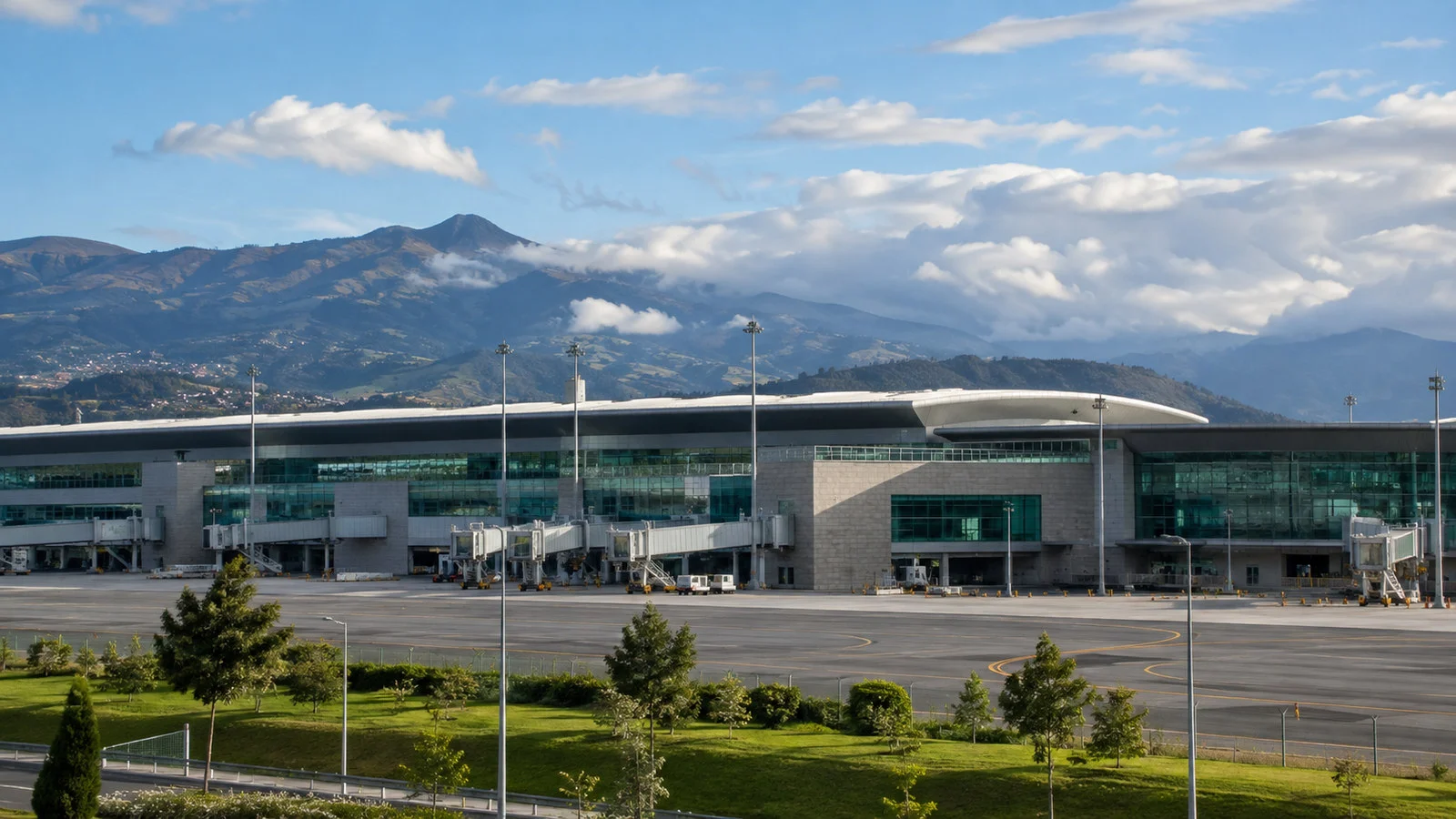
Quito’s international airport sits at Tababela, well outside the historic center. Drive time can vary sharply with traffic, road conditions, weather, and the exact hotel, so treat a mapping app’s fastest estimate as a best case.
A cruise-line transfer is the simplest option when it matches your itinerary. The operator knows the hotel, group flight, and luggage process, which removes several opportunities for confusion after a long international journey.
Independent travelers should arrange a reputable hotel car, official airport taxi, or established transfer service. Confirm where the driver will meet you, how the fare is calculated, and whom to call if a delayed flight changes the arrival time.
Do not schedule a sightseeing stop between landing and hotel check-in unless the transfer provider is storing luggage securely. Arrival day is better used for hydration, a meal, and a gentle walk near the hotel.
Quito’s altitude
UNESCO places Quito at about 2,850 meters above sea level, which is roughly 9,350 feet. Even fit travelers can notice breathlessness, headache, fatigue, poor sleep, or reduced appetite after arriving from low elevation.
Move slowly, drink water, eat regular meals, and limit alcohol on the first day. Do not confuse an ambitious schedule with good acclimatization.
People with heart, lung, blood, or other relevant health conditions should discuss high-altitude travel with a clinician before departure. Seek medical help for severe, worsening, or unusual symptoms rather than assuming every problem is normal adjustment.
The TelefériQo climbs much higher than the city and therefore demands extra caution. Save it for after you understand how your body responds in Quito, and skip it when altitude symptoms are already present.
The UNESCO historic center
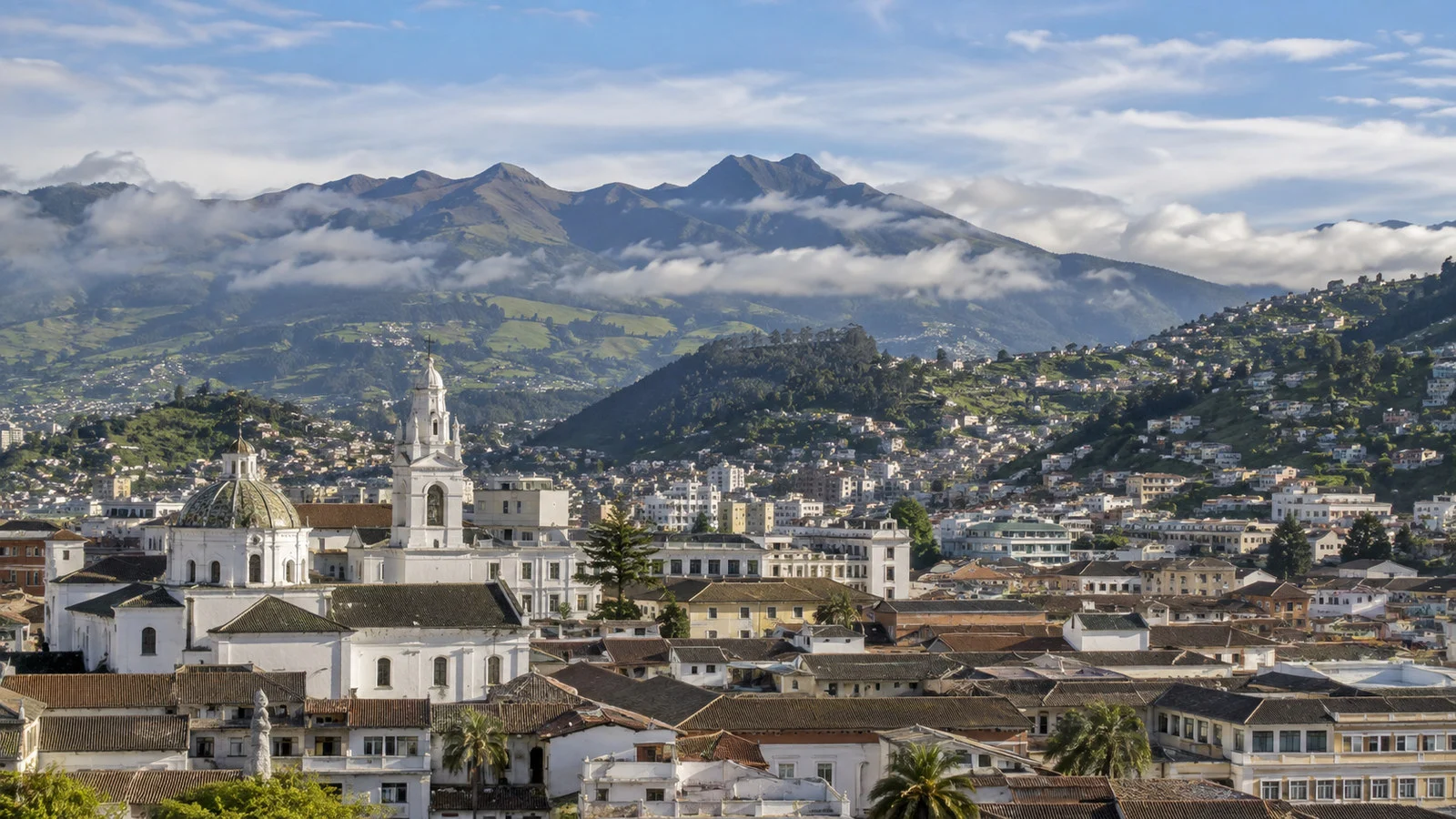
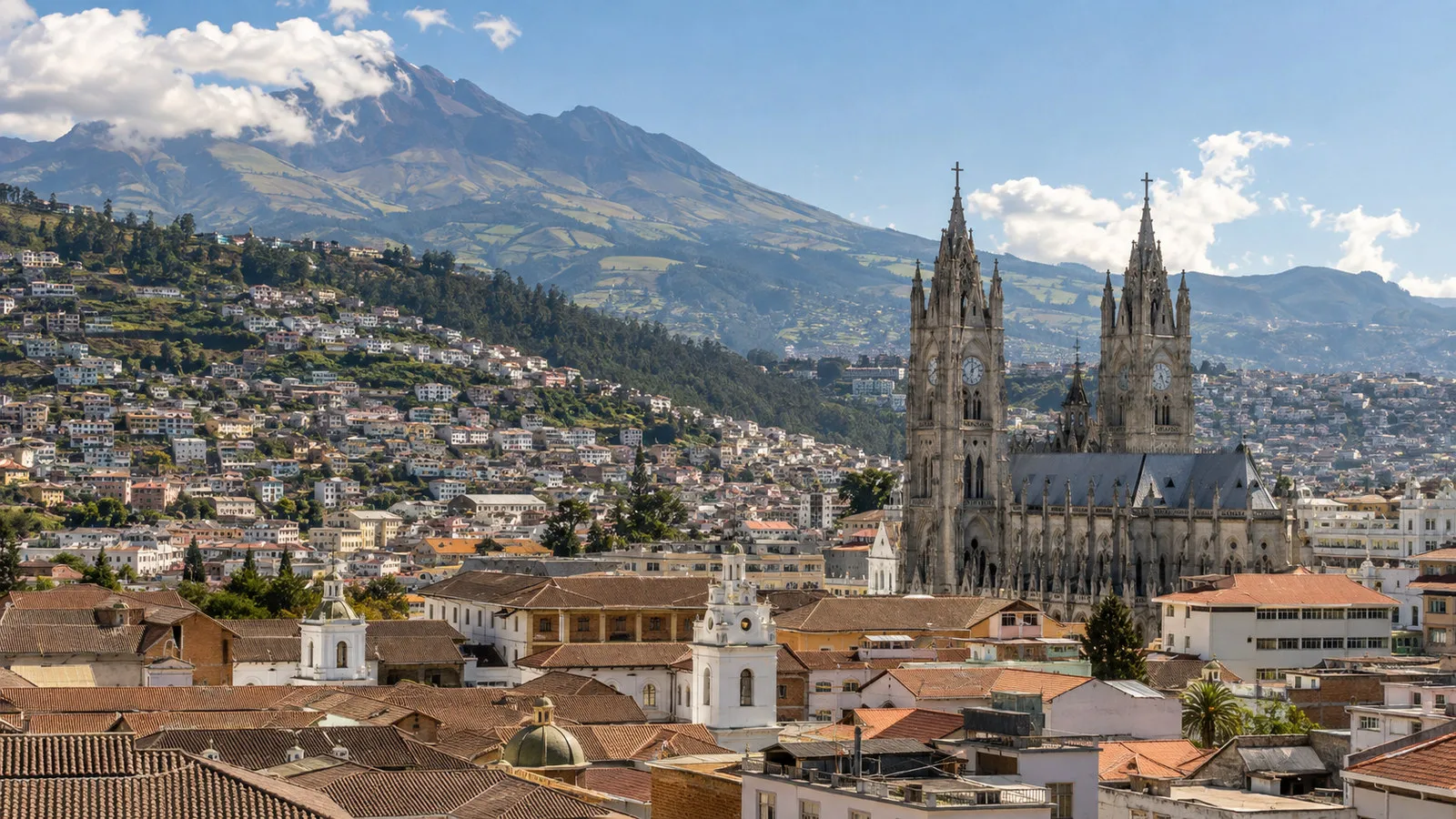
Quito entered the World Heritage List in 1978, among the earliest cultural sites recognized by UNESCO. The organization highlights its extensive, well-preserved historic center and the distinctive Quito Baroque tradition that blends European and Indigenous influences.
The district spreads across complex Andean terrain rather than a flat grid. Churches and plazas may look close together on a map while slopes, cobbles, traffic, and altitude make the walk feel longer.
A half-day guided tour is worthwhile for a first visit because the facades, paintings, sculpture, and religious spaces carry layers that are easy to miss. Afterward, use free time to revisit one square or church at your own pace.
Check current opening hours and worship schedules before entering religious sites. Active churches can close to sightseeing during services, ceremonies, restoration, or security operations.
Plaza Grande
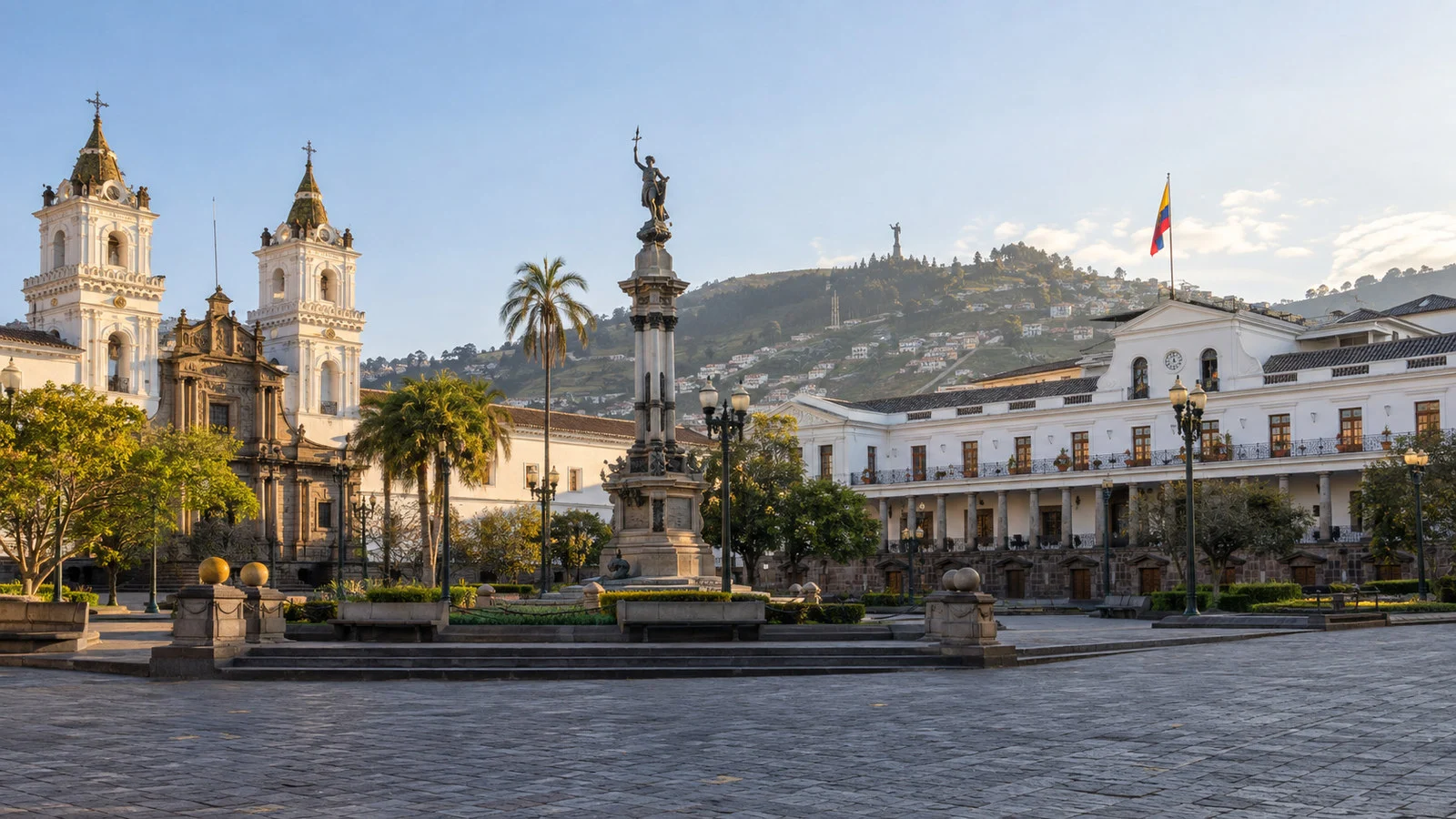
Plaza Grande, formally Plaza de la Independencia, is the civic heart of historic Quito. The cathedral, presidential palace, municipal buildings, and surrounding streets make it the most useful place to understand the old center’s layout.
Security barriers or official events can change pedestrian access around government buildings. Follow local instructions and do not build a tight route that depends on crossing the square in one specific direction.
Use the plaza as a pause rather than only a photograph. Sitting for a few minutes helps with altitude pacing and gives the surrounding city life time to register.
La Compañía de Jesús
La Compañía is one of the historic center’s essential interiors and a leading example of the Quito Baroque school. Its richly decorated church shows why UNESCO treats the city’s religious art as more than a collection of colonial facades.
Entry rules, ticketing, services, and photography policies can change. Ask before using a phone inside and treat worshippers and religious objects with respect.
The interior can be visually overwhelming, so allow time to look instead of rushing through with a group. A guide can explain the artistic mixture and historical context without reducing the space to the amount of gold on view.
San Francisco
The San Francisco complex and broad plaza form another anchor of old Quito. The church, convent traditions, art, and public space reveal how religious institutions shaped the city after the Spanish foundation.
The plaza’s paving and slopes can be demanding when you are tired or newly arrived at altitude. Use a taxi for the uphill portion if saving energy will make the visit safer.
Local guides can also explain the Indigenous artists and labor behind the Quito school. That context matters in a city whose celebrated colonial heritage grew from unequal systems as well as extraordinary skill.
La Ronda and evening plans
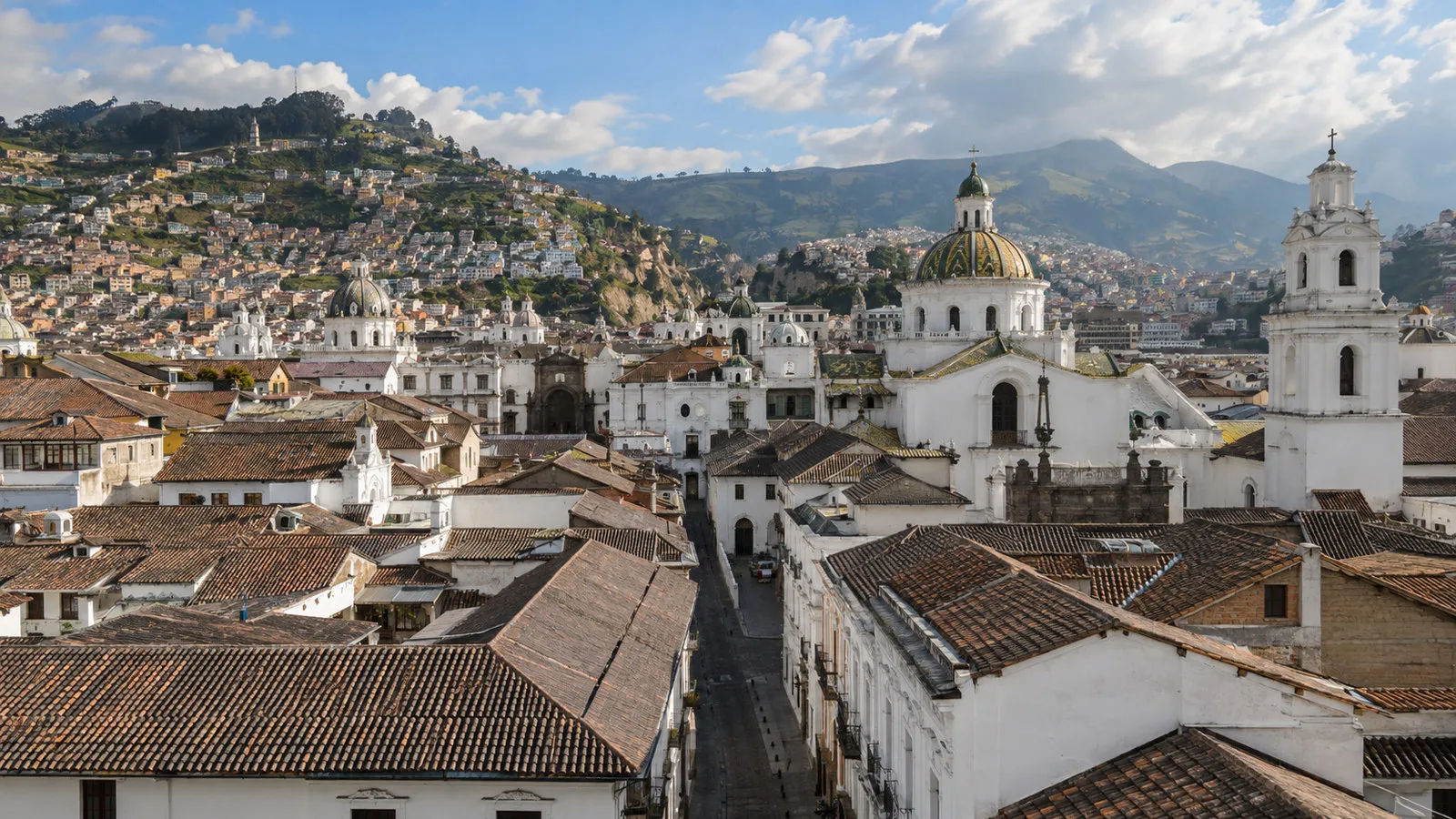
La Ronda is a narrow historic street known for workshops, cafes, and evening atmosphere. Its energy can be appealing, but current local safety advice and the hour should determine whether you visit independently.
I would use a trusted taxi or organized outing after dark rather than walking between distant neighborhoods. Ask the hotel which areas and return methods are appropriate on the day, because security conditions can change.
Do not let a late night compromise an early Galápagos flight. The airport is outside the center, and expedition travel already brings long, structured days.
El Panecillo
El Panecillo rises south of the historic center and carries the winged Virgin of Quito. The viewpoint can help you understand the city’s long valley setting, but it should be reached by reputable vehicle rather than an improvised uphill walk.
Visibility changes with cloud, rain, and haze, so the view is never guaranteed. A guided city tour often includes a controlled stop, which is simpler than arranging the visit alone.
Keep valuables discreet and follow the guide’s boundaries around the viewpoint. A dramatic panorama does not erase ordinary urban safety precautions.
TelefériQo
The TelefériQo cable car climbs the slopes of Pichincha to a station far above central Quito. On a clear day, the ride opens a broad Andean panorama and shows the city’s unusual geography.
Weather changes quickly at that elevation, with wind, cold, cloud, and strong ultraviolet exposure possible even when downtown feels mild. Carry layers, sun protection, and water.
The thin air is the defining concern. Walk slowly near the top, avoid strenuous hiking until properly acclimatized, and descend if symptoms develop or worsen.
Check the official operating status before leaving because weather, maintenance, and special events can affect service. A flexible booking or same-day decision is sensible when the view is the main reason to go.
Mitad del Mundo
Mitad del Mundo is a monument and visitor complex north of central Quito associated with the equator. It makes an easy half-day excursion for travelers who enjoy geography, photographs, and light museum-style interpretation.
Modern measurements place the precise equatorial line away from the famous painted monument line. The distinction does not ruin the visit, but it helps set honest expectations about what the attraction represents.
I would choose Mitad del Mundo only after giving the historic center enough time. Long transfers for a symbolic line make less sense when your only full day could instead cover Quito’s strongest cultural sites.
Ship package or independent stay
A cruise package earns its premium when it protects the Galápagos flight connection, handles luggage, and uses a well-located hotel. It can also coordinate park paperwork or group procedures that are easy to misunderstand independently.
Independent planning offers control over hotel, sightseeing pace, restaurants, and extra nights. It is most attractive when you can add a generous buffer rather than trying to match the operator’s group flight at the last minute.
Before paying for a package, confirm the exact hotel, meals, transfers, domestic flights, baggage allowance, admissions, guide services, and emergency support. A Quito extension may not include everything shown in the broader Galápagos itinerary price.
Price the independent version door to door, including luggage, airport transport, and a secure connection to the islands. The cheapest hotel rate is not a fair comparison with a package that handles several transfers.
A realistic one-day plan
Start with a guided morning in the historic center, focusing on Plaza Grande, La Compañía, San Francisco, and the streets between them. This grouping reduces cross-city travel and puts the most important cultural sites first.
Have lunch near the old center, then reassess energy and altitude symptoms. Choose one afternoon addition, such as a museum, a slower neighborhood walk, or an organized viewpoint.
Do not force TelefériQo into the afternoon if headache, fatigue, or cloud has already arrived. A higher cable-car station is not a sensible cure for feeling the city’s altitude.
Return to the hotel before an early flight evening begins. Repack, hydrate, verify pickup time, and keep essential documents in the same personal bag.
Food and water
Quito offers Andean dishes, soups, roasted meats, potato specialties, corn, fresh juices, and excellent modern Ecuadorian restaurants. Try local food in established places and choose a meal pace that supports altitude adjustment.
Drink sealed or properly treated water and be thoughtful with raw food. Current Ecuador guidance from the CDC is a more reliable health source than general travel folklore.
Alcohol can worsen dehydration and sleep at altitude. Save a celebratory drink for after you know how the first day feels.
Tell guides and restaurants about allergies clearly, preferably with a Spanish translation saved offline. A group lunch can move quickly, and advance notice gives the kitchen more room to respond.
Accessibility and mobility
Quito’s historic center has steep grades, cobbles, narrow sidewalks, high curbs, and heritage entrances. A distance that appears short can require much more effort than the same route at sea level.
Ask the operator for the actual walking distance, slope, number of steps, vehicle type, restroom access, and time spent standing. An easy label does not describe altitude or paving.
Use a vehicle between major clusters and save walking for the interior area you most want to see. This is an intelligent way to manage energy, not a lesser version of the city.
Historic churches and museums vary in step-free access, while construction can change an entrance temporarily. Contact priority attractions and the hotel before travel if a wheelchair, scooter, or walker is involved.
The airport and cruise company need advance notice for mobility assistance. Confirm who provides the chair, how luggage moves, and whether the Galápagos aircraft and island transfer have separate limitations.
Weather and packing
Quito’s equatorial position does not make it tropical-hot at street level because elevation moderates temperatures. Cool mornings, mild sun, rain, and chilly evenings can all appear in one day.
Pack layers, a light waterproof jacket, grippy shoes, sunscreen, and a hat. Strong ultraviolet exposure can occur even when the air feels cool.
Keep a compact umbrella only if you can manage it on busy sidewalks. A jacket leaves both hands free on steps and cobbles.
Weather at TelefériQo’s upper station can differ sharply from the hotel. Add a warm layer and check conditions immediately before departure.
Safety and current advice
Ecuador’s security situation can change, and official advisories may distinguish between cities, provinces, and neighborhoods. Check the current guidance for your nationality shortly before travel and follow the cruise company’s local updates.
The US State Department currently advises increased caution in Ecuador and lists higher-risk areas elsewhere in the country. That makes current, location-specific reading more useful than a blanket claim that all of Ecuador is safe or unsafe.
In Quito, use trusted transportation after dark, keep valuables discreet, avoid displaying a phone near moving traffic, and ask the hotel about current neighborhood conditions. Do not walk to El Panecillo from the old center.
Ecuador’s integrated emergency number is 911. Save the cruise operator, hotel, insurer, and local transfer contacts offline as well.
Galápagos flight timing
Flights to the Galápagos may include specific check-in, baggage, biosecurity, transit-control, or fee procedures. Follow the cruise company’s instructions exactly and arrive at the designated meeting point early.
Do not schedule an international arrival and island departure with a tight self-booked connection. Delayed baggage, immigration, traffic, and highland weather can unravel a plan that appears comfortable on paper.
Keep medication, travel documents, electronics, and essential clothing in your personal bag. Baggage rules on the domestic segment may differ from the international airline allowance.
For a post-cruise Quito stay, avoid an international departure timed immediately after the flight from the islands. A hotel night creates useful protection against weather or operational delays.
Who should add Quito
Add Quito if you enjoy architecture, religious art, city history, Andean landscapes, and the contrast with the Galápagos. The historic center brings a cultural dimension that the wildlife-focused cruise intentionally does not provide.
Limit the stay if altitude has caused serious problems before or if another hotel change will exhaust you. A protected overnight may still be wise even when formal sightseeing is not.
Travelers with mobility needs should make the decision from the specific tour route and vehicle plan. Quito can be rewarding with good pacing, but its terrain and elevation are real barriers.
My verdict
Quito deserves one full day and two nights around most first Galápagos cruises. That is enough to see the heart of the UNESCO center, recover from the flight, and protect the island connection.
I would prioritize the old center over Mitad del Mundo and treat TelefériQo as weather-and-altitude dependent. The city becomes much more enjoyable when the plan respects how high it sits.
Use the cruise package if it provides a strong hotel and protected transfers, or plan independently with generous buffers. Quito is worth experiencing, but no city tour is worth gambling the ship.
Before you fly
Confirm the airport terminal process, hotel, transfers, Galápagos flight, baggage limits, altitude plan, tour walking demands, and current security advice. Save every essential contact offline and keep documents, medication, and one change of clothes with you.
Then give Quito the attention it deserves. A calm day among its plazas and churches can make the transition to the Galápagos feel like part of the journey instead of an obstacle between flights.
How this guide was researched: Unless a first-hand visit is explicitly identified above, this guide uses official tourism, government, health, airport, and attraction sources where available. Logistics and time-sensitive details were reviewed on September 12, 2026; see our Editorial Policy.
More on this topic: browse every guide on expedition and alternative cruises.