Anchorage Cruise Port: Alaska’s Seward Rail Transfer
Here is the detail that saves an Alaska trip from going sideways: most cruises sold with Anchorage in the itinerary actually begin or end at Seward or Whittier. Anchorage is the airport and gateway city, while the ship is reached by a long rail or road transfer.
The Don Young Port of Alaska does handle cruise ships as part of its broader operations, but it is not the routine turnaround point for the major Gulf of Alaska schedules. Read the port name in your documents before booking a train, hotel, rental car, or same-day flight.
My quick take
I treat Anchorage as a proper pre-cruise or post-cruise destination, not a connection to rush through. One hotel night protects the sailing from flight delays, and a second gives you enough room for museums, trails, wildlife, or a scenic rail journey without watching the clock.
Seward offers the longer and more scenic transfer, with the Alaska Railroad following Turnagain Arm and crossing the Kenai Peninsula. Whittier is closer, but every road vehicle must fit the operating pattern of the shared Anton Anderson Memorial Tunnel.
My ideal plan is simple: arrive in Anchorage early, enjoy the city, sleep, then take the transfer designed for the actual embarkation port. On the return, avoid booking a flight until the full ship disembarkation, baggage, tunnel or highway trip, and airport check-in all fit with a generous buffer.
For the wider itinerary, use our guide to Alaska’s cruise ports to compare the true port calls with this gateway day.
The Quick Facts
- Usual ship ports: Gulf of Alaska cruises normally turn around at Seward or Whittier rather than the city of Anchorage.
- Seward transfer: Plan a substantial road trip or a longer scenic rail journey and distinguish the public train from any cruise charter.
- Whittier transfer: The route is shorter, but road timing is controlled by the scheduled one-lane tunnel shared by vehicles and trains.
- Anchorage port: The Don Young Port of Alaska handles cargo and cruise ships, but it is not the default berth behind most Anchorage cruise packages.
- Best arrival plan: Fly into Anchorage at least one night before sailing, then use a transfer tied to the confirmed embarkation port.
- Best city day: Pair downtown and the Coastal Trail with the Anchorage Museum or Alaska Native Heritage Center.
- Weather: Carry waterproof layers even in summer because conditions can change quickly along Turnagain Arm and the Kenai Peninsula.
- Time: Alaska observes daylight saving time, but every train, coach, flight, and all aboard deadline should be copied directly into one itinerary.
Why most ships do not dock in Anchorage
The Don Young Port of Alaska is a major municipal freight gateway on upper Cook Inlet. Its own current information says it handles containers, fuel, dry and liquid bulk, break bulk, and cruise ships, with cargo serving communities far beyond Anchorage.
Upper Cook Inlet also has extraordinary tides, with the port reporting a mean daily range above 26 feet and much larger extremes. Those conditions help explain why Anchorage’s marine operations look very different from a downtown cruise harbor.
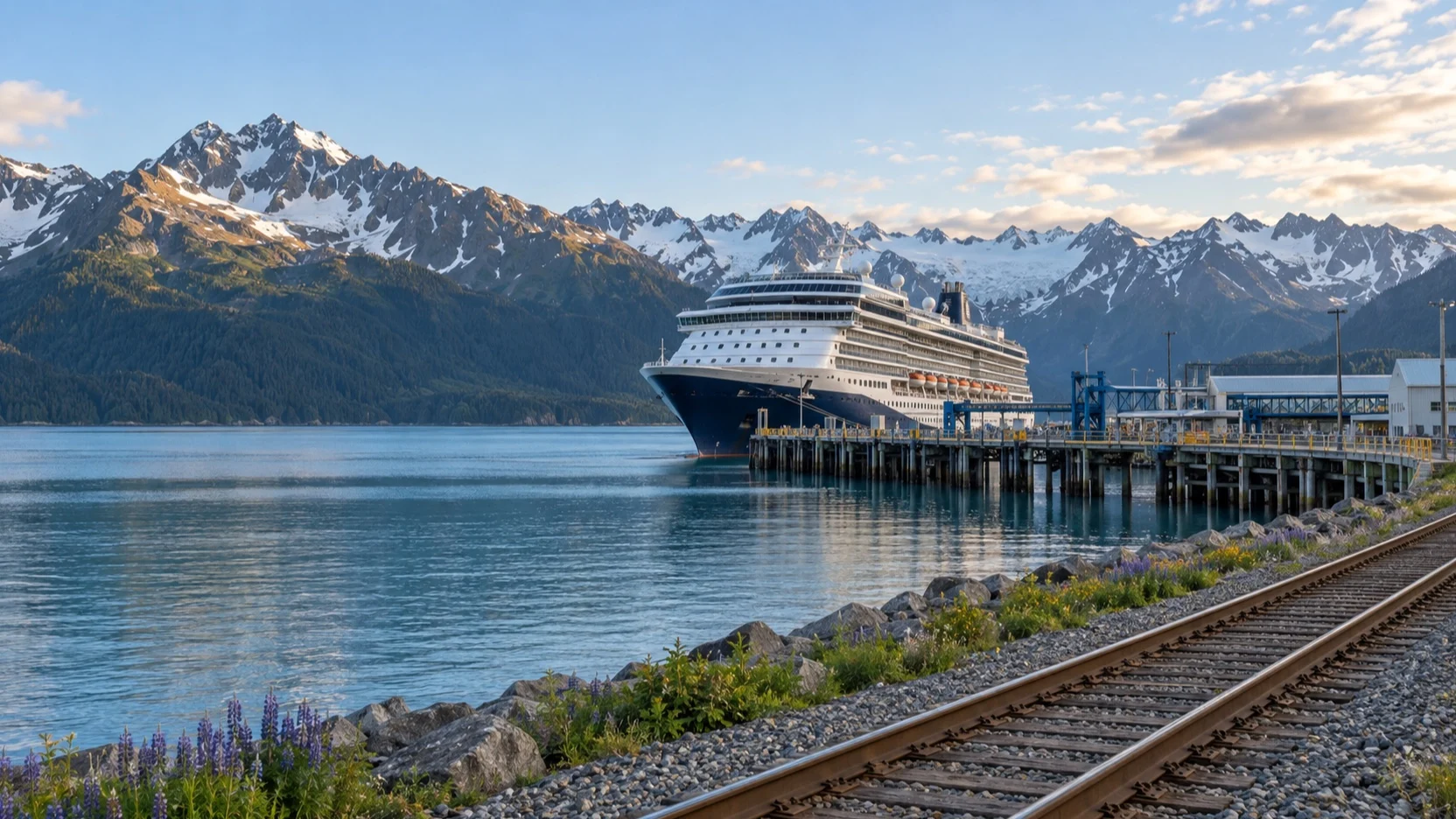
Major cruise lines instead use Seward on Resurrection Bay or Whittier on Prince William Sound for Gulf of Alaska turnarounds. Both connect to Anchorage by rail and highway, which lets the city function as the air hub without pretending the ship is parked beside the hotel.
A rare itinerary may call at the Anchorage port, so “never” is too strong. The cruise ticket is the authority, and travelers should follow any secure port transfer instructions supplied for that particular call.
If your documents say Anchorage in a large itinerary heading, look again for a detailed embarkation or disembarkation port. Seward and Whittier are not neighborhoods, and choosing the wrong one creates a transfer problem measured in hours.
Seward to Anchorage by scheduled train
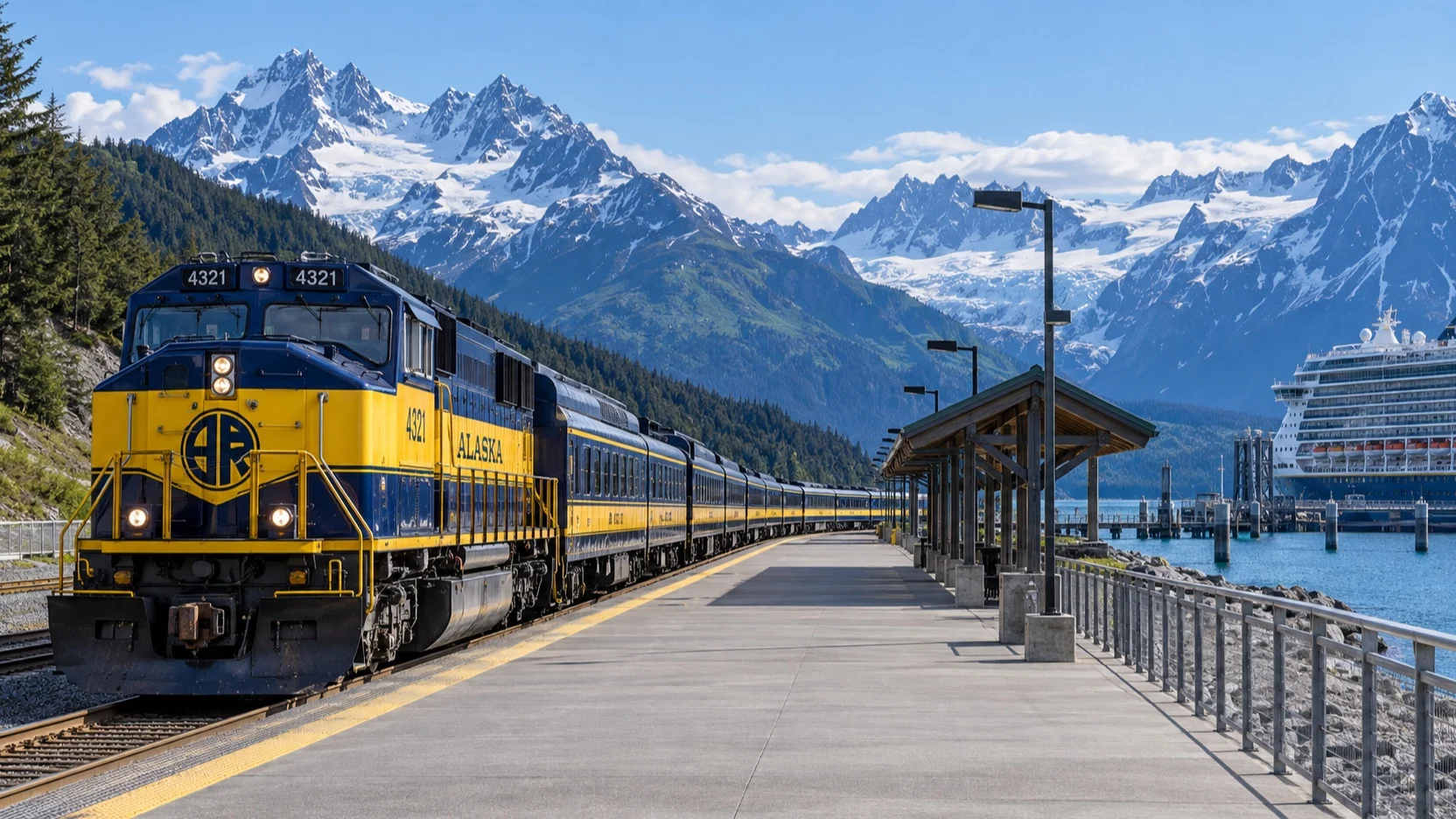
The Alaska Railroad Coastal Classic is a public passenger service between Anchorage and Seward. The route follows Turnagain Arm before crossing mountain country toward Resurrection Bay, which turns a transfer into a memorable part of the vacation.
The railroad currently describes dining, baggage service at Anchorage and Seward, and wheelchair access on the service. Schedules and fares are date specific, so I use the live railroad booking page rather than carrying an old departure time into a new season.
A public train is not automatically the train sold by a cruise line. Cruise charter rail service may meet a particular ship, use different passenger processing, handle bags separately, or connect with the airport instead of the downtown depot.
That distinction matters most after disembarkation. A scheduled train’s arrival pattern may be excellent for scenery but too late for a same-day flight, while a cruise coach can be faster and more directly integrated with baggage.
Before paying, I match four details: sailing date, ship port, station, and luggage procedure. If one of those does not line up, a beautiful rail ticket is still the wrong transfer.
Seward to Anchorage by road
Motorcoaches and private transfers use the Seward Highway and commonly require several hours before stops or traffic. The road itself is scenic, especially along Turnagain Arm, but construction, wildlife, weather, and summer volume can change the timing.
A cruise line coach is the simplest option when sold with the sailing because ship and transfer operations sit under the same plan. An independent company can work well, but I want a written pickup point, ship-delay policy, luggage allowance, and arrival estimate.
Do not schedule an early flight from Anchorage after a Seward arrival. Add disembarkation, bag collection, the entire highway trip, comfort stops, airport arrival, airline check-in, and security before deciding whether the connection is sensible.
If you have an extra day, Seward deserves it. The harbor, Alaska SeaLife Center, and Kenai Fjords trips are reasons to stay rather than race north immediately.
Whittier to Anchorage and the tunnel
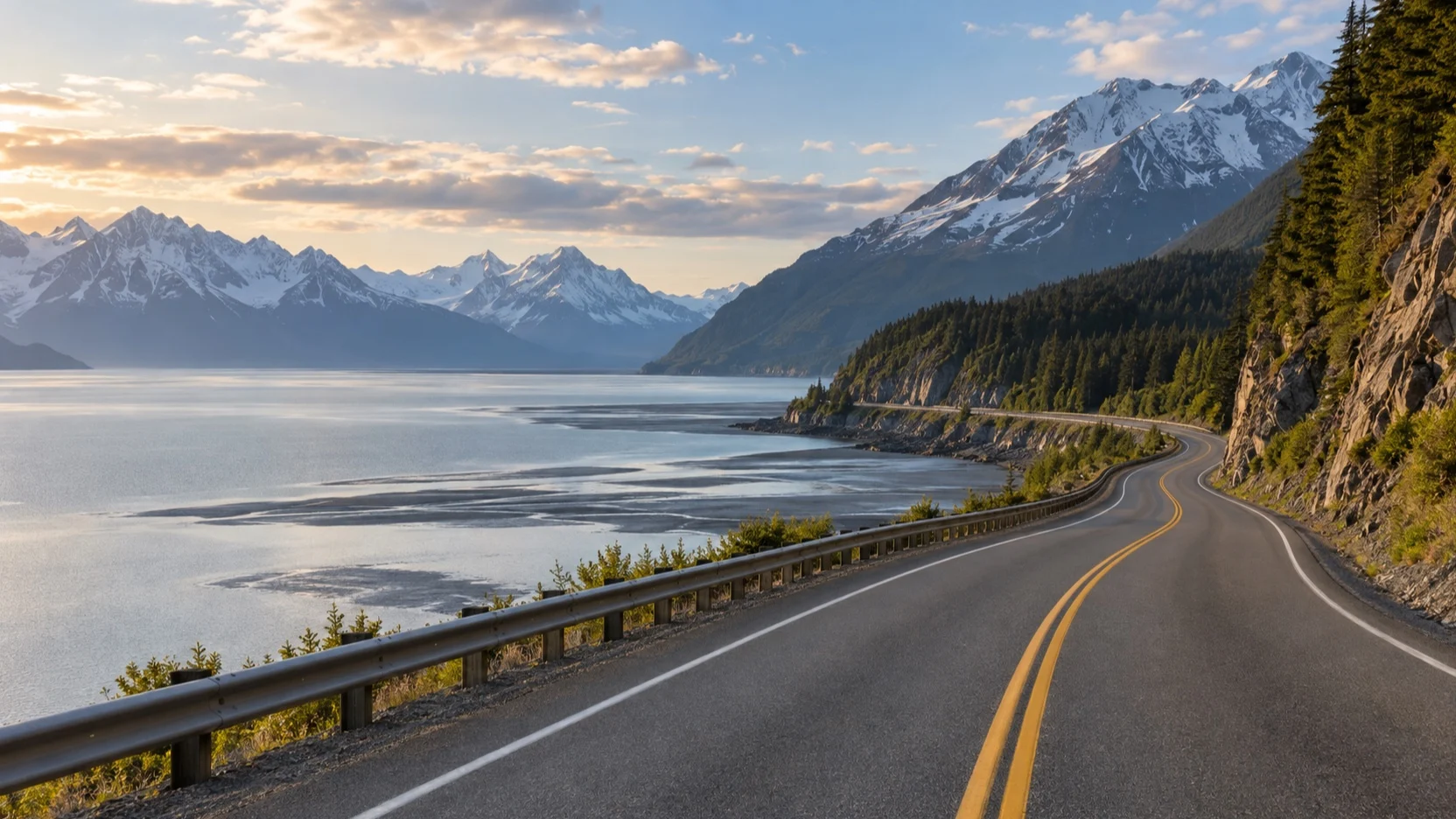
Whittier is geographically closer to Anchorage, but its highway connection passes through the Anton Anderson Memorial Tunnel. The tunnel has one lane and alternates between road directions and railroad use on a published schedule.
The Alaska Department of Transportation publishes seasonal hours and direction windows. It also warns that unscheduled trains can create additional delays, which is why a simple mileage estimate does not tell the full story.
Cruise transfer operators build the tunnel pattern into their departure. An independent driver must arrive at the staging area before the correct opening and should check both the live schedule and Alaska 511 for current conditions.
Whittier train service and cruise charter options also vary by sailing. Confirm whether a rail product is public or ship-specific, where bags go, and whether the Anchorage endpoint is downtown or the airport.
I still arrive in Alaska a night early even though Whittier is closer. A flight delay followed by a missed tunnel window is exactly the kind of chain that turns a relaxed vacation into a very expensive chase.
Scheduled train, charter train, or coach
Choose the scheduled train when the published timetable fits and the scenery is part of the experience. You keep control of the booking, but you are also responsible for the station transfer, luggage rules, and connection.
Choose a cruise charter train when the sailing and rail service are designed around each other. It often costs more, yet baggage handling and direct coordination can be worth far more than a small saving.
Choose a coach when time, price, or airport access matters more than having a rail journey. The ride can still be beautiful, and a cruise coach may offer the most practical post-ship connection.
Choose a private transfer when a family or small group wants flexibility and the total compares well with individual tickets. Vet the operator carefully and make sure the vehicle has room for every suitcase.
Anchorage transportation once you arrive
Downtown Anchorage is compact, and many central sights, hotels, restaurants, and the start of the Coastal Trail are reachable on foot. The airport, Alaska Native Heritage Center, and mountain trailheads require transit, a taxi, rideshare, shuttle, or rental car.
People Mover operates the local bus network, while hotels and attractions may run separate seasonal transportation. I check the current route and operating day before planning a tight connection because summer schedules are not permanent promises.
A rental car makes sense for Chugach trailheads, wildlife areas, or a wider road trip. It is usually unnecessary for one night downtown followed by a cruise transfer, especially after adding parking and one-way logistics.
Visit Anchorage maintains current visitor transportation information and is a useful starting point for independent transfers. The cruise line still has the final word on where and when its own train or coach meets passengers.
What to do with one full Anchorage day
Anchorage Museum
The Anchorage Museum gives a first-time visitor context for the state before the ship reaches smaller ports. Art, history, science, and Alaska Native perspectives make it a strong indoor anchor when rain or smoke changes the outdoor plan.
I allow more than a quick walk-through because the story of Alaska is much larger than glaciers and wildlife. Check current galleries, admission, and hours on the museum’s official site before setting the day’s order.
Alaska Native Heritage Center
The Alaska Native Heritage Center shares living cultures from across Alaska through exhibits, demonstrations, storytelling, and outdoor village sites. It is not interchangeable with a general museum, and it deserves enough time to listen rather than simply photograph the buildings.
The center sits away from the downtown grid, so transportation needs to be part of the booking. Seasonal hours and programs vary, which makes the official calendar essential.
Tony Knowles Coastal Trail
The paved Tony Knowles Coastal Trail follows Cook Inlet from downtown toward Kincaid Park. You can enjoy a short waterfront section on foot or rent a bicycle for a longer ride without committing the entire day.
Views depend on weather, and wildlife occasionally appears close to the trail. Give moose abundant space, follow local guidance, and never approach for a photo.
Ship Creek and downtown
Ship Creek brings salmon fishing surprisingly close to the downtown hotels during the right season. The surrounding area and downtown grid are easy to combine with breakfast, public art, shops, and a visit to the Alaska Public Lands Information Center.
This is my lowest-stress plan around a train or coach. It keeps you close to luggage storage and lets the schedule, rather than an ambitious excursion, control the day.
Chugach State Park
The Chugach Mountains rise directly behind Anchorage, and trailheads such as Glen Alps make the city feel unusually close to real alpine terrain. Even a viewpoint stop can be rewarding when a full hike does not fit.
Trail conditions, parking, wildlife, and weather need current checks. A rental car, tour, or arranged ride is more reliable than assuming a quick rideshare pickup after a remote hike.
How I would build the gateway stay
With one night before the cruise, I stay downtown, keep the first day simple, and sleep before the transfer. The next morning I use a ship-linked train or coach unless the public schedule offers a clear advantage and fits perfectly.
With two nights, I give one full day to the Anchorage Museum and Alaska Native Heritage Center, then finish on the Coastal Trail. That plan balances cultural context and scenery without creating a long highway excursion before another long travel day.
After the cruise, I choose between staying in Seward, spending a day in Anchorage, or connecting onward. I do not pretend that all three fit comfortably between disembarkation and an evening flight.
If Denali is next, Anchorage becomes the organizing point for another rail or road segment. Separate that reservation from the cruise transfer in your notes so stations, baggage, and check-in times do not blur together.
Accessibility and luggage planning
The Alaska Railroad states that the Coastal Classic offers wheelchair access, but individual boarding needs and mobility devices should be discussed before travel. Ask about station assistance, lift or ramp procedures, seating, restrooms, and baggage handling.
Motorcoach accessibility varies by vehicle and operator. Confirm whether the coach can secure the device, whether stairs are required, and who handles luggage at each transfer point.
Downtown sidewalks and the Coastal Trail can suit many travelers, but winter damage, construction, grades, and weather create variable conditions. The farther sections toward Kincaid Park should not be treated as uniformly level.
At the Alaska Native Heritage Center, ask about current accessible routes through indoor and outdoor areas. At Chugach trailheads, use specific trail information rather than assuming that a scenic viewpoint is step-free.
Keep passports, medications, electronics, valuables, and one change of clothes in the carry-on. Cruise charter baggage may travel separately, while the public railroad uses its own check-in and baggage rules.
Weather, daylight, and what to pack
The main cruise season runs from late spring into early fall, when Anchorage has long daylight and generally milder temperatures. Rain, wind, cool mornings, and rapid weather changes remain normal parts of an Alaska itinerary.
I pack a waterproof shell, warm midlayer, comfortable walking shoes, sun protection, and a small day bag. The same outfit system works on the train, in Seward or Whittier, and during a city walk.
May and September can feel quieter, but daylight, temperatures, and seasonal service differ from midsummer. Confirm the exact train, attraction, and shuttle dates rather than assuming the cruise season means every visitor service is open.
Wildfire smoke can also affect visibility and outdoor comfort in some years. Keep an indoor Anchorage plan and follow official air quality information if regional smoke is present.
Quick answers
Does my cruise ship dock in Anchorage?
Usually not for the major Gulf of Alaska turnaround itineraries. Most ships use Seward or Whittier, although the Don Young Port of Alaska can handle cruise calls, so the final cruise document is decisive.
How long is the Seward transfer?
A motorcoach commonly takes several hours, while the scheduled Coastal Classic is a longer scenic journey. Use the exact operator timetable for your date because stops, traffic, construction, and charter arrangements vary.
How long is the Whittier transfer?
The road distance is much shorter than Seward, but the one-lane tunnel controls access in scheduled windows. A missed opening or unscheduled train can add time, so use the official tunnel schedule.
Is the train better than the coach?
The train wins for scenery when the timetable fits, while the coach often wins for speed, price, and airport connections. A cruise charter may be the simplest option because it is coordinated with the ship.
Can I fly home on disembarkation day?
Possibly, but only when the cruise line’s transfer and recommended flight window support it. Never calculate from the ship’s docking time alone because passengers still need clearance, baggage, the full transfer, airport check-in, and security.
Do I need a car in Anchorage?
Not for a compact downtown stay built around museums, Ship Creek, and the Coastal Trail. A car becomes useful for Chugach trailheads or a broader road trip, but parking and one-way logistics must be included.
Can I see Denali from the city?
The mountain can appear from Anchorage on a very clear day, but visibility is never guaranteed. Treat a city view as a bonus rather than a replacement for a Denali itinerary.
How Anchorage compares
Anchorage is fundamentally different from Seattle, where downtown hotels can sit close to an ocean cruise terminal. Here, the airport city and the ship are normally separated by a significant land journey.
It also differs from Juneau, where many ships berth within a walk of the center and the port call itself is the day. Anchorage is the transition between flight, land itinerary, and cruise, which rewards more deliberate planning.
That gateway role is not a weakness. The rail and highway scenery can become a highlight, while an extra city day adds Alaska Native culture, local history, and trails before the ship takes over.
The Bottom Line
Confirm Seward, Whittier, or Anchorage before buying anything, then select a transfer whose timetable and baggage handling match the ship. Arrive at least one night early and avoid an aggressive same-day flight after disembarkation.
With that foundation, Anchorage becomes more than airport code and hotel night. Give it a full day if you can, and let the train, museum, heritage center, or coastal trail set the tone for Alaska.


How this guide was researched: Unless a first-hand visit is explicitly identified above, this guide is based on independent research using official port, railroad, highway, tourism, transit, government, and attraction sources where available. Logistics and time-sensitive details were reviewed on September 11, 2026; see our Editorial Policy.