Rabaul Cruise Port: Volcanoes, Wharf and War History
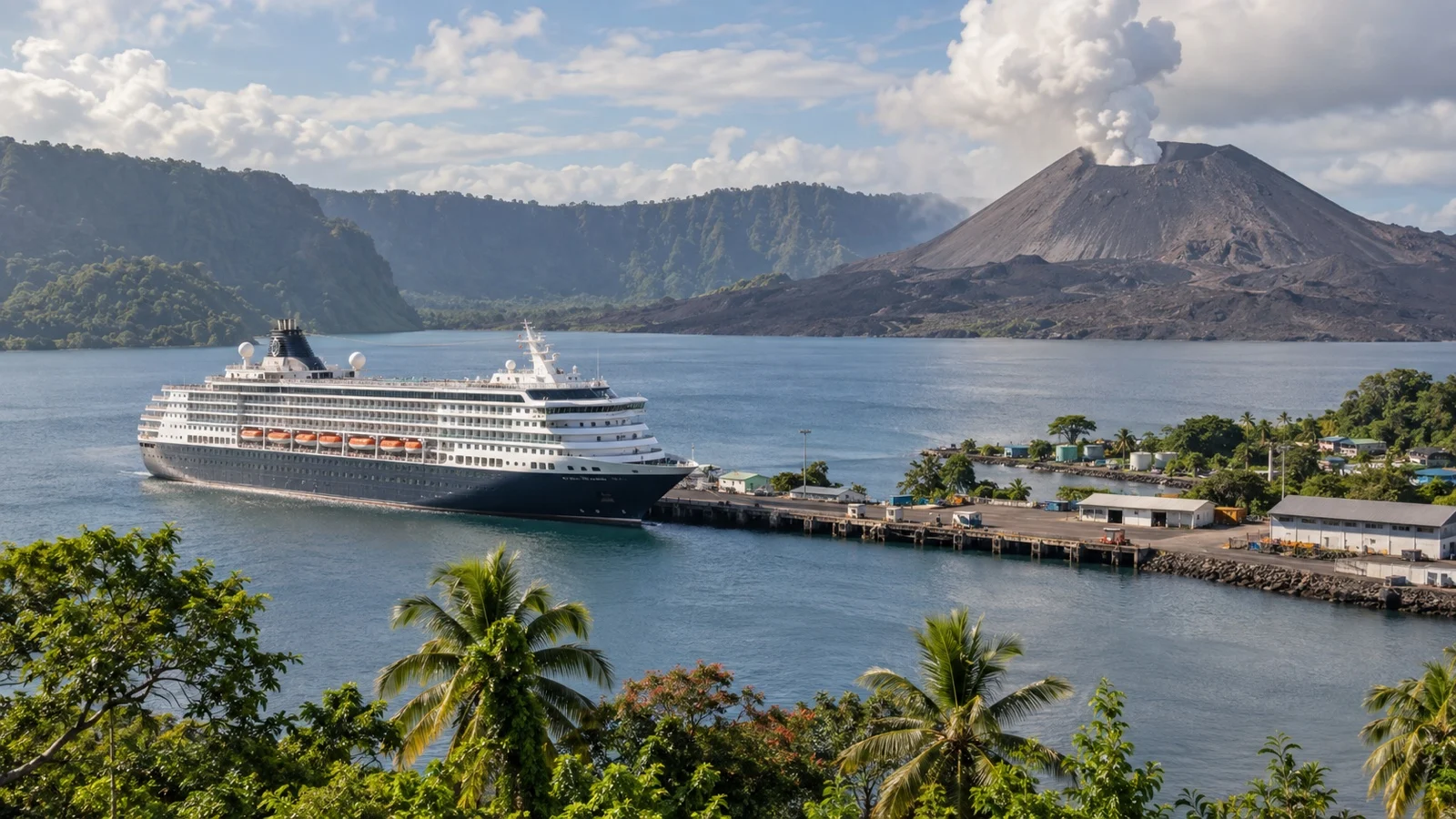
Rabaul is one of the Pacific’s most dramatic cruise arrivals, where Simpson Harbour sits inside a volcanic caldera and the remains of a former regional capital lie beneath ash, vegetation, and living communities. The best shore day connects the volcanoes, World War II history, and Tolai culture without treating any of them as scenery alone.
This is also a port where improvisation can go wrong. Volcanic conditions, port operations, road surfaces, weather, and limited transport make a reputable local guide and a generous return margin especially valuable.
Quick Facts
- Port: Rabaul, East New Britain, Papua New Guinea
- Harbor: Simpson Harbour
- Currency: Papua New Guinean kina
- Languages: Tok Pisin, English, and local languages including Kuanua
- Main themes: Volcanoes, wartime history, Tolai culture, and harbor scenery
- Regional hub: Kokopo
- Arrival: Many calls berth, while tendering remains possible
- Essential safety step: Follow current volcano guidance from the ship and Papua New Guinea authorities
Most Ships Berth, but the Call Still Varies
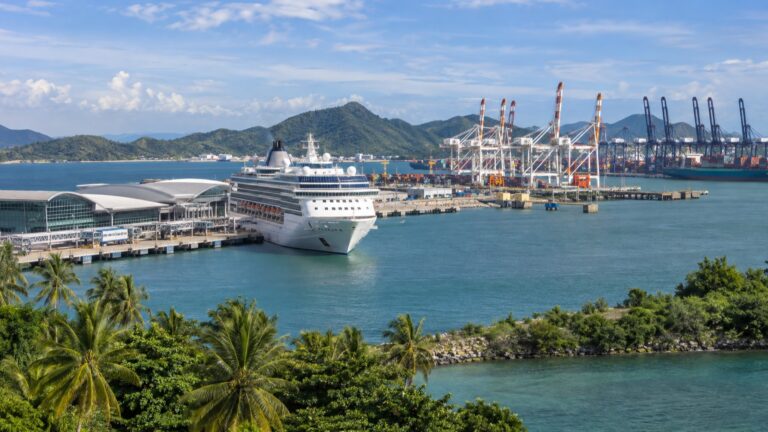
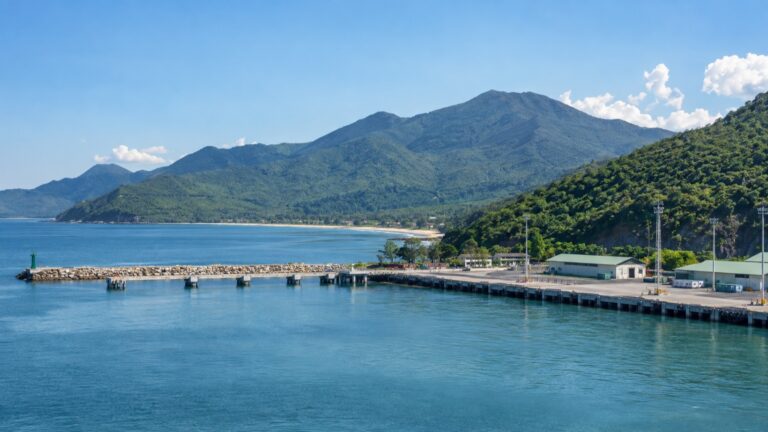
Rabaul has wharf facilities within Simpson Harbour, and many cruise visits berth alongside. A ship may still tender or change its passenger-transfer plan because of vessel size, berth availability, weather, or current operations.
The daily program is the authority for the gangway, tender, shuttle, and all aboard time. Do not schedule a private pickup using only an old port map.
The port and waterfront are working areas, so follow marked routes and security instructions. Ask whether an independent driver can meet beside the ship or must wait at a controlled gate.
The Caldera Explains Rabaul
Rabaul’s extraordinary setting is not just a backdrop. The town developed around a flooded volcanic caldera whose peaks, vents, ash fields, and harbor have repeatedly shaped local life.
The paired eruptions of Tavurvur and Vulcan in 1994 devastated much of Rabaul and accelerated the move of provincial functions toward Kokopo. Ash and ruined structures still make that event visible, while communities continue to live and work in the wider area.
A good guide explains both geology and recovery. The story is stronger when it includes evacuation, rebuilding, scientific monitoring, and the choices residents make around an active volcanic system.
Tavurvur and Volcano Touring
Tavurvur is the cone many visitors associate with Rabaul, but an active volcanic area is never a casual independent hike. Conditions can change, and safe access depends on official advice, road status, weather, and a knowledgeable operator.
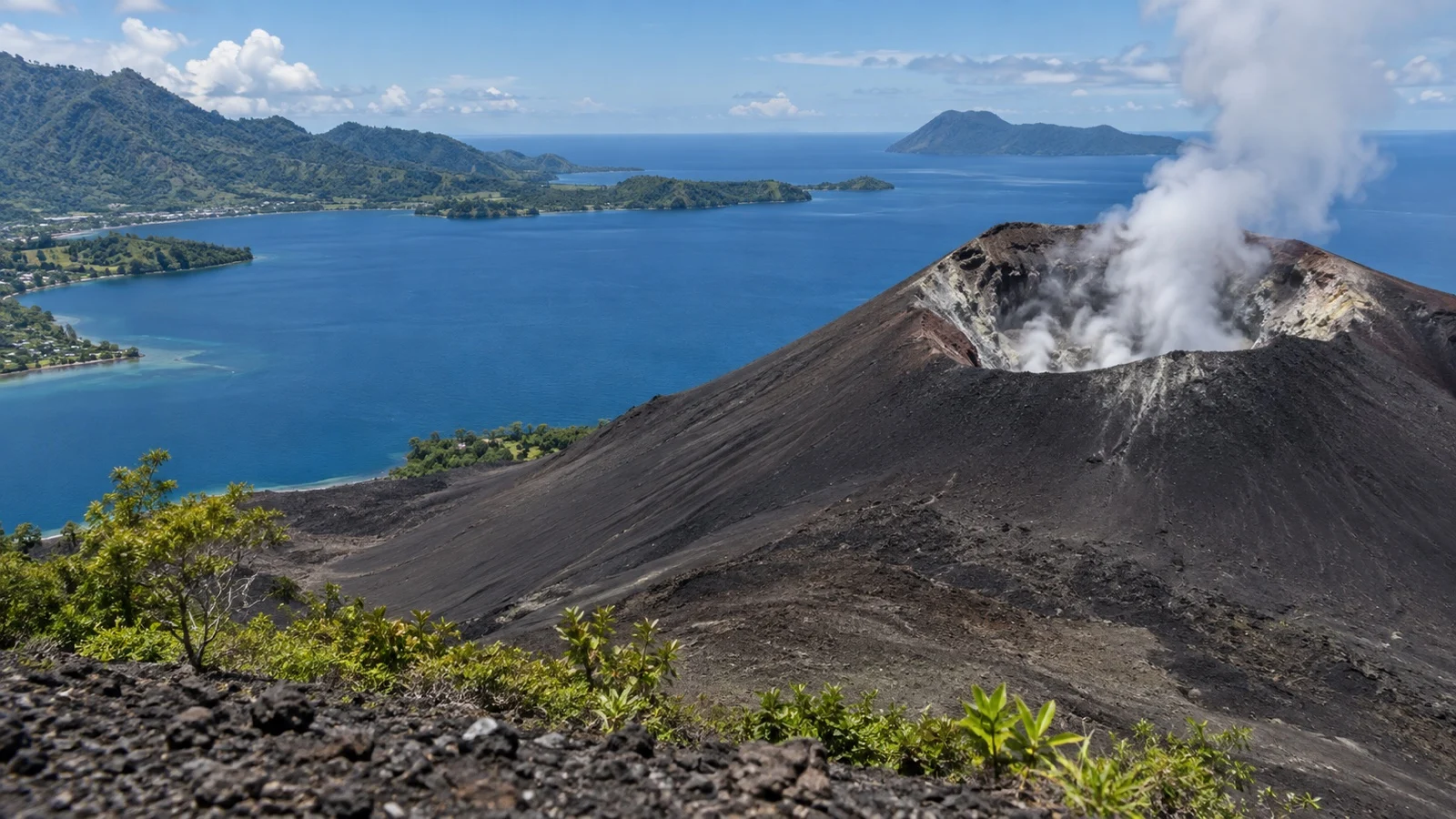
The Mineral Resources Authority is the national scientific institution responsible for geoscience, and Rabaul Volcano Observatory provides the local monitoring expertise travelers should respect. Ship announcements and current authority guidance outrank an old excursion description.
What a Responsible Visit Looks Like
A responsible tour uses an open route, maintains distance from restricted areas, and adjusts when gas, ash, heat, rain, or seismic activity changes the risk. It should never promise access regardless of conditions.
Volcanic ground may be hot, unstable, dusty, or rough. Closed shoes, water, sun protection, and a face covering for dust can improve comfort, but equipment does not make a prohibited route safe.
Do not collect rocks from restricted or culturally important places. Follow the guide’s instructions about where to stand, what to touch, and how long to remain.
A Viewpoint Can Be Enough
Travelers do not need to walk onto volcanic terrain to understand Rabaul. A viewpoint, harbor drive, observatory-related interpretation, or guided discussion can reveal the scale with far less exposure.
Cloud and rain may hide part of the caldera, so keep expectations flexible. The landscape remains powerful even when the perfect cone photograph never appears.
World War II History
Rabaul became a major Japanese base during World War II and was heavily attacked by Allied forces. Airfields, tunnels, bunkers, wrecks, memorials, and museum collections across the region reflect that history.
These places are not adventure props. People fought, were imprisoned, suffered, and died here, and a respectful guide should connect military strategy with human experience.
Tunnels and Bunkers
Some wartime tunnels are accessible only with local guidance, while others may be unstable, flooded, poorly ventilated, privately controlled, or unsafe. Never enter an unapproved opening because it appears on a map.
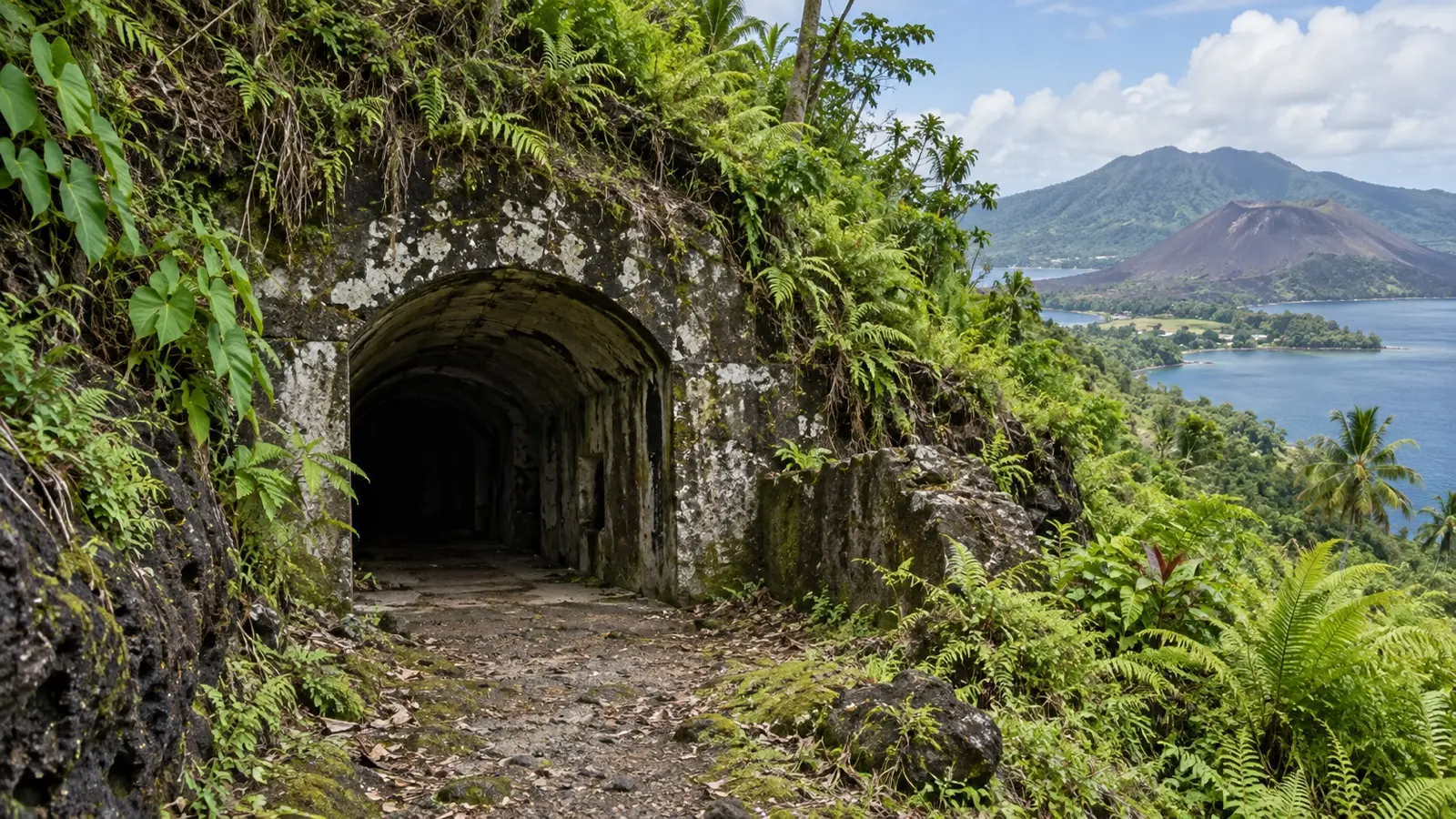
Bring a small flashlight if the operator recommends it, but do not rely on a phone light as permission to explore. Watch for low ceilings, uneven floors, insects, and restricted passages.
Museums and Memorials
Kokopo and the Rabaul area contain collections and memorial sites that can help organize the wartime story. Opening hours, display conditions, and access change, so confirm the specific museum rather than assuming every site operates daily.
War cemeteries and memorials require quiet behavior. Do not climb monuments, move objects, or use graves as photo props.
Underwater Heritage
Simpson Harbour contains wartime wrecks, but diving them is a specialist activity. Depth, visibility, currents, volcanic setting, unexploded ordnance, conservation rules, and operator capability all matter.
A port call is not the time to arrange an unvetted wreck dive at the pier. Use a properly qualified operator and confirm the cruise line’s return and medical requirements well in advance.
Kokopo as the Regional Hub
Kokopo became the practical administrative and commercial center after the 1994 eruptions reshaped Rabaul. It offers markets, museums, services, and a different view of contemporary East New Britain.
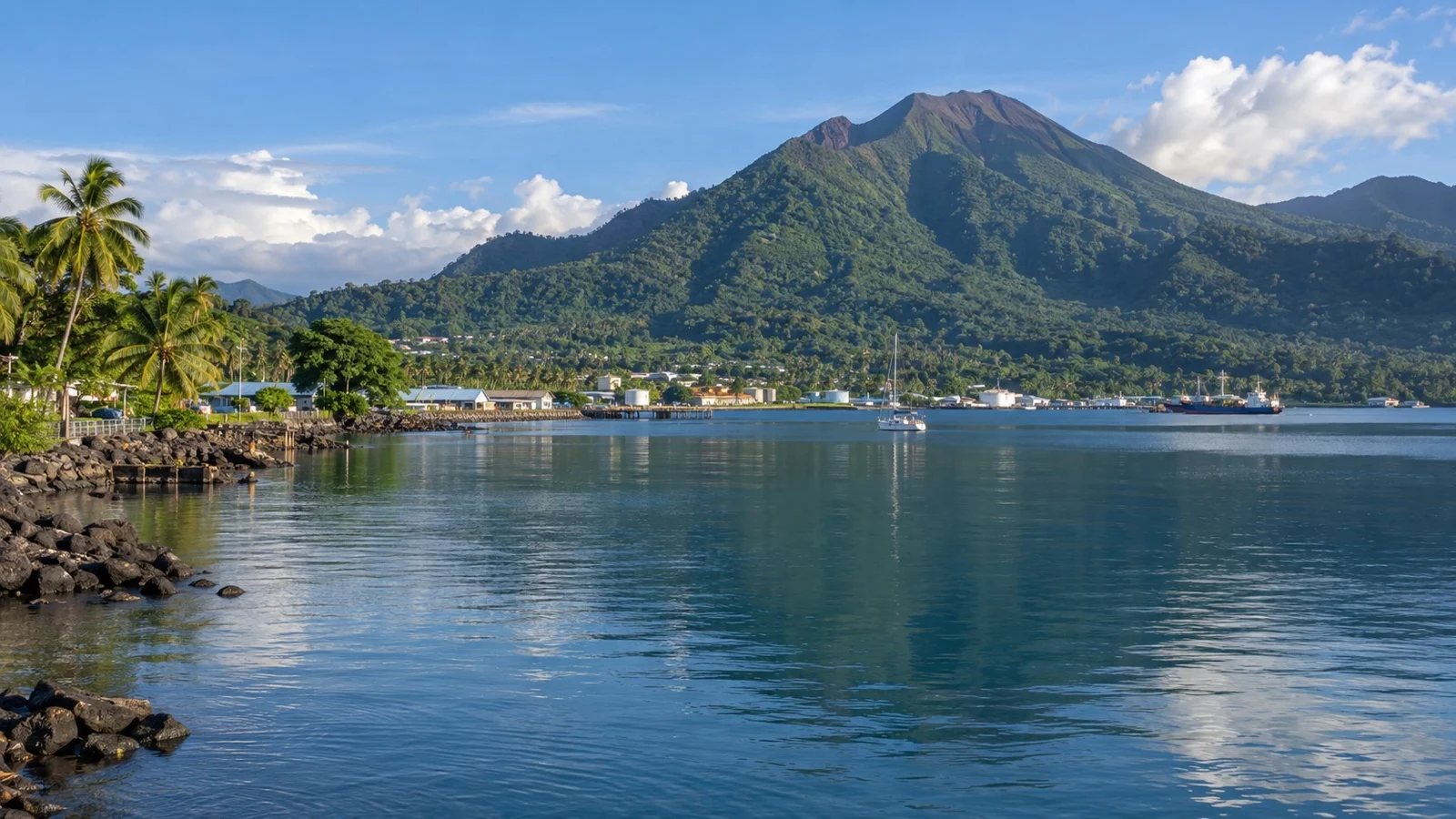
The drive between Rabaul and Kokopo can form part of a well-paced regional tour. Road conditions, stops, and traffic still need to be included in the return plan.
A first-time visitor might combine a Rabaul volcano viewpoint, one wartime site, and a Kokopo cultural or market stop. That is already a full story when the guide provides context.
Tolai Culture Is Living Culture
The Tolai people are central to East New Britain’s identity, language, trade, ceremony, and contemporary life. Cultural experiences should be community-led and fairly arranged, not performed without consent for visitors’ cameras.
Tabu shell money continues to hold cultural significance. A guide can explain its role without reducing it to a souvenir or inviting visitors to handle ceremonial items casually.
Ask before photographing people, dancers, markets, children, homes, or sacred spaces. If a community requests a contribution or sets rules for a visit, understand the arrangement before arriving.
Markets
Rabaul and Kokopo markets can be lively places for produce, betel nut, fish, crafts, and daily exchange. Go with a guide if you want interpretation or feel uncertain about photography and buying customs.
Keep cash modest and valuables discreet. Use the visit to observe everyday life rather than treating every person as part of an attraction.
Baining Fire Dance
Baining fire dances are culturally significant nighttime ceremonies, not a standard daytime attraction waiting beside every ship. A cruise visit should attend only through a properly arranged community event that respects ownership, timing, and participant consent.
Be skeptical of a schedule that compresses a remote evening performance into an ordinary short port call. Ask who hosts the event, how the community benefits, and whether photography is permitted.
Boats, Islands, and Reefs
The Duke of York Islands and other marine areas can add beaches, villages, snorkeling, and boat travel to an East New Britain visit. These excursions introduce weather, boat-safety, conservation, and return-time risks.
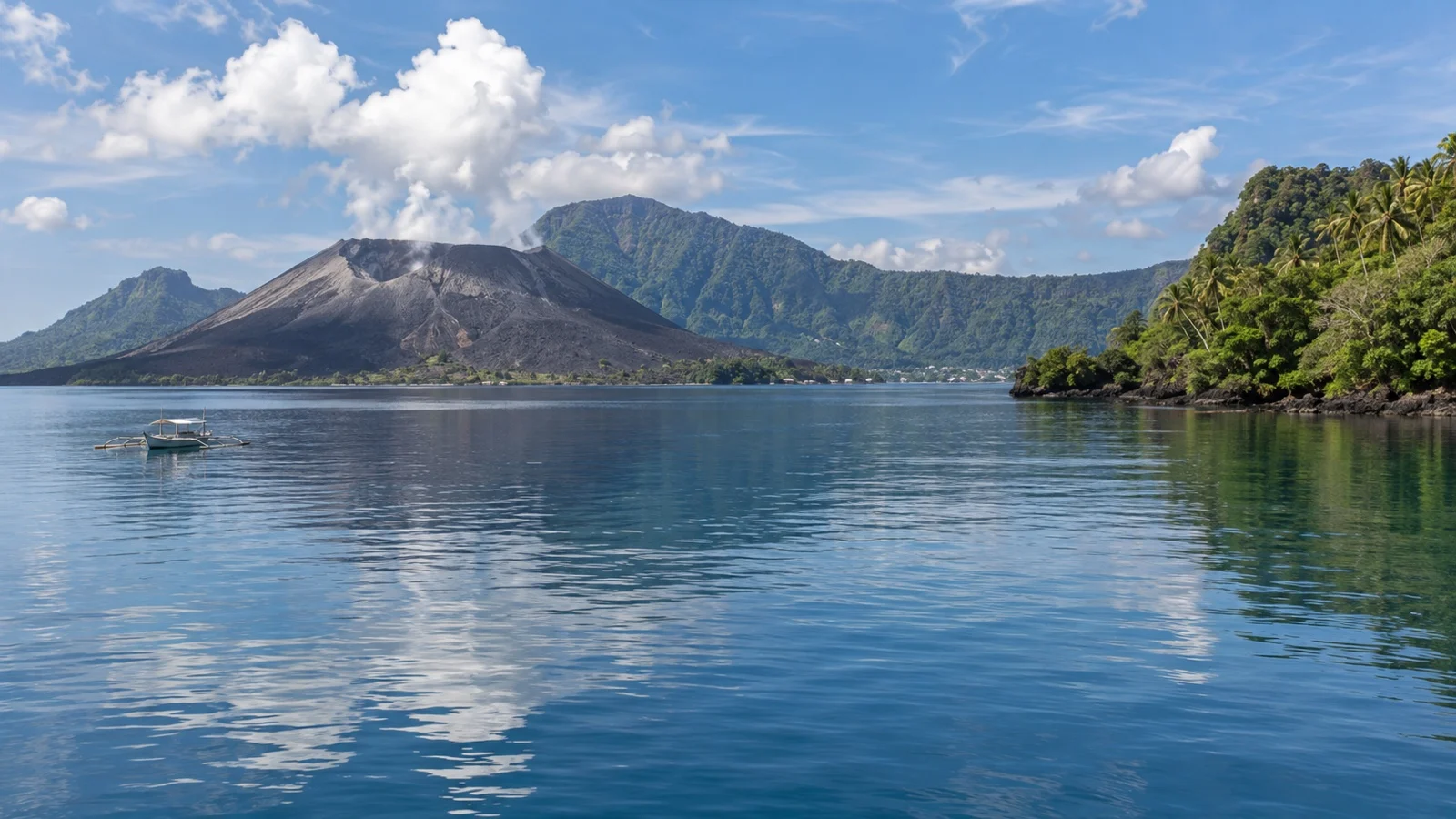
Use an operator with suitable life jackets, communication equipment, and a clear plan for changing conditions. The excursion should state where the boat leaves, how passengers reach it, and how much margin remains before all aboard.
Do not touch coral, feed wildlife, or collect shells where local or conservation rules prohibit it. Ask permission before landing in a community.
Three Sensible Ways to Spend the Day
Volcano and History
Pair one safe caldera or Tavurvur viewpoint with a curated wartime site. This is the strongest first-visit plan because it explains why Rabaul looks and feels the way it does.
Keep the number of stops small enough for real interpretation. A guide who connects the volcanic and wartime layers is more valuable than a rushed photo circuit.
Rabaul and Kokopo
Combine Rabaul’s harbor and ruins with Kokopo’s market, museum, or cultural context. The route gives a clearer picture of how the region changed after 1994.
Confirm current road conditions and build the final segment near the ship. Do not save the longest drive for the end.
Marine Day
Choose a properly managed boat or snorkeling outing only when sea conditions and call length align. Accept a land backup if wind, rain, or visibility changes.
This option is best for repeat visitors or travelers whose operator has strong safety credentials. A generic beach promise is not enough.
Transportation Should Be Organized
Rabaul is not a port where I would depend on finding an ideal vehicle after arrival. Prearrange a reputable guide or use a ship excursion, especially for volcanoes, tunnels, Kokopo, or rural communities.
Confirm the vehicle has working seat belts and enough space for every traveler. Share mobility needs, the ship name, the meeting point, and a firm turnaround time.
Roads may be rough, dusty, muddy, or affected by ash and rain. Travel time can change without the dramatic traffic jam travelers expect in a large city.
Motorcycle or open-truck shortcuts add unnecessary risk. Choose a vehicle and driver appropriate for the road rather than the lowest price.
Money and Connectivity
Papua New Guinean kina is the local currency, and cash is important for markets, small purchases, and community arrangements. Card acceptance and cash-machine reliability should not be assumed.
Bring modest notes obtained through a legitimate source and keep a backup amount separate. Avoid displaying large sums or exchanging money with an unverified person.
Mobile service may weaken outside the main towns, inside tunnels, or around the caldera. Download maps, booking details, guide contacts, and the port-agent number before leaving.
Confirm ship time and photograph the all aboard notice. Automatic phone time is not a sufficient return plan.
Health Planning
Papua New Guinea requires meaningful travel-health preparation. The CDC currently identifies malaria transmission in low-elevation areas throughout the country and recommends that some travelers take prescription prevention.
Discuss your itinerary and medical history with a qualified travel clinician well before sailing. Some medications and vaccines require lead time.
Use an effective insect repellent as directed, wear protective clothing when practical, and choose sealed or properly treated water. Wash or sanitize hands before eating.
Avoid touching animals, and seek prompt medical guidance after a bite or scratch. Carry personal medications in original packaging and consider medical-evacuation coverage.
Rabaul can be hot and humid, while volcanic dust may irritate eyes or breathing. Anyone with respiratory or cardiac concerns should discuss the planned excursion with a clinician and choose a low-exposure alternative when needed.
Accessibility and Lower-Energy Planning
Accessibility varies from the gangway or tender through the vehicle and each historic or volcanic site. Rough ground, high steps, heat, dust, narrow tunnels, and limited restrooms can all matter.
Ask the cruise line whether the port shuttle is step-free and where it ends. A private operator should confirm vehicle access, wheelchair storage, continuous walking distance, shade, and seating.
Many wartime tunnels are unsuitable for wheelchairs or travelers with balance concerns. A museum, harbor drive, viewpoint, and market can create a rich lower-energy day.
Tender transfers depend on ship equipment and sea conditions, so the crew makes the final safety decision. A calm-looking harbor from the deck does not settle accessibility.
Weather and Volcanic Conditions
East New Britain is tropical, with heat, humidity, heavy rain, and rapid changes possible. Weather can affect roads, visibility, small boats, and footing around volcanic or historic sites.
Volcanic status is a separate safety layer. Check the ship’s latest notice and guidance from Papua New Guinea’s Mineral Resources Authority or Rabaul Volcano Observatory.
Bring sun protection, water, insect repellent, a breathable rain layer, and closed shoes. Protect electronics and medication from rain and ash.
If authorities close a route, accept the change immediately. No photograph justifies entering a volcanic exclusion area or unstable tunnel.
Entry Rules and Biosecurity
Papua New Guinea entry requirements depend on nationality, itinerary, and current immigration policy. Use the official Immigration and Citizenship Authority eVisa portal and follow the cruise line’s written instructions.
Do not assume visa-on-arrival information for an airport applies to a cruise passenger at Rabaul. Complete any required authorization before travel and keep the confirmation accessible offline.
Biosecurity rules protect Papua New Guinea and later ports. Declare food, plant material, animal products, soil, and wooden items when required, and do not carry fresh ship food ashore without permission.
Clean soil from shoes before and after rural or volcanic excursions. Leave rocks, coral, historic fragments, and cultural material where they belong.
Frequently Asked Questions
Do cruise ships dock in Rabaul?
Many calls berth at a wharf in Simpson Harbour, while tendering remains possible. Confirm the current passenger-transfer plan onboard.
Can I visit Tavurvur independently?
Do not treat an active volcanic area as an independent walk. Use current authority guidance and a reputable local operator on an open route.
Is Rabaul safe for a port day?
A well-planned guided visit can be rewarding, but volcanic, road, crime, health, and weather risks require current information. Follow the ship and local authorities.
Can I see Rabaul and Kokopo in one day?
Often yes when the call is long enough and the route is focused. Build a firm return buffer and avoid stacking too many distant stops.
Can I enter the wartime tunnels?
Only enter a site that is officially open and guided. Unapproved tunnels may be unstable, flooded, poorly ventilated, or otherwise dangerous.
What currency should I carry?
Papua New Guinean kina is the practical choice. Cash matters because cards and machines may not be reliable.
My Final Take
Rabaul is unforgettable because its harbor, volcanoes, wartime remains, and living cultures occupy the same landscape. The day deserves a guide who can connect those layers without sensationalizing them.
Confirm the wharf, respect every closure, and build the return time first. That leaves room for Rabaul’s extraordinary setting to feel powerful rather than precarious.
I checked current planning information from PNG Ports Corporation, Papua New Guinea’s Mineral Resources Authority, the Papua New Guinea Tourism Promotion Authority, the official Immigration and Citizenship Authority eVisa portal, and the CDC Papua New Guinea traveler page. Port access, volcanic conditions, heritage sites, transport, health guidance, and entry procedures can change, so verify them for your sailing.
I hope this guide helps you experience Rabaul with curiosity and the respect its stories deserve. Leave room for the harbor view, the guide’s own perspective, and a calm return to the ship.