Koror Cruise Port: Malakal Harbor and the Rock Islands
Koror is where Palau’s practical side meets one of the most extraordinary marine landscapes on the planet. A cruise call here can put you on a boat among mushroom-shaped limestone islands, in clear water above coral gardens, or in a small capital where museums and local restaurants make an easy backup plan.
The key is to plan around the ship’s actual arrival setup, your boat operator’s timing, and Palau’s conservation rules. Malakal Harbor is close to Koror, but the best-known Rock Islands experiences require permits, transport, and enough margin to get back without turning a beautiful day into a last-tender sprint.
Quick Facts
- Country: Republic of Palau
- Main cruise area: Malakal Harbor, just south of central Koror
- Arrival: Ships may berth or use tenders, depending on the vessel and current port arrangements
- Currency: US dollar
- Languages: Palauan and English, with English widely spoken
- Top experience: A permitted boat trip through the Rock Islands Southern Lagoon
- Important rule: Bring only sunscreen that meets Palau’s reef-safe ingredient requirements
- Planning priority: Confirm the berth or tender, permit, boat pickup point, and return time with your cruise line or operator
Where Cruise Ships Arrive
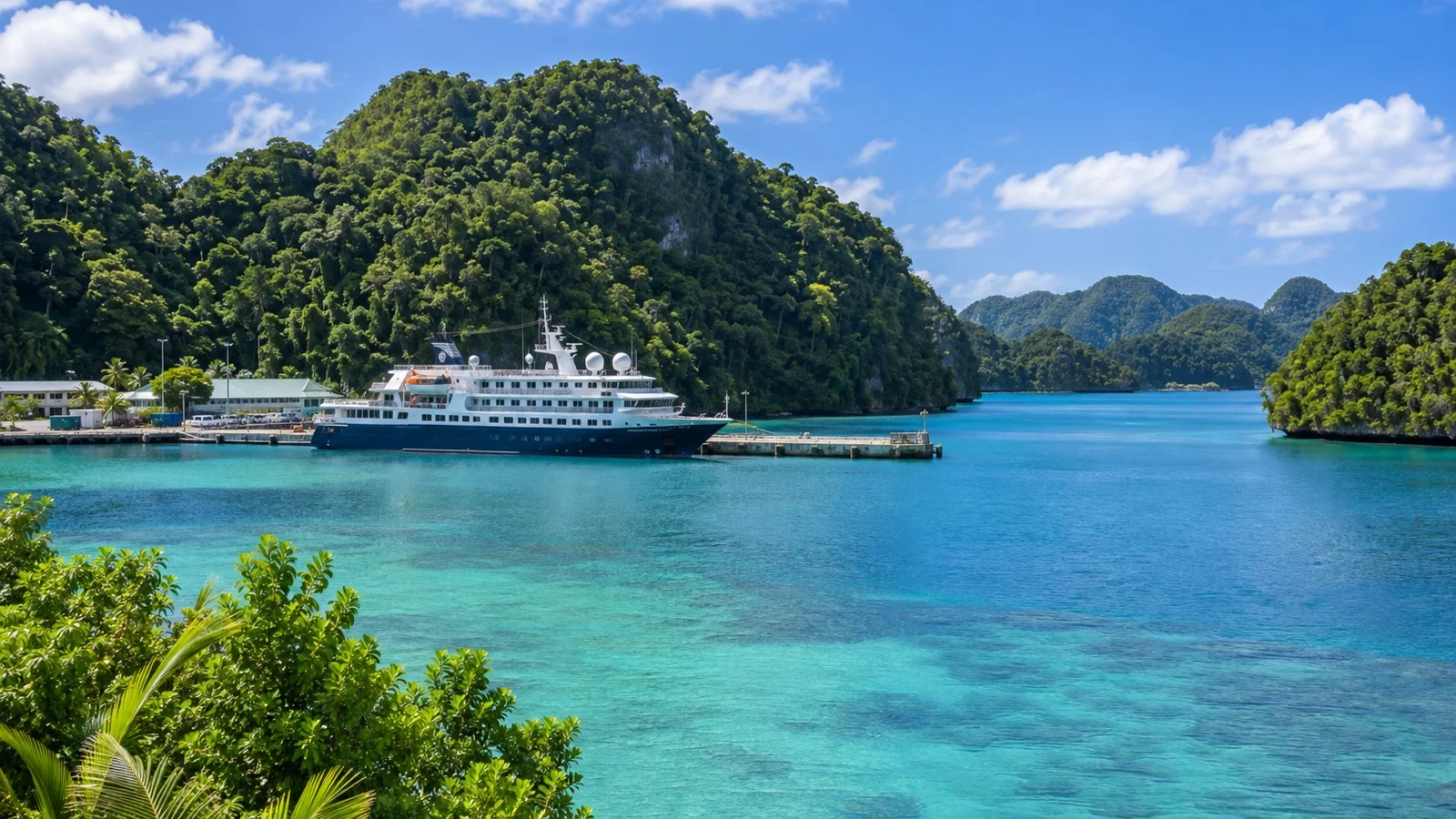
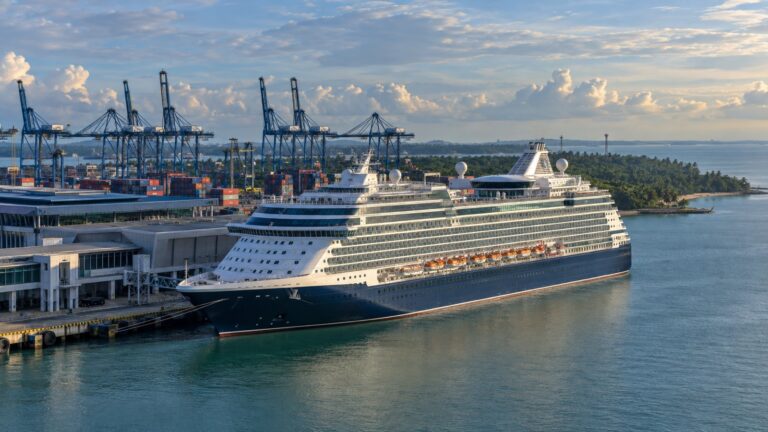
Malakal Harbor sits on Malakal Island, connected by road to Koror’s commercial center. The harbor handles working vessels as well as visiting ships, so the first view can feel more practical than tropical, but the water and green islands beyond it quickly explain why Palau is such a coveted call.
Your ship’s size and the day’s operating plan determine whether you step ashore at a berth or ride a tender. Read the onboard notice the night before, because the assigned landing point, tender sequence, and independent-passenger arrangements can change.
Koror’s center is only a few miles from much of Malakal, but there is no single universal cruise terminal routine. Some excursions collect guests near the landing area, while independent travelers may need a taxi or a prearranged transfer to a hotel marina or tour dock.
Arrival Formalities and What to Carry
Palau’s Bureau of Customs and Border Protection oversees vessel arrivals at Malakal Harbor, and visiting ships are subject to immigration, customs, and biosecurity controls. In most cruise situations the line coordinates the process, but passengers should still follow the ship’s instructions and keep the required travel documents available.
Entry rules can differ according to nationality and itinerary, so check the current requirements through the cruise line and Palau authorities before sailing. Do not assume that advice written for air arrivals applies in exactly the same way to a cruise call.
Palau prohibits electronic cigarettes and vaping products, and biosecurity rules matter in an island environment. Leave prohibited items aboard and declare anything the authorities or your cruise documentation requires.
Getting from Malakal to Koror
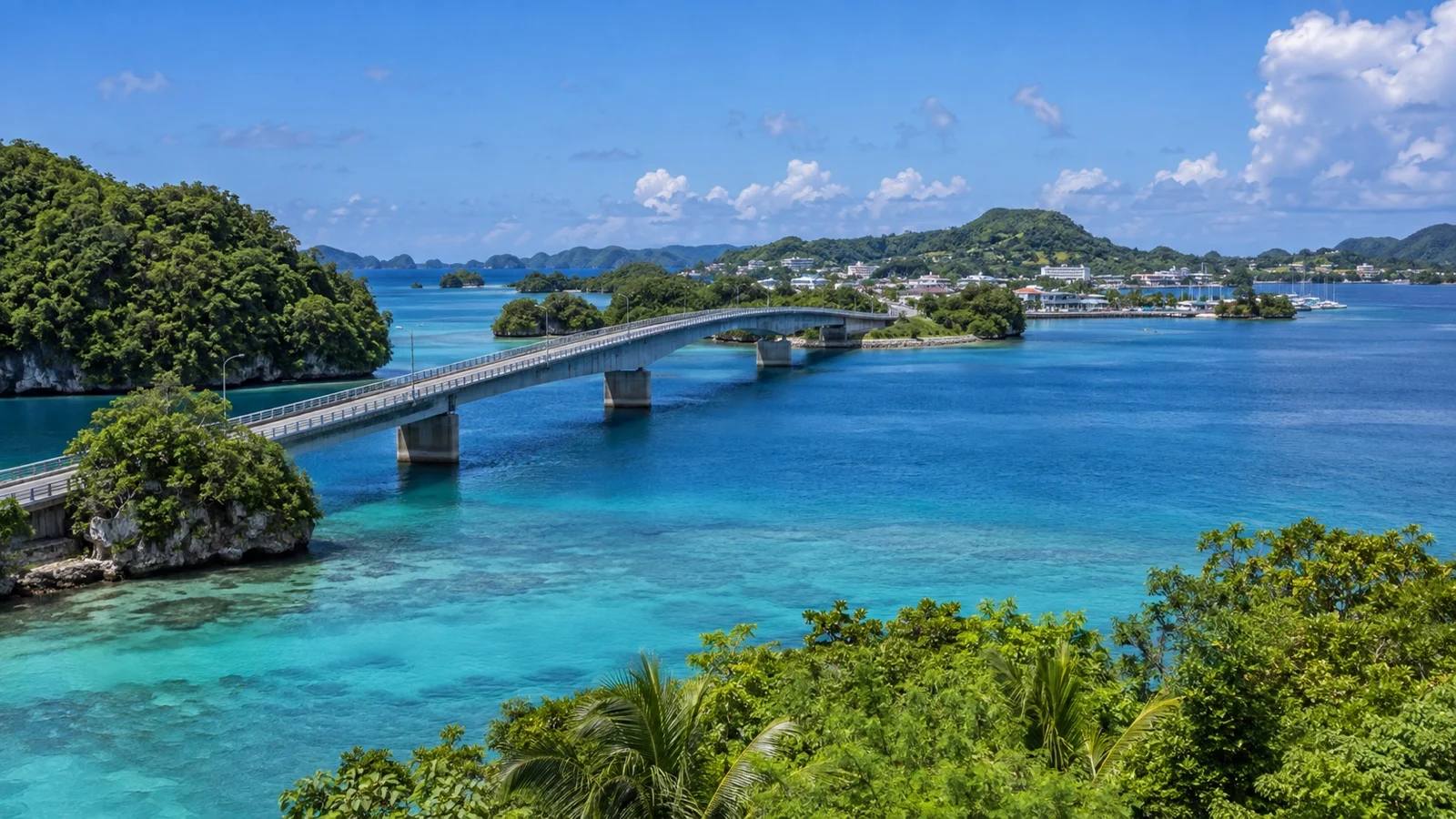
A taxi is generally the simplest way to reach central Koror, museums, restaurants, or a marina not included in an excursion transfer. Agree on the fare and pickup plan before leaving, and carry small US-dollar bills because card acceptance does not make every short local ride cashless.
Koror is spread across connected islands and busy roads rather than arranged around one compact pedestrian center. You can walk within a chosen area, but trying to link Malakal, the museums, shops, and different boat docks entirely on foot uses more of a short port day than it appears on a map.
If you book independently, ask the operator to name the exact marina, pickup time, boat name, and emergency contact. Share your ship name and all-aboard time, then build in a generous return buffer because boats are affected by weather and sea conditions.
The Rock Islands Southern Lagoon
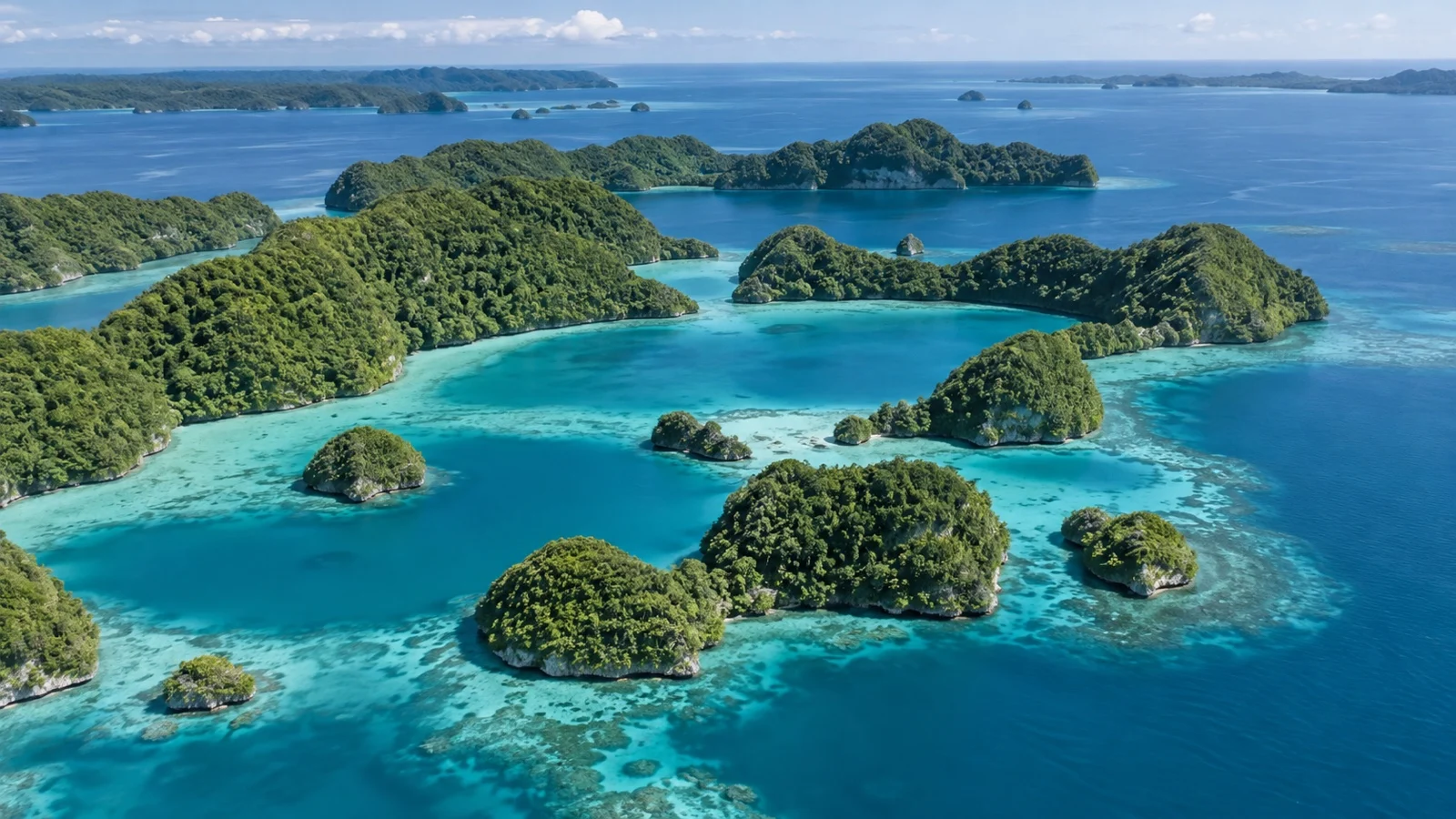
The Rock Islands Southern Lagoon is the experience most visitors picture when they hear Palau. UNESCO describes a 100,200-hectare property containing 445 uninhabited limestone islands, more than 385 coral species, and the world’s highest concentration of marine lakes.
Those statistics become much more personal from a small boat. Channels open between forested karst islands, shallow water shifts from blue to green, and sheltered stops may reveal coral, reef fish, beaches, or sandbars depending on the itinerary and tide.
The lagoon is also a cultural landscape, not an empty playground. UNESCO records evidence of human occupation spanning roughly 5,000 years, including settlements that were abandoned in the seventeenth and eighteenth centuries, so follow local instructions and never remove natural or cultural material.
Permits and Boat Tours
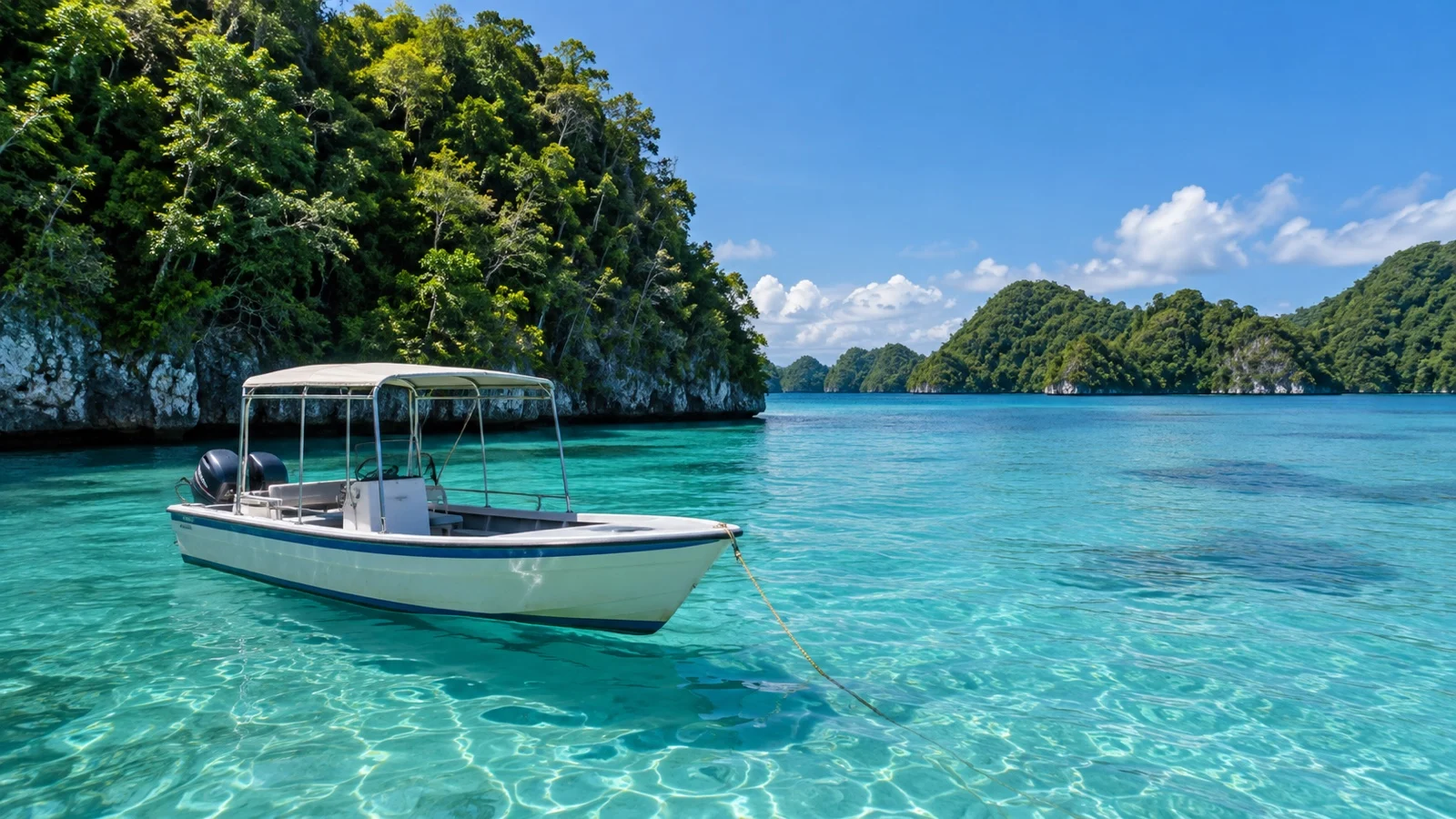
Koror State manages the protected area and requires visitors to have the appropriate permit for regulated Rock Islands activities. Permit types, validity, inclusions, and prices can change, so confirm exactly what your excursion includes rather than relying on an older screenshot or a previous traveler’s receipt.
A reputable operator should explain the permit, safety equipment, snorkeling expectations, lunch and water arrangements, and the return schedule before you pay. Ask whether the quoted price includes every required fee and whether the boat has shade, a ladder, and dry storage.
Private tours offer control over pacing, but shared trips can be efficient and sociable. For a cruise day, the operator’s record of working with ship schedules matters more than squeezing one additional stop into an already ambitious route.
Snorkeling and Jellyfish Lake
Palau’s snorkeling can be superb, yet conditions are not identical at every site. Current, wind, depth, visibility, and entry method vary, so tell the guide honestly about your swimming ability and use a flotation vest if it makes the day safer or more comfortable.
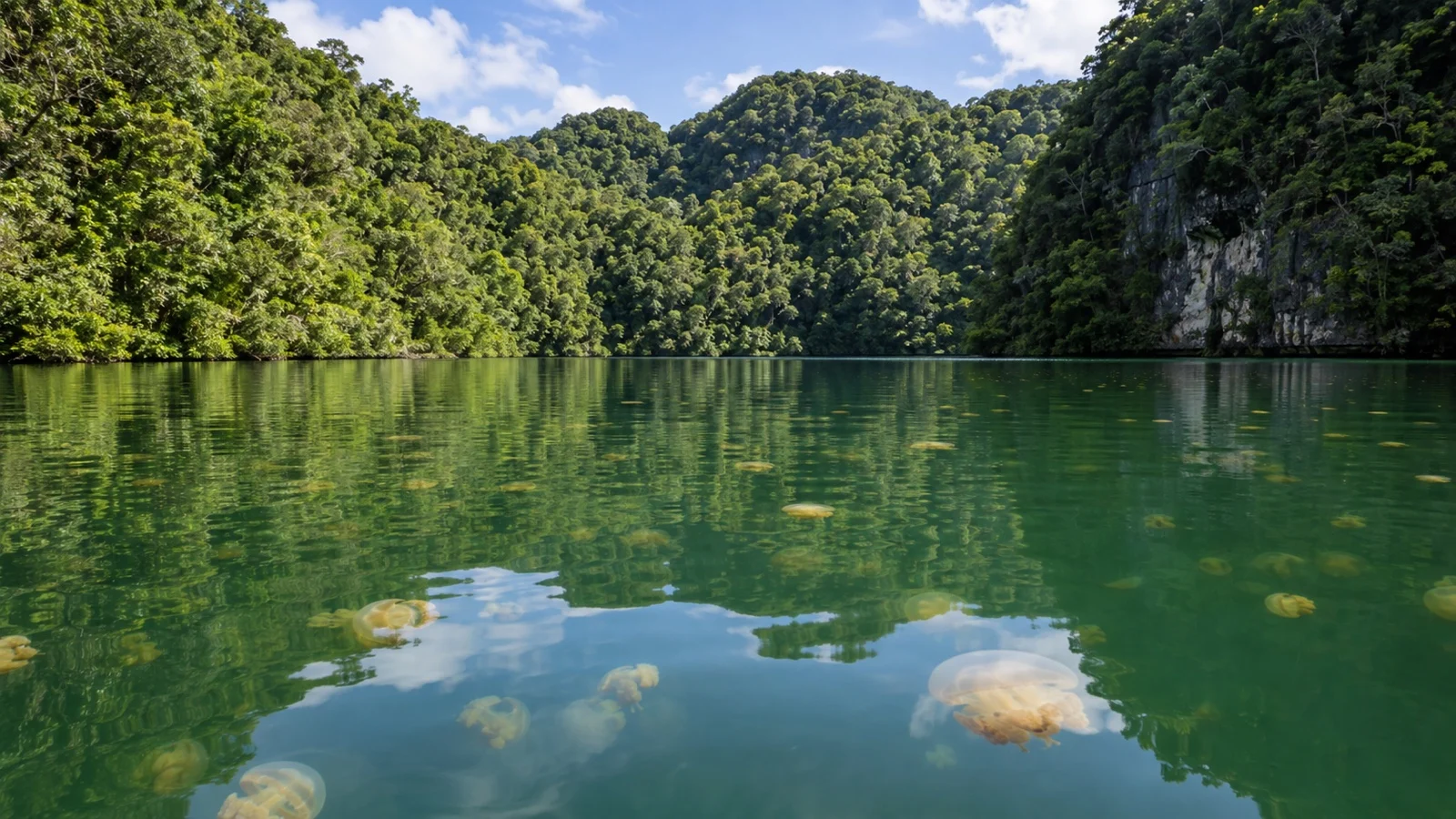
Jellyfish Lake is famous for its population of golden jellyfish, but access is never something to assume from an old itinerary. Ecological conditions, safety guidance, permit rules, and site management can affect visits, so treat it as a confirmed stop only when the current operator says it is open and included.
The lake visit also involves more than stepping off a boat. Ask about the trail, stairs, slippery surfaces, swim distance, and restrictions before committing, especially if anyone in your party has limited mobility or low confidence in open water.
Palau’s Reef-Safe Sunscreen Rule
Palau has prohibited reef-toxic sunscreen since January 1, 2020. The Palau Visitors Authority advises choosing mineral sunscreen whose active ingredients are zinc oxide and/or titanium dioxide, while avoiding products containing parabens, triclosan, triclocarban, or phenoxyethanol.
Read the ingredient label rather than trusting a vague “reef friendly” slogan on the front. A rash guard, hat, and shade reduce how much sunscreen you need, and they are useful on a boat where sun exposure adds up quickly.
Responsible behavior goes beyond sunscreen. Do not stand on coral, feed wildlife, take shells, chase marine animals, or leave anything behind, and listen when a guide closes an area or changes a stop.
A Low-Stress Day in Koror
You do not need to take a full-day boat trip to enjoy the call. Koror offers museums, local food, shops, viewpoints, and waterfront scenery that can be combined into a flexible half day with a taxi waiting or returning at an agreed time.
The Belau National Museum is a natural starting point for understanding Palauan history, art, community life, and the traditional bai meeting-house form. Check its current opening hours before setting out, particularly on weekends or public holidays.
The Etpison Museum is another useful indoor option, with exhibits focused on Palau’s culture and natural environment. Hours and admission can change, so verify directly rather than planning a tight sequence around unconfirmed listings.
For lunch, look for fish, taro, fruit, and other locally prepared dishes, but ask questions if you have allergies. Restaurants and larger businesses commonly accept major cards, while cash remains helpful for small purchases and transportation.
Accessibility and Comfort
Accessibility varies widely across the port, vehicles, small boats, beaches, trails, and swimming stops. A “boat tour” may involve a high step, a wet landing, an exposed dock, or a ladder into deep water, so request specific measurements and assistance details from the operator.
Travelers who use wheelchairs or have limited balance may have a more comfortable day with a prearranged vehicle and selected Koror stops. Tell the cruise line about mobility needs early, especially if tendering is possible, because safe tender access depends on equipment and sea conditions.
Heat, humidity, and strong sun deserve as much planning as stairs. Carry water, use sun protection, choose breathable clothing, and keep medication or hearing devices protected from spray during boat transfers.
Weather and What to Pack
Palau stays warm year-round, with the Visitors Authority listing an average annual temperature of about 82 degrees Fahrenheit. Rain is possible in every season and is generally heavier from July through October, while Palau sits outside the main typhoon zone.
Pack for both bright sun and a tropical shower. A light rain layer, secure sandals or water shoes, a dry bag, refillable water bottle, mineral sunscreen, and a change of clothes cover most cruise-day plans.
Sea conditions can still alter tender operations and small-boat routes even on a warm day. Let the captain change the itinerary when safety requires it, because a calmer alternate site is better than forcing a stop that looked perfect in a brochure.
Going Beyond Koror
Babeldaob, Palau’s largest island, offers forest, villages, archaeological sites, and waterfalls for travelers with a long call and reliable transportation. Ngardmau Waterfall is often included in land tours, but the journey and walking conditions make it a poor improvisation when ship time is short.
Before booking, ask how much time is spent driving, how far you must walk, whether the trail is muddy or steep, and what happens after heavy rain. A guide adds valuable context and helps keep the route realistic, but your return margin still comes first.
Three Sensible Port-Day Plans
The Classic Rock Islands Day
Choose a ship excursion or a proven local operator that includes pickup, the correct permit, safety gear, and a conservative return time. Prioritize two or three excellent lagoon experiences instead of collecting distant stops, then return to Malakal with a large cushion.
The Culture and Food Day
Arrange a taxi to one museum, add a relaxed local lunch, and leave time for a second museum or a short waterfront stop if hours cooperate. This plan works well in unsettled weather and gives you room to adapt without wasting the call.
The Easy Water Day
Book a shorter snorkeling or scenic-boat outing from a confirmed nearby marina, with clear accessibility and pickup details. Spend any remaining time in Koror rather than adding a rushed cross-island drive.
Final Take
Koror rewards travelers who make one strong plan and leave it breathing room. For many visitors that means a permitted Rock Islands boat trip, while museums and a good meal provide an appealing, weather-proof alternative closer to the ship.
Confirm the arrival setup, current permit, reef-safe sunscreen, mobility demands, and return logistics before you go. Once those practical details are settled, Palau’s blue water, limestone islands, and living culture can have your full attention.
How this guide was researched: This guide was checked against Palau’s Bureau of Customs and Border Protection, Palau Visitors Authority, UNESCO, and official attraction guidance on September 12, 2026. Reconfirm the berth or tender, entry forms, permits, operator, accessibility, sunscreen ingredients, weather, costs, and last tender because live conditions can change.