First and Last Sailings of the Season: Are They Cheaper?
The first or last cruise of a regional season can be a bargain, but the calendar edge does not come with an automatic markdown. Cruise fares move with demand, promotions, cabin inventory, departure port, and the moment you shop.
The useful question is not whether edge sailings are always cheap. It is whether one specific sailing costs less after you price the cabin, transportation, hotels, insurance, and the experiences that will actually operate.
My quick take
Book an edge sailing when the total trip price is genuinely lower and your must-do day works on that date. A quiet port and a shorter tour list can be lovely when neither arrives as a surprise.
For a first Alaska trip built around Denali, a particular glacier excursion, or several small operators, favor the heart of the operating season. For a repeat visit, a city-heavy Mediterranean route, or a traveler happy with independent walks and museums, the edge can be excellent value.
The quick facts
- Are edge sailings always cheaper? No. They often face softer demand, but fares are capacity-controlled and promotion-dependent, so compare exact sailings rather than trusting the season label.
- What counts as an edge sailing? Usually the first two or three departures and the last two or three departures in a seasonal region. In Alaska, that can mean late April or early May and late September into October.
- What can reduce the value? Shorter attraction hours, tours that have not started or have already ended, an awkward flight schedule, an extra hotel night, and more weather-sensitive plans can erase a low headline fare.
- What can improve the value? Lighter crowds, cooler walking weather, promotional fares, and lower pre-cruise hotel prices may matter more than a full excursion menu.
- What should you verify? Check the port schedule, your one must-do attraction, ship excursion inventory, tender ports, daylight, and the line’s current change and cancellation terms.
- Who is the best fit? Flexible travelers, repeat visitors, and anyone happy with a simple port day are the safest matches. A once-only trip with several nonnegotiable experiences needs more caution.
Why the fare may be lower, and why it may not be
Families may be back in school, weather may feel less dependable, and a destination may have fewer services at the edge of its season. Lower demand can push prices down, but that is a market tendency rather than a promise.
Cruise lines also run targeted sales across busy and quiet dates, and the least expensive inside cabin can disappear while balcony inventory remains. Carnival’s current offer terms say prices can change without notice and some fares are capacity-controlled, which is a useful warning against declaring any week cheapest in advance.
Repositioning sailings, holidays, unusual itineraries, and scarce one-way air routes can make a first or last departure surprisingly expensive. A low cruise-only price is not a bargain if airfare and hotels are doing their best impression of a ransom note.
Use the exact-sailing price test
Compare an edge departure with one or two similar midseason dates on the same ship, in the same cabin category, for the same number of guests. Match refundable with refundable and include taxes, fees, required supplements, gratuities, packages you would buy, and any onboard credit.
Then add flights, transfers, and hotel nights. One inconvenient embarkation flight can eat a cruise discount before you meet the ship.
Price the trip again before final payment if your fare rules allow changes, but do not assume a later promotion will apply to an existing reservation. Read the offer conditions and ask what would be lost, including deposits, onboard credit, or bundled perks, before repricing.
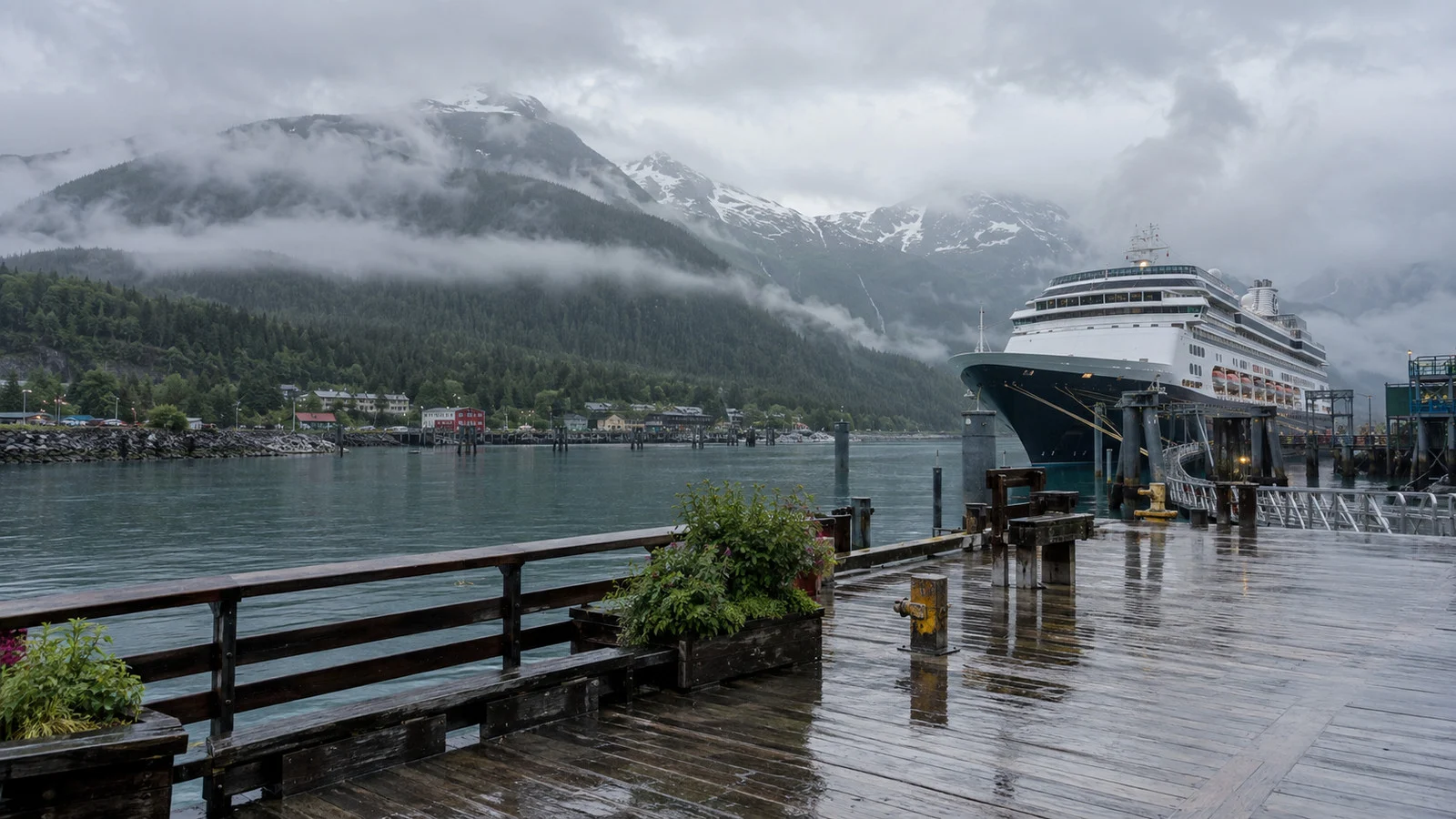
Alaska: the date matters attraction by attraction
Alaska makes the tradeoff easy to see because ships, park services, and independent tours follow short but not identical calendars. The Port of Skagway’s 2026 schedule began with one call on April 30 before the busier May through September pattern.
The town was not closed, but every attraction was not automatically on its summer schedule. The National Park Service says Skagway’s Moore House is closed from early October through late April, while Jeff Smith’s Parlor Museum closes from early October through April.
That distinction is the whole edge-sailing puzzle: the visitor center, streets, scenery, and self-guided historic district may work while one specific museum does not. Check the daily schedule at the visitor center rather than applying a single open-or-closed label to Skagway.
A Denali land extension needs an even firmer date check. Denali National Park says summer bus service begins May 20 each year and runs through the second week after Labor Day, while spring road access remains weather-dependent.
Do not treat those dates as a verdict on an Inside Passage cruise that never visits Denali. They matter only if your cruise-tour package or independent land plan depends on the park road bus.
Use our regional cruise-season calendar to identify the broad window, then verify each nonnegotiable experience on its operator’s site. “Alaska is open” is a mood, not an operating schedule.
Weather in Alaska: plan for variation, not a verdict
Spring is not automatically wetter than summer in Southeast Alaska. The National Weather Service in Juneau identifies March through June as the area’s relatively dry season, while September and October are normally much wetter.
That does not promise sunshine on an April cruise or rain on a September one. Check the forecast close to departure, pack waterproof outerwear in every month, and read our plan for an Alaska port day in heavy rain.
Daylight also changes quickly near the season edges. Look up sunrise and sunset for the actual port and date, then place outdoor priorities before indoor backups.
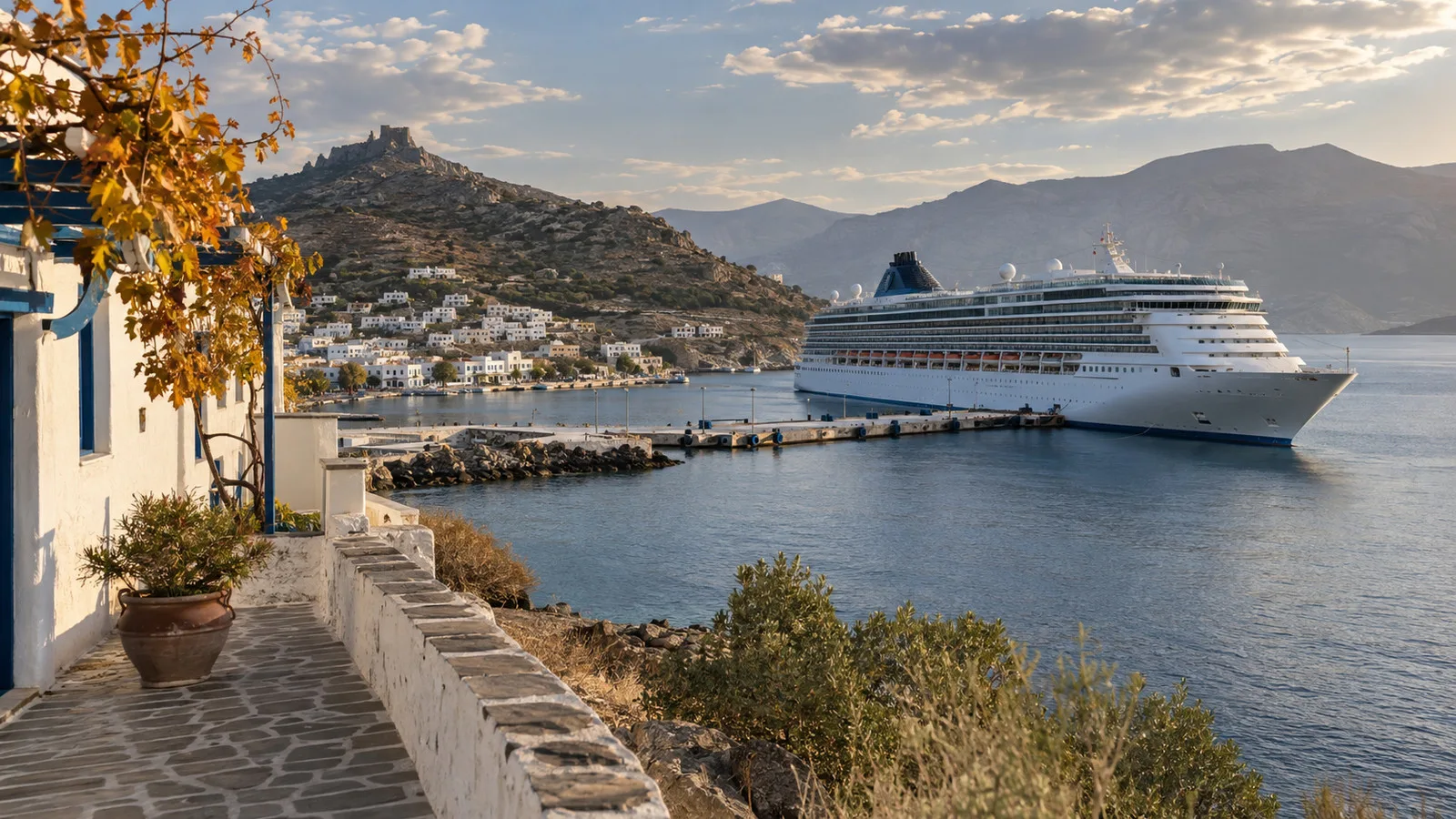
Mediterranean edges: cities and islands behave differently
A late-fall Mediterranean itinerary can offer comfortable walking weather and less summer congestion, but it is not one operating zone. Rome, Barcelona, and Athens remain major cities, while resort islands and seasonal coastal towns may have a much thinner choice of boats, restaurants, and small attractions.
Large museums often stay open on shorter schedules. The Acropolis Museum currently defines winter as November 1 through March 31 and closes at 5 in the afternoon Monday through Thursday, although Friday and weekend hours run later.
That is not a reason to avoid Athens. It is a reason to put the museum before a late lunch and verify last entry, holiday closures, and timed tickets on the official page.
On an island, search the official tourism calendar and the operator page for the exact ferry, boat trip, archaeological site, beach club, or restaurant you care about. General claims that “everything closes” are as unhelpful as promises that nothing does.
Our guide to Mediterranean port plans in extreme heat explains what a shoulder departure may help you avoid. Cooler weather can be a feature even when the cruise fare is not the lowest.
Tender ports and itinerary changes
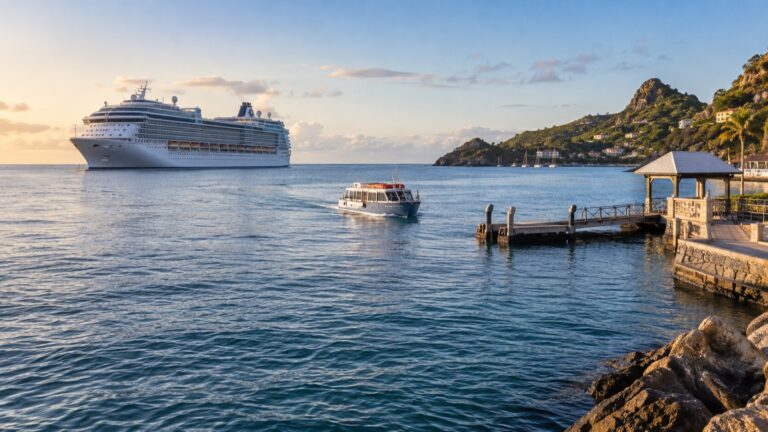
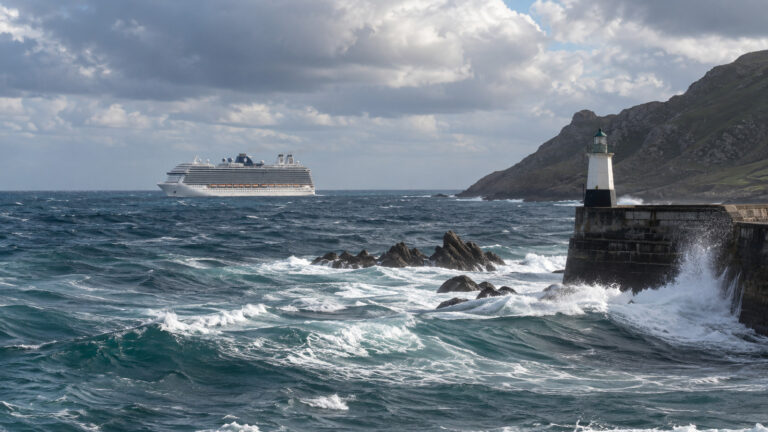
A tender call needs conditions that allow passengers to transfer safely between ship and small boat. Wind, swell, port instructions, and the captain’s operational decision matter more than the month printed on the brochure.
There is no reliable universal percentage proving that every first or last sailing misses more ports. Count the tender calls on your itinerary, identify exposed anchorages, and decide how disappointed you would be if the marquee stop became a sea day.
Cruise contracts permit itinerary changes for safety, weather, and other operational reasons. Read the line’s terms and our guide to what happens when rough seas disrupt tendering before treating any single port as guaranteed.
Check the experience, not just the destination
Open the shore-excursion list for your exact sailing and search the independent operator’s calendar. If the experience is absent, ask the operator whether it is sold out, not yet loaded, or outside its season instead of assuming it will appear later.
For wildlife, snow, gardens, foliage, and waterfalls, operating status is only half the question because the natural experience also changes with the date. A tour can run perfectly and still show you a different season than the photo in your head.
If one excursion is the reason for the trip, get date-specific confirmation before final payment and understand the cancellation terms. Keep a satisfying independent backup that does not require the same aircraft, road, boat, or weather window.
The booking checklist
- Compare total trip prices: Match the same ship, cabin, guests, fare type, taxes, packages, and transportation against one or two midseason dates.
- Check the port calendar: Confirm that your call appears on the official port schedule and note whether the town has one ship that day or several.
- Verify one must-do experience: Use the attraction, park, railway, or tour operator’s own date-specific calendar and read the last-entry time.
- Review the itinerary: Count tender calls, check scheduled port hours, and identify the stop you would most regret losing.
- Check daylight and weather: Use a local meteorological service and date-specific sunrise and sunset information, not a generic monthly icon.
- Read fare and cancellation rules: Know whether your deposit is refundable, what repricing would remove, and what insurance does or does not cover.
Do this before falling in love with the percentage-off banner. Cruise math becomes much less magical when every cost is invited to the meeting.
Accessibility needs a date-specific check
Do not assume an accessible vehicle or adapted excursion runs on every seasonal departure. Ask the cruise line or operator about your exact sailing, mobility-device dimensions, lift capacity, transfer requirements, surfaces, restrooms, and space for a companion.
Holland America, for example, tells guests to contact its shore-excursion team well before embarkation and notes that third-party tours may not meet the access standards familiar at home. That is line-specific guidance, but the useful method is universal: confirm the actual tour rather than asking whether a port is “accessible.”
Build a backup day that works with the same mobility, sensory, or medical needs. A replacement excursion offered after a cancellation may not have the vehicle, restroom access, pace, or seating you arranged months earlier.
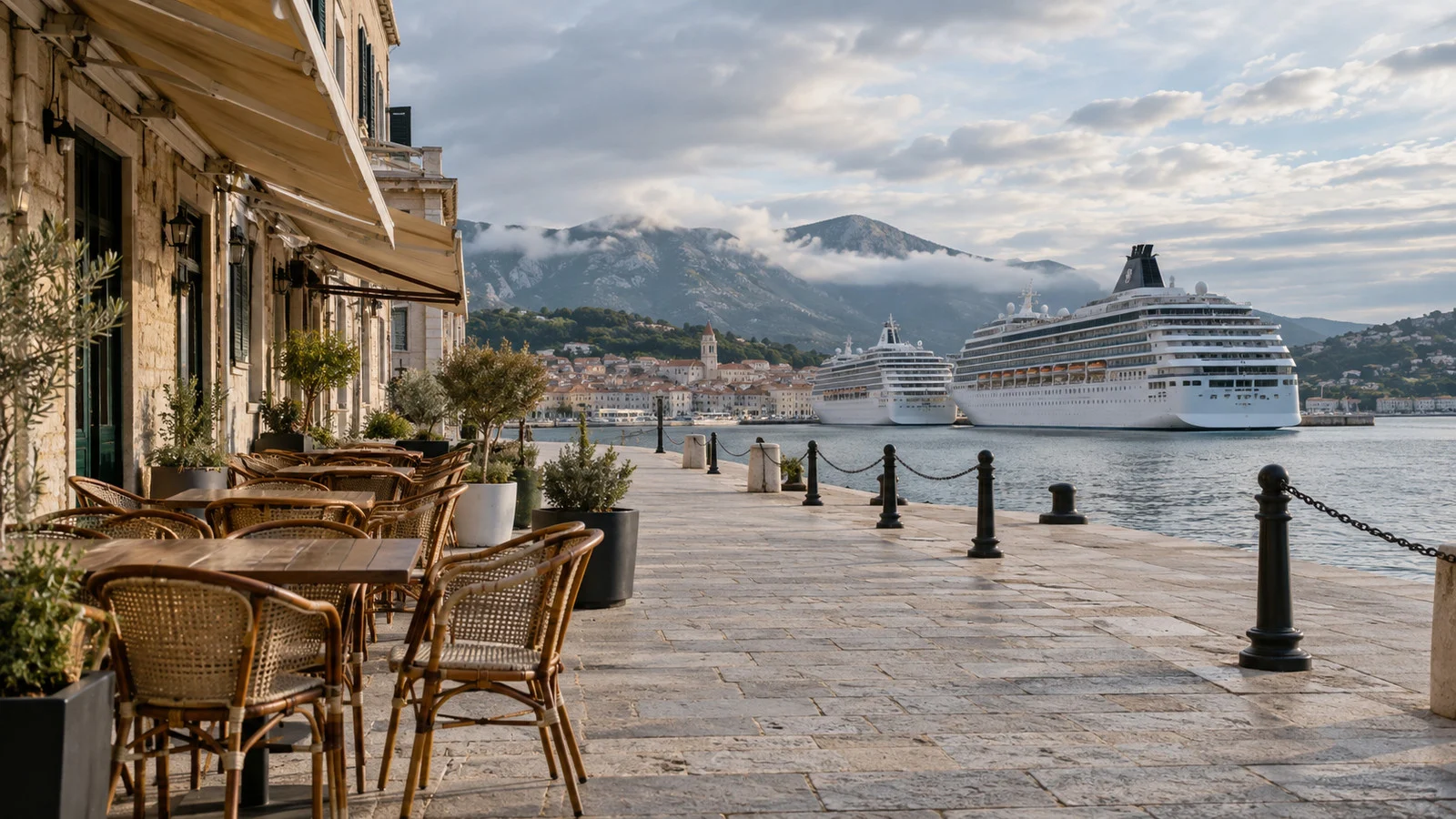
When the edge is worth booking
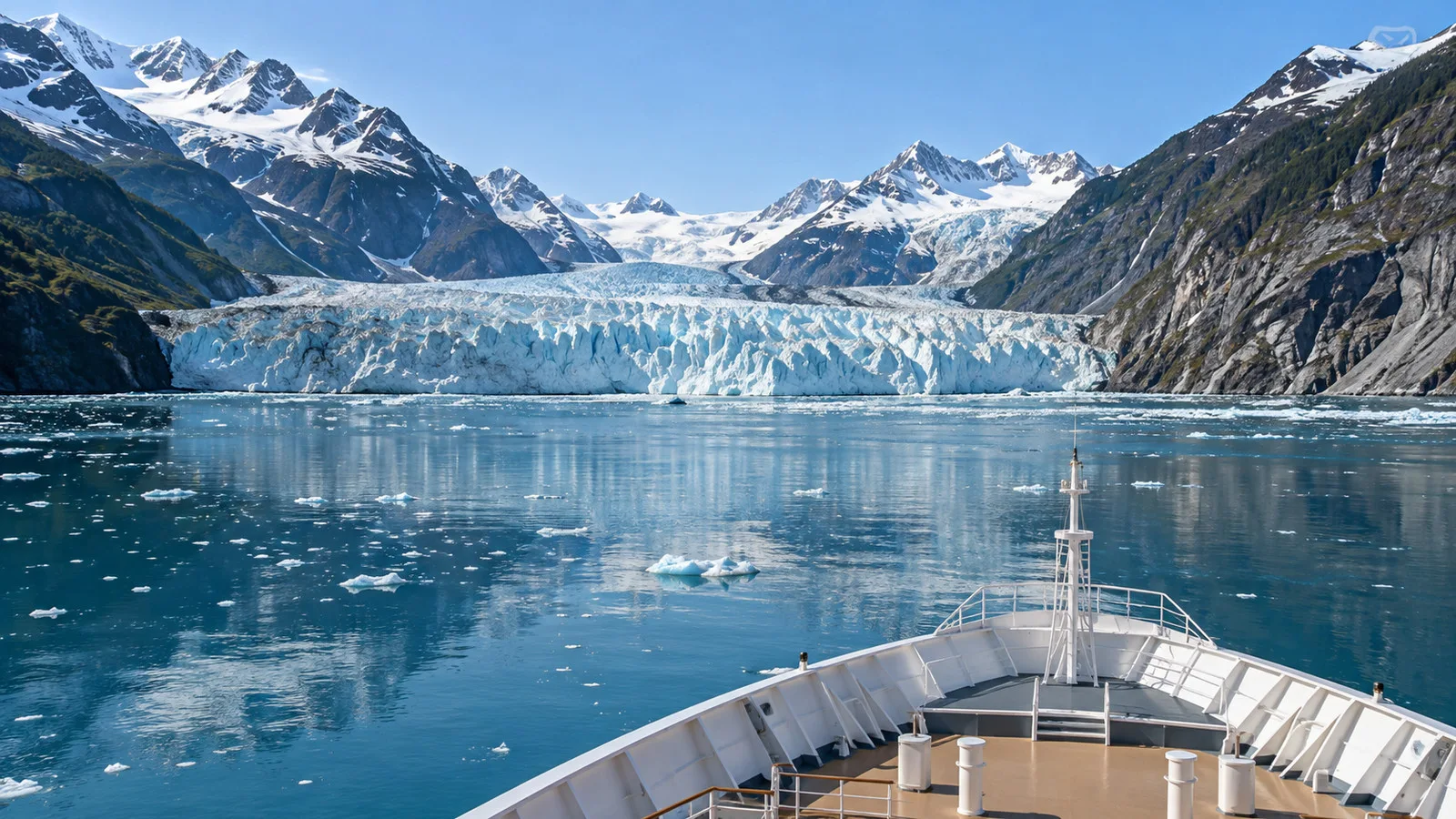
Choose it when the total savings remain meaningful after transportation, your essential experiences are confirmed, and you genuinely prefer quieter ports. Repeat visitors and flexible walkers often get the most from the trade.
A late-September Alaska sailing can be appealing for fewer families and darker nights, but it also brings faster-changing daylight and normally wetter weather around Juneau. Northern lights are possible once skies are dark, never promised.
A late-October or November Mediterranean sailing can trade beach time and long evenings for cooler city walks. Choose it for that version of the region, not as a summer vacation wearing a cardigan.
The same school calendar that softens some fares can make the middle of summer one of the busiest periods for family travel. If you can travel outside it, compare both price and port experience.
When to pay for the middle
Choose midseason when this is a first and possibly only visit, several small operators matter, or your cruise-tour depends on a park road, railway, flightseeing program, or wildlife window. Paying more can be sensible when it buys the version of the trip you actually want.
Midseason still does not guarantee weather, wildlife, or every port. It simply tends to give you the broadest operating menu, and our guide to seasonal closures on shoulder-season port days helps test the trade.
If space matters more than price, compare the same ports against our guide to the most crowded cruise ports. A quieter date can be worth choosing even when its fare is only similar.
Quick answers
Are first and last sailings of the season always cheaper?
No, although some are discounted when demand is softer. Compare identical cabin and fare conditions with nearby dates, then add flights, hotels, transfers, and the cost of any replacement plans.
Is an April Alaska cruise too early?
Not for scenery and a walkable port day, but it may be too early for a specific museum, park service, railway, or excursion. Verify each must-do experience by date before booking.
Is late September better than April in Alaska?
Neither is universally better because the attraction calendars and weather tradeoffs differ. Late September may retain more summer operations, while the Juneau area is normally wetter then than in April.
What closes in the Mediterranean in November?
Major city attractions often stay open with winter hours, while island and resort businesses may reduce service or close. Check the exact venue rather than treating the whole region as one schedule.
Do edge sailings miss more ports?
No universal published rate proves that for every region and itinerary. Weather-sensitive tender calls deserve extra scrutiny, but the ship, route, port, and conditions determine the risk.
How much cheaper should an edge sailing be?
There is no magic percentage. The discount should remain worthwhile after every trip cost and should compensate you for any date-specific experience you are giving up.
The last word
First and last sailings can be cheap, expensive, or merely ordinary. Their real advantage is choice: they let flexible travelers trade the broadest operating season for quieter ports, cooler weather, or a better total price.
Compare the exact fare, verify one must-do experience, count the tenders, and price the journey to the ship. If those four checks pass, the edge is not a compromise; it is simply your season.
How this guide was researched: Unless a first-hand visit is explicitly identified above, this guide is based on independent research using official cruise-line, port, government, weather, and attraction sources. Current fare caveats were checked against cruise-line promotional terms, while seasonal operations were checked against the Port of Skagway, Klondike Gold Rush National Historical Park, Denali National Park, the National Weather Service in Juneau, and the Acropolis Museum.
Accessibility advice was checked against Holland America’s current shore-excursion guidance. Policies and time-sensitive details were reviewed in September 2026.
See our Editorial Policy.
More on this topic: browse every guide on weather, crowds and conditions.