Latvia and Lithuania Cruise Ports: Riga and Klaipeda Compared
Riga puts you a mile from the Old Town and makes you walk it. Klaipeda drops you close enough that the walk barely counts as a walk.
My quick take
These two get filed together as the Baltic’s second tier, and that is unfair to both of them. Riga is a proper capital city with a full day inside it, and Klaipeda is the easiest step-off in the whole region.
If I could only keep one, I would keep Riga, because a nine hour call there never feels thin. Klaipeda is the one I would hand to someone who hates logistics, and I would not spend that day chasing the far end of the Curonian Spit.
The quick facts
- Two countries, one wallet: Latvia and Lithuania both use the euro and both sit inside the Schengen area.
- Riga berth: Ships tie up along the Daugava River, roughly 1 mile (1.6 km) from the Old Town.
- Klaipeda berth: The cruise quays sit at the edge of the Old Town, close enough to walk in a couple of minutes.
- Season: Calls cluster from May into September, with July and August the busiest weeks.
- Excursions: Neither city needs one, but the Curonian Spit and Rundale Palace usually do.
Where these two actually show up on an itinerary
Neither of these is a standalone destination. They show up as stops on a seven to fourteen night Baltic loop that usually starts in Copenhagen, Stockholm, Kiel or Warnemunde and works its way around the sea.
Riga appears far more often than Klaipeda, and it tends to share a week with Tallinn and Helsinki. Klaipeda is more of a mid size ship stop, and when it appears it is often paired with Gdynia for Gdansk a day earlier or later.
The season is short and honest about itself. Ice is not the issue anymore, daylight and demand are, so the schedule fills in May and empties out by early October.
Riga: the mile you will probably walk
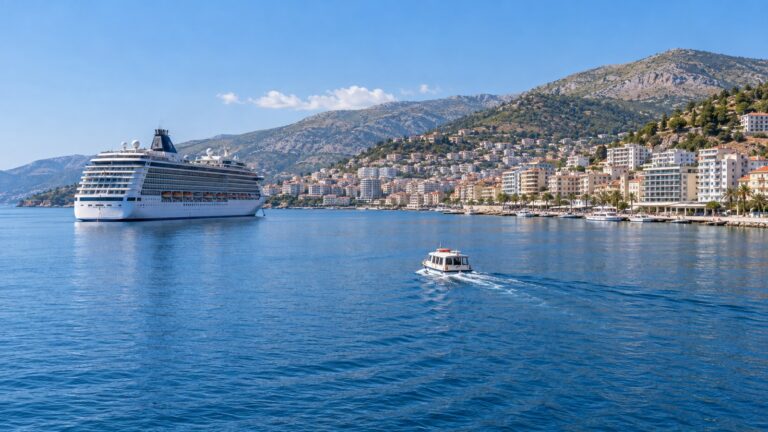
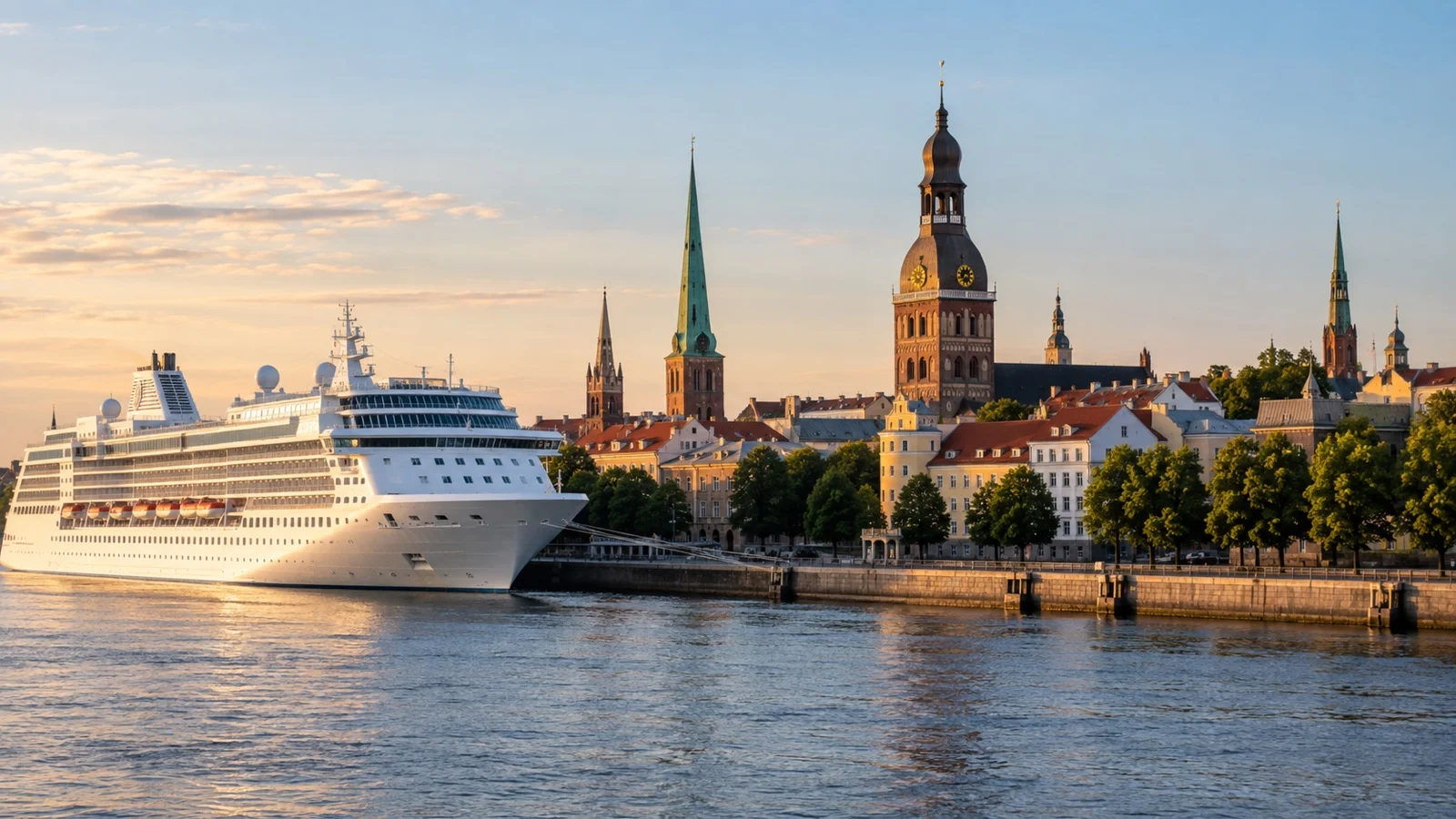
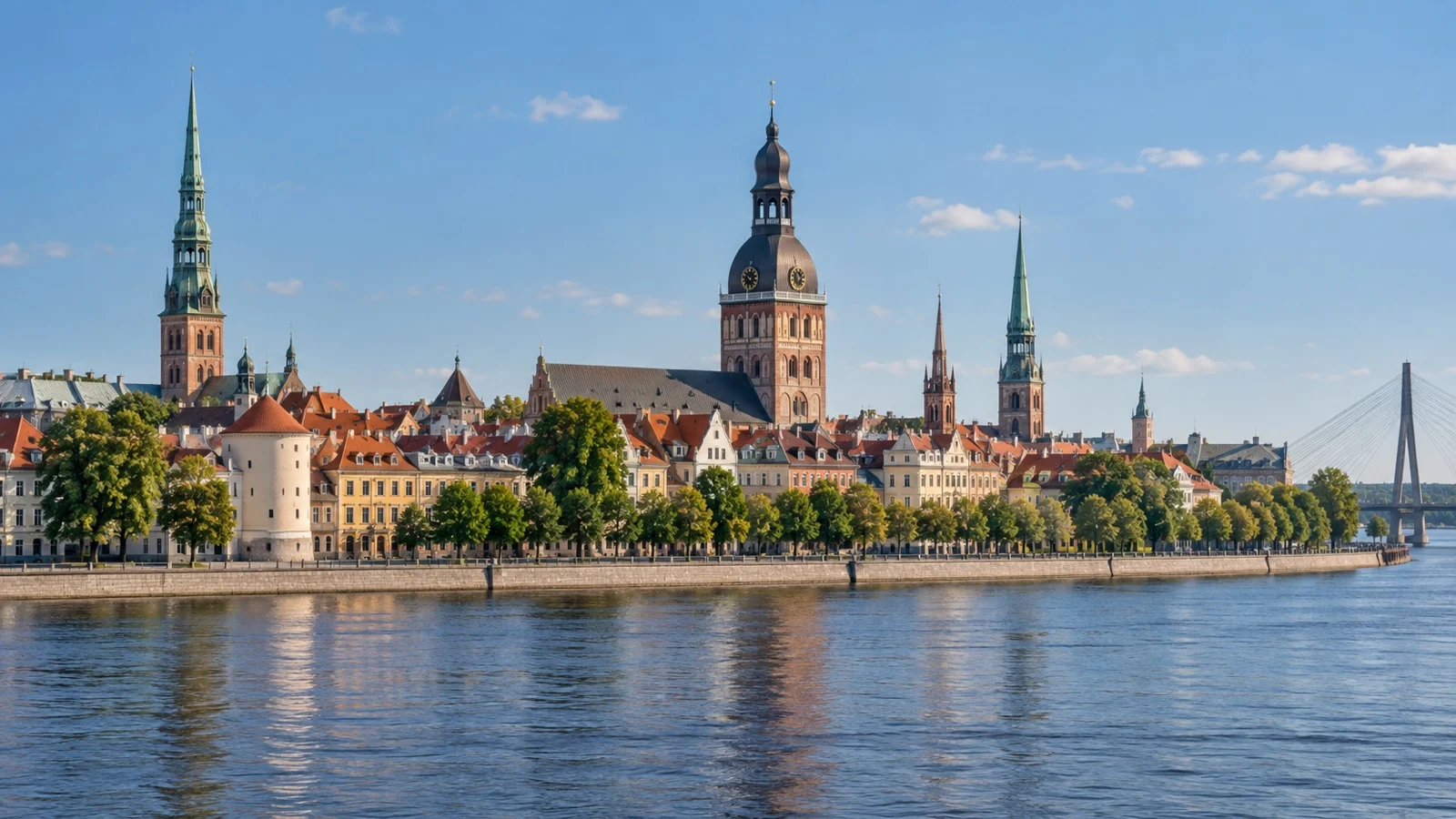
Riga is a river port, not a sea port. Ships come up the Daugava and tie up along the passenger quays on Eksporta iela, which puts you on the correct side of the water and about a mile (1.6 km) from the Old Town.
That mile takes 15 to 25 minutes at a normal pace, and the route is flat and easy to follow along the riverbank. The catch worth knowing is that “the Old Town” in that walking time means the edge of the district, not Town Hall Square, so add another five or ten minutes to reach the middle of it.
The other catch is berth assignment. On a busy day a ship can be sent farther downriver to a working cargo berth, and that version of Riga is a shuttle day rather than a walking day.
So I check the assignment on the daily program rather than assuming. The site’s full Riga port guide goes deeper on which quays are which.
Riga is a genuinely busy Baltic call, with around 85 cruise ships arriving during 2025 and a similar shape to the current season. It is not a port that gets canceled often, either, because a sheltered river berth does not care much about wind.
What a Riga day is actually good at
Riga gives you three distinct walks and they are all within reach of each other. The medieval Old Town is the obvious one, the Art Nouveau district around Alberta iela and Elizabetes iela is the one people underrate, and the Central Market fills the gap between them.
The market is worth the detour even if you buy nothing. It is housed in reused Zeppelin hangars, which is a strange and wonderful thing to discover on a Tuesday morning, and it is a short walk from the train station.
If you want a structured plan, the city’s own visitor information lays out the districts clearly. My honest advice is to do the Old Town first, the Art Nouveau streets second, and treat the market as the thing you cut if you are running late.
Riga day trips, and which ones actually fit
Jurmala is the beach and wooden villa town on the coast west of the city, and it is reachable by suburban train from Riga Central Station in roughly half an hour. That works on a long call, and it is one of the better port days you can build around a train, but it does not stack on top of a full Old Town morning.
Rundale Palace is the baroque one everybody sees in photographs, about 50 miles (80 km) south of the city. That is excursion territory or a prearranged private car, not something to improvise from the pier.
Sigulda and the Gauja valley come up too, and they are lovely, but they are a long way out for a port day. I would not build a Riga call around leaving Riga.
Klaipeda: the shortest walk in the Baltic
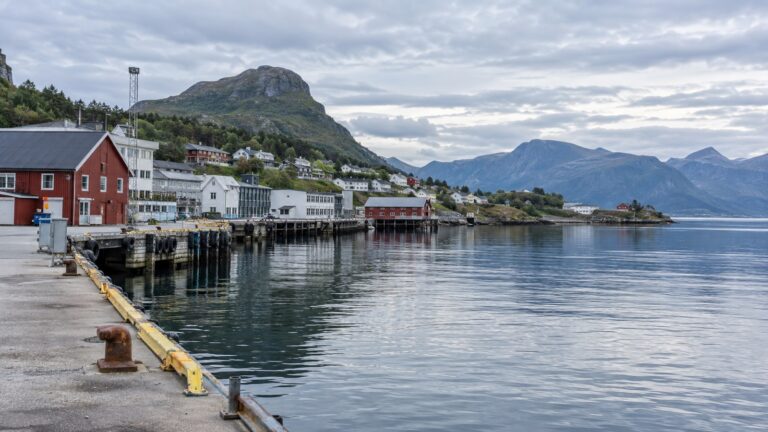
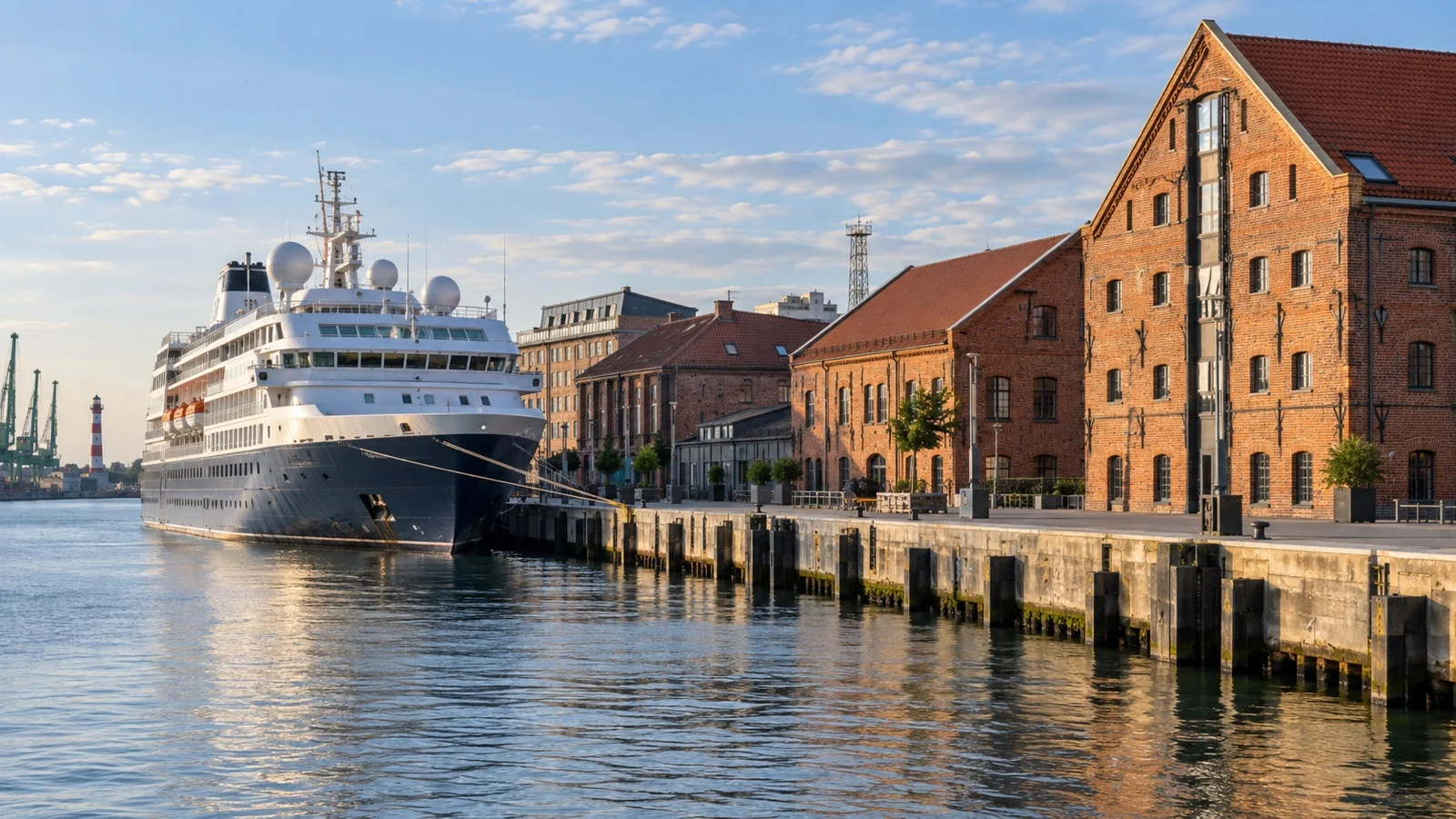
Klaipeda is the reason people write “walk off” in their notes and then underline it. The cruise quays, numbered 28 to 32, sit near the mouth of the Dane River, and the edge of the Old Town is about 100 yards (100 m) away.
There is no shuttle to argue about from those quays, because there is nothing to shuttle. You cross the quay apron, cross a road, and you are in it.
The exception is quay 80, over in the ferry and ro-pax area. That one is farther out and turns the day into a transport problem, so confirm which quay your ship has before you plan anything tight.
A larger cruise facility has been under construction here and is not the berth you will use this season. The Klaipeda port guide covers that in more detail.
What Klaipeda gives you once you are off
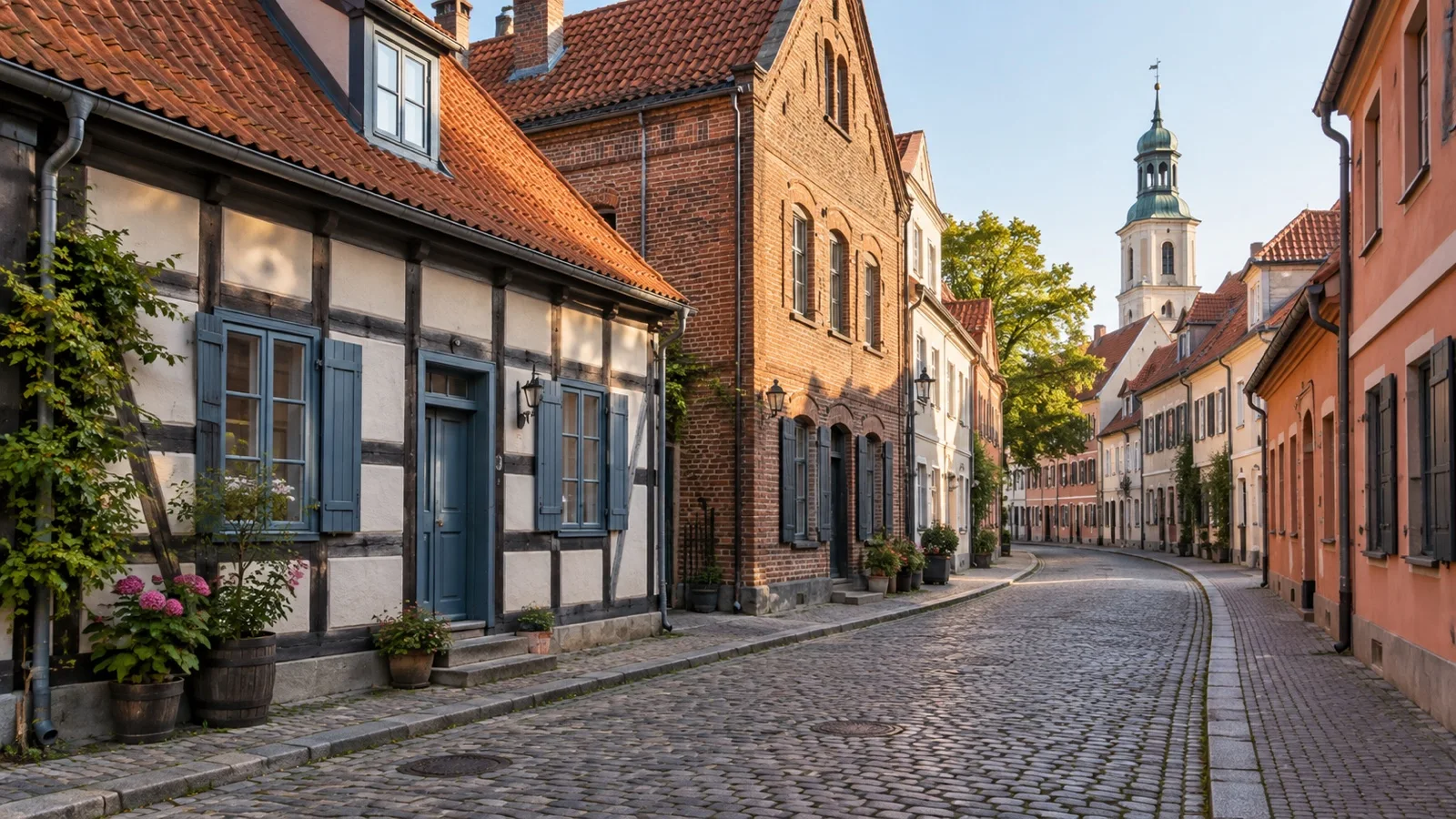
The Old Town is small, timber framed in places, and honestly done in two hours at a slow pace. That is not a criticism, it is the reason the port works so well as a half day.
The other half is the water. A passenger ferry crosses the harbor to Smiltyne on the northern tip of the Curonian Spit, it carries people and bikes rather than cars, and the crossing is short.
Smiltyne itself has the sea museum and dolphinarium, beaches, and forest paths. It is the easy version of the spit and the only version I would attempt without a booked tour.
The Curonian Spit is bigger than your port day
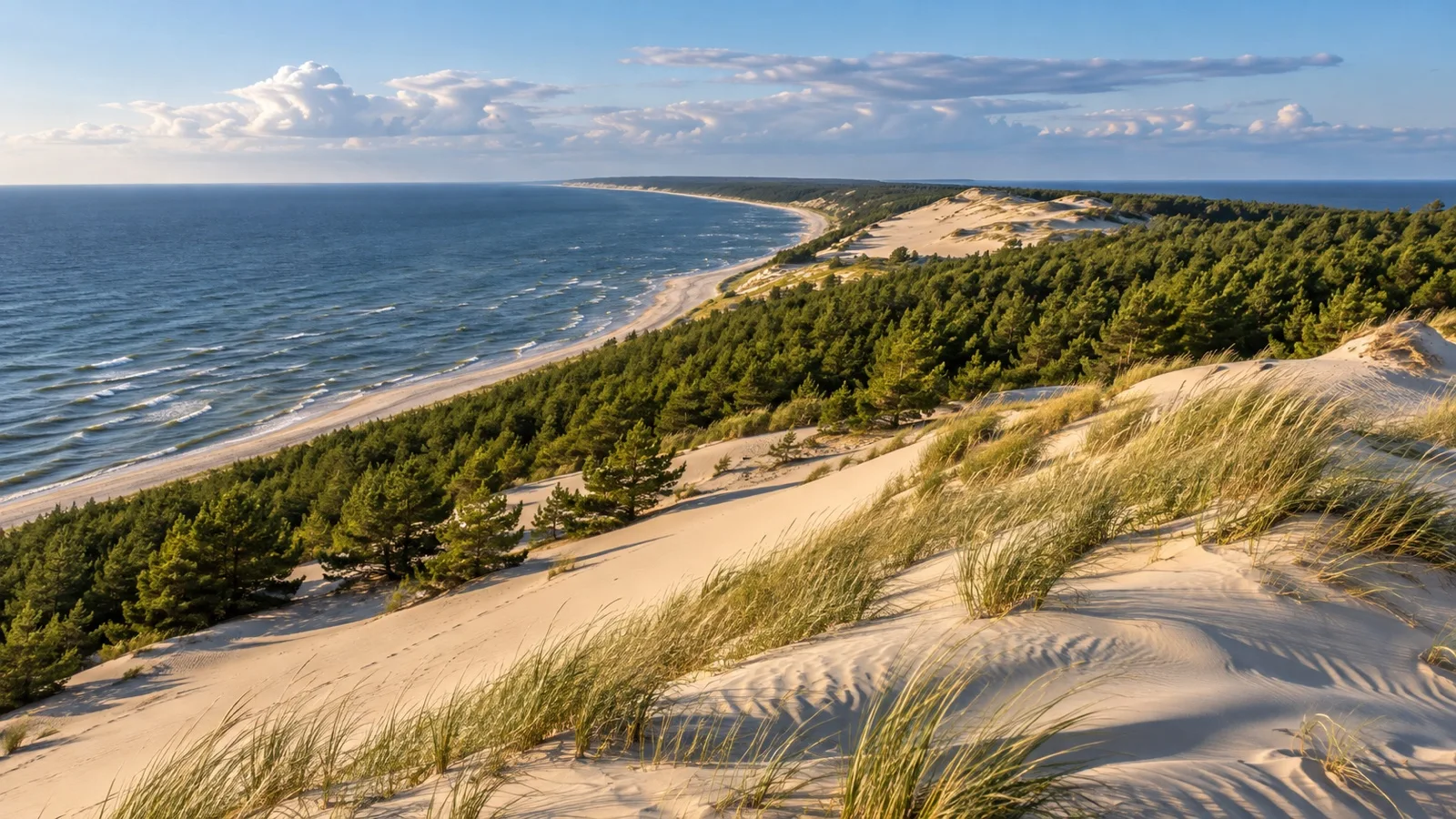
This is the part people get wrong. The spit is a sand peninsula running about 61 miles (98 km) and only 0.25 to 2.5 miles (0.4 to 4 km) wide, and it is a shared World Heritage cultural landscape split between Lithuania and Russia.
The Lithuanian half is roughly 31 miles (50 km) of it, protected as a national park since 1991, with the great dune ridge, pine forest and a handful of old fishing villages. Camping is flatly forbidden inside it, which tells you how carefully the dunes are managed.
Nida, the famous one with the colored houses and the dune viewpoint, sits near the far end of the Lithuanian section. Getting there from the ship means a ferry plus a bus or a coach, roughly an hour each way, and that is a booked excursion in my book rather than an independent adventure.
Juodkrante is the compromise, around halfway down, with the witches’ hill sculpture trail and a heron colony. If your call is short and you still want real spit scenery, that is the one I would aim at.
Ventspils, Liepaja and the ports that are not really ports
People ask about the other Latvian and Lithuanian coastal names, and the honest answer is that they are cargo towns. Ventspils is a deep water freight port with a ferry link to Sweden, built for the largest ships that can enter the Baltic, and passenger cruising is not what it does.
Liepaja is in the same category, with a naval past and an occasional small ship call rather than a schedule. If either name appears on your itinerary, assume a small vessel and a bespoke arrangement, not a terminal with a taxi rank waiting.
Riga or Klaipeda, if you are choosing
Riga wins on substance. It has more to see, more to eat, more to do when it rains, and a day there does not require you to invent filler for the last two hours.
Klaipeda wins on ease, and ease is worth more than people admit on day six of a Baltic week. There is no shuttle line, no transfer, no meeting point, and no risk of the taxi back turning into a story.
My pick is Riga if I have one shot at the region, and Klaipeda if it lands mid week between two big city days. The itinerary I actually want has both, which is more common than you would think.
Money, cards and the ticket machine problem
Both countries are on the euro, which removes the usual Baltic wallet juggling you get further north. Cards work almost everywhere in both cities, including small cafes, and contactless is normal.
Carry a small amount of cash anyway, for a market stall or a public restroom. That habit is the whole argument in my guide to carrying cash and cards in port, and the Baltics are exactly where the twenty euro backup earns its keep.
Riga public transit is the one place where the habit flips. Trams, trolleybuses and buses are run by the city transport operator, tickets are bought as e-tickets or through the app rather than handed to a driver as cash, and you validate at every boarding.
Language, tipping and the small stuff
Latvian and Lithuanian are the official languages and they are not related to each other in any way that helps you. English is widely understood in both city centers, and Russian is still common in Riga.
Tipping is light. Rounding up or leaving about ten percent in a sit down restaurant is normal, and nobody is chasing you down the street about it.
Both countries are in the Schengen area, so your days here count against the same allowance as the rest of your European trip. If you are extending before or after the cruise, the guide to Schengen days and entry rules for cruisers is the one to read first.
Excursion or independent, port by port
In Riga I would go independent for the city and book for anything outside it. The walk in is simple, the Old Town needs no guide to be enjoyable, and Rundale is the only thing that genuinely justifies a coach.
In Klaipeda I would go independent for the Old Town and Smiltyne, and book for Nida. The ferry crossing is easy, but the bus leg down the spit is where an independent plan starts depending on things you cannot see from the pier.
The general rule I use for both is simple. Book the tour when the return leg has more than one moving part, because one ferry is fine and one ferry plus a bus plus a timetable is not.
The all aboard time is where these days go wrong
From central Riga I would be walking back 45 to 60 minutes before all aboard, and I would add another 30 if the ship is at a downriver berth. That sounds cautious until you are the one waiting for a shuttle that is already full.
In Klaipeda the Old Town gives you an unusually generous margin, but the ferry changes the math. If you have crossed to Smiltyne, plan to be back on the Klaipeda side 90 minutes before all aboard and treat the sailing before that as your real target.
Ports where a shuttle or a boat sits between you and the gangway deserve extra respect, which is the same argument I make about ports where the shuttle is not optional. Klaipeda is not one of those on a normal day, and that is exactly why people get relaxed and then get caught.
Weather, and what to actually pack for these two
Baltic summer is mild and bright and completely capable of raining on you for three hours. Highs in July and August usually sit in the 70s (low 20s C), and a cool morning in the 50s (about 12 C) is normal in May or September.
Layers and a waterproof shell, not an umbrella, because the coast gets wind. Klaipeda in particular is exposed, and the spit beaches are windier than the town.
Shoes matter more than anything else you pack here. Riga’s Old Town is cobbled, Klaipeda’s is cobbled, and the dune boardwalks are sand and stairs.
Quick answers
Can you walk from the cruise port to Riga Old Town?
Yes, from the central passenger quays it is about a mile (1.6 km) and takes 15 to 25 minutes along the river. If your ship is assigned a berth farther downriver, you will need the shuttle or a taxi instead.
Is Klaipeda worth a day, or should you do the Curonian Spit?
Do both, in that order, because the Old Town takes about two hours and the ferry to Smiltyne is right there. Save Nida for a booked excursion if the spit is the reason you came.
What currency do you need in Latvia and Lithuania?
Euros in both, and cards are accepted almost everywhere in the two city centers. Keep a small amount of cash for markets, restrooms and the occasional stubborn kiosk.
Do you need a tour in Riga?
Not for the city, which is flat, walkable and clearly signed once you are in the Old Town. Book a tour only for Rundale Palace or another out of town target.
When is the Baltic cruise season for these ports?
Calls run from roughly May into September, with the heaviest schedule in July and August. Shoulder weeks are quieter and cooler, and a few sailings stretch into early October.
Final word
These are two of the least stressful port days in the Baltic, and the only real trap is berth assignment. Check which quay you have the night before, in both cities, and almost every other decision gets easier.
Riga rewards a plan, Klaipeda rewards not having one. If your itinerary hands you both in the same week, you are getting a very good version of this region.
How this guide was researched: Berth and quay locations, walking distances, ferry access to the Curonian Spit and the protected status of the national park were checked in October 2026 against official port, transit and heritage information. Quay assignments, ferry timetables, transit fares and excursion offerings change from season to season, so confirm the details that matter for your own sailing date. See our Editorial Policy.