Reef Safe Sunscreen Rules: The Ports That Will Take Yours
A customs officer in Palau can open your bag, read the back of your sunscreen bottle and drop it in a bin, and Hawaii will never do that. Both places have sunscreen laws, and they work nothing alike.
My quick take
I gave up trying to remember which port bans what. I sail with one mineral sunscreen for the whole itinerary, and it has never caused a problem in any port, at any gate, in any park.
What actually bothers me is the front of the bottle. The words printed there are marketing, the ingredient list on the back is the only part that a customs officer or a park ranger will look at, and those two things disagree more often than you would expect.
The quick facts
- Most bans are sales bans: They stop stores from selling certain sunscreens, not you from wearing what you packed.
- Palau is the one that confiscates: Banned sunscreen found during entry inspection is taken, and there are bins for it.
- Two ingredients come up everywhere: Oxybenzone and octinoxate are named in nearly every rule on this list.
- Reef safe is not a regulated claim: No agency defines it, so any product can print it.
- The one bottle that clears everything: A mineral sunscreen whose only active ingredients are zinc oxide or titanium dioxide.
What these laws are actually aimed at
Nearly every sunscreen rule you will meet on a cruise names the same two chemical UV filters. Oxybenzone and octinoxate show up in the Hawaii law, the Bonaire law, the Palau list, the Thai park rule and the Virgin Islands rule.
Some places go further and add octocrylene, 4-methylbenzylidene camphor, and a handful of parabens and preservatives. The research behind all of this points at a longer list of compounds that can harm corals and other marine life, including the nano versions of the two minerals everyone recommends.
Hawaii is a store rule, not a beach rule
This is the one people get backwards most often. The 2018 state law that started the whole trend prohibits the sale and distribution of sunscreen containing oxybenzone or octinoxate without a prescription, and it took effect on January 1, 2021.
It says nothing about what is in your suitcase. Nobody at the pier in Honolulu, Hilo, Kona, Kahului or Nawiliwili is going to inspect your bag, and there is no fine hanging over you for using a bottle you brought from the mainland.
What it does mean is that the drugstore near the terminal will not sell you the brand you usually buy. If you run out mid cruise across the five island stops a Hawaii itinerary gives you, you are buying mineral whether you meant to or not.
Maui County is the exception that governs what you put on
Maui County went past the state rule and banned the sale, distribution and use of non mineral sunscreen entirely, effective October 1, 2022. That covers Maui, Lanai and Molokai, so a Kahului port day sits inside it.
Only zinc oxide and titanium dioxide sunscreens are permitted there. It is the rare rule on this list that reaches the bottle in your hand rather than the shelf in the shop.
Palau will genuinely take it off you
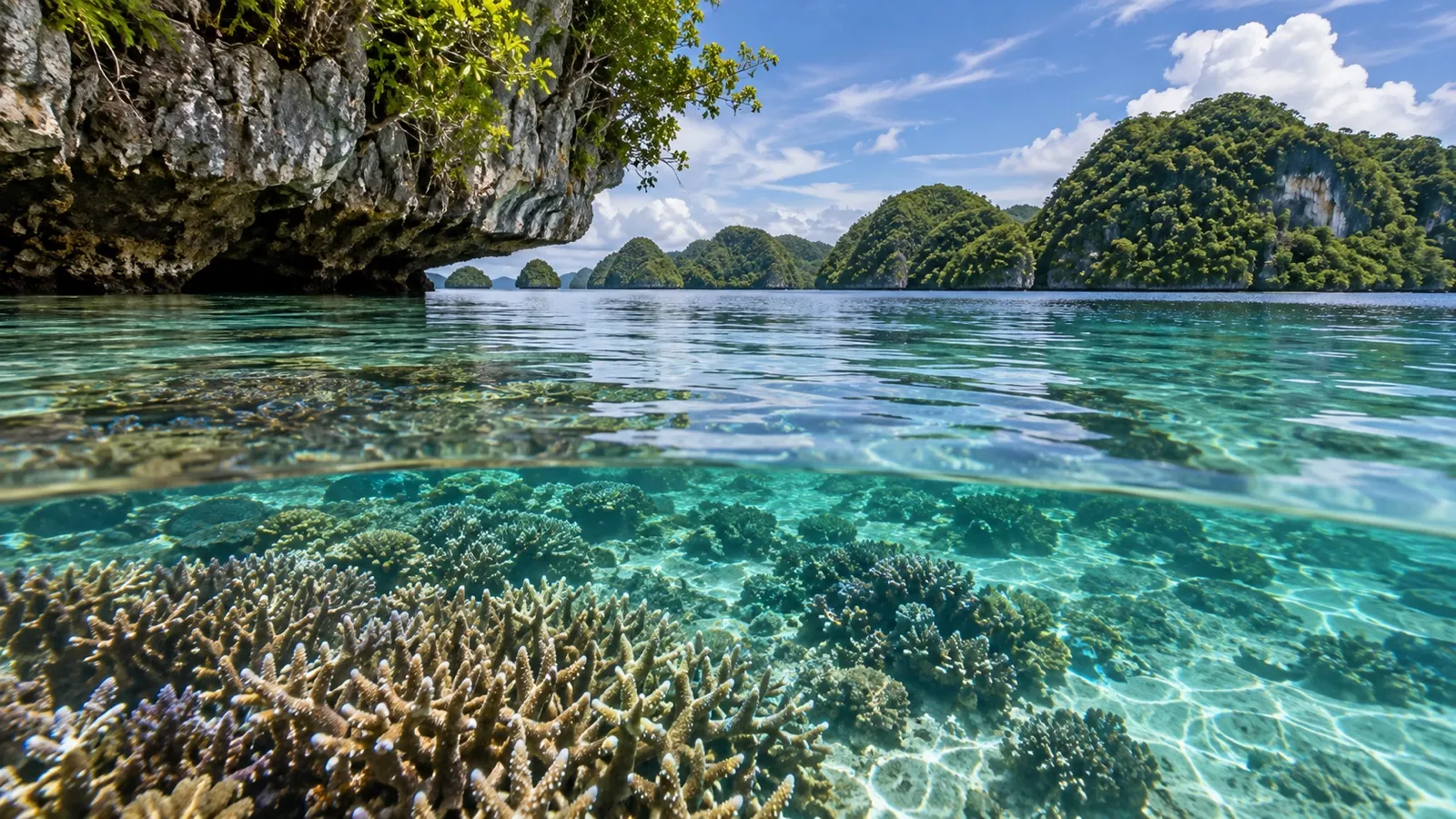
Palau is the strictest place on this list and the only one where confiscation is written into the procedure. The regulations covering reef toxic sunscreen say that anything banned found by customs during entry inspection at a port of entry is confiscated, and disposal bins are set up before the customs line.
The banned list runs well past the usual two. It picks up octocrylene, several parabens, triclosan, triclocarban and phenoxyethanol, which means a lot of ordinary sunscreens fail on a preservative rather than on a UV filter.
Sellers face fines, importers face larger ones, and the standard the country landed on is simple: zinc oxide and titanium dioxide are the only active ingredients that clear it. If your ship calls at Koror and Malakal Harbor, sort your sunscreen before you pack rather than at the gangway.
Bonaire and Aruba, quietly serious about it
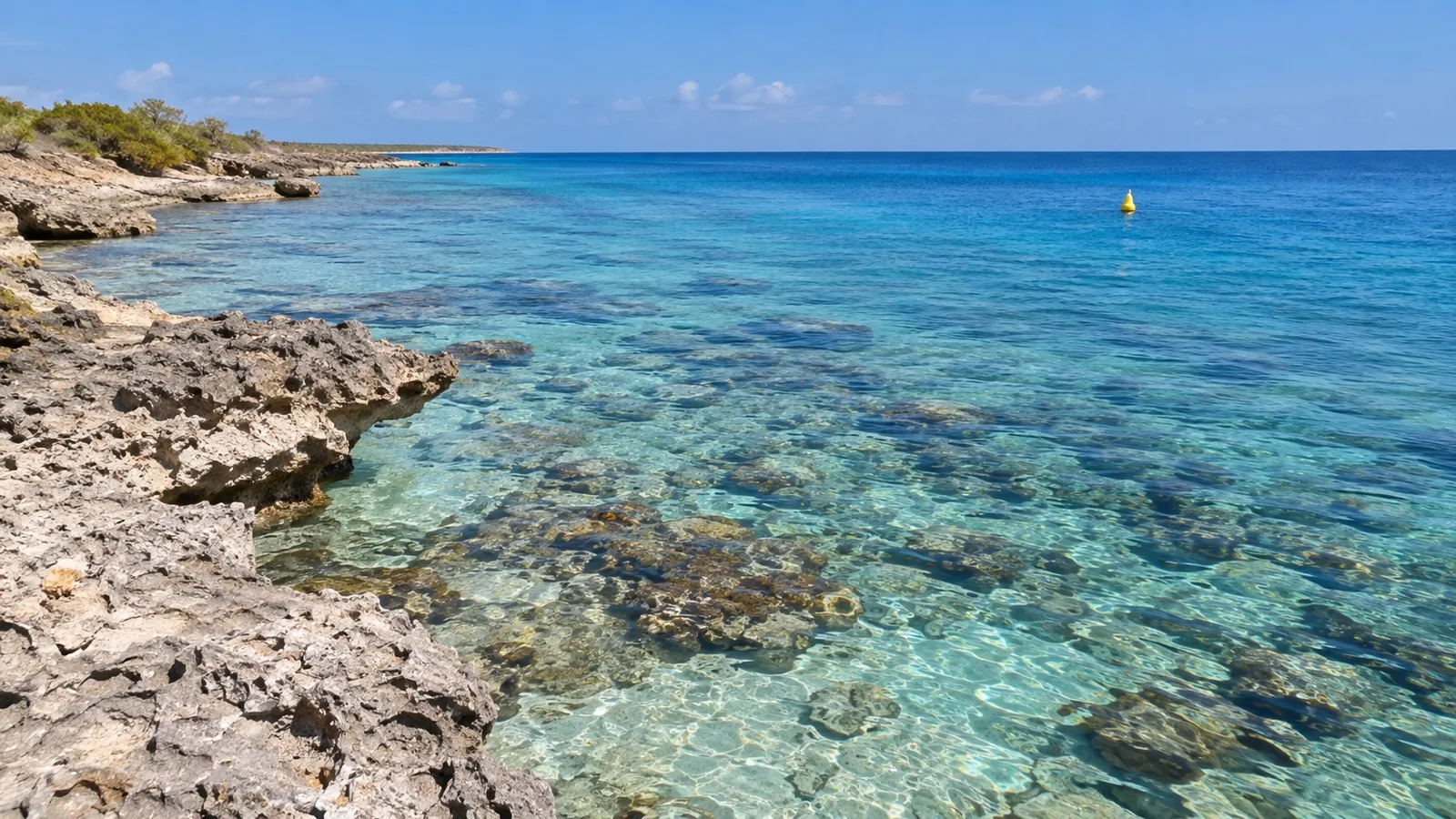
Bonaire banned both the sale and the use of sunscreen containing oxybenzone and octinoxate from January 1, 2021. The use part matters, because it is one of the few Caribbean islands where the rule technically follows you into the water.
There is no bag check at the cruise pier in Kralendijk. What you will run into is dive shops and shore operators refusing to let you in the water with the wrong bottle, which on a diving island is enforcement enough.
Aruba prohibited oxybenzone sunscreen too, and the island leans hard on local mineral brands that you can buy at almost any pharmacy near the terminal. Neither island is going to search you, and neither one will sell you the wrong thing either.
Key West is the one everybody still gets wrong
Key West voted in a ban on oxybenzone and octinoxate sunscreen in 2019, and it made a lot of headlines. It never took effect.
A state law that took effect on July 1, 2020 moved regulation of over the counter drugs and cosmetics up to the state and away from cities, which stopped the local ordinance before its start date. So the shops on Duval Street sell whatever they like.
You will still see mineral only asked for on snorkel boats out to the reef there. That is an operator policy and a reasonable one, not a law, and the crew will usually hand you something acceptable if you turn up without it.
The US Virgin Islands and the three ingredient list
The US Virgin Islands banned the import and sale of sunscreens containing oxybenzone, octinoxate and octocrylene in 2020. Adding octocrylene is what makes this one bite, because it appears in a huge number of drugstore sprays that pass the Hawaii test.
Visitors to those waters are asked to use sunscreen free of all three. If you are doing a beach day on St. Thomas or St. Croix, or crossing to St. John, that is the list to check your bottle against.
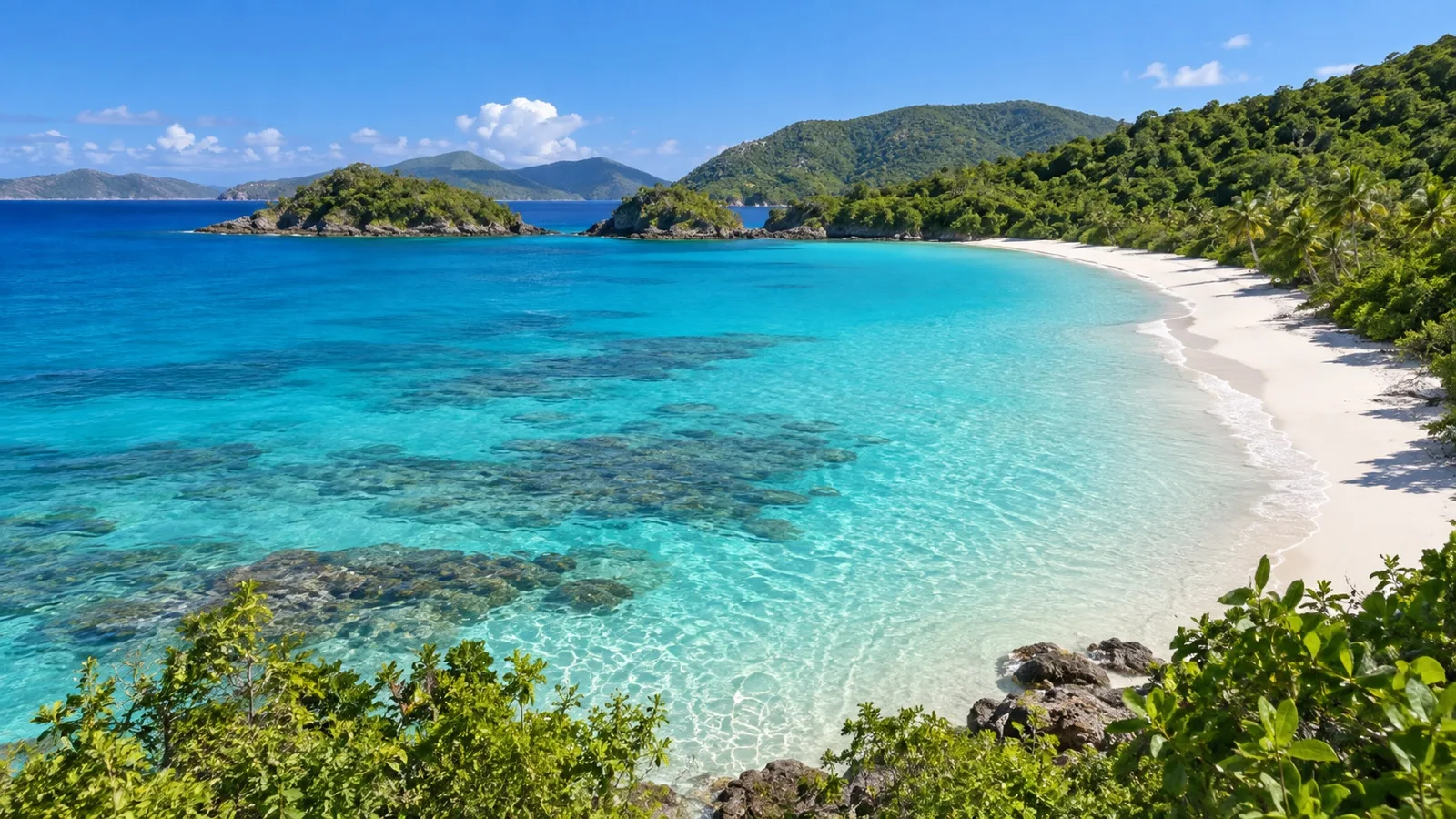
Thailand’s marine parks and that alarming fine
Thailand banned four chemicals in its marine national parks: oxybenzone, octinoxate, 4-methylbenzylidene camphor and butylparaben. The maximum penalty is 100,000 baht, which is roughly 3,000 dollars, and that number gets quoted in every travel warning you will read.
It applies inside the parks, not across the whole country. A shopping afternoon in Phuket Old Town is not covered, and a boat trip into a marine park is.
Most cruise excursions from the Thai ports on a Southeast Asia itinerary that involve snorkeling or island hopping cross a park boundary at some point. I would assume the rule applies to any boat day there and not try to work out where the line sits from the deck of a longtail.
Mexico’s eco parks are private rules with real teeth
The big eco parks and cenote operations on the Riviera Maya are not passing laws, they are setting entry conditions, and those are often stricter than any government rule on this page. At one of the best known parks the published policy is that only sunscreen with titanium dioxide and zinc oxide may be used inside.
How they handle the bottle you walked in with varies by park. Some will hold it for you, some point you at what they sell inside, and some simply ask you to shower off before you get in the water.
Cenotes are the strictest version of this because the water barely moves. If your Costa Maya or Cozumel excursion involves a cenote, treat mineral only as a hard requirement and put it on before you leave the ship.
Reef safe is a marketing phrase, not a standard
This is the part worth internalizing. No regulator defines reef safe or reef friendly, so a bottle carrying the words in large green letters can still contain something Palau will confiscate.
The official line on this is blunt, and it says outright that the label is an unregulated term and can mislead you. The recommended approach is to stop reading the front, turn the bottle over, and check the active ingredients panel.
What to actually buy
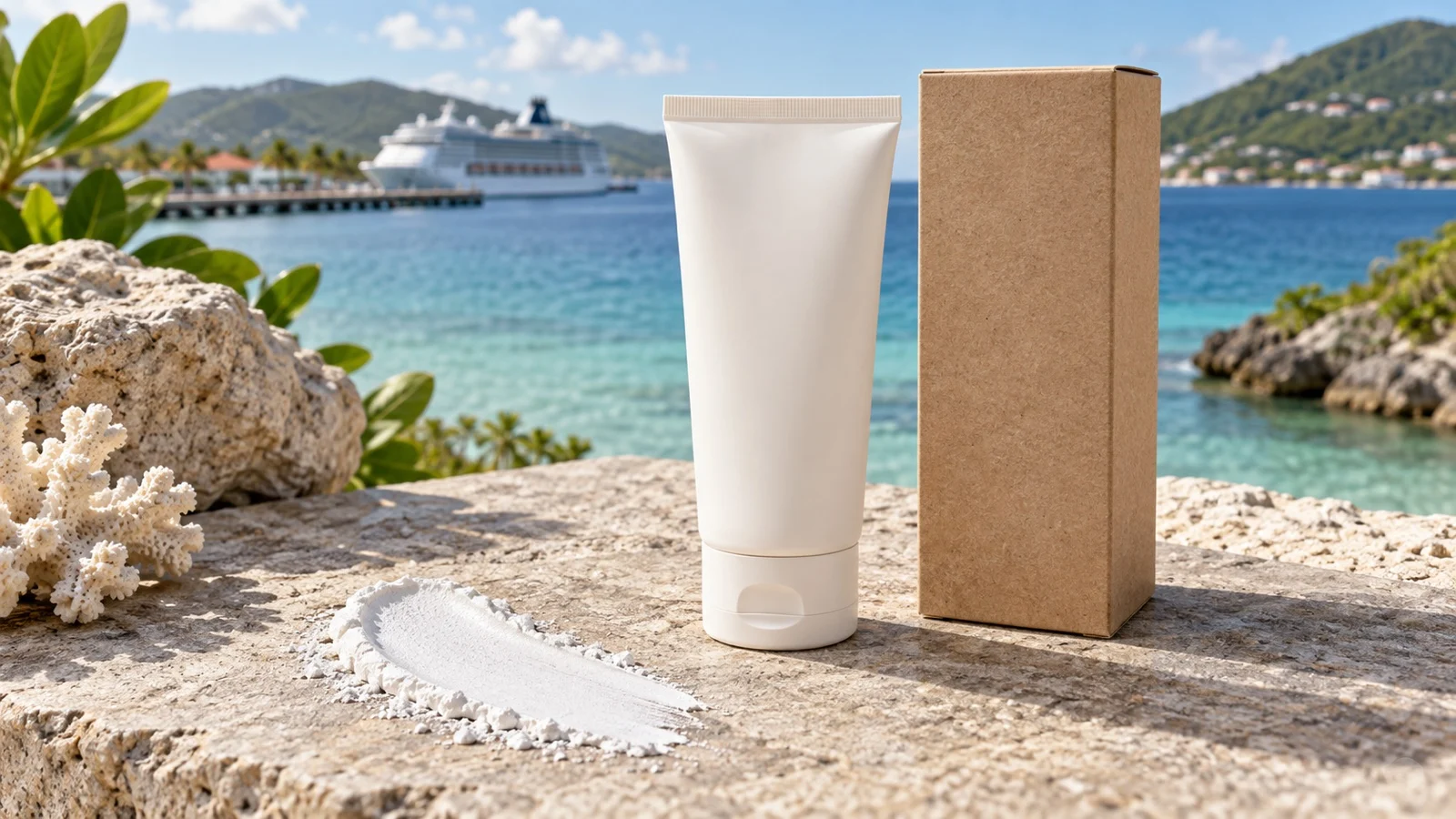
You want a bottle whose active ingredients panel lists zinc oxide, or titanium dioxide, or both, and nothing else. If any other chemical filter appears in that panel, the product will fail somewhere on this list.
- Non nano if you can find it: Nano sized mineral particles appear on the list of compounds linked to coral harm.
- Lotion over spray: Aerosols put a lot of product on the sand and in the air rather than on you.
- Check the preservatives for Palau: Parabens, triclosan and phenoxyethanol are on that country’s banned list too.
- A rash guard does most of the work: Long sleeved swim shirts cut how much sunscreen you need in the first place.
- Buy enough at home: Ship shops and port pharmacies charge what they like, and the selection is thin.
Mineral sunscreen goes on thicker and leaves a white cast, which is the honest tradeoff. Modern tinted versions have mostly solved that, and they cost more.
What gets taken and what just gets you a look
Confiscation is rare and geographically specific. Palau is the place where it is written into the entry process, and a national park gate in Thailand is where you might be turned around or fined rather than searched.
Everywhere else the rule reaches the retailer, not the traveler. Hawaii, the US Virgin Islands, Bonaire and Aruba all work by emptying the shelves, and the enforcement you notice as a cruise passenger is a dive operator or a park guide asking what you have on.
The most common real world outcome is far duller than confiscation. Somebody asks you to rinse off before you get in the water, and you do, and that is the end of it.
What I do before a warm weather cruise
I buy one mineral sunscreen at home, in a size that covers the whole trip, and I read the active ingredients panel in the store rather than trusting the front. That single decision closes out every rule in this post.
Then it lives in the day bag, not the cabin. My notes on what is actually worth carrying ashore cover why the sunscreen you left on the bed is the same as no sunscreen at all.
Quick answers
Will my sunscreen be confiscated in Hawaii?
No. The state law bans selling and distributing certain sunscreens, not carrying or wearing them, so nothing you packed is at risk.
Does reef safe sunscreen actually mean anything?
Not on its own, because the phrase is unregulated and any product can print it. Check the active ingredients panel for zinc oxide or titanium dioxide instead.
Which cruise port is strictest about sunscreen?
Palau, by a wide margin. It bans a long list of filters and preservatives and confiscates banned products at entry inspection.
Can I buy reef safe sunscreen in port instead of packing it?
Usually yes, and in banned ingredient jurisdictions it is often the only thing on the shelf. Expect to pay a tourist price for a small bottle.
Is spray sunscreen banned on cruises?
Not generally, though aerosols are wasteful outdoors and some parks and operators discourage them. Lotion is the safer choice for anywhere with a rule.
Final word
None of this is complicated once you stop treating it as eight separate rules. It is one shopping decision made before you leave home, and it satisfies Hawaii, Maui, Palau, Bonaire, Aruba, the Virgin Islands, Thailand’s parks and every eco park in Mexico at once.
Skip it and the worst case is a bottle in a bin in Koror, or a park gate you cannot get through. The best case is a lifeguard asking you to shower first, which is not a disaster but is a strange way to start a beach day.
How this guide was researched: The statutes, park regulations and official ingredient lists behind each of these bans were read directly and checked in October 2026. Sunscreen rules get amended, added to and occasionally struck down, so confirm the current requirement for your own ports before you pack. See our Editorial Policy.
More on this topic: browse every guide on port logistics and timing.