Frederiksted Cruise Port: St. Croix Beyond the Pier
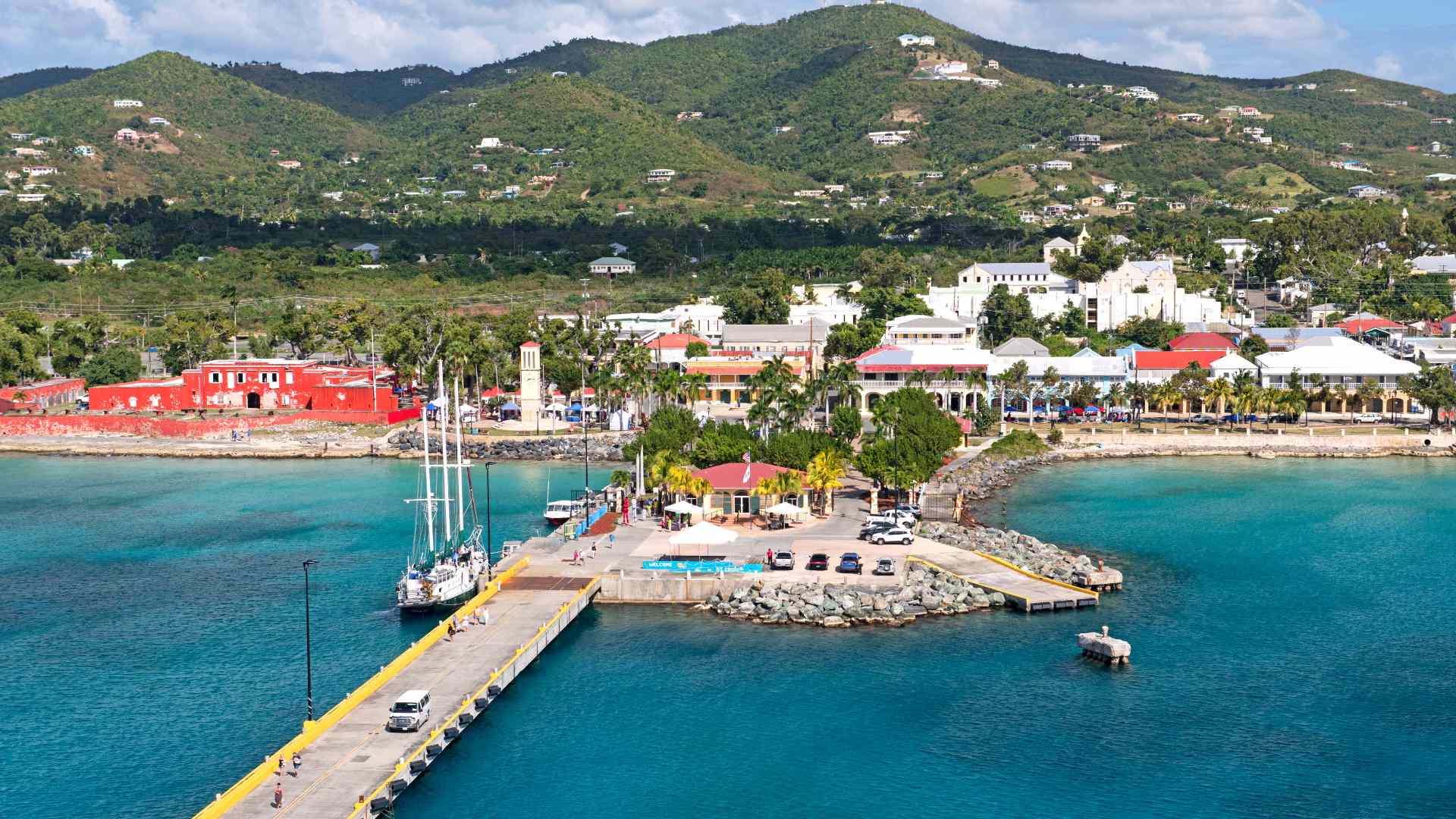
Frederiksted is the relaxed west-side gateway to St Croix, and the town begins almost as soon as you finish the long walk down the cruise pier. You can build an easy day around history, the waterfront, and a nearby beach, or use the port as a base for diving, island touring, and a cross-island visit to Christiansted.
I would stay on the Frederiksted side for a short call and travel farther only when one experience matters enough to justify the transfer. St Croix is larger than many cruise passengers expect, so Christiansted, Buck Island boats, Cane Bay, and inland attractions need real transportation planning.
Frederiksted Cruise Port Quick Facts
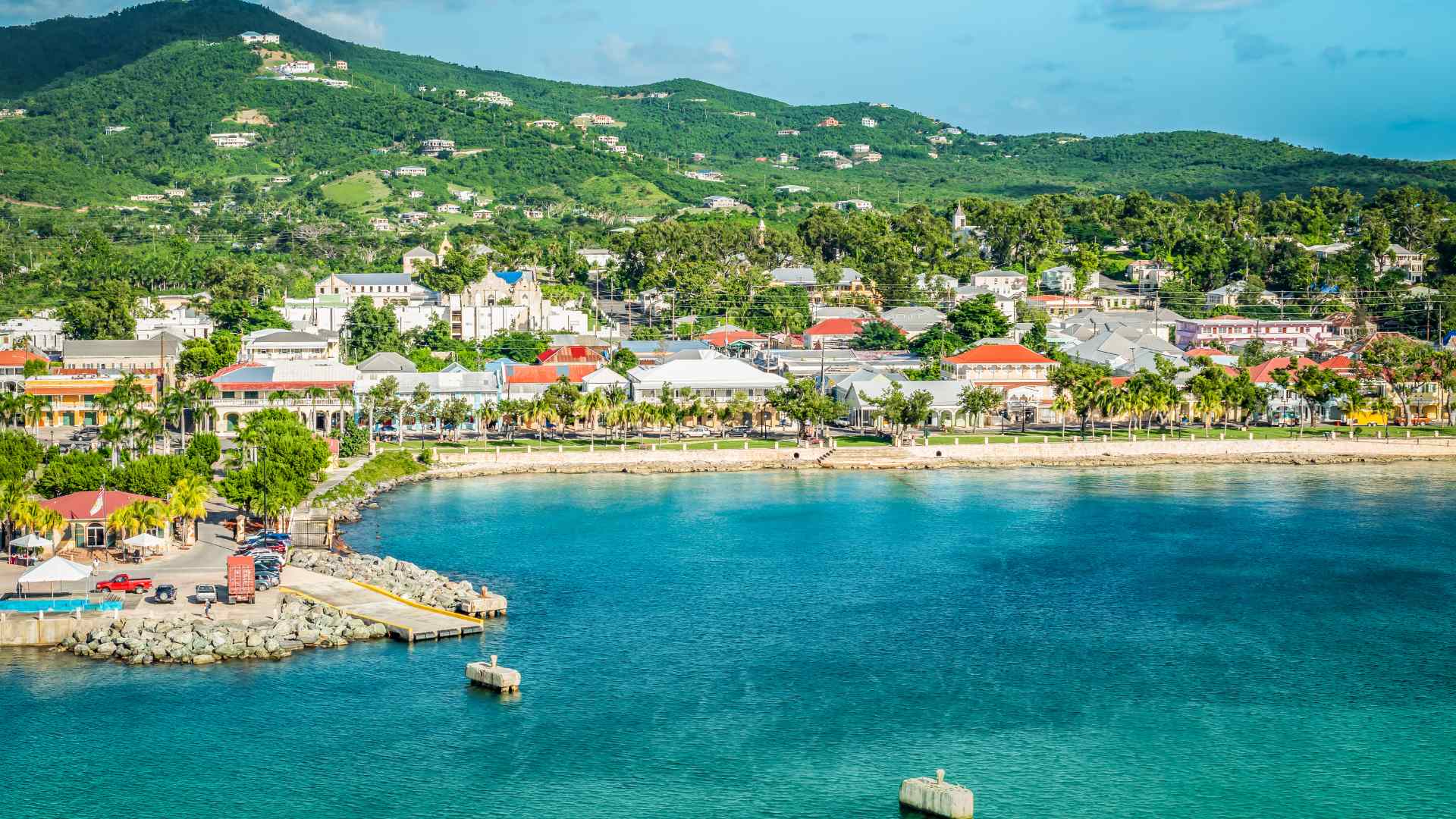
- Cruise facility: Ann E. Abramson Marine Facility in the heart of Frederiksted.
- Arrival: Most cruise calls use the pier, while anchoring can be arranged for ships that cannot use a berth.
- Town access: Frederiksted’s waterfront, Fort Frederik, shops, restaurants, and historic streets are within walking distance.
- Nearby beach plan: Confirm current access, facilities, surf, transport, and the return ride before settling in.
- Christiansted: On the opposite side of the island and best treated as a planned excursion or taxi trip.
- Road rule: Traffic drives on the left in the United States Virgin Islands.
- Currency: United States dollar.
- Return rule: Agree on transportation and leave a larger buffer for any cross-island plan.
Where Cruise Ships Dock in Frederiksted
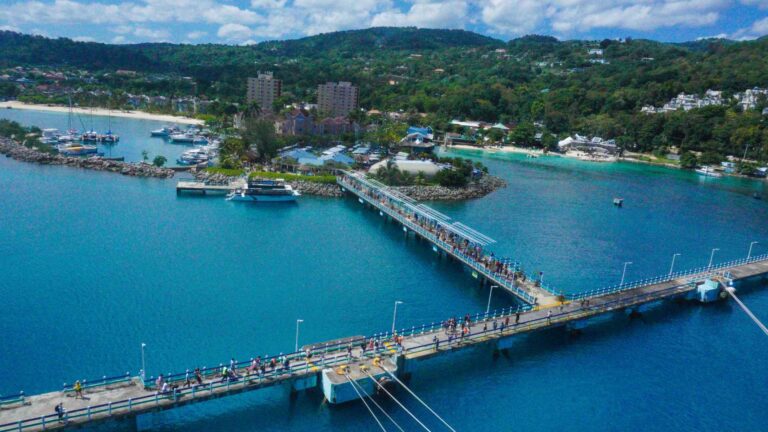
The Virgin Islands Port Authority identifies the Ann E Abramson Marine Facility as St Croix’s only cruise ship port. Its long pier extends directly from Frederiksted, making this a true walk-off destination when your ship is berthed.
The official facility page notes public restrooms near the pier entrance, a visitor center, nearby shopping and restaurants, plus ground transportation and tours. Cruise schedules can change with little notice, so use your ship’s announcement for the actual berth and all aboard time.
The pier walk is exposed to sun, wind, and rain, and no shortcut removes it. Wear comfortable shoes, keep your ship card ready, and note the security process you will repeat on return.
A Simple Frederiksted Walking Plan
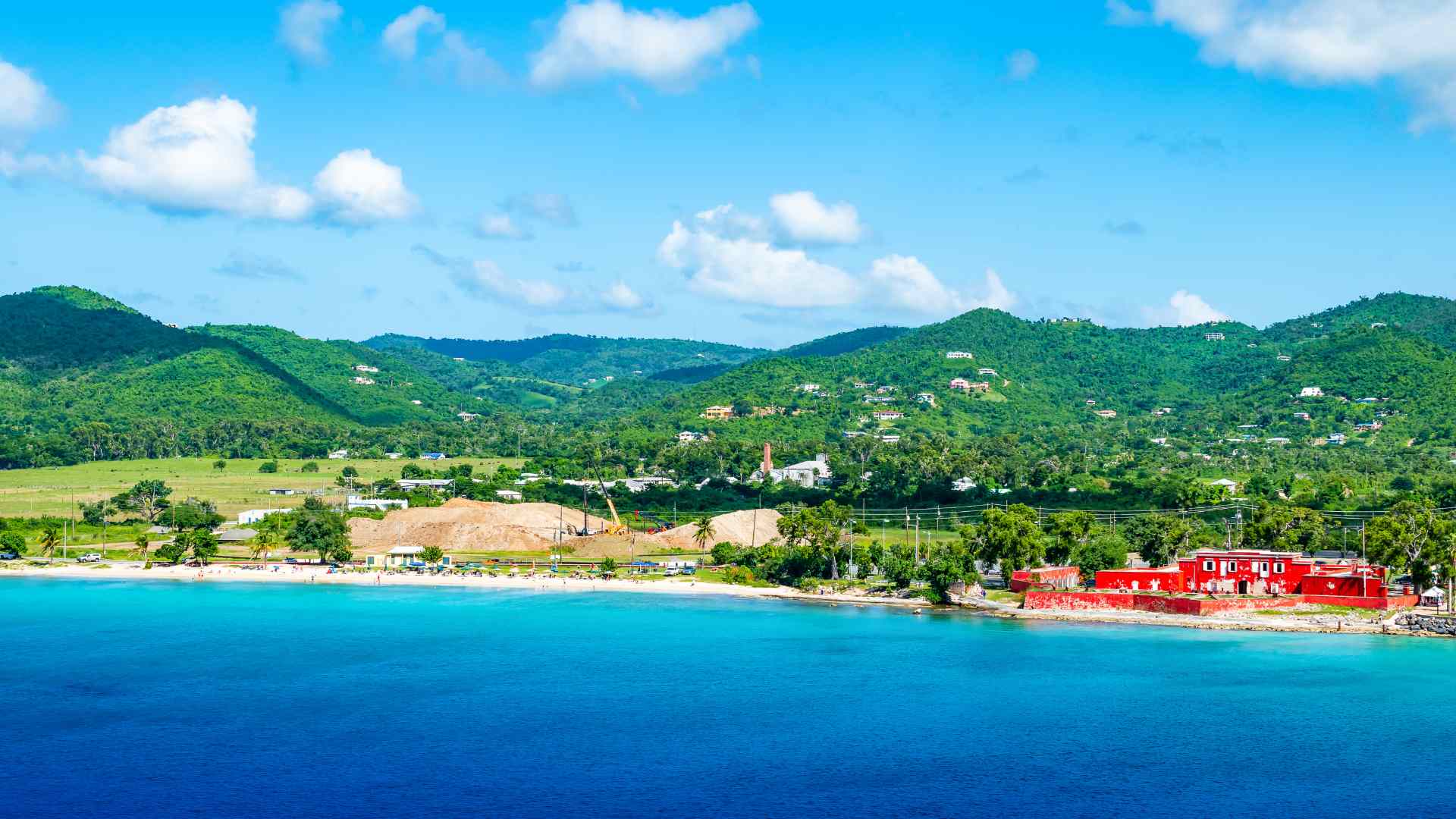
Begin at the waterfront and Fort Frederik, the red historic fort beside the pier area. The fort’s museum and gallery make it the natural cultural anchor, but confirm current opening hours because local operations and holidays can affect access.
Continue through the compact historic district, where colorful buildings, churches, arcades, and quiet streets reveal the town’s Danish colonial layers. Do not expect a polished resort village because Frederiksted’s appeal is its lived-in scale and west-island pace.
Return to the waterfront for lunch, a drink, or time near the water. Keeping the final part of the day close to the pier makes the return simple and gives you flexibility if a museum or shop opens later than expected.
Beaches Near Frederiksted
Frederiksted is the better St Croix cruise port for an uncomplicated west-side beach day. Several stretches of sand lie north and south of town, but distance, facilities, public access, shade, and transport vary.
Ask the visitor center or licensed transportation dispatcher which beach best fits current conditions and your needs. A beach can look close on a map while the safe entrance, chair rental, or suitable swimming area sits farther away.
Rainbow Beach is a popular option north of town, while other west-coast beaches may be quieter or have fewer services. Confirm your return ride before the driver leaves and avoid relying on an empty taxi stand late in the day.
Sandy Point Needs Special Planning
Sandy Point National Wildlife Refuge protects sensitive coastal habitat and sea-turtle nesting areas southwest of Frederiksted. Public access is seasonal and subject to refuge rules, closures, hours, and conservation needs.
Do not assume it is open because a tour page or old review shows visitors there. Check the United States Fish and Wildlife Service information for your exact date and choose another beach if the refuge is closed.
Snorkeling and Diving Around the Pier
Frederiksted’s pier is known for marine life and attracts snorkelers and scuba divers when local rules, ship operations, and water conditions allow. The working pier environment means you should never enter the water without current guidance from a qualified local operator.
Diving requires advance planning, certification appropriate to the trip, equipment arrangements, and a schedule built around the ship. Ask about entry method, current, visibility, depth, group size, emergency procedures, and the exact return time.
For snorkeling, a guided outing can help you understand approved access and protect the reef. Do not touch coral, chase wildlife, stand on reef structure, or apply ordinary sunscreen immediately before entering sensitive water.
Cane Bay and the North Shore
Cane Bay is a separate north-shore destination known for diving, snorkeling, and a scenic coastal setting. It is not a quick extension of a Frederiksted walk, so arrange transportation and decide whether the beach or underwater experience is your main priority.
Sea conditions can make one side of St Croix more suitable than another. Use a reputable local operator, ask about current visibility and surf, and keep a land-based alternative for weather changes.
Visiting Christiansted From Frederiksted
Christiansted sits across St Croix and feels different from Frederiksted, with a larger historic waterfront and the National Park Service sites around Fort Christiansvaern. The transfer crosses the island, so this should be a planned destination rather than a casual add-on.
A taxi or organized island tour is usually the simplest cruise-day choice. Agree on the rate, route, pickup point, and return time before departure, and ask whether the ride is private or shared.
If you use public transportation, confirm current routes, schedules, stops, payment, and service frequency locally. A low fare does not help if a missed bus removes the buffer needed to cross the island again.
Buck Island From a Frederiksted Cruise Call
Buck Island Reef National Monument is reached by boat, and the National Park Service directs visitors to authorized concessionaires. Trips commonly operate from the Christiansted side of St Croix, which means Frederiksted passengers must also solve the cross-island transfer.
Confirm the boat’s exact departure point, check-in time, duration, included gear, swimming requirements, and ship-delay policy. Do not book a sailing that leaves no recovery time for road traffic or a slower-than-expected return from the island.
Use the National Park Service list rather than assuming any boat advertised online is currently authorized. Weather and sea conditions can change the itinerary, and wildlife or perfect visibility is never guaranteed.
Island History, Gardens, and Rum
St Croix has historic estates, botanical attractions, agricultural stories, and rum-related experiences beyond both main towns. Opening days, reservations, age rules, and tour schedules change, so verify the official venue before making one the centerpiece of your call.
An island tour can combine several places efficiently, but read the itinerary closely. A photo stop outside a site is not the same as admission and enough time to understand it.
Choose a guide who explains the island’s Indigenous, European colonial, African, emancipation, labor, and modern community history with care. St Croix deserves more than a sequence of beaches and shopping stops.
Driving and Transportation
Traffic drives on the left in the United States Virgin Islands, while many vehicles have the steering wheel on the left. That combination can feel unfamiliar at intersections, when turning, and when judging the edge of the road.
A rental car gives flexibility but adds paperwork, pickup time, parking, navigation, and the risk of a delayed return. Confirm license rules, insurance, fuel expectations, and roadside assistance before accepting the vehicle.
Taxis and shared safari-style vehicles are common around cruise calls, but availability varies as passengers spread across the island. Use authorized transportation, confirm the fare before leaving, and arrange a pickup for any remote stop.
Food and Shopping in Frederiksted
Look for local seafood, stewed or curried dishes, johnnycakes, fungi, rice, plantains, and refreshing fruit drinks. Menus and opening hours can vary with cruise traffic, so keep a second lunch option nearby.
Local art, jewelry, food products, and small gifts make more meaningful souvenirs than items sold in every Caribbean port. Ask where a product was made and protect food or liquid purchases for ship security and customs checks.
Accessibility and Mobility
The cruise pier is long and exposed, so passengers with limited stamina should ask whether ship or port assistance is available. The distance from the gangway changes with the ship’s position, and heat can make the walk more demanding.
Frederiksted’s central area is close, but curbs, uneven pavement, historic entrances, and beach sand can limit access. Confirm vehicle steps, wheelchair space, restroom access, and walking requirements directly with any tour operator.
Boat trips and water activities require specific questions about boarding, ladders, flotation equipment, and remaining seated. An excursion described as easy may still involve a wet step or unstable transfer.
Weather, Sun, and Safety
Caribbean heat and sun can be intense even on cloudy days. Carry water, use reef-conscious sun protection, wear a hat, and plan shade before fatigue begins.
Brief showers are common, while tropical weather can disrupt marine trips and port operations. Follow official alerts and ship instructions, especially during hurricane season, and do not enter rough water because an excursion was prepaid.
Use ordinary awareness with valuables on beaches and in vehicles. Keep phones, wallets, and ship documents secure, and do not leave belongings unattended while swimming.
Plan the Return Before You Leave
Work backward from the ship’s announced all aboard time and include the full pier walk and security. For Christiansted, Cane Bay, or another distant destination, choose a return that leaves time to recover from traffic or a transportation problem.
Save the pier name and ship contact information offline. Tell the driver you need the Ann E Abramson Marine Facility in Frederiksted, not a generic St Croix port.
Official Planning Resources
Use the Virgin Islands Port Authority’s Frederiksted facility page for pier information and current cruise schedules. The United States Virgin Islands tourism site provides current island-wide visitor information.
For Buck Island, start with the National Park Service planning page and its current concessionaire list. Reconfirm every attraction, operator, and transportation arrangement for your exact sailing date.
Final Thoughts
Frederiksted makes an easy local port day and a useful launch point for seeing more of St Croix when the schedule allows. Choose one side of the island as your anchor, arrange the return before departing, and give this distinctive west-coast town time to be more than the end of a pier.