Faroe Islands Cruise Ports: The Complete Guide to Every Stop
The Faroe Islands make an unforgettable entrance by sea. Green cliffs rise straight from the North Atlantic, waterfalls stream down dark rock, and villages appear in folds of land that seem too dramatic for everyday life.
That scenery comes with a practical truth: weather is not background information here. Tórshavn, Klaksvík, and the smaller Faroese cruise ports each work best when you choose one compact plan and give the islands permission to change it.
Quick Facts for Faroe Islands Cruise Ports
- Main cruise ports: Tórshavn and Klaksvík.
- Other possible calls: Runavík, Kollafjørður, Fuglafjørður, and smaller harbors on selected itineraries.
- Currency: Danish krone and Faroese banknotes of equal value.
- Language: Faroese, with Danish widely understood and English common in visitor settings.
- Best independent port: Tórshavn for a walkable historic center and urban attractions.
- Best Northern Islands base: Klaksvík.
- Best planning rule: Keep a weatherproof local option and never rely on the final ferry or bus back.
Tórshavn or Klaksvík: The Fast Answer
Choose Tórshavn if you want the easiest first visit, a strong day without a tour, and access to the historic capital. It also gives you a practical base for excursions to Kirkjubøur, Streymoy villages, Vestmanna, or Vágar when the port call is long enough.
Choose Klaksvík if mountain scenery, fishing culture, and the Northern Islands are your priority. The town is smaller, the surrounding landscape feels immediate, and excursions can focus on Viðoy, Kunoy, Borðoy, or carefully planned connections toward Kalsoy.
Both ports can deliver dramatic views without a long transfer. I would only chase the most famous social-media location if the road, ferry, trail, weather, and ship schedule create genuine breathing room.
How Faroese Geography Changes a Cruise Day
The Faroe Islands are connected by roads, bridges, tunnels, ferries, and causeways, but a short distance can still contain several operational links. Fog, wind, road work, ferry capacity, and a single-lane tunnel can change the pace.
Public transport is designed primarily for communities, not for maximizing a cruise passenger’s sightseeing list. Strandfaraskip Landsins publishes bus and ferry schedules, and the correct timetable for your date matters more than an itinerary copied from another season.
A private guide can turn the same geography into an advantage by adjusting direction around clouds and crowds. Ask for priorities rather than demanding a rigid sequence of photo stops.
1. Tórshavn Cruise Port
Tórshavn is one of the smallest capitals in Europe, but it feels substantial enough for a full port day. The harbor, old town, government quarter, cafés, shops, museums, and modern cultural buildings sit within a compact urban landscape.
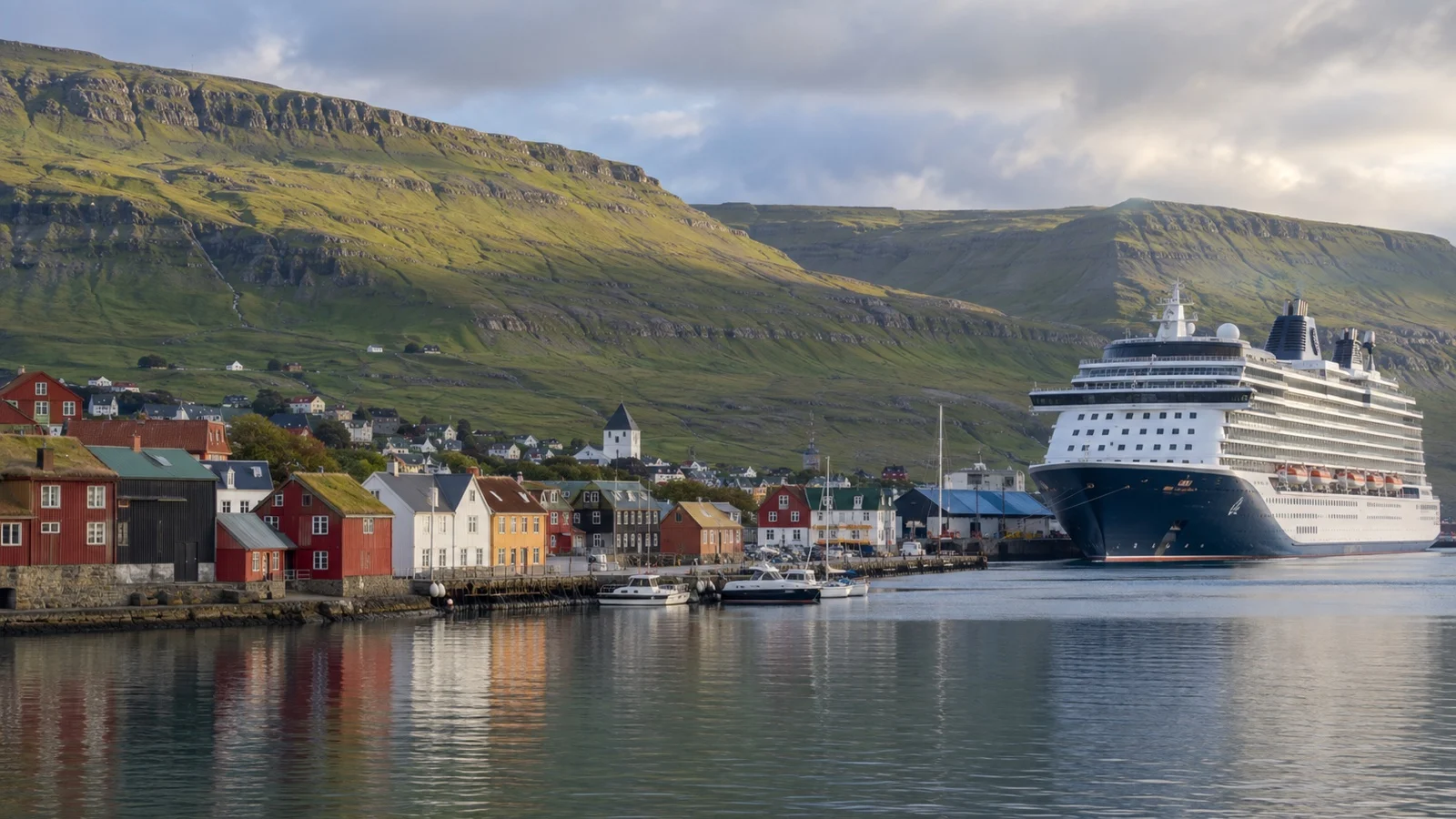
Ships may dock in the harbor or use a tender, depending on vessel size and port operations. The berth can affect walking distance, shuttle arrangements, and the direction you first enter town.
Tinganes and Reyn are the heart of the historic waterfront, with turf-roofed buildings, narrow lanes, and working government spaces. Walk quietly, respect private homes and offices, and remember that the old town is not an outdoor film set.
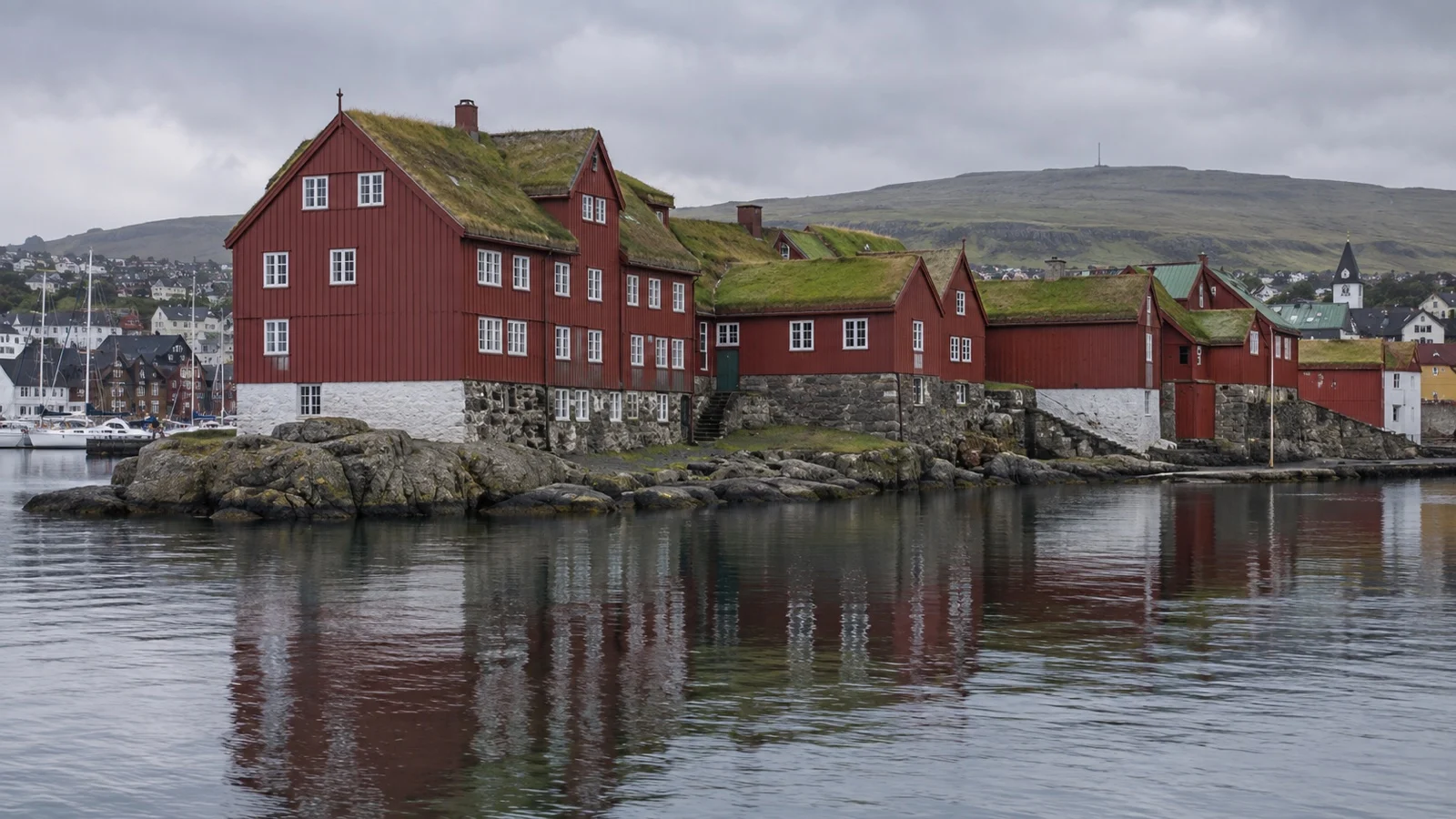
Tórshavn Cathedral, the harbor, and central shopping streets fit naturally into the same walk. Opening hours vary, especially around services and local events, so appreciate the exterior if the doors are closed.
The National Gallery of the Faroe Islands and the Nordic House add art, architecture, and shelter from the weather. Their locations require more walking than the harbor core, making a taxi or city bus useful for travelers with limited time.
Tórshavn is the port where I am happiest without a major excursion. A slow morning in the old town, one museum, a Faroese lunch, and a waterfront walk can feel complete rather than cautious.
Excursions From Tórshavn
Kirkjubøur is the classic nearby cultural excursion, with medieval religious history, old farm buildings, and a powerful sense of continuity. Access, interior hours, and private areas should be respected because this is a living community.
A guided route can pair Kirkjubøur with Tórshavn or a scenic drive on Streymoy. That combination gives you history and landscape without committing to the longest cross-island itinerary.
Vestmanna is known for boat trips toward sea cliffs and bird habitats. Sailings depend on wind, swell, visibility, season, and wildlife behavior, so reserve through a reputable operator with a clear cancellation plan.
Saksun’s lagoon setting and turf-roofed village are famous, but local roads, parking, land access, tides, and resident privacy all matter. Follow signs, pay any current access fee, and never walk through fields or yards simply because a map shows a route.
Tjørnuvík offers a black-sand beach and views toward the sea stacks called Risin and Kellingin. The road can be narrow and the village has limited capacity, which makes an organized small-group visit more considerate than a convoy.
Vágar’s villages, including Gásadalur and its waterfall view, can be reached by road from Tórshavn. The drive, undersea tunnel, weather, and crowding make this a full commitment rather than an extra stop.
2. Klaksvík Cruise Port
Klaksvík sits between steep mountains and protected water on Borðoy. It is the Faroe Islands’ second-largest town and a major fishing center, giving the harbor a working character rather than a purpose-built cruise atmosphere.
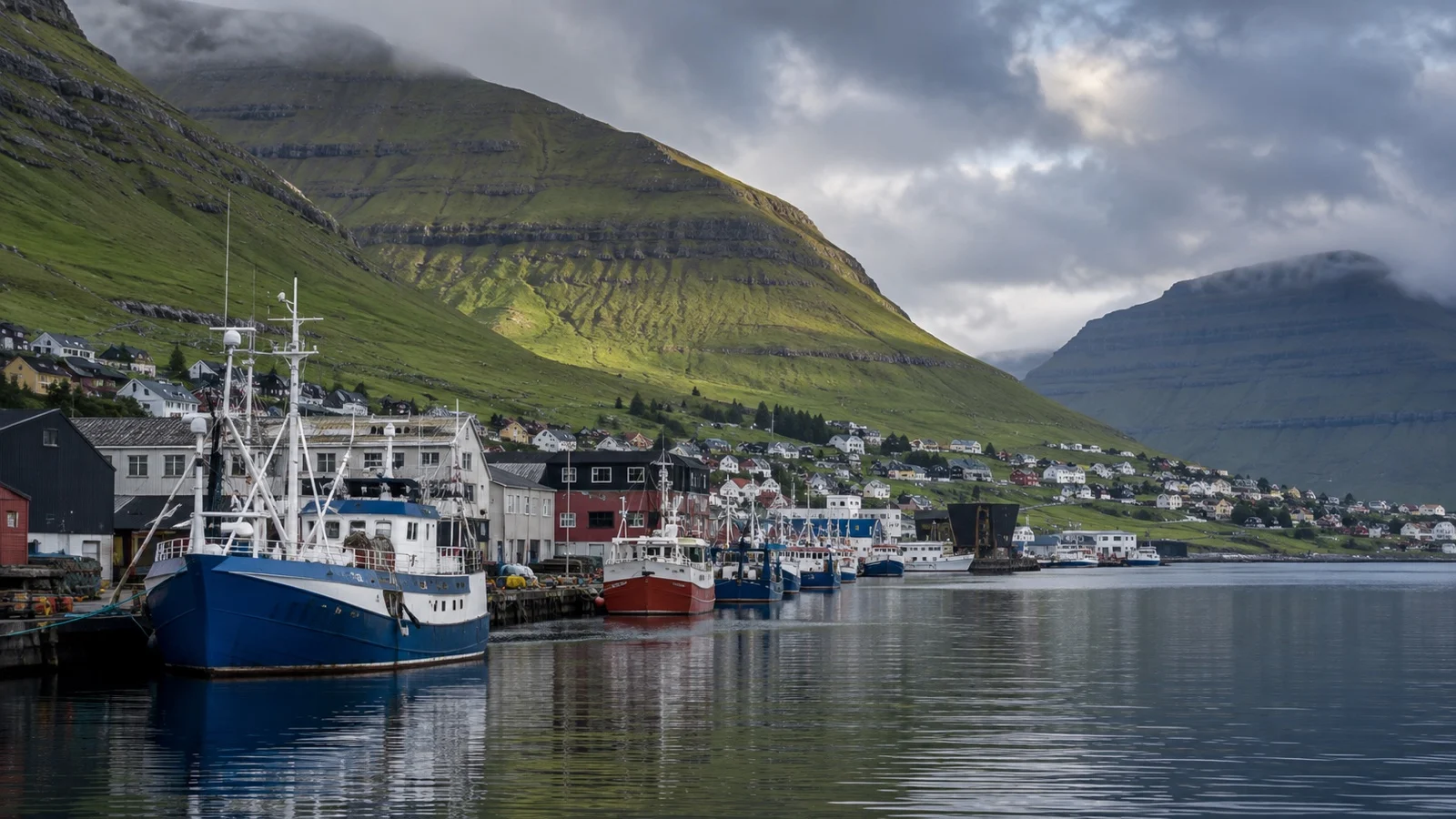
The town center, church, harbor views, cafés, and local cultural points can be explored without crossing half the archipelago. This compact option is valuable when cloud, wind, or road conditions make a distant excursion unattractive.
Christianskirkjan is a notable modern church whose design reflects Faroese materials and maritime culture. Confirm access around services, dress respectfully, and keep voices low.
A local town walk becomes much richer with someone who can explain fishing, contemporary life, wartime history, and how tunnels changed the Northern Islands. Klaksvík is not merely the place you pass through on the way to a famous hike.
Northern Islands Excursions From Klaksvík
Viðareiði on Viðoy is a classic scenic drive, set between mountains and open sea. Conditions can change quickly, and viewpoints that look close may be exposed to strong wind.
Kunoy offers village scenery and dramatic mountain walls with a relatively compact transfer from Klaksvík. A driver can combine it with local stops while keeping a generous return margin.
The road tunnels of the Northern Islands are part of the experience, including older narrow tunnels with passing places. Let an experienced local driver handle them if you are not comfortable with Faroese road etiquette.
Photography stops must use safe pullouts and respect private access. Never ask a driver to stop on a blind curve because a waterfall appears through the window.
Kalsoy and the Kallur Lighthouse Hike
Kalsoy is beautiful, but it is the excursion most likely to be underestimated. A typical independent plan may involve transport to the ferry, limited vehicle or passenger capacity, an island bus or taxi, a hike, and the entire sequence in reverse.
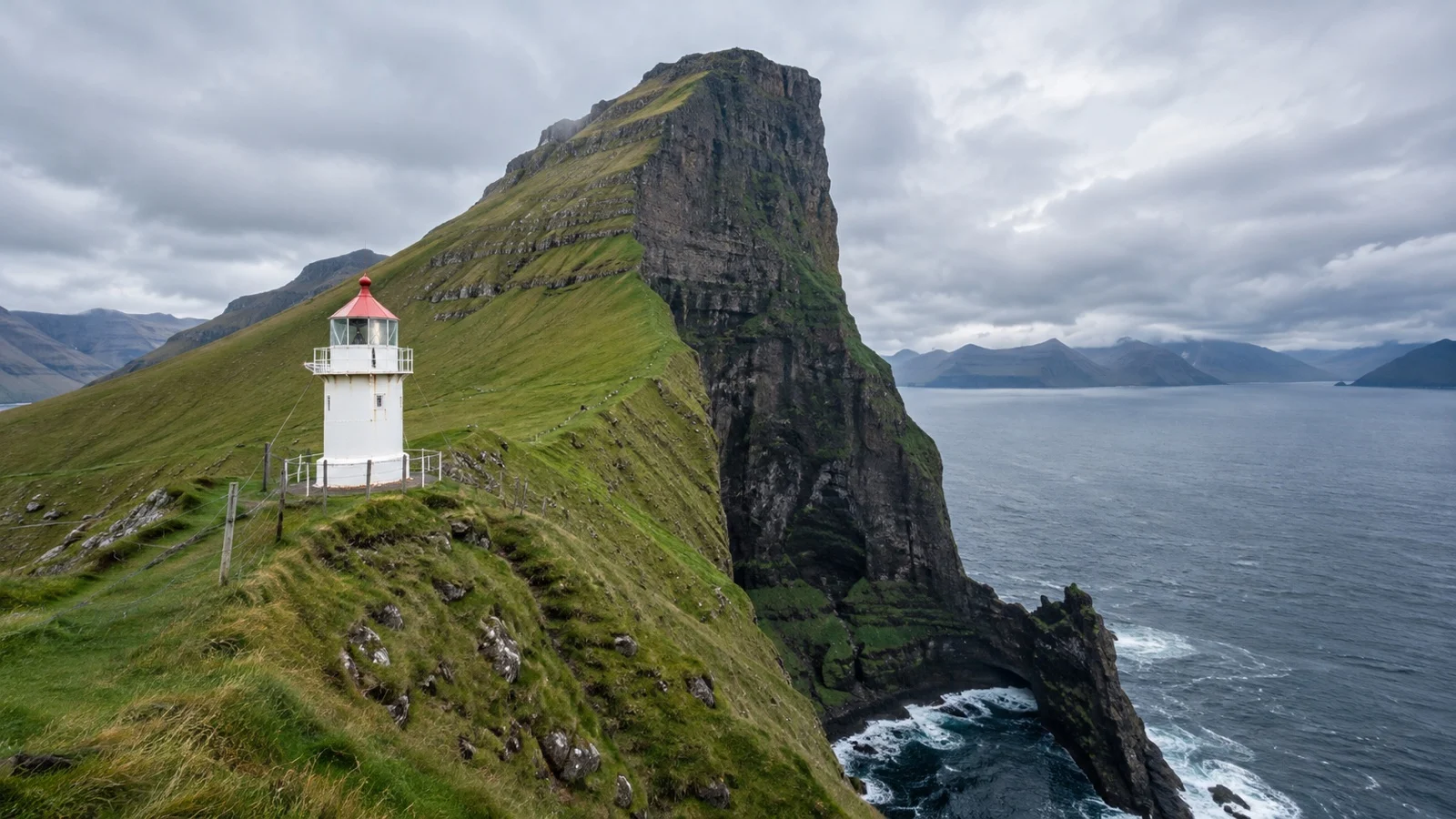
The Kallur Lighthouse route near Trøllanes crosses exposed terrain where wind, mud, cliffs, visibility, and private land access matter. Current hiking fees, route rules, and safety advice should be checked through official tourism information.
A photograph of the lighthouse does not show the risk at cliff edges. Stay on the authorized route, turn back when conditions deteriorate, and do not step onto a narrow viewpoint merely because other visitors are there.
For cruise passengers, a ship excursion or a fully coordinated local tour provides the strongest timing protection. If the timetable lacks a comfortable backup ferry, I would choose Viðareiði or Kunoy instead.
Other Faroe Islands Cruise Ports
Smaller vessels may call at Runavík, Kollafjørður, Fuglafjørður, or other Faroese harbors. These ports place you in different island regions and should not be treated as alternate names for Tórshavn.
Runavík on Eysturoy can serve routes toward villages, mountain scenery, and the road network connected through modern undersea tunnels. The harbor is working infrastructure, so the ship’s shuttle and meeting instructions are important.
Fuglafjørður is a smaller community surrounded by steep slopes on Eysturoy. A local cultural or scenic excursion may be more rewarding than spending the day trying to reach the capital.
Kollafjørður lies on Streymoy within road reach of Tórshavn and northern scenery. Its advantage is excursion access, while its disadvantage is that the immediate port experience is less oriented toward independent sightseeing.
The exact itinerary label and berth should drive your plan. Send the operator the ship name, harbor, docking time, and confirmed meeting location rather than saying only that you will be in the Faroes.
Docking, Tendering, and Port Procedure
Tórshavn and Klaksvík can handle cruise vessels, but berth assignments depend on ship size, traffic, weather, and port operations. Tendering remains possible, and smaller harbors may use more limited landing arrangements.
A tender can add ticketing, boarding lines, steps, and weather restrictions. Passengers with mobility concerns should ask the cruise line about the specific transfer rather than assuming a sheltered harbor guarantees easy access.
Working ports may require a shuttle through secure areas. Independent guides cannot always meet beside the gangway, so verify the official pickup point before leaving home.
Public Buses and Ferries
Strandfaraskip Landsins operates the public bus and ferry network. The system is useful and scenic, but route numbers, days of operation, school-period patterns, ferry capacity, and connections all need current verification.
Use the official planner and work backward from all aboard. Select a return that leaves another realistic option after it, and remember that a bus stop can still be a long walk from the ship.
Ferries serving small islands may give priority or limited space according to local operating procedures. A rental car does not guarantee space aboard, and taking a vehicle can complicate a trip that works more easily on foot with a local connection.
If one missed bus would make you late, the plan is too fragile for a cruise day. Pay for a guide, use a ship excursion, or choose a destination on the same island.
Roads, Tunnels, and Driving
Faroese roads are generally well maintained, but they demand attention. Weather, sheep, one-lane sections, blind bends, old tunnels, and sudden fog can make a short drive feel unfamiliar.
Modern undersea tunnels speed up travel between major islands, while tolls or rental agreements may require specific handling. Cruise visitors should confirm all charges and procedures before driving.
Parking is limited in small villages, and residents need access to homes, farms, and emergency routes. Use marked spaces and never block a gate or narrow road for a photograph.
A private guide is often worth the cost because local knowledge makes the day more adaptable. The best guide will change direction when one valley disappears into cloud instead of insisting that the original route is sacred.
Hiking, Land Access, and Safety
A line on a hiking app is not proof of public access. Faroese paths may cross private land, require a fee, impose seasonal restrictions, or ask hikers to use a local guide.
Visit Faroe Islands publishes safe hiking guidance and current information about hiking fees. Check the official route page shortly before the call because access arrangements can change.
Weather can shift from sun to fog, rain, and strong wind within one walk. Carry waterproof layers, warm insulation, food, water, a charged phone, and an offline map even for a route described as short.
Cliff edges may be undercut or hidden by grass, and a gust can destabilize a confident walker. Stay far back, follow closures, and never copy a risky photo position.
Cruise-day hikers need a firm turnaround time. If the view has not appeared by then, return anyway because the ship cannot wait for the cloud to lift.
Weather and What to Pack
The Faroe Islands have maritime weather that changes quickly across short distances. Check the national forecast and road information, then listen to your local guide when conditions differ from the app.
My port-day bag would include a waterproof shell, warm midlayer, hat, gloves, water, and shoes with real grip. Sunglasses are still useful because light can become intense when cloud breaks over the sea.
An umbrella is less reliable than a hood in strong wind. Protect electronics in a dry bag and bring a lens cloth because mist is part of the landscape.
Summer brings long daylight but not guaranteed warmth. Dress in layers you can add during a boat trip or remove inside a café.
Wildlife and Boat Excursions
Seabirds and marine life are wild, seasonal, and sensitive to disturbance. Choose operators that keep appropriate distance, follow local restrictions, and never promise a species sighting.
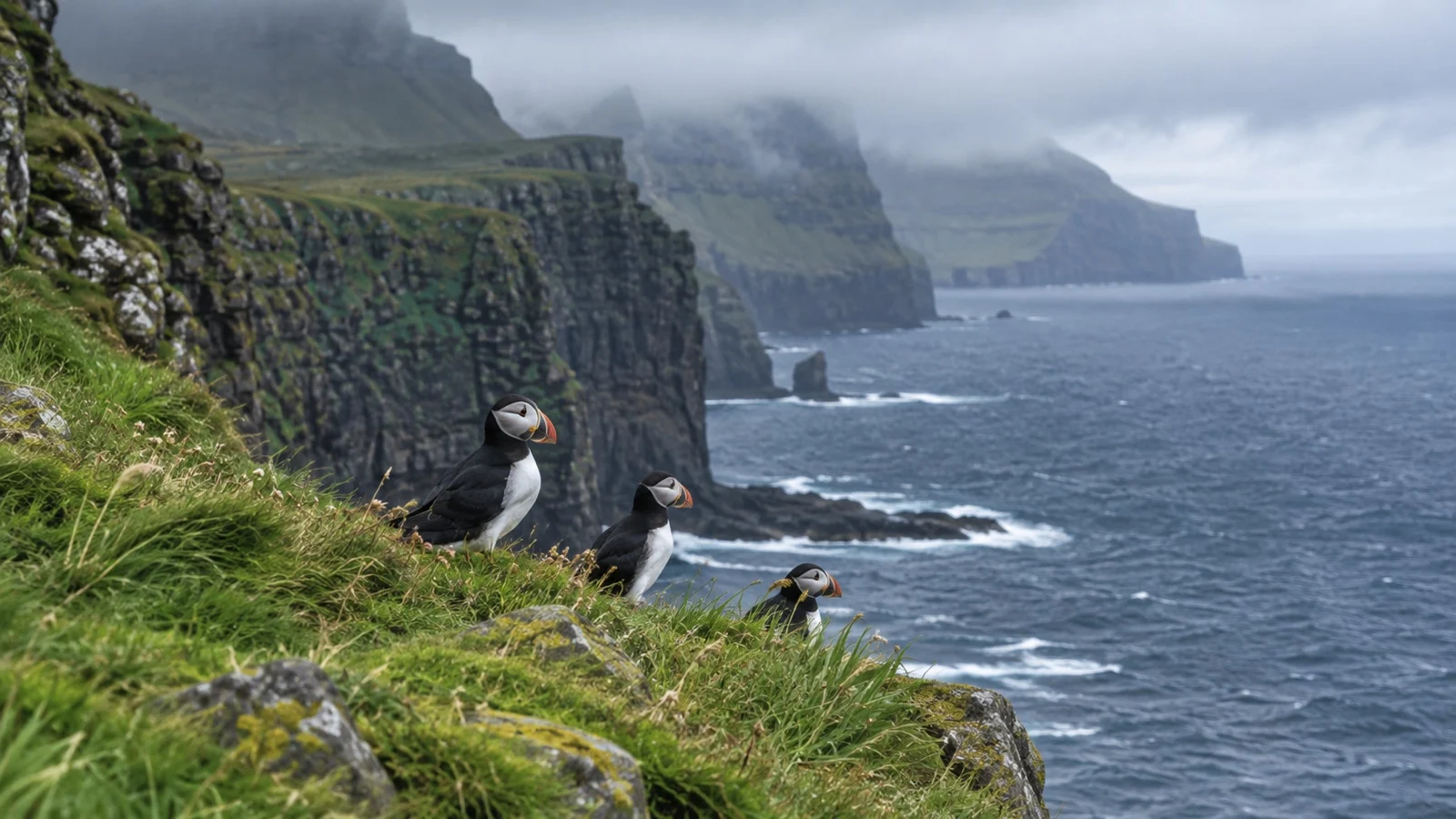
Cliff cruises may be canceled while a land excursion continues. A responsible captain will prioritize sea state and passenger safety over completing the advertised route.
Wear warm waterproof layers on open boats, even if Tórshavn feels mild. Ask about flotation equipment, shelter, toilet access, boarding steps, and the return plan before paying.
Money, Food, and Connectivity
Danish kroner and Faroese notes circulate at the same value, but Faroese banknotes can be awkward to exchange outside the islands. Cards are widely useful, yet a modest amount of cash helps with small purchases or unexpected connectivity problems.
Faroese food reflects fishing, sheep farming, preservation, and modern Nordic cooking. A café lunch or local tasting can be a meaningful part of the day, but reserve ahead for a specific restaurant when a large ship is in port.
Sunday and holiday hours may be limited. Check the actual date rather than assuming every shop, museum, or café follows a standard weekday schedule.
Mobile coverage is generally good in populated areas but can fade in tunnels, valleys, and remote coasts. Download tickets, route details, and the ship’s port-agent contact before departure.
Entry Rules and Cruise Documents
The Faroe Islands are self-governing within the Kingdom of Denmark and sit outside the European Union and the Schengen Area. A visa valid for Denmark or Schengen does not automatically grant entry to the Faroes unless it is specifically valid there.
Cruise clearance procedures may simplify a port call, but nationality and itinerary still matter. Verify requirements with Denmark’s official immigration service, the cruise line, and the relevant consular authority before travel.
Follow the ship’s direction about carrying a passport or other identification ashore. Do not rely on another passenger’s requirements, even when you share the same cabin.
Accessibility and Lower-Energy Planning
Tórshavn provides the best lower-energy day because the harbor, old town, shops, and cafés are relatively compact. Cobblestones, slopes, curbs, rain, and the berth route can still create barriers.
Klaksvík also supports a manageable town visit, but many headline excursions involve uneven ground or vehicle transfers. Ask about step height, walking distance, restroom access, and time outside before booking.
Turf villages, lighthouse hikes, cliff viewpoints, and small boats are not uniformly accessible. A panoramic drive with carefully chosen stops can deliver the landscape without turning the day into an endurance test.
Wheelchair-accessible vehicles are limited and should be reserved early. Confirm that the operator means a true lift or ramp vehicle rather than a car with trunk space for a folding chair.
Families and Multigenerational Groups
Children often enjoy the ships, tunnels, sheep, waterfalls, and compact villages, but exposed viewpoints demand close supervision. Keep everyone well back from cliffs and roads, especially in gusty weather.
A long scenic drive can feel repetitive to younger travelers. Break it with a village walk, café, museum, or short safe trail rather than scheduling one photo stop after another.
For a mixed-age group, Tórshavn is the easiest place to split interests and reunite near the ship. In Klaksvík, a private vehicle can adapt more gracefully than a fixed full-size coach.
How I Would Plan Each Main Port
In Tórshavn, I would spend part of the day walking Tinganes and the harbor, then choose either Kirkjubøur or one scenic Streymoy route. I would keep a museum and long lunch ready as the bad-weather version.
In Klaksvík, I would focus on the Northern Islands with a local driver and no ferry dependency. Kalsoy would become the plan only when transport, trail access, weather, and backup connections are genuinely secure.
At a smaller port, I would stay within the region rather than spending the day reaching Tórshavn just because it is the capital. The Faroe Islands are compelling precisely because the smaller communities do not feel interchangeable.
Frequently Asked Questions
Which Faroe Islands cruise port is best for a first visit?
Tórshavn offers the easiest first day because it combines a walkable center with strong excursion options. Klaksvík is the better choice for a concentrated Northern Islands experience.
Can I explore independently?
Yes in central Tórshavn and Klaksvík, and public transport can extend your range when schedules align. Remote villages, ferries, and hiking routes require more planning than the distances suggest.
Should I book a ship excursion?
A ship excursion is useful for cliff cruises, Kalsoy, distant villages, or any route with limited backup transport. Independent touring works well for the capital and compact same-island plans.
Will bad weather cancel the port?
It can alter berthing, tendering, excursions, roads, ferries, and hikes. Keep a flexible attitude because the ship and local authorities make safety decisions using conditions that may not be obvious from deck.
Do I need cash?
Cards cover most established purchases, but a little Danish currency is useful. Spend Faroese notes before leaving unless you want them as a souvenir.
What is the biggest planning mistake?
The biggest mistake is building a chain with no backup bus or ferry. The second is assuming a famous hike remains open, free, safe, and unrestricted without checking current official guidance.
Final Verdict
Tórshavn is the complete all-rounder, while Klaksvík delivers the most direct connection to the Northern Islands. Smaller ports offer something even better for the right traveler: a day rooted in one Faroese community rather than a race across the map.
Plan around weather, current trail access, and transport redundancy, then let the clouds decide where the drama appears. The Faroes rarely give you the exact day you pictured, but they often give you a more memorable one.
This guide was researched using current information from Visit Faroe Islands, Tórshavn and Klaksvík authorities, Strandfaraskip Landsins, Landsverk, Faroese port and weather services, and Denmark’s official immigration service. Berths, ferries, roads, trail access, fees, entry rules, and weather procedures can change, so verify the final details with your cruise line and the responsible official agency.