Gustavia Cruise Port: Tender Guide, Shell Beach and St. Barth
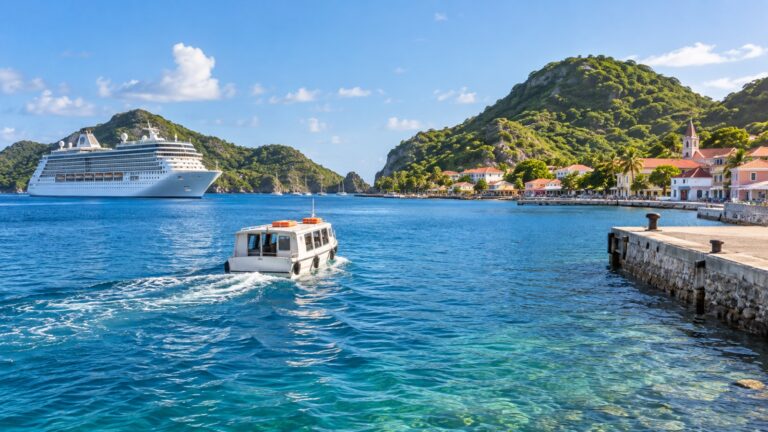
Gustavia is one of the Caribbean’s most polished small ports, but it never feels like a conventional cruise terminal. Yachts fill a red roofed harbor, boutiques and cafes sit steps from the landing, and Shell Beach waits just over the hill.
The day still needs discipline because most cruise guests arrive by tender and the island has limited transport. Sea conditions, beach choice, taxi availability, and the final boat all matter more than the short distances on a map.
Quick Facts
- Destination: Saint Barthélemy, commonly called St. Barth or St. Barts
- Port town: Gustavia
- Arrival: Most cruise ships anchor and tender into the harbor
- Currency: Euro
- Language: French, with English common in visitor businesses
- Walkable highlight: Shell Beach
- Public buses: No practical island bus network for cruise sightseeing
- Main challenge: Limited taxis, steep roads, and tender conditions
- Best return rule: Be back at the landing before the final tender rush
How ships arrive in Gustavia
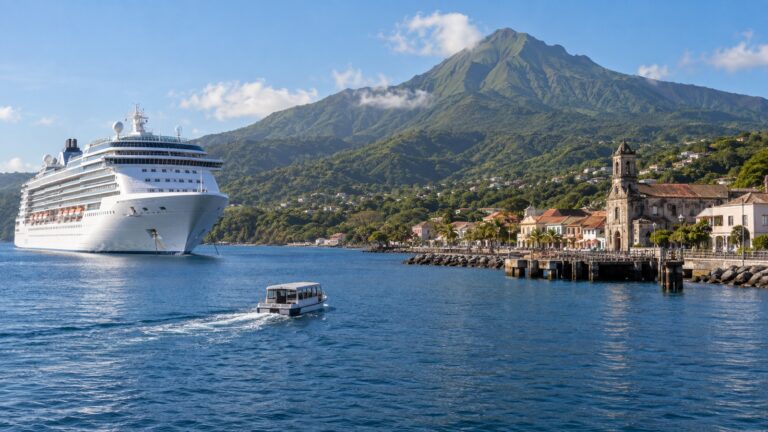
The harbor is designed around yachts, local boats, ferries, and smaller vessels rather than large cruise ships. Most cruise ships remain offshore and transfer passengers into central Gustavia by tender.
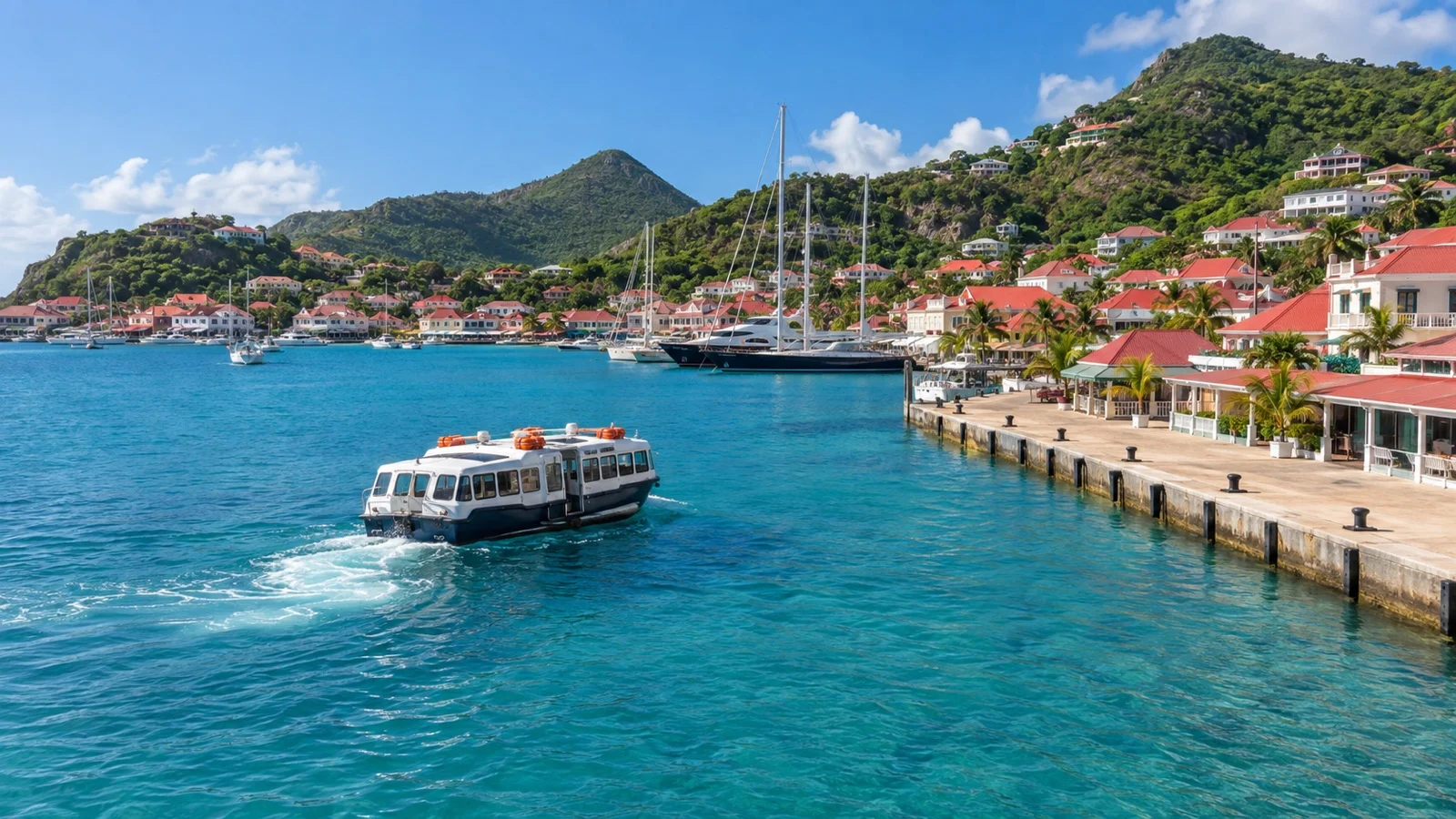
The ride length depends on anchorage and harbor traffic. Wind and swell can slow boarding or suspend tender operations, so a calm street in town does not guarantee a smooth trip back to the ship.
Follow the ship’s landing instructions
The exact landing and passenger route can change with harbor operations. Listen to the onboard briefing and note the location visually before walking away.
Gustavia’s waterfront includes active quays and restricted working areas. Stay on public paths and never cut across a yacht dock to shorten the walk.
Exploring Gustavia on foot
Gustavia is compact enough to enjoy without transport. The harborfront, shops, cafes, historic buildings, and viewpoints can form a satisfying loop that keeps you close to the tender.
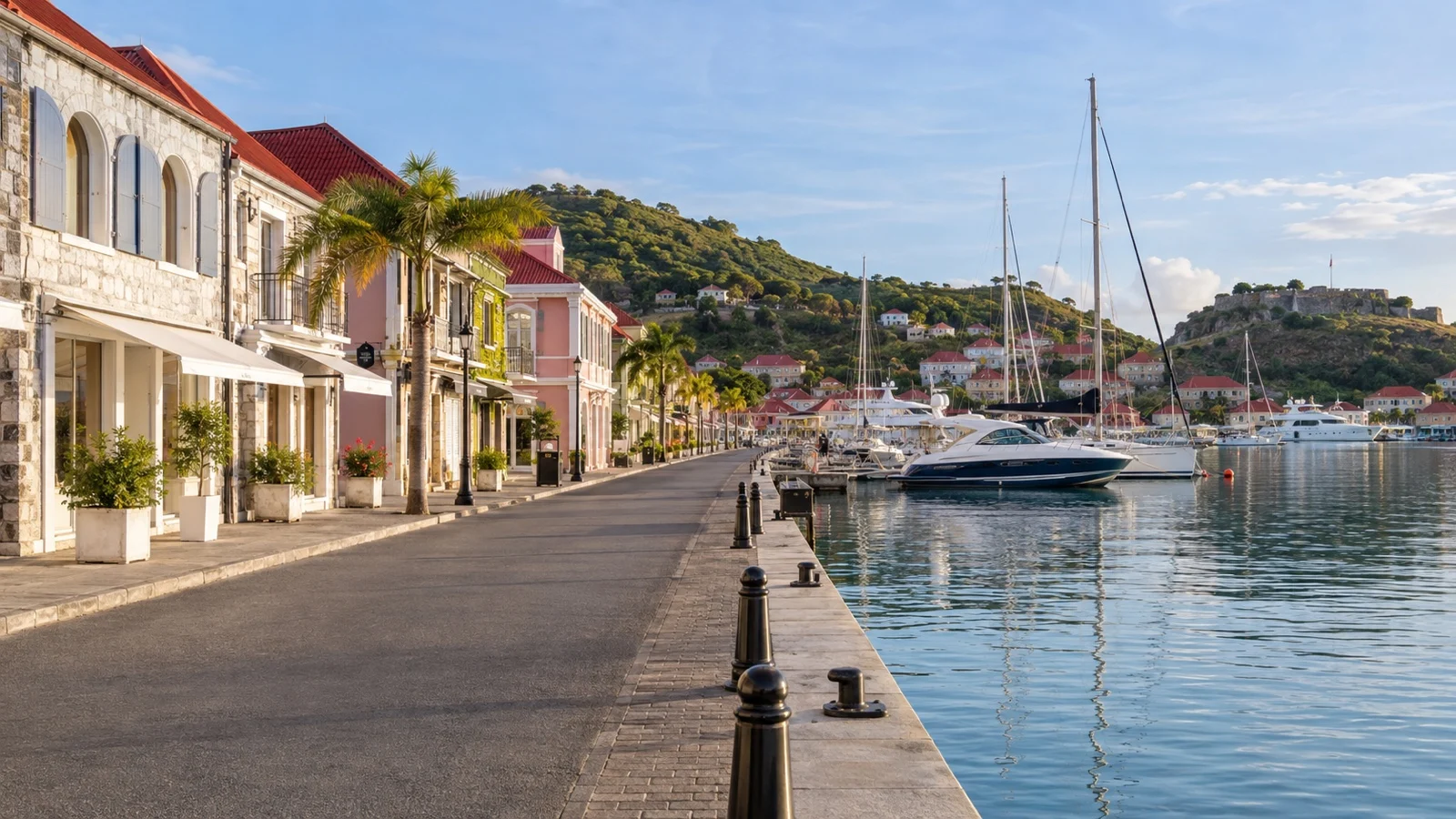
The waterfront is the easiest area, while roads rise sharply behind town. Heat, limited sidewalks, and traffic on narrow streets make even a short uphill walk feel more demanding.
The Swedish story
Saint Barthélemy was under Swedish rule from the late eighteenth century until it returned to France in the nineteenth century. Gustavia’s name, street signs, fort remains, and civic history preserve that unusual Caribbean connection.
Look for heritage interpretation around town and check current museum opening information. Small historic sites may operate limited hours or close for maintenance despite a ship visit.
Wall House and the territorial museum
Wall House near the harbor is associated with local museum collections and the island’s history. Exhibits can add valuable context about Indigenous presence, colonization, slavery, trade, Swedish administration, and modern island life.
Confirm the current public schedule with the Collectivity or visitor office. Do not build the entire day around an interior visit until opening is verified.
Fort Gustav viewpoint
The remains and lighthouse area associated with Fort Gustav rise above the harbor and can provide one of Gustavia’s best panoramas. The climb is exposed, with sun, slopes, traffic, and limited shade.
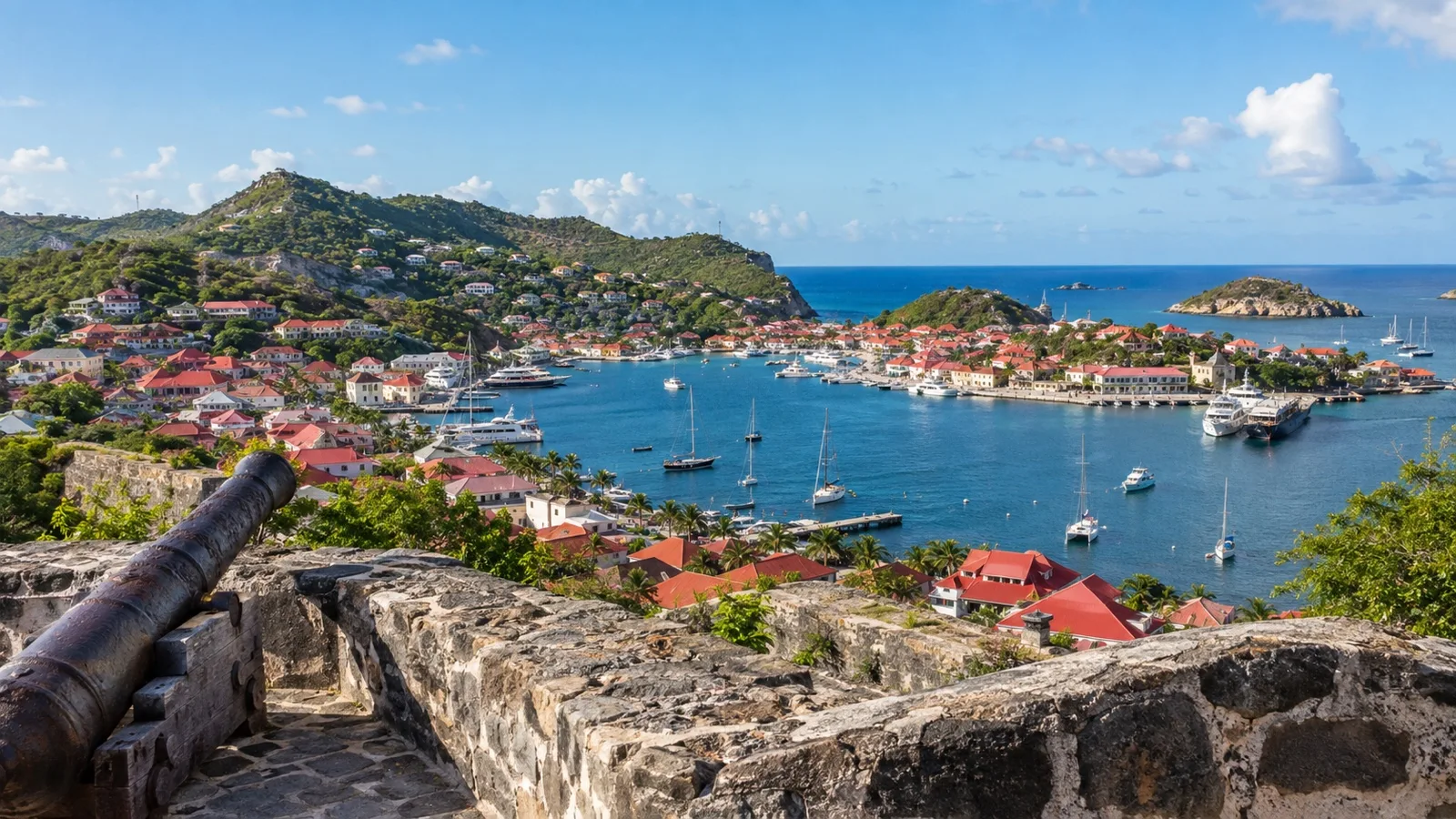
Wear proper shoes and stay out of restricted or unstable areas. A harbor level photograph is a good substitute when heat or mobility makes the ascent unwise.
Fort Karl and the hill above Shell Beach
Fort Karl’s hillside position above Shell Beach offers another elevated perspective, though the route includes steps and rough ground. Historical remains are limited, so the view and landscape are the main rewards.
Use only open paths and respect any barriers. Dry vegetation, loose stone, and intense midday heat can make a short climb less comfortable than expected.
Shell Beach
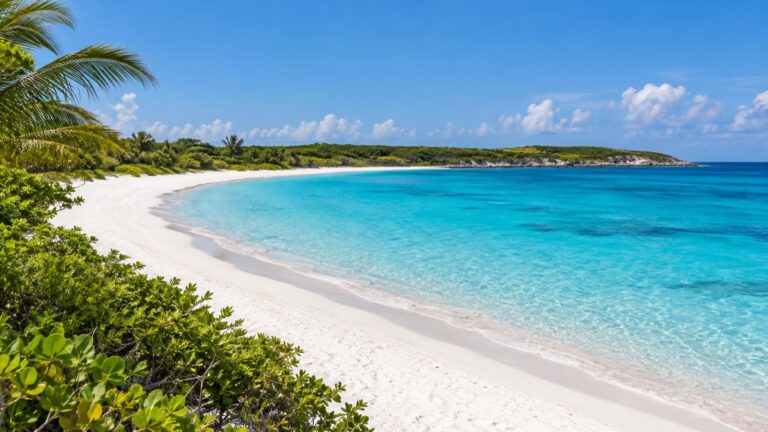
Shell Beach, also known locally as Anse de Grand Galet, is the easiest beach to reach from the tender landing. The route passes through town and over a modest hill, putting the sand within walking distance for most active visitors.
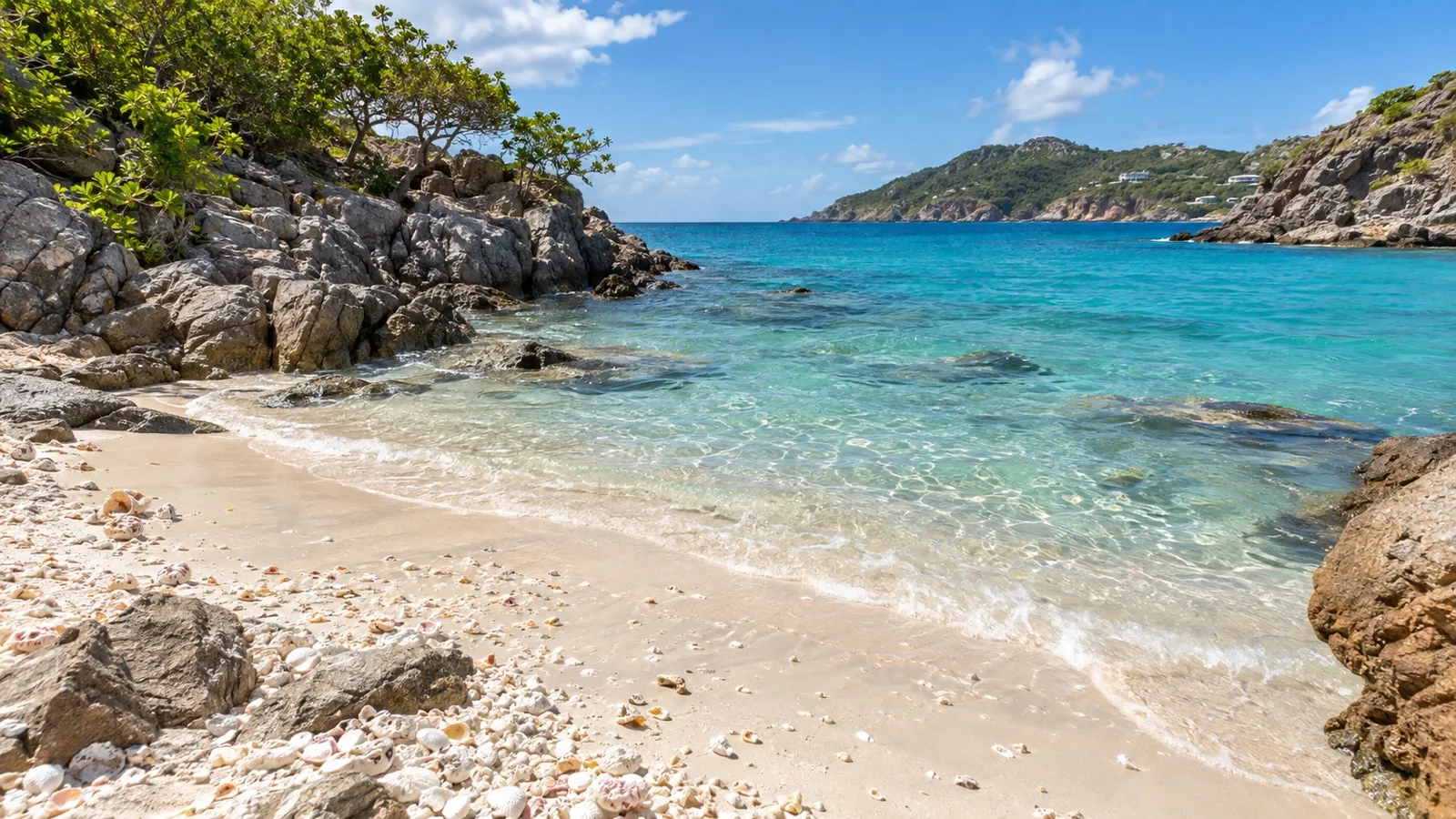
The shoreline mixes sand, shell fragments, and rock, and water conditions vary. Wear footwear that handles the approach and never remove shells, coral, or other natural material.
What to expect
Shell Beach can be beautiful and convenient, but it is not a private resort beach reserved for cruise guests. Space, shade, food service, restroom access, and chair availability can change with season and business operations.
Bring water, sun protection, and a plan for valuables. Keep enough time to walk back over the hill and join the tender queue.
Swimming safety
Check local conditions before entering because wind, swell, rocks, and boat movement can affect the bay. Swim within your ability and keep children close at the waterline.
There may not be a lifeguard on duty. Never assume that clear water means no current or underwater hazard.
Saint Jean Beach
Saint Jean is one of the island’s best known beach areas, with turquoise water, hotels, restaurants, and the airport runway nearby. It requires a taxi or other road transport from Gustavia and can be busy when several flights and tours overlap.
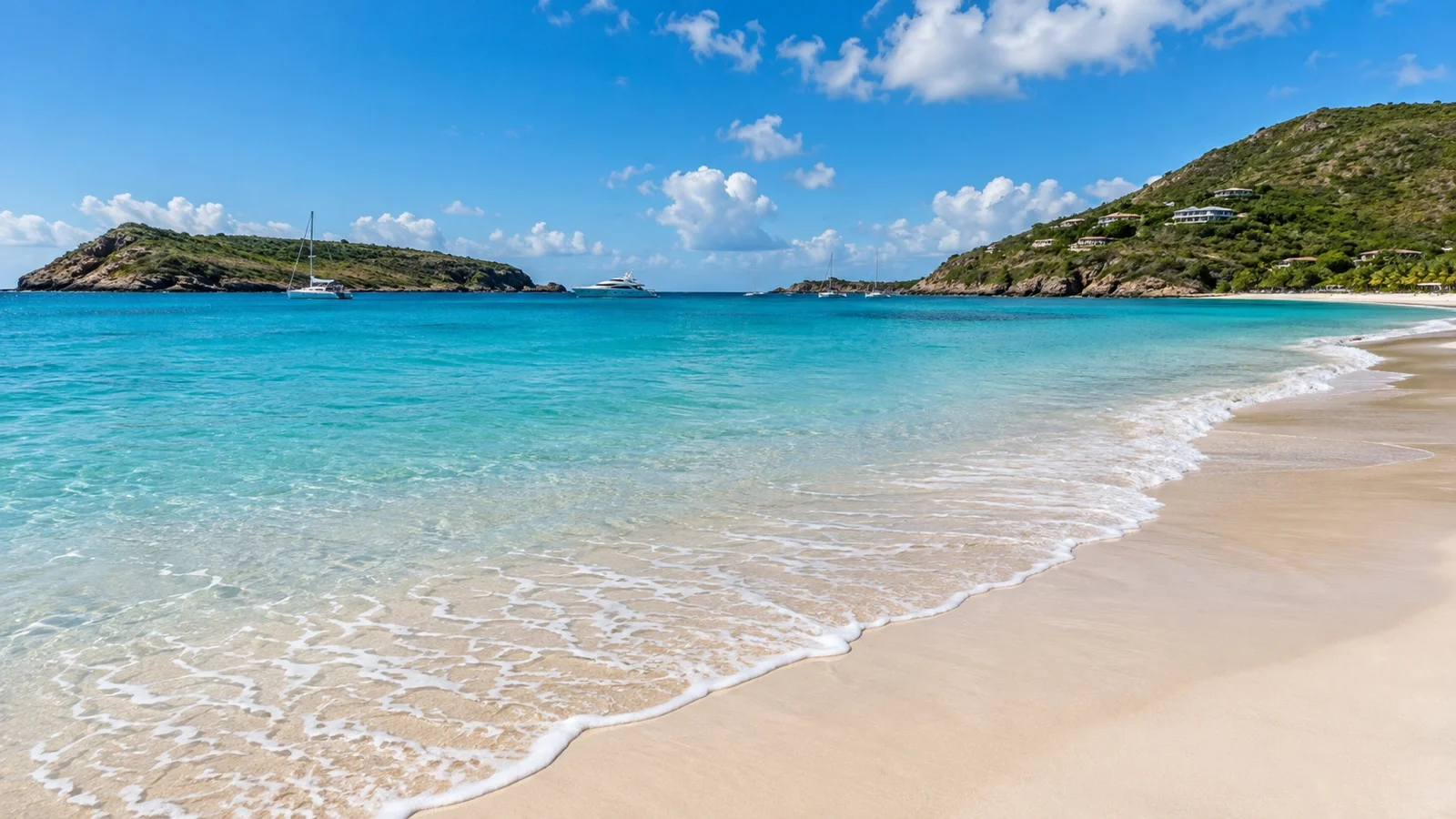
The airport creates unusual aircraft activity close to parts of the beach. Follow all warning signs, stay out of restricted zones, and never position yourself dangerously for a photograph.
Gouverneur and Saline
Gouverneur and Saline offer broad sandy scenery with a more natural feel than the harbor. They also tend to have limited shade and fewer public facilities than travelers expect from a famous Caribbean beach.
Both require road transport, and return taxis should be arranged rather than assumed. Bring water and sun protection, but secure belongings and leave the beach exactly as you found it.
Colombier
Colombier Bay is celebrated for clear water and a relatively undeveloped setting within the island’s protected marine environment. Access is normally by boat or hiking route rather than a simple roadside taxi drop.
A cruise day visit should use a qualified operator or a carefully researched trail plan with ample time. Heat, terrain, and the absence of an immediate vehicle pickup make improvisation risky.
Grand Cul de Sac
Grand Cul de Sac has a shallow lagoon character and water sports activity on the island’s northeastern side. It can suit travelers seeking a resort style beach day, but the drive crosses hilly, narrow roads.
Confirm the precise drop off, chair or meal inclusions, watersport safety, and return vehicle. Beach businesses can limit access or require reservations during busy periods.
Taxis
Taxis are the practical choice for travelers who want to leave Gustavia, but supply is finite. Vehicles may be shared, and demand spikes when tenders, ferries, private aircraft, and yachts bring visitors at the same time.
Agree on the destination, price basis, waiting arrangement, payment method, and pickup time before departure. For a beach visit, prearrange the return instead of hoping an empty vehicle appears.
Island tours
A driver tour can combine viewpoints, beach overlooks, villages, and airport scenery without committing to one swimming stop. The island is small, yet steep roads and repeated curves keep travel slower than a distance estimate suggests.
Tell the driver the final tender time in the same time reference used by the ship. Finish the tour in Gustavia with enough margin to walk from the drop off to the landing.
Rental cars and scooters
Rental vehicles provide flexibility, but parking in Gustavia can be difficult and island roads are narrow, steep, and busy. A scooter adds exposure to sun, rain, potholes, sharp turns, and drivers who know the roads better than you.
Rent only if you are licensed, insured, confident, and familiar with local rules. For a short first visit, a taxi or organized tour is often the calmer choice.
Boat trips and snorkeling
Local boat trips can explore bays, small islands, and protected waters that are difficult to reach by road. Use a licensed operator that provides suitable flotation, safety instruction, and a return time designed around the cruise ship.
The marine reserve protects reefs, seagrass, wildlife, and islets around Saint Barthélemy. Never touch coral, chase turtles, feed fish, anchor in restricted areas, or assume a drone is permitted.
What to ask an operator
Confirm the departure dock, vessel type, shade, restroom, snorkel equipment, age limits, and cancellation policy. Ask whether the trip enters a protected zone and how the operator complies with current environmental rules.
Wildlife sightings are possibilities rather than guarantees. Choose a responsible trip for the habitat and experience, not a promise that cannot be controlled.
Shopping and dining
Gustavia is known for designer boutiques, jewelry, galleries, beauty products, and polished restaurants. Prices often reflect the island’s luxury market and imported goods.
Check duty and customs allowances before making a major purchase. For dining, confirm whether reservations, dress expectations, and service charges apply.
A relaxed lunch
A harbor cafe lunch can be a highlight because the town’s atmosphere is part of the destination. Choose a table only after checking how much tender time remains.
Service may be leisurely and popular places can fill. Tell the server if you have a firm departure deadline, but do not expect the kitchen to solve an overly tight schedule.
Money and connectivity
The euro is the official currency, and cards are widely used in established businesses. A small amount of cash is useful for minor purchases or a backup, but not every seller will accept foreign currencies.
Mobile roaming rules depend on your carrier and may differ from mainland France. Download maps, booking details, and the ship schedule before leaving the vessel.
Weather
Saint Barthélemy is warm through the year, with strong tropical sun, brief showers, and seasonal changes in wind and rainfall. Atlantic hurricane season requires extra attention because port plans can change before conditions become visibly severe.
Use official French weather and local harbor information near arrival. A forecast for a neighboring island may not describe the swell at your ship’s anchorage.
Tender reliability
Tendering depends on the safe movement of passengers between two vessels and onto the harbor landing. Wind, swell, mechanical issues, and harbor traffic can delay the operation or shorten the call.
If the ship announces an earlier final tender, adjust immediately. Cruise line instructions always outrank a timetable copied before the voyage.
Accessibility
Tender access is the biggest limitation for travelers using wheelchairs, scooters, or walkers. The cruise line evaluates sea conditions, tender design, device weight and size, and whether the guest can transfer safely.
Gustavia’s waterfront is the easiest part of town, but curb changes, heat, traffic, and hills create barriers. Shell Beach requires a climb and descent that may be unsuitable for many mobility devices.
Planning an adapted day
Ask the cruise line about tender transfer rules before booking a nonrefundable tour. Then contact the taxi provider about vehicle entry height, securement, folding devices, and assistance.
A harborfront day with cafes, shops, and yacht views can still be rewarding. Staying close also reduces uncertainty if accessible transport is unavailable.
Families
Families can enjoy the tender ride, boats in the harbor, Shell Beach, and a short town walk. Adults need to supervise closely around quays, roads without generous sidewalks, steep steps, and open water.
Carry water, sun protection, and a small snack for delays. Choose one beach or one boat activity rather than moving children repeatedly through taxis and tenders.
A short call plan
With limited time, explore Gustavia, climb one viewpoint if conditions suit, and spend a little time at Shell Beach. This keeps transport risk low and leaves a simple walk back to the tender.
Do not force a distant beach into a narrow window unless the return taxi is already confirmed. The harbor town is strong enough to carry the entire visit.
A full day plan
With a longer call, take an early taxi tour or reserved beach transfer, then return to Gustavia for lunch and shopping. Putting the road portion first keeps the final hours near the ship.
A boat trip can replace the island drive when the marine forecast is favorable. Choose an operator whose schedule ends well before the cruise tender deadline.
Return timing
Use ship time and the final tender stated in the daily program. Phone clocks can change after roaming connects, and local businesses may quote time without knowing the ship’s convention.
Reach the landing before the final rush, especially when wind is building. Extra harbor time is easy to enjoy, while a missed tender is a serious logistical problem.
Frequently asked questions
Does the cruise ship dock in Gustavia?
Most large cruise ships anchor offshore and use tenders. Smaller vessels may have different arrangements, so follow your sailing’s port notice.
Can I walk to Shell Beach?
Yes, active visitors can usually walk from the harbor through town and over the hill. Expect heat, slopes, and some uneven ground.
Is there public bus service?
There is no practical island bus network for cruise sightseeing. Travelers generally walk, use taxis, book tours, or rent a vehicle.
Do taxis wait at every beach?
No, availability is limited and should not be assumed. Arrange a return pickup before the driver leaves.
Can I use United States dollars?
The euro is the official currency. Some businesses may accept another currency, but the exchange and change policy may be unfavorable.
What happens in rough weather?
Tender service may slow, pause, or be canceled when transfers are unsafe. Follow announcements and return early if the ship changes the schedule.
My take on Gustavia
Gustavia does not need an elaborate excursion to feel special. The yacht harbor, Swedish traces, steep viewpoints, and nearby Shell Beach create a polished but distinctly small island day.
Walk first, book transport only for one clear priority, and respect the tender clock. That approach preserves the relaxed atmosphere that makes Saint Barthélemy memorable.
Before arrival, confirm harbor operations with the Port of Gustavia, current visitor information with Saint Barthélemy Tourism, and protected area rules with the Territorial Environment Agency. Check Météo France Antilles Guyane for official forecasts and follow your cruise line’s final tender instructions.