Chalon-sur-Saône River Cruise Port Guide: An Easy Burgundy Stop
Chalon-sur-Saône is the kind of river stop that works best without a complicated plan. The historic center, photography museum, cathedral square, markets, and riverside paths all fit into an easy day on foot.
The town also gives you a practical choice: stay local for culture and lunch, or use an organized excursion to reach the Côte Chalonnaise vineyards. Either option can work, but trying to combine both is where a relaxed call starts to feel rushed.
My quick take
I would stay in town if this is your first visit and you enjoy photography, architecture, or markets. Chalon has enough substance for several hours, and its compact center is the real advantage.
The Musée Nicéphore Niépce is the standout because it connects the history of photography with the man born here who helped invent it. The restored parts of Saint-Vincent Cathedral add a second strong stop just a short walk away.
Choose a vineyard excursion only if Burgundy wine is your priority. The countryside is rewarding, but transport logistics make it less suitable for casual improvisation during a fixed river-cruise call.
Chalon-sur-Saône quick facts
- River: The Saône, in the Burgundy region of eastern France.
- Main sights: Musée Nicéphore Niépce, Place Saint-Vincent, Saint-Vincent Cathedral, and the historic center.
- Best plan: Explore independently unless you want a vineyard or regional countryside excursion.
- Currency: Euro. Cards are common, but a little cash is helpful for markets and small purchases.
- Time zone: Central European Time in winter and Central European Summer Time during daylight saving time.
- Accessibility: Much of the central route is manageable, with some cobbles and a gangway that can vary by mooring.
Where river ships moor
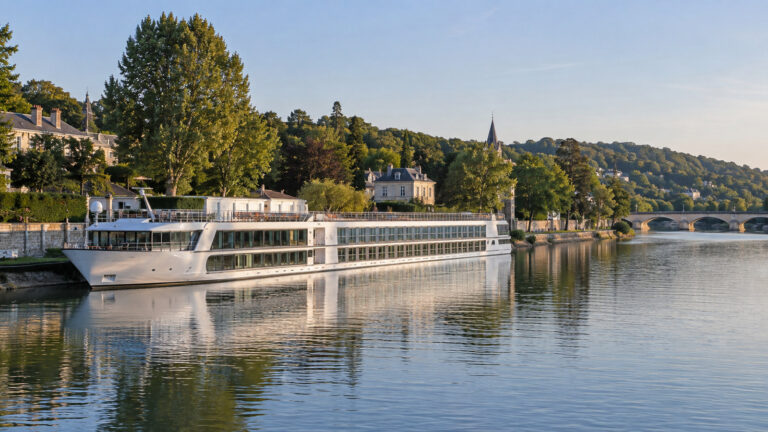
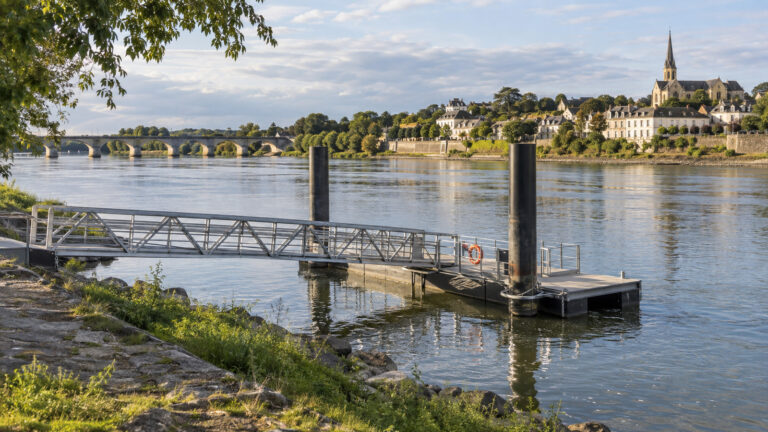
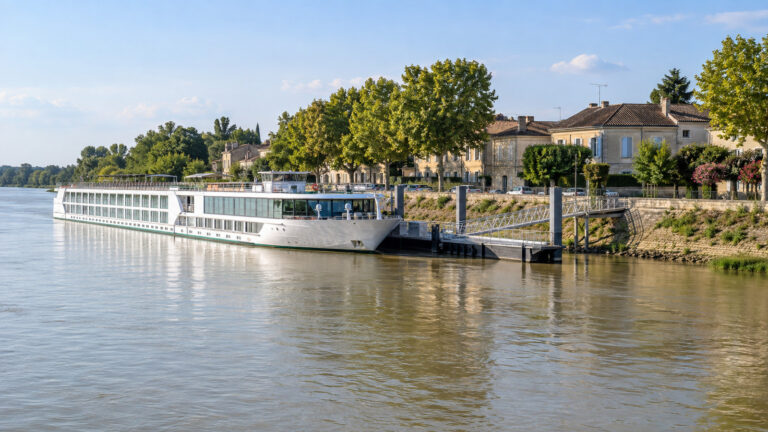
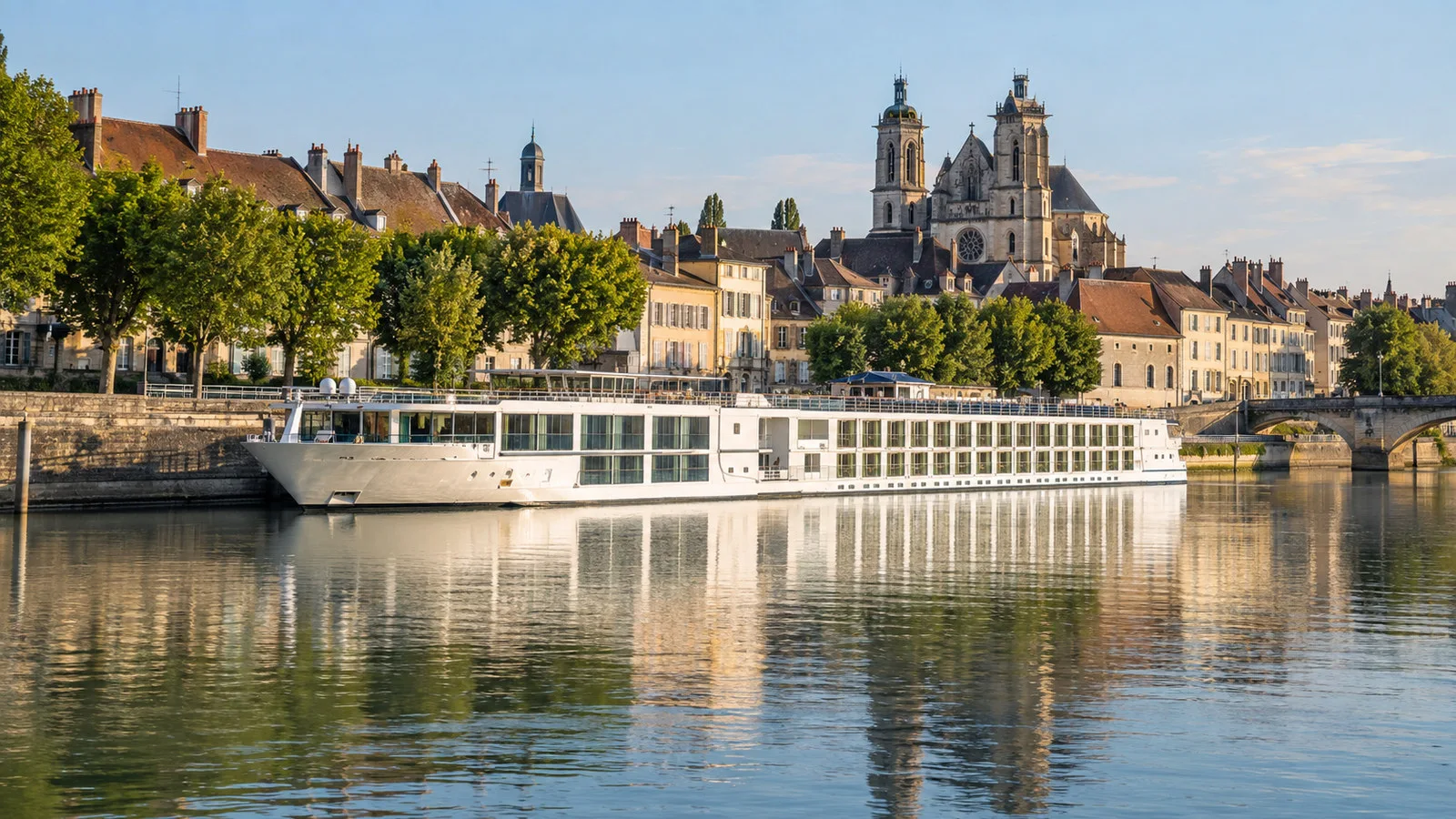
Chalon has several waterside areas, so do not assume every vessel uses the same point. Your cruise director’s map and daily program are the reliable sources for the day’s mooring and walking route.
The Grand Chalon marina is close to the center, the Saône quays, shops, and restaurants, according to the official tourism office. River cruise vessels may use operational moorings rather than the leisure marina itself, so the name of the nearest quay matters.
Expect the gangway angle to change with water level and berth position. Ask the crew about steps, handrails, and the most accessible exit before you disembark.
High or low river conditions can alter navigation and schedules anywhere on an inland itinerary. France’s official Vigicrues network maintains a river-level station at Chalon, but passengers should rely on the cruise line for operational decisions.
Walking into the historic center
Chalon’s central sights are close enough to combine without a tour bus. Start by orienting yourself toward Place Saint-Vincent, then connect the cathedral, old streets, riverfront, and photography museum in a simple loop.
The center mixes pedestrian-friendly streets with older paving and occasional curbs. Comfortable shoes still matter even though the distances are modest.
Pick up a current map from the Grand Chalon tourism office if your mooring route is not obvious. The office is at 4 Place du Port Villiers, which is itself useful as a central reference point.
Leave room for a slow lunch or cafe stop instead of treating the town as a checklist. Burgundy is a place where the meal can be as memorable as the monument.
The Musée Nicéphore Niépce
Nicéphore Niépce was born in Chalon and is central to the story of photography’s invention. The Musée Nicéphore Niépce explains the medium from its earliest experiments through modern and contemporary images.
The museum’s official site lists free admission. From September through June, it is generally open every day except Tuesday and public holidays from 9:30 a.m. to 11:45 a.m. and 2 p.m. to 5:45 p.m.
In July and August, the listed hours are 10 a.m. to 1 p.m. and 2 p.m. to 6 p.m., again with Tuesday and public-holiday closures. Recheck the official site before your visit because exhibitions, maintenance, and holiday schedules can change access.
Allow about an hour for a focused visit, or longer if you like photographic history. Free admission makes it easy to step inside even when you are unsure how much time you want to spend.
Saint-Vincent Cathedral and square
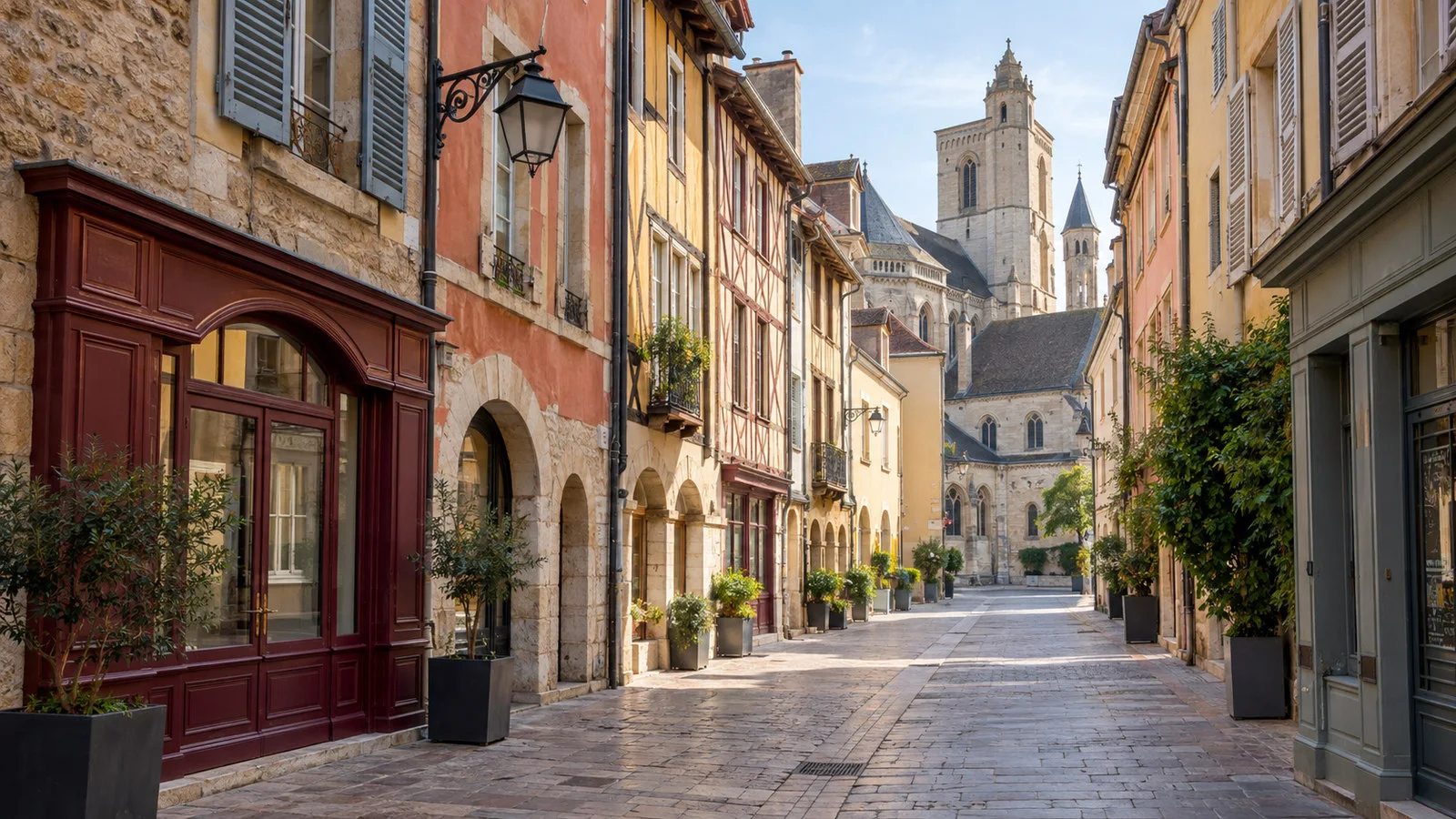
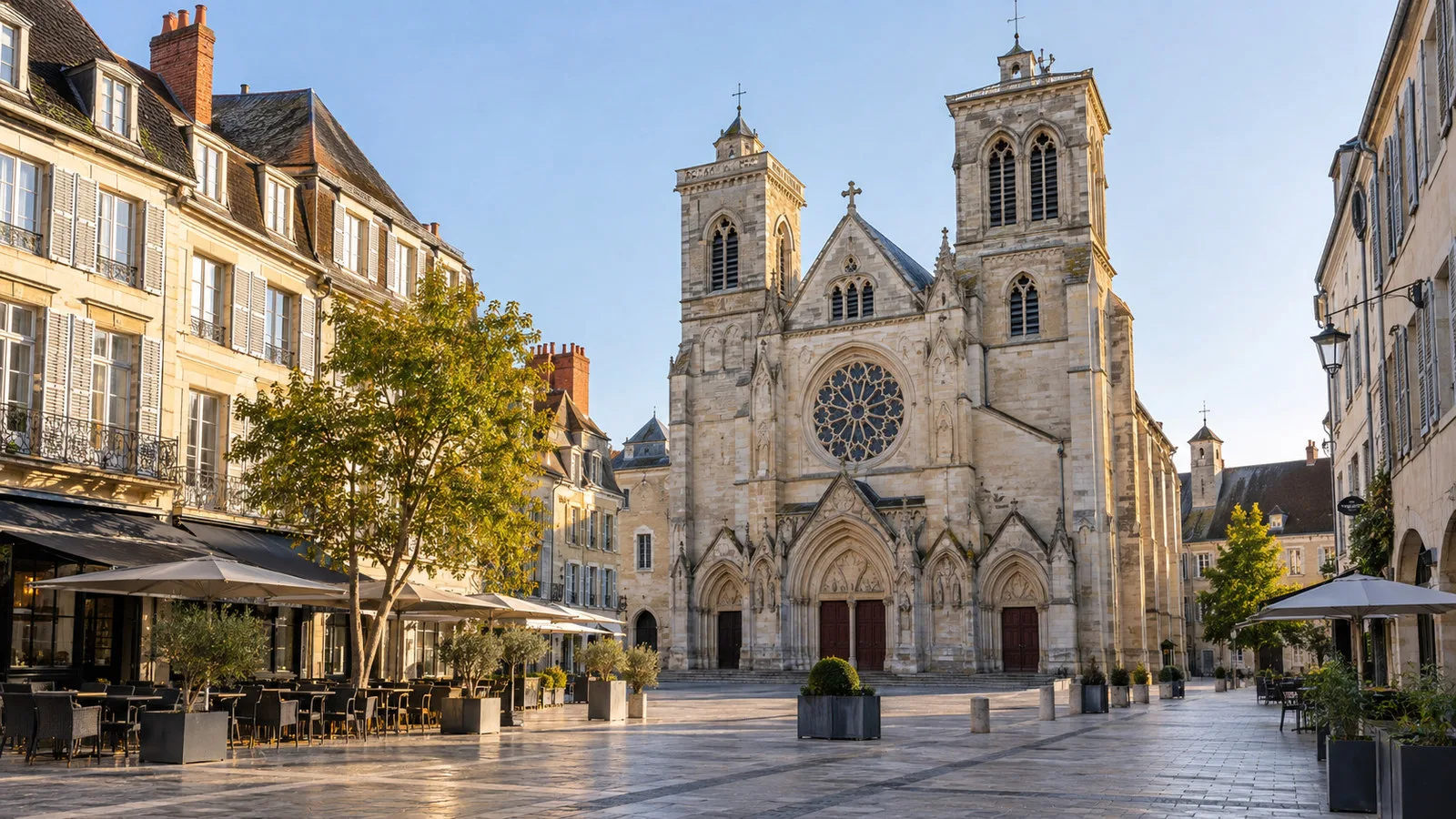
Saint-Vincent Cathedral anchors the historic center and has been built in stages since the late eleventh century. The regional tourism authority says Chalon retains its complete cathedral group, including the former bishop’s palace, canons’ houses, and restored cloister.
The cathedral reopened on October 17, 2025, after a two-year public closure. The nave, transept, and choir are visible again, while restoration work in the chapels is expected to continue through 2027.
Current published hours are daily from 8 a.m. to 6 p.m. outside service times. Treat those hours as guidance rather than a guarantee because worship, events, and ongoing work may affect access.
Place Saint-Vincent is also one of the best places to absorb the town’s character. Half-timbered facades, restaurants, terraces, and the surrounding old streets make this an easy anchor for an independent walk.
Market days
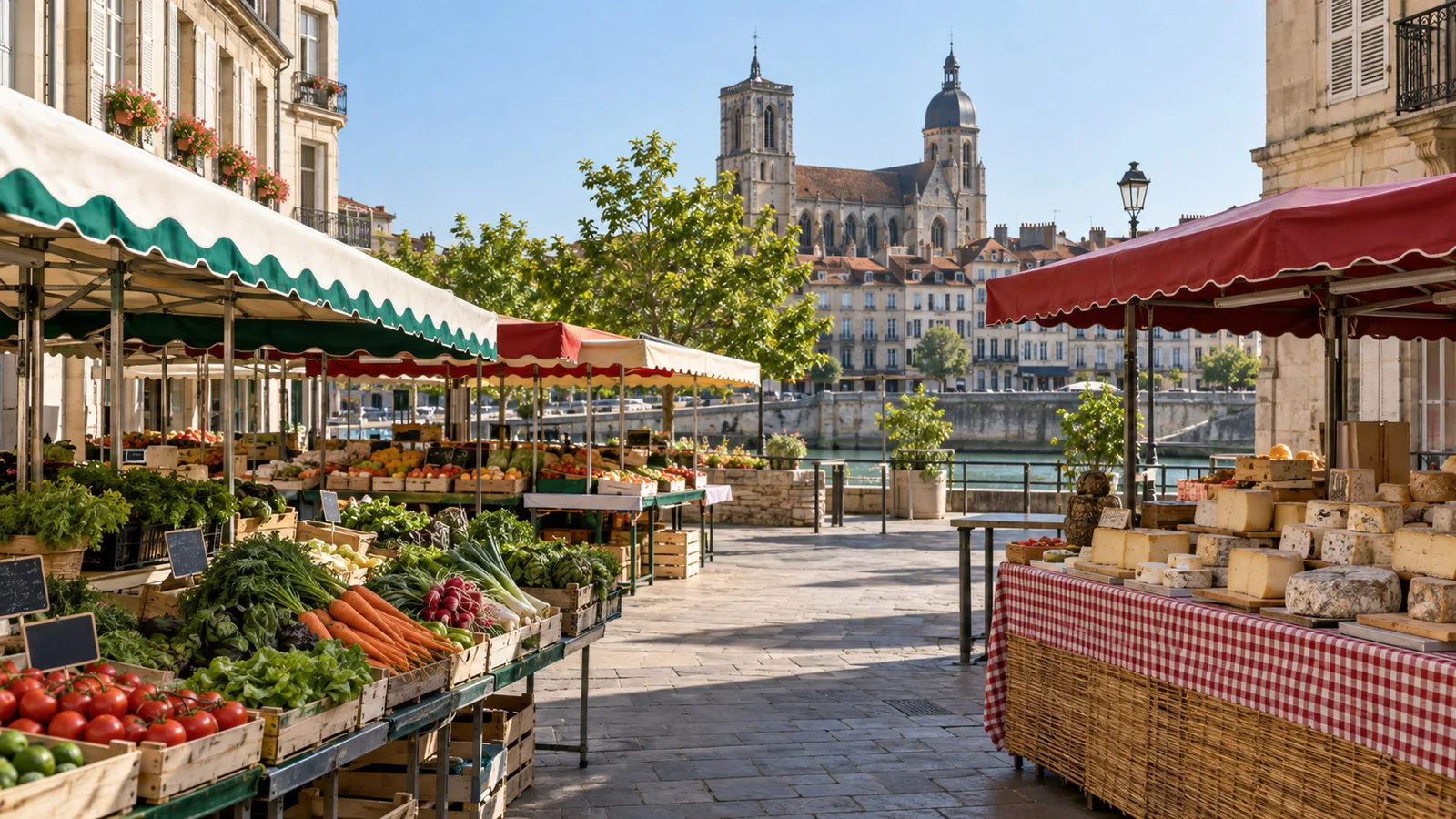
Chalon’s official city site lists a food market around Place Saint-Vincent and Rue aux Fèvres on Friday and Sunday. The city also lists a Wednesday food market at Place de l’Hôtel de Ville and a broader Thursday market in the Stade district.
Friday or Sunday is the most convenient match for a visitor already exploring the historic center. Arrive earlier rather than later if produce, cheese, and local atmosphere matter more than a leisurely lunch.
Market schedules can shift for public holidays, weather, or city events. Use the stalls as a bonus rather than the only reason for your plan.
Île Saint-Laurent and the riverfront
Île Saint-Laurent sits across the water from the central quays and adds a pleasant extension to the old-town loop. Its river views and restaurants make it better for atmosphere than for a packed sightseeing list.
Keep an eye on the route back because bridges and quays can make a short visual distance longer on foot. This is still a comfortable detour when you have a clear map and at least an hour before your return deadline.
The Saône waterfront is also the easiest fallback if a museum is closed or the weather improves unexpectedly. A simple walk by the river keeps you close to the vessel without wasting the call.
Vineyards and countryside excursions
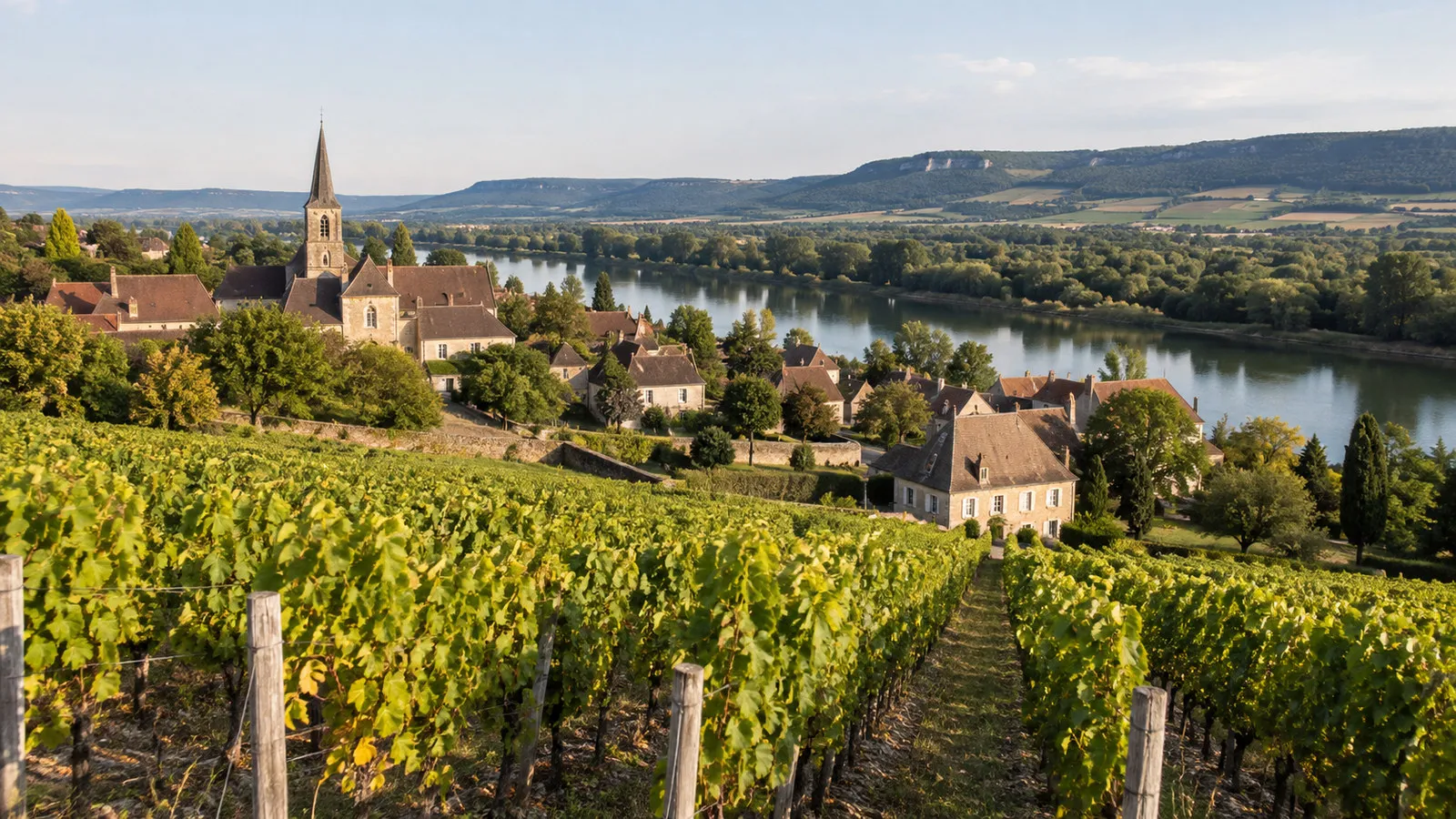
The Côte Chalonnaise begins near Chalon and includes respected wine villages such as Givry, Mercurey, and Rully. This is the most compelling reason to book an organized excursion rather than stay entirely in town.
A ship tour usually coordinates the winery appointment, transport, tasting, and return. That structure matters because individual estates may require reservations and taxis are not always waiting near rural cellars.
Independent travelers can arrange a private driver in advance, but they should not rely on finding one at the last minute. Confirm the total duration, waiting policy, tasting reservation, and the exact mooring for your return.
Beaune is another attractive option, but it is farther and deserves more time. Choose it only when the cruise line offers a well-timed excursion or your call is long enough to support a carefully prearranged transfer.
Stay in town or take the excursion?
Stay in Chalon if you prefer museums, architecture, a market, and an unhurried lunch. The short distances give you control and make it easy to adapt if your ship’s timing changes.
Take the vineyard excursion if tasting Burgundy wine is a trip priority. The tour earns its cost by solving the transport and reservation problems rather than merely supplying a guide.
Trying to tour the museum, explore the cathedral quarter, eat lunch, and visit several wineries is too much for most calls. Pick one main theme and leave space around it.
Mobility and accessibility
Chalon is easier than many hill towns because its central attractions sit on relatively level ground. The main obstacles are the vessel’s gangway, older paving, curbs, and occasional construction around historic buildings.
Ask the cruise line whether an accessible shuttle or taxi can meet the actual berth. A general promise that the town is walkable does not answer the more important question of how you will cross the gangway and quay.
The riverfront and main squares offer places to pause, but seating is not continuous on every lane. Build a compact loop and use a central cafe as a planned rest point.
Ongoing cathedral restoration may create temporary barriers or limit some interior spaces. Check locally on the day rather than assuming every route shown in an older guide remains open.
Food and drink
A local lunch is one of Chalon’s strongest pleasures, but restaurant hours can be less flexible than cruise schedules. If you want a full meal, sit down early enough to avoid a rushed bill and walk back.
Look for regional dishes and Burgundy wines by the glass rather than trying to sample everything. Staff can usually suggest a local pairing if you explain how much time you have.
Keep tasting modest if you are walking on cobbles or crossing a gangway later. Water and a real meal are more useful than squeezing in one extra pour.
Weather and safety
Summer can be warm, while spring and fall bring changeable weather. Pack light layers and a compact rain jacket because riverfront conditions can feel cooler than sheltered streets.
In winter or early morning, fog can affect the atmosphere and navigation schedule. Let the crew handle operational decisions and keep your own plan flexible.
Use normal city precautions for phones, wallets, and bags, especially around markets and transport points. The more common port-day problem is losing track of time over lunch rather than encountering a destination-specific hazard.
Getting back to the ship
Return using the deadline printed in the cruise line’s daily program, not a time remembered from breakfast. River ships may need to meet lock, bridge, and navigation schedules.
Aim to be at the gangway at least 15 minutes early when you stay in the center. Allow substantially more margin after any road excursion because traffic, winery timing, or a slow meal can compound quickly.
Photograph the vessel’s mooring and the nearest street sign before setting off. That small step is especially helpful if several passenger ships are lined along the same section of quay.
A practical three-hour plan
Walk first to Place Saint-Vincent and visit the cathedral if access is open. Continue through the historic lanes to the photography museum, allowing about an hour inside.
Use the remaining time for the market when it is running, a coffee near the square, or a short riverfront loop. Start back before the schedule feels tight rather than spending the final minutes searching for a specific shop.
If the museum is closed, extend the old-town walk and include Île Saint-Laurent. The destination still works well without an indoor attraction.
How Chalon fits a Burgundy cruise
Chalon often appears on Saône itineraries linking Burgundy with Lyon and the Rhône. It can also serve as a gateway to the Canal du Centre and the slower world of Burgundy hotel barges.
The stop provides a useful contrast with larger cities because it is compact and locally focused. Photography, food, wine, and the river all connect without a long urban transfer.
If your itinerary continues toward the Rhône ports, use Chalon as the low-pressure day. Save your energy here rather than trying to turn every call into an eight-hour excursion.
Quick answers
Can I explore Chalon-sur-Saône independently?
Yes. The main central sights are close together, and an official tourism map is usually enough for a comfortable self-guided visit.
Is the photography museum free?
The museum’s official site currently lists free admission. It is normally closed on Tuesdays and public holidays, with a midday closure outside July and August.
Is Saint-Vincent Cathedral open?
The cathedral reopened in October 2025, and its main spaces are visible again. Restoration work continues in the chapels through 2027, so some areas may remain restricted.
When is the central food market?
The city currently lists food markets around Place Saint-Vincent on Friday and Sunday. Check for holiday changes before building your day around them.
Do I need a vineyard excursion?
No, because Chalon itself supports a complete port day. Book the excursion when wine is your priority and you value coordinated transport.
How early should I return?
Be at the gangway at least 15 minutes before the ship’s stated deadline when staying in town. Build a much larger buffer for any road trip beyond Chalon.
The last word
Chalon-sur-Saône succeeds because it is easy to enjoy at walking pace. See the museum, check the restored cathedral, eat well, and let the river set the rhythm.
How this guide was researched: Unless a first-hand visit is explicitly identified above, this guide is based on independent research using official port, tourism, transit, government, and attraction sources where available. Logistics and time-sensitive details were reviewed in September 2026. See our Editorial Policy.