Calvi Cruise Port: Corsica’s Citadel and Beach
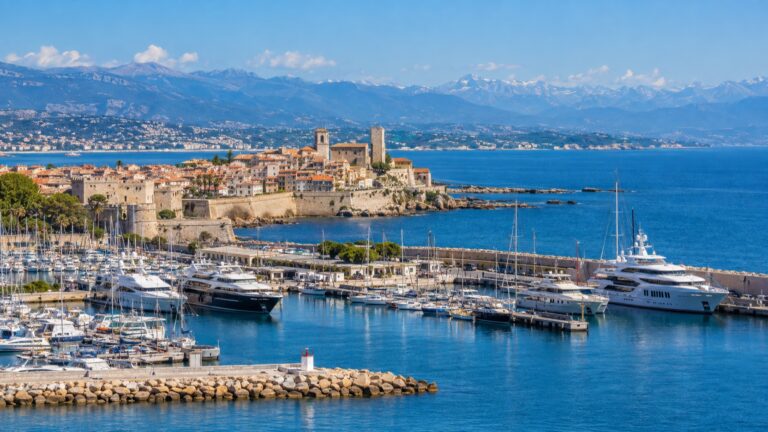
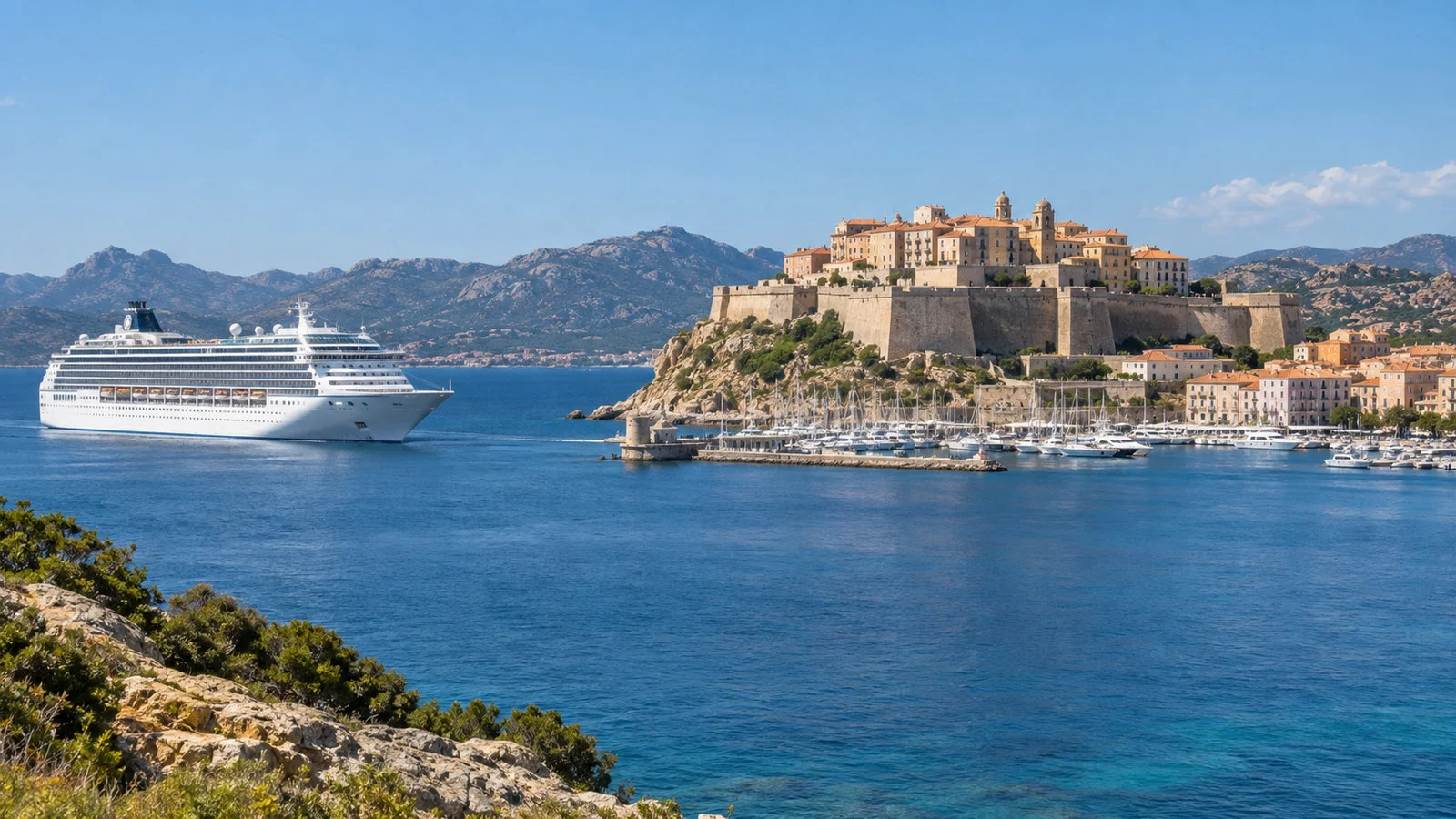
Calvi is the kind of Corsican port that looks wonderfully simple from the ship. The citadel rises above the marina, the old town sits close to the waterfront, and a long sandy beach curves around the bay.
The catch is that many cruise calls use tenders, so weather and sea conditions control the first and last part of the day. Once ashore, a compact independent plan works beautifully if you confirm the landing point and last tender before setting off.
My quick take
Choose the citadel plus a short beach or waterfront walk for the easiest day. Choose a ship excursion or prearranged driver for the Balagne villages, Notre-Dame de la Serra, or a longer coastal outing.
Calvi rewards a small plan more than a crowded checklist. The harbor, citadel, and bay already deliver the setting most passengers came to see.
Calvi quick facts
- Country: France
- Island: Corsica
- Region: Balagne
- Typical cruise access: Tender, depending on the vessel and harbor plan
- Main sights: Calvi Citadel, old town, marina, and Calvi Beach
- Good regional options: Balagne villages, L’Île-Rousse, or a scenic coastal tour
- Currency: Euro
- Language: French and Corsican, with English available in many visitor businesses
- Best first check: Tender landing, last tender, and whether tickets are required
Port logistics: anchoring in Calvi Bay
Many cruise ships anchor in the bay and carry passengers ashore in tender boats. The exact operation depends on the vessel, local traffic, berth availability, and conditions that morning.
Attend the ship’s tender briefing even if you have visited before. Ticket systems, priority groups, landing points, and the final return time can change from one call to the next.
The transfer can become bouncy when wind enters the bay. Use the crew’s instructed grip, keep both hands free, and secure phones, hats, and loose bags before stepping between ship and tender.
A captain may pause or cancel tendering when the sea state is unsafe. Treat that as an operational decision rather than a promise the crew failed to keep.
Photograph the landing as soon as you arrive because the marina has several quays and busy boat traffic. Save the ship’s contact number and ask whether the last tender time means joining the line or being aboard the boat.
Getting into town
The marina, lower old town, and citadel approach are close enough to combine on foot from a central tender landing. The route is less simple for travelers who struggle with slopes, steps, heat, or uneven stone.
Use the citadel as your visual reference, but follow public streets rather than trying to cut through private marina areas. Ask the tender staff which return quay will be used because operations can shift within the harbor.
Taxis are useful for Notre-Dame de la Serra, viewpoints, or a short Balagne drive. Agree on the price, route, waiting time, and return location before leaving the waterfront.
Local rail service connects Calvi with coastal stops and L’Île-Rousse, with a distinctive route beside the beaches. Schedules are seasonal, so verify current times locally and never make the final available train your only path back to a tender.
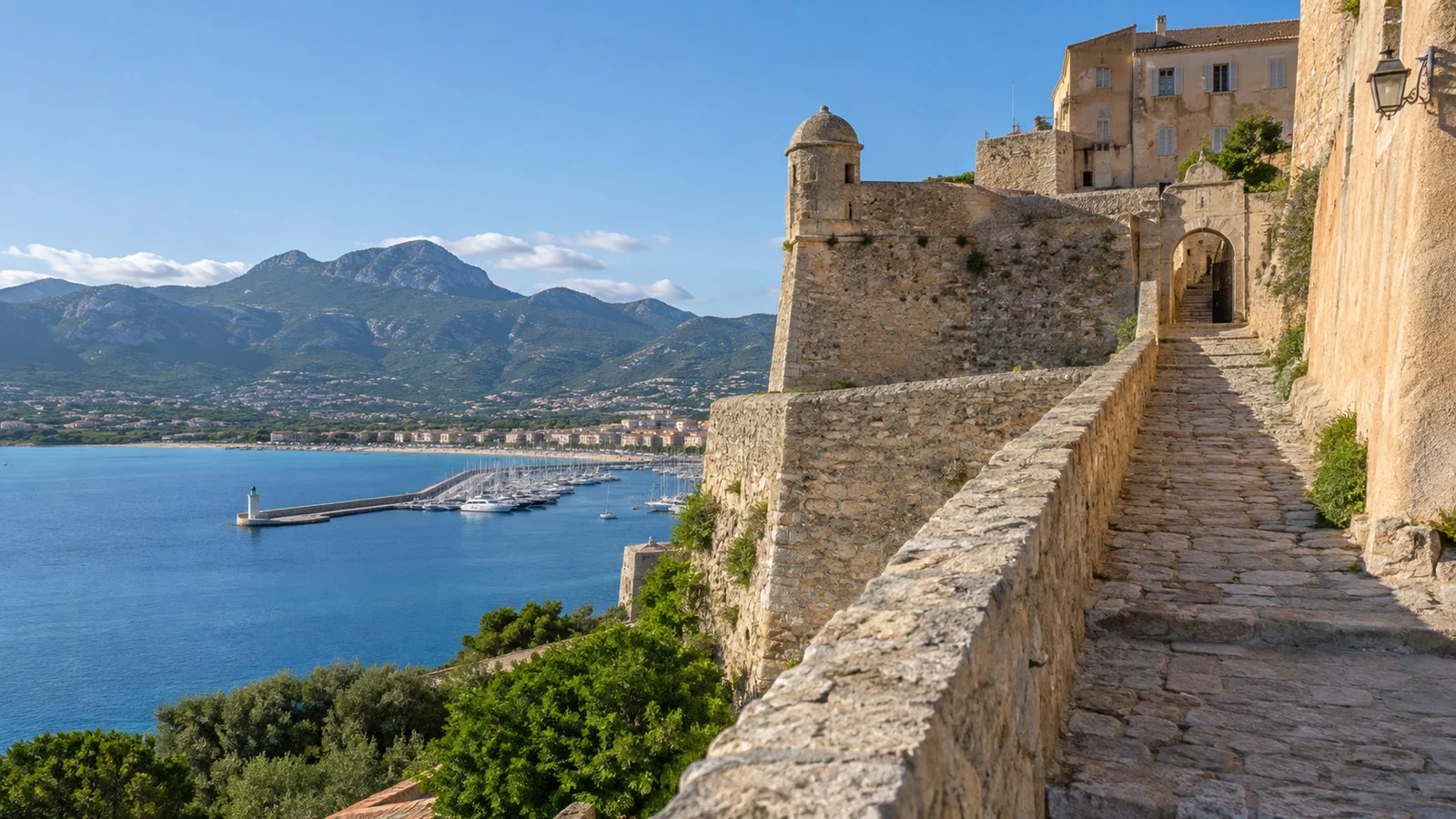
The citadel is Calvi’s essential walk
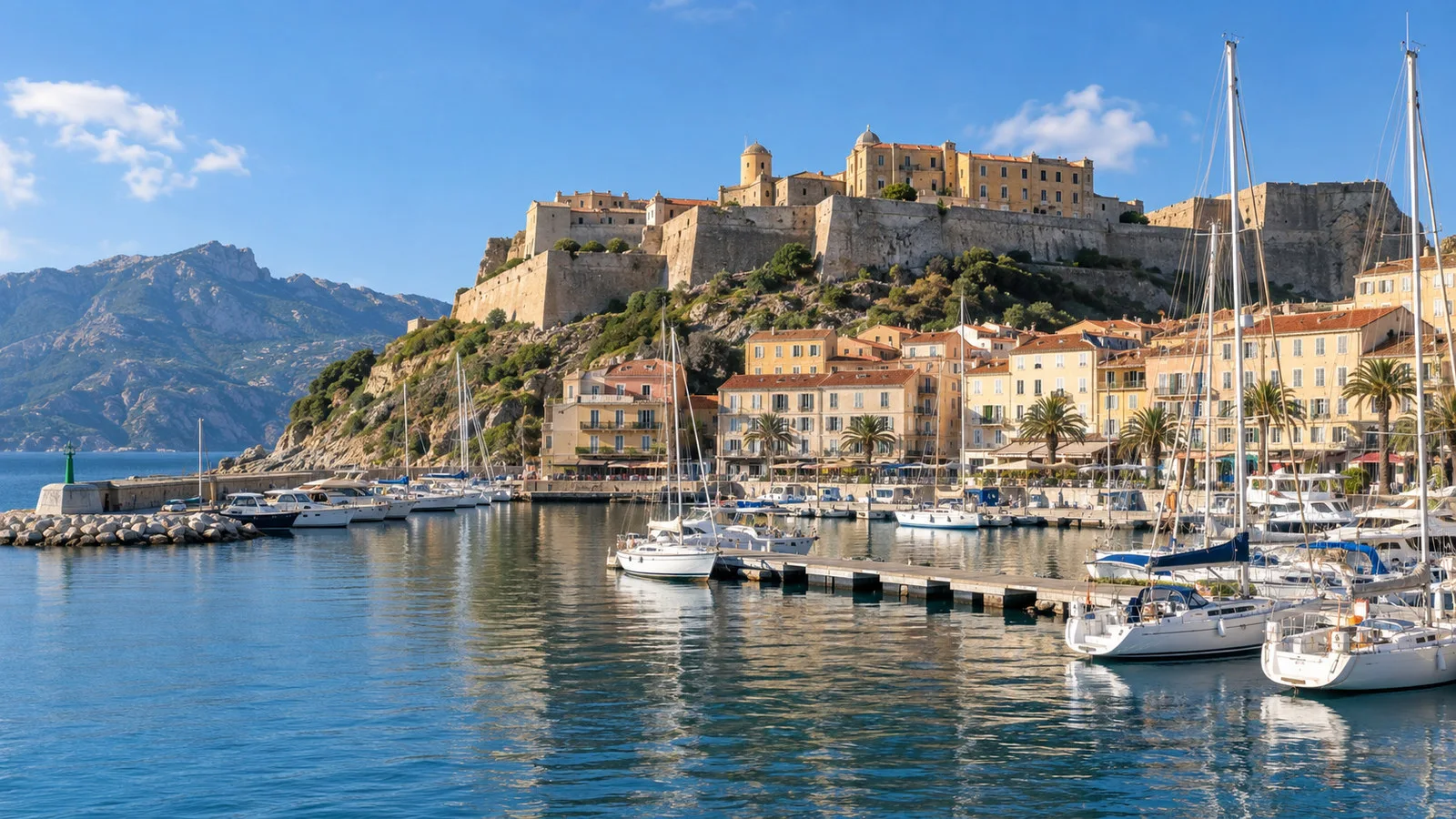
The citadel occupies a rocky headland above the port and contains lanes, walls, viewpoints, historic buildings, and the Cathedral of Saint John the Baptist. It is a living part of town rather than a single attraction with one entrance ticket.
Climb at a steady pace and look back toward the marina as you gain height. The best experience comes from the changing views and streetscape, not from racing to one marked photo point.
Cathedral and church access may be limited during services, events, or maintenance. The official City of Calvi website publishes local notices and events that can affect a visit.
Keep voices low around places of worship and dress with reasonable respect. If an interior is closed, the lanes and harbor views still make the ascent worthwhile.
The citadel has uneven paving, steps, and steep sections. Shoes with grip are more useful here than sandals chosen only for the beach.
The marina and lower town
The lower town provides the easiest mix of cafes, shops, harbor views, and flatter walking. It is also the safest place to spend the final part of the call because you remain close to the tender operation.
Restaurant service can slow during a busy summer call. Ask whether a meal fits your available time before sitting down, or choose a simpler snack when the last tender is approaching.
Corsican products, pastries, and ice cream make easy purchases, but not every item marketed with island imagery is locally made. Read labels and ask direct questions if origin matters to you.
Keep enough euros for a small purchase even though cards are widely used. A market stall or seasonal vendor may have a minimum or an unreliable connection.
Calvi Beach
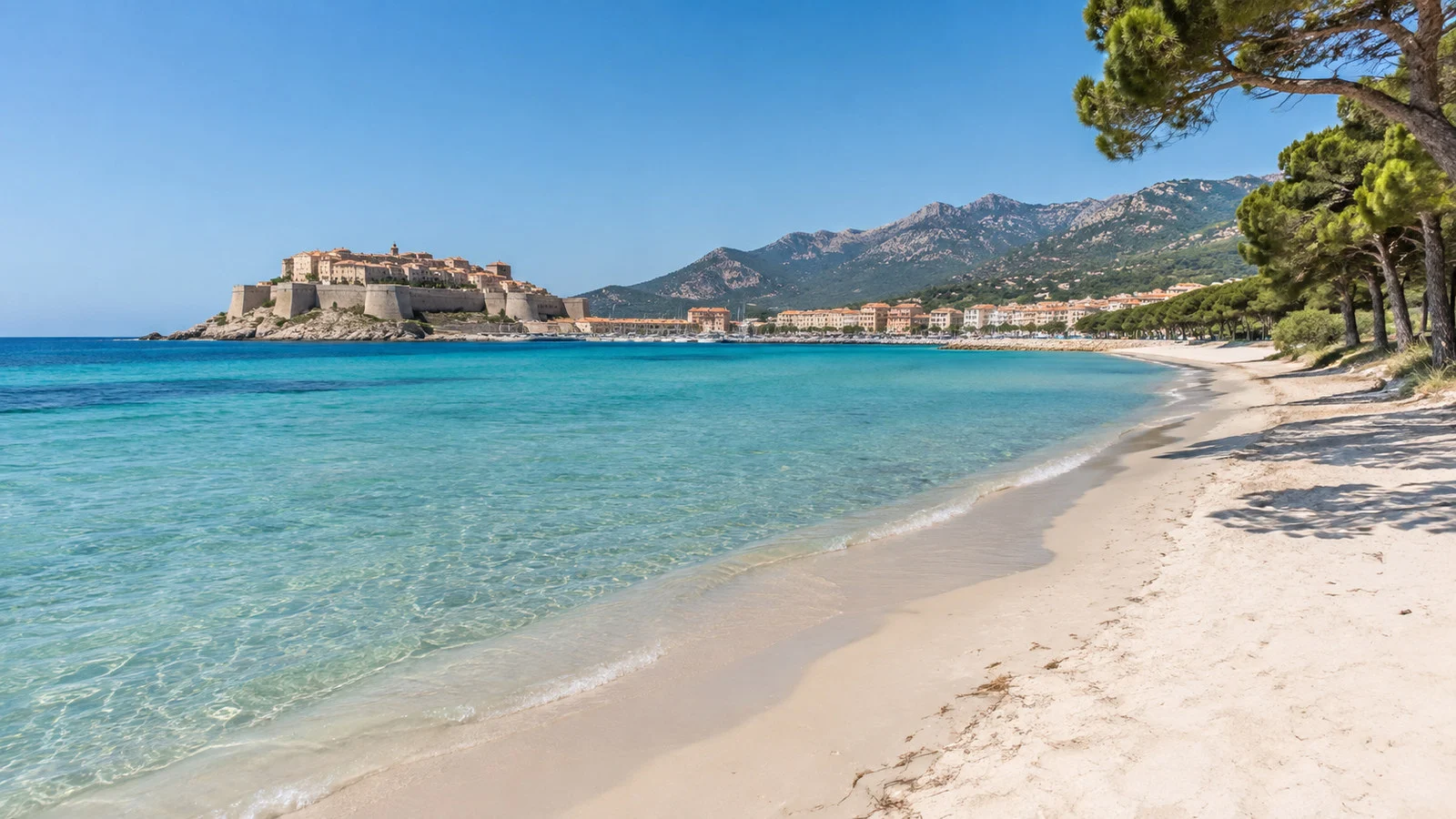
Calvi’s sandy beach runs along the bay east of town and is one of the easiest beach options in a Corsican cruise call. The closest sections can be reached without turning the day into a long transfer.
Do not describe the beach as a few steps from every possible tender landing. The walk depends on the quay, and the most appealing stretch for you may be farther along the bay.
Beach clubs and seasonal services change through the year. Confirm what is open before relying on a lounger, accessible mat, restroom, or meal service.
Follow posted swimming conditions and lifeguard instructions. Wind, boat traffic, and changing weather can affect water safety even when the bay looks protected.
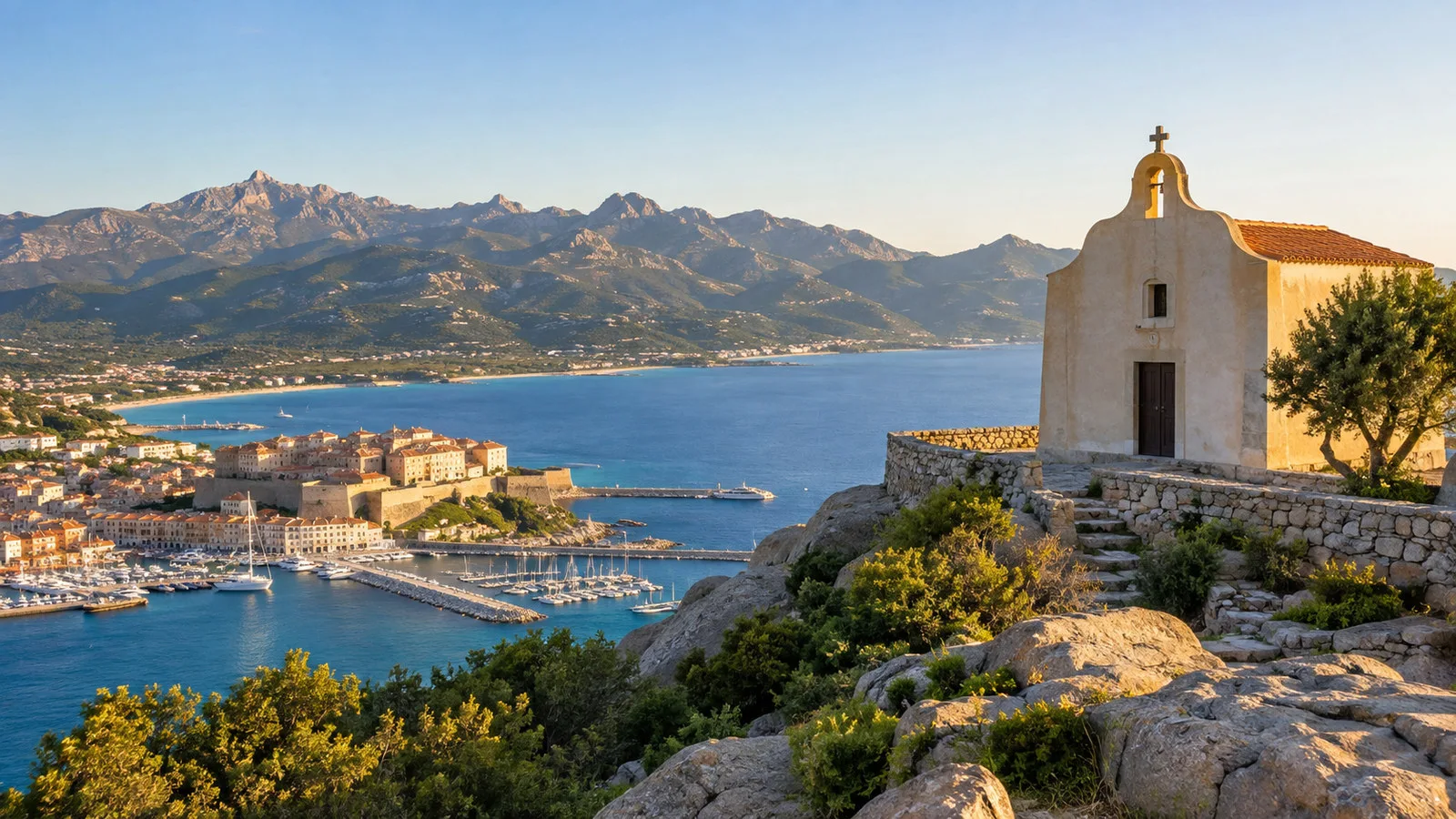
A simple independent plan
Start with the citadel while your energy is highest and the day is cooler. Descend through the lower town, pause near the marina, and finish with a short section of beach or waterfront.
This order keeps the final hour close to the tender. It also lets you shorten the beach portion if the climb took longer than expected.
If you prefer not to climb, stay in the lower town and follow the bay toward the beach. You will miss the high viewpoints but gain a flatter and more relaxed day.
Check the official Corsica tourism portal for current regional information before sailing. Seasonal closures and transport patterns matter more on an island than a generic year-round itinerary suggests.
Notre-Dame de la Serra and Balagne viewpoints
Notre-Dame de la Serra sits above Calvi and is known for a broad view over the bay. It is not a casual extension of the central citadel walk for most cruise passengers, so use a taxi, excursion, or clearly planned route.
Ask the driver how much walking and how many steps are required at the viewpoint. A panoramic stop can still involve uneven surfaces and exposure to sun or wind.
The Balagne region includes hill villages, coast, vineyards, and craft traditions. A guided drive adds context and removes the need to coordinate several limited local connections.
L’Île-Rousse can be reached by road or rail, but the journey should be evaluated against the tender schedule. Staying in Calvi is the better choice when the call is short or the last reliable return would be close to all-aboard.
Boat trips and coastal excursions
Calvi has a busy excursion-boat scene, with routes that may explore coves, coastline, or protected areas farther south. A cruise passenger should prioritize a ship-operated option or a private operator that understands the vessel’s tender deadline.
Sea conditions can change both the route and the return time. Confirm the cancellation policy, the actual duration, and what happens if the cruise ship advances its last tender.
Do not add an independent boat trip after assuming the tender transfer will be instant. You need time to disembark, find the operator, complete their check-in, and return through the cruise line’s own boarding process.
A simple harbor and citadel day remains a strong backup if a longer boat outing is canceled. Keep that plan in mind before committing emotionally to one weather-dependent excursion.
Ship excursion or go it alone?
Explore independently for the citadel, old town, marina, and nearby beach. These sights form a natural loop and do not require a guide to connect them.
Choose a ship excursion for Balagne villages, wine country, a long coastal boat trip, or several viewpoints. Organized transport becomes more valuable as soon as the itinerary leaves central Calvi.
Read the excursion description for walking grades, steps, shade, and free time. A “panoramic” tour may involve little walking, while a village visit can include steep lanes that the brochure understates.
Independent travelers should keep the day’s last tender time visible. A beautiful coastal train ride is not worth relying on if one missed service could endanger the return.
Accessibility on tender days
The tender transfer is the main accessibility barrier. It can require stairs on the ship, a step across a moving gap, and enough balance to use a crew-assisted grip.
Ask the cruise line before sailing whether wheelchairs, scooters, walkers, or other mobility devices can be carried. The captain may still restrict tender boarding on the day because sea conditions determine what is safe.
The lower waterfront offers the easiest surfaces, while the citadel introduces steep grades and irregular stone. A taxi can reduce some climbing, but vehicle access may not reach every lane or entrance.
For the beach, verify the current location of accessible access, mats, restrooms, and seasonal assistance. A paved promenade does not make the sand itself accessible.
Weather and safety in Calvi
Summer sun can make the citadel climb feel harder than its distance suggests. Carry water, use sun protection, and climb early rather than saving the steepest part for midday.
Wind affects both exposed viewpoints and the tender ride. Secure loose items and stay back from unguarded edges when gusts increase.
Stone can become slippery after rain, especially on slopes and polished steps. Slow down and use the route with the best footing rather than the shortest-looking alley.
Use normal precautions around the marina and keep clear of working lines, gangways, and private boat areas. Small harbors remain active transport spaces even when they look like a postcard.
Timing your return to the ship
The last tender normally leaves before the ship’s scheduled departure. Photograph the posted time and confirm the return quay, especially if you landed during a busy period.
I would aim for an earlier tender when exploring independently. A queue, sudden wind, or a temporary pause in boat movements can make the final scheduled departure unnecessarily stressful.
Allow extra time if you are returning from a beach farther along the bay or from a regional tour. Reaching Calvi town is not the same as standing in the correct tender line.
If your cruise line changes the landing during the call, follow crew and local signs rather than retracing your morning route automatically. Save any written update or map pin issued onboard.
How Calvi fits a France cruise
Calvi is more intimate and resort-like than many mainland French ports. It combines history and beach time within one compact view, which makes the tender worthwhile when conditions cooperate.
Compared with Bastia, Calvi places the citadel and sandy bay at the center of the experience. Ajaccio offers a larger urban call with a different set of regional excursions.
Our broader France port guide helps compare Corsica with continental calls. Calvi’s defining practical issue is the tender, while its defining pleasure is how little transportation a satisfying local day requires.
Quick answers
Is Calvi always a tender port?
Many cruise calls use tenders, but the exact arrangement depends on the ship and harbor plan. Follow your cruise line’s information for the specific sailing.
Can I walk to the citadel?
Yes, from a central landing if you are comfortable with hills, steps, and uneven paving. Travelers with limited mobility should ask about taxi access and realistic drop-off points.
How close is Calvi Beach?
The beach begins near the town side of the bay, but the distance varies with your tender landing and chosen section. Leave enough time to return, change, and join the boat line.
Can I use the coastal train?
Yes, when the seasonal timetable fits your call and you understand the return stops. Do not rely on the last possible service before the final tender.
What is the best short plan?
Climb the citadel, walk through the lower town, and finish near the marina or closest beach section. This gives you Calvi’s history and coastal setting without a fragile transport connection.
Is Calvi accessible?
The lower waterfront can be manageable, but tender boarding and the citadel create significant barriers. Confirm the boat transfer with the cruise line and use a flatter harbor plan if the climb is unsuitable.
The last word
Calvi makes a lovely cruise day when you respect the tender and keep the plan focused. Let the citadel, harbor, and bay do the work, then return before the final boat turns an easy afternoon into a rush.
If a harbor procedure or access detail changes after your call, our editorial policy explains how to send a correction. Current directions from the ship, harbor, and local authorities always take priority.