Jorhat and Neamati River Cruise Port: Embarkation Guide
Jorhat and Neamati serve different parts of the same Brahmaputra cruise journey. Jorhat provides the airport, hotels, and city services, while Neamati Ghat is the river access point used for ferries and many cruise embarkations.
That distinction is the key to a smooth arrival. A taxi request for Jorhat port is not precise enough when the ship’s landing can move with the river.
Quick Facts
- River landing: Neamati Ghat, also spelled Nimati, is the Brahmaputra access point north of Jorhat.
- City role: Jorhat provides the airport, hotels, pharmacies, banks, and tea-country connections.
- Transfer: Use the cruise company’s transfer whenever possible because the exact landing and meeting point can change.
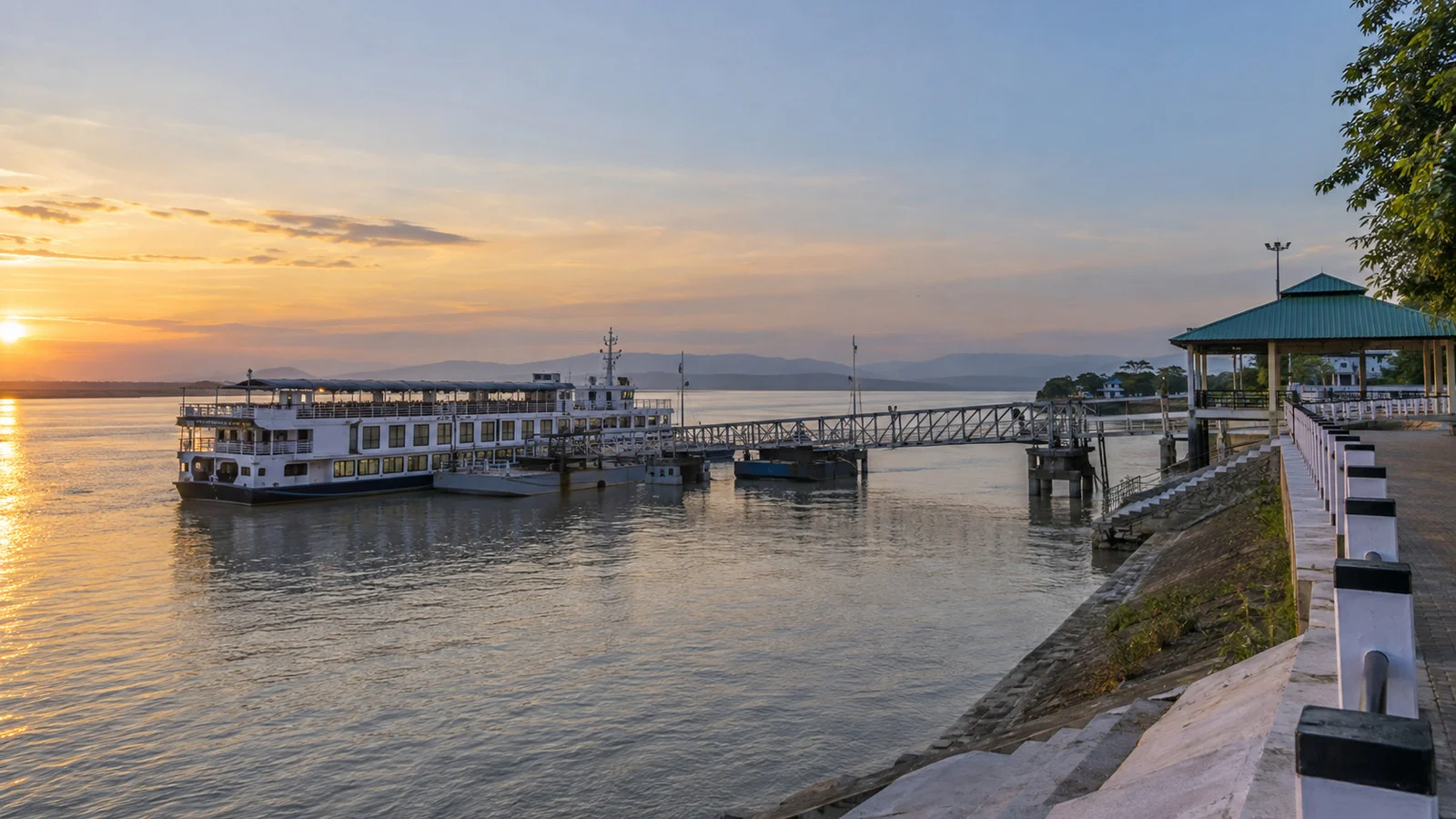
- Infrastructure: Neamati has existing floating waterway facilities, while a larger cruise terminal project began in 2026.
- Season: Long Brahmaputra cruises generally operate in the cooler, drier part of the year rather than during the main monsoon.
- Currency: India uses the Indian rupee.
- Time zone: India Standard Time is UTC+5:30 throughout the year.
Jorhat is not the river landing
Jorhat is an inland city and a major center for transportation, commerce, and the Assam tea industry. Neamati lies on the Brahmaputra north of the city and serves as the practical waterway connection.
Official documents commonly use Neamati, while local and tourism materials may use Nimati. Keep the spelling, map pin, and driver contact supplied by the cruise operator together.
The journey from Jorhat city or airport to the ghat can vary with traffic, road condition, fog, ferry queues, and the seasonal access point. Treat any general drive time as a planning range rather than a guarantee.
An operator transfer has one major advantage: the driver can receive a landing update. An independent taxi needs the exact ghat, vessel name, meeting time, and a working local contact.
What exists at Neamati
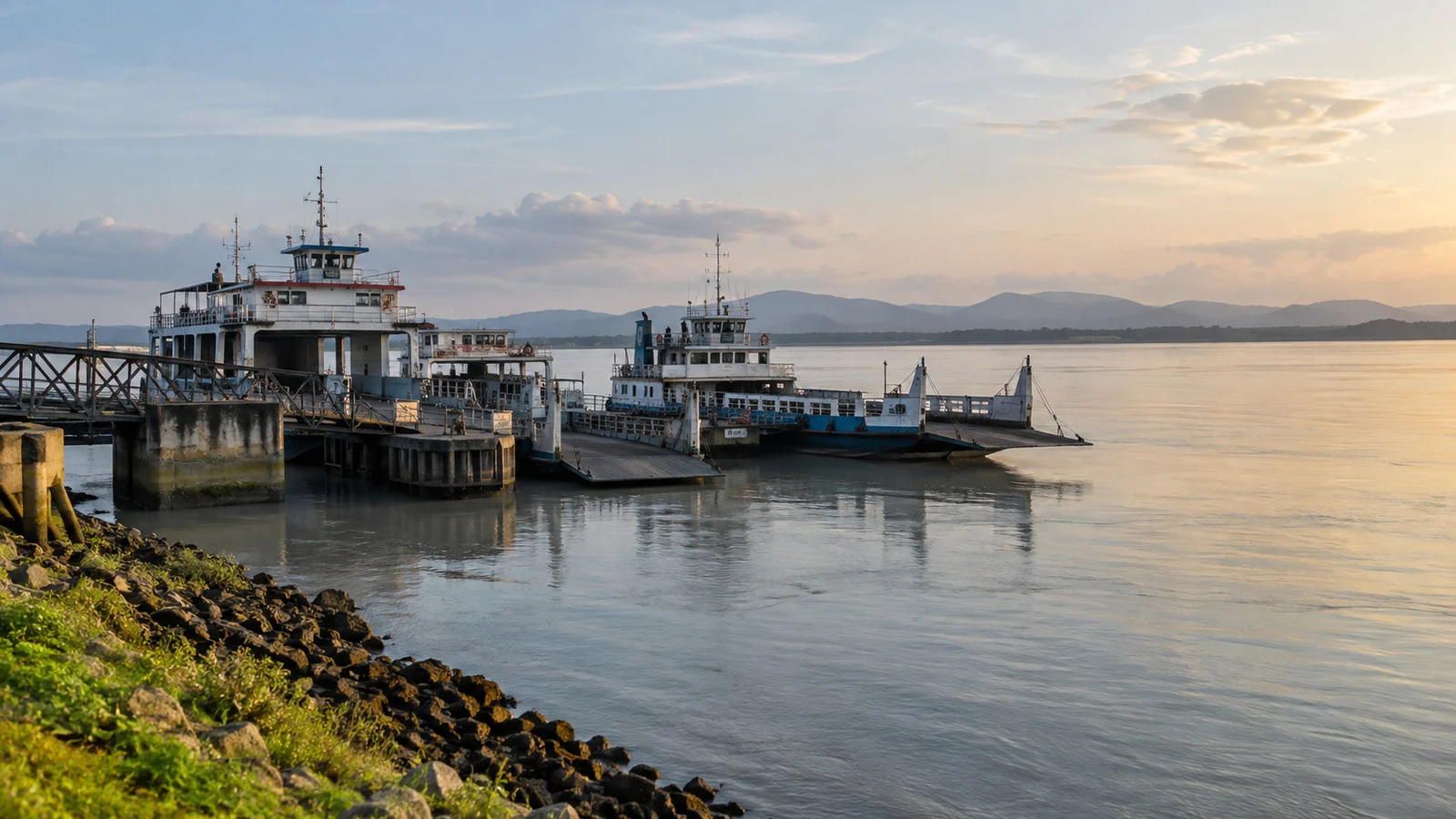
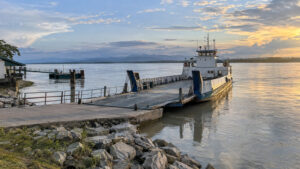
Neamati is part of National Waterway 2 on the Brahmaputra and supports working passenger and cargo movement. Existing floating facilities rise and fall with the river, which helps operations but does not eliminate gangway changes.
A steel pontoon or cruise jetty can still involve steps, temporary matting, sand, mud, narrow walkways, or a small launch. The ship may use another safe bank when channel or landing conditions require it.
Ask for the final gate, transfer contact, emergency number, baggage instructions, and meeting time in writing. Save the details offline because mobile service may be inconsistent near a changing riverbank.
The new cruise terminal project
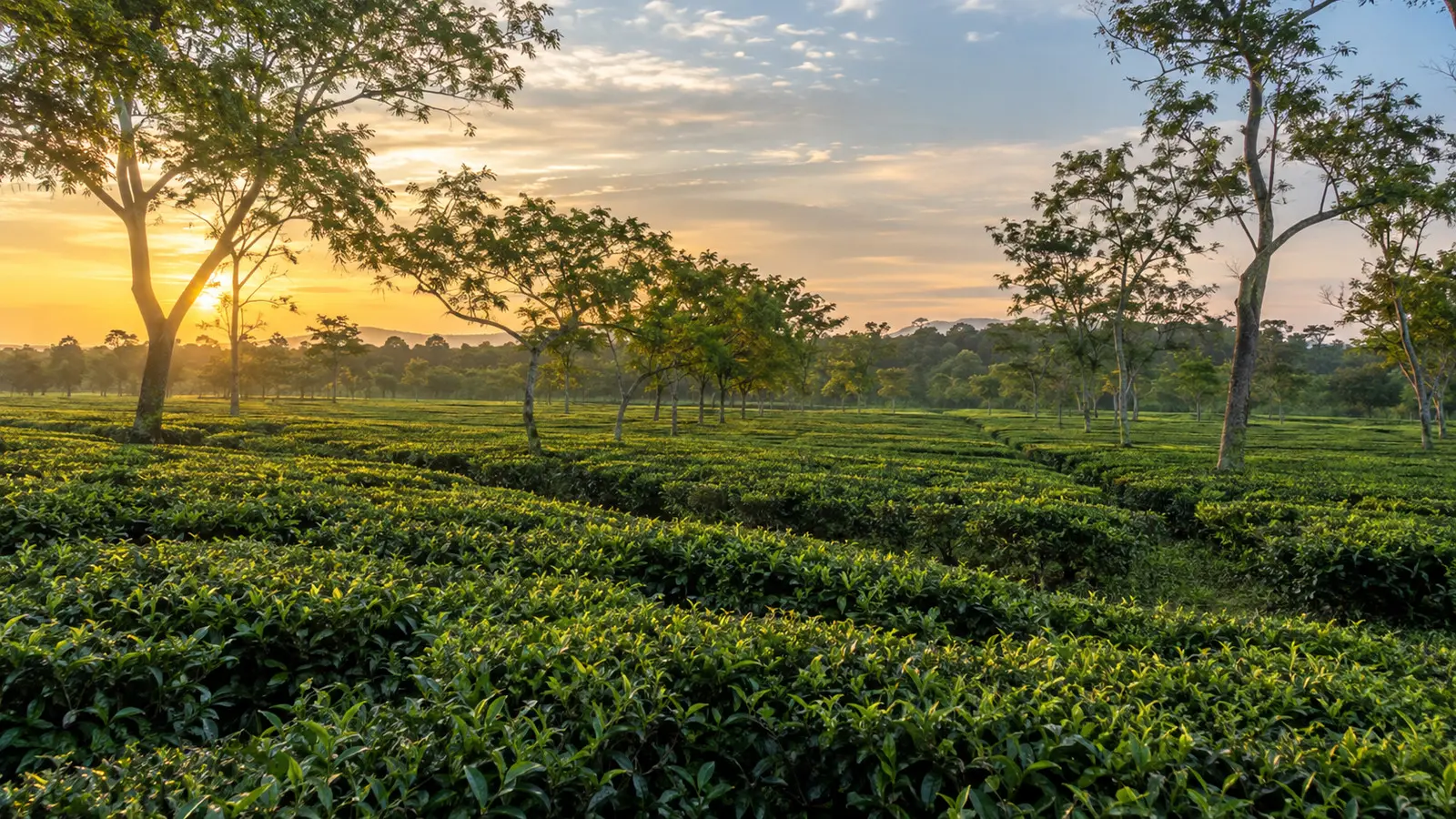
India’s Press Information Bureau reported in March 2026 that the foundation stone was laid for a cruise terminal at Neamati. The project is intended to improve organized passenger movement and support cruise tourism on National Waterway 2.
Construction starting does not mean every planned passenger facility is already open. Until the cruise operator names a completed terminal, prepare for the existing jetty, another floating landing, or an assigned bank.
This matters for shade, seating, restrooms, luggage handling, and step-free access. Ask what will actually be available for the sailing date rather than planning around a project illustration.
Why the Brahmaputra landing can move
The Brahmaputra is a braided, sediment-heavy river whose channels shift around sandbars. Pilots monitor depth, current, markers, bank stability, weather, and other vessels instead of assuming an earlier track remains open.
A relocated embarkation point or delayed departure is usually a safety decision. It does not automatically mean the cruise itinerary has failed.
No authoritative source publishes a dependable Neamati missed-call percentage. The more realistic risk is a changed ghat, gangway, meeting time, or first excursion.
Arrive in Jorhat early
A pre-cruise night in Jorhat protects the voyage from flight delays, baggage problems, road disruptions, and fog. It also provides time to confirm the operator transfer before embarkation morning.
Keep the ship’s contact information and hotel desk number on paper as well as on the phone. A dead battery is an avoidable complication when a driver is trying to locate a guest.
Use the operator’s flight guidance for the latest acceptable arrival. A scheduled domestic connection can change, and the ship cannot always wait on a river with daylight and navigation constraints.
Tea history in Jorhat
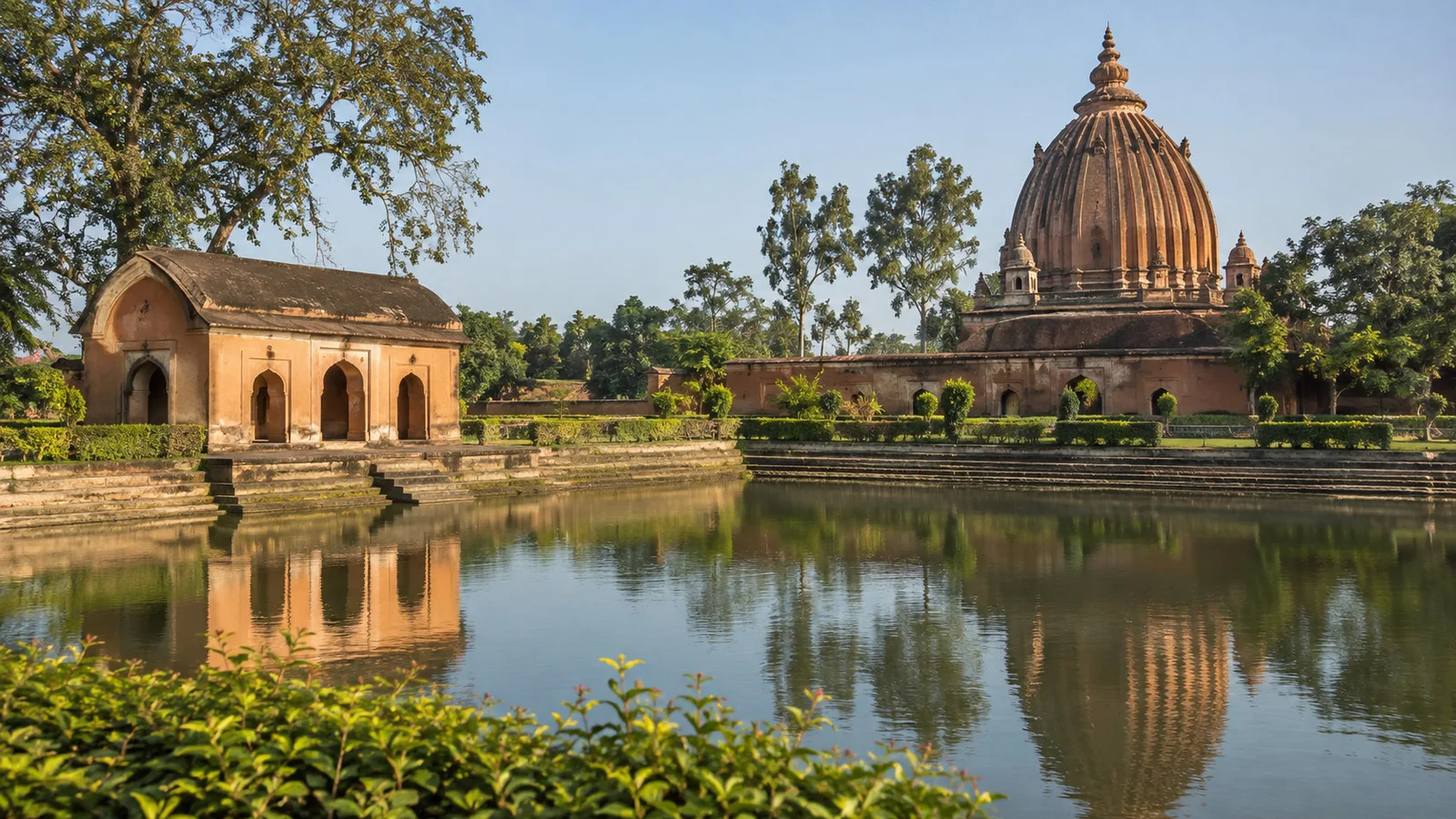
Jorhat is one of Assam’s important tea centers. The district government’s Tocklai page identifies the Tea Research Institute as a major research center founded in 1911.
Public access, hours, and available demonstrations should be confirmed before visiting. A research campus and working factory do not operate like a museum with guaranteed daily tours.
Tea estates around Jorhat are working agricultural and industrial properties. Reserve a visit through the cruise line, hotel, or reputable local operator rather than arriving at a gate unannounced.
Plucking and factory work depend on season, weather, leaf quality, and production schedules. Ask whether the visit includes gardens, machinery, a tasting, or only an exterior overview.
Planning a tea-estate visit
Closed shoes, sun protection, insect repellent, and modest comfortable clothing suit most estate visits. Follow machinery boundaries and ask before photographing workers, homes, or production areas.
A good tasting explains leaf grades and processing styles without turning every cup into a performance. Buy sealed tea from the estate or a reputable shop if freshness and origin matter.
Do not schedule an independent estate visit close to embarkation. Rural roads, an extended tour, or a moved ghat can remove the return margin quickly.
Sivasagar and Ahom heritage
Sivasagar is an important overland excursion from the Jorhat region, not a walk from Neamati. Regional heritage circuits can include Sivadol, Rang Ghar, Talatal Ghar, Kareng Ghar, and historic tanks.
A cruise excursion will usually choose a practical selection rather than every monument. Confirm vehicle time, walking distance, temple requirements, and the expected return point before departure.
Outdoor heat, uneven paving, steps, and varying restroom facilities affect the day. Cover shoulders and knees for religious sites and remove shoes where instructed.
Charaideo Moidams
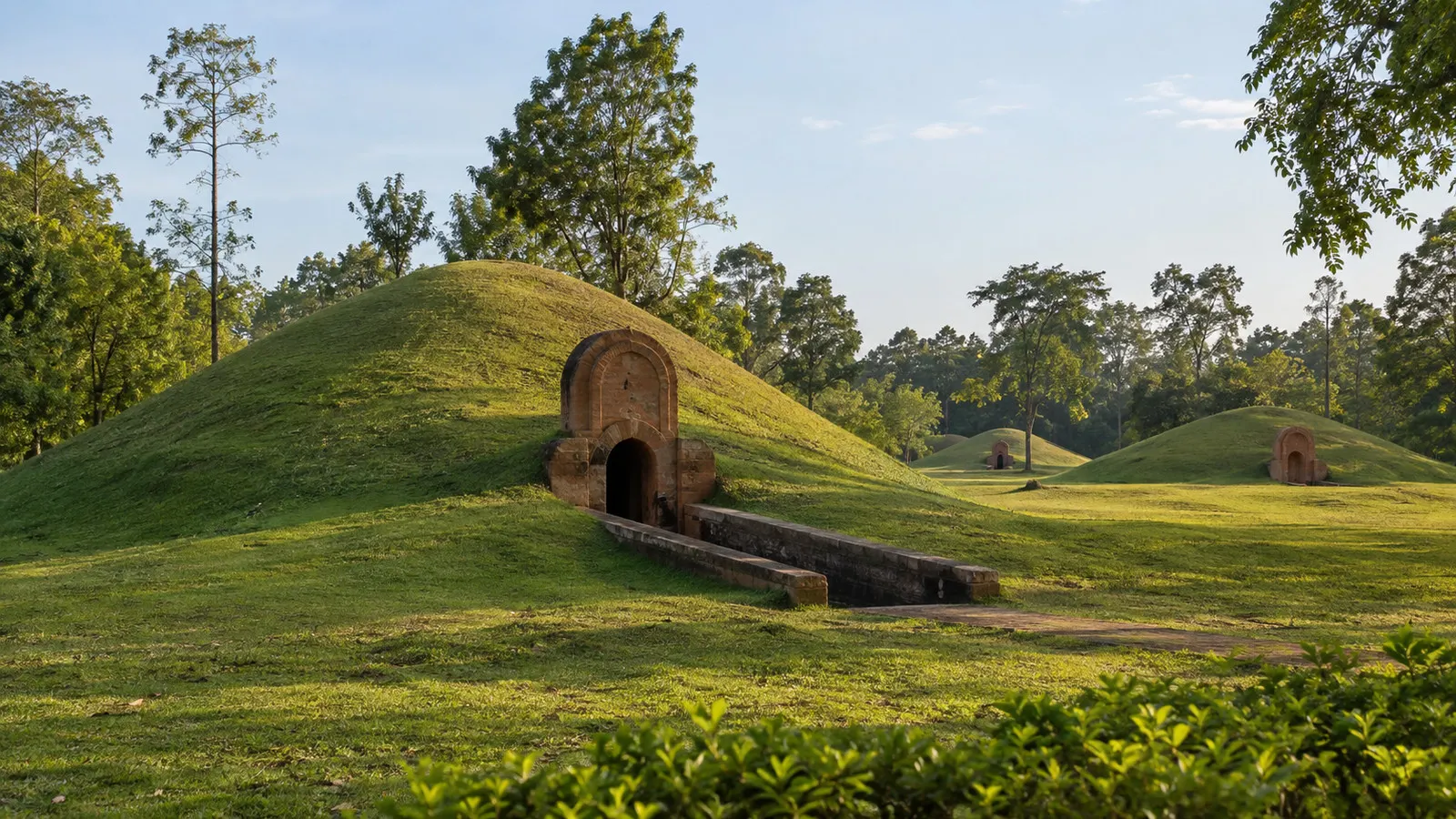
The Charaideo Moidams were added to the UNESCO World Heritage List in 2024. UNESCO describes a Tai-Ahom royal mound-burial landscape developed over about 600 years in the foothills of the Patkai Ranges.
The property contains ninety moidams and remains a sacred landscape with continuing ritual practices. Visitors should stay on designated paths, respect protected areas, and avoid treating the burial mounds as picnic hills.
Charaideo lies farther east and is better suited to a long pre-cruise stay or a specifically designed excursion. Combining it casually with Sivasagar, a tea estate, and embarkation creates too many fixed commitments.
Majuli is a separate planning problem
Neamati also supports ferry and cruise connections toward Majuli. Island visits can involve different ghats, launches, sandbanks, satras, village roads, and seasonal transfer arrangements.
A general Jorhat embarkation guide cannot promise one Majuli landing. Follow the cruise company’s dedicated island plan and current ferry information for that day.
Respect active religious communities at the satras and ask before photographing residents. The island is a living cultural landscape, not simply an excursion set.
Accessibility
A floating terminal can provide organized access while still producing a steep gangway. Seasonal banks may add sand, mud, temporary stairs, or a small-boat transfer.
Ask whether the crew can safely handle the exact wheelchair or scooter you use. Confirm device dimensions against the cabin, gangway, transfer vehicle, and any launch.
Also ask about accessible restrooms at the ghat, hotel, vehicle stop, and heritage sites. A suitable cabin does not make the whole ship-to-shore chain accessible.
Travelers who cannot manage steps should request a written description of embarkation. Lifting by crew should never be assumed as a routine solution.
Luggage strategy
Keep medication, passport, valuables, sun protection, and one change of clothes in a small day bag. Checked luggage may move separately by road or enter the ship through a different working area.
Use sturdy tags with the vessel name and passenger contact information. Remove older trip labels that can send a bag toward the wrong hotel or transfer group.
Follow the operator’s weight and size limits, especially if a small vehicle or launch is involved. A large hard-sided case is difficult to manage on a narrow temporary landing.
Weather and health
Cooler-season mornings can be foggy, while afternoons become warm. Pack light layers, closed shoes, sunscreen, insect repellent, and a compact rain layer.
Drink sealed or properly treated water and consult a travel-health professional about personal vaccine and mosquito precautions. Carry extra essential medication in case weather or transportation delays extend the schedule.
Never swim from the ghat or an unsupervised sandbank. Current, boat traffic, shifting depth, and soft edges make the river more powerful than it looks.
A realistic embarkation plan
Spend the previous night in Jorhat, confirm the transfer at the hotel, and keep documents in hand luggage. On departure morning, use the operator vehicle and avoid adding an independent sightseeing stop.
At Neamati, follow staff directions for luggage and boarding. Photographing the river can wait until bags are controlled and the crew confirms where passengers should stand.
A realistic pre-cruise extension
With one extra day, choose either a confirmed tea visit or a focused Jorhat program. With two or more days, consider Sivasagar or Charaideo with a dedicated driver.
Keep the final night in Jorhat even after a longer regional trip. That buffer protects embarkation from rural road delays and lets the operator find you at an approved hotel.
Common planning mistakes
The first mistake is confusing Jorhat with the physical river landing. Neamati is the key name for the ghat, and the exact meeting point still needs confirmation.
The second mistake is assuming the new terminal project means a finished climate-controlled building. Construction began in 2026, while current operations may still use existing floating facilities.
The third mistake is booking a tea estate without permission or production confirmation. A working property can be closed to visitors even when the garden is visible from the road.
Another mistake is adding distant heritage sites to embarkation day. The ship transfer should be the only fixed commitment that morning.
Quick answers
Is Jorhat the river port?
Jorhat is the city and airport base. Neamati Ghat is the Brahmaputra access point used for many cruise and ferry operations.
Is the new Neamati terminal finished?
Do not assume it is complete. The government announced the start of the larger cruise terminal project in March 2026.
Should passengers use the cruise transfer?
Yes, whenever possible. The operator can direct its driver to the current ghat if the landing changes.
Can a tea estate be visited before boarding?
Only with enough time and a confirmed appointment. The safest plan places sightseeing on the previous day.
Is Charaideo close enough for embarkation day?
It is better treated as a separate extension or organized excursion. Do not combine it with a tight airport-to-ship schedule.
Final word
Jorhat and Neamati make sense once their roles are separated. The city handles flights and hotels, while the ghat handles a river whose channels and banks continue to move.
Arrive early, use the operator transfer, and save regional sightseeing for a protected extra day. That approach keeps embarkation calm without reducing Assam to a drive between airport and ship.
How this guide was researched: This guide was checked on September 12, 2026, against the Press Information Bureau, Inland Waterways Authority material, Jorhat district government resources, UNESCO, Assam tourism information, and current cruise operator planning. Terminal construction, ghats, navigation, transfer times, attraction access, weather, and accessibility can change, so verify the live details for your sailing.