Duisburg River Cruise Port: Europe’s Biggest Inland Harbor
Duisburg is not the Rhine stop you choose for tidy medieval lanes and a cathedral framed perfectly at the end of the street. It is a working port city where the Rhine meets the Ruhr, and its strongest sights turn industry, trade, and heavy infrastructure into something surprisingly memorable.
A river cruise call here can be excellent if you plan for the berth you actually receive and give yourself a clear return margin. The key is to treat Duisburg as a set of distinct districts rather than one compact waterfront that unfolds outside the gangway.
My quick take
I would choose one main focus for a short call: Ruhrort for maritime character, the Inner Harbour for an easier urban outing, or Landschaftspark Duisburg-Nord for the biggest visual payoff. Trying to combine all three can turn an interesting day into a transport exercise.
The daily program matters more here than a generic port map because river ships may use different operational berths. Check the berth name, shuttle information, and all aboard time before deciding how independent you want to be.
Quick Facts
- Port character: A major working inland harbor with industrial heritage rather than a purpose-built tourist quay
- Best for: Industrial architecture, maritime history, contemporary art, photography, and travelers who like less polished ports
- Top independent choices: Ruhrort, the Inner Harbour, Museum Küppersmühle, and Landschaftspark Duisburg-Nord
- Berth reality: Your ship’s exact position can change, so follow the onboard location and transport notes
- Getting around: Walking may work within one district, while trams, buses, trains, taxis, or a cruise shuttle can connect the wider city
- Payment: Germany uses the euro, and carrying a physical card plus a little cash is sensible
- Best planning move: Pick one anchor sight and build a generous return buffer around it
Where river cruise ships dock in Duisburg
Duisburg’s harbor landscape is enormous, active, and shaped by commercial needs. A map pin labeled Duisburg cruise port can therefore be misleading if it suggests every vessel uses the same central landing.
Your final documents or onboard briefing should identify the berth area and explain whether the operator provides a shuttle. If the location is vague, ask reception to mark the berth on a map before leaving the ship and keep that map with you.
Do not assume the nearest rail or tram stop is obvious from the gangway. Industrial roads can look similar, pedestrian routes may not follow the shortest road line, and a berth that feels close to a district on a city map may be awkward on foot.
Take a photo of the ship, quay name, and nearest street sign before setting out. That small habit is especially useful if you return by taxi and need to show a driver the exact access point.
Ruhrort: the most natural port district
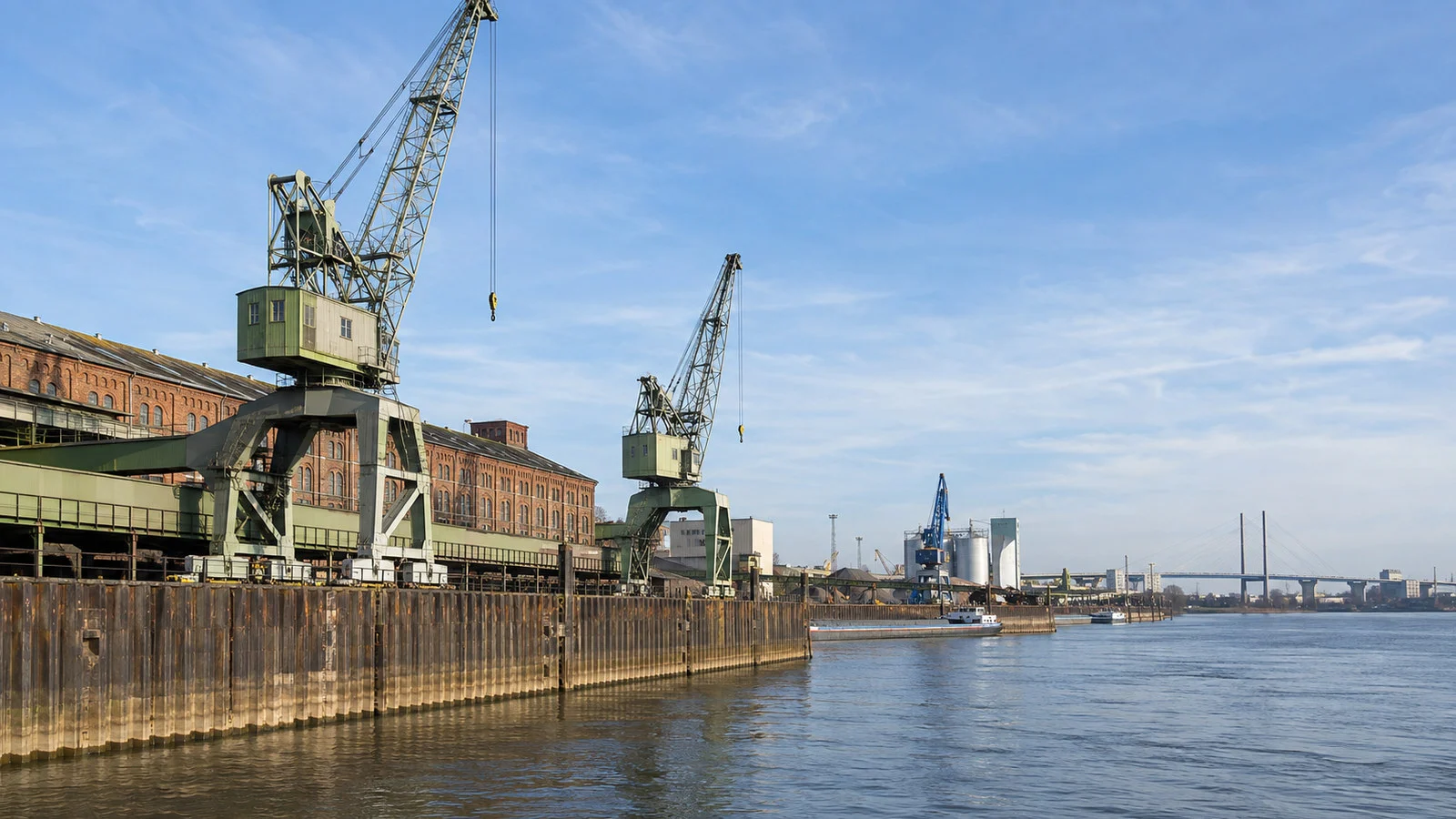
Ruhrort is the district most closely tied to Duisburg’s river and harbor identity. It is a good choice when you want the visit to feel connected to the reason your ship stopped here rather than treating the port as a launch point for somewhere else.
The appeal is atmospheric and layered: harbor basins, working vessels, bridges, old commercial streets, and reminders of the people who made their lives around inland shipping. It rewards curiosity more than checklist sightseeing.
A relaxed walk works best if you are comfortable navigating an active urban waterfront where not every edge is designed as a promenade. Stay on public routes, respect operational areas, and expect stretches where the harbor story is more compelling than the streetscape.
If your itinerary includes a guided harbor cruise or maritime excursion, Ruhrort is often where local context adds the most value. A guide can explain the scale of inland logistics, the meeting of waterways, and the way the port reshaped the city.
The Inner Harbour and Museum Küppersmühle
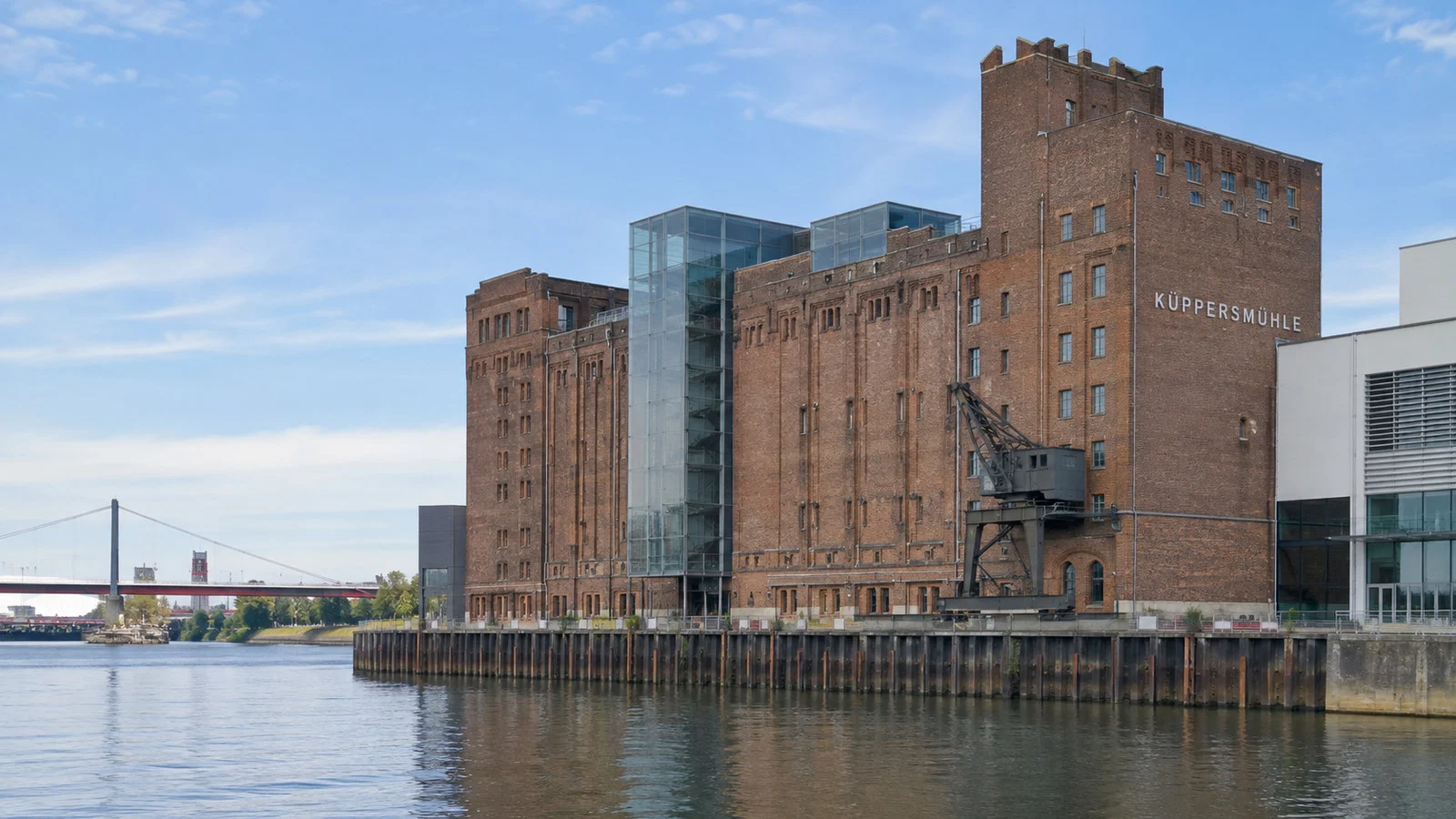
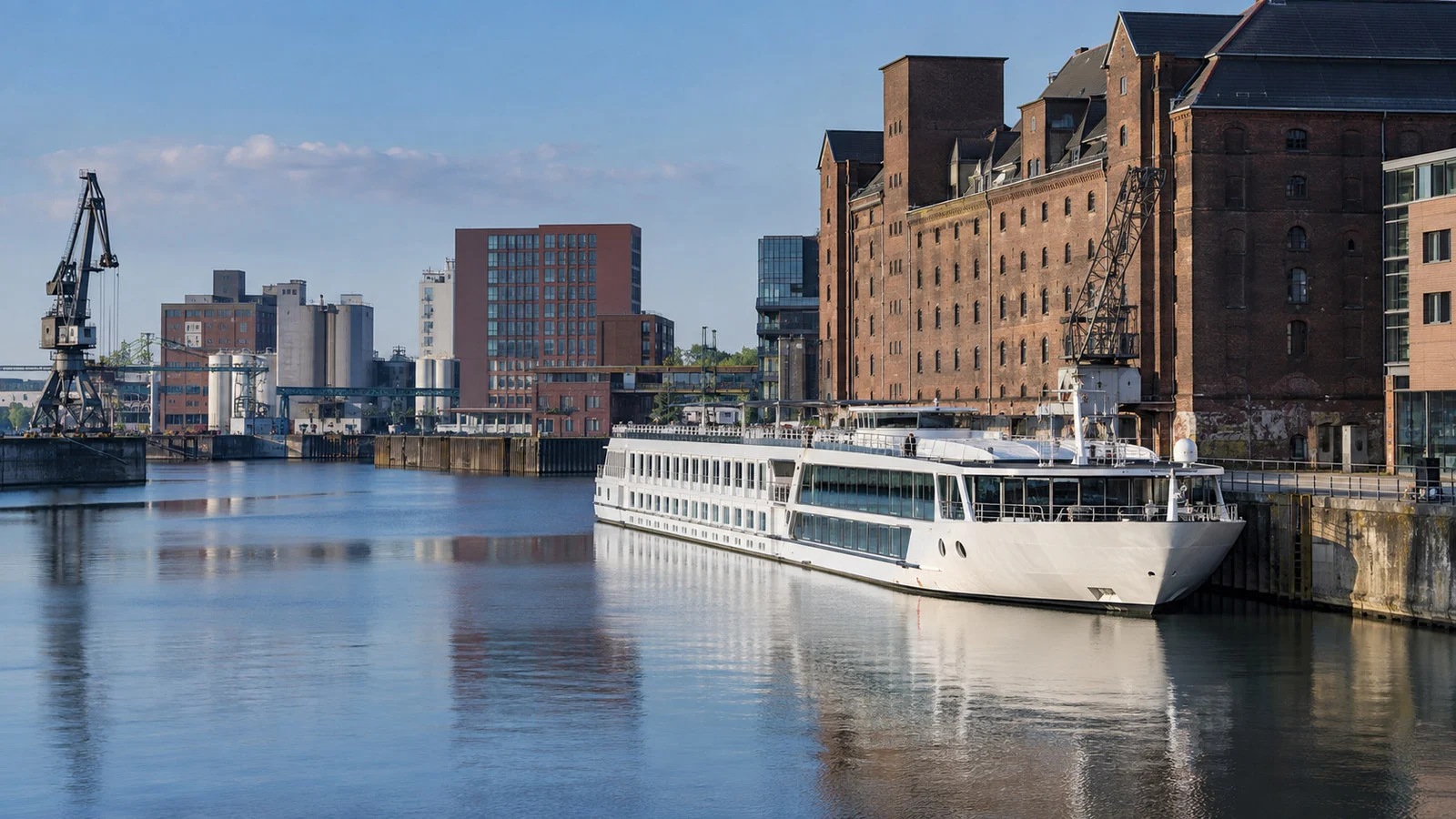
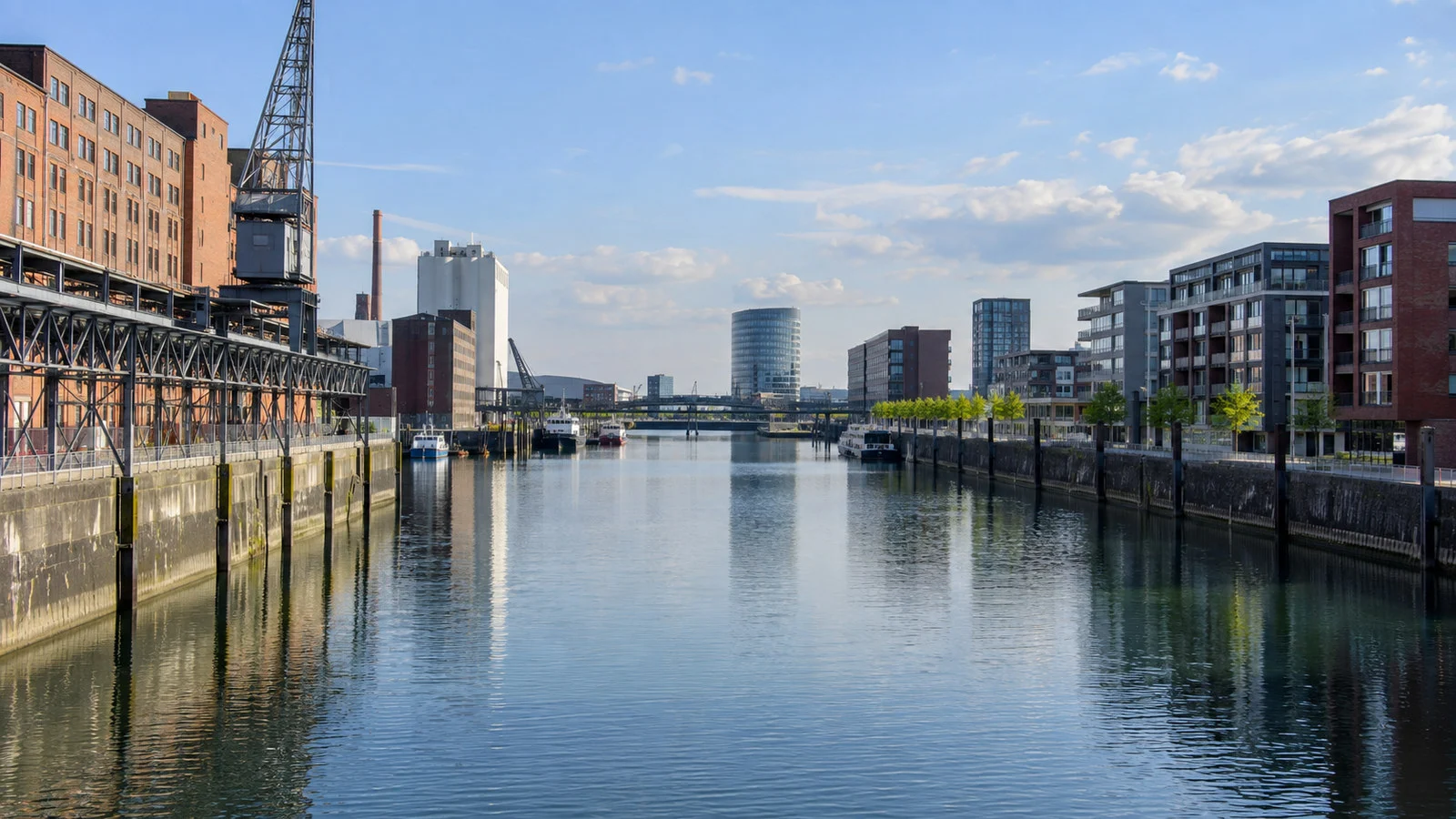
Duisburg’s Inner Harbour offers a more polished urban contrast to the industrial port. Former warehouses and newer architecture sit around the water, with restaurants and cultural spaces making this an easy area for a slower outing.
The standout cultural stop is Museum Küppersmühle, a contemporary art museum inside a converted grain mill. It is a strong choice for travelers who enjoy large-scale postwar and contemporary German art as much as the building that houses it.
Check the museum’s official site on the day of your visit for hours, ticket information, and temporary exhibitions. Published schedules can change for holidays, installation periods, or special events, and a cruise call may not line up with every opening day.
The Inner Harbour also works well when weather makes an exposed industrial site less appealing. You can pair a waterfront walk with the museum or a cafe, then return without committing to a long cross-city route.
Landschaftspark Duisburg-Nord
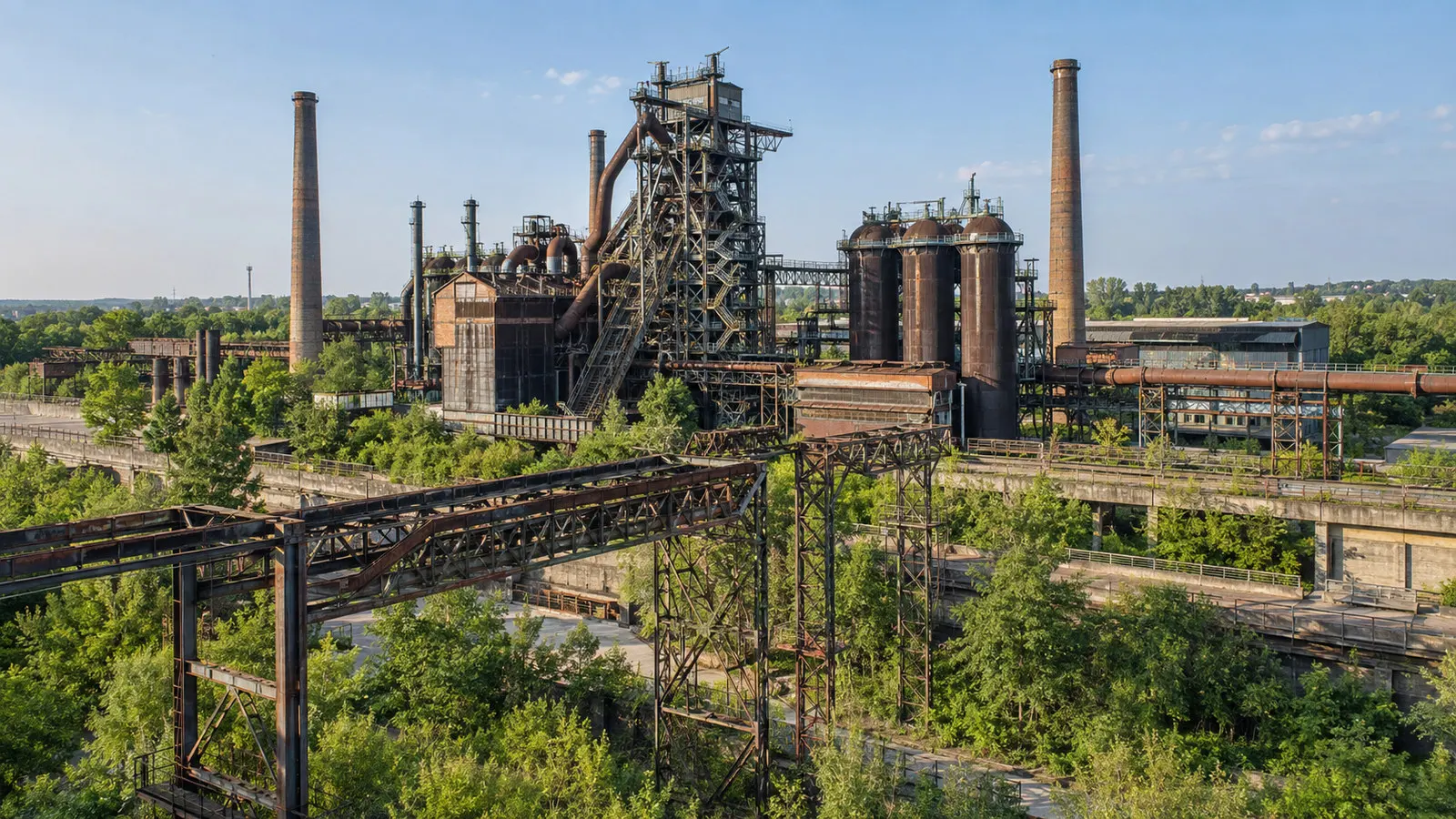
Landschaftspark Duisburg-Nord is the city’s most distinctive independent destination. The 180-hectare site turns a former ironworks into a public landscape of furnaces, pipes, bunkers, gardens, walking paths, and dramatic viewpoints.
This is not an industrial museum arranged behind glass. You move through the old works at your own pace, seeing how nature has grown around machinery that once defined the Ruhr region.
According to the park’s official visitor information, general access to the grounds is free, although particular activities and events can charge fees. The park is open year-round without a general time limit, which makes it flexible for calls that fall outside conventional museum hours.
The viewing platform at Blast Furnace 5 is a highlight for travelers who manage stairs and heights comfortably. The official opening information warns that the platform can close because of rain, ice, snow, stormy conditions, or other safety concerns, so do not build your entire day around guaranteed access.
Wear shoes with grip because the site includes metal stairs, uneven industrial surfaces, and long outdoor sections. A compact rain layer is useful even when the forecast looks mild, since exposed structures can feel cooler and windier than central streets.
The evening lighting is famous, but most daytime cruise calls leave before it becomes fully effective. If your ship stays late, confirm the gangway deadline first and check the park’s current lighting schedule rather than assuming you can see the complete program.
Allow time simply to wander instead of racing from one named feature to another. The pleasure comes from changing perspectives, rusted geometry, pockets of green, and the scale of the preserved plant.
Accessibility at the industrial park
Landschaftspark is partly accessible, but it is not uniformly easy terrain. The park’s accessibility guidance notes varied surfaces and says assistance may be useful beyond the central area, while the visitor center and restaurant have step-free ground-level access and accessible facilities.
The Blast Furnace viewpoint should not be treated as an accessible experience because reaching its highest levels requires stairs. Travelers with limited stamina can still enjoy powerful ground-level views, but a companion or guided visit may make route choices easier.
If you use a wheelchair or scooter, ask the cruise line exactly where its transfer will set down and collect passengers. The difference between a site being technically accessible and the full ship-to-site journey being practical can be significant.
Getting around without wasting the call
Duisburg is connected by regional trains, local rail, trams, and buses, but the best route depends on your berth and destination. Use the VRR journey planner for live regional information instead of relying on a route saved months earlier.
Construction and service changes are a normal part of travel in the Ruhr area. Recheck the return trip before you leave your final stop, even if the outward journey ran smoothly.
A taxi can be worth the cost for two or more travelers, especially when it removes a transfer or protects a short call. Ask for a realistic pickup point because some industrial entrances are easier for a driver to reach than others.
If the cruise line offers a reliable shuttle to a central point, note its exact final departure and whether reservations are required. A free shuttle is not useful if you plan around a last run that is already full or leaves earlier than the ship’s published all aboard time.
Walking should be treated as a district-level activity, not the default way to cross the whole city. Save your steps for Ruhrort, the Inner Harbour, or the park itself instead of spending the middle of the call beside major roads.
Should you take the cruise line excursion?
A guided excursion makes sense when it includes access or interpretation that is hard to reproduce independently. Industrial heritage becomes much richer when someone can connect blast furnaces, waterways, rail links, and workers’ neighborhoods into one coherent story.
The cruise line option is also attractive if the berth is remote, the call is short, or mobility makes several public transit connections uncomfortable. The protected return to the ship can matter more than saving a modest amount on transportation.
Independent travel is better for visitors who want to linger over photography, contemporary art, or a slow meal. It gives you control, but only if your plan includes current transport information and a firm turnaround time.
Read the excursion description carefully for time spent on the bus versus time on site. A broad Ruhr-region tour can sound impressive while leaving less time at Duisburg’s best places than a focused local outing.
A simple plan for a short call
For a short visit, choose the destination that best fits your interests and go there first. Do not begin with casual browsing around the berth unless you already know the main sight is close and your transport window is generous.
Ruhrort is the most logical choice for a port-centered walk, while the Inner Harbour is the easiest blend of architecture, culture, and food. Landschaftspark is the boldest experience, but it needs the clearest transport plan.
Set a phone alarm for the time you must start returning, not for the final boarding time. Add more margin when the route requires a transfer, when rain or a major event affects traffic, or when your berth has a confusing access road.
If you have a longer day
With a long call, pairing two areas can work if you make one the priority and keep the second flexible. Landschaftspark plus the Inner Harbour creates a strong industrial-to-contemporary contrast, while Ruhrort plus the Inner Harbour stays closer to the city’s water story.
Build the sequence around opening hours and transport rather than geography alone. Visit the timed or weather-sensitive attraction first, then use the more flexible waterfront area as the part you can shorten if necessary.
I would still resist adding Cologne, Düsseldorf, or another regional city unless the cruise line has designed the transfer and your call is genuinely long. Duisburg has enough substance for a full visit, and long-distance improvisation increases the risk of a stressful return.
Weather, water levels, and schedule changes
Much of Duisburg’s appeal is outdoors, so weather changes the character of the day. Cloudy skies often suit industrial photography, but rain can make metal surfaces slippery and strong wind can close elevated viewpoints.
River itineraries can also change because of water levels, locks, traffic, or operational decisions. Treat arrival and departure times as live information, and check the onboard notice or app again on the morning of the call.
If the ship arrives late, simplify immediately instead of trying to preserve the original plan at a faster pace. One well-chosen district is far better than missing the atmosphere of all of them while watching the clock.
Food, money, and practical comfort
The Inner Harbour and central districts offer the easiest choice of cafes and restaurants, while options near an operational berth may be sparse. Eat before heading back if your route does not pass a convenient food stop near the ship.
Cards are widely useful, but a little cash can help with small purchases or a backup payment problem. Keep enough battery for navigation, tickets, and a taxi call, and consider a portable charger if you use your phone heavily for photographs.
Public restrooms are not guaranteed along every industrial walking route. Use facilities at the ship, museum, visitor center, or restaurant before committing to a long outdoor circuit.
Quick answers
Is Duisburg worth leaving the ship for?
Yes, especially if industrial heritage, working ports, contemporary art, or photography interest you. Travelers seeking only a classic old town may prefer a guided regional excursion, but Duisburg’s difference is exactly what makes the call worthwhile.
Can I walk from the river cruise berth?
Possibly, but there is no safe universal answer without the exact berth. Follow the ship’s current instructions and confirm the pedestrian route before setting out.
What is the best single sight?
Landschaftspark Duisburg-Nord is the most distinctive destination for most first-time visitors. Choose Ruhrort instead if you want a shorter maritime-focused outing or if transport time makes the park impractical.
Is Landschaftspark free?
General entry to the grounds is free according to the park’s official visitor information, although certain activities and events may cost extra. Always check the current site for closures and event conditions.
How early should I return?
Use the ship’s all aboard time as the absolute deadline, then create your own earlier target based on the route and current conditions. Add a larger cushion for transfers, construction, rain, or a remote berth.
The last word
Duisburg works best when you stop expecting a postcard Rhine port and start looking at the city on its own terms. Its waterways, repurposed factories, art spaces, and active logistics tell a vivid story about how the Ruhr region was built and how it keeps changing.
Choose one strong focus, confirm your transport in both directions, and leave real margin for the gangway. Do that, and this unconventional call may become one of the itinerary’s most rewarding surprises.
Research note: Practical details were checked against official visitor information from Landschaftspark Duisburg-Nord, Museum Küppersmühle, and the VRR regional transport network. Hours, access conditions, transit, and cruise berths can change, so verify them again for your sailing date.