Lahnstein River Cruise Port Guide: Old Town, Castles, and Easy Walks
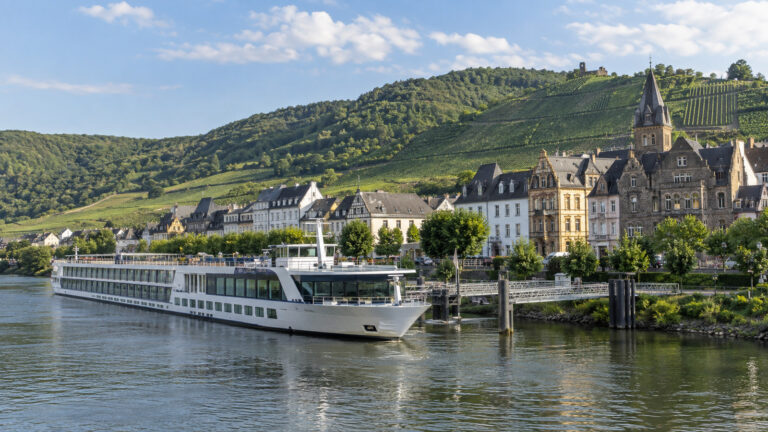
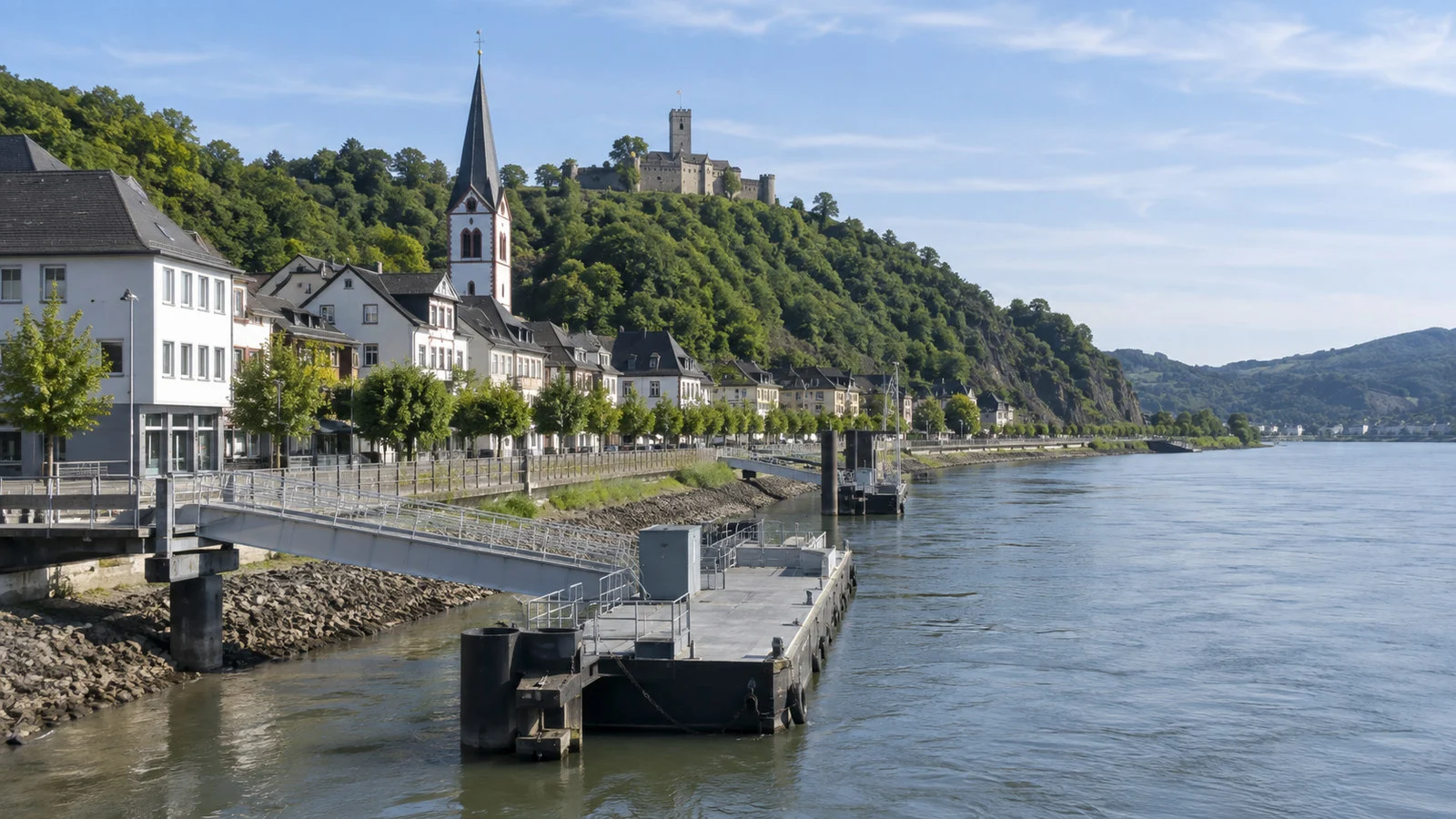
Lahnstein is an appealing Rhine stop for travelers who like compact historic streets, river views, and a castle skyline without the bustle of a major city. It sits where the Lahn meets the Rhine, just south of Koblenz, and a short call can still feel satisfying if you choose one clear route.
The most important planning detail is that a river cruise itinerary may describe the call differently from the exact place where the ship ultimately ties up. Water levels, traffic, berth assignments, and the operator’s excursion plan can all affect the day, so use your cruise line’s daily program as the final word on the landing point and all aboard time.
Lahnstein Quick Facts
- Country: Germany
- State: Rhineland-Palatinate
- Rivers: Rhine and Lahn
- Main independent sightseeing area: Oberlahnstein
- Signature sights: Salhof, Hexenturm, Old Town Hall, St. Martin Church, Martinsburg Castle, and Lahneck Castle
- Best for: History, easy town walks, castle views, and a quieter Rhine experience
- Currency: Euro
- Language: German, with some English in visitor-facing businesses
- Tourist information: Salhofplatz 3 in Oberlahnstein
- Important timing rule: Follow the ship’s stated all aboard time, not a generic online schedule
Where River Cruise Ships Stop
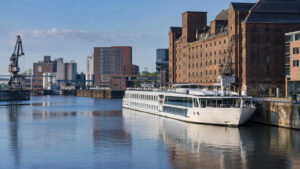
Lahnstein has Rhine waterfront areas, but passengers should not assume that every ship uses the same position or that a call will always be made directly in town. Some itineraries may use a nearby berth, a coach transfer, or a landing described under a broader regional name.
Check the onboard app, printed daily program, or reception desk before stepping ashore. The notice should identify the gangway location, excursion meeting point, departure time, and whether independent guests need a shuttle or coach.
If the landing is near Oberlahnstein’s Rhine promenade, the historic center is the natural independent target. If the ship is elsewhere, do not build your day around an assumed walking time until the crew confirms the arrangement.
A Simple Walk Through Oberlahnstein
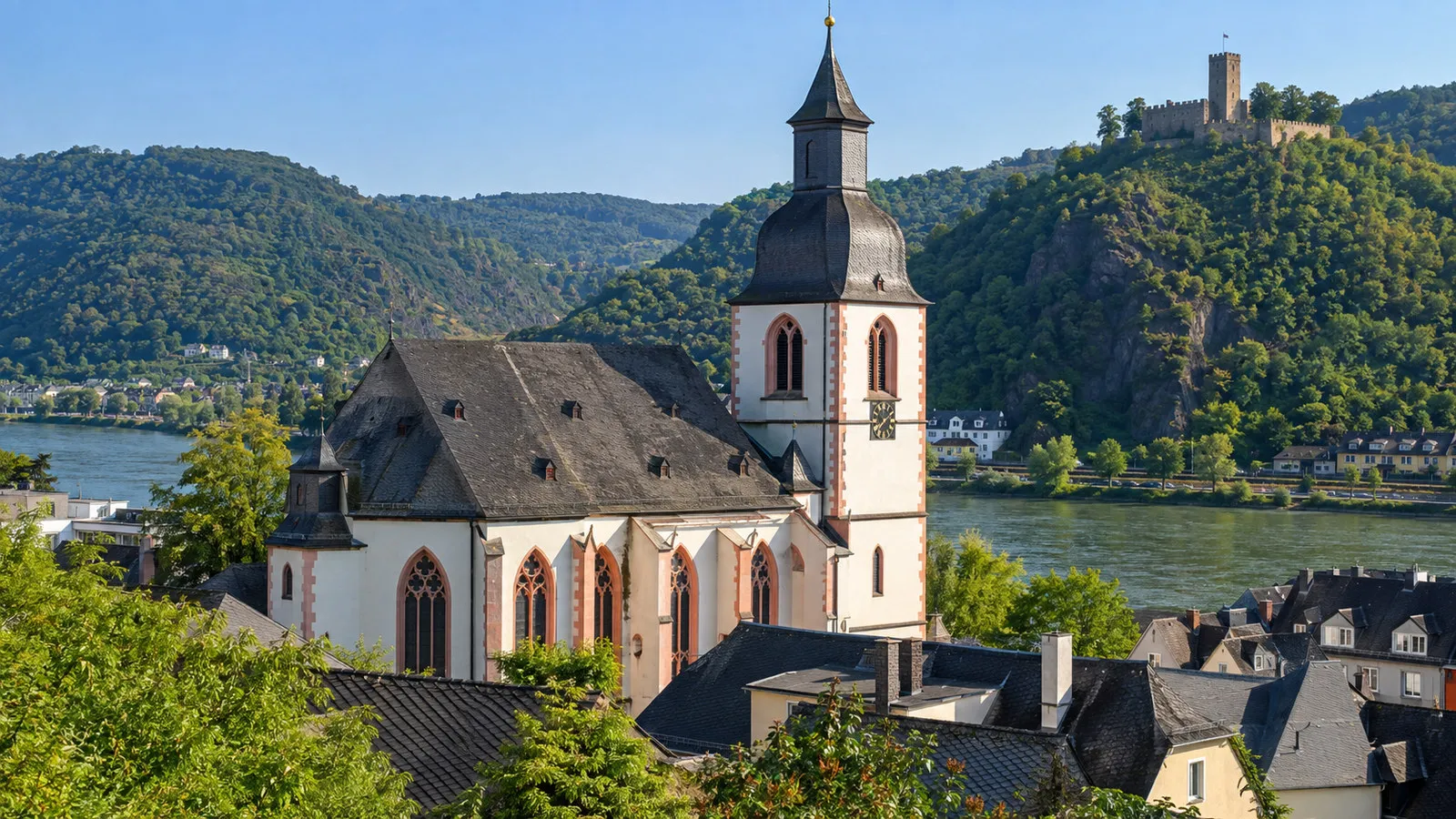
For a first visit, concentrate on Oberlahnstein rather than trying to cover both Oberlahnstein and Niederlahnstein. The official tourism route begins at Salhofplatz, where the Tourist Information occupies part of the historic Salhof complex.
The Salhof was documented in 977, while parts of the present building date from the 12th century and later alterations. It is a useful orientation point because you can collect a map, ask about current openings, and begin a compact circuit through the old town.
Nearby, the Hexenturm rises from the medieval fortifications and houses the city museum. Continue along the surviving town wall to see defensive towers, narrow lanes, and the tiny Stadtmauerhäuschen, a baroque half-timbered house built into arches of the older wall.
The route then reaches the Old Town Hall on the former marketplace. Its half-timbered exterior and small roof turret make it one of the most photogenic buildings in central Lahnstein, while the market fountain and hospital chapel add detail to the square.
Saint Martin Church is another worthwhile stop if it is open. Its structure combines Romanesque, Gothic, baroque, and later additions, so the building reads like a compact timeline of the town’s religious architecture.
From the center, the official visitor route passes beneath the railway near Oberlahnstein station to reach the Rhine promenade. That waterfront stretch leads toward Martinsburg Castle, originally a customs castle of the archbishops and electors of Mainz and now privately owned.
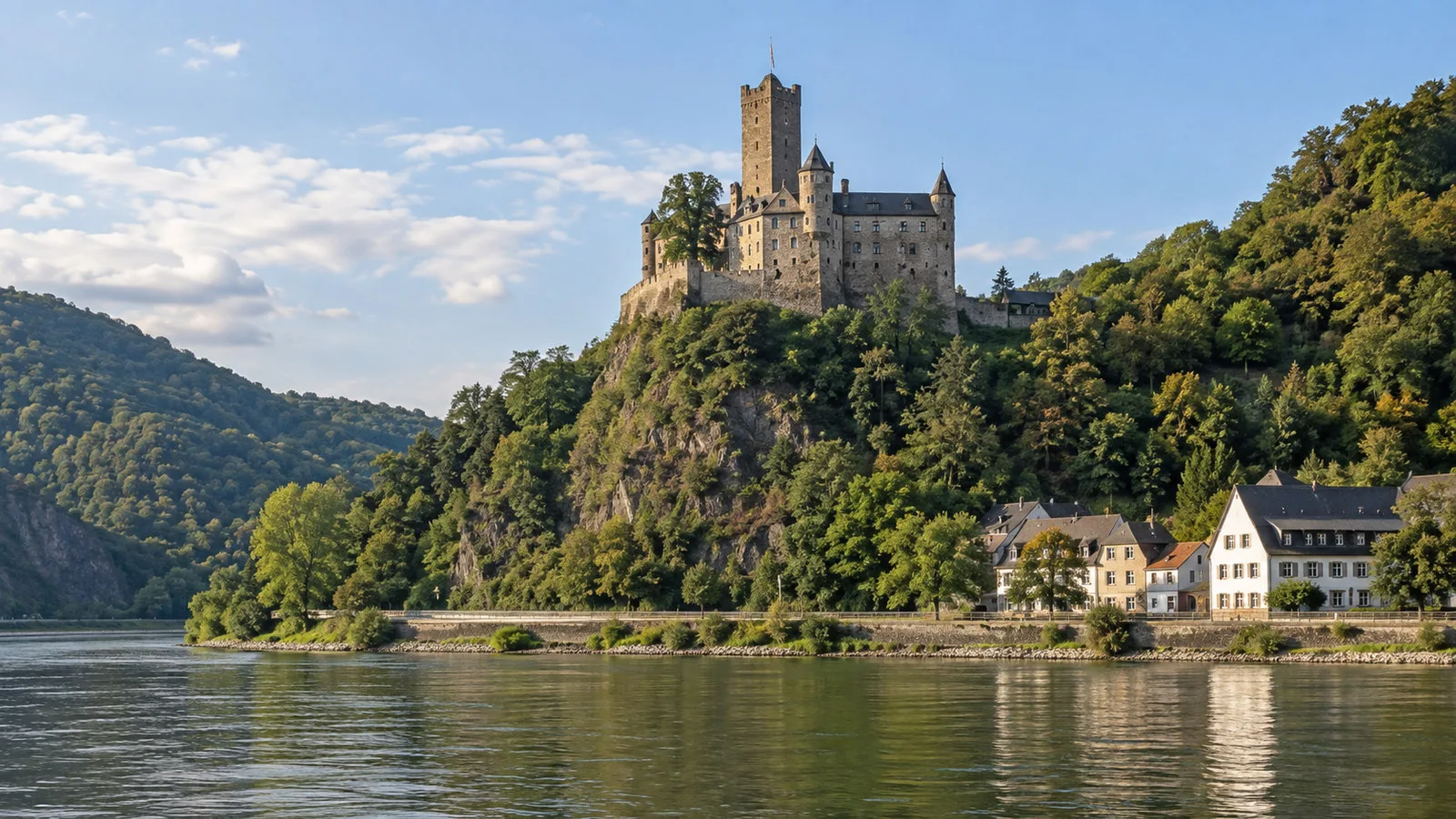
Lahneck Castle
Lahneck Castle stands above the mouth of the Lahn and is the landmark most travelers associate with Lahnstein. The complex originated around 1244 and combines medieval fabric with 19th-century neo-Gothic work that reflects the era of Rhine Romanticism.
The interior includes a chapel, knights’ hall, paintings, and historic furnishings, but it is not a casual walk-in attraction at every hour. The castle is privately owned, and visits depend on the published season and guided-access arrangements.
The regional official listing shows a 2026 visitor season from April 7 through November 1, with opening periods Tuesday through Sunday from 11:00 in the morning to 3:00 in the afternoon and closure on most Mondays. Those details can change, so confirm directly before committing a short port call to the uphill trip.
Reaching the castle involves more effort than strolling through the old center. Travelers with limited mobility, a tight schedule, or uncertain transportation may enjoy the exterior view from below and spend their time on the flatter town route instead.
Oberlahnstein and Niederlahnstein
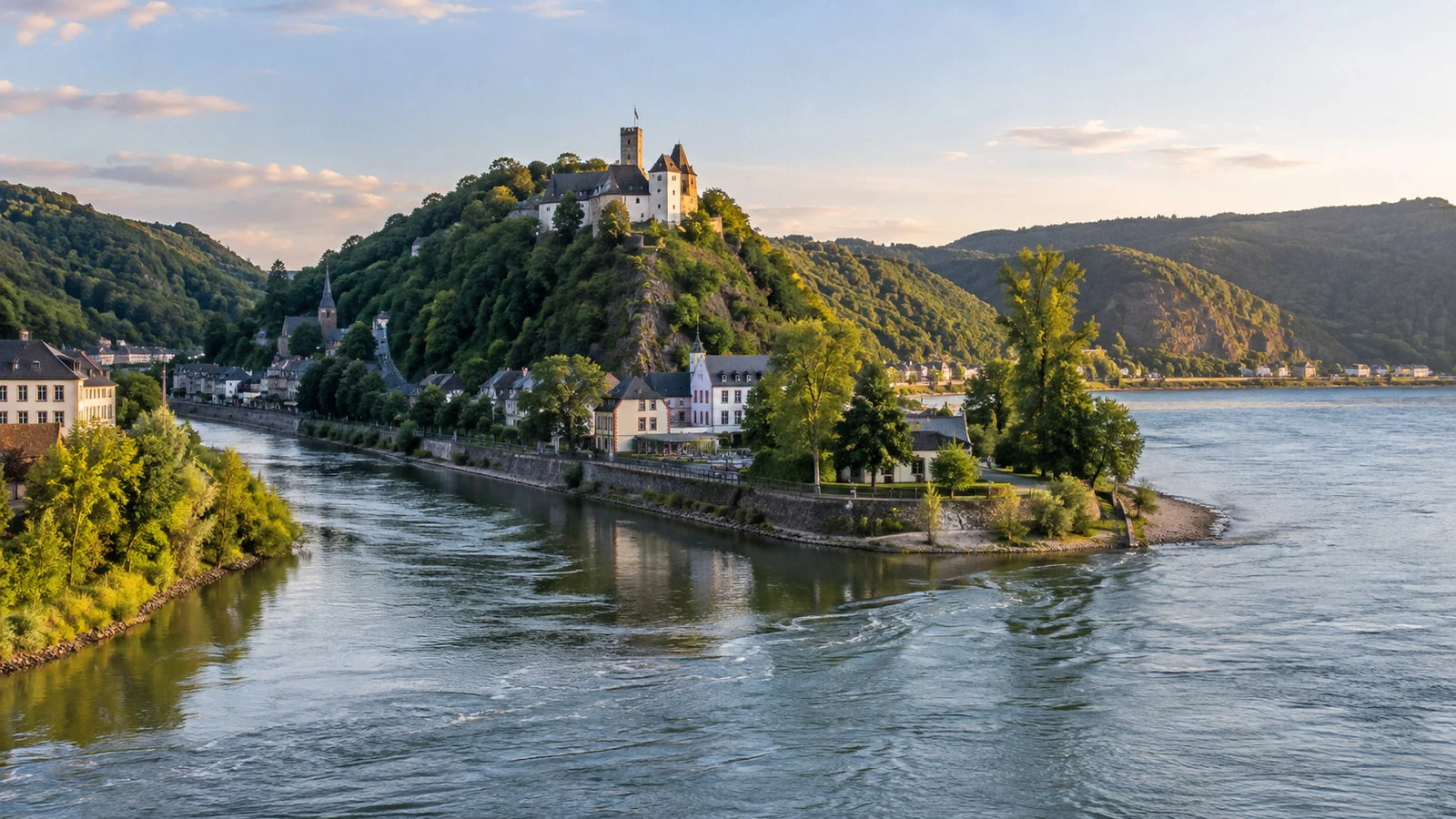
Modern Lahnstein was formed in 1969 by combining Oberlahnstein and Niederlahnstein, but the two districts retain distinct historic identities on opposite sides of the Lahn. Oberlahnstein contains the most convenient cluster of headline sights for a brief independent visit.
Niederlahnstein rewards travelers with more time and an interest in local history. The official Historical Lahnstein trail links 20 interpreted points across both districts, including the Lahn riverfront, old courts and houses, the Lahntal railway area, churches, fortifications, and Oberlahnstein’s castle-related sites.
The full trail is better for a long call than a rushed one because crossing between districts consumes valuable time. Pick up the official flyer at the Tourist Information, then choose only the stations that fit comfortably before your return deadline.
How to Spend a Short Call
With roughly two hours ashore, stay close and make Salhofplatz your anchor. See the Salhof, Hexenturm exterior, old wall lanes, Old Town Hall, and Rhine promenade, then turn back with a generous buffer.
With three to four hours, add Martinsburg Castle’s exterior and allow time for coffee or lunch. Lahneck Castle can fit only when its opening arrangements align with the call and you have a dependable way to manage the uphill journey.
With a longer day, consider more of the historical trail, a guided city walk, or a cruise-line excursion into the surrounding Upper Middle Rhine Valley. Resist the temptation to combine Lahnstein, Koblenz, and several castles independently unless transportation and timing are exceptionally clear.
Walking, Trains, Taxis, and Bicycles
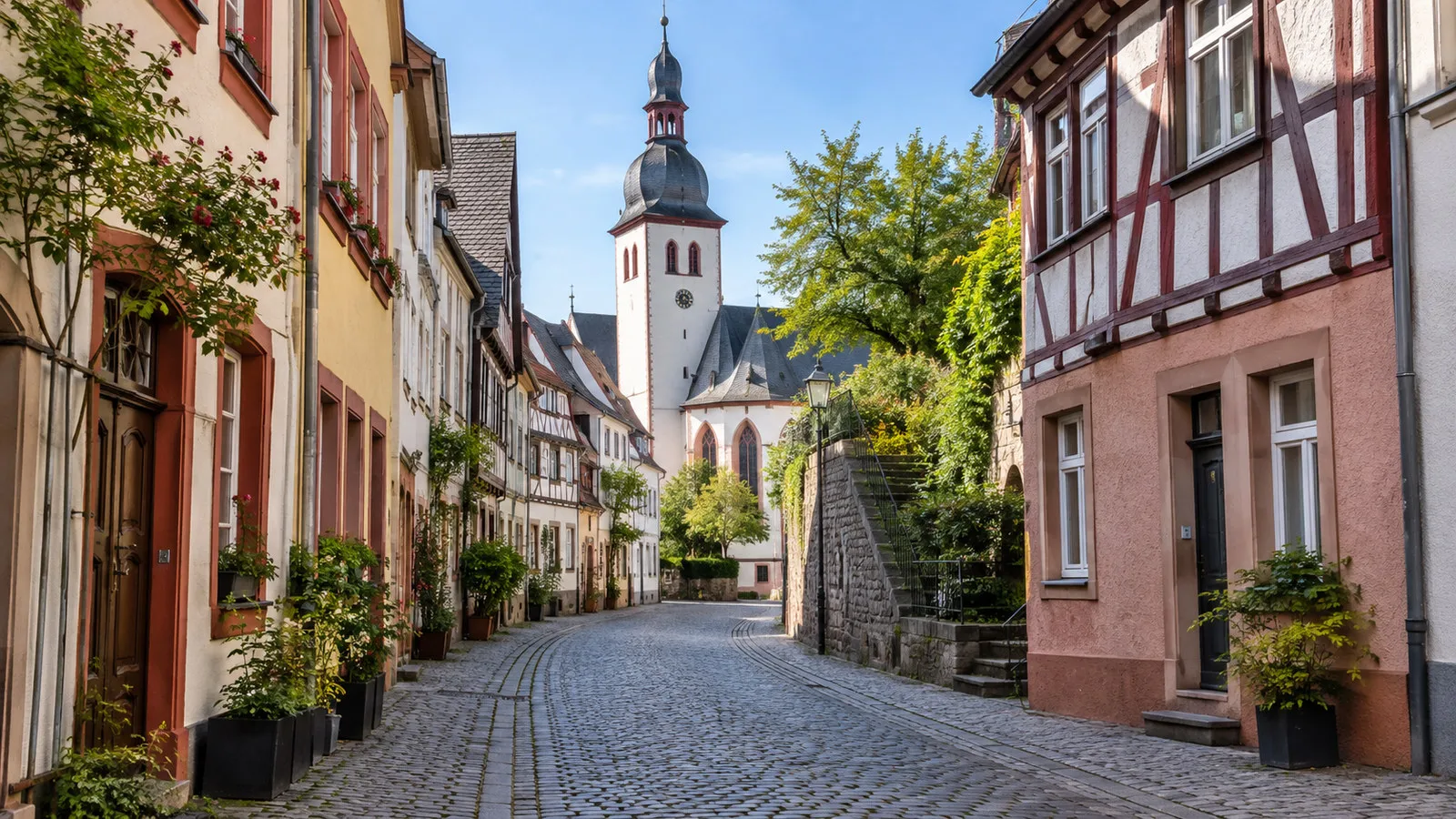
Oberlahnstein’s central sights are close enough to link on foot, although cobbles, curbs, and uneven historic paving deserve sensible shoes. The route to Lahneck Castle is steeper and should be treated as a separate outing rather than an automatic extension of the town walk.
Oberlahnstein has a railway station near the center and Rhine promenade, while other stations serve the broader city. Train schedules and platforms can change, so check the Deutsche Bahn app or official journey planner shortly before travel and leave a substantial return margin.
A taxi can simplify a castle visit or connect a remote berth with the old town, but vehicles may not be waiting at a small call. Ask the ship or Tourist Information to arrange one and agree on the pickup location, estimated fare, and return time.
The Rhine and Lahn corridors are popular with cyclists, and the flatter waterfront can be pleasant on a ship-provided bicycle. Confirm whether the ship permits independent cycling, wear a helmet, and avoid committing to a long out-and-back route when the call is short.
Accessibility and Comfort
The Rhine promenade is generally the easiest part of an independent visit, but the historic center can include uneven paving and narrow passages. Gangway steepness also changes with river conditions, so wheelchair and scooter users should ask the cruise line about the exact berth before making plans.
Lahneck Castle is not the best default choice for anyone who struggles with slopes or stairs. A gentler plan pairs the promenade with Salhofplatz, the old marketplace, and exterior views of the town’s towers and castles.
Summer afternoons can be warm on exposed sections of the waterfront, while spring and fall weather can shift quickly. Carry water, use sun protection, and keep a light waterproof layer within reach.
Food, Drinks, and Practical Purchases
Lahnstein’s center has bakeries, cafes, restaurants, and casual places where a short stop can include something distinctly German without consuming the entire visit. A bakery snack or early lunch is the safest choice when the ship’s schedule is tight.
Regional menus may include schnitzel, sausages, seasonal dishes, cakes, and wines from the Rhine or nearby growing areas. Kitchen hours do not always match North American expectations, so confirm service before sitting down and tell staff if you have a firm departure time.
Cards are increasingly common, but carrying a modest amount of euros is useful for small purchases and older ticket systems. Public restrooms may require a coin, and smaller businesses may close between service periods.
What to Skip When Time Is Tight
Koblenz is close enough to be tempting, but proximity does not erase the risk of delayed trains, traffic, or confusion about the ship’s berth. If your cruise line offers an excursion there, the operator assumes responsibility for the group’s return in a way an independent side trip does not.
A complete circuit of both Lahnstein districts is also unnecessary on a short call. The historic trail is designed for flexible exploration, so sampling a coherent section is better than racing past every marker.
Do not count on entering every church, museum, or castle. Seasonal hours, private events, guided-tour requirements, and local closures can turn an interior visit into an exterior stop without warning.
A Sensible Return-to-Ship Plan
Before leaving the landing area, photograph the ship’s location and note the nearest street, landmark, or shuttle point. Set a personal turnaround time that is earlier than all aboard, especially if you use a train, taxi, or hillside route.
Keep the cruise line’s port contact details with you and make sure your phone has enough charge for maps or schedule changes. If the gangway location is unfamiliar, ask a crew member to mark it on a map rather than relying on a place name alone.
Final Take
Lahnstein works best when you treat it as a small historic Rhine town instead of a launchpad for an overfilled regional checklist. Oberlahnstein’s Salhof, walls, towers, old civic buildings, and river promenade form an easy core, while Lahneck Castle is the rewarding extra when access and timing cooperate.
Port operations remain flexible, so let the ship’s daily instructions determine where your visit begins and when it must end. With that simple discipline, Lahnstein offers a relaxed and characterful call at the meeting of two famous German rivers.
Research note: This guide was reviewed in September 2026 using official information from Visit Lahnstein and the Romantic Rhine tourism authority. Operating details can change; confirm berth instructions with your cruise line and attraction details with the venue before setting out.