Hannibal River Cruise Port: Dock, Twain Sites and Cave Guide
Hannibal is an easy independent river town when the assigned dock and floodwall gate are open. The Mark Twain museum campus fits a walkable day, while the caves require reserved transportation, realistic mobility expectations, and enough time to get back through the riverfront access point before departure.
Hannibal River Cruise Port Quick Facts
Into Town: Glascock’s Landing is at the downtown riverfront. Cross the floodwall opening for Main Street and Twain sites; exact dock and route can change.
Currency and Language: U.S. dollar. English is dominant; Twain tourism uses literary terms, while local history includes Indigenous and African American stories.
Time Zone: Central Time: CST (UTC-6) in winter and CDT (UTC-5) during daylight saving time.
How Often the Call Is Missed: No reliable percentage is published. High or low water, floodgate access, fog, storms, river traffic, or schedule changes can disrupt the call.
No cruise line, city, or dock authority publishes a Hannibal missed-call percentage. A changed dock, revised gangway, delayed arrival, or shortened visit may be more likely than a complete loss of the port.
Do River Cruises Still Stop in Hannibal?
Yes. Viking’s current 2026 America’s Great River itinerary places Hannibal between Burlington and St. Louis and identifies it as the childhood home of Samuel Clemens.
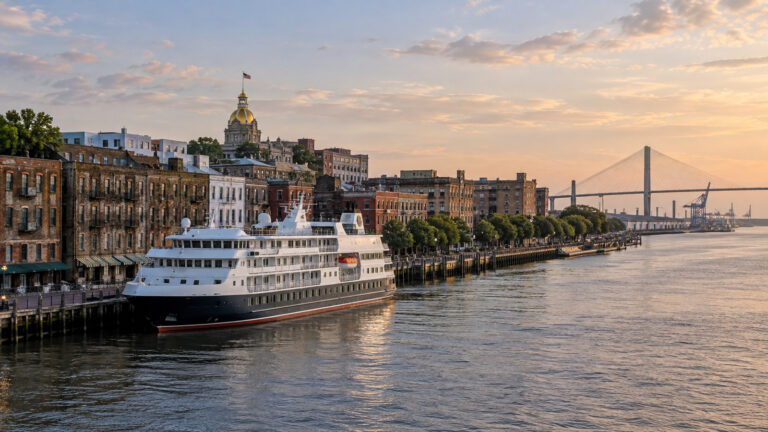
American Cruise Lines is active too. Visit Hannibal posted 2026 calls for American Melody and American Serenade at Glascock’s Landing, with the destination bureau providing specific arrival and departure times.
City records support the operational picture. Hannibal renewed an American Cruise Lines agreement for North Dock riverboat landings and previously approved South Dock modifications requested for Viking’s vessel design.
That means Hannibal is an active call with more than one large-vessel docking position. It does not mean every ship always receives the same riverfront face, gangway angle, or pedestrian exit.
Where Do Ships Dock in Hannibal?
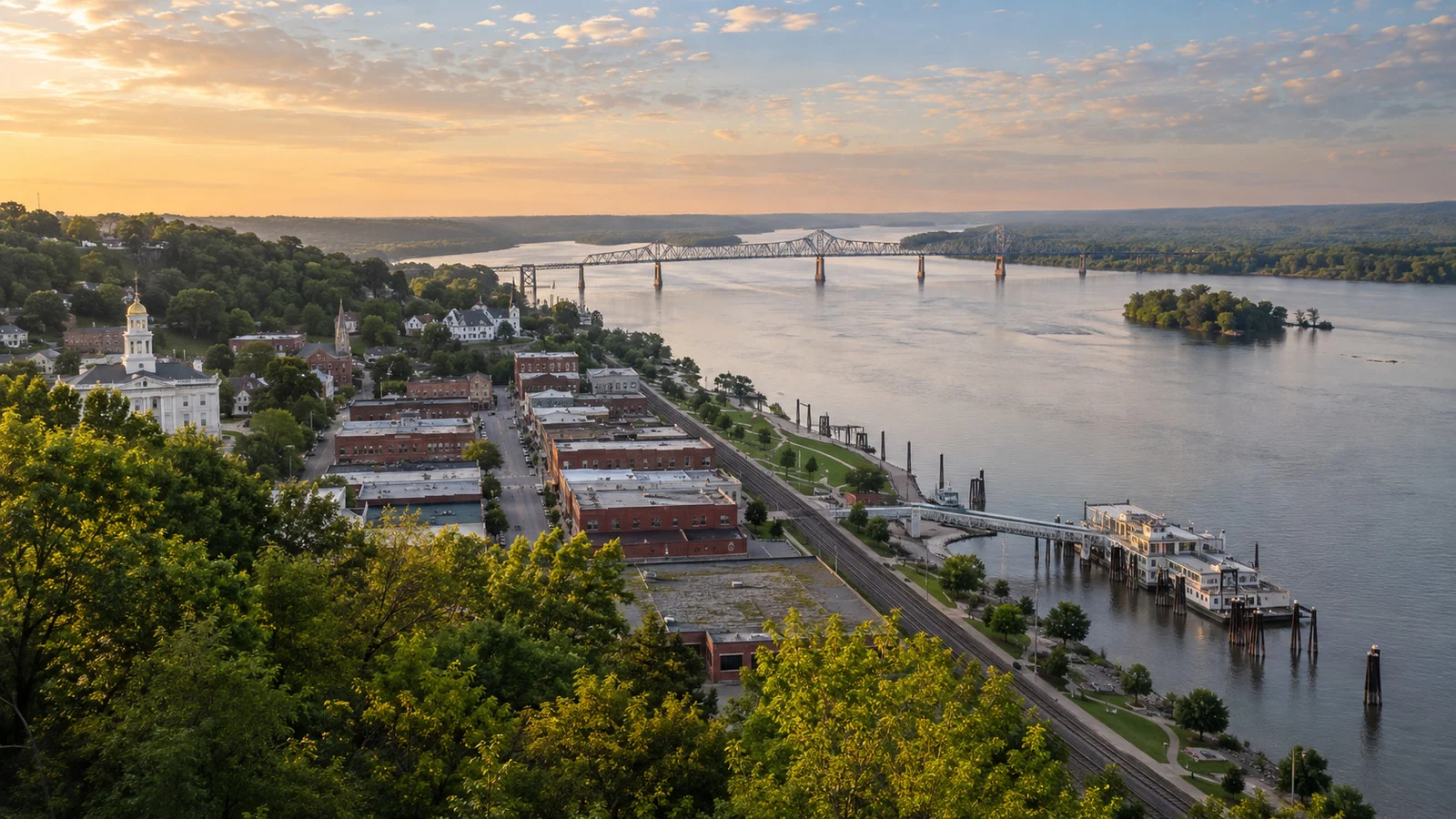
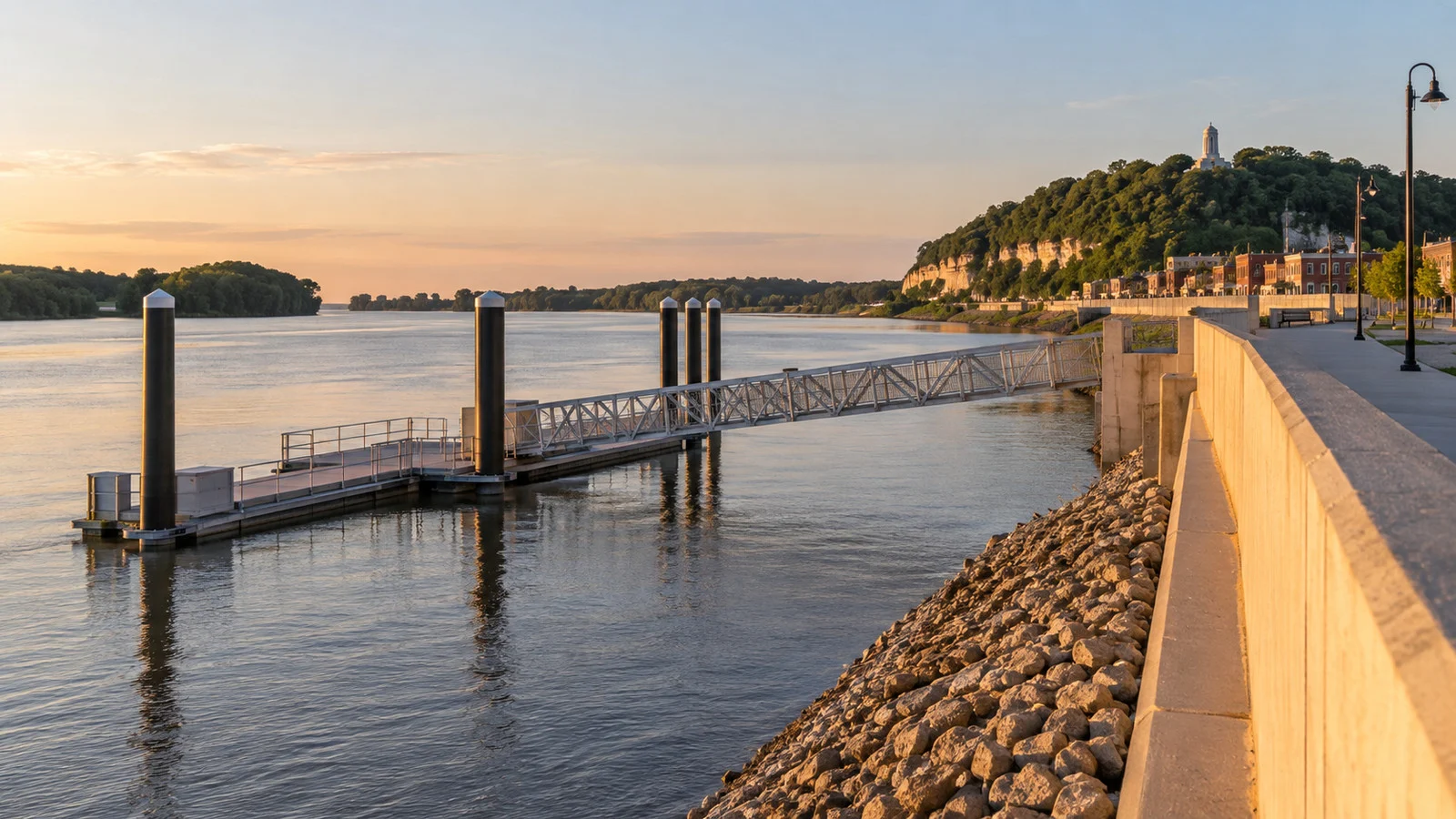
A key current landing is Glascock’s Landing at 100 Center Street on the Hannibal riverfront. The official tourism calendar used that name and address for multiple American Cruise Lines visits in 2026.
The city riverfront also has north and south large-vessel docking locations. Assignment can depend on the cruise line, ship design, river stage, maintenance, traffic, other vessels, and the operational agreement in force.
Visit Hannibal’s 2026 American Melody notice is excellent proof that Glascock’s Landing is active, but it is not a universal berth certificate. Viking’s South Dock arrangements are a good reminder that a different ship may use a different face.
Rafting alongside another passenger vessel is possible in river operations, but Hannibal does not advertise it as the normal guest route. Ask the cruise line whether you will cross another ship, use stairs, or meet a steep gangway.
Before walking back, photograph your vessel and note whether it is at the north or south position. “Down by the riverboat” becomes less useful when Hannibal is welcoming two of them.
The Floodwall Is Part of the Port
Hannibal’s attractive riverfront lies on the river side of the downtown flood-protection system. To reach Main Street and the Twain district, guests normally pass through a floodwall opening such as Center Street or Broadway.
When the river rises, the city can install floodgates and restrict the direct route. A dock can become unusable before water threatens the protected heart of downtown.
The floodwall also creates a practical accessibility transition. Even with improved sidewalks and a broad riverside path, the ship-to-street journey may include a variable gangway, cobbles or textured surfaces, railroad-area crossings, gates, and a grade change.
Hannibal Parks and Recreation says the renovated riverfront includes a half-mile wide pedestrian path, new sidewalks, lighting, green space, and accessibility improvements. Those public-realm features help after disembarkation, but they do not certify the cruise gangway.
How Far Is Downtown?
From Glascock’s Landing, the lower end of Main Street and the Mark Twain Museum Gallery can be roughly a 5- to 10-minute walk after leaving the dock. The Boyhood Home cluster around Hill and North Main streets may take about 10 to 15 minutes.
Those are editorial walking estimates from a central riverfront landing. A south-dock assignment, closed gate, wet surface, group congestion, or mobility limitation can add time.
Historic downtown is compact and mostly comfortable for a short independent loop, but the bluffs rise sharply behind it. Cardiff Hill, the Mark Twain Memorial Lighthouse, and elevated overlooks belong in a different physical category from flat Main Street.
Leave more return margin than the outward walk required. The gangway, floodwall opening, and possible security check are still there, and riverboats have a stubborn habit of following departure schedules.
Mark Twain Boyhood Home and Museum
The main attraction is a multi-building campus rather than one historic house with a gift shop attached. It includes the Interpretive Center, Museum Gallery, Mark Twain Boyhood Home, Becky Thatcher House, Huckleberry Finn House, Judge Clemens Justice of the Peace Office, and Grant’s Drug Store.
The museum’s official visitor page lists summer hours from March 15 through November 1 as 9 a.m. to 5 p.m. daily. Winter hours from November 2 through March 14 are 10 a.m. to 4 p.m. daily.
A ticket covers the museum campus and remains valid for two consecutive days, although a cruise guest will normally use only one. The museum recommends one to two hours for a quick visit and two to three hours for a more relaxed look.
Start at the Interpretive Center at 415 North Main Street if following the museum’s planned sequence. If your call is short, the Museum Gallery at 120 North Main and the Boyhood Home cluster can be prioritized according to interest and walking comfort.
The campus combines original buildings, restored spaces, and reconstruction. The Huckleberry Finn House, for example, is a reconstruction based on evidence about the demolished home of Tom Blankenship, the person associated with Twain’s fictional Huck.
Real People, Fictional Characters, and Better History
Samuel Clemens grew up in Hannibal, then reshaped memories, people, speech, geography, and imagination into literature. Tom Sawyer and Huckleberry Finn are fictional characters, not local boys whose driver licenses are tucked behind the museum desk.
That distinction matters especially with race. Adventures of Huckleberry Finn confronts slavery and racism while using dehumanizing language from its setting, and a responsible visit should engage that history rather than turning Jim into cheerful background scenery.
Hannibal’s story includes Indigenous peoples, enslavement, free and enslaved Black residents, steamboat commerce, migration, industry, and Civil War border-state tensions. Twain tourism is more meaningful when these histories remain visible.
Viking’s current Hannibal excursion material includes the city’s African American History Museum, showing that cruise interpretation is beginning to widen beyond the familiar fence and cave. Ask your operator what is included, since small museums may have limited independent hours.
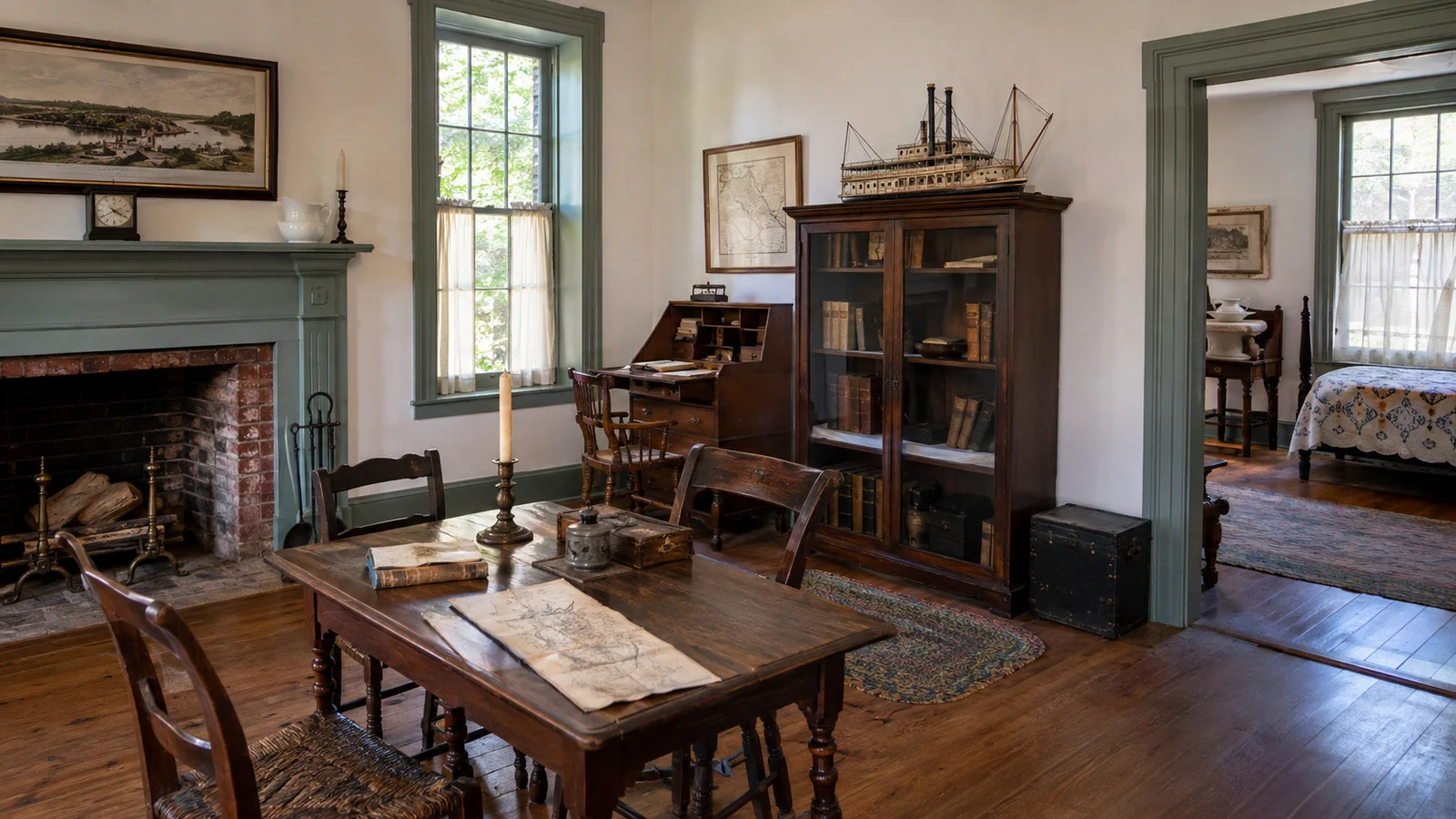
Accessibility at the Twain Museum Campus
The museum is unusually clear about its limitations. The Interpretive Center, Becky Thatcher House, Justice of the Peace Office, and Museum Gallery are identified as fully ADA accessible.
The Boyhood Home has two steps to its first-floor viewing platform and a full flight to the second floor. Grant’s Drug Store has an accessible first floor but stairs to the second, and the Huckleberry Finn House also has limited access.
Video tours provide alternatives for areas visitors cannot physically reach, and self-operated lifts assist at parts of the campus. Historic sidewalks, short outdoor gaps between buildings, weather, and crowds still affect the route.
If you use a mobility device, ask the cruise line about the gangway and the museum about the best building order. Our broader river cruise accessibility guide has a practical checklist for dock, shuttle, and attraction questions.
A museum labeled partly accessible may still offer several substantial step-free galleries. Conversely, a flat downtown map says nothing about the final two stairs into a historic house.
Mark Twain Cave Is Not Downtown
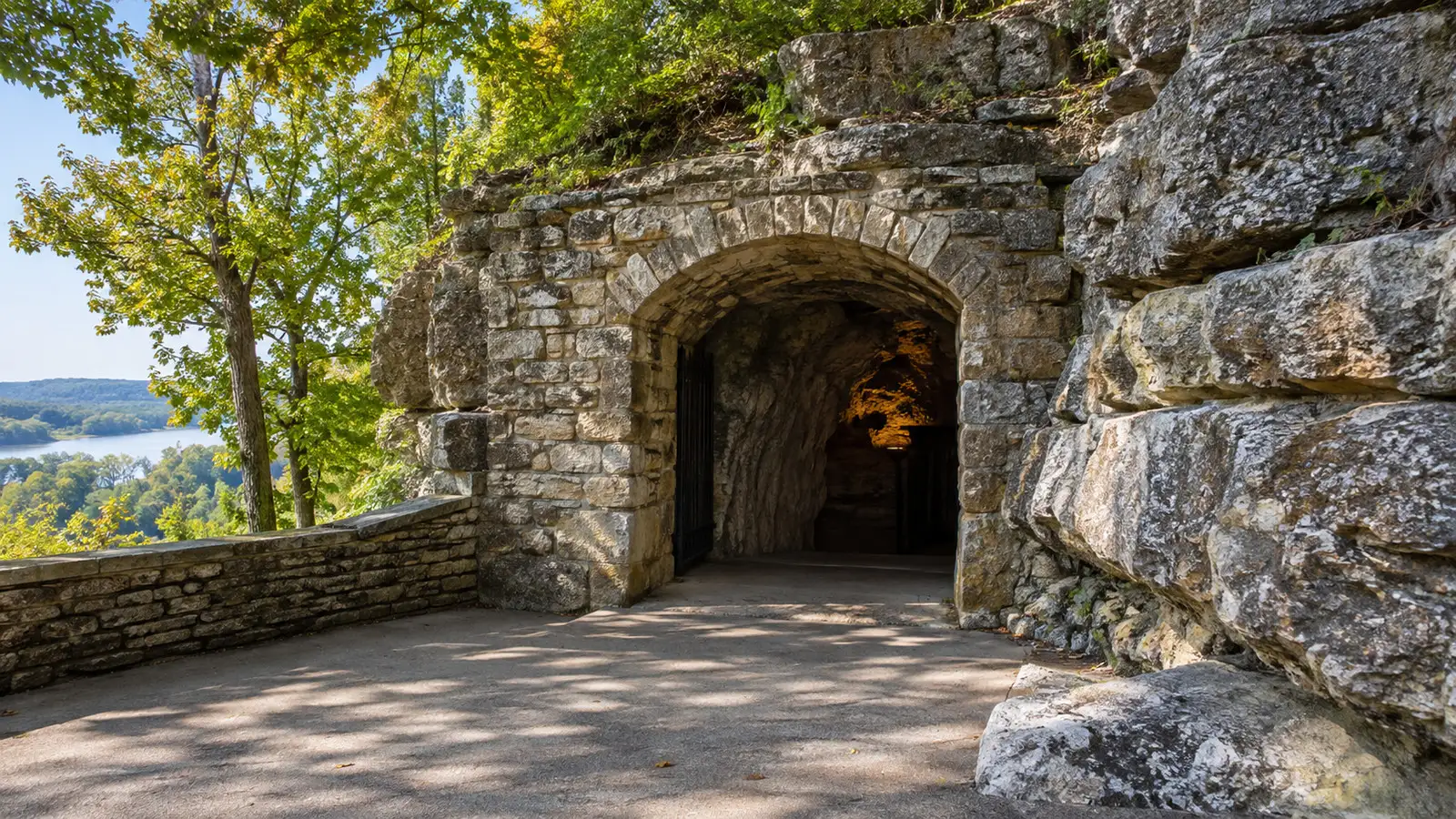
Mark Twain Cave is at 300 Cave Hollow Road south of central Hannibal. The cave’s official directions place it off Scenic Highway 79, with the final turn roughly 1.5 miles along Cave Hollow Road.
From the downtown riverfront, allow about 10 to 20 minutes each way by excursion coach, taxi, or rideshare as an editorial estimate. Walking beside the highway is not a sensible cruise-day transport plan.
The operator describes the standard Mark Twain Cave tour as a guided, electrically lit, three-eighths-mile route lasting about one hour. It says there are no stairs and the cave remains 52 degrees Fahrenheit year-round.
“No stairs” does not mean wheelchair accessible. The cave explicitly says the tour is not wheelchair accessible and discourages walkers and strollers, so ask about passage width, surface, balance, and transfer requirements before booking.
Wear closed, sensible shoes and bring a light layer even on a hot Missouri day. The cave will provide the climate control that downtown was too humid to offer.
Mark Twain Cave Versus Cameron Cave
Mark Twain Cave and Cameron Cave are separate tours within the same complex. A cruise excursion advertising “the cave” almost always needs one more line of confirmation.
Cameron Cave is a roughly 90-minute, flashlight-led tour over about a mile of uneven route. It is also not wheelchair or stroller accessible and is more physically demanding than the standard Mark Twain Cave visit.
Do not book a Cameron Cave or adventure tour assuming it is the gentler literary option. The standard Mark Twain Cave has the stronger direct connection to Clemens’s childhood and The Adventures of Tom Sawyer.
Both tours require transport from downtown, fixed departure timing, and enough return margin for the ship. An organized excursion removes most of the risk, particularly when a cave tour time and all-aboard time are uncomfortably friendly with each other.
River Levels and Flooding
The National Weather Service’s Hannibal gauge is HNNM7. It defines action stage at 15 feet, minor flooding at 17 feet, moderate flooding at 22 feet, and major flooding at 24 feet.
The official gauge page also identifies 34 feet as the top of the Hannibal floodwall. That does not mean a river cruise can operate normally until the gauge reaches 34 feet.
The docks and riverfront are outside the protected downtown side, so high water can submerge approaches, strengthen current, alter gangway geometry, and require floodgate installation much earlier. Cruise operations may change while Main Street remains dry.
Low water brings a different set of problems, including channel depth, shoaling, commercial traffic, draft restrictions, and schedule changes elsewhere on the Upper Mississippi. A Hannibal cancellation can be caused by conditions far from Hannibal.
Fog, high wind, severe thunderstorms, lightning, and navigation traffic also matter. Check the gauge for context, but let the captain and cruise line translate river data into an actual port decision.
Weather and Seasonal Planning
Hannibal has hot, humid summers, cold winters, and changeable spring and fall weather. River-cruise season often overlaps with thunderstorms, high-water periods, summer heat, and autumn fog.
Wear layers and carry a compact rain shell. Main Street may be warm while Mark Twain Cave remains steadily chilly enough to make your short sleeves question their life choices.
Ice, snow, or severe storms can close museum properties early in winter, according to the Twain museum’s visitor guidance. Summer heat can make the lighthouse steps or bluff trails unsuitable even when the flat historic district is comfortable.
During lightning, leave the exposed riverfront and follow crew instructions. A metal gangway, open water, and a storm cell are not improved by one final panoramic photograph.
Other Downtown Stops
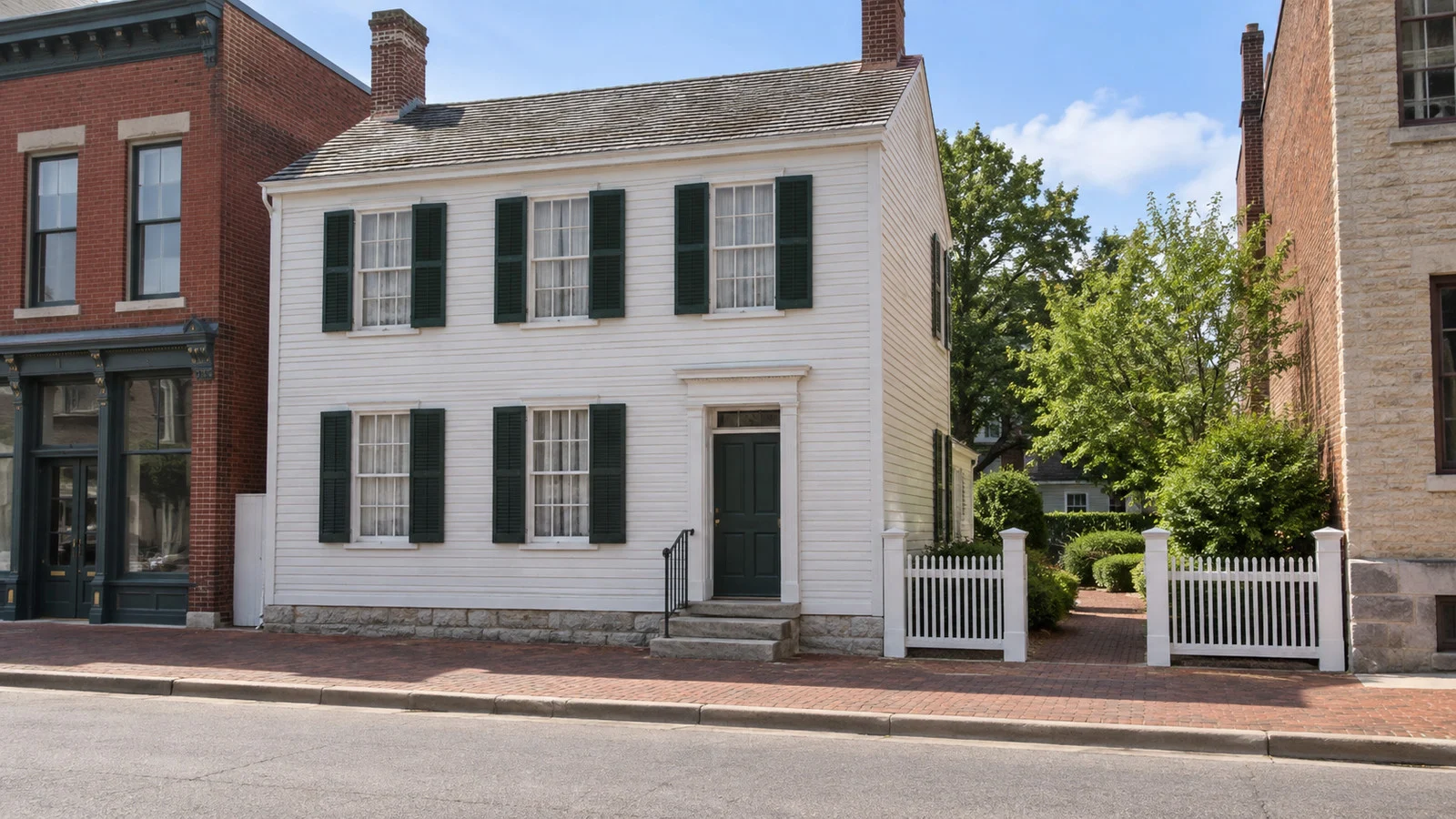
Main Street has shops, restaurants, galleries, and historic storefronts within an easy loop. Business hours can be shorter early in the week or outside peak season, so check same-day listings instead of assuming every doorway participates in your arrival.
The Tom and Huck statue stands near the foot of Cardiff Hill. It is a quick photo stop, while the Memorial Lighthouse above it requires a much steeper climb involving 244 steps.
Molly Brown’s birthplace is elsewhere in Hannibal rather than inside the Twain campus. If “the Unsinkable Molly Brown” is a priority, confirm opening hours and transport before using part of a short call.
The riverfront itself is worth time when conditions are safe. The broad promenade lets you see the river, marina, tow traffic, bluffs, and your ship in the landscape that shaped Clemens’s imagination.
Food, Shopping, and Practical Comfort
Downtown restaurants make an independent lunch realistic, but a short call and a popular tour group can fill small dining rooms quickly. Order early, tell the server your return deadline, and keep enough time to cross the floodwall.
Missouri sales tax is added at checkout, and tipping is customary for table service. Carry a card plus a little cash for small purchases, though most central visitor businesses are accustomed to cards.
Twain-themed souvenirs range from worthwhile books to objects whose relationship with literature is admirably speculative. The museum shops are the best place to buy editions connected directly to preservation and interpretation.
Public restrooms are available around the riverfront and visitor district, but hours can follow park or attraction operations. Use museum facilities before the return walk rather than trusting a locked riverside building to understand urgency.
Safety Around the Landing
The Mississippi at Hannibal is a working navigation channel with strong current, towboats, barges, changing banks, and cold-water risk outside summer. Stay behind barriers and never enter the water from the landing.
Watch for wet metal, uneven cobbles, railroad-related surfaces, bicycles, service vehicles, and traffic near floodwall openings. The route is short, not hazard-free.
Call 911 for emergencies and save the ship’s local contact number before leaving. Photograph the correct dock and remember whether the vessel is north or south of the central landing area.
Return early if river weather is deteriorating. Crew may temporarily close a gangway during lightning or high winds even when the ship is fully visible.
Can You Explore Independently?
Yes, and Hannibal is one of the better Mississippi calls for doing so. Glascock’s Landing and the downtown docks put the Mark Twain campus, Main Street, restaurants, and riverfront within a compact area when floodwall access is open.
An organized tour is the safer choice for Mark Twain Cave, Cameron Cave, distant overlooks, or a broader city drive. Transport supply is more limited than in a major city, and a rideshare app showing a car now does not promise one after your cave tour.
If your ship provides a hop-on shuttle, learn its exact stops and final run. A shuttle loop can change with dock position, construction, festivals, and street closures.
Our Mississippi river cruise ports guide compares landing styles and independent access along the river. Hannibal’s combination of a central dock and floodwall makes it easy until high water rewrites the doorway.
The museum, cave, and return plan I would use
Start with the Mark Twain museum campus because it is close to the riverfront, then choose buildings that match your interests and mobility. Admission does not make every historic interior step-free, so use the museum’s current accessibility map and building hours.
Mark Twain Cave and Cameron Cave are outside the downtown walking loop and require a reserved ride or excursion. Both involve uneven natural surfaces and are not wheelchair accessible, while the longer flashlight-led Cameron tour demands more balance and stamina.
Use only the guided cave route, do not touch formations or historic markings, and follow closures during heavy rain or other unsafe conditions. A timed cave booking should still leave at least 60 to 90 minutes to reach the assigned dock and floodwall gate.
High or low water, fog, storms, or a closed floodwall opening can change the dock-to-town route. Confirm the gangway, surface, accessible vehicle, and return gate with the ship before assuming the renovated public riverfront solves every mobility barrier.
Foreign passengers follow current United States entry rules and the line’s identification instructions. Carry the required ship card or passport, especially when an independent cave trip takes you away from the compact port area.
Three Sensible Port-Day Plans
For two hours, walk to the Mark Twain Museum Gallery and Boyhood Home cluster, then return along Main Street. Choose two or three buildings rather than sprinting through the full campus while absorbing mostly gift-shop air.
For four hours, follow the museum’s complete self-guided route and add lunch or the riverfront promenade. This is the best independent plan for readers, history travelers, and anyone who prefers context to coach windows.
For a longer call, take an organized Mark Twain Cave tour, then spend remaining time downtown. Do not combine Cameron Cave, the entire Twain campus, lighthouse steps, lunch, and shopping unless your ship has scheduled an unusually long day.
For limited mobility, prioritize the accessible museum buildings and confirm a step-free dock transfer. The cave’s no-stair route is still not wheelchair accessible, while the lighthouse is unmistakably a staircase project.
The Bottom Line
Hannibal is an active and rewarding Mississippi river-cruise port with current 2026 calls at Glascock’s Landing and additional north and south dock infrastructure. Its Twain district is genuinely close, but the floodwall and river stage decide how straightforward the first few minutes ashore will be.
Walk downtown independently, take organized transport to Mark Twain Cave, and approach the literature with room for the real histories of race, labor, and river commerce. Hannibal is more interesting when Tom and Huck do not have to carry the entire town by themselves.
How We Researched This Guide
This guide was researched and fact-checked on September 12, 2026, using City of Hannibal dock agreements and budgets, current 2026 cruise and tourism schedules, official Mark Twain museum and cave information, Hannibal Parks and Recreation, and the National Weather Service river gauge. Walking times and road-transfer ranges are labeled editorial estimates because no public vessel-assignment calendar covers every operator.
We do not claim a personal visit, ship inspection, or guaranteed landing. Our sourcing, correction, and experience-label standards are explained in the CruisePorts.co Editorial Policy, and travelers should recheck final documents because floodgates, weather, and dock assignments can change after publication.
How this guide was researched: This guide is based on independent research using Viking River Cruises, Visit Hannibal, the City of Hannibal, the Mark Twain Boyhood Home and Museum, Mark Twain Cave, Hannibal Parks and Recreation, and NOAA.
Logistics and time-sensitive details were reviewed on September 12, 2026. See our Editorial Policy.