Oak Alley Plantation River Cruise Port Guide
Oak Alley is one of the Lower Mississippi River’s most recognizable stops, but the famous avenue of live oaks is only the opening scene. A worthwhile visit looks beyond the graceful landscape to the people whose labor, choices, losses, and resilience shaped this sugar plantation.
For cruise travelers, Oak Alley is also unusually focused: your ship’s program normally organizes the transportation, the historic site is compact enough to explore in a few hours, and there is no town center to navigate. The details still matter, especially the day’s landing plan, your reserved Big House time, the heat, and the walk back to the vessel.
Where river cruises stop for Oak Alley
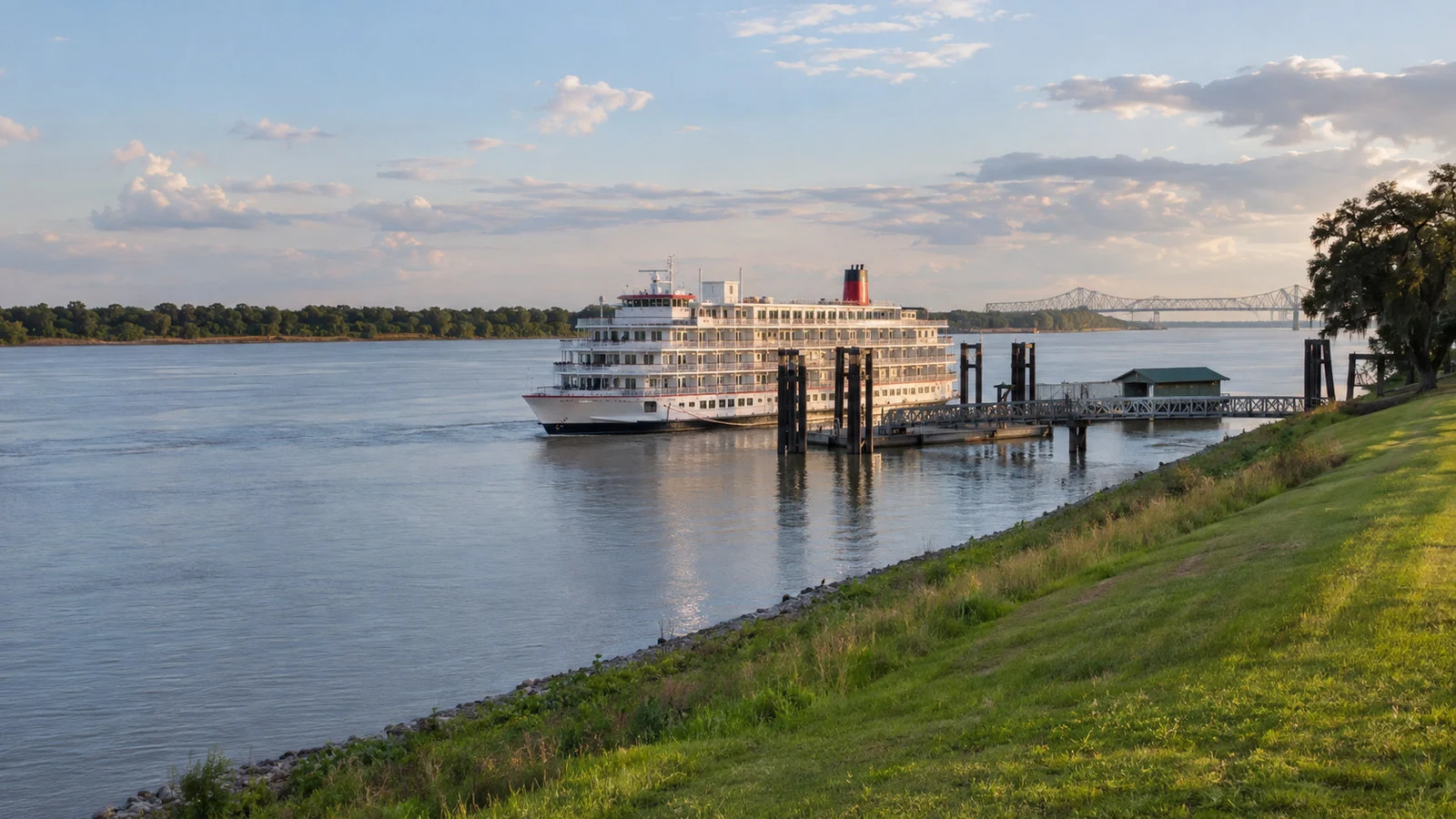
Oak Alley stands in Vacherie, Louisiana, along Great River Road on the west bank of the Mississippi. River cruise lines may describe the call simply as Oak Alley, even though this is a historic-site stop rather than a conventional port with a terminal, taxis, and independent tour desks.
The exact arrival can change with river conditions and the ship’s operating plan. Depending on the sailing, guests may walk from a nearby landing, use a short transfer, or receive different instructions from the onboard team, so the daily program is more reliable than an old map or another traveler’s recollection.
Listen carefully for the all-aboard time and for any directions about the levee or gangway. Mississippi River levels can affect slopes and walking surfaces, and the route that felt easy on one cruise may be steeper or longer on another.
Quick Facts
- Destination: Oak Alley Plantation, Vacherie, Louisiana
- Setting: A 63-acre National Historic Landmark site beside the Mississippi River
- Visit style: Self-paced grounds and exhibits, with timed interpretation inside the Big House
- Recommended time: At least two hours, according to Oak Alley Foundation
- Accessibility: Most exhibits are accessible, but the Big House second floor requires 22 stairs
- Best preparation: Comfortable shoes, water, sun protection, and the ship’s current return instructions
- Independent address: 3645 Highway 18, Vacherie, Louisiana
What to expect when you arrive
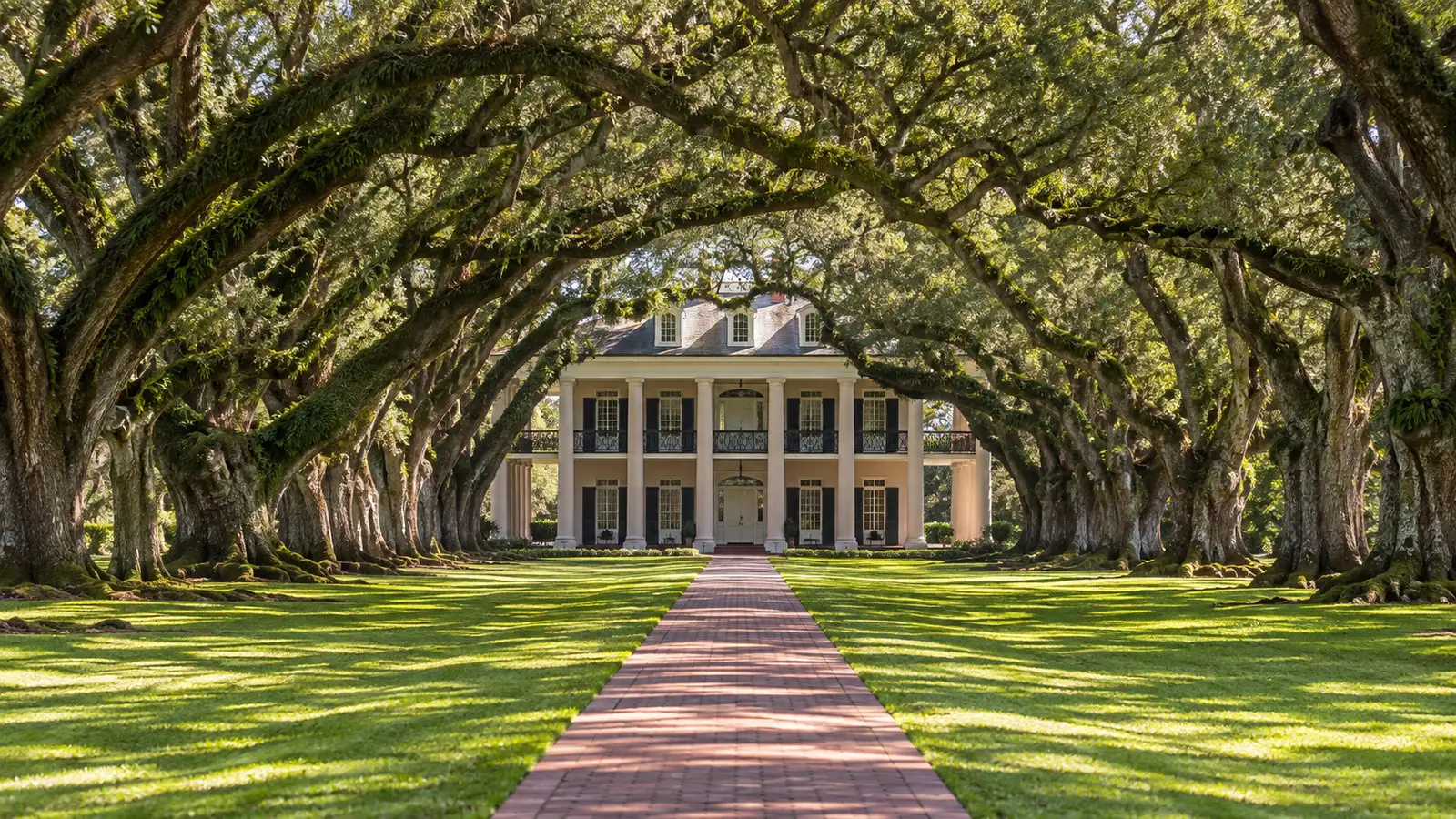
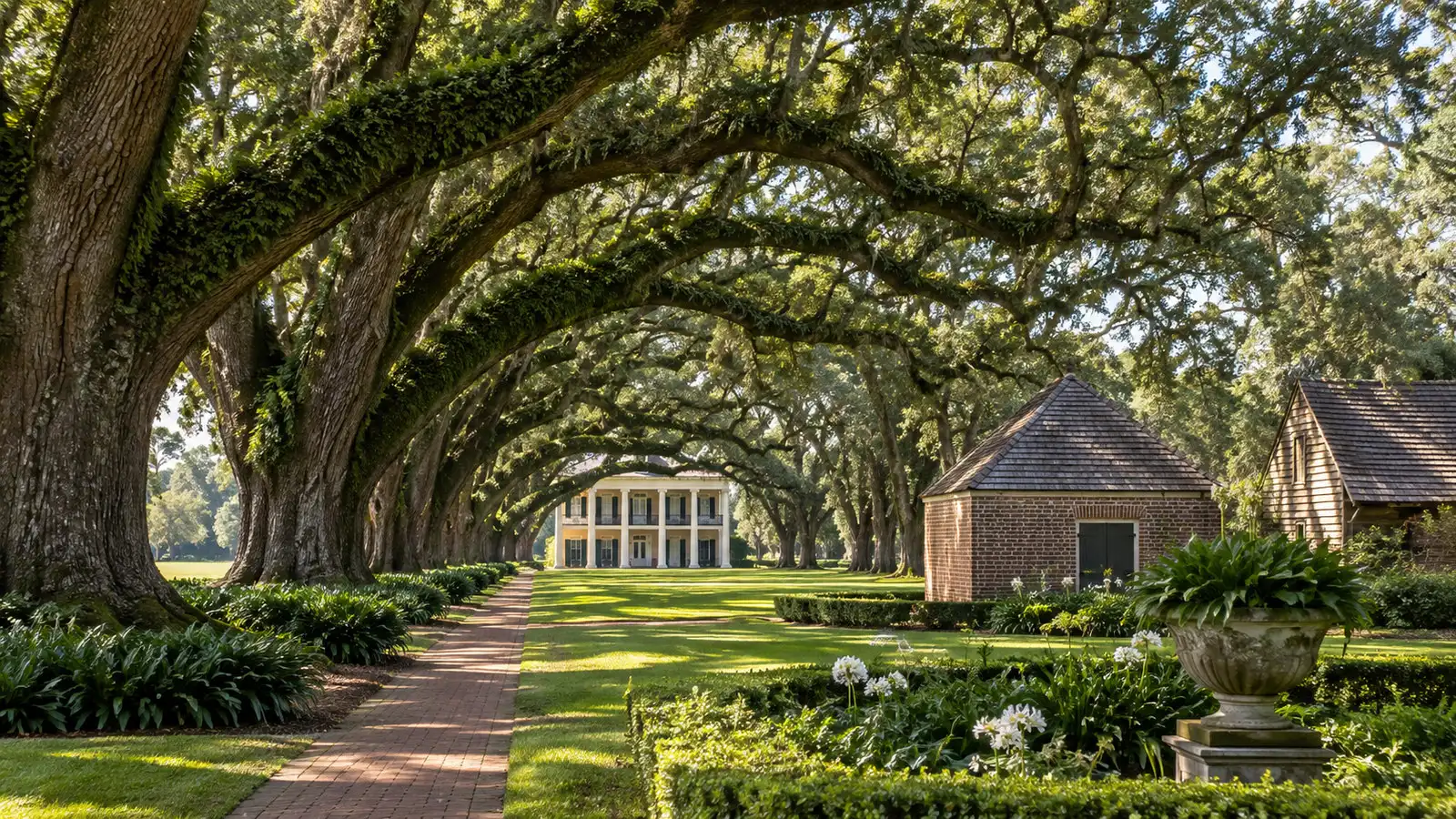
The defining view is the long allée of 28 live oaks leading toward the Greek Revival Big House. Give yourself a moment to take in the scale, but do not treat the trees and columns as the whole story.
Oak Alley Foundation operates the nonprofit historic site and preserves the Big House and surrounding 63 acres. The restaurant, cottages, and some visitor amenities next door are separate from the foundation’s historical interpretation, an important distinction when checking what your cruise excursion includes.
The grounds are generally explored at your own pace, while entry to the Big House follows a scheduled or assigned time. If your ship has arranged a group visit, follow its meeting instructions rather than assuming you can enter the house whenever you reach the front steps.
The foundation asks visitors with advance admission to arrive before their selected time and recommends allowing at least two hours for the full site. Cruise schedules can be tighter, so identify your Big House time first and build the rest of your walk around it.
The Big House in context
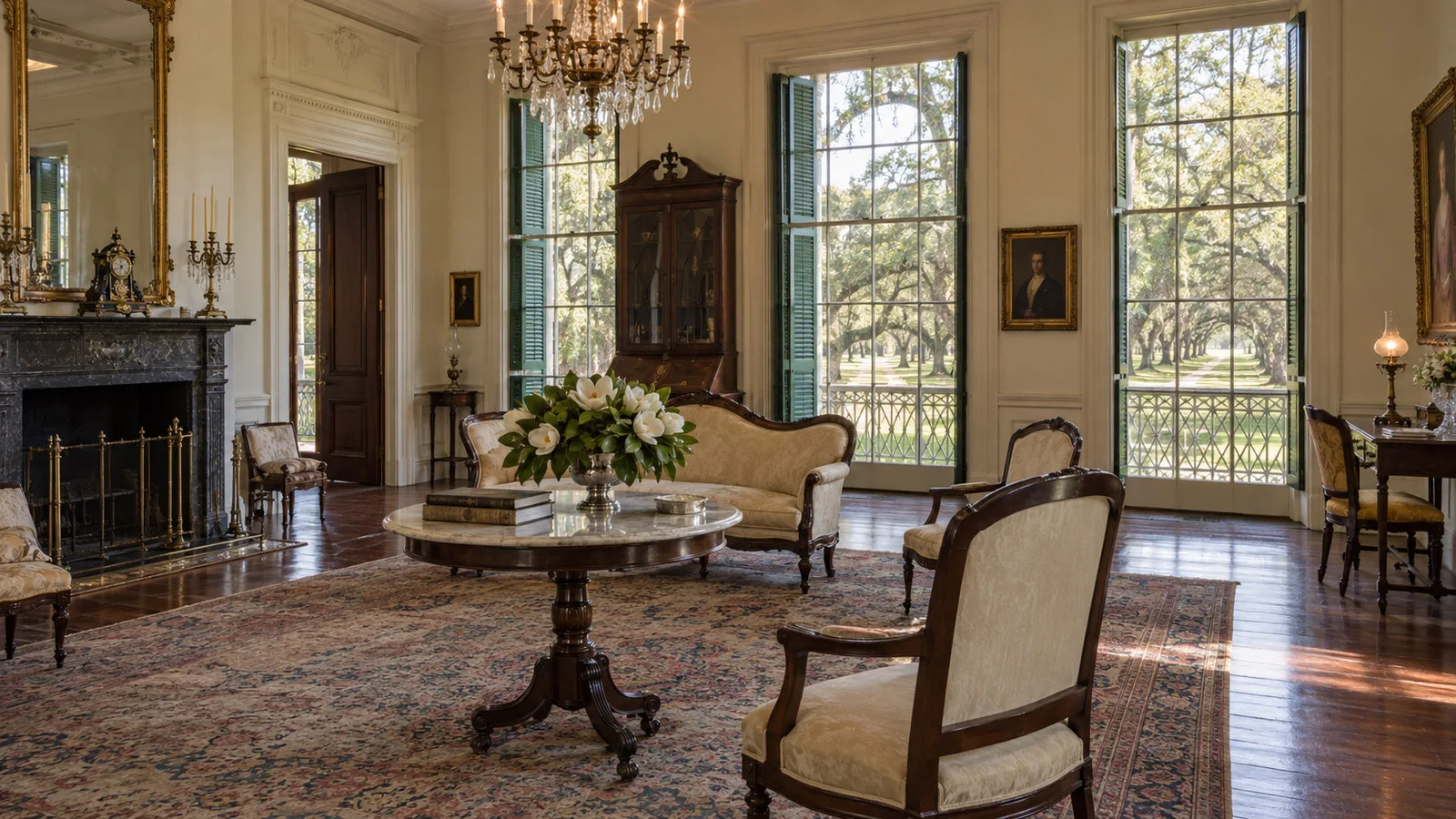
The Big House was completed in 1839 for Jacques and Celina Roman during the expansion of Louisiana’s sugar economy. Its architecture, furnishings, and domestic spaces reveal the wealth enjoyed by the enslaving family, but that wealth depended on a system of forced labor.
Inside, interpreters discuss the building and the people connected with it across different eras. The visit is not a free-roaming mansion tour, so stay with the interpretive flow and respect rules intended to protect the collection.
Photography and recording are not permitted inside the Big House, although photography is encouraged elsewhere on the historic grounds. Strollers also remain outside this exhibit, and staff can point out the designated storage location.
The second floor is reached by 22 stairs and is not wheelchair accessible. A video tour is available in the media room for guests who cannot make the climb, but it is wise to tell your cruise excursion team about mobility needs before leaving the ship.
The history of slavery at Oak Alley
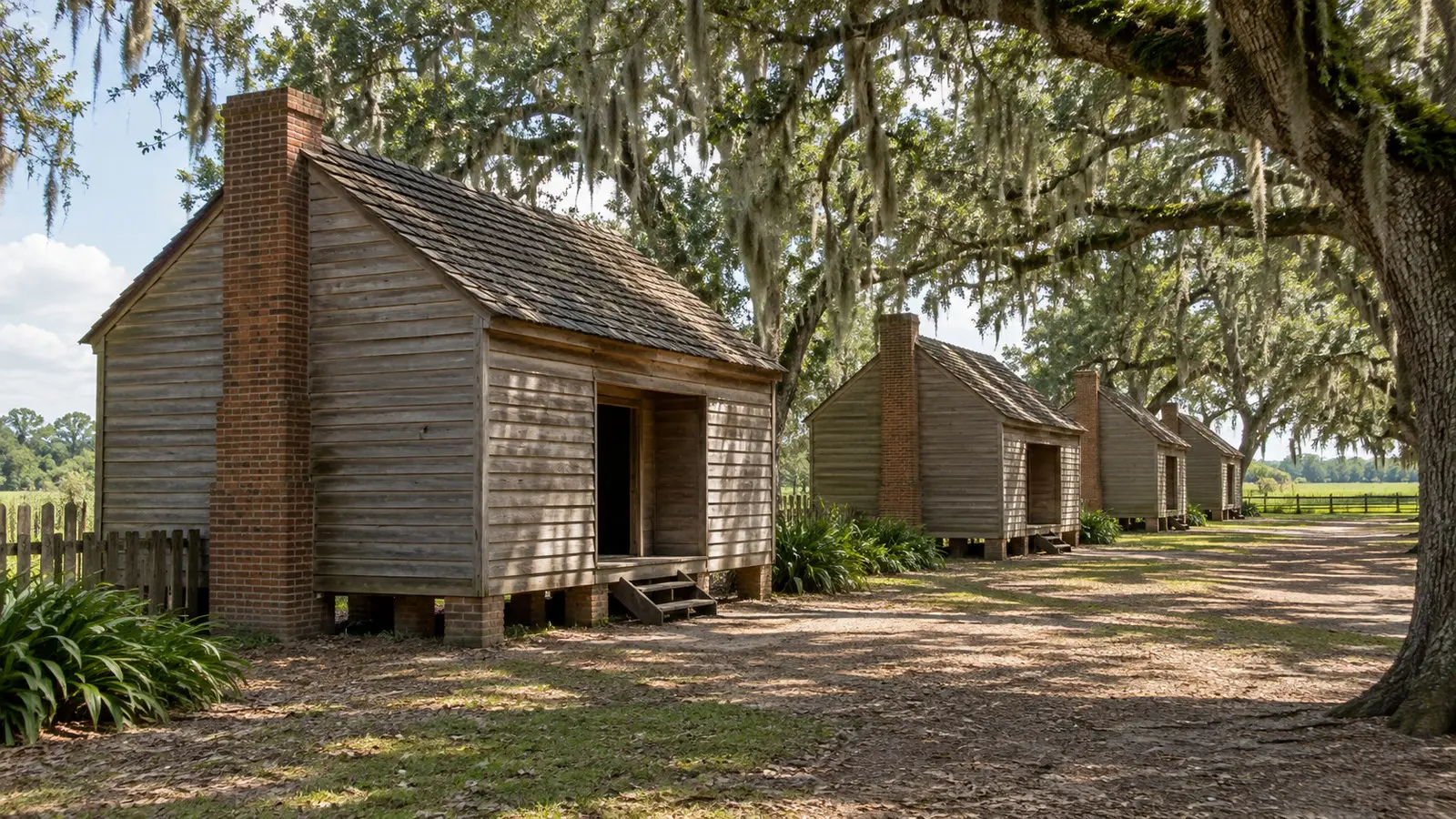
Oak Alley cannot be understood honestly without the enslaved men, women, and children who built and sustained the plantation. Their labor produced the sugar wealth represented by the Big House, and their lives deserve more attention than a passing reference beneath the oaks.
The Slavery at Oak Alley exhibit examines that community through research, reconstructed spaces, interpretation, and surviving records. Approach it as a central part of the visit rather than an optional add-on after seeing the mansion.
The foundation’s public slavery database gathers currently available information about individuals enslaved at Oak Alley, including names, origins, relationships, skills, duties, and transactions. It also retains dehumanizing details found in historical records, such as appraised values, while using them to document people whom the archive too often reduced to property.
Some questions cannot be answered because the surviving record is incomplete. That uncertainty is part of responsible interpretation, and it is better to recognize the gaps than to fill them with nostalgic stories about plantation life.
Allow enough time to read, listen, and reflect. The most meaningful Oak Alley visit holds the visual beauty of the landscape together with the violence and exploitation that made plantation wealth possible.
Other exhibits and the grounds
Beyond the Big House and slavery exhibit, the grounds explore agriculture, sugar production, local ecology, and the site’s later history. What is open can change, so use the map provided at check-in and ask staff which interpretive areas fit your available time.
The live-oak allée naturally draws cameras, especially when morning or late-afternoon light filters through the canopy. Stand to one side of the central path when taking a longer photo so other guests can pass and enjoy the view.
Look beyond the postcard angle for the relationship between the river, levee, fields, and buildings. The location makes much more sense when you see it as part of a working Mississippi landscape rather than an isolated mansion garden.
Benches and shaded patches can offer welcome pauses, but much of the visit still involves outdoor walking. The humid air can be tiring even when the distance looks modest on a map.
How to plan a cruise excursion
Start with the excursion description in your booking portal, then check it again aboard. American Cruise Lines currently lists Oak Alley on Lower Mississippi itineraries and notes that exact itineraries and excursions vary by cruise date.
Its current Oak Alley Estate excursion is labeled high activity and partially accessible, which is a useful warning rather than a universal measurement. Your ship, route, river stage, and chosen activities can all change the physical demands.
A ship-organized visit is usually the simplest option because the operator coordinates transportation and return timing. It may also bundle admission, but you should confirm whether the Big House, grounds, refreshments, or another nearby attraction are included.
Some itineraries offer alternatives such as Whitney Plantation, Laura Plantation, a wetland boat trip, or a Cajun cooking experience. These are separate choices, and travelers should not assume they can combine multiple full excursions during a single Oak Alley call.
If you prefer independent arrangements, first confirm that passengers may leave the landing on their own and that suitable transportation is available. Ride-hailing coverage in rural Vacherie can be inconsistent, and a driver who brings you out may not be nearby when you need to return.
Never plan an independent visit around the attraction’s closing time alone. Your deadline is the ship’s all-aboard time, with a safety margin for walking, traffic, riverbank access, and any last-minute change in the landing.
A smart two-hour route
At check-in, locate your Big House entry time and the final return point for the ship. If the house visit is soon, head there first and save the allée for afterward.
Next, devote focused time to the Slavery at Oak Alley exhibit and related interpretation. Reading every panel may not be possible on a short call, so prioritize the material that adds names, relationships, and lived experience to the broader history.
Use the remaining time for the oak avenue, agricultural displays, and whichever open areas most interest you. Begin moving toward the pickup or landing before the official deadline, especially if the day is hot or the riverbank route is uneven.
If you have more than two hours, slow the pace rather than cramming in an unrelated attraction. A quieter walk and a fuller reading of the exhibits often add more value than a rushed transfer elsewhere.
Accessibility and walking conditions
Oak Alley Foundation says most exhibits are accessible and permits basic and motorized wheelchairs. Historic surfaces, grass, weather, and the cruise landing route can still create challenges that a simple accessibility label does not capture.
Guests with mobility difficulties are encouraged to bring their own assistive devices. Ask the cruise line about gangway slope, the distance from ship to vehicle or entrance, whether a lift-equipped transfer is used, and where companions can meet after the Big House tour.
Service animals are welcome under the site’s published policy, while pets are not permitted. If you travel with a service animal, notify the cruise operator early so the transfer and boarding arrangements are clear.
There is no shame in choosing the video presentation or concentrating on accessible exhibits. A comfortable, attentive visit is better than exhausting yourself on stairs and missing the history you came to understand.
Weather, clothing, and comfort
South Louisiana can be hot, humid, and wet, with strong sun even on hazy days. Wear breathable clothing, comfortable closed-toe shoes, and a hat, then carry water if your ship and the site allow it.
A compact rain jacket is usually more practical than an umbrella on narrow paths or in a group. During stormy weather, follow staff directions and do not linger beneath large trees simply because their canopy looks sheltered.
Winter mornings may feel cool near the river, while afternoons can warm quickly. Light layers work well because you will move between conditioned interiors, shaded grounds, and exposed paths.
Check the National Weather Service forecast for the New Orleans and Baton Rouge region before your call, then listen for shipboard updates. River operations and outdoor access can change when severe weather, flooding, or high water affects the area.
Food, drinks, and nearby amenities
A restaurant and other commercial amenities sit adjacent to the historic site, but they are not the same organization as Oak Alley Foundation. Opening hours, payment arrangements, and cruise-package inclusions can therefore differ from the museum visit.
Do not count on a leisurely meal unless your excursion schedule clearly allows one. On a short call, a quick refreshment after the core exhibits is safer than ordering first and worrying about the Big House reservation later.
Picnics are not permitted within the historic grounds, although the foundation notes that picnic tables are available near the parking area. Follow current signs because event operations and visitor policies may change.
Photography and visitor etiquette
Outdoor photography is welcome, but the site prohibits photography and recording inside the Big House. Silence your phone before entering and treat the restriction as part of preserving the collection and keeping the route safe.
Be thoughtful when posing near exhibits about enslavement or memorial spaces. These are places of documented human suffering and endurance, not decorative backdrops.
Give interpreters room to speak, avoid blocking paths, and keep voices low when groups are discussing difficult history. A little awareness makes the visit more respectful for descendants, staff, and fellow travelers.
Is Oak Alley worth the stop?
Yes, if you approach Oak Alley as a layered historic site rather than only a famous photograph. The river setting, architecture, landscape, and documented stories together explain how plantation wealth was created and whose freedom was taken to produce it.
The stop also fits a river cruise well because it connects directly to the Mississippi corridor you are sailing. Seeing the levee and plantation landscape in person gives physical context to the agricultural economy discussed throughout Lower Mississippi itineraries.
Travelers interested only in interiors may find the assigned timing restrictive, while guests with limited mobility should plan carefully for stairs and outdoor surfaces. Those caveats do not diminish the site’s value, but they should shape how you use your time.
Before you leave the ship
Confirm the excursion meeting place, the exact all-aboard time, what admission includes, and whether transportation returns directly to the vessel. Bring your cruise card, any required ticket, water, sun protection, and only the gear you are comfortable carrying across the grounds.
Most importantly, arrive ready to engage with the full history. The oaks and Big House may be what first catches your eye, but the people whose lives were bound to this land are what make Oak Alley a place worth understanding.