Fakarava Cruise Port Guide: Tenders, Passes and Lagoon Days
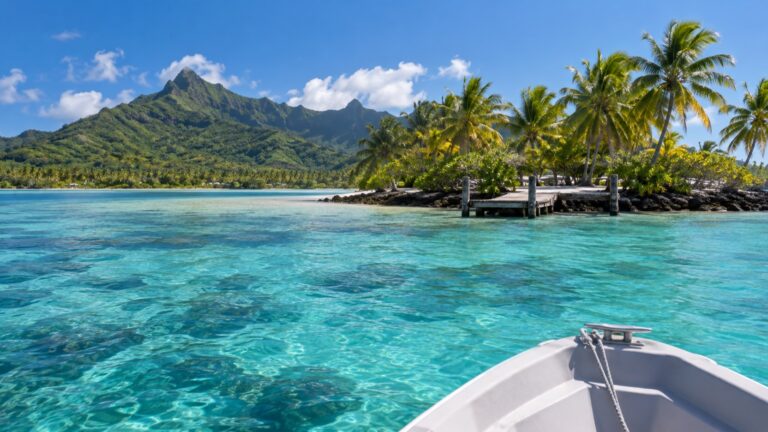
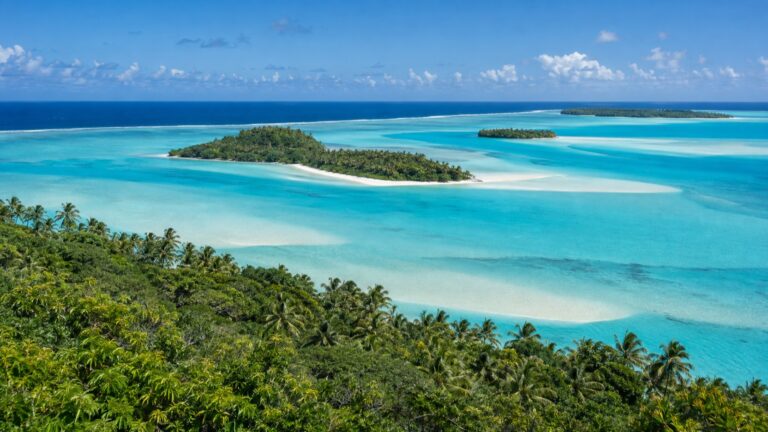
Fakarava is the kind of cruise port where the lagoon is the main attraction and the village is part of the charm. Your day is less about rushing between landmarks and more about choosing the right water experience, leaving enough time for the tender, and accepting that island conditions set the pace.
Most visitors come for clear water, coral, rays, reef sharks, and a glimpse of daily life in Rotoava. The best plan depends on whether you want an easy village day near the landing or a longer boat trip to one of the atoll’s famous passes.
My quick take
For a first call, choose one priority and build the day around it. A guided lagoon or pass excursion is the stronger choice for wildlife, while Rotoava works well for travelers who prefer a quiet, flexible day ashore.
Do not treat Fakarava like a conventional port with a terminal, taxis, and a long list of indoor attractions. It is a remote Tuamotu atoll, and the limited infrastructure is part of what makes the stop feel special.
If you are comparing islands, the French Polynesia cruise ports guide helps place Fakarava alongside busier calls such as Tahiti, Moorea, and Bora Bora.
Fakarava quick facts
- Port type: Tender call with no cruise terminal, and operations depend on the ship, sea conditions, and local arrangements.
- Main village: Rotoava, near the northern end of the atoll and Garuae Pass.
- Best for: Snorkeling, scuba diving, lagoon trips, reef wildlife, bicycles, crafts, and pearl shopping.
- Currency: Pacific franc, shown as XPF or CFP. Carry cash because remote island businesses may not accept cards.
- Language: French and Tahitian are common, with English available through many tourism operators.
- Time zone: UTC minus 10, with no seasonal clock change.
- Best planning rule: Use a ship excursion for a long or complex boat trip, and keep independent plans close to Rotoava.
How the cruise call works
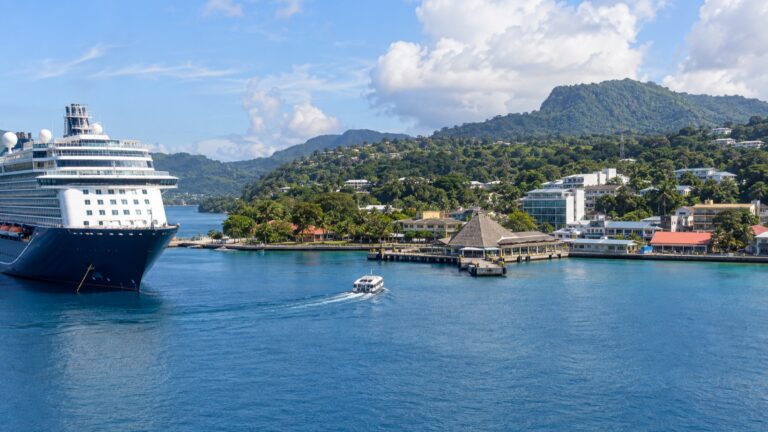
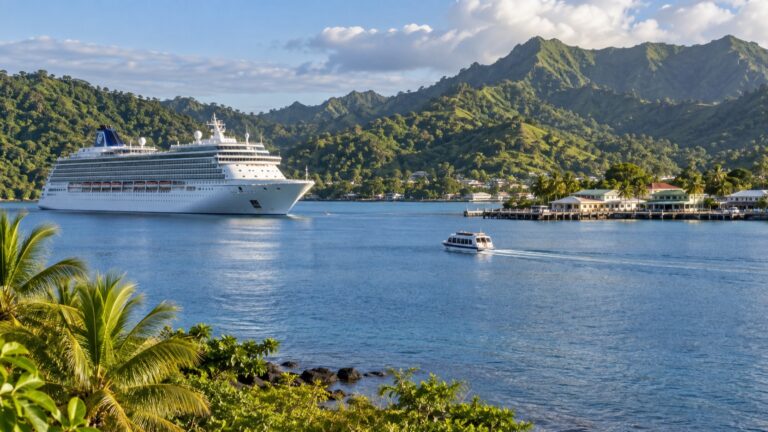
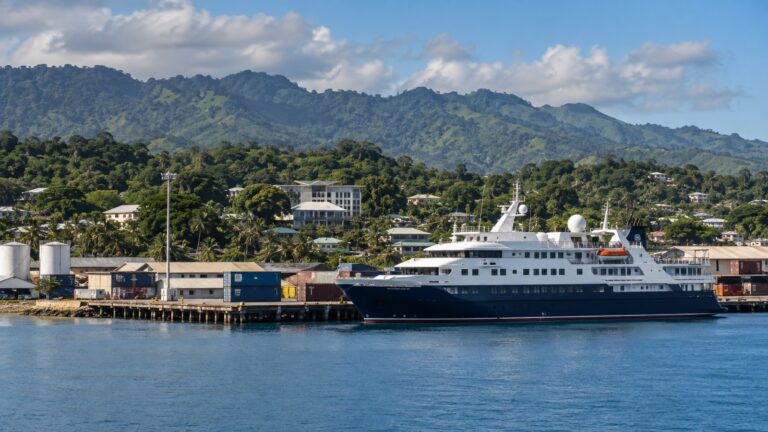
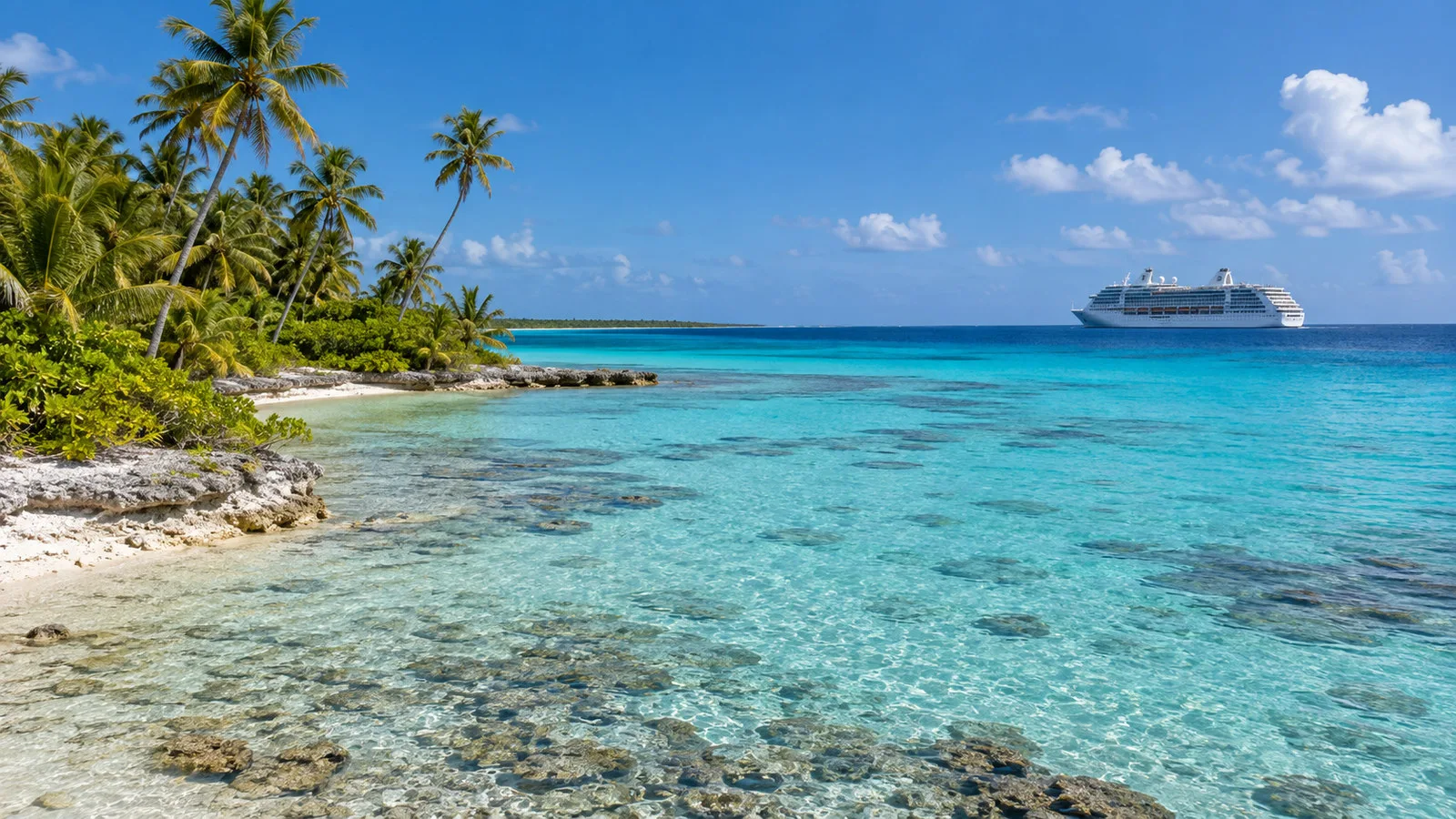
Fakarava does not have a large cruise pier or passenger terminal, so expect a tender operation. The ship controls the landing point, tender schedule, and final boarding time, and those details can change with conditions.
Rotoava is the main village and the practical center for most short port calls. Once ashore, you are in a small settlement rather than a transport hub, so confirm what will actually be open and available before committing to an independent plan.
Tender ports always require a little flexibility. Guests with limited mobility should ask the ship about step-free access, tender boarding assistance, and the day’s sea conditions before leaving their cabin.
A missed call is possible at any tender port, but there is no reliable public percentage for Fakarava. Treat the itinerary as planned rather than guaranteed, and avoid nonrefundable independent arrangements unless the operator has a clear ship-day policy.
What Rotoava is like
Rotoava is low key, flat, and spread along the narrow main motu. You will find homes, guesthouses, churches, small shops, craft sellers, and local services rather than a purpose-built cruise district.
The official Tahiti Tourisme guide to Fakarava highlights cycling, kayaking, lagoon outings, crafts, pearl farms, beaches, and diving. That list is a good picture of the atoll’s appeal, although availability during a short cruise call will depend on the day and advance bookings.
Walking is the simplest option near the landing, but sun and heat can make a modest distance feel longer. A bicycle can expand your range, though you should confirm the rental’s return time and allow for punctures or other delays.
Shopping is small scale and personal. Shell jewelry, local crafts, and pearls are more likely finds than international brands, and cash can be useful when a seller does not take cards.
Garuae Pass and the northern lagoon
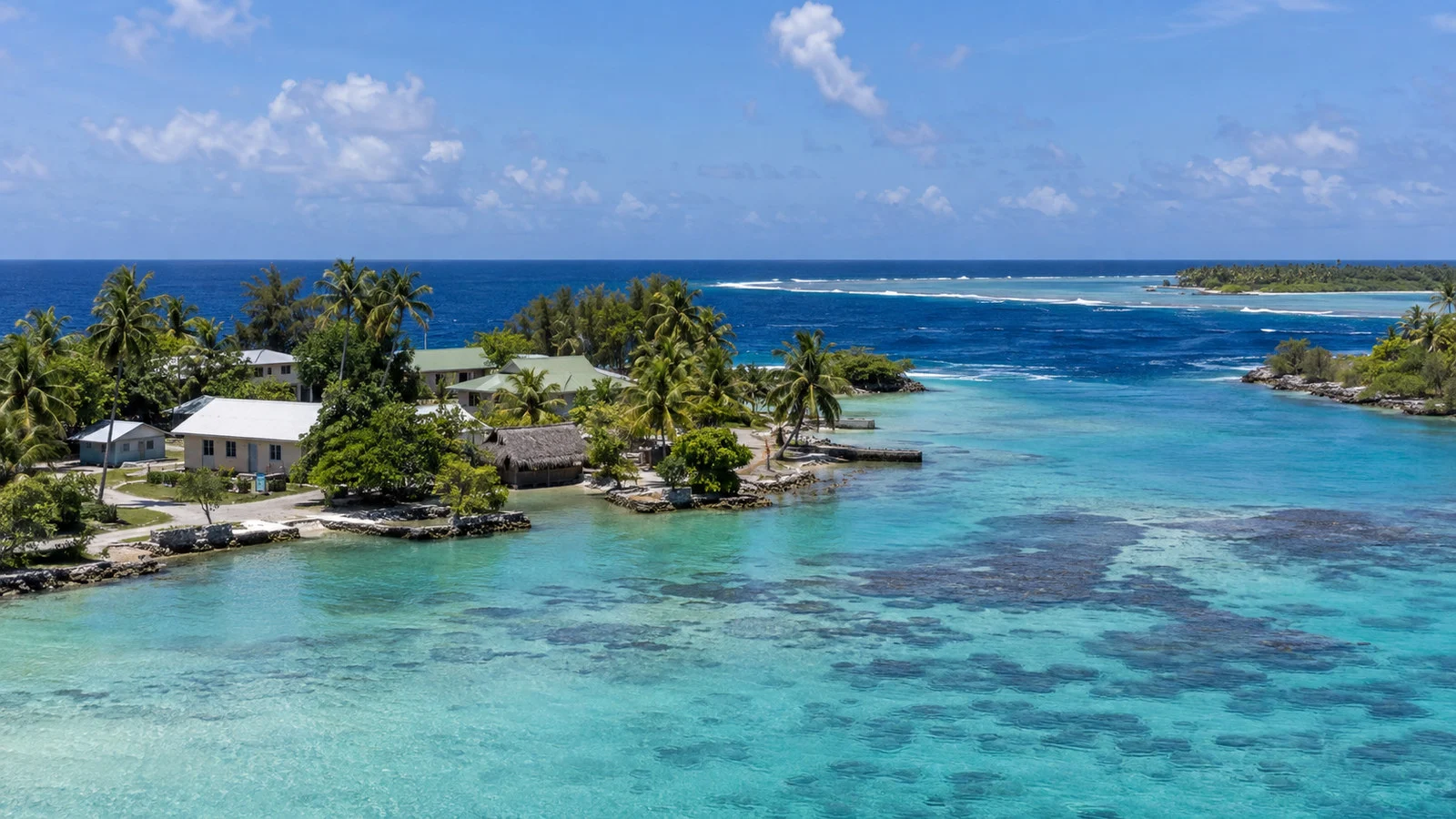
Garuae is the broad northern pass near Rotoava and one of Fakarava’s signature natural features. Air Tahiti describes it as the largest pass in French Polynesia and notes the area’s manta rays, dolphins, sharks, and other marine life.
That does not mean every excursion sees every species. Wildlife is never guaranteed, and visibility, current, tide, and the guide’s chosen site all shape the experience.
Strong currents are central to diving and snorkeling in the passes. Tahiti Tourisme specifically advises using a local club familiar with the conditions, so this is not a place to improvise an unguided pass swim.
For many cruise guests, a professionally guided northern lagoon trip offers the best balance of scenery and manageable travel time. Ask whether the outing is snorkeling, diving, or sightseeing, because similar excursion names can describe very different levels of activity.
The southern pass and Tetamanu
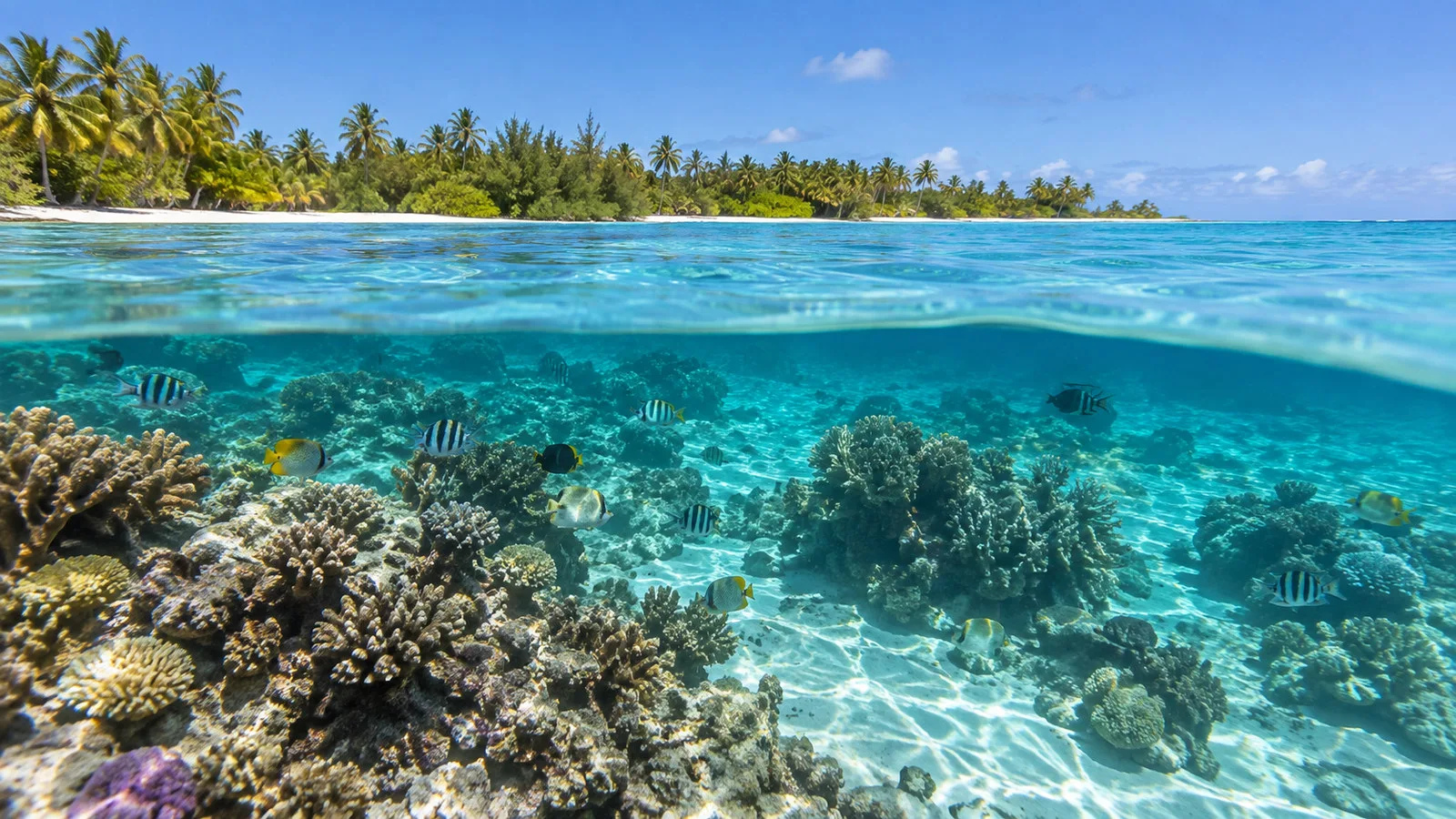
The southern pass is also known as Tumakohua and sits near Tetamanu, far from Rotoava by lagoon boat. It is famous for gray reef sharks, groupers, coral, and the historic coral church at Tetamanu.
This is the ambitious option on a cruise day because the outing requires substantial boat travel and careful timing. Book through the ship when possible, or use an operator who clearly understands the vessel’s tender and all-aboard schedule.
The shark spectacle is real, but phrases such as “wall of sharks” describe a natural encounter rather than a scheduled performance. Conditions and animal behavior vary, so choose the trip for the overall reef experience rather than one promised photograph.
Some divers plan longer stays around seasonal grouper activity, but a cruise passenger should not assume a specific aggregation will occur during a brief call. Ask a qualified operator what is realistic for your date, certification, and comfort in current.
Snorkeling, diving, and water safety
Fakarava rewards water lovers, but the right excursion matters more than the longest activity list. Tell the operator your honest swimming ability, experience in current, and any medical or equipment concerns before boarding.
Certified divers should verify certification requirements, recent-dive policies, equipment inclusions, maximum depth, and whether the schedule fits the ship. Cruise calls can be too short for some two-tank or southern pass programs.
Snorkelers should ask whether entry is from a boat, beach, ladder, or drift route. A calm-looking lagoon can still have fast water near a pass, and local instructions take priority over general advice.
Use sun protection that works in a marine setting, drink water, and secure hats and loose gear on small boats. Reef shoes can help on rough coral surfaces, but never stand on living coral.
Ship excursion or independent day
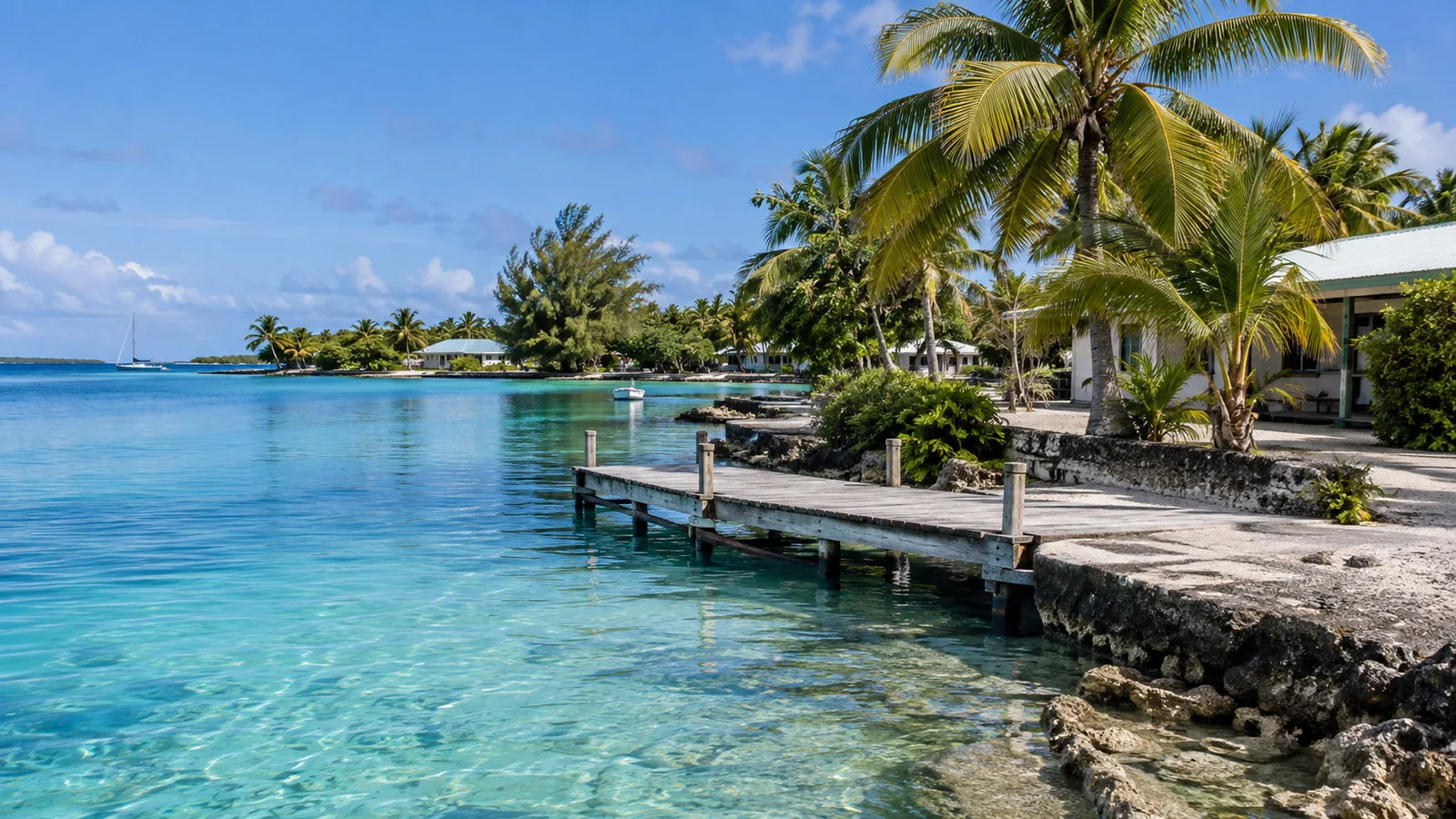
A ship excursion is the safer logistical choice for the southern pass, a long lagoon transfer, or an activity with specialized equipment. The ship can coordinate timing, and a tour sold onboard is normally managed around the vessel’s operating day.
An independent day is reasonable if your plans stay near Rotoava and can be shortened easily. Walking, browsing crafts, visiting the village, and arranging a short local activity can work well when you confirm the last tender time first.
Do not count on finding a particular boat tour after you arrive. Fakarava has a small visitor economy, and capacity may be limited when a ship adds a sudden wave of demand.
If you book directly, give the operator the ship’s name, date, tender window, and all-aboard time. Also ask what happens if the ship cancels the call or arrives late.
Accessibility and comfort
The tender transfer is the biggest accessibility hurdle. Boarding can involve steps, movement between vessels, and a gap that changes with the water, so eligibility may be decided by the captain or ship’s crew on the day.
Rotoava is generally flat, but surfaces can include sand, coral, gravel, and uneven edges. Wheelchair users and travelers who need firm, continuous pavement should request current details from the cruise line rather than relying on a generic port description.
Shade, seating, restrooms, and accessible transportation are limited compared with a major port. Carry essential medication, water, and anything you may need for comfort because there may not be a convenient place to buy it ashore.
Weather and the best season
French Polynesia is warm throughout the year. Tahiti Tourisme describes May through October as the drier season and November through April as the wetter, more humid season.
A seasonal label cannot predict a specific port day. Wind, rain, swell, and current can change quickly, and the ship or operator may alter plans even when the broader forecast looks favorable.
Pack for both intense sun and a passing shower. A light rain layer, dry bag, refillable water bottle, and secure sun hat are more useful than dressing for a polished resort day.
Money, phones, and practical planning
The local currency is the Pacific franc, also written XPF or CFP. Tahiti Tourisme advises carrying cash on remote islands because smaller businesses may not accept cards, and it notes that US dollar cash is not accepted as general currency.
Bring the cash you expect to need before reaching the atoll. Do not build your day around finding an ATM, exchanging money, or using a card at every stop.
Mobile coverage and data performance can vary, so download your booking details and ship contact information in advance. Save the operator’s phone number offline and take a screenshot of the all-aboard time.
French is useful, but many tourism businesses work with international travelers. A few polite French phrases still go a long way in small shops and everyday interactions.
Timing your return to the ship
Check the last tender time before leaving the landing area, and note that it may be earlier than the ship’s departure time. Photograph the posted information so you are not relying on memory after a long day in the sun.
Return earlier than necessary after an independent boat trip. Lagoon distance, wind, a fueling delay, or a slow boarding process can use up a comfortable buffer surprisingly quickly.
Ship excursions reduce the timing risk but do not remove the need to follow instructions. Stay with the group, listen for changes, and carry the daily program or ship contact card.
How Fakarava fits a French Polynesia itinerary
Fakarava offers a useful contrast to resort-focused islands. The appeal is an inhabited atoll with extraordinary water, a small village, and fewer layers between visitors and the natural setting.
It pairs especially well with Rangiroa because both showcase the Tuamotus while offering different scales and excursion choices. Compare the options in the Rangiroa cruise port guide if your itinerary includes both atolls.
Travelers extending their trip can reach Fakarava by air from Tahiti. The official Air Tahiti Fakarava page gives a minimum direct flight time of about 1 hour and 10 minutes, although schedules and routings should be checked for your dates.
Quick answers
Do cruise ships dock in Fakarava?
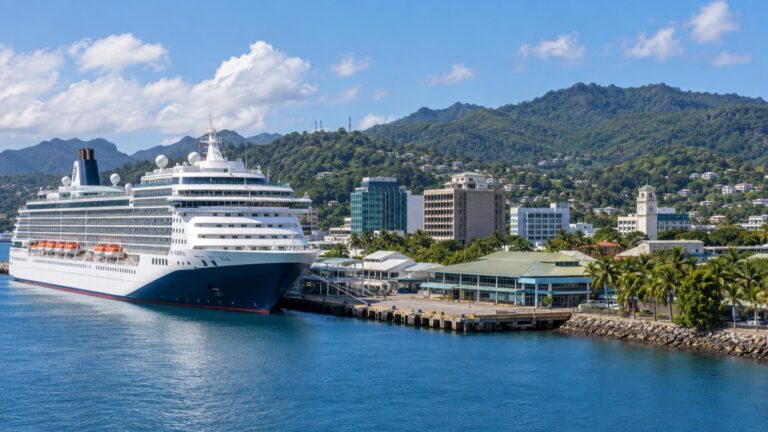
No large cruise terminal serves the atoll, so passengers should expect to go ashore by tender. The landing and schedule are set by the ship for that call.
Can I explore Rotoava without a tour?
Yes, a simple village visit can be done independently if the tender lands nearby. Confirm distances, conditions, and the last tender before setting off.
Which pass is easier on a cruise day?
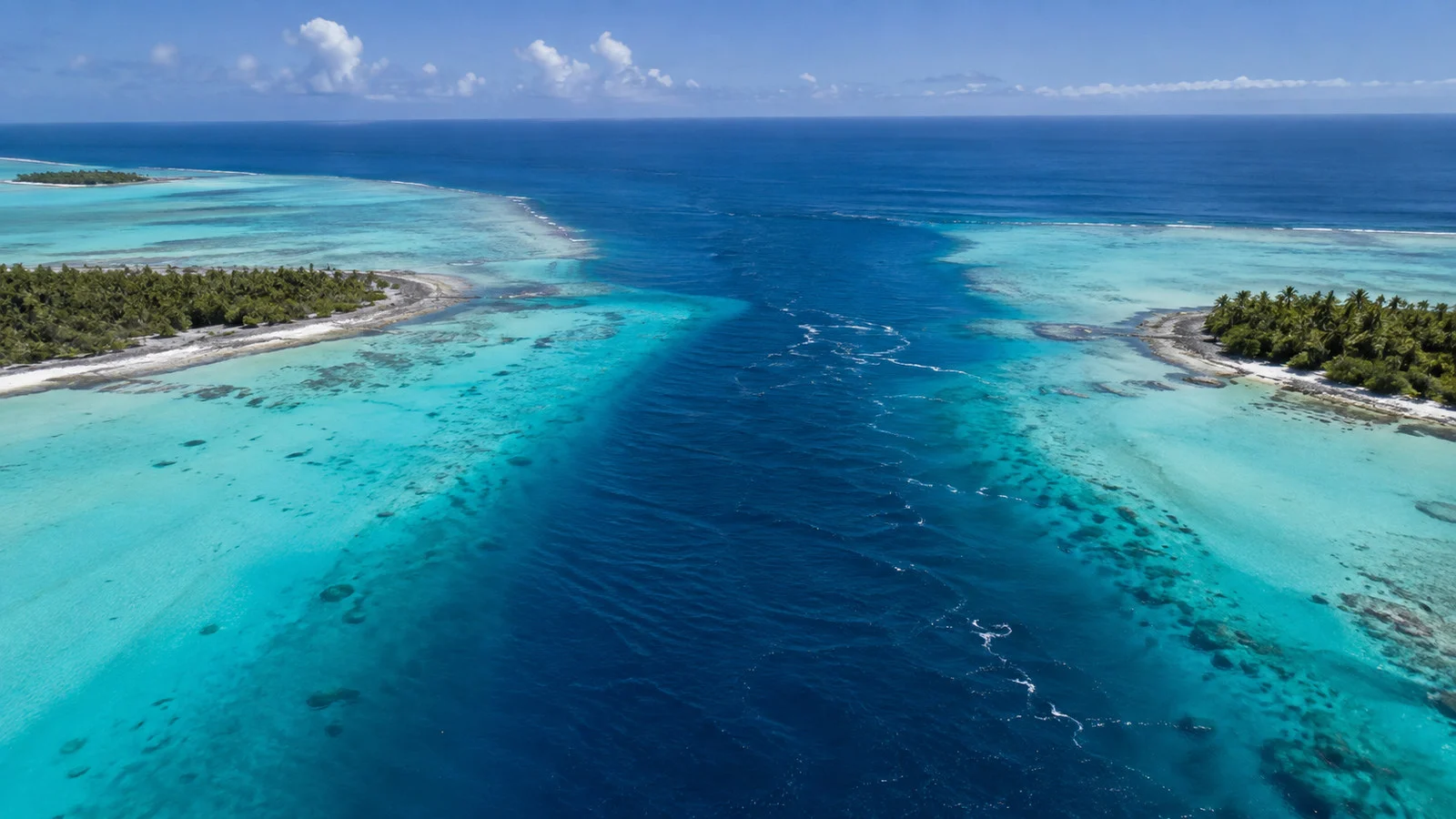
Garuae is near Rotoava and usually makes more sense when time is limited. The southern pass near Tetamanu involves a much longer boat outing and needs careful coordination.
Will I definitely see sharks?
No wildlife encounter is guaranteed. Fakarava is famous for reef sharks, but sightings depend on the site, conditions, season, and natural animal behavior.
Should I bring cash?
Yes, bring Pacific francs for small purchases and local operators. Card acceptance is less dependable on remote islands than it is in Tahiti or Bora Bora.
Is Fakarava suitable for limited mobility?
The village is flat, but tender boarding and uneven surfaces can be significant barriers. Ask the cruise line for a day-specific assessment before making plans.
The last word
Fakarava is at its best when you keep the plan focused and leave room for island timing. Choose a guided water adventure if the reef is your priority, or stay near Rotoava for a gentler day of scenery, crafts, and village life.
Whichever route you take, protect the return buffer. This is a beautiful place to slow down, but it is not the place to gamble on the last tender.
How this guide was researched: Unless a first-hand visit is explicitly identified above, this guide is based on independent research using official port, tourism, transit, government, and attraction sources where available. Logistics and time-sensitive details were reviewed in September 2026. See our Editorial Policy.