Ilok River Cruise Port: Castle, Cellars and Danube Hill
Ilok is Croatia’s easternmost town, set above the Danube opposite Serbia and known for its fortified historic core, Odescalchi Castle, Franciscan heritage, and wine cellars. A river call is compact but involves a real climb from the waterfront.
Most passengers can combine the museum, church area, walls, and a tasting when hours align. Transportation beyond the center should be organized because the quay is not a major urban transit hub.
My quick take
Walk uphill at a steady pace, use Odescalchi Castle as the anchor, and add a reserved cellar visit. Ilok is best as a history-and-wine stop rather than a rushed regional road trip.
Do not cross toward Serbia casually during a port call. Croatia is in Schengen, Serbia is not, and any international movement requires the correct border process and enough time.
Ilok quick facts
- Country: Croatia
- Region: Syrmia in eastern Slavonia
- River: Danube
- Typical cruise access: Direct river landing or itinerary-specific nearby arrangement
- Main historic area: Hilltop fortified core
- Main sights: Odescalchi Castle and Ilok City Museum, walls, church, and wine cellars
- Currency: Euro
- Local wine: Graševina and Traminac are prominent
- Terrain: Steep from the river, with cobbles and historic surfaces
- Best first check: Gangway location, museum hours, tasting reservation, and all-aboard time
The river landing
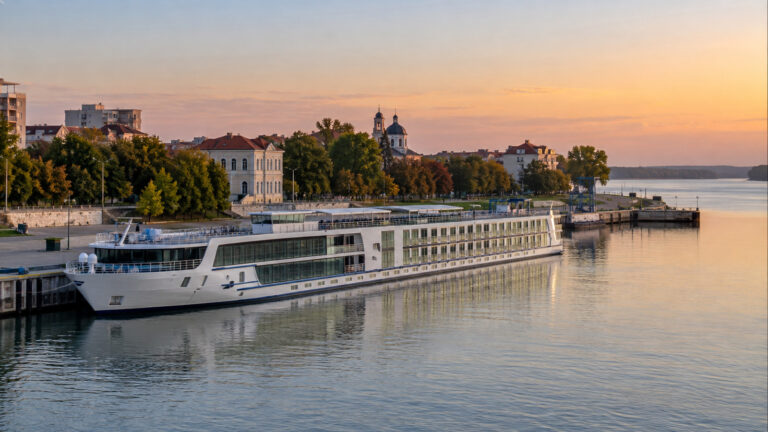
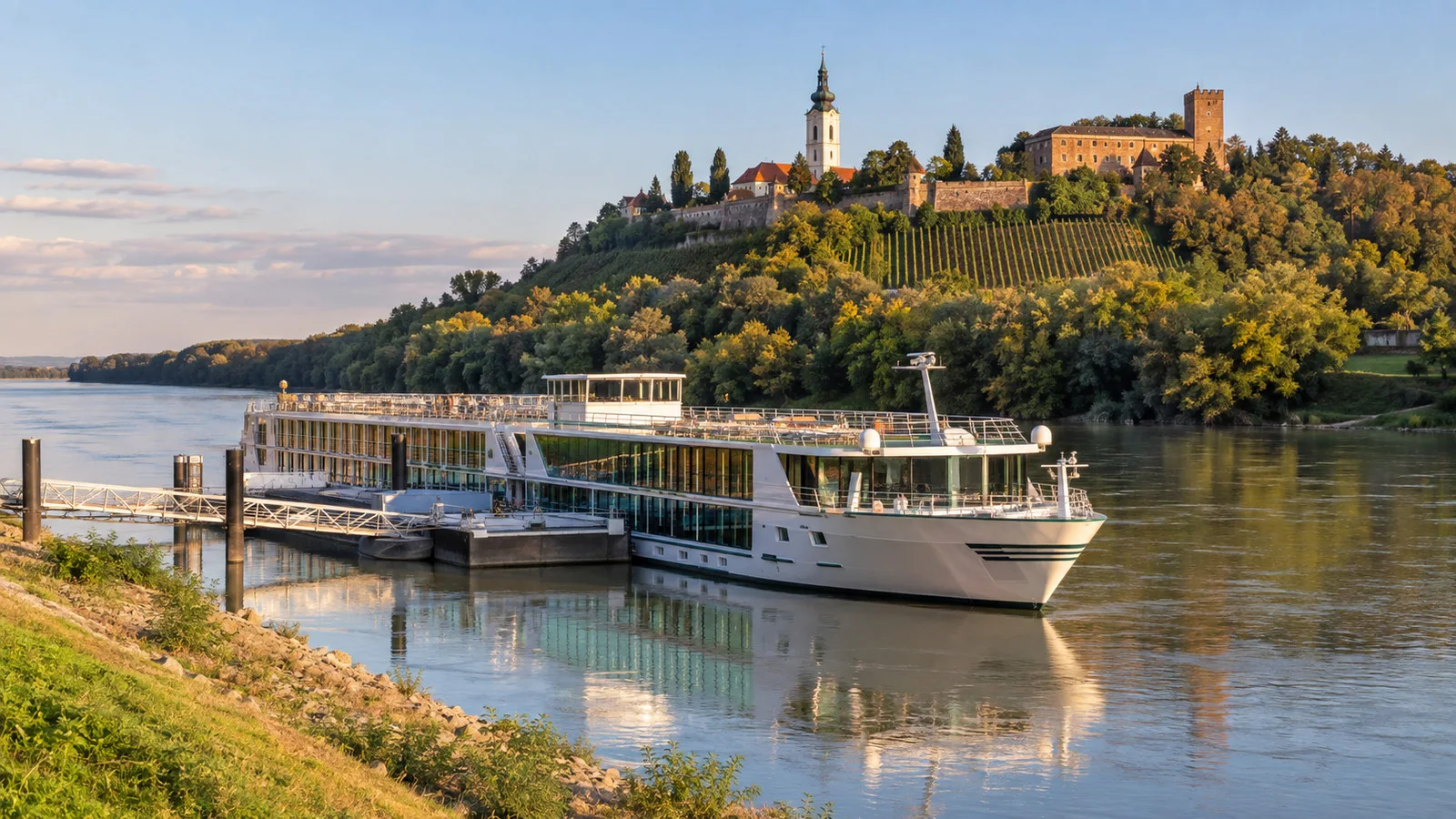
Ships that call directly use a Danube landing below the elevated old town. Facilities are modest compared with the major terminals in Budapest or Vienna.
Gangway angle varies with water level and may include steps. Ask the crew about the day’s setup before leaving with a wheelchair, walker, or scooter.
Photograph the landing, ship, and final return notice. The vessel may move along the riverfront or raft with another ship.
Stay clear of ropes, bollards, vehicles, and restricted working areas. Use the route identified by the crew rather than cutting across an unmarked bank.
The climb into the historic core
The old town stands above the Danube, so the walk is short on a map but physically noticeable. Allow 15 to 25 minutes depending on the landing, route, heat, and photo stops.
Cobbles, gradients, and uneven paving become more demanding in rain. Shoes with grip matter more than total distance.
Passengers who cannot manage the hill should ask whether the ship provides a shuttle or accessible vehicle. Do not count on a taxi queue at a small landing.
Once at the top, the major historic sights sit close together. The river views also make the climb worthwhile.
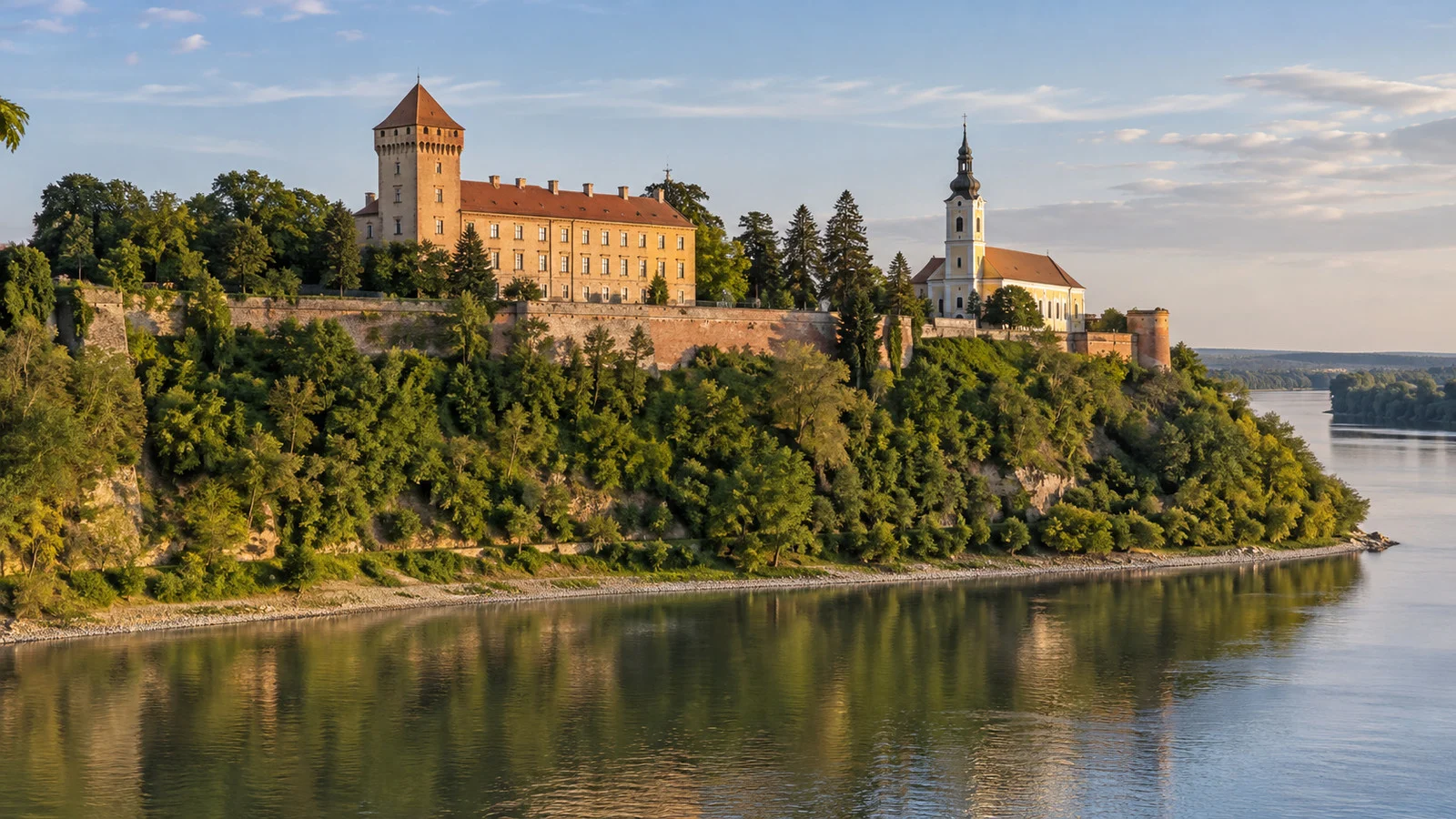
Odescalchi Castle and Ilok City Museum
Ilok City Museum occupies the restored Odescalchi Castle in the historic center. Its permanent collections interpret local archaeology, history, art, and the Odescalchi family.
The official museum site publishes current hours, ticket prices, guided-visit rules, and special openings. In 2026 it lists regular visitor hours from Monday through Saturday, selected working Sundays, and closure on public holidays.
Check the exact date because the Sunday schedule is selective rather than weekly. Groups requesting a guided visit may need advance notice.
Allow roughly an hour for a focused museum visit. The official site notes about 60 minutes for a full guided tour.
Historic walls and separate archaeological areas can have different tickets and access routes. Ask the desk before assuming one admission covers everything.
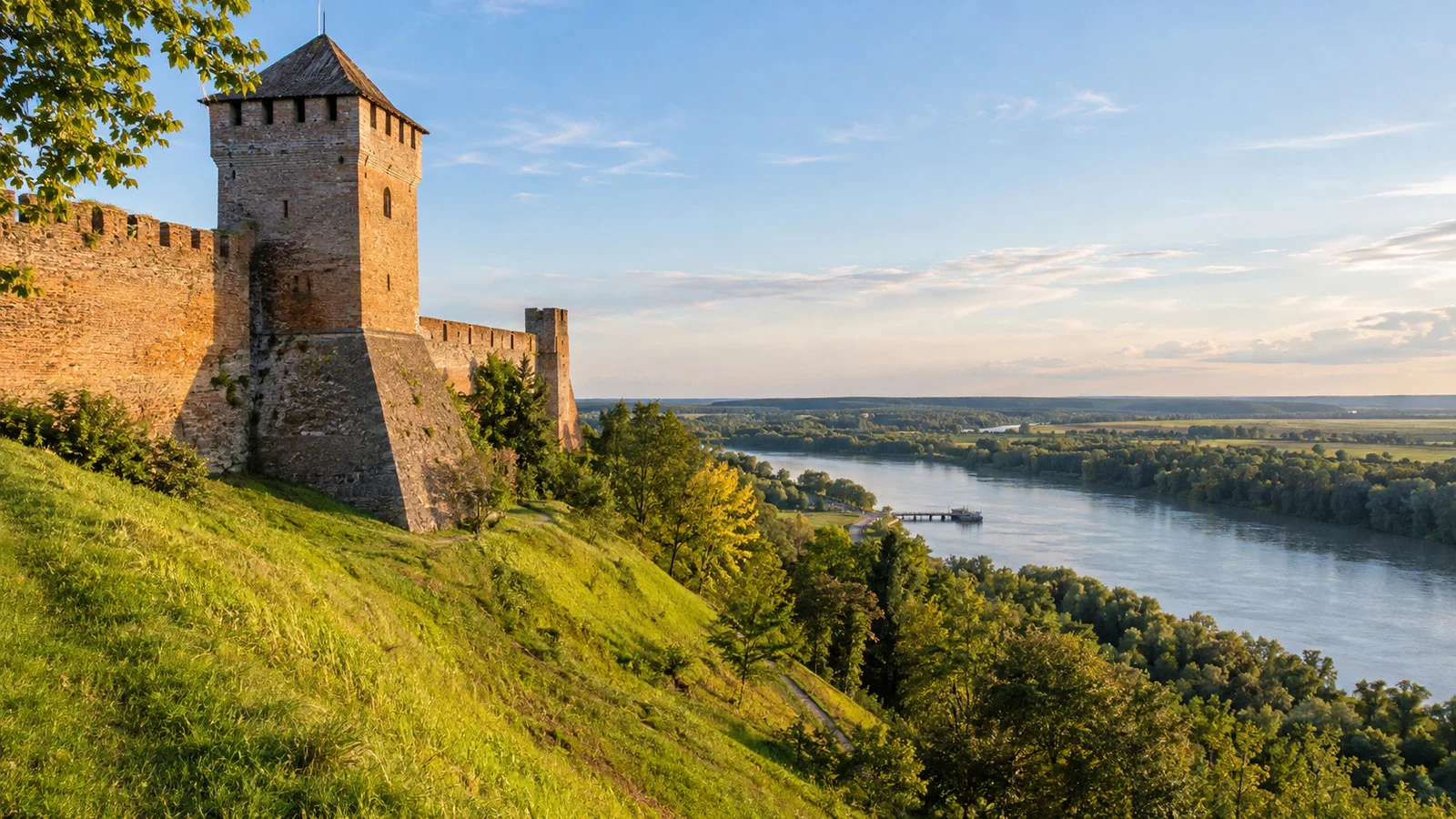
Fortress walls and river views
The surviving fortifications frame the hilltop ensemble and reveal Ilok’s strategic position above the Danube. Use approved paths and respect closures around restoration work.
Edges, steps, and old masonry require care. Do not climb walls or sit beyond barriers for a photograph.
The view east toward the river also emphasizes the international border. A visible opposite bank does not mean an informal crossing is allowed.
Morning haze and afternoon heat can obscure detail. Binoculars are useful, but the broader landscape is the main reward.
Church and Franciscan heritage
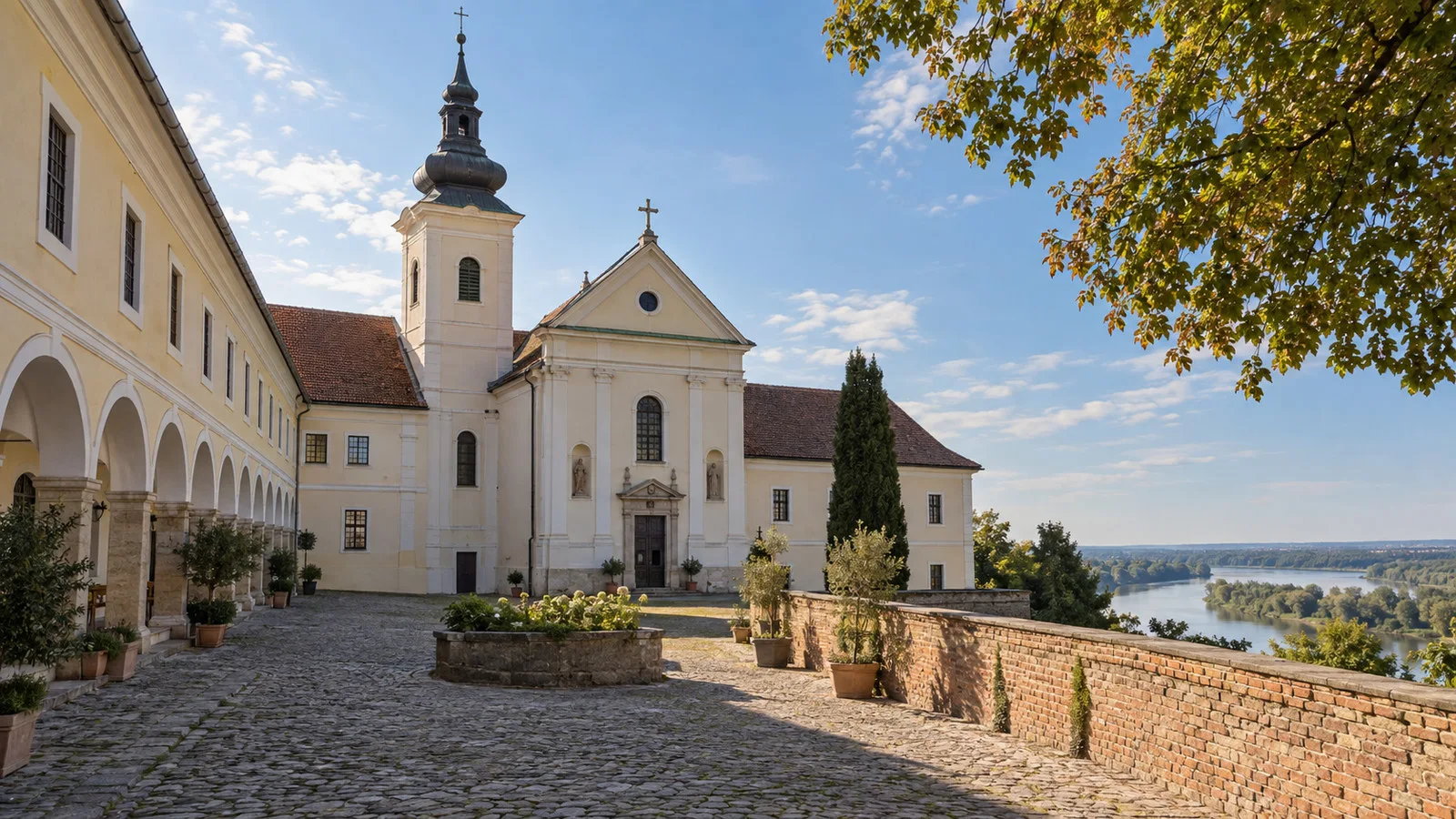
The Church of Saint John of Capistrano and the Franciscan complex form another major part of Ilok’s historic core. They remain religious spaces rather than only visitor attractions.
Work around services, funerals, and private events. Dress appropriately and keep phones silent inside.
The church’s association with John of Capistrano is central to local history and pilgrimage. A guide can connect that story with the town’s medieval and Ottoman layers.
Access to every interior area is not guaranteed. Follow the community’s current visiting instructions.
Ilok wine cellars
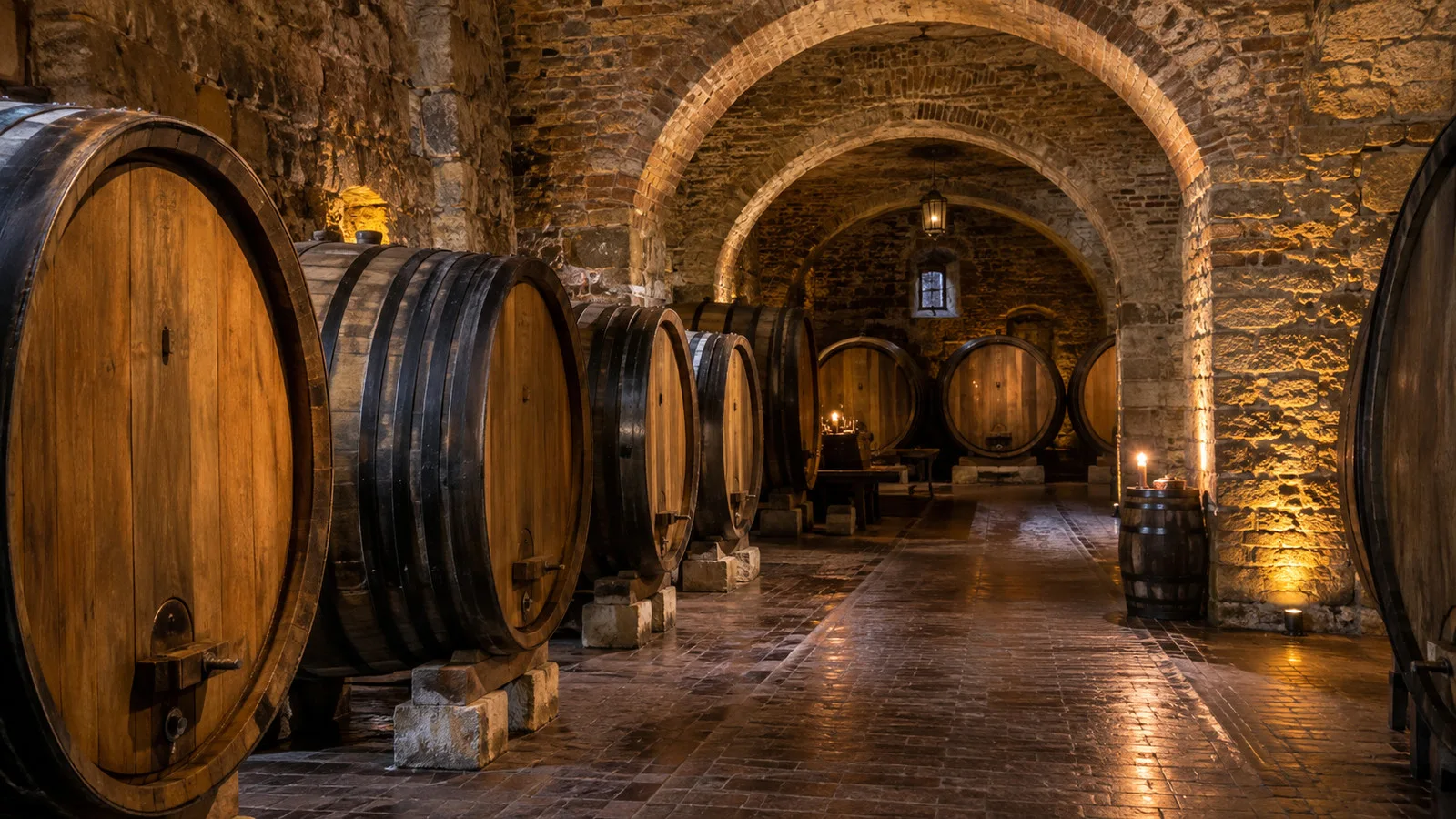
Ilok’s wine identity is inseparable from its Danube slopes and long production history. Graševina and Traminac are among the labels visitors are likely to encounter.
Iločki podrumi operates historic cellar and destination experiences, but tours and tastings should be checked and reserved. A retail shop is not the same as a guaranteed guided cellar visit.
Ask what is included, how long the program lasts, and whether it involves stairs or cool, damp passages. Cellar accessibility can differ from the restaurant or tasting room.
Drink moderately, eat something, and carry water. The downhill walk and gangway still require balance.
Do not present a producer’s marketing claim as a universal history of the town. Use the museum and official tourism office for broader context.
Principovac and countryside options
Principovac is a vineyard estate outside the compact riverfront core and requires transportation. It can suit a longer call with a prearranged wine program.
Confirm the driver, visit time, tasting duration, and return before leaving Ilok. Rural transport cannot be summoned as reliably as in a large city.
A ship excursion provides the strongest return protection. Independent guests should book both directions and keep the operator’s number offline.
Choose the historic cellar or Principovac unless the call is very long. Trying to complete both can turn a relaxed wine stop into a timing exercise.
Ship excursion or explore independently?
Explore independently for the castle, museum, church, walls, and a reserved cellar in the historic core. The main challenge is the hill, not navigation.
Choose a ship excursion for Principovac, a multi-winery route, or broader eastern Croatia. Vehicles and appointments make those plans more complex.
A guided town walk adds useful context about medieval Ilok, Ottoman rule, the Odescalchi period, war damage, and restoration. Confirm where the tour ends relative to the landing.
If the call is shortened, prioritize the museum and one cellar. The town remains worthwhile without leaving the hilltop center.
Border and international travel caution
The Danube marks the border with Serbia in this area. Croatia uses Schengen border procedures, while Serbia remains outside the Schengen Area.
Do not board a local boat, cross a bridge, or accept an informal transfer without confirming that it is an authorized international crossing. Carry the travel document required for reentry.
A cruise ship may handle border formalities as part of its itinerary, but that does not automatically authorize an independent passenger crossing. Ask the cruise director before any plan.
Staying in Ilok avoids needless immigration and return risk. The view across the river provides the context without requiring a second country.
Accessibility and mobility
The steep rise from the landing is the largest barrier. Ask about a shuttle or vehicle before deciding that the short distance is manageable.
The historic core includes cobbles, thresholds, slopes, and steps. A castle-and-viewpoint plan may be more realistic than every wall and cellar.
The museum publishes disability ticket information, but that does not by itself describe a completely step-free route. Contact the museum for entrances, elevators, and restrooms.
Wine cellars commonly involve stairs and damp floors. Request a tasting-room alternative if the underground route is unsuitable.
The gangway can change with Danube level. Ask the ship about assistance and mobility-device handling.
Food, payments, and local pace
Croatia uses the euro, and cards are increasingly common. Small cash helps at minor vendors or when connectivity is unreliable.
Local menus may include freshwater fish, meat dishes, soups, pastries, and wine-country specialties. Ask about ingredients and preparation rather than assuming.
A restaurant meal can take time. Tell staff when you must leave before ordering multiple courses.
Carry water in warm weather because the climb is exposed. Refill only from a source identified as safe.
Weather and safety
Summer can be hot on the river slope, while spring and fall bring rain and slick stone. Use sun protection, a light waterproof layer, and shoes with grip.
River levels can alter gangways, landings, and the overall itinerary. The captain and local authorities decide whether the call proceeds.
Ilok is compact and generally calm, but ordinary precautions still apply. Keep valuables secure and stay on public routes.
In rural areas, follow all warning signs and do not leave marked roads or paths. Historical conflict has left restrictions in parts of eastern Croatia, and local guidance is the authority.
For emergencies, call 112. Carry the ship’s contact number and exact landing name.
Return timing
The walk back is downhill, but wet cobbles and tired legs can slow it. Leave the historic core at least 45 minutes before cutoff unless the ship requires more.
Allow a much larger buffer from Principovac or another countryside stop. A delayed driver can be difficult to replace.
Photograph any changed gangway or rafting instructions. Similar vessels may be moored close together.
Do not leave the final minutes for shopping. The ship may depart promptly to meet locks and downstream schedules.
How Ilok fits a Danube cruise
Ilok often appears with Vukovar, Osijek, Novi Sad, and Belgrade on lower Danube programs. Its wine-and-fortress focus adds a different eastern Croatian story.
The town can also serve as a quieter alternative to a longer regional coach excursion. Passengers who value small-scale history may prefer staying local.
Compared with coastal Croatia, Ilok is defined by continental vineyards, the Danube border, and layered Central European and Ottoman history. Adriatic expectations do not apply.
Quick answers
Do river ships dock in Ilok?
Some itineraries use a direct Danube landing below town. Confirm the exact berth and whether any shuttle is provided.
How difficult is the walk uphill?
It is short but genuinely steep, with cobbles and uneven surfaces. Allow more time in heat or rain.
Is the museum open every Sunday?
No. The official 2026 schedule lists selected working Sundays, so check the exact date.
Do I need to reserve a wine tasting?
Reserve any cellar tour or structured program. Shop hours alone do not guarantee a tour.
Can I cross to Serbia during the call?
Only through authorized border procedures with the correct documents and enough time. Staying in Ilok is the safer cruise-day plan.
What is the best short plan?
Climb to Odescalchi Castle, visit the museum or church area, and add one confirmed tasting. Start downhill early.
The last word
Ilok rewards a focused plan built around the hilltop heritage and wine. The climb is real, but the compact center keeps the day manageable.
Follow current directions from the ship, museum, tourism office, wineries, and border authorities. If access changes after your call, our editorial policy explains how to send a correction.