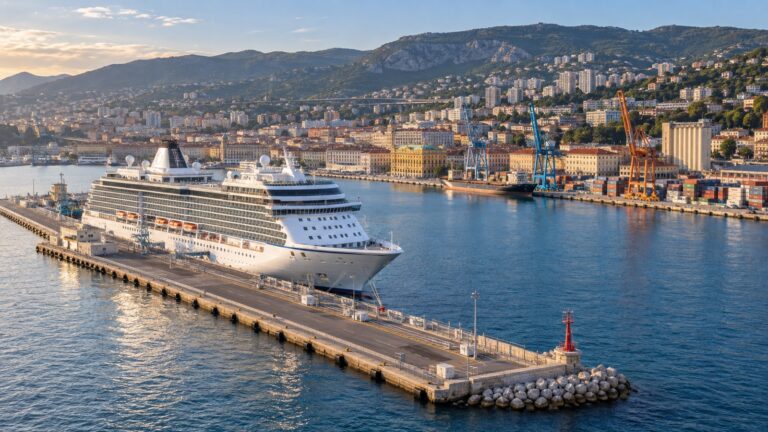
Osijek River Cruise Port: Drava Dock, Tvrđa and Vukovar Transfer
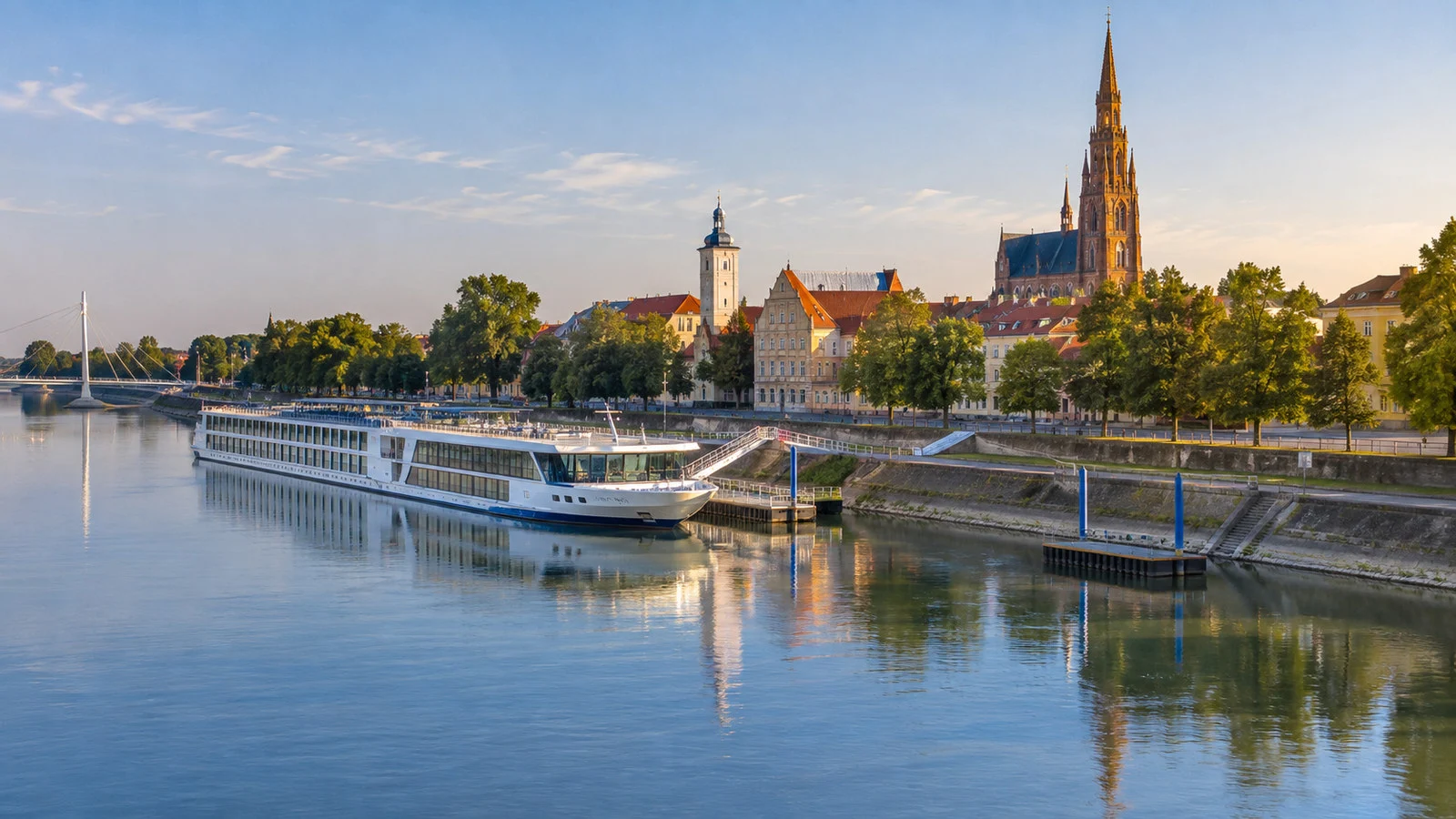
Osijek is a real river port on the Drava as well as a common excursion from Danube itineraries. Some vessels call at Osijek directly, while others dock at Vukovar and transfer passengers by coach.
That distinction changes the entire day, so confirm the named berth before planning. Once in the city, Tvrđa, the Drava promenade, museums, and central squares form a practical walking visit.
My quick take
Choose Tvrđa and the central riverfront for a first visit, adding Kopački Rit only with confirmed transport and reservations. Osijek is easy to enjoy, but the best plan depends on whether the ship is on the Drava or 35 kilometers away in Vukovar.
Do not repeat the blanket claim that cruise ships never reach Osijek. The official Osijek Port Authority manages Drava ports and publishes cruise-ship announcements.
Osijek quick facts
- Country: Croatia
- Region: Slavonia
- River: Drava
- Cruise access: Direct Osijek call or coach excursion from Vukovar, depending on the itinerary
- Main historic area: Tvrđa
- Nature excursion: Kopački Rit Nature Park
- Currency: Euro
- Independent transport: Walking and city transit in Osijek, prearranged vehicle from Vukovar
- Terrain: Generally flat, with cobbles and older surfaces in Tvrđa
- Best first check: Actual dock, transfer schedule, park reservations, and all-aboard time
First confirm the actual port
The itinerary may use Osijek as the destination name even when the ship remains on the Danube at Vukovar. Read the daily program, berth notice, and excursion ticket instead of relying on the marketing headline.
The Osijek Port Authority manages ports and landing places on the Drava and includes a cruise-arrival section on its official site. Smaller river vessels may navigate to Osijek when water, vessel dimensions, and operations allow.
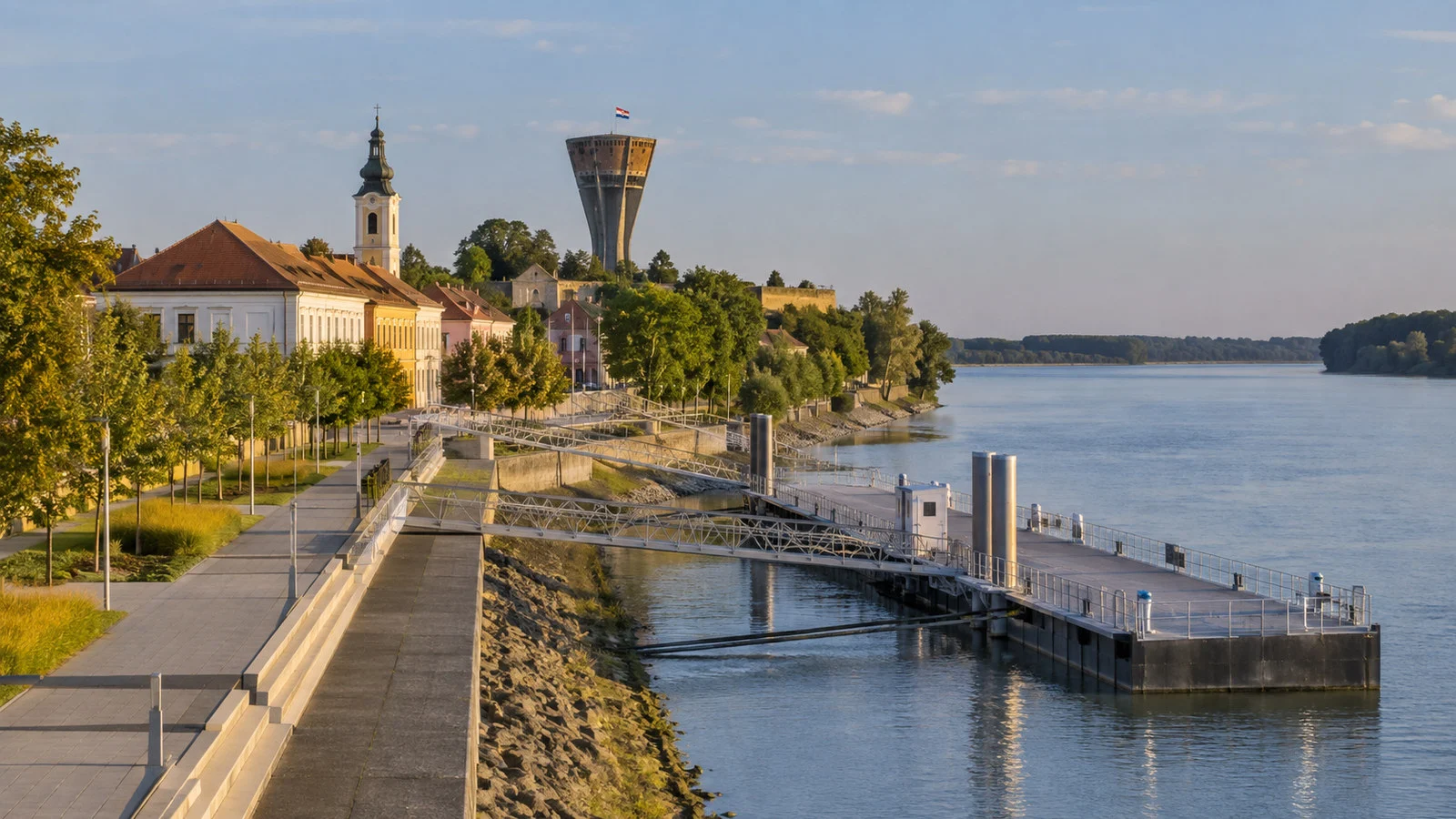
Mainstream Danube itineraries may prefer Vukovar because it lies on the primary river route. The road transfer to Osijek is roughly 35 kilometers, but actual driving time depends on the meeting point and traffic.
Ask the cruise director whether the ship moves while passengers tour. A one-way or changed return point requires more attention than a simple round trip.
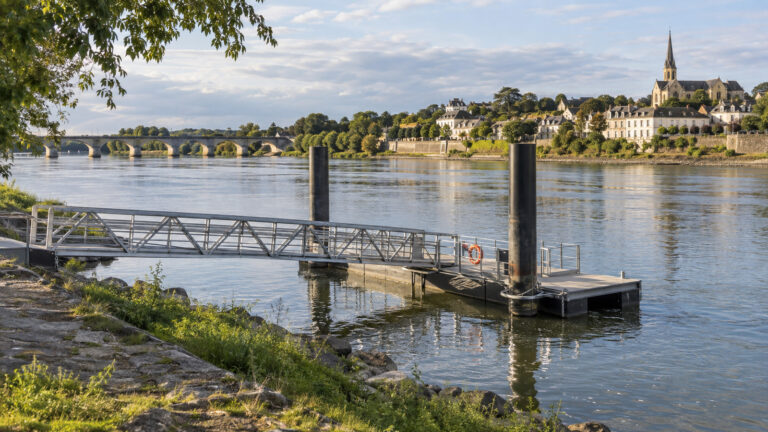
If the ship docks in Osijek
A direct call places you near the Drava rather than the Danube. The exact landing and route into the center depend on the berth assigned by local authorities.
Photograph the ship, landing name, and nearby landmarks. Multiple passenger facilities and riverfront stretches can look similar on return.
Gangway angle and access change with river level. Travelers using mobility devices should ask about the day’s actual setup before disembarking.
Stay clear of working ropes, vehicles, and restricted port areas. Use marked paths even if a map suggests a shorter route.
If the ship docks in Vukovar
A Vukovar-based visit normally uses an organized motorcoach to Osijek. The ship excursion provides the cleanest connection back to the correct Danube berth.
Independent travelers need a driver confirmed in both directions. Save the operator’s number, agree on the pickup place, and build a large return buffer.
Do not assume you can find another taxi in Osijek or Vukovar at the last minute. Supply may be limited when a ship or event creates sudden demand.
The transfer crosses a largely flat part of eastern Croatia, but roadworks and local traffic can still delay the return. Treat the ship cutoff as firm.
Tvrđa
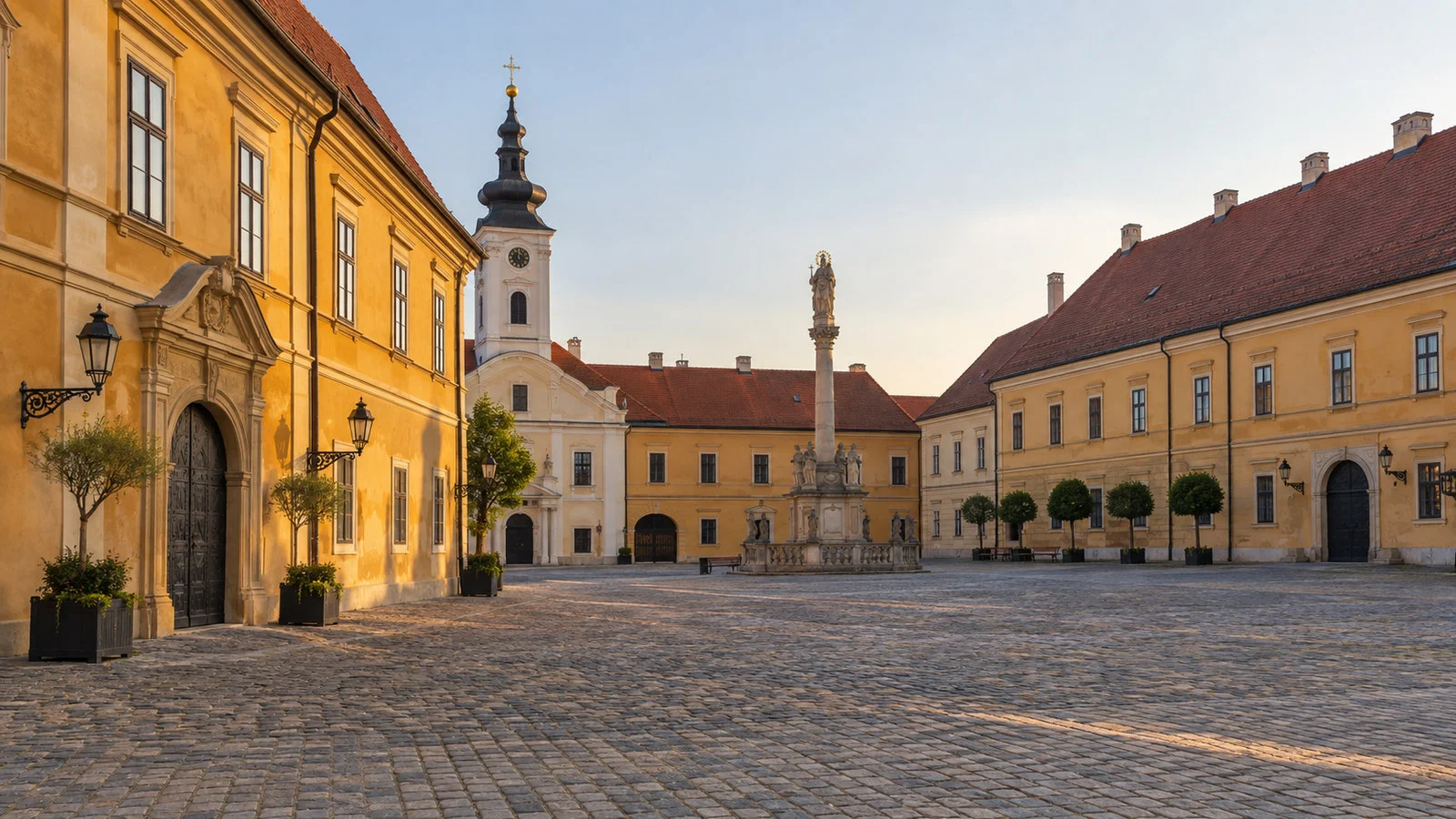
Tvrđa is Osijek’s historic fortified district, shaped strongly by Habsburg military planning and Baroque architecture. Holy Trinity Square provides a clear center for an independent walk.
The district is not a sealed museum. University life, cafés, institutions, residents, restoration work, and traffic all share the historic setting.
Walk slowly enough to notice façades, courtyards, gates, and the relationship between the fortress area and the Drava. Avoid entering construction zones or private passages.
The official Osijek tourism site provides current routes, sights, guides, museums, transportation, and event information. Check it for closures and visitor-center hours.
A local guide adds context about Ottoman, Habsburg, twentieth-century, and modern Osijek. Independent walking still works well for passengers who prefer flexibility.
Museums and indoor stops
The Museum of Slavonia and other cultural institutions in or near Tvrđa can deepen the visit. Opening hours, buildings, and exhibition access may change during renovation or special events.
Check the official tourism listings and the institution directly before building the day around one museum. Monday schedules and holidays can differ from normal hours.
Indoor time is especially useful during summer heat or winter rain. Allow enough time for ticketing and bag rules.
Historic buildings may have partial accessibility rather than a fully step-free route. Ask about elevators, entrances, and accessible restrooms.
Upper Town and the co-cathedral
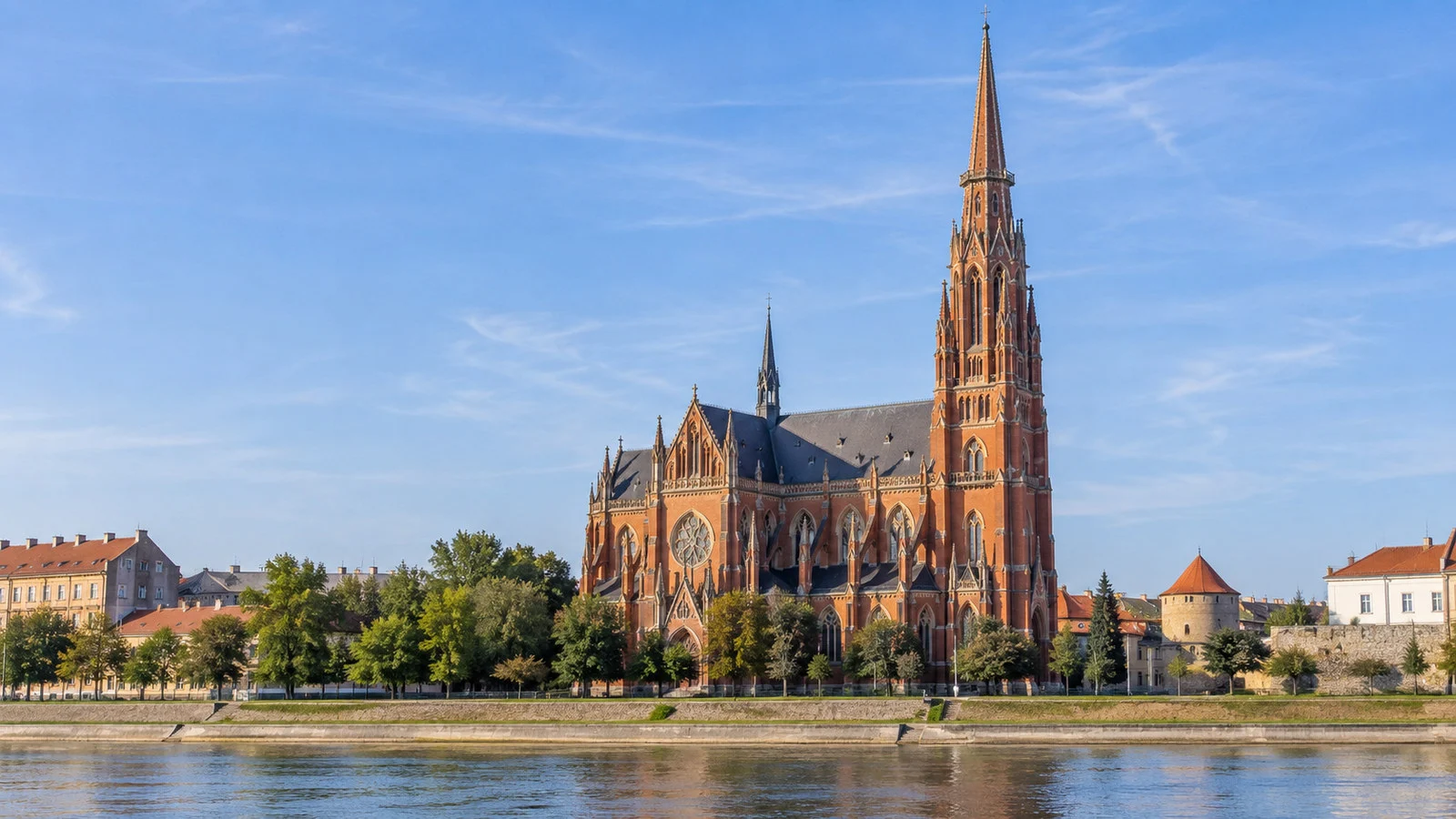
Osijek’s Upper Town contains the main commercial center and the Co-Cathedral of Saint Peter and Paul. Its tall brick spire is a major part of the city skyline.
The church is active, so work around services and private ceremonies. Dress appropriately and keep phones silent.
The pedestrian center and squares offer cafés, shopping, and a different atmosphere from Tvrđa. Do not underestimate the time needed to connect the two areas on foot.
City trams and buses can shorten longer hops, but routes may change during infrastructure work. Use current local transit information rather than a saved old map.
The Drava promenade
The riverfront is one of Osijek’s easiest pleasures and provides a flat counterpoint to cobbled historic streets. Choose a section that keeps the return route simple.
Cyclists, runners, families, and commuters share the promenade. Stay aware when stopping for photographs.
High water, construction, or local events can close short sections. Follow barriers and use the signed detour.
The river is a working and natural system, not a supervised swimming attraction. Enter the water only at an officially managed location with current safety guidance.
Kopački Rit Nature Park
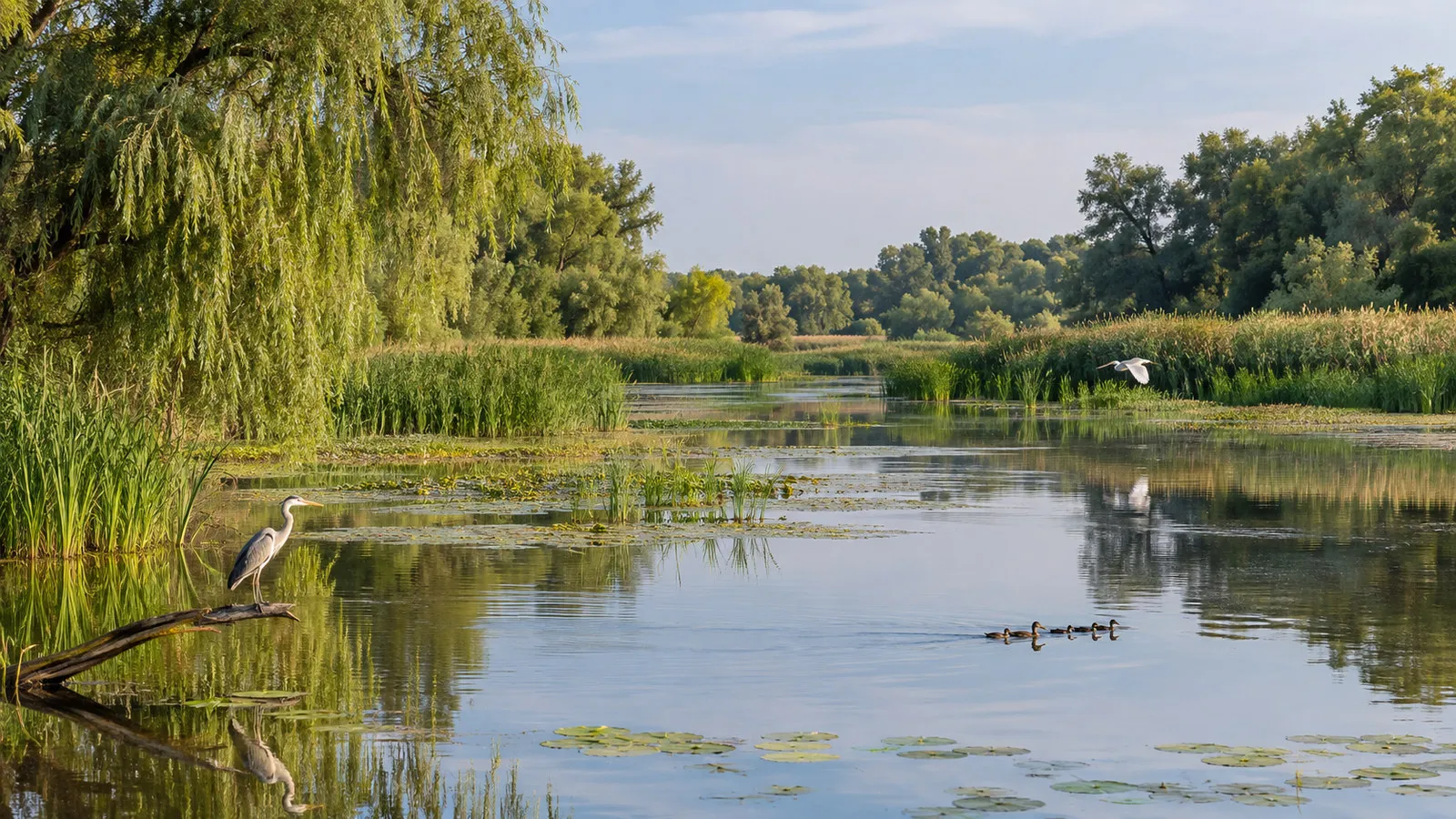
Kopački Rit Nature Park lies near the meeting area of the Drava and Danube and protects a dynamic floodplain of channels, lakes, reed beds, forests, and wet meadows. Water levels continually reshape the visitor experience.
The official park offers boat trips, smaller-boat programs, birdwatching, canoe activities, trails, and the Tikveš interpretation center. It states that programs require reservations, which is crucial for a cruise-day plan.
A visit requires road transportation from Osijek and enough time for check-in, the selected activity, and the return. Use the ship excursion or a confirmed operator.
Wildlife sightings vary by season, water, weather, and disturbance. Do not promise storks, eagles, deer, or another species on a specific outing.
Bring insect protection, sun protection, and shoes with grip. Boardwalks and boat access can be wet or slippery.
Follow park rules, stay with guides, and do not feed or approach wildlife. Wetland protection takes priority over a photograph.
Ship excursion or explore independently?
Explore Osijek independently when the ship docks directly and your priorities are Tvrđa, the riverfront, and central sights. The city is mostly flat and understandable with a good map.
Take the ship excursion when the vessel is in Vukovar or when Kopački Rit is the goal. Those plans depend on timed road transport and, for the park, reservations.
A city walking tour can add historical context without locking the entire day into a bus schedule. Confirm where it ends relative to the ship or return coach.
If time is shortened, keep the visit in Tvrđa instead of forcing a nature-park trip. Osijek has enough substance for a satisfying local day.
Food and local pace
Slavonian cooking often includes paprika, freshwater fish, meat dishes, pastries, and local wine. Menus vary, so ask about ingredients rather than relying on a regional stereotype.
A sit-down lunch can take longer than expected. Tell the restaurant your departure time before ordering several courses.
Croatia uses the euro, and cards are common. Small cash remains useful at minor vendors or when connectivity fails.
Drink moderately if you have a gangway or coach transfer ahead. Heat and alcohol are a poor combination during a walking tour.
Accessibility and mobility
Central Osijek is generally flat, but Tvrđa contains cobbles, uneven paving, thresholds, and occasional steps. A shorter square-and-promenade route can reduce barriers.
A direct Drava berth may involve a steep or stepped gangway depending on water level. Ask the ship about device handling and crew assistance.
Coaches from Vukovar may have high steps and may not carry a large mobility device. Request the actual vehicle and storage details before booking.
Kopački Rit offers several types of visitor experience, but boat ramps, boardwalks, and nature surfaces differ. Contact the park or excursion team for the exact accessible sequence.
Accessible restroom availability should be confirmed at the attraction level. Do not assume every historic or nature facility has the same setup.
Weather and safety
Summer can be hot and humid, with exposed squares and riverfront sections. Carry water, use sun protection, and schedule an indoor break.
Spring and fall may bring rain, mosquitoes, and changing wetland conditions. A light waterproof layer and insect repellent are practical.
Use ordinary city precautions in cafés, transit, and crowded events. Keep valuables secure and follow marked pedestrian routes.
In rural eastern Croatia, never leave marked roads or trails where warning signs restrict access. Follow current local safety guidance rather than generalizing about the whole region.
For emergencies, call 112. Save the ship or tour leader’s contact number and exact return location.
Return timing
For a direct Osijek call, aim to be near the gangway at least 30 minutes before cutoff, or earlier if instructed. River ships depart promptly to meet navigation schedules.
For a Vukovar return, use a much larger road buffer. The final coach time should be treated as absolute.
For Kopački Rit, end the park activity early enough to handle boarding delays and the drive. Do not wait for one more wildlife sighting.
Listen for changes to berth or ship location. River conditions can cause a vessel to reposition while passengers are ashore.
How Osijek fits a Danube cruise
Osijek often appears with Vukovar, Mohács, Novi Sad, and Belgrade on lower or middle Danube itineraries. It adds a Drava city and Slavonian perspective to the route.
A direct Osijek berth makes the stop especially distinctive, while a Vukovar transfer can combine two eastern Croatian stories in one day. Read the itinerary to see which experience is actually offered.
Compared with Croatia’s coastal ports, Osijek is defined by river plains, Habsburg urban history, wetlands, and continental food. It should not be judged by Adriatic expectations.
Quick answers
Do river ships dock in Osijek?
Some do, and the Osijek Port Authority publishes cruise-arrival information. Other Danube itineraries dock at Vukovar and use a coach transfer.
How far is Vukovar from Osijek?
The cities are roughly 35 kilometers apart by road. Travel time varies with the dock, traffic, and tour routing.
Can I explore Tvrđa independently?
Yes. The historic district is compact, though cobbles and current restoration work can affect the route.
Does Kopački Rit require advance planning?
Yes. The park states that its visitor programs require reservations, and cruise passengers also need reliable transportation.
Is Osijek accessible?
The flat terrain helps, but gangways, coach steps, cobbles, and historic buildings create specific barriers. Ask for the exact sequence.
What is the best short plan?
Focus on Tvrđa and a section of the Drava promenade. Add Upper Town or a museum only after checking the transfer and return time.
The last word
Osijek is both a genuine Drava cruise call and a Danube excursion destination, depending on the vessel. Getting that logistical fact right is the foundation of a good day.
Follow current instructions from the ship, Osijek Port Authority, local tourism office, and Kopački Rit staff. If access changes after your visit, our editorial policy explains how to send a correction.