Çanakkale Cruise Port Guide
Çanakkale is the Turkish port for travelers who want Troy, the Dardanelles, and a lively waterfront without the scale of Istanbul or Kusadasi. The city itself is easy to enjoy, but the famous archaeological site requires transportation and a sensible return buffer.
Your first task is to confirm the ship’s arrival arrangement. Berth and tender plans can vary, so use the daily program rather than assuming that every vessel lands passengers at the same quay.
My quick take
Troy is the headline, and it deserves more than a rushed photo beside a wooden horse. Pair the archaeological site with the Troy Museum if your schedule allows because the artifacts make the exposed ruins easier to understand.
A ship excursion is the cleanest choice for a short call. Independent travelers can arrange a private car or taxi, but the return plan should be agreed before leaving Çanakkale.
Staying in town is not a consolation prize. The waterfront, film horse, clock tower, ferry traffic, Naval Museum area, cafes, and views across the strait can fill a relaxed half day.
Çanakkale quick facts
- Arrival: Cruise arrangements vary by ship and sailing, so confirm the berth, tender point, and return meeting place onboard.
- Best short plan: Walk the waterfront, see the film horse and clock tower, and visit a central museum or cafe.
- Best full plan: Combine the Archaeological Site of Troy with the Troy Museum using organized or prearranged transportation.
- Currency: The Turkish lira is used, while cards are common at established businesses.
- Time zone: Turkey Time is UTC plus 3 throughout the year.
Where cruise passengers arrive
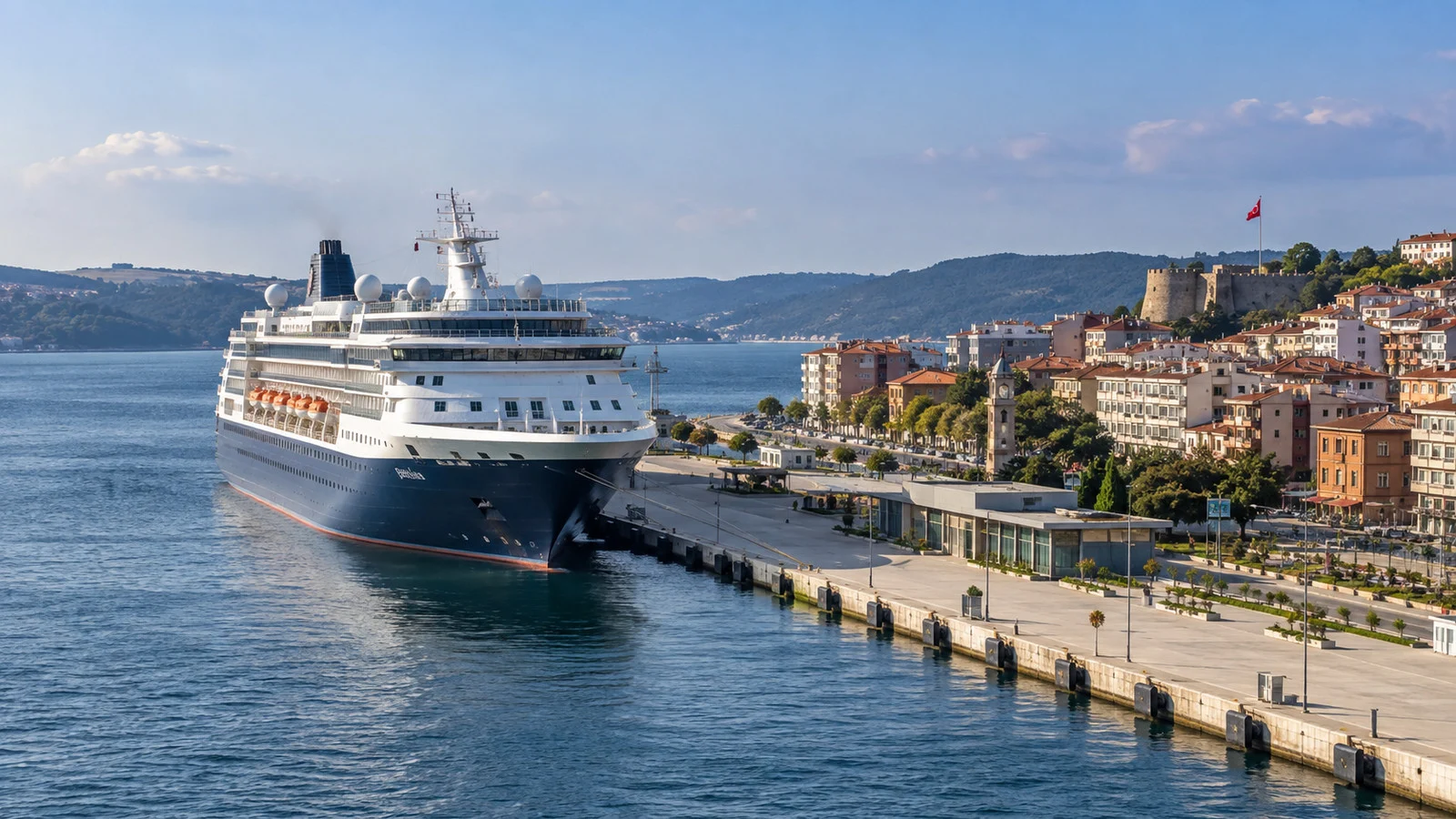
Çanakkale does not offer one universal arrival pattern for every cruise ship. Vessel size, port operations, weather, and the cruise line’s local arrangements can determine whether passengers walk ashore or use a tender and transfer.
The daily program should name the correct shore point and all aboard procedure. If a private guide is meeting you, send the operator that location instead of simply saying Çanakkale port.
Ask about steps, gangway slope, and tender boarding before the call if mobility matters. A change in water level or operating position can make the actual route different from a generic port description.
Save the ship’s contact details and photograph the meeting point after going ashore. Çanakkale has busy ferry activity, so returning to a familiar looking waterfront is not enough if your vessel uses another controlled area.
Exploring the city waterfront
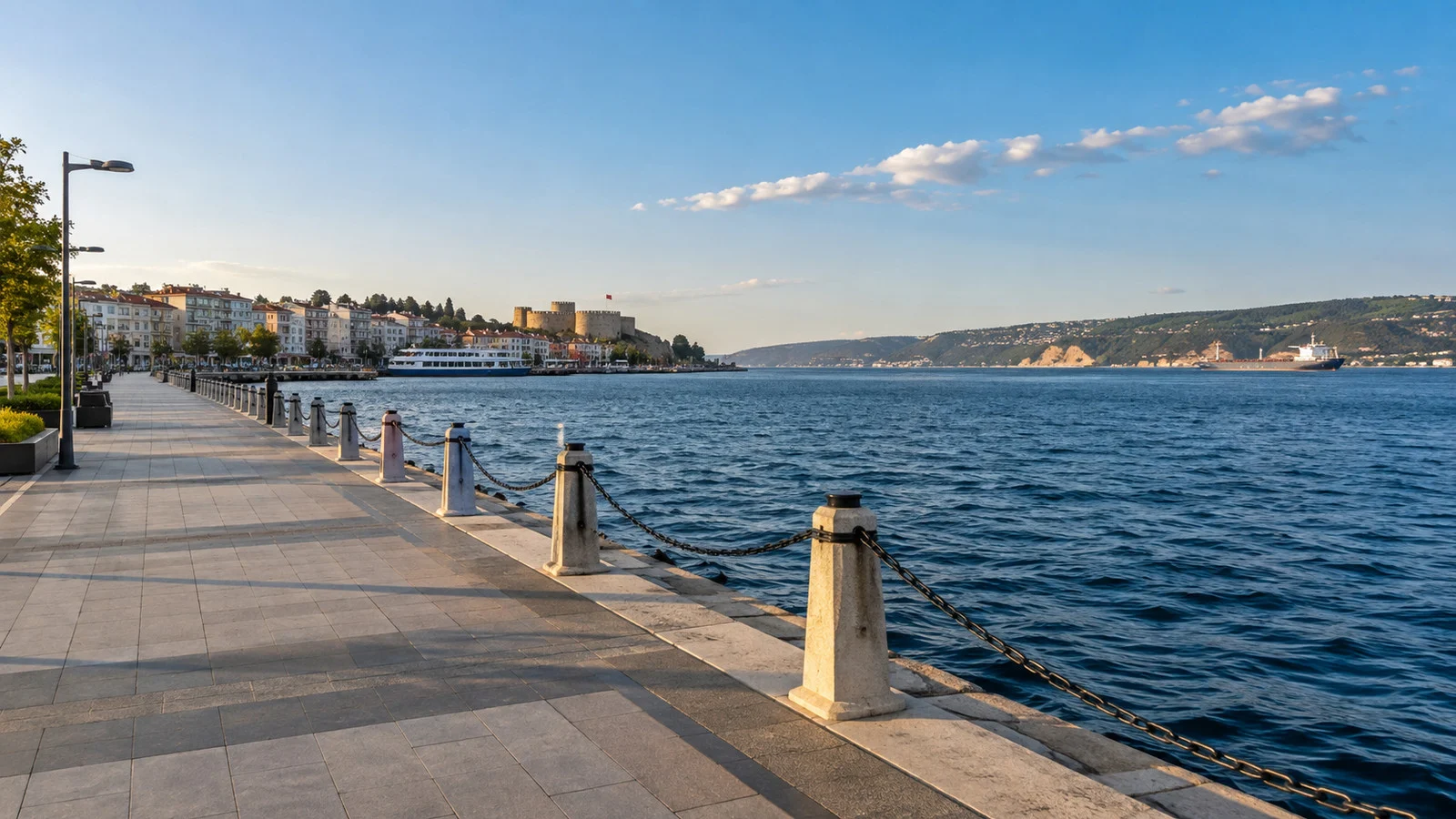
Central Çanakkale is compact and pleasant on foot once you reach the waterfront. The promenade, town center, clock tower, restaurants, ferry views, and public monuments fit naturally into a short walk.
The giant wooden horse near the water is the prop created for the 2004 film Troy and later given to the city. It is a popular photo stop, not an archaeological object.
That distinction is worth explaining because there are other modern horse displays around the Troy visitor experience. The waterfront horse belongs to cinema history, while the real story of the ancient city lies south of town.
The clock tower offers an easy landmark for orienting yourself near the central streets. Use an offline map because smaller lanes can look similar after a long lunch or museum visit.
Çanakkale Naval Museum and Çimenlik Castle
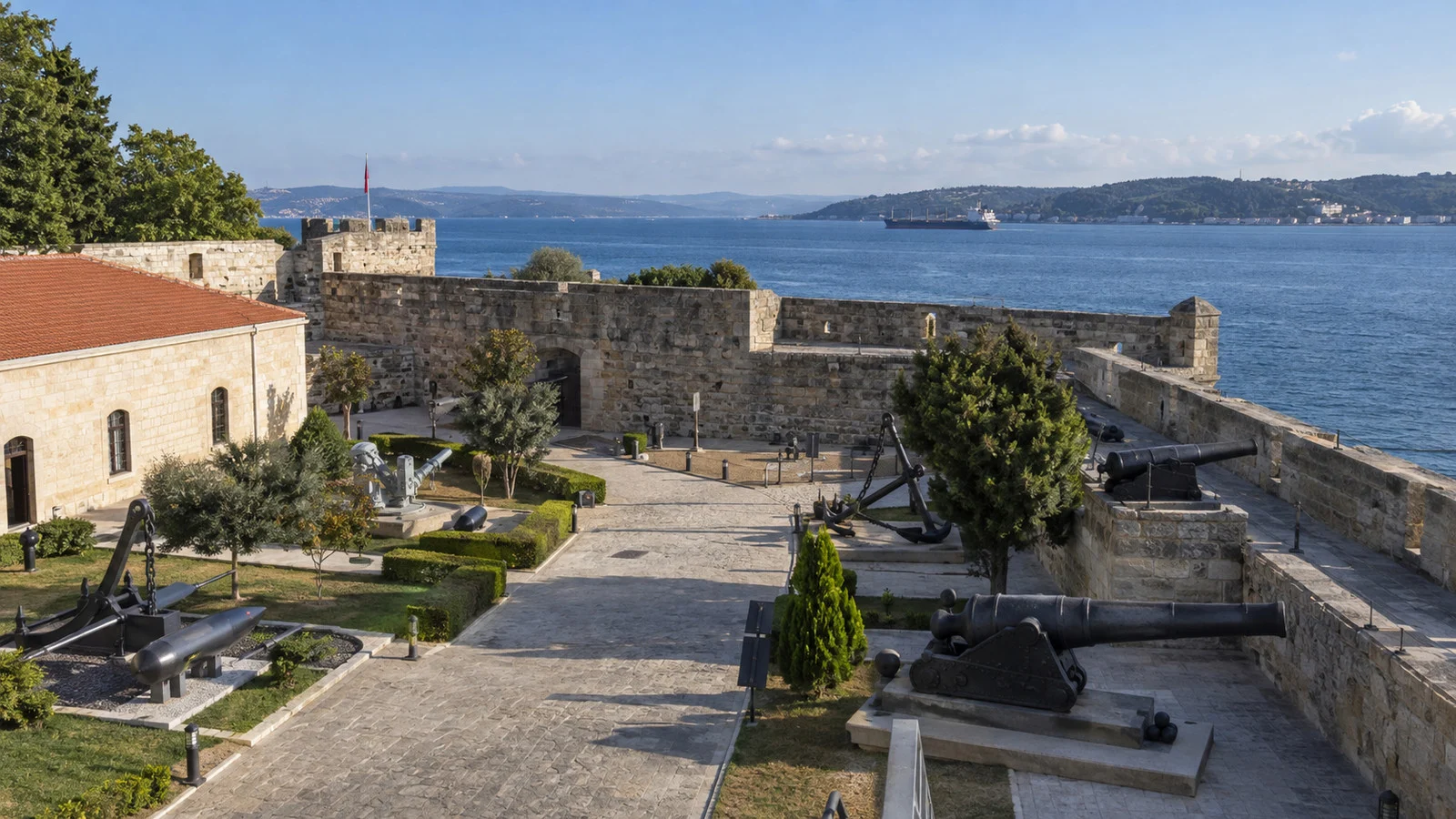
The Naval Museum area helps explain why control of the Dardanelles has mattered for centuries. Exhibits and the Çimenlik fortifications connect Ottoman naval history with the defense of the strait.
Opening days, security rules, and access to individual sections can change. Check the Turkish Naval Museums page before building your whole town plan around an interior visit.
Even without entering, the surrounding waterfront provides useful context for the ships moving through the narrow waterway. Allow extra time around any controlled entrance because security checks may be required.
Getting from Çanakkale to Troy
The archaeological site is roughly 30 kilometers south of central Çanakkale. Driving time varies, but a cruise passenger should allow about 40 to 50 minutes each way rather than planning around the fastest map estimate.
A ship excursion handles transportation, tickets, timing, and usually a guide. That combination is valuable because Troy’s layers are difficult to decode without clear explanation.
For an independent visit, arrange a private car, tour, or taxi in advance. Agree on the complete itinerary, waiting time, price, and return location before starting.
Do not depend on finding an immediate taxi at the archaeological site for the trip back. Keep the driver’s number and confirm whether the vehicle will wait during both the ruins and museum visits.
Public transportation may exist for local needs, but it is not designed around your ship’s deadline. Use it only after checking the current timetable, stops, payment method, and a realistic backup plan.
Why Troy matters
Troy is famous because archaeology, Bronze Age power, and literary memory overlap on one mound. UNESCO added the site to the World Heritage List in 1998.
The UNESCO World Heritage Centre describes Troy as having 4,000 years of history and as important evidence for contact between Anatolian and Mediterranean civilizations. It also emphasizes the site’s influence through Homer’s Iliad and later art.
The visible remains come from multiple periods rather than one frozen moment. Fortification walls, gates, ramps, houses, sanctuaries, and later Greek and Roman buildings sit within a complicated sequence.
That complexity is exactly why a guide or museum visit helps. Without context, an ancient wall from one layer can look much like a wall from another.
UNESCO notes that the site overlooks the plain near the southern entrance to the Dardanelles. The location helps explain Troy’s long connection to movement, trade, and cultural exchange.
The Troy Museum
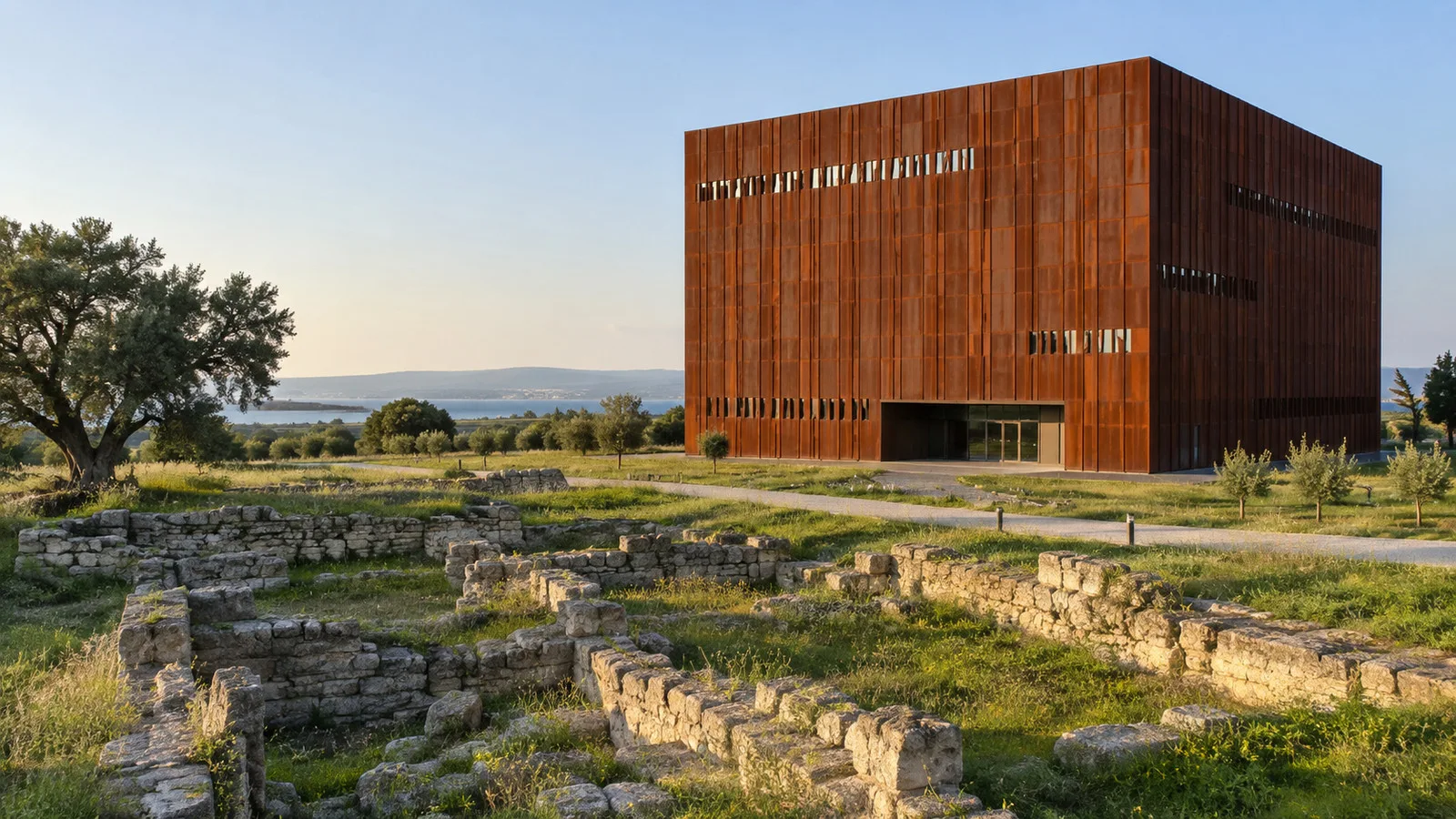
The Troy Museum stands near the archaeological site and presents finds from Troy and the wider Troad. Its galleries help visitors connect pottery, sculpture, objects, and excavation history with the ruins outside.
If time forces a choice, history enthusiasts should still try to see both places. The museum supplies detail, while the site supplies landscape and scale.
Use the official Museum Pass Türkiye network to check current opening hours, admission, and holiday information. Hours can change seasonally, so avoid copying an old timetable into a fixed port plan.
Allow extra time for ticketing and the walk between the museum and site access points. A private vehicle should have a clearly agreed pickup time after your final stop.
What the archaeological visit feels like
Troy is an outdoor archaeological landscape with exposed paths, ramps, and viewing points. Shade is limited in places, and summer sun can make a moderate walk feel much harder.
Wear stable shoes and bring water. Loose surfaces and changes in level deserve attention even if you normally manage historic sites easily.
The site should not be reduced to finding a single wall from Homer’s war. Its value comes from the long sequence of settlements and the way later societies continued to use the place.
Read the signs in chronological order or follow a guide’s route. Jumping between viewpoints can make the different layers even more confusing.
Ship excursion or independent tour
Choose the ship excursion when the port call is short, the arrival method is uncertain, or you want a guide without separate arrangements. The biggest benefit is coordinating Troy with the ship’s operational schedule.
An independent tour offers more control over museum time and the pace through the ruins. It works best when the vehicle, guide, tickets, and return have all been settled beforehand.
Compare what each tour actually includes. Some may focus on the archaeological site, while others combine the museum or a city stop.
Do not assume a higher price means more time at Troy. Read the duration, walking level, meal stop, shopping stop, and museum access before booking.
Accessibility in town and at Troy
The central waterfront is generally easier than the archaeological site because many stretches are paved and relatively level. Curbs, crowded sidewalks, construction, and the ship’s landing setup can still affect the route.
Troy includes outdoor terrain, uneven surfaces, and exposed sections. Visitors using wheelchairs or walkers should ask the attraction and tour operator about the current accessible route rather than relying on a broad claim that the entire site is step free.
The modern Troy Museum may be the more manageable part of the excursion, but confirm elevator, restroom, and entrance access directly. Also ask where the vehicle can drop off and how far the route is from the entrance.
The most important question may be whether the ship uses a tender. Cruise lines set their own mobility device rules for small boats, and weather can change what the crew can safely handle.
If walking is limited, a town based day can still include the waterfront horse, strait views, cafes, and accessible sections of local museums. Discuss the exact route with the ship’s destination team before disembarking.
Gallipoli is a different shore
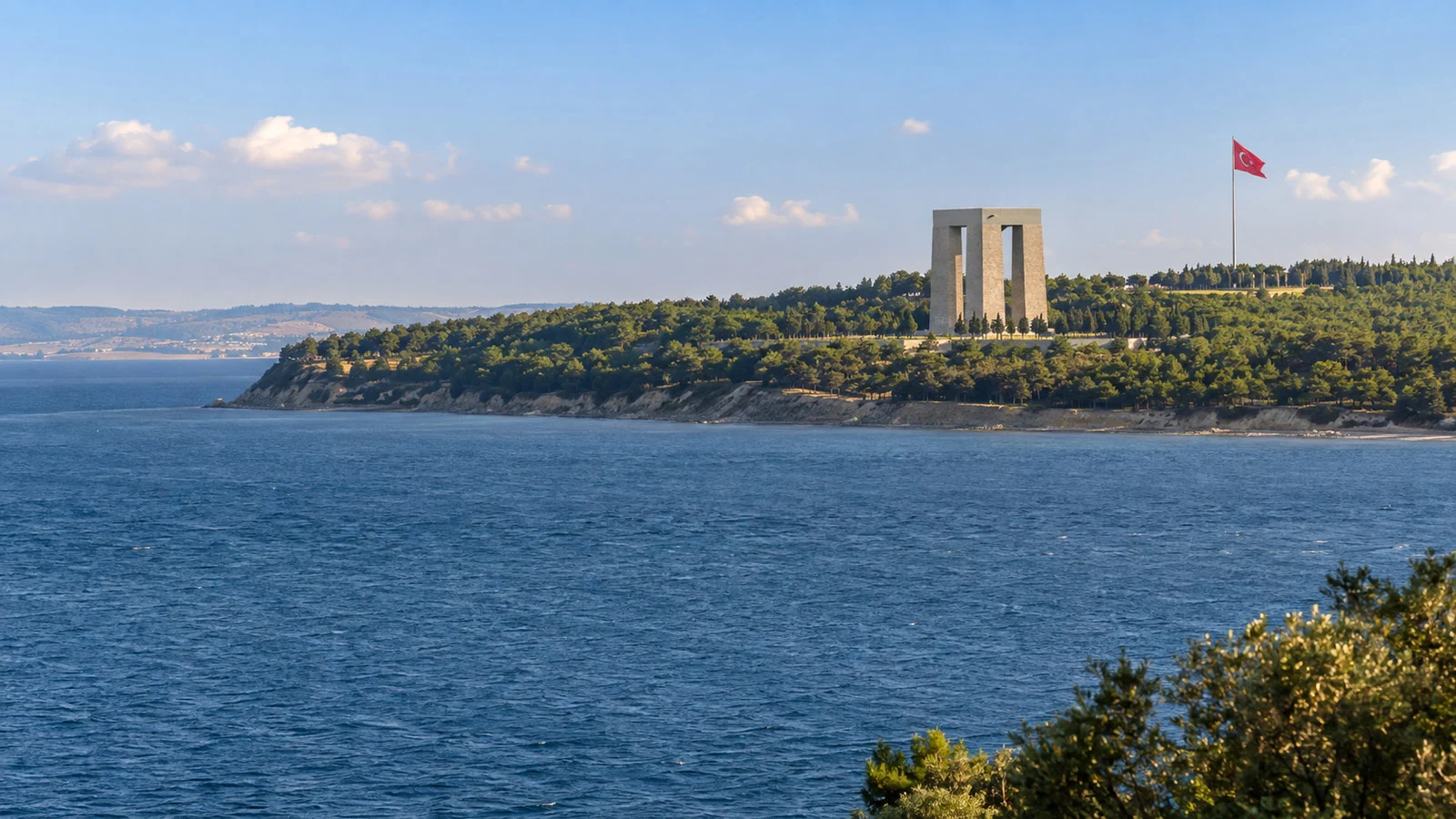
The Gallipoli Peninsula lies across the Dardanelles from Çanakkale. Its First World War battlefields, memorials, and cemeteries form a separate excursion with ferry and road logistics.
Do not try to combine a full Troy visit with a meaningful Gallipoli tour on an ordinary call. Each deserves its own time, and crossing the strait adds another schedule you do not control.
If your itinerary already includes Anzac Cove or a dedicated Gallipoli day, use Çanakkale for Troy. Otherwise, choose the history that matters most to you and commit to it.
Food, money, and communication
The waterfront and central streets have many cafes and restaurants, making lunch easy during a town day. Leave enough time for service and payment instead of sitting down close to the final return.
Turkish lira is useful for small purchases, while established restaurants and shops commonly accept cards. Dynamic currency conversion can be expensive, so check the payment screen before approving a foreign currency amount.
Keep a small amount of cash for a simple purchase or tip. Do not carry more than you expect to use during the call.
Turkish is the everyday language, and English is common in major visitor settings. Save the ship’s location and your driver’s details in writing to reduce confusion.
Weather and the Dardanelles
Summer can be hot, dry, and bright, especially on the exposed ground at Troy. Spring and fall are often gentler for walking, though wind and rain remain possible.
The Dardanelles is a busy international waterway with strong currents and extensive vessel traffic. Port and ship teams may adjust operations for conditions that feel mild from shore.
A light layer helps on a breezy waterfront, while sun protection is essential at the ruins. Carry water even if your excursion advertises a refreshment stop.
A fixed cancellation percentage would be misleading because ships and operating plans differ. Follow the captain’s announcements for the conditions affecting your specific call.
Safety and practical cautions
Normal city awareness is appropriate in central Çanakkale. Keep valuables secure in crowded areas and pay attention when crossing streets near ferry traffic.
At Troy, heat, dehydration, and uneven footing are more likely concerns than crime. Pace the visit for the least mobile person in your group.
Use licensed or prearranged transportation and agree on the fare structure before departure. Photograph the vehicle plate and share your plan with a companion when traveling independently.
Respect barriers at archaeological areas and do not climb on ruins. A tempting shortcut can damage protected fabric and put you at risk.
Timing your return to the ship
Work backward from the last tender, shuttle, or gangway time listed by the ship. Your actual shore deadline may be earlier than the published departure.
Leave Troy with a generous road cushion because even a simple delay can erase the margin. Returning early is more useful than adding one final shop near the museum.
If an organized ship tour runs late, the operator can coordinate with the vessel. Independent travelers do not have the same protection, which is the core tradeoff.
How Çanakkale fits an Aegean cruise
Çanakkale adds a different kind of history to an itinerary that may already include Greek temples or Roman cities. Troy connects archaeology with literature and the strategic geography of the Dardanelles.
When paired with Kusadasi, travelers can compare Troy with Ephesus without pretending the sites are alike. Istanbul adds the later imperial and urban layers of Turkey’s story.
The port is especially rewarding for repeat Mediterranean cruisers who want something beyond the usual island circuit. First time visitors should still choose based on interests, not the idea that every ancient site is automatically essential.
Quick answers
Is Çanakkale always a tender port?
No universal rule applies to every ship and sailing. Check your daily program for the confirmed berth or tender arrangement.
How far is Troy from Çanakkale?
The archaeological site is roughly 30 kilometers south of central Çanakkale. Allow about 40 to 50 minutes each way by road plus a return cushion.
Should I visit the Troy Museum too?
Yes, if your schedule supports both. The museum gives the artifacts and chronology that make the open archaeological site easier to read.
What is the wooden horse on the waterfront?
It is the prop made for the 2004 film Troy and later given to Çanakkale. It is a movie landmark rather than an ancient artifact.
Can I see Gallipoli and Troy in one cruise day?
It is usually too ambitious for a satisfying visit to both. The sites lie on different sides of the Dardanelles and involve separate transportation.
What currency should I use?
Use Turkish lira for small purchases and cards at established businesses. Check the currency shown on a card terminal before approving payment.
The last word
Çanakkale is a substantial port day when you give Troy enough time and treat transportation seriously. It is also an enjoyable waterfront stop for travelers who prefer to stay close to the ship.
Confirm the landing, decide early between Troy and town, and return with a generous cushion. The Dardanelles rewards curiosity, but it does not reward a last minute dash.
How this guide was researched: Unless a firsthand visit is explicitly identified above, this guide is based on independent research using official heritage, museum, government, and cruise sources where available. Logistics and time sensitive details were reviewed in September 2026.
See our Editorial Policy.