Paducah River Cruise Port: Ohio River Landing and Downtown Guide
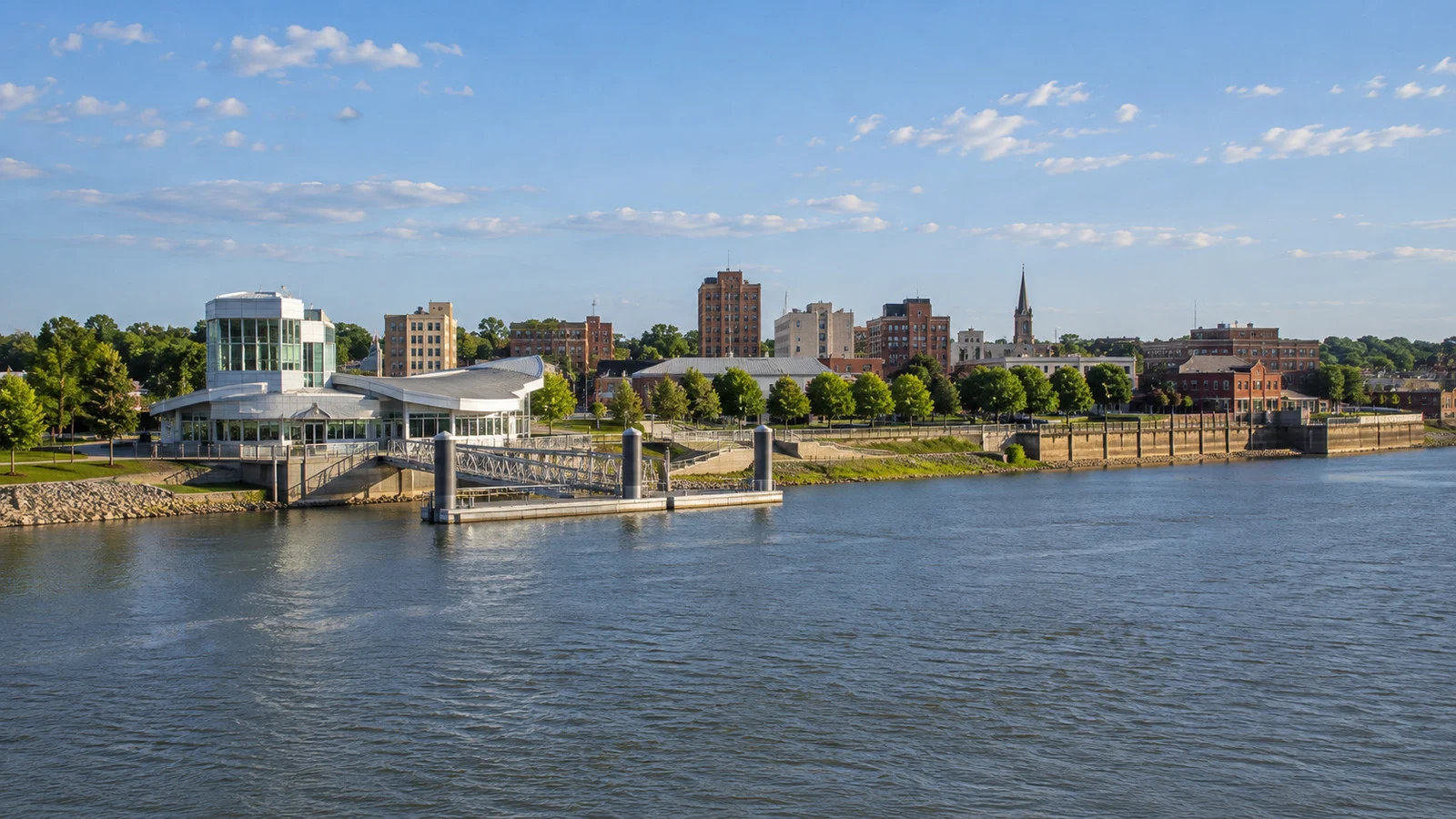
Paducah is where a Tennessee River itinerary can dock on the Ohio River without making a geographical mistake. The city fronts the Ohio at Tennessee River mile zero, just downstream from the confluence that turns two famous waterways into one very busy navigation story.
It is also a wonderfully easy cultural call, with floodwall murals, downtown shops and the National Quilt Museum close to the riverfront. The only thing not to stitch together is the city’s public transient dock and the commercial cruise berth, because they are not the same operation.
Paducah quick facts
Into Town: Downtown riverboat landings are close to central sights; exact gangway position varies, so follow the operator’s route from the vessel.
Currency and Language: U.S. dollar and English. Credit cards are widely accepted, but small cash helps at markets or events.
Time Zone: Central Time, UTC-6 in winter and UTC-5 during daylight saving time.
Operational Notes: Ohio River levels, current, landing operations or wider itinerary changes can alter access or timing.
No city or cruise line publishes an audited Paducah missed-call rate. Check the cruise line briefing and the city’s riverboat update page for the current call.
My quick take
Walk independently to the floodwall murals and National Quilt Museum, then browse downtown or visit the River Discovery Center if time permits. Paducah is compact enough to reward curiosity without requiring a coach and distinctive enough that the quilt museum converts plenty of people who arrived insisting they were “not quilt people.”
Check Sunday and holiday hours before leaving the ship. A short walk is less triumphant when the door has a charming sign explaining that your timing lacks artistry.
Which river is Paducah actually on?
Downtown Paducah faces the Ohio River near its confluence with the Tennessee. The city identifies the public dock area as Ohio River mile 935 and Tennessee River mile zero, while federal and state references place the Tennessee’s mouth at the Ohio in the same reach.
This is why Paducah belongs on Ohio River cruises and on itineraries entering or leaving the Tennessee system. A Cumberland River route can also reach the city through the Ohio, but Paducah is not physically on the Cumberland.
The distinction affects water information and route language. When your itinerary says the vessel is “on the Tennessee” near Paducah, it may mean the broader system or the transition at the mouth rather than the downtown shoreline beneath your cabin window.
The City of Paducah’s Tennessee RiverLine page describes Paducah as the western end of the 652-mile Tennessee River corridor from Knoxville. The Ohio-facing downtown is the celebratory finish line.
Do not confuse the transient dock with the cruise berth
The city owns a 340-foot transient boat dock downstream from downtown. Its published rules say plainly that the dock is for transient boaters and their guests, not commercial or charter purposes.
That means it should not be described as the commercial riverboat’s overnight berth. Passenger operators use separately coordinated downtown landing arrangements, and the exact position or access route can change with vessel, schedule and river condition.
The transient dock rules are still useful river evidence. They warn of a downstream shoal and say amenities disconnect when the Ohio approaches 39 feet, illustrating how water level changes shoreside operations even at purpose-built infrastructure.
For your sailing, trust the cruise line and Paducah’s current riverboat information rather than a recreational-boating map. The city’s tourism office maintains a 2026 riverboat update page and warns that river travel changes are expected.
How far is downtown from the ship?
Commercial passenger calls are promoted as downtown dockings, with the murals and central streets close to the riverfront. Depending on the gangway and floodwall route, allow an estimated 5 to 15 minutes to reach the mural corridor or first downtown blocks.
The National Quilt Museum at 215 Jefferson Street is an estimated 10 to 20-minute walk from a typical downtown landing. Exact access can lengthen when floodgates, high water, security or the operator’s passenger route changes the obvious path.
Ask crew which floodwall opening to use and whether a shuttle is provided. A riverboat can look close enough to touch while the approved pedestrian route politely disagrees.
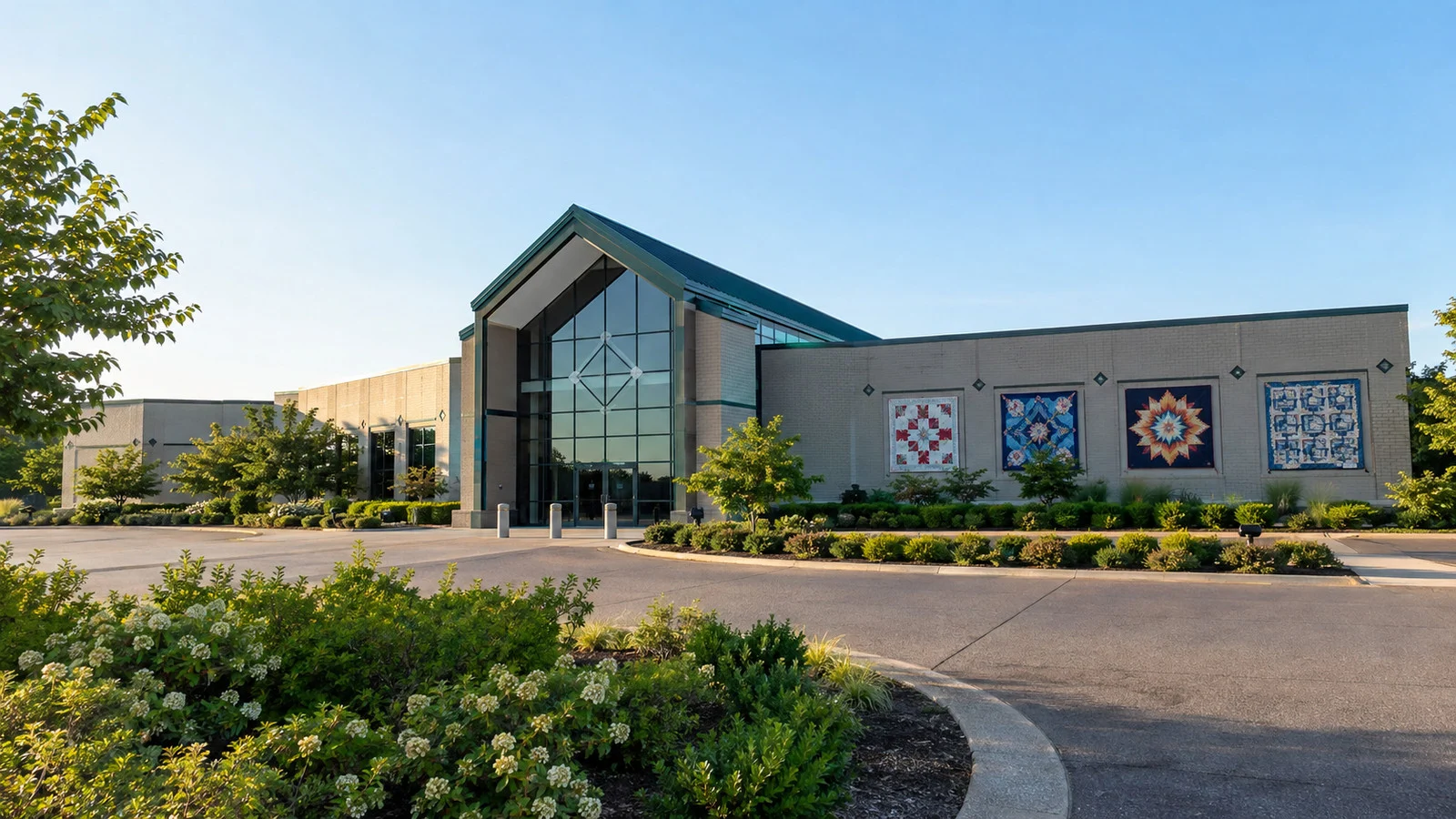
National Quilt Museum
The National Quilt Museum presents contemporary quilt and fiber art rather than a room of antique bedcovers. Rotating exhibitions and its permanent collection emphasize design, technique and artists working at a level that makes “craft” feel like an undersized word.
The museum’s official visitor page currently lists Monday-through-Saturday hours of 10 a.m. to 5 p.m. and Sunday hours of 1 p.m. to 5 p.m., with holiday closures and current admission prices.
Allow an estimated 60 to 90 minutes for the galleries, longer for a guided program or anyone traveling with a quilter who has finally found their natural habitat. Check current exhibitions and private-event closures close to the call.
The museum states that its galleries are wheelchair accessible and complimentary wheelchairs are available. Non-flash photography is permitted for personal use, but touching the art is not.
Floodwall murals and riverfront
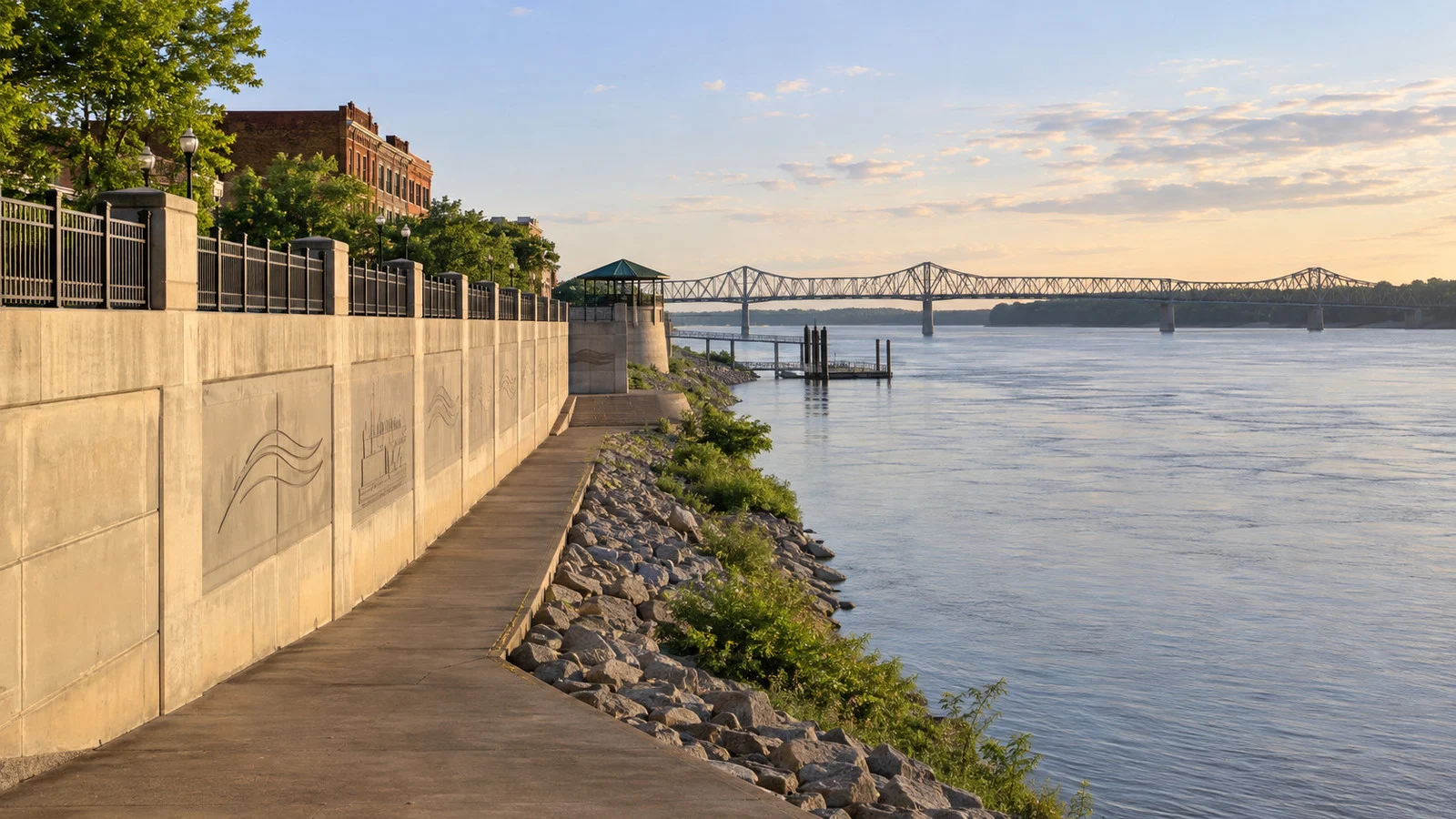
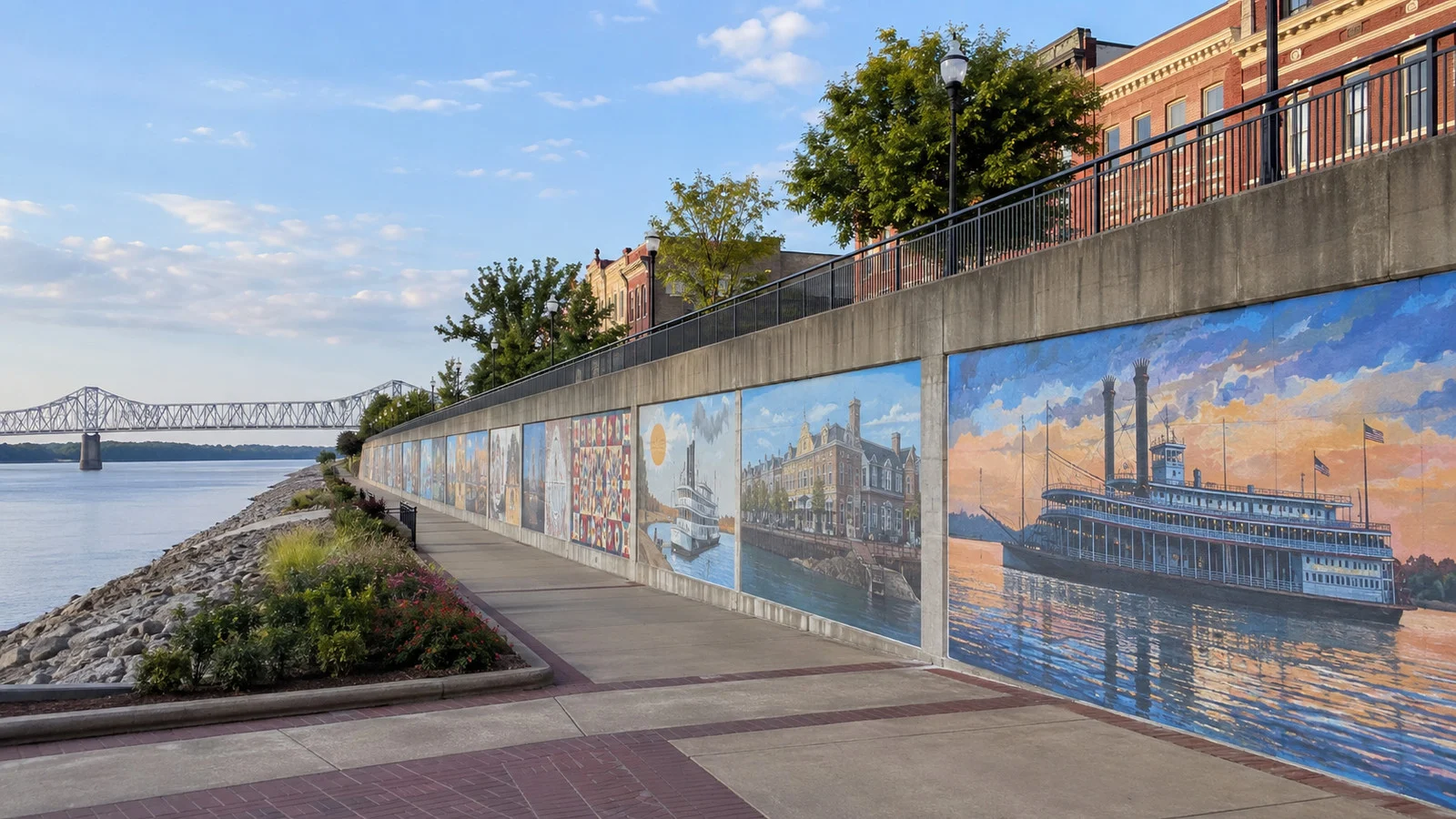
Paducah’s concrete floodwall carries more than 60 panoramic murals illustrating local history. Informational plaques make the outdoor gallery easy to explore without a guide, and the Ohio River supplies the least subtle possible reminder of why the wall exists.
The city’s downtown page describes the Wall to Wall murals and historic commercial district. The mural walk is free, outdoors and flexible enough to fit around a museum reservation.
Allow an estimated 30 to 60 minutes depending on how many panels you read. Wind, heat, rain and temporary event setups can affect comfort or access.
River Discovery Center and downtown
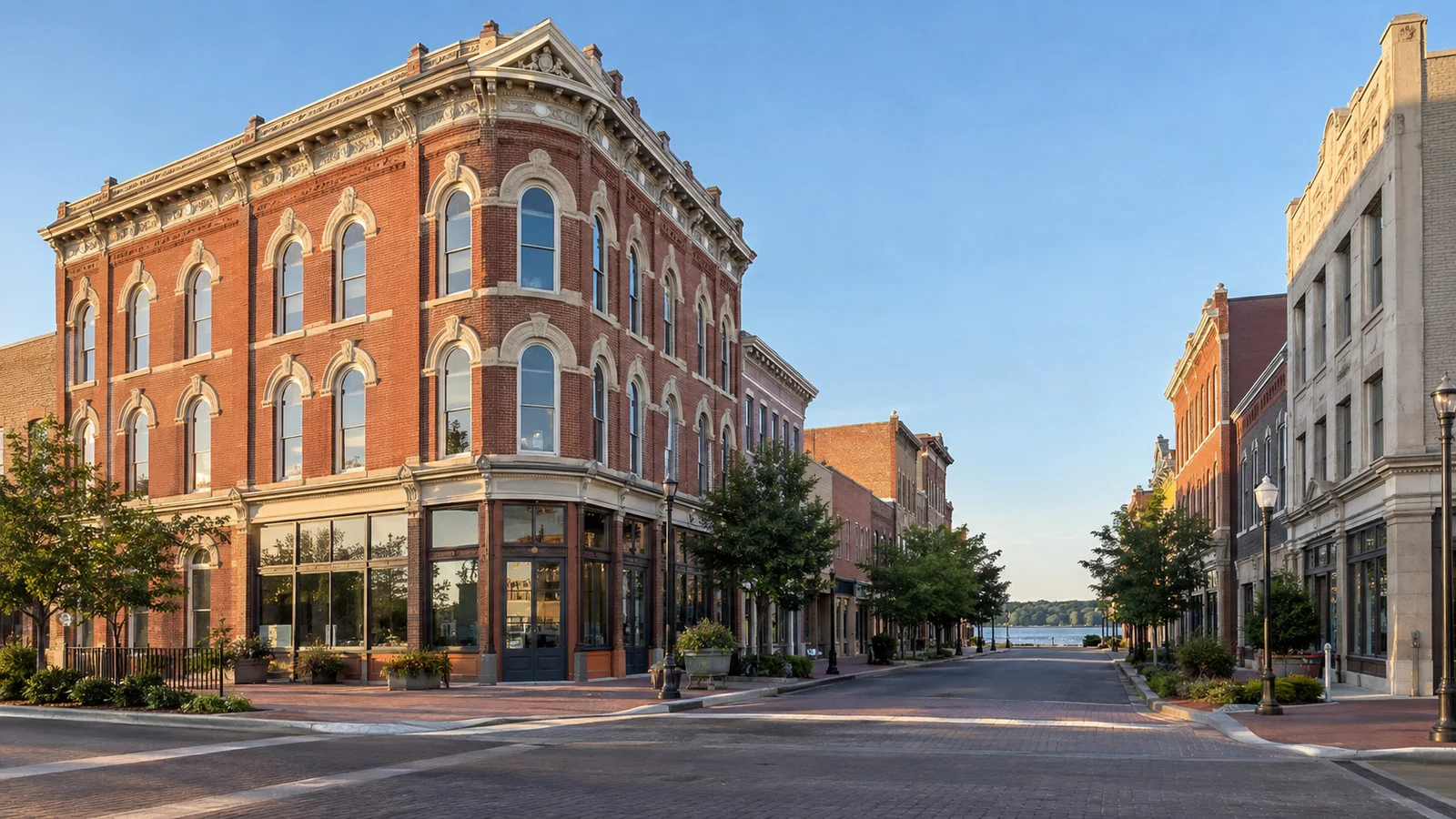
The River Discovery Center interprets inland waterways, navigation and river culture in a historic downtown building. Verify current hours directly because a cruise call, Sunday or special event can produce a schedule that differs from an old listing.
Downtown adds independent shops, restaurants, galleries and architecture within a few blocks. Broadway and the streets near Market House Square suit a relaxed loop after the museum.
Lower Town lies farther inland and is known for historic architecture and arts connections. Add it only with enough time and mobility, because the riverfront-to-Lower Town distance is easy to underestimate after an already full museum morning.
A practical half-day walk
Start with the floodwall murals while the weather is comfortable, then continue to the National Quilt Museum. Return through downtown for lunch, shopping or the River Discovery Center before walking back to the ship.
This plan is approximately 1 to 2 miles of walking as an editorial estimate, depending on the landing and chosen blocks. Add distance for Lower Town or a full mural survey.
Keep at least 20 to 30 minutes of return margin beyond the estimated walk. A freight train, closed floodwall opening, line at security or conversation with a gallery owner can use it quickly.
The site’s broader guide to walkable cruise ports applies well here. Paducah’s great advantage is not merely short distance, but the concentration of meaningful stops near the river.
Excursions beyond downtown
Some cruise lines offer regional museums, historic sites or transportation-focused excursions. Choose one for a specialized interest or limited mobility, not because downtown requires a bus.
Land Between the Lakes and Kentucky Dam belong to the wider Tennessee River region but are not quick independent walks from Paducah. Their road distance and tour timing make an operator excursion or separate land stay the sensible approach.
If the itinerary continues onto the Tennessee, the ship itself may provide the best geography lesson. Watch how the river traffic, towboats and confluence change while remembering that professional crews have rightfully kept the navigation decisions.
Water levels and landing changes
High Ohio River stages can restrict shoreside access, disconnect dock services and bring floodwall operations into the plan. Low water and shoaling can also influence how vessels approach or whether the preferred landing works.
A change may mean a different gangway, shuttle, delayed call or substituted port. It does not automatically mean the city or river system is closed.
Check the cruise line’s morning briefing and the local riverboat update page. The tourism office itself notes that cruise lines sometimes change plans before city staff receive notice.
Accessibility
Downtown terrain is generally manageable, but the gangway and floodwall route are the critical variables. River height can steepen a ramp or move passenger access to a longer path.
Ask whether a shuttle is lift-equipped and where it stops. The site’s river-cruise accessibility guide includes questions about gangways, mobility devices and crew assistance.
The quilt museum reports one-level, ADA-compliant galleries, automatic doors and accessible restrooms. Historic downtown businesses vary, so call a priority restaurant or attraction directly if step-free entry matters.
The practical checks I would make before Paducah
Do not use Paducah’s public transient dock as proof of the commercial cruise berth, because the city applies different rules to recreational and overnight passenger vessels. Ask for the day’s gangway, floodwall route, and return point before setting off.
The floodwall murals, National Quilt Museum, and downtown form the strong independent loop, while an outer attraction should replace part of that plan rather than extend it. Check each museum’s live day, ticket, and last entry, then be back near the landing at least 45 minutes before all aboard.
International guests should verify United States entry and identification requirements for the whole itinerary. Ohio River level, current, heat, storms, floodwall gates, gangway pitch, museum thresholds, and the final curb route can all affect accessibility or call timing.
Quick answers
Is Paducah on the Ohio or Tennessee River?
Downtown fronts the Ohio River at the Tennessee River’s mile-zero confluence area. That location connects Paducah naturally to both cruise systems.
Do commercial cruise ships use the 340-foot transient dock?
Do not say they do. City rules exclude commercial and charter use, so passenger riverboats rely on separately coordinated landing arrangements.
Can I walk to the National Quilt Museum?
Usually yes from a downtown landing, with an estimated 10 to 20-minute walk. Confirm the approved floodwall route onboard.
Is the quilt museum only for quilters?
No. Its contemporary fiber art, design and changing exhibitions reward visitors without sewing experience, although actual quilters may need retrieval at closing time.
What is the best free attraction?
The floodwall murals offer the strongest free introduction to Paducah’s history and river identity. They also adapt easily to a short call.
The last word
Paducah makes river geography and downtown culture unusually easy to combine. The Ohio supplies the landing, the Tennessee supplies mile zero and the city supplies enough art to keep both rivers from taking all the credit.
Follow the commercial passenger route, not the transient-dock assumption, and give the quilt museum a fair chance. For more domestic planning, browse the site’s United States cruise ports guide.
How this guide was researched: This guide was independently checked on September 12, 2026, against the City of Paducah transient dock rules, Visit Paducah riverboat updates, National Quilt Museum visitor information, U.S. Army Corps of Engineers navigation information, the official sites linked in the article, and current cruise-line instructions. Reconfirm the landing, gangway, transfer, attraction rules, travel documents, river and weather conditions, accessibility, costs, and all-aboard point because live operations can change.