Mohács River Cruise Port: Busó Heritage, Battlefield, Pécs, and Villány
Mohács is a small Hungarian Danube port with a history far larger than its center. The town is associated with the Battle of Mohács, the masked Busó tradition, nearby wine country, and excursions to Pécs.
The best day depends on your port hours and exact berth. Stay local for a relaxed look at Mohács, or use a ship excursion or prearranged driver when Pécs, Villány, or the battlefield memorial is your priority.
Where River Ships Stop in Mohács
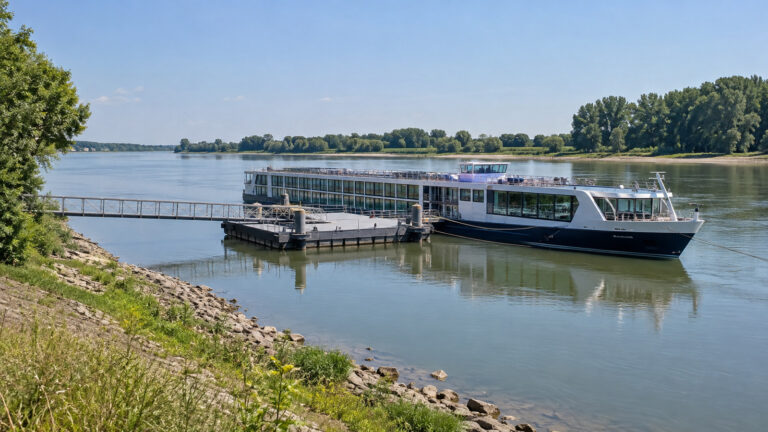
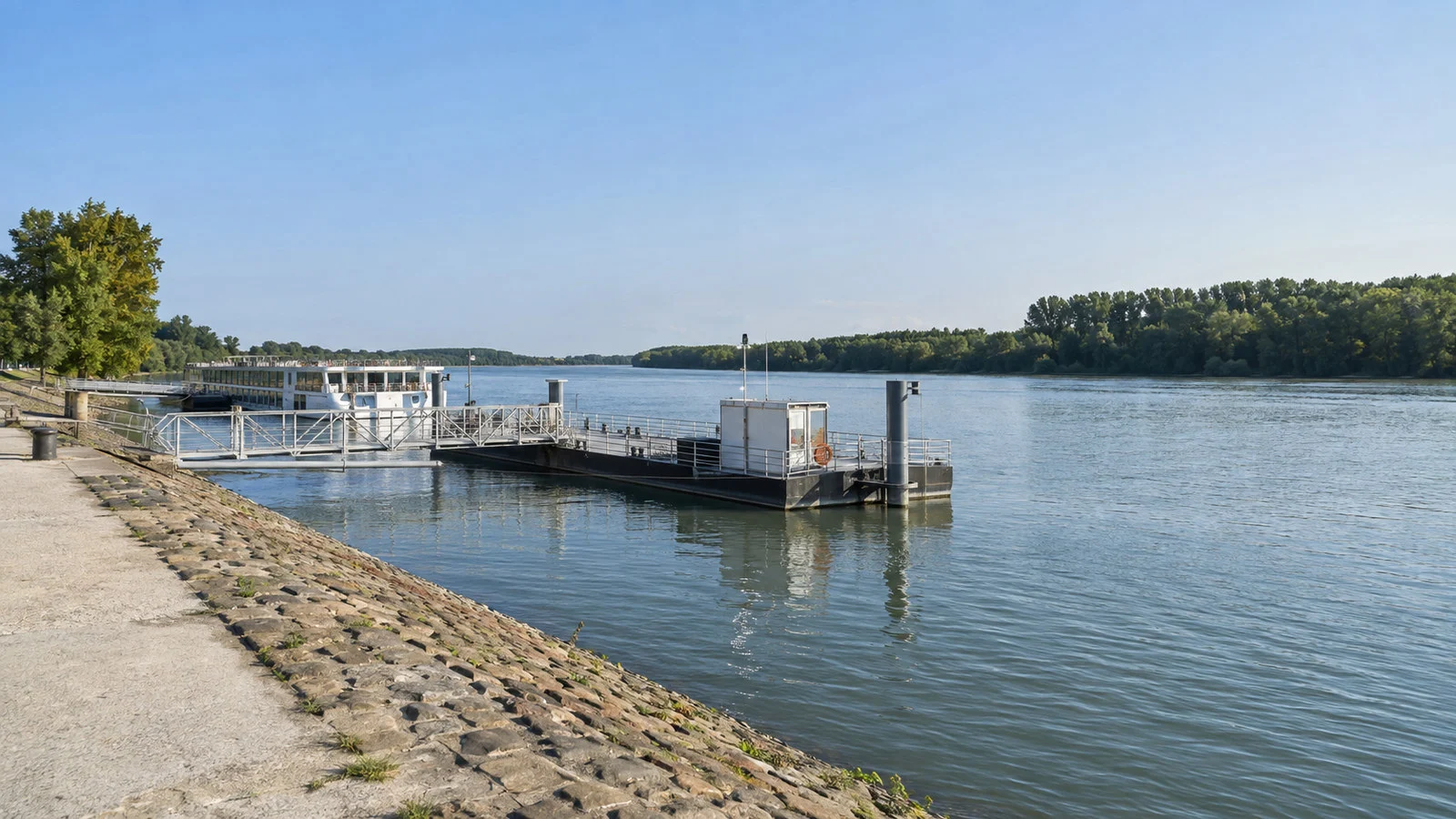
River vessels use assigned positions along the Danube waterfront, but passengers should not assume one permanent gangway location. Berth allocation, water conditions, rafting, and local operations can change the precise place where you step ashore.
Check the ship’s daily program for the berth name, gangway side, and all aboard time. If another vessel is alongside, you may be asked to walk through it, which can add stairs and thresholds to the route ashore.
Mohács does not need to feel like a large passenger terminal to work well as a port call. The waterfront and central streets are close enough for a local visit when your ship confirms a central berth, but the actual walking route belongs to that day’s instructions.
Quick Facts
- River: Danube
- Port style: Assigned river berth with location and access confirmed by the ship
- Best local themes: Busó heritage, Danube life, and the history of 1526
- Major excursion choices: Mohács National Memorial Site, Villány wine region, and Pécs
- Currency: Hungarian forint
- Language: Hungarian, with Croatian and other regional cultural influences
- Emergency number: 112
- Independent transport: Arrange it before sailing if leaving Mohács
- Return rule: Protect a generous road and gangway buffer
Walking Into Mohács
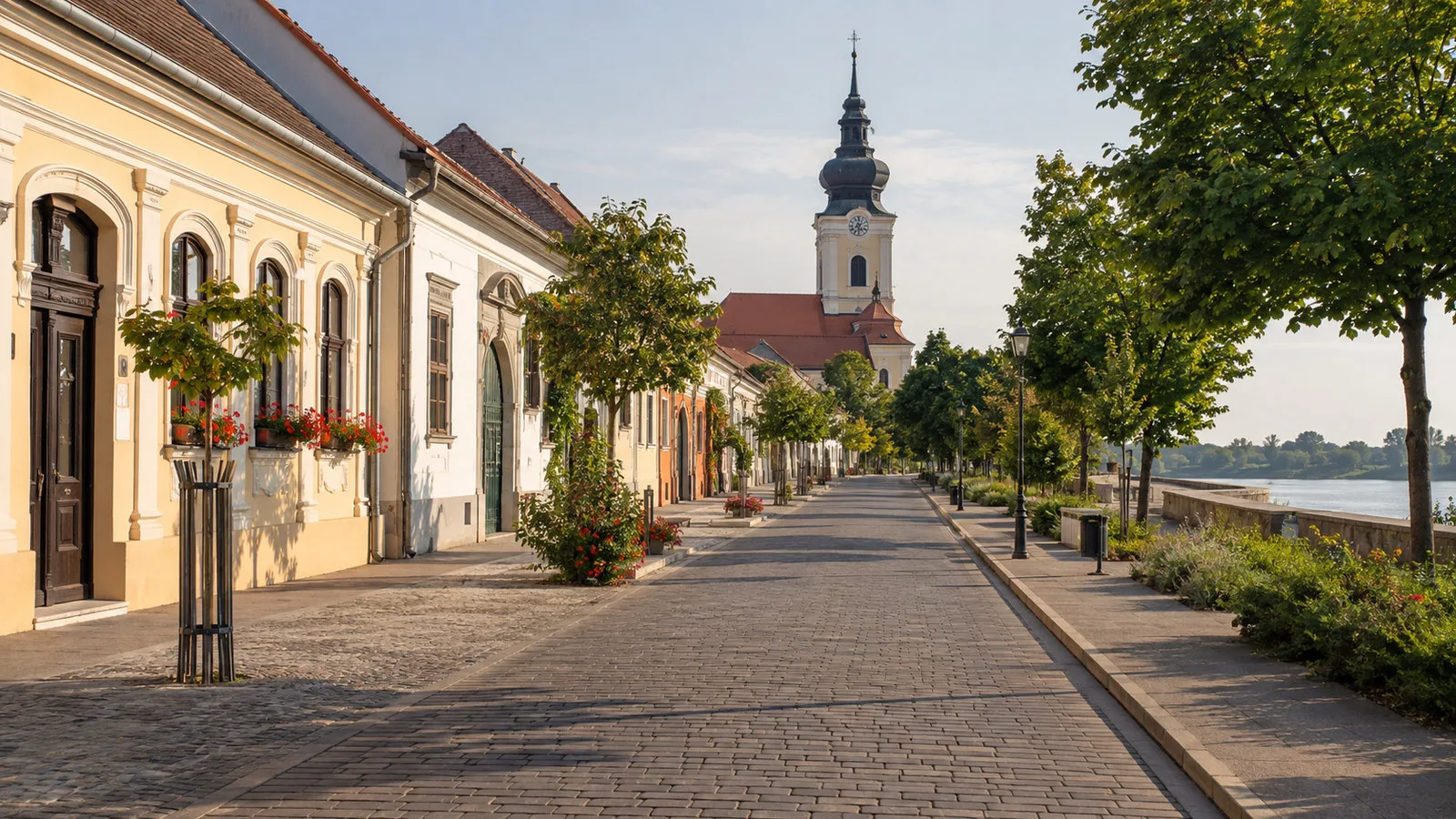
A central berth makes Mohács one of the gentler Lower Danube calls for independent wandering. The riverfront, Széchenyi Square, churches, cafes, and local museums can form a compact route without requiring a full excursion.
Do not rely on a fixed number of minutes from ship to square because the berth can move. Ask the crew to point out the safest pedestrian route and photograph the gangway location before leaving.
Waterfront paving, ramps, and embankment surfaces may be uneven or slippery after rain. Wear shoes with grip and expect the gangway angle to change with the river level.
Services at the immediate berth may be limited. Use the town center for cafes, restrooms, cash access, and visitor information rather than expecting those facilities beside the ship.
Busó Heritage
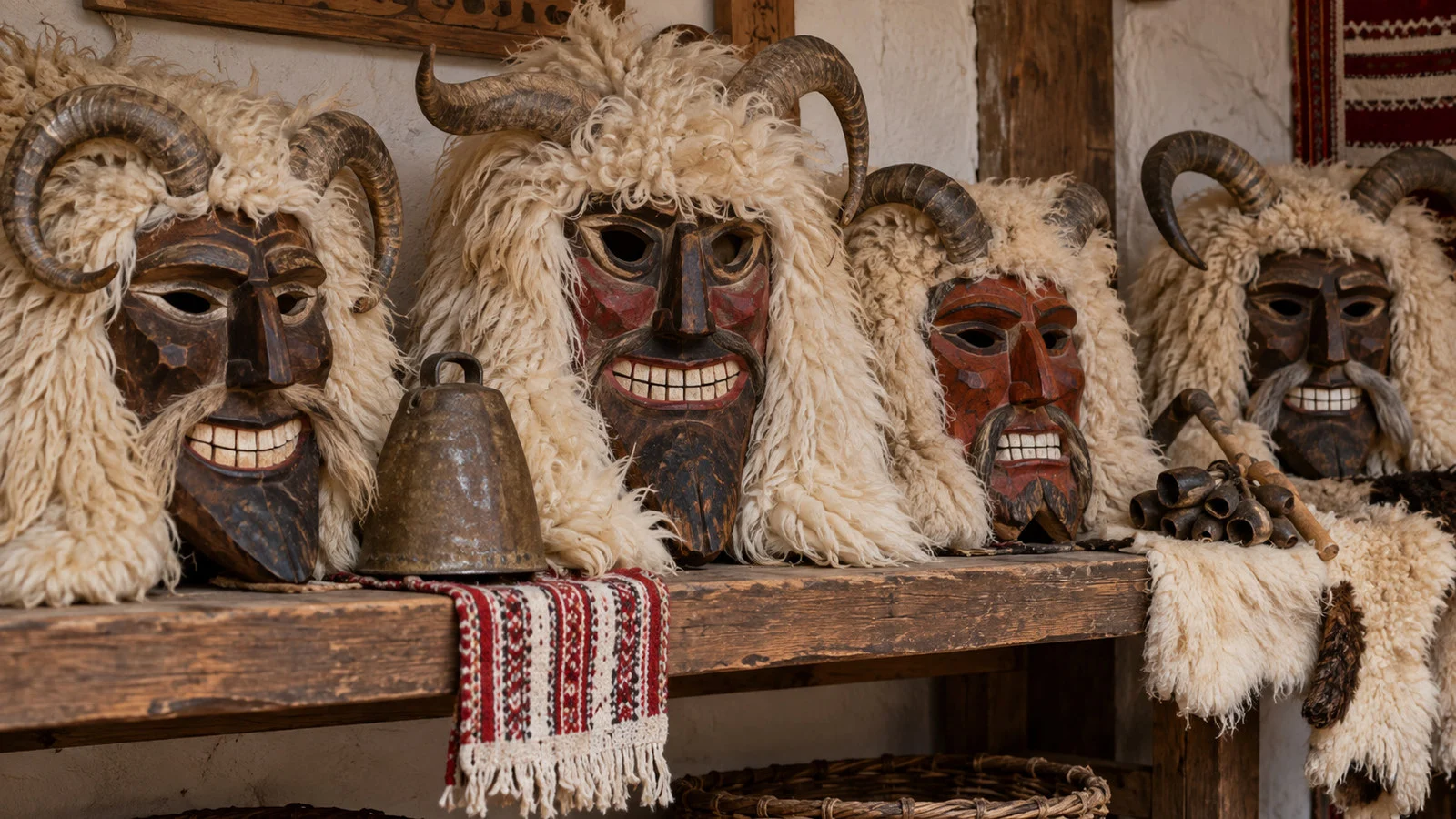
Mohács is internationally known for Busójárás, the masked carnival held around the end of winter. The tradition features carved masks, sheepskin costumes, music, noise, fire, and community rituals connected with the town’s Šokac cultural heritage.
UNESCO inscribed the Busó festivities at Mohács on its Representative List of the Intangible Cultural Heritage of Humanity. The festival itself takes place at a specific time of year, so most cruise passengers will learn about it rather than witness it.
Outside the carnival period, look for a museum or visitor experience that explains the masks and costume tradition. The official City of Mohács website links current attractions and publishes a yearly event calendar.
Do not treat the masks as generic souvenirs stripped of their local meaning. A guided explanation adds context about craft, identity, community participation, and the way the custom changes from one generation to the next.
The Battle of Mohács
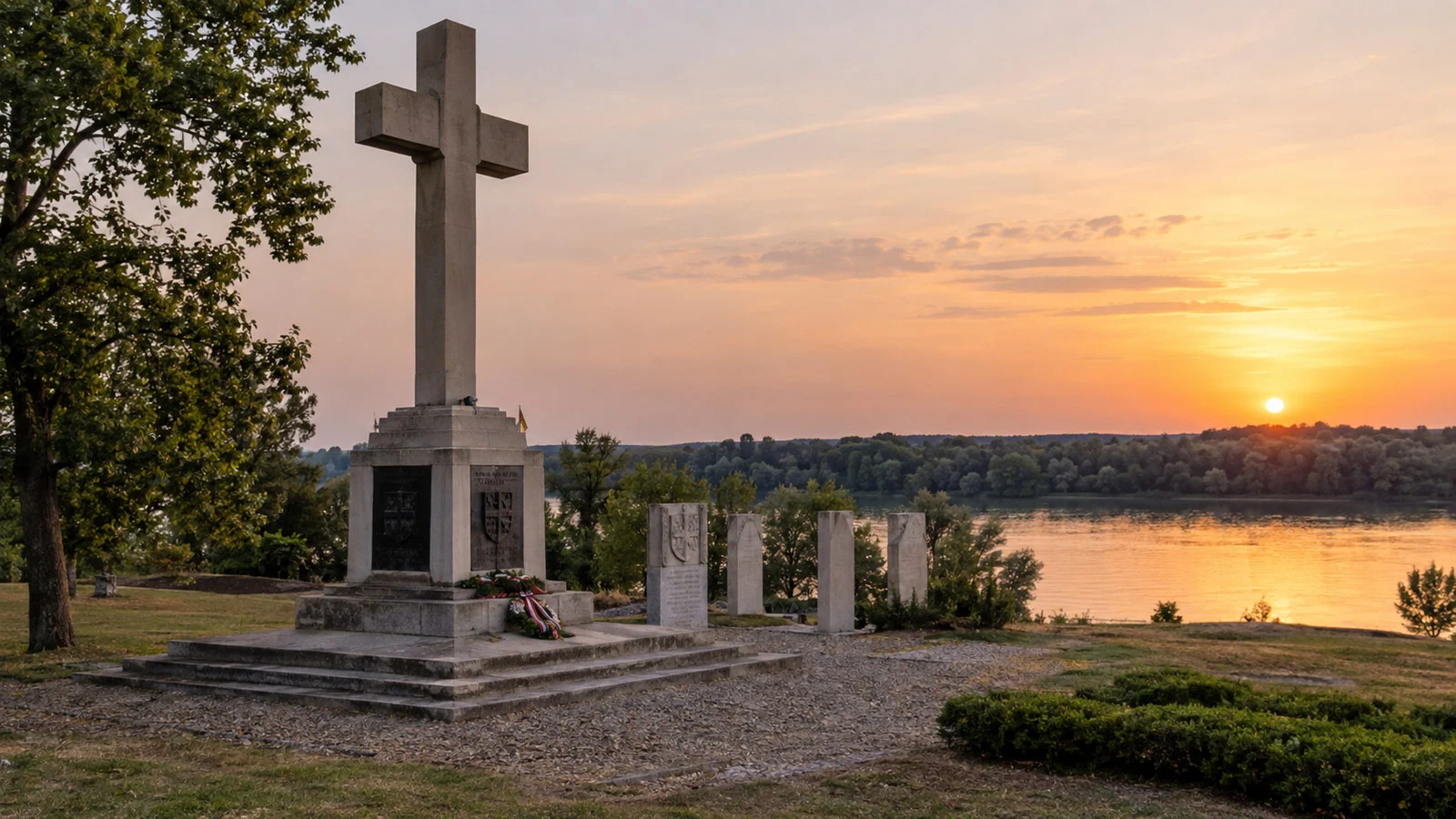
The 1526 battle near Mohács became one of the defining events in Hungarian history. Ottoman forces defeated the army of the Kingdom of Hungary, and the consequences reshaped the country’s political future.
The Mohács National Memorial Site at Sátorhely interprets the battlefield landscape and commemorates those who died. Its carved grave markers and open grounds make this a reflective visit rather than a conventional military museum.
The memorial is outside central Mohács, so do not assume you can reach it comfortably on foot during a cruise call. Use an included excursion, a prearranged vehicle, or current local advice from the ship.
Check the official memorial website for current opening information before committing to an independent plan. Seasonal hours, ceremonies, and site work can affect access.
A Relaxed Local Route
Begin at the waterfront and walk toward Széchenyi Square using the route recommended onboard. Spend time with the central architecture, then choose one local museum or Busó-focused stop.
Return by the riverfront and leave room for coffee or a simple lunch. Mohács works best locally when you let its scale stay modest instead of trying to force a capital-city checklist onto it.
The Danube ferry and working river traffic can add interest without requiring a ticketed attraction. Watch from a safe public area and stay clear of vehicle approaches and operational zones.
Pécs as a Shore Excursion
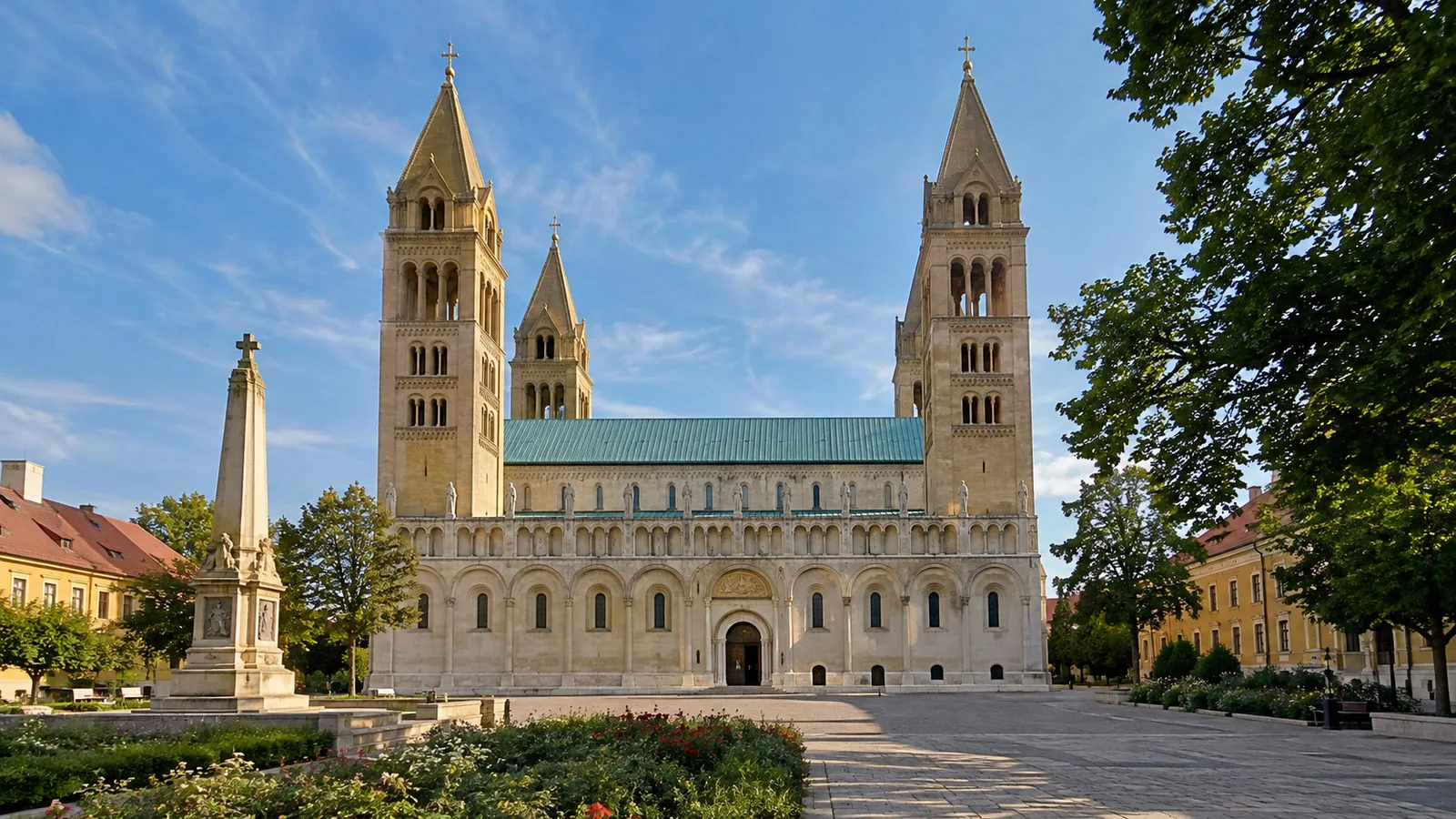
Pécs offers the strongest city excursion from Mohács for travelers who want architecture, museums, and layered history. It is far enough away that transport and return timing should be settled before leaving the ship.
The city’s Early Christian Necropolis of Pécs is a UNESCO World Heritage Site. Its decorated 4th-century burial chambers and memorial chapels preserve important evidence of the Roman city of Sopianae.
Pécs also has a cathedral, Ottoman-era architecture, galleries, and the Zsolnay Cultural Quarter. Choose a focused route because transfers and walking can consume more of the port call than the excursion headline suggests.
A ship excursion simplifies transportation and protects the itinerary if the tour returns late for reasons within the operator’s control. Independent visitors should reserve a driver and agree on a conservative turnaround time before sailing.
Villány Wine Country
Villány is known for red wine and cellar culture in southern Hungary. A tasting can be an excellent counterpoint to larger city stops on a Lower Danube itinerary.
Wine visits require more planning than simply arriving in the village. Producers set their own hours, group policies, tasting formats, accessibility, and reservation requirements.
Use a ship excursion or a driver when tasting because rural public transportation may not fit a short port schedule. Never plan to drive after drinking, and leave time for the road journey back to Mohács.
Cellars can be cool even in summer and may involve steps, low thresholds, cobbles, or uneven floors. Ask the selected producer about step-free access and seating before booking.
Non-drinkers should check whether grape juice, food, vineyard views, or cultural interpretation are included. A wine-region excursion is not automatically worthwhile for every passenger.
Ship Excursion or Independent Visit
Explore independently if your goal is central Mohács and the crew confirms an easy walking route. The town’s compact scale lets you control the pace and return early without wasting the call.
Choose a ship excursion for Pécs, Villány, or a combined regional program when transport is the main difficulty. The value comes from coordination, reservations, and return management as much as from the guide.
A private driver can work for a small group, but arrange the details in advance and give the driver the exact ship berth. Confirm the price, waiting time, payment method, route, and latest return before setting out.
Do not build an independent day around one infrequent bus connection. Check current schedules through Hungary’s official journey-planning services and keep a realistic backup.
Accessibility
Start by asking about the gangway, rafting, and embankment because those conditions can change during the call. A town described as flat may still be difficult if the route ashore includes steps or a steep ramp.
Central Mohács may be manageable for many travelers, but paving quality and curb access vary. Ask the crew for the smoothest route rather than assuming the most direct street is the easiest.
The battlefield memorial includes an outdoor landscape, while wine cellars may have gravel, cobbles, and stairs. Request venue-specific details before booking an excursion that matters to a wheelchair user or someone with limited stamina.
Standard coaches do not always have lifts, and a tour’s walking rating may not describe the vehicle steps. Confirm whether a mobility device can be carried and whether accessible restrooms are available on the route.
Weather and River Conditions
Southern Hungary can be hot and sunny in summer, while spring and fall bring cooler mornings and changeable weather. Carry water, sun protection, and a light layer that works inside churches, museums, or cellars.
Danube levels and navigation conditions can affect berths, gangways, and itineraries. Avoid fixed claims about how often Mohács is missed because conditions vary by season, vessel, and the wider river route.
Ask the cruise director for current operational information if low or high water is affecting the sailing. Public river gauges may provide data, but the captain decides what that data means for the ship.
Mosquitoes can be noticeable near the river in warm weather. Pack repellent and keep cabin screens or doors managed according to crew guidance.
Food, Money, and Practical Stops
Local restaurants may feature Danube fish, soups, paprika-rich dishes, and regional wines. Menus and opening days vary, so keep a second lunch option when your visit falls outside the busiest season.
Hungary uses the forint, and cards are common in many established businesses. Small vendors, market purchases, or payment disruptions can still make a modest amount of local cash useful.
Choose dynamic currency conversion carefully if a card terminal offers to charge in another currency. Your bank’s conversion may be better, but fees depend on your account.
Restroom access is most predictable in museums, restaurants, and organized excursion venues. The berth itself may have limited public facilities.
Safety and Emergency Help
Mohács is a small town, but ordinary travel awareness still matters around markets, events, and transport points. Keep valuables secure and use marked pedestrian routes near the ferry and waterfront roads.
Hungary’s official tourism agency lists 112 as the free emergency hotline available around the clock. Use it for a genuine police, fire, or medical emergency.
Save the ship’s emergency contact separately because it is the right number for a delayed return or lost meeting point. Emergency services cannot change the vessel’s departure plan.
Getting Back to the Ship
A local walk allows an easy return when the berth is central and clearly marked. Regional excursions need a much larger buffer because road delays and group loading can consume time quickly.
Take a photo of the gangway, berth sign, daily program, and all aboard time. If the ship is rafted, remember which neighboring vessel provides the route back onboard.
Independent travelers should set a turnaround time that arrives well before the official deadline. Do not rely on the final possible bus, train, or taxi connection from Villány or Pécs.
If the ship changes berth during the call, follow the contact procedure in the daily program. Never assume that a crowd near the river is returning to the same vessel.
How Mohács Fits a Lower Danube Cruise
Mohács often appears between larger Central European cities and destinations farther down the Danube. Its smaller scale gives the itinerary room for rural culture, wine, and Hungarian history outside Budapest.
The call can also involve operational or border-related timing depending on the wider itinerary. Passengers should follow onboard instructions about passports and presence on the ship without assuming every sailing uses the same procedure.
Use Mohács as either a calm town day or a carefully planned regional excursion. Trying to combine the town, battlefield, Villány, and Pécs in one short call usually sacrifices the depth that makes each worthwhile.
Is Mohács Worth the Stop?
Yes, when you match the day to your interests. Busó heritage and the waterfront suit an easy local visit, while the battlefield, Villány, and Pécs reward passengers willing to arrange transportation.
Confirm the berth, choose one clear theme, and protect the return. Mohács does not need spectacle to earn its place on a Danube itinerary.
Research note: This guide was checked against current information from UNESCO, the Mohács National Memorial Site, and the Hungarian Tourism Agency. Details that can change were reviewed on September 12, 2026, but your cruise line’s instructions remain the final word for berth access and all-aboard time.