Elbe River Cruise Ports: Europe’s Most Fragile River Cruise
Elbe river cruises are unusually sensitive to changing water levels. Parts of the route are free-flowing and shallow, so operators may revise sailing plans when a ship cannot navigate safely.
That is a navigation constraint, not necessarily an operator failure. Plan for possible changes and keep arrangements at either end flexible.
A practical way to book
Book the Elbe with a clear understanding of the water-level clause. Ask exactly how the operator handles a sailing that cannot follow the published route.
Water levels can be too low or too high, and no month guarantees an uninterrupted cruise. Recent conditions and the ship’s draft matter more than a simple seasonal rule.
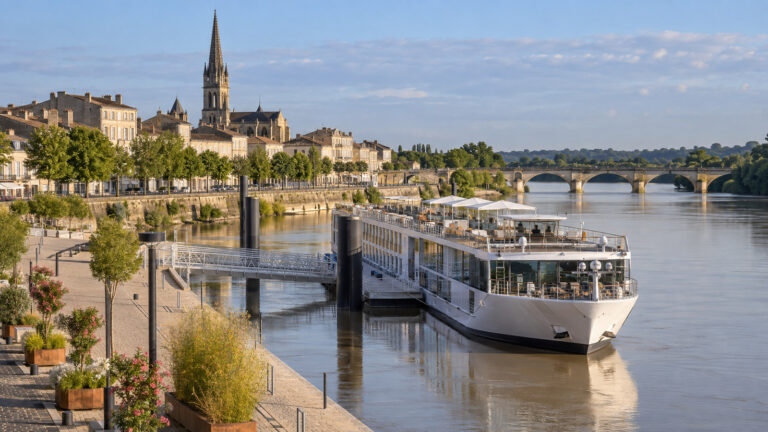
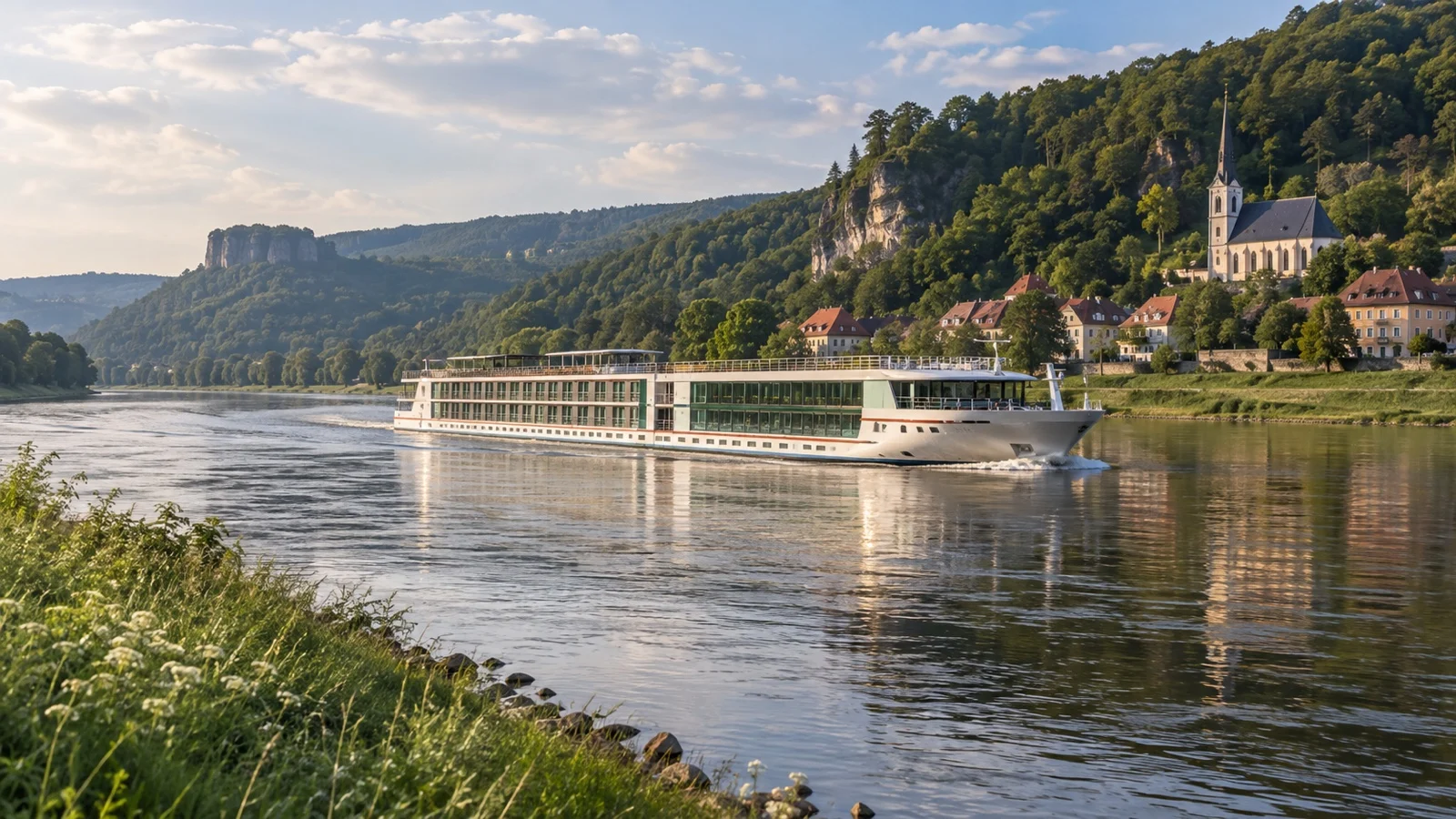
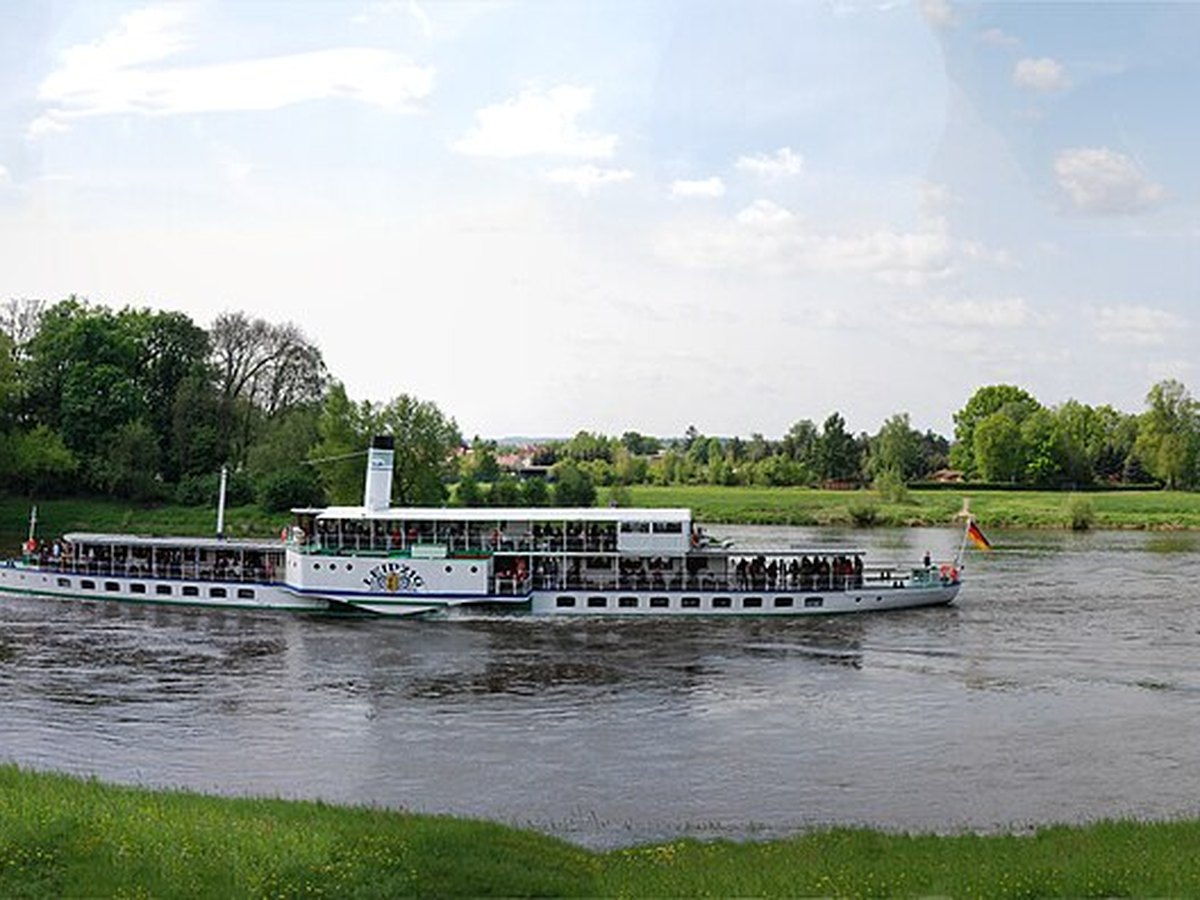
Elbe ships are generally smaller and shallower-draft than many Rhine and Danube vessels. Expect fewer facilities in exchange for access to this route.
Avoid expensive nonrefundable arrangements around either end of the itinerary. Schedule changes can affect transfers and arrival times.
The quick facts
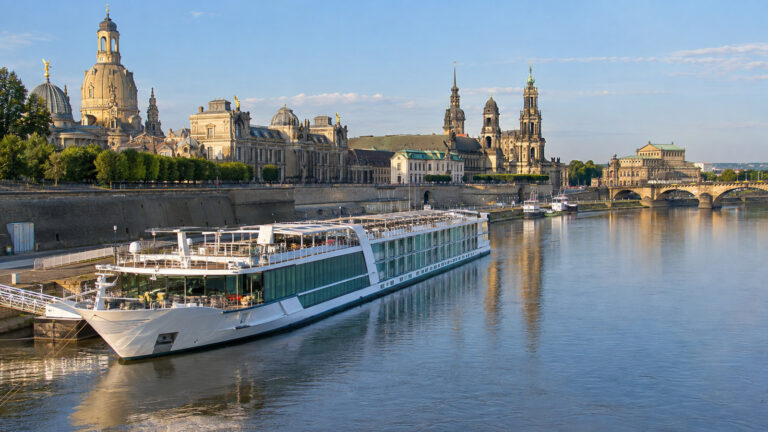
- Where you land: berths vary by port and operator. In Dresden, Saechsische Dampfschifffahrt lists passenger piers along the Terrassenufer, but confirm the assigned pier before arrival.
- How you get ashore: usually by a gangway onto a quay or floating pontoon. Rafting can require guests to cross another vessel, so ask about step-free access if that matters.
- Into town: Dresden’s Terrassenufer piers are close to the historic center. The exact walk depends on the assigned berth.
- Currency and language: The euro and German for most of the route, then the Czech koruna and Czech from Decin southwards.
- Getting around cost: many Elbe calls are walkable, but excursions and the Berlin or Prague segments may use motorcoaches. Check what transfers are included.
- Time zone: Central European Time, UTC+1, moving to UTC+2 for summer time across almost the whole season.
- How often the call is missed: no reliable routewide percentage is published. Low or high water can change navigation, docking, or transfers, so use the operator’s live update for your sailing.
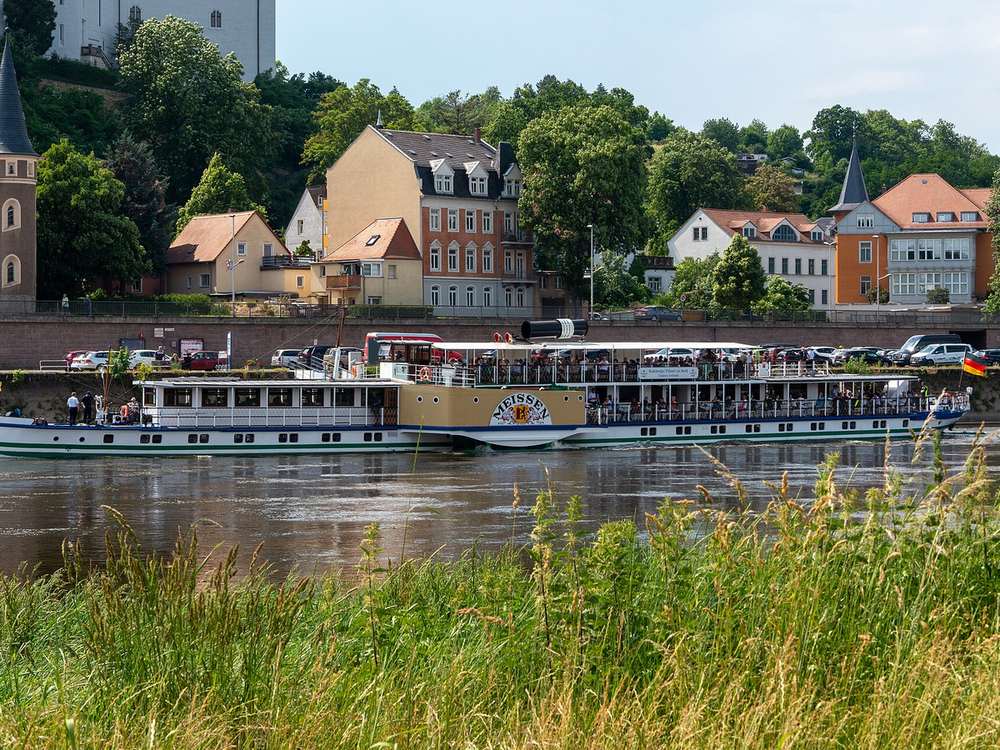
- The ships: shallow-draft vessels built for this river, some paddle-wheel driven. They are not interchangeable with Rhine or Danube hardware, which is why a swap is rarely an option.
Why the Elbe runs dry when other rivers do not
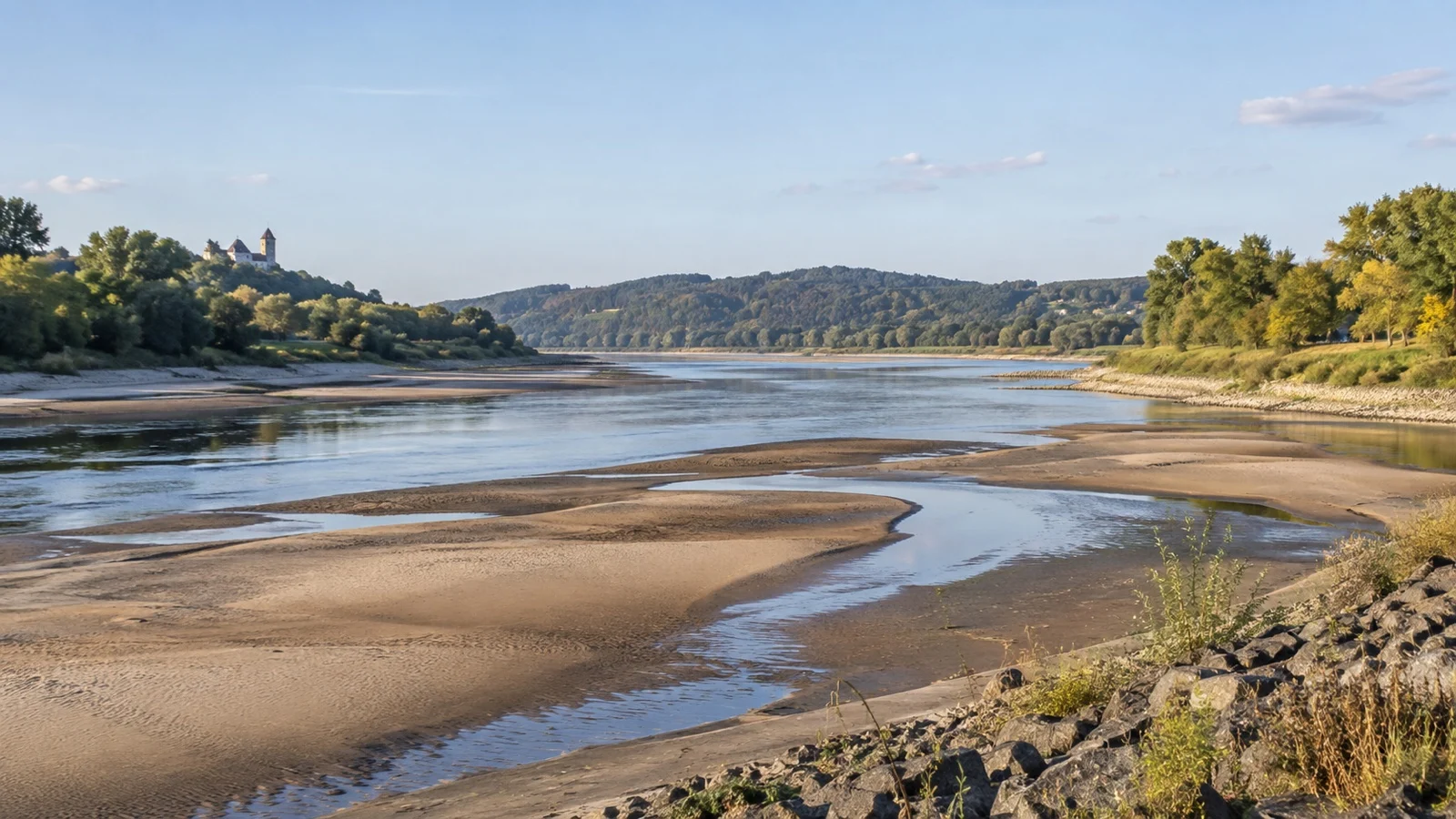
Long stretches of the middle Elbe are free-flowing rather than divided into regular lock-controlled reaches. This makes navigable depth more sensitive to changing flow.
The Gesamtkonzept Elbe, Germany’s federal strategy for the river, covers the inland Elbe from the Czech border to the Geesthacht weir. It balances navigation with water management and conservation.
Germany’s PEGELONLINE service publishes the Dresden gauge. Its official reference data list a 2010 to 2020 mean level of 156 centimeters, a mean low level of 67 centimeters, and a historic minimum of 21 centimeters on August 12, 1947.
A gauge reading is not the same as usable channel depth, and it does not reveal an operator’s minimum threshold. Treat it as context rather than a go or no-go forecast for your ship.
The broader ELWIS service publishes official waterway information and notices. Check it before travel, then rely on the cruise operator for the actual sailing decision.
How Prague fits into an Elbe itinerary
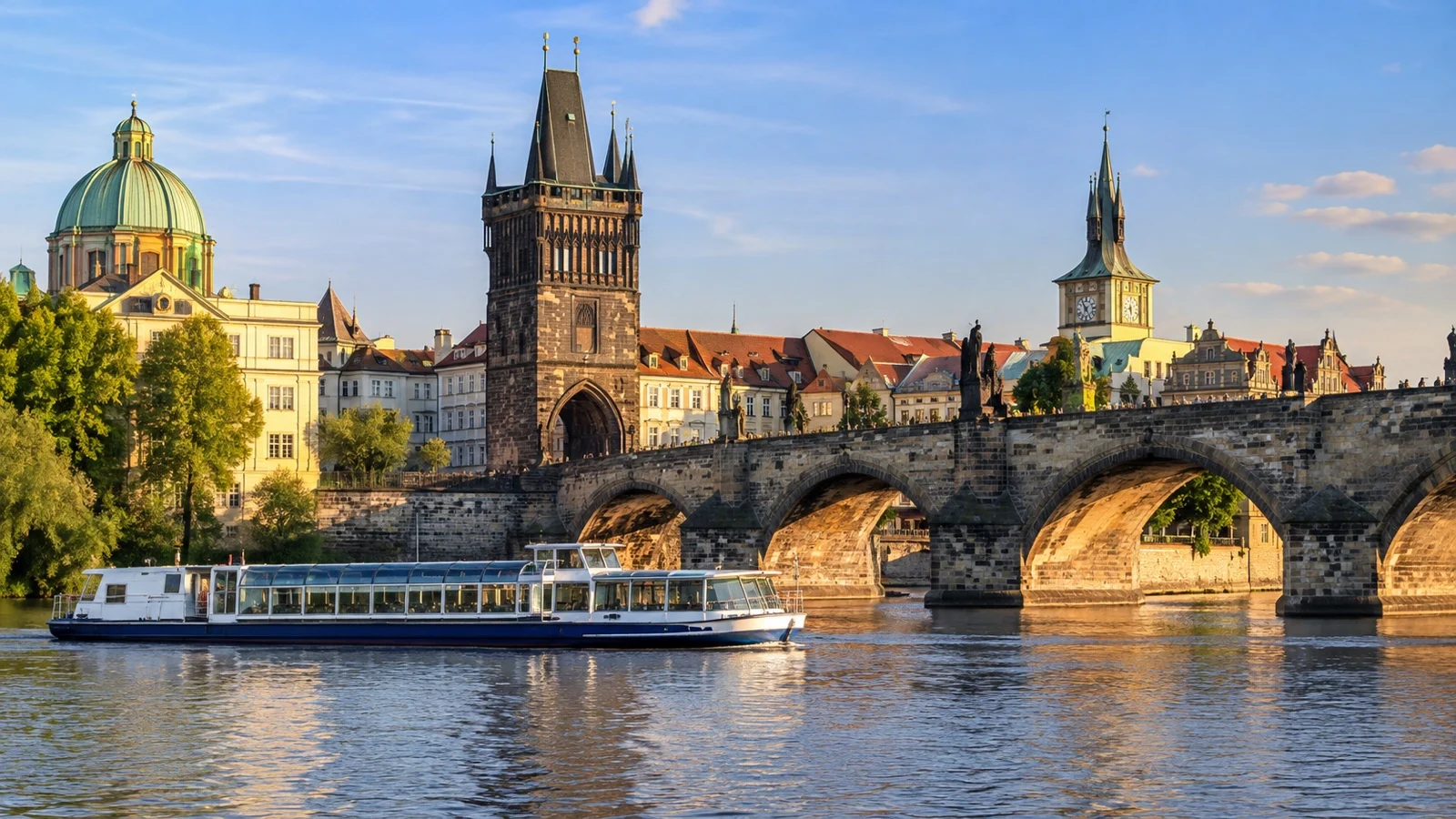
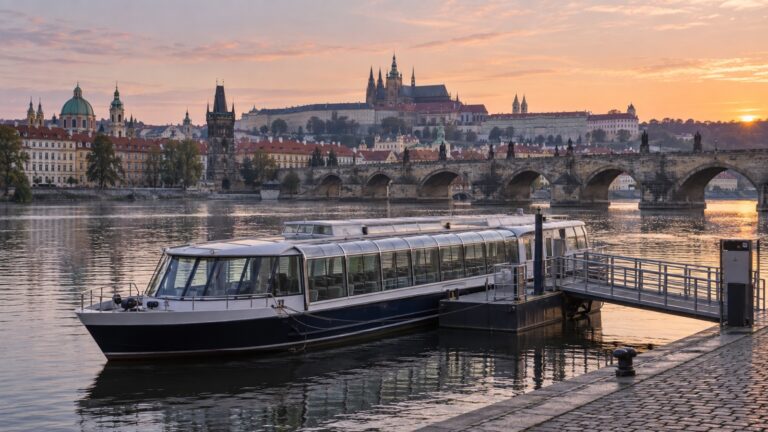
Prague sits on the Vltava, which joins the Elbe at Mělník. Whether the ship reaches Prague depends on the operator and vessel.
Viking’s current Elegant Elbe itinerary sails to Děčín, then transfers guests to Prague for the hotel portion of the cruisetour. Its day-by-day itinerary lists Děčín and Prague on the same day.
CroisiEurope uses a different model. Its current Elbe and Vltava itinerary says MS Elbe Princesse is moored in central Prague, so do not assume every Prague stay is reached by motorcoach.
Ask for the exact embarkation city, first night location, and transfer plan for your departure. The itinerary title alone does not tell you where you sleep aboard the ship.
What motorcoach substitution actually looks like
When navigation is restricted, an operator may shorten the sailed section, keep a ship moored while using motorcoaches, swap ships, or use hotels. The response depends on the vessel, location, and contract.
A moored-ship plan can let guests keep their cabin while touring by road. A hotel substitution usually means packing and transferring luggage.
Ask who handles luggage, meals, and accessible transport if hotels replace ship nights. Do not assume the substitute accommodation or schedule will match the original plan.
Compensation and refunds depend on the operator’s contract and the reason for the change. The river-cruise low-water guide explains the main substitution patterns.
Elbe river cruise ports worth your time
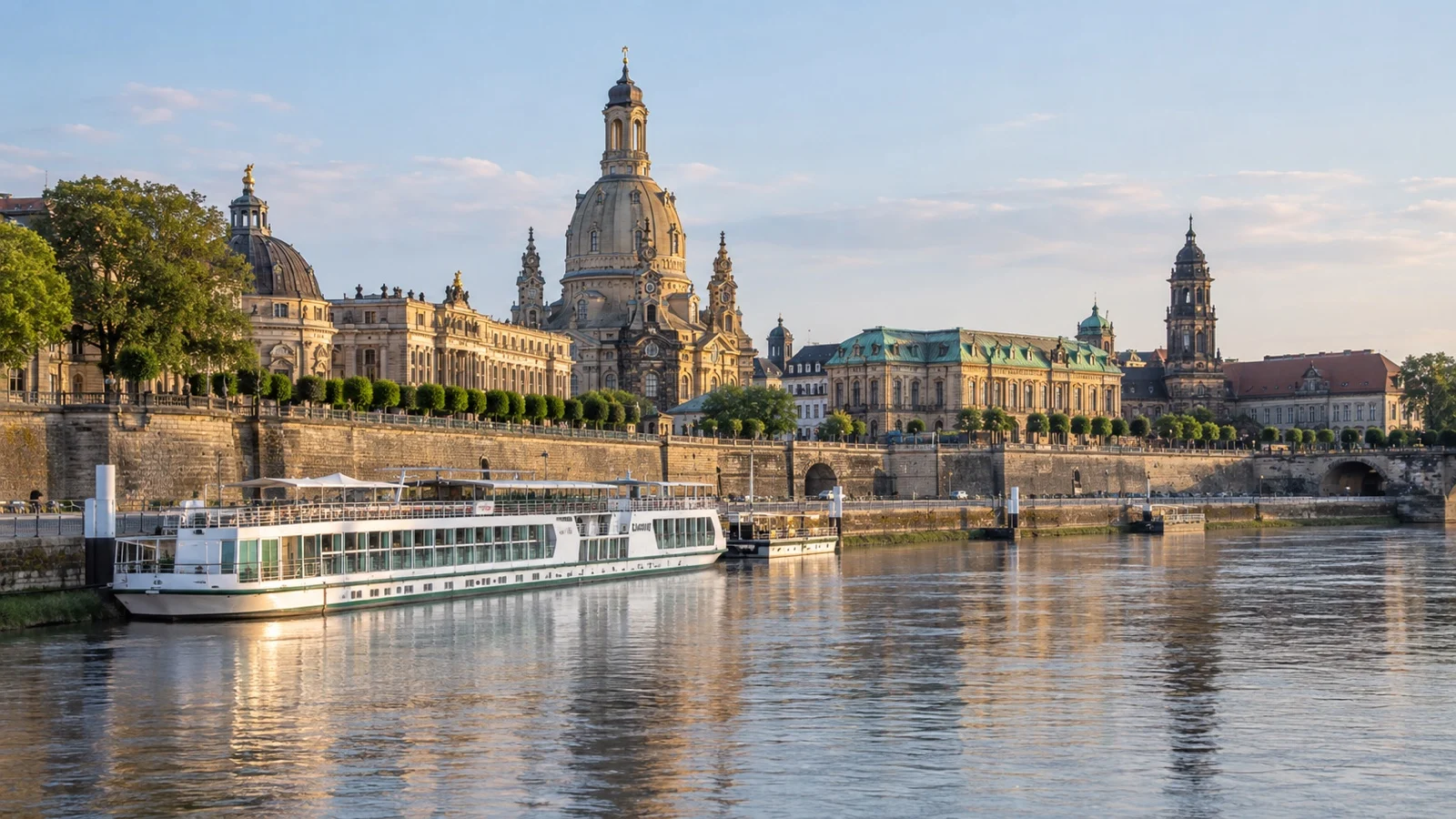
Many Elbe stops have compact historic centers, though berth locations and included transfers vary. The ports below appear on current itineraries, while calls such as Torgau or Potsdam depend on the operator.
- Dresden: the Terrassenufer is close to the Frauenkirche, Zwinger, Semper Opera House, and Royal Palace. Confirm whether your call includes a guided tour, free time, or an overnight.
- The Zwinger: this baroque complex houses several collections of the Dresden State Art Collections, including the Old Masters Picture Gallery, Porcelain Collection, and Royal Cabinet of Mathematical and Physical Instruments. Pick one collection if time is short.
- The Frauenkirche: the church was destroyed in 1945 and rebuilt with salvaged stones incorporated into the new structure. Check the church’s current visiting and dome hours before your call.
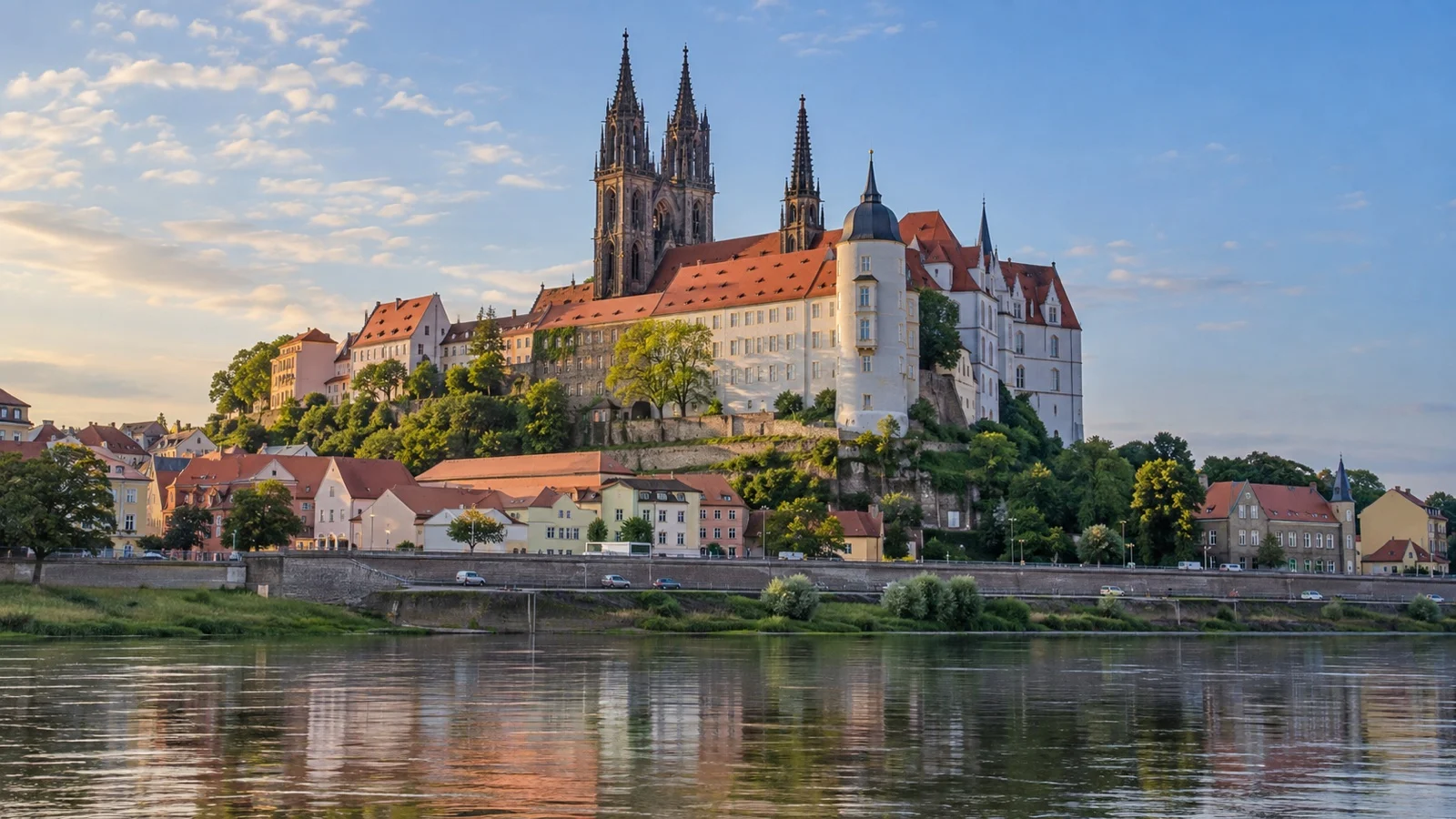
- Meissen: the porcelain town, and the porcelain is only half of it. The Albrechtsburg describes itself as Germany’s oldest castle, charges 12 euros full price and 10 euros reduced, closes on Tuesdays, and sells a combined ticket with the porcelain manufactory valid for three days.
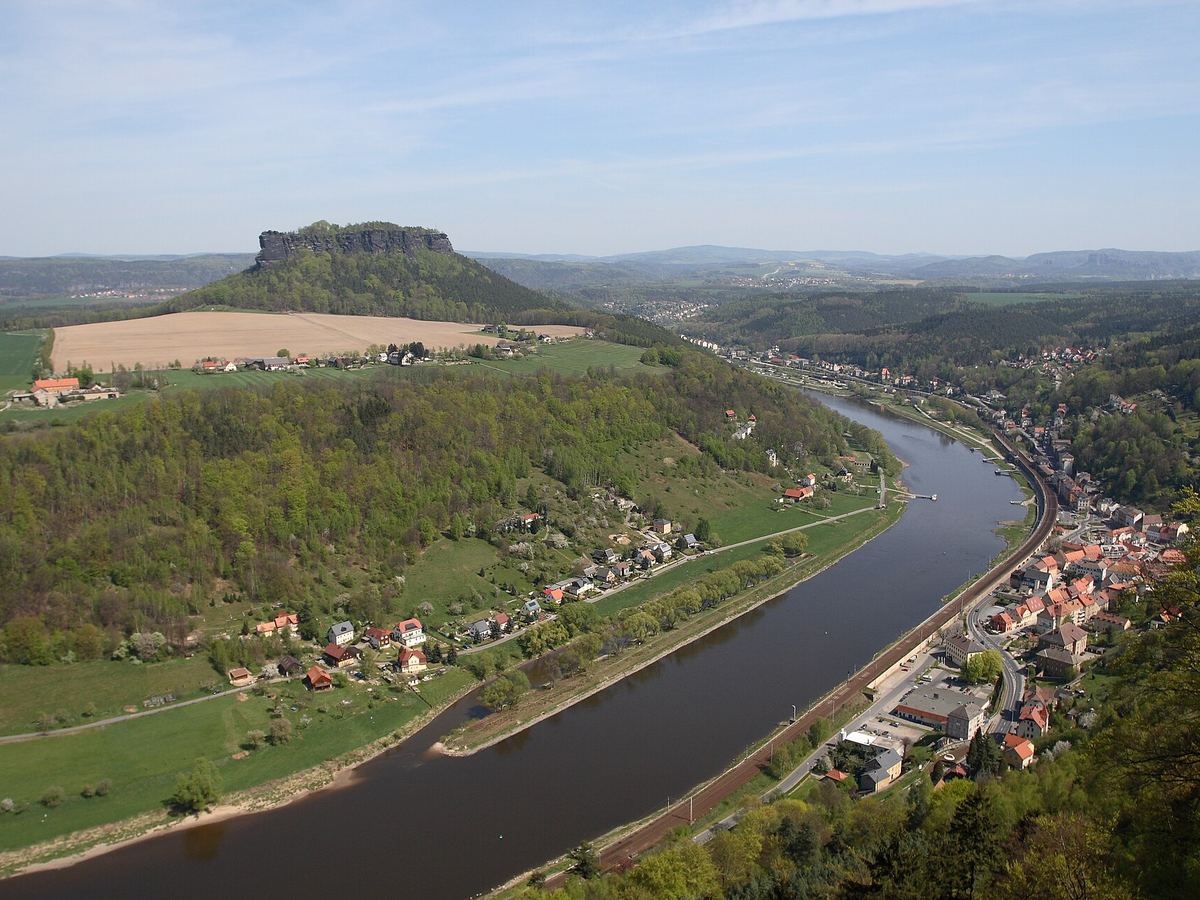
- Saxon Switzerland: the sandstone landscape upstream of Dresden is commonly reached from Bad Schandau or Pirna. Bastei and Königstein Fortress are major excursion stops, but accessibility varies.
- Wittenberg: Luther’s town, and a UNESCO listing since 1996 alongside Eisleben. The Castle Church door, the Town Church and the Luther House sit in one small old town, though the river berth is a walk or a shuttle out.
- Magdeburg: the cathedral and old town are the main draw. Check current church hours because services and events can limit sightseeing access.
Fun fact: the stretch of river your ship sails through Dresden was itself a World Heritage Site, inscribed by UNESCO in 2004 as the Dresden Elbe Valley and deleted from the list in 2009 after the city built a road bridge across it. It remains one of the very few properties ever removed from the World Heritage List.
How to plan the day
Dresden often receives a full day or overnight on Elbe itineraries. Walk the Altstadt early, choose one major museum collection, and leave room for schedule changes.
Saxon Switzerland works well as an organized excursion from Bad Schandau or Dresden. Confirm the walking grade and whether Bastei or Königstein is included.
Meissen works well as a half-day call. The porcelain manufactory is lower in town, while Albrechtsburg and the cathedral sit uphill.
On a substituted motorcoach day, confirm the departure point and return time with reception. Keep medication and essential documents with you.
A realistic word on accessibility
Accessibility varies sharply by ship, berth, and substitution plan. Smaller vessels may have limited elevator coverage, so confirm access from cabin to gangway before booking.
Ashore, the piers are the bigger issue. Saechsische Dampfschifffahrt is candid about its Dresden landings, noting that piers 1 to 5 on the Terrassenufer are accessible with a walker or wheelchair while piers 17 to 20 above the Carola Bridge are not, and cruise pontoons vary the same way.
Motorcoach substitutions can add high steps, longer sitting periods, and extra transfers. Historic centers in Meissen, Wittenberg, and Dresden also include cobbles and uneven surfaces.
If step-free access is essential, state that at booking and request written confirmation for the ship, berth, and substitute transport. The wheelchair-friendly cruise ports guide explains what to verify.
When to go, and the weather
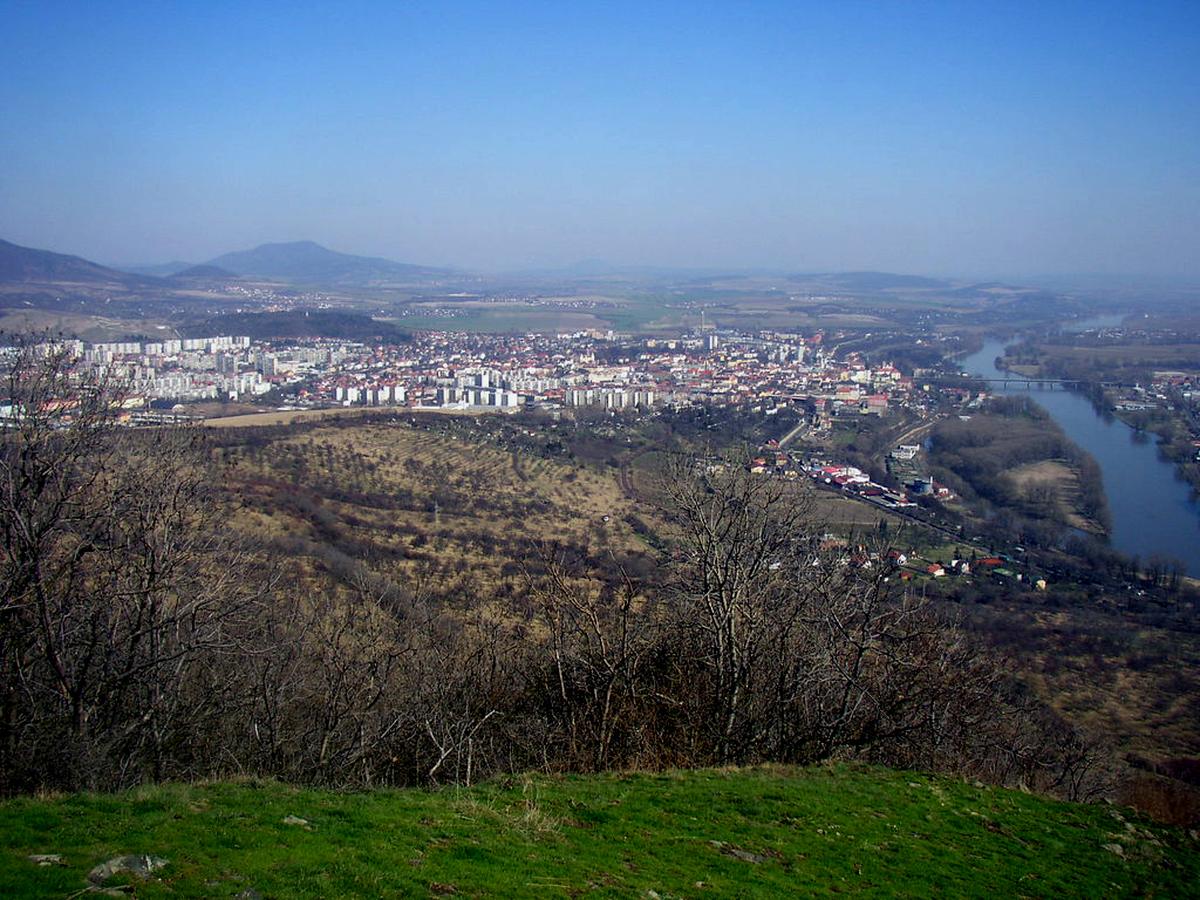
Operators publish Elbe departures from spring through fall, with some Christmas-market sailings. Departure months and route length vary by line.
Summer usually brings warmer weather, but it does not guarantee navigable water. Both low and high water can disrupt river operations.
Spring and fall can be cooler and wetter, yet neither season guarantees a particular river level. Pack layers and choose dates for the itinerary rather than a promised water condition.
Christmas-market sailings require cold-weather clothing and flexible plans. Check the operator’s route and cancellation terms for the specific departure.
Practical checks before booking the Elbe
Ask the line to identify the planned embarkation city, ship, and written low-water contingency, then keep both end-of-trip hotels and rail tickets flexible. Prague may be a hotel or motorcoach component rather than a river berth, while a substitute sailing can start at Dresden, Wittenberg, or another reachable quay.
On a motorcoach replacement day, get the exact return time, luggage plan, meal arrangement, and accessible vehicle confirmation before leaving the hotel. Keep documents and medication with you because checked bags may travel separately to a hotel or replacement ship.
Use PEGELONLINE and ELWIS for observations and official notices, but do not translate one gauge height into a promise that a particular vessel will sail. Water depth, channel position, ship draft, and the line’s operating threshold are different things, which is why only the operator can make the final decision.
Quick answers
Do Elbe river cruises actually go to Prague?
Some do and some do not: CroisiEurope markets a ship moored in central Prague, while Viking’s Elegant Elbe transfers guests from Děčín to its Prague hotel program.
How likely is an Elbe cruise to be disrupted by water levels?
No reliable routewide percentage is published, so check official gauges for context and ask the operator for the current plan.
Why are many Elbe ships smaller than Rhine ships?
Operators use vessels designed for the Elbe’s shallow, free-flowing reaches and bridge clearances, and some use paddle-wheel propulsion.
Can you walk into Dresden from the ship?
Usually, if the ship uses a central Terrassenufer berth, but confirm the assigned pier because docking locations can change.
Will you get money back if the itinerary uses motorcoaches?
It depends on the operator’s contract and the reason for the change, so read the water-level clause before final payment.
The last word
The Elbe can be more operationally sensitive than heavily controlled waterways, but it rewards flexible travelers. Dresden, Meissen, and Wittenberg remain worthwhile even if part of the route moves by road.
Travelers who need a highly predictable schedule may prefer a route with fewer water-level constraints. The Vienna river cruise guide shows how a larger river port typically works.
For the wider German picture, including the ocean port near the river’s North Sea end, see the Germany cruise ports overview. The Elbe reaches Hamburg after a journey of roughly 680 miles.
Read the water-level clause, keep transfers flexible, and expect the itinerary to change if navigation becomes unsafe. The scenery and historic cities are still the reason to choose this route.
How this guide was researched: This guide was checked in September 2026 against current operator itineraries from Viking and CroisiEurope, German federal waterway data from PEGELONLINE and ELWIS, Dresden pier information, and official attraction and UNESCO sources. Reconfirm the ship, berth, transfer plan, accessibility, and all-aboard time because live operations can change.